

Global Ambulatory Healthcare Service Market Size and Forecast – 2026 to 2033
The global ambulatory healthcare service market is estimated to be valued at USD 970.77 Bn in 2026 and is expected to reach USD 1,431.01 Bn by 2033, exhibiting a compound annual growth rate (CAGR) of 5.7% from 2026 to 2033. This growth is driven by increasing demand for outpatient care, advancements in medical technologies, and a shift towards cost-effective healthcare delivery models worldwide.
Key Takeaways of the Global Ambulatory Healthcare Service Market
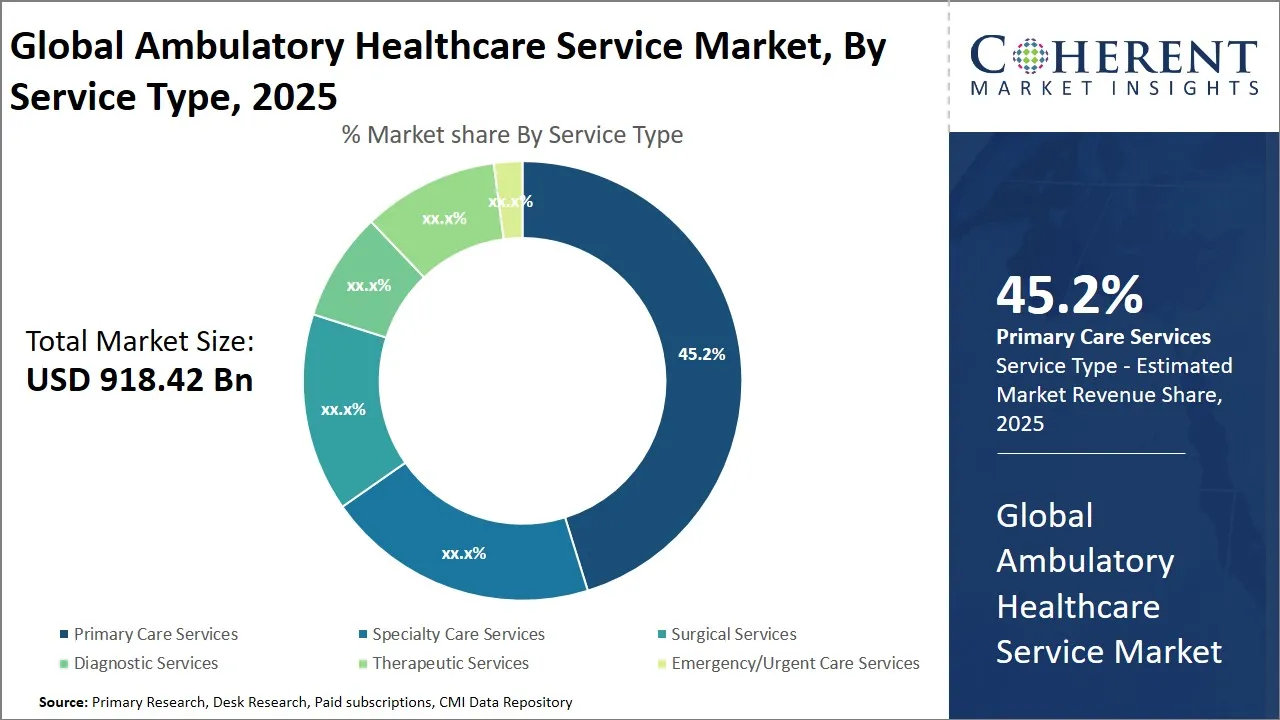
- The primary care services segment leads the global ambulatory healthcare service market in 2026 with a 46.2 % share.
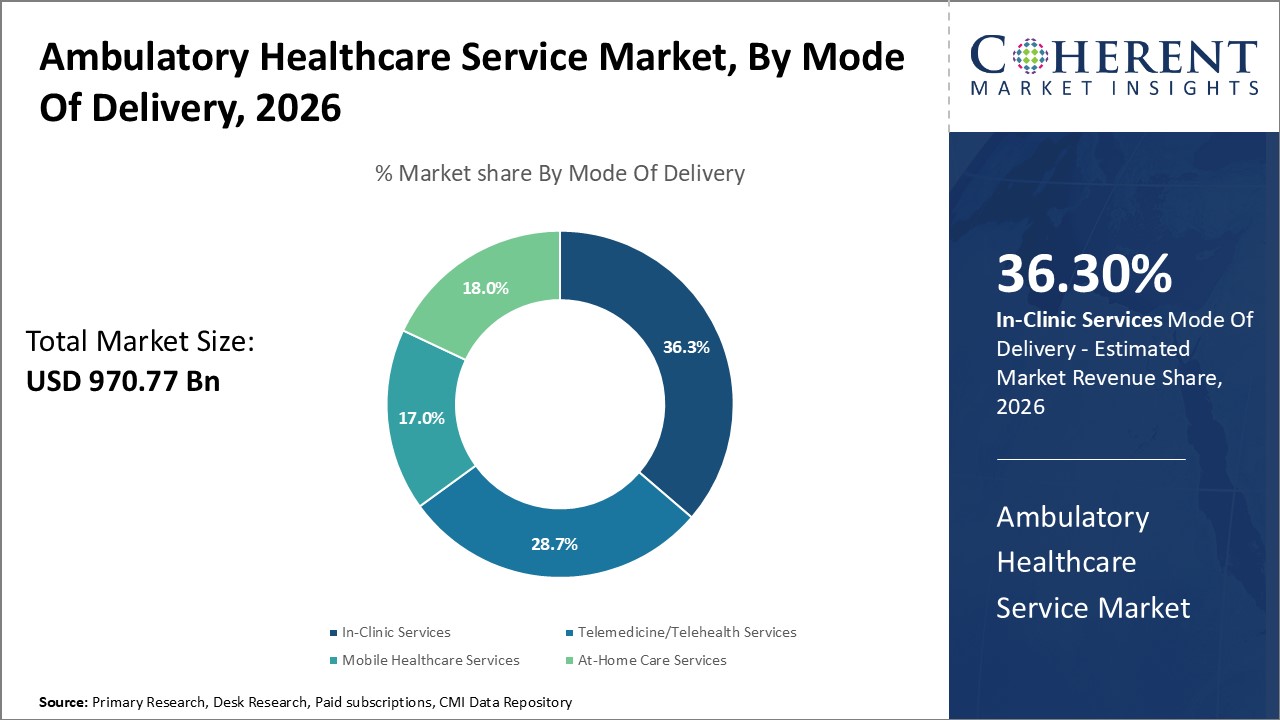
- The in-clinic services segment dominates with an estimated share of 36.3 % in 2026.
- By therapeutic area, the cardiology segment holds the largest share at 24.2 % in 2026.
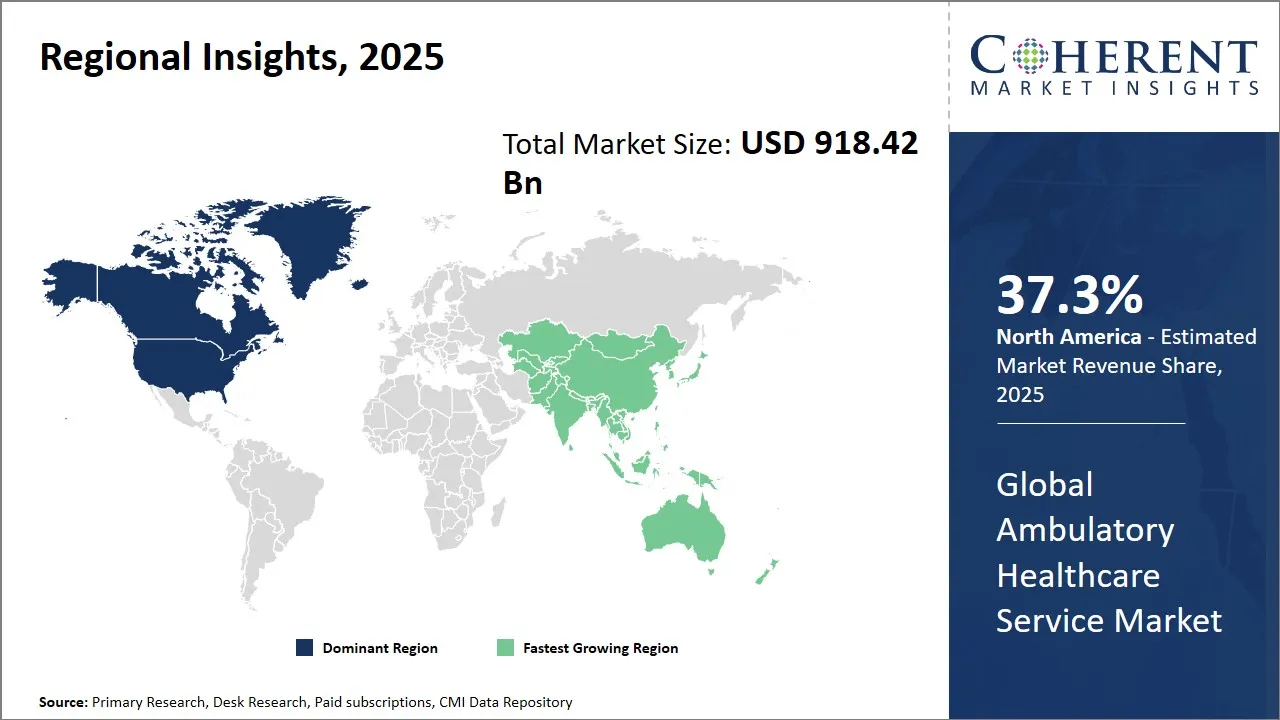
- North America is expected to lead the market, holding a share of 37.3 % in 2026. Asia Pacific is anticipated to be the fastest-growing region, with an estimated market share of 24.3% in 2026.
Market Overview
Current market trends indicate a significant rise in the adoption of telehealth and digital health platforms within ambulatory services, enabling enhanced patient monitoring and remote consultations. Additionally, there is a growing emphasis on personalized care and integrated healthcare systems to improve patient outcomes. These trends, combined with supportive government policies and rising chronic disease prevalence, are propelling the expansion of ambulatory healthcare services globally.
Current Events and Its Impact
Current Events | Description and its Impact |
Reimbursement Expansion for Virtual and Hybrid Care |
|
Rise of Telehealth and Virtual Care |
|
Segmental Insights
- Current Industry Events of 2026
- Market Size Estimation
- Regional Breakdown
- Competitive Landscape
- Customer Intelligence
- Segmental Analysis
- Pricing Analysis
- Key Market Drivers, Challenges & Future Trends
- Customized Insights Section
Ambulatory Healthcare Service Market Insights, by Service Type - Primary Care Services Contributes the Highest Share Owing to its Foundational Role in the Healthcare Continuum
The primary care services segment is projected to account for 46.2% share in 2026, providing comprehensive, accessible, and coordinated care that includes health promotion, disease prevention, diagnosis, and treatment of acute and chronic illnesses. One of the main drivers behind the prominence of Primary Care Services in ambulatory settings is their cost-effectiveness compared to inpatient or specialist care, making them highly attractive from both patient and payer perspectives.
The increasing global emphasis on preventive healthcare has amplified the importance of primary care providers, who play a key role in early disease identification and management, thereby reducing the burden on secondary and tertiary healthcare facilities. Also, demographic shifts such as aging populations have catalyzed the demand for ongoing management of chronic diseases like diabetes, hypertension, and respiratory conditions all typically addressed at the primary care level. Furthermore, primary care practitioners foster long-term patient relationships, encouraging adherence to treatment protocols and promoting healthier lifestyles.
Ambulatory Healthcare Service Market Insights, by Mode of Delivery - In-Clinic Services Contribute the Highest Share Driven by the Tangible Benefits of Direct Patient-Provider Interaction
The in-clinic services segment is expected to capture 36.3% share in 2026, due to their ability to provide immediate, hands-on diagnostic and therapeutic interventions. The clinical setting is equipped with advanced medical technology, specialized staff, and facilities that enable full physical examinations, complex procedures, and immediate access to diagnostic tools such as imaging and lab services resources that are critical for accurate diagnoses and effective management, especially in more complex cases. Moreover, many patients and clinicians still prefer in-person consultations for building trust, clearer communication, and reassurance, which are harder to replicate remotely.
Additionally, regulatory frameworks and reimbursement structures in many healthcare systems continue to favor in-clinic visits. These frameworks ensure standardized care protocols, patient safety, and quality control, reinforcing the preference for in-clinic services. The operational efficiency achieved by consolidating services within clinics also helps providers optimize resources and maintain consistent care pathways.
Ambulatory Healthcare Service Market Insights, by Therapeutic Area - Cardiology Leads Propelled by the Rising Prevalence of Cardiovascular Diseases (CVDs)
The cardiology segment is projected to hold 24.2% share in 2026, due to complex diagnostic, monitoring, and therapeutic procedures that are increasingly being delivered in ambulatory care settings to enhance patient convenience and reduce hospital admissions. The global surge in risk factors such as hypertension, obesity, diabetes, sedentary lifestyles, and aging populations has increased the incidence of heart diseases, hypertension, and related disorders. Advances in portable cardiac diagnostics, such as wearable ECG monitors and remote telemetry, have facilitated large-scale adoption of ambulatory cardiology services.
For instance, in May 2024, Vivalink, a digital healthcare solutions provider, launched a turnkey Ambulatory Cardiac Monitoring solution for Mobile Cardiac Telemetry (MCT) and Holter, integrating remote patient monitoring technologies with advanced arrhythmia detection. The system features a reusable ECG patch, mobile gateway with patient app, clinician portal, and customizable reporting, enabling seamless deployment and cost-efficient delivery of cardiac monitoring services.
Regional Insights
North America Ambulatory Healthcare Service Market Analysis and Trends
North America region is projected to lead the market with a 37.3% share in 2026, driven by a highly developed healthcare infrastructure, extensive insurance coverage, and advanced technological integration. The presence of a robust network of private and public healthcare providers ensures widespread access to ambulatory services. Government initiatives such as the Affordable Care Act in the U.S. have expanded ambulatory care utilization by promoting outpatient treatments to reduce inpatient costs. Additionally, a strong ecosystem of service providers, diagnostic centers, and specialty clinics contributes to efficient patient management. North America is home to notable companies like UnitedHealth Group, HCA Healthcare, and Tenet Healthcare, which are advancing ambulatory service delivery through strategic acquisitions and investments in telehealth and outpatient facilities, further reinforcing the region's leadership.
In September 2026, the Centers for Medicare & Medicaid Services (CMS), the federal agency overseeing Medicare and Medicaid, proposed the CY 2026 Hospital Outpatient Prospective Payment System and Ambulatory Surgical Center Payment System rule to modernize hospital payments and expand patient choice. The reforms aim to cut out-of-pocket costs, enforce stronger transparency, and hold hospitals more accountable, while advancing site neutrality so patients pay the same regardless of care location.
Asia Pacific Ambulatory Healthcare Service Market Analysis and Trends
The Asia Pacific region exhibits the fastest growth in the ambulatory healthcare service market, with an estimated 24.3% share in 2026, fueled by rising healthcare awareness, increasing government spending on healthcare infrastructure, and expanding urban populations. Countries like China, India, and Southeast Asian nations are rapidly developing healthcare ecosystems to bridge gaps in access and affordability. Governments are actively pushing policies to strengthen primary care and community health services, facilitating the growth of ambulatory care. The private sector is also burgeoning, with companies such as Apollo Hospitals, Fortis Healthcare, and Narayana Health leading the charge by expanding outpatient clinics and integrating digital health solutions.
Ambulatory Healthcare Service Market Outlook for Key Countries
U.S. Ambulatory Healthcare Service Market Analysis and Trends
The U.S. remains at the forefront of the ambulatory healthcare service market due to its large-scale adoption of outpatient care models and advanced digital health technologies. Major players like UnitedHealth Group and CVS Health are investing heavily in ambulatory service expansion and telemedicine offerings. Supportive government regulations and a focus on cost-efficiency in healthcare delivery encourage providers to offer a broad spectrum of outpatient procedures and diagnostic services, consolidating the country’s leadership position.
In September 2026, in Nevada, U.S., Kaiser Permanente and Renown Health partnered to launch Kaiser Permanente Nevada in 2026, combining Renown’s Hometown Health with Kaiser’s value-based care model to expand affordable insurance and multispecialty ambulatory services across Reno.
Canada Ambulatory Healthcare Service Market Analysis and Trends
In Canada, the ambulatory healthcare service market is increasingly shaped by the country’s focus on reducing strain on hospitals and improving patient access to outpatient care. Government-led initiatives are encouraging the expansion of ambulatory surgical centers, diagnostic facilities, and specialized outpatient clinics to shorten wait times and enhance efficiency. There is also a strong push toward digital health integration, with virtual consultations, telemonitoring, and electronic health records becoming central to ambulatory care delivery. Additionally, Canada’s aging population is driving higher demand for chronic disease management, rehabilitation services, and preventive care through outpatient channels.
In June 2024, the Saint John Regional Hospital Foundation and Horizon Health Network opened the new J.T. Clark Family Foundation Ambulatory Clinic in Canada. Fully funded by donors, the expansion doubled the clinic’s size, added modern facilities, and will provide a wide range of specialty services, supporting over 42,000 patient visits each year.
China Ambulatory Healthcare Service Market Analysis and Trends
China ambulatory healthcare service market is rapidly evolving, backed by ambitious government healthcare reforms aimed at expanding primary care and reducing hospital congestion. Public-private partnerships and investment in community health services are creating a favorable ecosystem. Leading healthcare groups like China Resources Medical and Ping An Good Doctor are driving ambulatory service models through digital platforms and tiered care networks, addressing vast urban and rural patient bases and underscoring the country’s strategic importance in the global ambulatory healthcare service market.
In June 2026, the GBA Healthcare Group, a leading cross-border healthcare provider in the Greater Bay Area, partnered with FWD Hong Kong, China a major insurance company, to launch the GBAssure Outpatient Plan offering integrated ambulatory healthcare services.
India Ambulatory Healthcare Service Market Analysis and Trends
India ambulatory healthcare service market growth is underpinned by increasing private healthcare investment and growing consumer demand for convenient and cost-effective ambulatory care. Despite challenges in infrastructure, telehealth adoption and outpatient specialty clinics are expanding, led by companies such as Apollo Hospitals and Fortis Healthcare. Government initiatives promoting digital health and rural healthcare accessibility are also instrumental in shaping market dynamics and enhancing service reach.
In July 2026, the Brihanmumbai Municipal Corporation (BMC), Mumbai’s civic body responsible for public healthcare, launched a free Palliative Care Outpatient Department at Cooper Hospital under Hindu Hriday Samrat Balasaheb Thackeray Medical College. The ambulatory healthcare service will run every Monday and Thursday, offering specialized care for patients with chronic and life-threatening illnesses like cancer and diabetes.
End User Feedback and Unmet Needs - Ambulatory Healthcare Service Market
- End users of ambulatory healthcare services consistently emphasize the value of timely access, convenience, and personalized care delivery. Patients frequently note that the ability to avoid hospital admissions and instead receive treatment through outpatient clinics, urgent care centers, or mobile health units improves both satisfaction and outcomes. For example, several government-backed community health programs highlight how elderly patients benefit from mobile ambulatory units that deliver preventive screenings directly to neighborhoods. These initiatives reduce waiting times, foster stronger patient engagement, and address gaps in care accessibility, especially in rural areas where transportation remains a barrier. At the same time, industrial employers report that workplace-based ambulatory services help reduce absenteeism and strengthen employee wellness programs, showcasing the operational and economic benefits of service integration.
- However, recurring concerns highlight limitations that still hinder widespread adoption. Patients and caregivers often cite challenges with fragmented digital integration, where electronic health records from ambulatory providers fail to seamlessly connect with hospital systems, leading to delays in diagnosis or treatment planning. One commonly reported issue comes from private insurance users who experience inconsistent coverage, making affordability a pressing concern. These experiences underline unmet needs around interoperability, customization of services for diverse demographics, and sustainable cost models. Addressing these gaps could unlock significant opportunities: providers who invest in interoperable IT platforms and patient-centered service models can improve retention and attract institutional partnerships, while policymakers that support reimbursement reforms can drive affordability and expand access. Collectively, these efforts would not only enhance user satisfaction but also inspire new innovations in preventive and chronic care management, positioning the ambulatory healthcare sector as a cornerstone of modern healthcare delivery.
Market Players, Key Developments, and Competitive Intelligence
Key Developments
- In July 2025, the Centers for Medicare & Medicaid Services proposed the Ambulatory Specialty Model (ASM) in the 2026 Physician Fee Schedule to improve prevention and management of chronic diseases like heart failure and low back pain.
- In February 2025, PureHealth, the largest integrated healthcare platform, rebranded its Ambulatory Healthcare Services to SEHA CLINICS to reinforce its role as Abu Dhabi’s primary care provider. The move, aligned with the U.A.E.’s Year of Community vision, will see 34 SEHA CLINICS fully integrated into SEHA, with 10 more set to open in 2025, ensuring broader, more cohesive access to healthcare.
- In January 2024, NL Health Services, the provincial health authority in Newfoundland and Labrador, announced a new Ambulatory Healthcare Service hub on Northeast Avalon to improve access to outpatient care and ease pressure on acute care hospitals. The USD 4.1 million annual contract was awarded to Newfoundland and Labrador Health Alliance, a leading regional healthcare provider, for a 20-year lease of 80,000 square feet at the former Costco Building in St. John’s.
- In August 2023, Catholic Health, a leading not-for-profit health system on Long Island, opened its largest Ambulatory & Urgent Care center in Centereach, Suffolk County. The new 63,000-square-foot multispecialty facility offers primary and specialty care, walk-in urgent care, diagnostic imaging, an on-site pharmacy, and a gastroenterology suite for endoscopy procedures outside the hospital setting.
Top Strategies Followed by Global Ambulatory Healthcare Service Market Players
- Established players dominate the landscape by leveraging substantial investments in research and development (R&D) to create innovative, high-performance products that meet evolving healthcare demands. These industry leaders prioritize continuous innovation to maintain technological edges, enabling them to offer advanced ambulatory solutions that improve patient outcomes and operational efficiencies. Additionally, they frequently form strategic partnerships and alliances with major industry players and Original Equipment Manufacturers (OEMs) to solidify their market presence and expand their product portfolios.
- In June 2025, Ascension Health, one of the largest nonprofit health systems in the U.S., is nearing completion of its USD 3.9 billion acquisition of AmSurg, expanding its ambulatory surgery center network and outpatient capacity after reporting an 18.1% year-over-year rise in surgery visits.
- Mid-level players in the ambulatory healthcare service market adopt a more cost-conscious approach, concentrating on delivering solutions that balance quality with affordability. These companies specifically target price-sensitive consumers, including small clinics and healthcare providers in developing regions, where cost efficiency is a decisive purchasing factor.
- In May 2023, IHH Healthcare Singapore, a leading private healthcare provider, opened Parkway MediCentre Woodleigh, a new one-stop Ambulatory Care facility at Woodleigh Mall to serve the northeastern community, the centre bridges the gap between General Practitioner (GP) clinics and tertiary hospitals by offering General Practitioner (GP) services, chronic disease management, radiology imaging, health screenings, and urgent care for non-life-threatening conditions, reflecting how mid-level players in the ambulatory healthcare service market focus on balancing quality with affordability to serve price-sensitive communities.
- Small-scale players carve out their niches in the global ambulatory healthcare service market by focusing on specialized or innovative product features that differentiate them from larger competitors. This segment frequently adopts cutting-edge technologies such as telemedicine platforms, wearable health monitors, and AI-powered diagnostic tools to create unique value propositions. By concentrating on innovation and niche specializations, these smaller companies can address specific patient needs or underserved segments that might be overlooked by larger corporations.
- In January 2024, the Indian Health Service (IHS), an agency under the U.S. Department of Health and Human Services dedicated to tribal health, allocated USD 55 million across 15 tribes and tribal organizations through its Small Ambulatory Program to develop and modernize small ambulatory healthcare facilities.
Market Report Scope
Ambulatory Healthcare Service Market Report Coverage
| Report Coverage | Details | ||
|---|---|---|---|
| Base Year: | 2025 | Market Size in 2026: | USD 970.77 Bn |
| Historical Data for: | 2020 To 2024 | Forecast Period: | 2026 To 2033 |
| Forecast Period 2026 to 2033 CAGR: | 5.7% | 2033 Value Projection: | USD 1,431.01 Bn |
| Geographies covered: |
| ||
| Segments covered: |
| ||
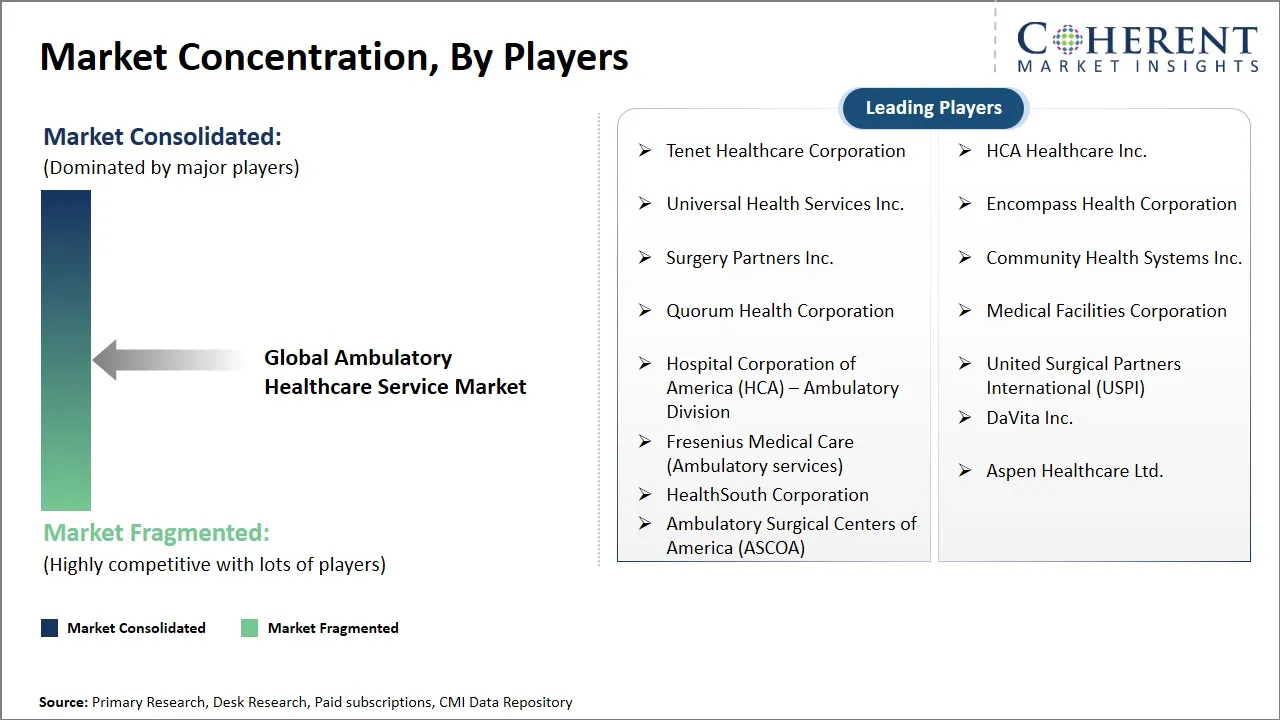
| Companies covered: | Tenet Healthcare Corporation, HCA Healthcare Inc., Universal Health Services Inc., Encompass Health Corporation, Surgery Partners Inc., Community Health Systems Inc., Quorum Health Corporation, Medical Facilities Corporation, Hospital Corporation of America (HCA) – Ambulatory Division, United Surgical Partners International (USPI), Fresenius Medical Care (Ambulatory services), DaVita Inc., HealthSouth Corporation, Aspen Healthcare Ltd., and Ambulatory Surgical Centers of America (ASCOA) | ||
| Growth Drivers: |
| ||
| Restraints & Challenges: |
| ||
Ambulatory Healthcare Service Market Dynamics
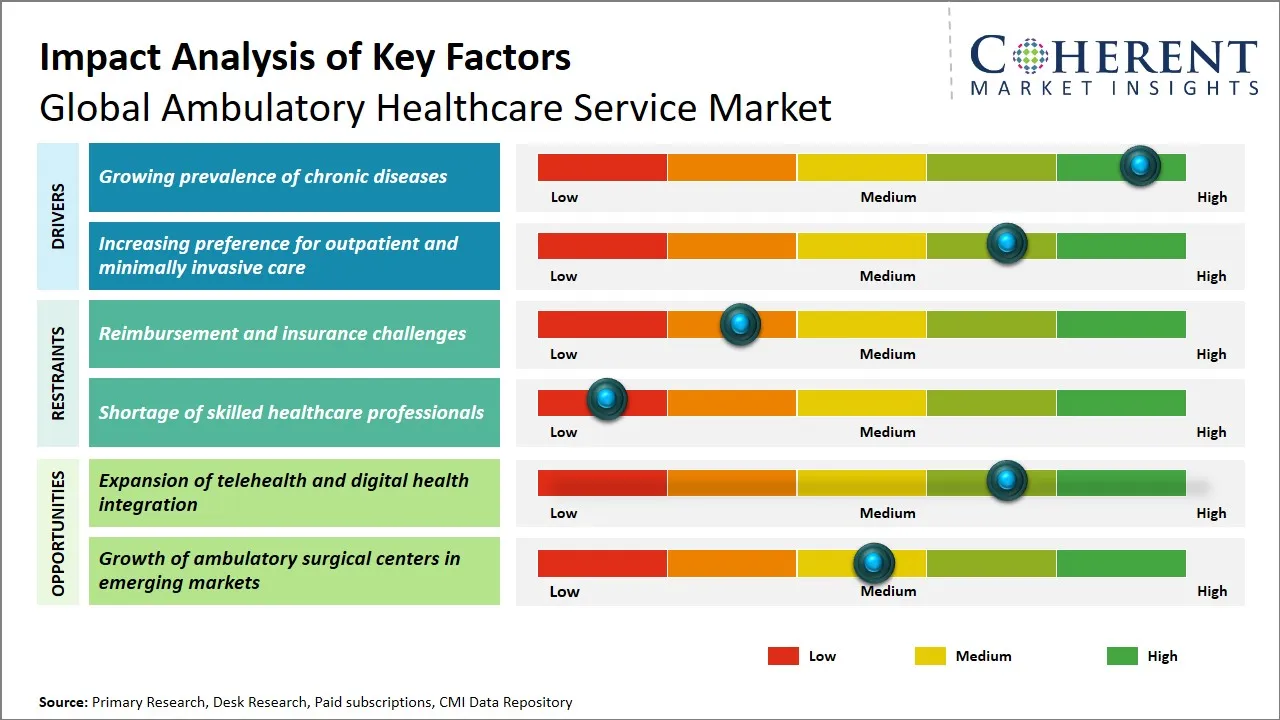
Ambulatory Healthcare Service Market Driver - Growing Prevalence of Chronic Diseases
The escalating prevalence of chronic diseases such as diabetes, cardiovascular disorders, respiratory ailments, and obesity is a significant driver for the global ambulatory healthcare service market. As these long-term conditions require continuous monitoring, regular check-ups, and ongoing management, patients increasingly seek convenient and cost-effective outpatient care options that minimize hospital stays. Ambulatory healthcare services offer a viable solution by providing timely diagnosis, treatment, and follow-up care outside traditional inpatient settings, thereby alleviating the burden on hospitals and reducing healthcare costs. Moreover, the growing aging population, coupled with sedentary lifestyles and poor dietary habits, has led to a surge in chronic disease cases, amplifying the need for accessible outpatient services that support disease management through preventive care, early intervention, and rehabilitation.
In March 2025, WHO Europe reported that chronic or Non-Communicable Diseases (NCDs) remain the leading cause of death, accounting for 90% of all deaths in the region, with many preventable through lifestyle changes and timely care. Globally, NCDs cause 73% of deaths, with India facing a growing burden where they account for 53% of all deaths and nearly half of disability-adjusted life-years lost, underscoring the urgent need for stronger prevention, screening, and treatment measures.
Ambulatory Healthcare Service Market Opportunity - Expansion of Telehealth and Digital Health Integration
The global ambulatory healthcare service market stands to benefit significantly from the rapid expansion of telehealth and digital health integration, presenting a substantial growth opportunity. With advancements in telecommunications technology and increased internet penetration worldwide, telehealth services have become more accessible and reliable, allowing patients to receive medical consultations, monitoring, and follow-ups remotely. This evolution not only enhances patient convenience but also optimizes resource allocation in ambulatory care settings by reducing the need for physical visits. Moreover, digital health tools such as wearable devices, mobile health applications, and Electronic Health Records (EHRs) enable continuous patient monitoring and personalized care delivery, improving clinical outcomes and patient engagement.
In September 2022, Ambulatory Healthcare Services, a SEHA Healthcare Facility in Abu Dhabi, launched mobile preventive and treatment services to bring high-quality care directly to the community. The mobile units provide specialty consultations, chronic disease management, the “Ifhas” screening program, vaccinations, physiotherapy, diagnostic services such as ECG and ultrasound, and more, ensuring convenient access for patients at home.
Analyst Opinion (Expert Opinion)
- The global ambulatory healthcare service market is experiencing strong momentum, driven by rapid advances in digital health technologies, expanding telemedicine platforms, and supportive regulatory frameworks that encourage outpatient-based care models. Rising demand for cost-effective alternatives to hospital admissions, coupled with growing awareness of preventive healthcare, has positioned ambulatory services as a critical component of modern health delivery. Opportunities are opening in areas such as integrated chronic disease management and mobile care units that cater to underserved communities, while challenges remain around fragmented interoperability of electronic health records and uneven reimbursement structures. Over the past few years, events like the World Health Summit in Berlin, the HIMSS Global Health Conference, and the International Conference on Primary Health Care have provided important platforms for sharing best practices, shaping policy discussions, and showcasing emerging technologies that directly benefit the ambulatory care sector.
- Real-world examples highlight how innovation and collaboration are reshaping the market. For instance, CVS Health in the United States has expanded its MinuteClinic model, offering preventive screenings and urgent care within retail spaces, making healthcare more accessible for millions of patients. In Europe, national pilot projects in telehealth have demonstrated how digital consultations reduce pressure on emergency rooms and improve care continuity. Similarly, government-supported community mobile health initiatives across Asia are reaching rural populations with essential services, reflecting a shift toward inclusive healthcare delivery. These initiatives underscore how both private players and public programs are aligning to make ambulatory healthcare not just an alternative but an integral part of global healthcare ecosystems.
Speak to the analyst
Want personalized insights?
Take the findings above to one of our principal consultants, or have the report rebuilt around the segments, geographies and competitors you actually track.
Market Segmentation
- Service Type Insights (Revenue, USD Bn, 2021 - 2033)
- Primary Care Services
- Specialty Care Services
- Surgical Services
- Diagnostic Services
- Therapeutic Services
- Emergency/Urgent Care Services
- Mode of Delivery Insights (Revenue, USD Bn, 2021 - 2033)
- In-Clinic Services
- Telemedicine/Telehealth Services
- Mobile Healthcare Services
- At-Home Care Services
- Therapeutic Area Insights (Revenue, USD Bn, 2021 - 2033)
- Cardiology
- Orthopedics
- Ophthalmology
- Gastroenterology
- Dermatology
- Dental
- Oncology
- Others (ENT, neurology, etc.)
- Application Insights (Revenue, USD Bn, 2021 - 2033)
- General Health Check-ups
- Chronic Disease Management
- Preventive Care and Screening
- Minor Surgical Procedures
- Trauma and Emergency Cases
- Maternity and Pediatric Care
- Geriatric Care
- Other (Rehabilitation and Physical Therapy, etc.)
- Age Group Insights (Revenue, USD Bn, 2021 - 2033)
- Pediatric
- Adult
- Geriatric
- Facility Type Insights (Revenue, USD Bn, 2021 - 2033)
- Hospital-Affiliated Ambulatory Centers
- Independent Ambulatory Care Centers
- Group Practices/Physician Clinics
- Diagnostic Imaging Centers
- Dialysis Centers
- Specialty Clinics
- Urgent Care Centers
- Retail Clinics/Walk-In Clinics
- Modality Insights (Revenue, USD Bn, 2021 - 2033)
- Surgical Ambulatory Care
- Non-Surgical/Medical Ambulatory Care
- Ownership Insights (Revenue, USD Bn, 2021 - 2033)
- Hospital-Owned Ambulatory Centers
- Corporate/Private-Owned Ambulatory Centers
- Physician-Owned Ambulatory Centers
- Government and Non-Profit Ambulatory Centers
- Regional Insights (Revenue, USD Bn, 2021 - 2033)
- North America
- U.S.
- Canada
- Latin America
- Brazil
- Argentina
- Mexico
- Rest of Latin America
- Europe
- Germany
- U.K.
- Spain
- France
- Italy
- Russia
- Rest of Europe
- Asia Pacific
- China
- India
- Japan
- Australia
- South Korea
- ASEAN
- Rest of Asia Pacific
- Middle East
- GCC Countries
- Israel
- Rest of Middle East
- Africa
- South Africa
- North Africa
- Central Africa
- North America
- Key Players Insights
- Tenet Healthcare Corporation
- HCA Healthcare Inc.
- Universal Health Services Inc.
- Encompass Health Corporation
- Surgery Partners Inc.
- Community Health Systems Inc.
- Quorum Health Corporation
- Medical Facilities Corporation
- Hospital Corporation of America (HCA) – Ambulatory Division
- United Surgical Partners International (USPI)
- Fresenius Medical Care (Ambulatory services)
- DaVita Inc.
- HealthSouth Corporation
- Aspen Healthcare Ltd.
- Ambulatory Surgical Centers of America (ASCOA)
Source
Primary Research Interviews
- Industry Stakeholders list
- Hospital administrators
- Ambulatory surgery center directors
- Senior physicians and specialists
- Nurse practitioners and physician assistants
- Health insurance executives
- Medical device suppliers
- End Users List
- Patients in outpatient clinics
- Chronic disease management groups
- Elderly care recipients
- Rural and community health patients
- Occupational health program participants
- Telehealth service users
Government and International Databases
- World Health Organization (WHO)
- Organization for Economic Co-operation and Development (OECD) Health Statistics
- Centers for Medicare & Medicaid Services (CMS)
- National Health Service (NHS) Digital
- Eurostat
- Pan American Health Organization (PAHO)
Trade Publications
- Modern Healthcare
- Becker’s Hospital Review
- Healthcare IT News
- Fierce Healthcare
- Medical Economics
- Health Affairs Blog
Academic Journals
- Journal of Ambulatory Care Management
- Health Affairs
- The Lancet Public Health
- BMJ Quality & Safety
- Journal of General Internal Medicine
- New England Journal of Medicine (NEJM)
Reputable Newspapers
- The New York Times – Health Section
- The Guardian – Health
- The Washington Post – Health
- Financial Times – Healthcare
- The Wall Street Journal – Health
- Reuters Health
Industry Associations
- American Academy of Ambulatory Care Nursing (AAACN)
- Ambulatory Surgery Center Association (ASCA)
- American Hospital Association (AHA)
- International Association for Ambulatory Surgery (IAAS)
- American Medical Association (AMA)
- Healthcare Financial Management Association (HFMA)
Public Domain Resources
- National Center for Health Statistics (NCHS)
- U.S. Food and Drug Administration (FDA) Open Data
- Health Resources and Services Administration (HRSA) Data
- World Bank Health Data
- Open Government Data (various national portals)
Proprietary Elements
- CMI Data Analytics Tool: Proprietary analytics tool to analyze real-time market trends, consumer behavior, and technology adoption in market
- Proprietary CMI Existing Repository of Information for Last 8 Years
Get access to 250+ pages report
Every segment, forecast, competitor profile and data table behind the analysis above — available for instant download.
- ESOMAR Member
- ISO 9001:2015 Certified
- D-U-N-S Registered
- GDPR & CCPA Compliant
Missing comfort of reading report in your local language? Find your preferred language:
Transform your Strategy with Exclusive Trending Reports
Frequently Asked Questions
The global ambulatory healthcare service is estimated to be valued at USD 970.77 Bn in 2026 and is expected to reach USD 1,431.01 Bn by 2033.
The CAGR of the global ambulatory healthcare service market is projected to be 5.7% from 2026 to 2033.
Growing prevalence of chronic diseases and increasing preference for outpatient and minimally invasive care are the major factors driving the growth of the global ambulatory healthcare service market.
Reimbursement and insurance challenges and shortage of skilled healthcare professionals are the major factor hampering the growth of the global ambulatory healthcare service market.
In terms of service type, the primary care services segment is estimated to dominate the market revenue share in 2026.
Tenet Healthcare Corporation, HCA Healthcare Inc., Universal Health Services Inc., Encompass Health Corporation, Surgery Partners Inc., Community Health Systems Inc., Quorum Health Corporation, Medical Facilities Corporation, Hospital Corporation of America (HCA) – Ambulatory Division, United Surgical Partners International (USPI), Fresenius Medical Care (Ambulatory services), DaVita Inc., HealthSouth Corporation, Aspen Healthcare Ltd., and Ambulatory Surgical Centers of America (ASCOA) are the major players.
North America is expected to lead the global ambulatory healthcare service market in 2026.