

Global Antidiuretic Drugs Market Size and Forecast – 2026 To 2033
The global antidiuretic drugs market is expected to grow from USD 2.12 Bn in 2026 to USD 3.41 Bn by 2033, registering a compound annual growth rate (CAGR) of 7% from 2026 to 2033. The market for antidiuretic drugs is poised for significant expansion, fueled by the increasing prevalence of diabetes insipidus and other endocrine diseases requiring lifelong diuretic treatment.
According to DiabetesInsipidus.org, about 1 in 25,000 people globally will be diagnosed with diabetes insipidus at some point in their lifetime, creating a continued need for desmopressin and other antidiuretic treatments.
(Source: DiabetesInsipidus.org)
Key Takeaways of the Global Antidiuretic Drugs Market
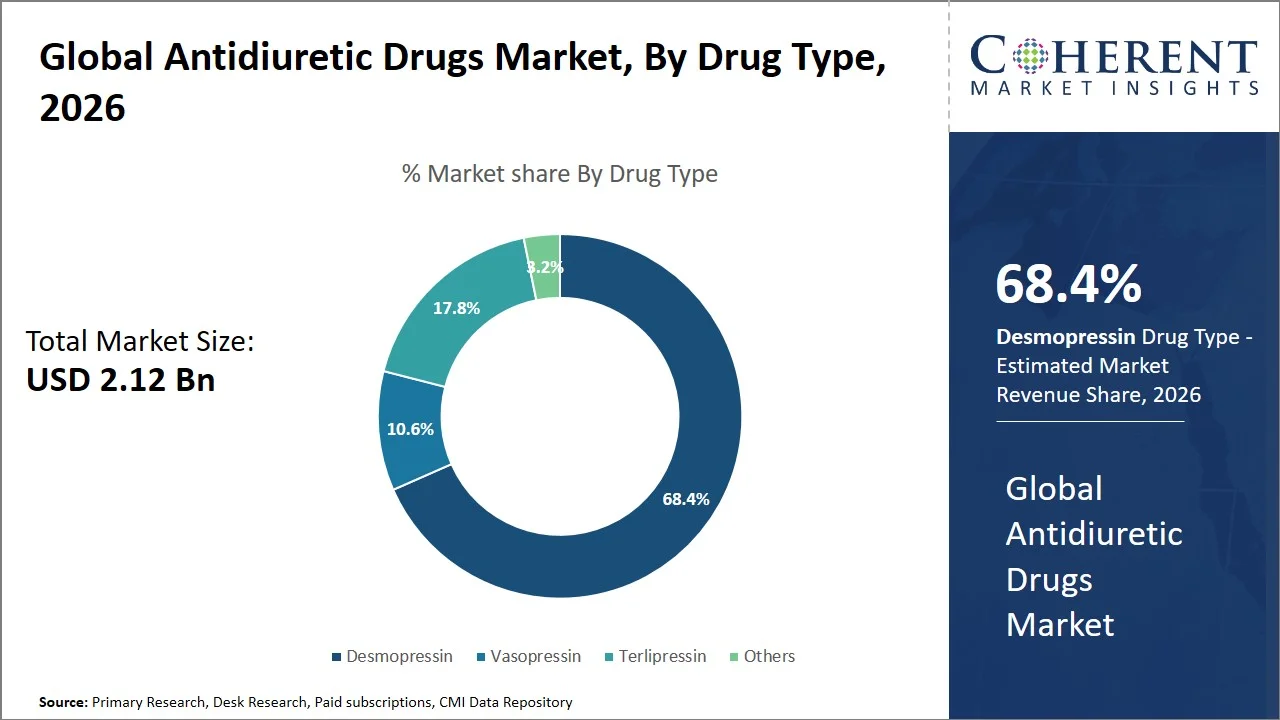
- Desmopressin is projected to hold 68.4 % of the global antidiuretic drugs market share in 2026, making it the dominant drug type segment, across North America due to the high diagnosis and treatment rates of diabetes insipidus and related endocrine disorders. For instance, according to the Diabetes Insipidus Foundation, diabetes insipidus affects approximately 1 in 6,666 individuals in the U.S. The substantial patient pool requiring long-term hormone replacement therapy continues to support the demand for desmopressin-based treatments across the region.
- Oral is projected to hold 58.6 % of the global antidiuretic drugs market share in 2026, making it the dominant route of administration segment across Europe due to strong patient preference for convenient long-term therapies and widespread adoption of oral desmopressin products. For instance, the European Association of Urology (EAU) guidelines recommend desmopressin as a treatment option for nocturia caused by nocturnal polyuria. (Source: European Association of Urology) The clinical acceptance of oral desmopressin therapies continues to support the segment's dominance across the region.
- Diabetes insipidus is projected to hold 42.7 % of the global antidiuretic drugs market share in 2026, making it the dominant indication segment, across North America due to advanced diagnostic capabilities and access to specialized endocrine care. For instance, according to Radiopaedic.org, diabetes insipidus occurs in 3 per 100,000 people. (Source: Radiopaedic.org) The chronic nature of the disease and lifelong treatment requirements continue to sustain the demand for antidiuretic therapies.
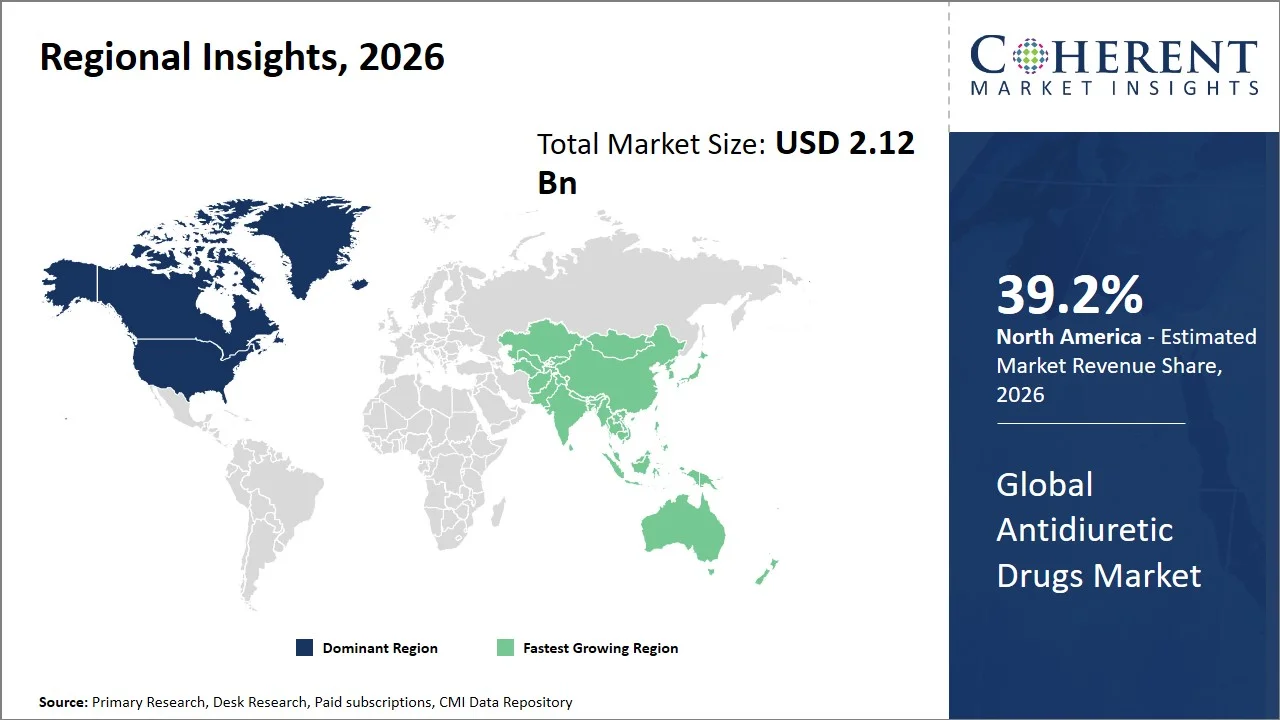
- North America maintains dominance with an expected share of 39.2 % in 2026, bolstered by strong rare disease management frameworks and advanced endocrine care infrastructure. For instance, the U.S. National Institutes of Health (NIH) recognizes diabetes insipidus as a rare endocrine disorder requiring lifelong management and supports ongoing research through the National Institute of Diabetes and Digestive and Kidney Diseases (NIDDK). The continued focus on rare disease diagnosis, treatment, and patient management is expected to sustain demand for antidiuretic therapies across the region. (Source: National Institutes of Health)
- Asia Pacific is expected to exhibit the fastest growth with an estimated contribution of 22.6 % share in 2026, driven by expanding healthcare access and strengthening rare disease management frameworks. For instance, under China's Healthy China 2030 initiative, the government has prioritized improving healthcare service capacity, expanding access to specialized care, and strengthening disease prevention and treatment systems. (Source: ScienceDirect) These initiatives are expected to improve the diagnosis and management of endocrine disorders, thereby supporting the uptake of antidiuretic therapies across the region.
- Expanding Use of Desmopressin in Bleeding Disorder Management: Desmopressin is increasingly used beyond diabetes insipidus to manage Hemophilia A and Type 1 Von Willebrand Disease, promoting the release of clotting factors and reducing bleeding episodes. Growing awareness of non-transfusion treatment approaches and the preference for cost-effective therapies are supporting adoption in hematology settings. This expanding therapeutic application is creating an additional demand stream for anti-diuretic drugs.
- Increasing Healthcare Access in Emerging Markets: Improving healthcare infrastructure and expanding access to specialty endocrine care in emerging economies are creating significant opportunities for market growth. Government initiatives aimed at strengthening rare disease diagnosis and treatment are enabling greater adoption of antidiuretic therapies. As awareness and healthcare spending rise, untapped patient populations are expected to contribute to future demand.
Segmental Insights
Why Do Desmopressin Dominate the Global Antidiuretic Drugs Market?
Desmopressin is projected to hold a market share of 68.4% in 2026, as it offers selective targeting to the vasopressin V2 receptors for improved water balance management with reduced side-effects on the cardiovascular system compared to vasopressin treatment. The efficacy in indications like diabetes insipidus, nocturia, and enuresis, combined with the availability of multiple formulations, helped desmopressin gain widespread use among physicians. Good safety profiles and on-going innovations with novel formulations in the drug formulation sphere also bolstered its strong position. Further contributing to desmopressin’s preeminent stance are the prevailing treatment guidelines issued by major healthcare markets, recommending the use of desmopressin for various vasopressin deficiency conditions.
For instance, European Society of Endocrinology (ESE) and specialist clinical guidelines for arginine vasopressin deficiency (central diabetes insipidus), designate desmopressin as standard replacement, due to its effective, well-established and long-term control of polyuria and polydipsia. Such guideline-backed adoption continues to reinforce desmopressin's dominant position within the antidiuretic drugs market. (Source: European Society of Endocrinology)
- Current Industry Events of 2026
- Market Size Estimation
- Regional Breakdown
- Competitive Landscape
- Customer Intelligence
- Segmental Analysis
- Pricing Analysis
- Key Market Drivers, Challenges & Future Trends
- Customized Insights Section
Why Does Oral Represent the Largest Route of Administration Segment in the Antidiuretic Drugs Market?
Oral is projected to hold a market share of 58.6% in 2026, due to simple and non-invasive method of delivery along with increased compliance in management of chronic conditions such as DI (Diabetes Insipidus) and nocturia. Ease in chronic management, improved ease to self-administer the drug and reduction in burden as well as complexity over intranasal or injectable formulations of such class of drugs further contributes to their dominance. Moreover, improvements in advanced oral delivery technology such as oral solid and oral liquids help in enhancing stability, dosage form regularity and consumer experience.
For instance, the researchers of Institute of Pediatrics, and Catholic University Medical School reported an increased clinical awareness of the availability of oral desmopressin lyophilisate (MELT) products due to the inherent advantages in terms of dissolution characteristics, dose requirements and ease of administration as compared to conventional oral tablets. The evidence from clinical trials also demonstrates effective efficacy with, possibly improved tolerability of such oral products and will encourage ongoing innovation in oral antidiuretic therapy. (Source: ResearchGate)
Diabetes Insipidus Segment Dominates the Global Antidiuretic Drugs Market
The diabetes insipidus segment is projected to hold a market share of 42.7% in 2026, because of the chronic and progressive nature of the condition and also for the constant necessity for hormonal replacement therapies for balancing electrolyte and water homeostasis in these patients. Most patients with the condition undergo hormone therapy for life time. Furthermore, improved diagnosis and enhanced awareness regarding symptoms of diabetes insipidus amongst healthcare providers have facilitated effective early treatment. The lack of curative therapies continues to reinforce long-term dependence on antidiuretic medications. For instance, a January 2024, study published by National Library of Medicine, reported that 20% of patients undergoing cranial surgery may develop diabetes insipidus during the postoperative recovery period, while pituitary tumors and traumatic brain injuries remain major causes of central diabetes insipidus. (Source: National Library of Medicine) The continued need for long-term desmopressin therapy in these patients contributes significantly to demand for antidiuretic drugs.
Currents Events and their Impact
Current Events | Description and its Impact |
International Expert Consensus Establishes Standardized Management Recommendations for Nephrogenic Diabetes Insipidus (January 2025) |
|
U.S. FDA Expands Rare Disease Drug Development Support Programs (March 2024) |
|
(Source: Institute for Rare Diseases, Food and Drug Administration)
Antidiuretic Drugs Market Dynamics
Market Drivers
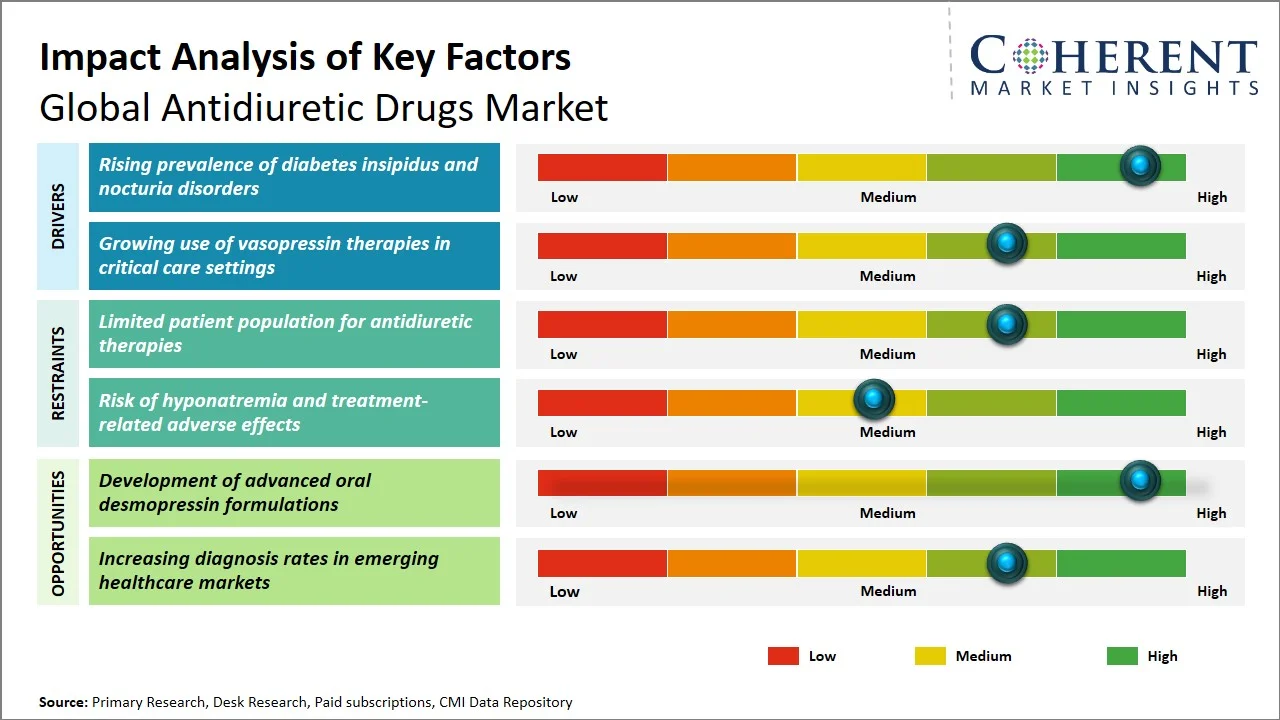
- Rising prevalence of diabetes insipidus and nocturia disorders: The rise in patient awareness and an enhanced diagnostic penetration coupled with a widening geriatric population pool has further spurred treatment uptake for these conditions. Both disorders often require managing their chronic nature through persistent treatment, thereby pushing up demand. Such demand trends are projected to sustain and spur the market across endocrine and urology care settings. For instance, according to a study published in Springer Nature, the prevalence of nocturia among adults increases substantially with age, reaching 69–93% among individuals aged over 70 years. The growing burden of nocturia in aging populations is increasing the need for desmopressin and other antidiuretic therapies used to manage nocturnal polyuria and related urinary disorders. (Source: Springer Nature)
- Growing use of vasopressin therapies in critical care settings: The widespread application of vasopressin therapy in intensive care units (ICUs) contributes to the expansion of antidiuretic drugs market. The vasopressin has the clinical value in adjunct therapies of patients diagnosed with septic shock and vasodilatory shock who fail to adequately respond to other vasopressor agents. The surging number of chronic infections, life-threatening diseases, and hospitalization cases leads to demand for effective hemodynamic support agents, thereby the clinical value of vasopressin in emergency and critical care continues to expand. For instance, The Surviving Sepsis Campaign International Guidelines for Management of Sepsis and Septic Shock (2026) suggest co-administration of vasopressin with norepinephrine for adult patients with septic shock receiving escalating vasopressor support. The guideline acknowledges the role of vasopressin for maintaining hemodynamics and underscores its increased use in critical care practice, driving need for vasopressin-based medicines. (Source: Surviving Sepsis Campaign)
Emerging Trends
- Rising Adoption of Precision-Dose Desmopressin Therapies: Manufacturers are increasingly focusing on precision-dose desmopressin formulations to improve treatment personalization for patients with arginine vasopressin deficiency (AVP-D) and diabetes insipidus. These therapies enable more accurate dose titration, particularly in pediatric and geriatric populations, supporting better disease management and treatment adherence.
- Shift Toward Patient-Centric Oral and Melt Formulations: The market is witnessing a growing preference for oral tablets, oral liquids, and melt formulations over traditional intranasal therapies. Improved convenience, ease of administration, and enhanced compliance are driving adoption, while ongoing formulation innovations continue to expand treatment accessibility for chronic antidiuretic therapy users.
Regional Insights
Why is North America a Strong Market for Antidiuretic Drugs?
North America leads the global antidiuretic drugs market, accounting for an estimated 39.2% share in 2026, led by superior healthcare infrastructure, major R&D funding, and a high incidence of conditions that require the usage of antidiuretic medications such as diabetes insipidus, as well as hyponatremia. Robust healthcare sector, supported by a well-formed regulatory system by U.S.FDA encourages innovative drug development and rapid approval procedures. Additionally, the existence of favorable government policies targeting management of chronic disease and increased penetration of health insurance is a contributor to market stability.
For instance, the U.S. Orphan Drug Act (ODA) offers regulatory incentives for drugs with Orphan designation that include market exclusivity, tax benefits, and development assistance to orphan drugs. This law has already stimulated investment to address various treatments for a number of rare endocrine conditions, including the ODA designation of central diabetes insipidus (arginine vasopressin deficiency), which remains a positive indicator for antidiuretic therapy innovation and commercialization. (Source: Food and Drug Administration)Furthermore, trade regulations in North America also streamline the process of import-export of API & dosage forms, enabling accessibility to market for the key vendors of the antidiuretic drugs.
Why Does the Asia Pacific Antidiuretic Drugs Market Exhibit High Growth?
The Asia Pacific antidiuretic drugs market is expected to exhibit the fastest growth with an estimated contribution of 22.6% share to the global market in 2026, owing to growing awareness over the healthcare system, soaring incidences of water imbalance diseases and advancing healthcare ecosystem in the developing economies such as India and China. The region benefits from government initiatives to uplift the quality of healthcare through policy reforms and higher government expenditure. For instance, Ayushman Bharat Programme by Government of India, provides universal access to affordable and quality secondary and tertiary care with extensive reach of its empaneled hospitals. The initiative is improving access to prescription medications and comprehensive endocrine care required for managing rare hormonal conditions like Diabetes insipidus. (Source: National Portal of India)
Furthermore, the region advantages from open trade and increased collaborations between local companies with their multinational counterparts to ensure increased supply of drugs across this terrain. Besides, increased access to drugs for patients, augmenting disposable income, and prevalence of lifestyle related chronic diseases is driving the demand of antidiuretic drugs in Asia Pacific.
Global Antidiuretic Drugs Market Outlook for Key Countries
Why is the U.S. Leading Innovation and Adoption in the Antidiuretic Drugs Market?
The U.S dominates the antidiuretic drugs market driven by the prevalence of a higher concentration of rare disease drug developers (such as Eton Pharmaceuticals, CMP Pharma, and Amring Pharmaceuticals), sophisticated treatment centers for endocrinology (such as Mayo Clinic, Cleveland Clinic, Mass General Brigham, and Johns Hopkins Medicine) and a robust commercial infrastructure of niche hormonal therapies in the region. The country serves as one of the main launch markets for the desmopressin and other branded drugs which consist of precision dosing treatments for arginine vasopressin deficiency (AVP-D) along with oral formulations, to boost the uptake of newer agents to tap the lucrative market for niche conditions. An increase in the utilization of specialty pharmaceuticals and faster acceptance of novel drugs into the treatment pipeline would fuel growth of the U.S. market for antidiuretic drugs.
Is Japan a Favorable Market for Antidiuretic Drugs?
Japan represents an excellent market opportunity for antidiuretic drugs owing to the country’s highly developed endocrinology care framework and lengthy clinical usage history of desmopressin in indications including treatment of Diabetes Insipidus and nocturia. This coupled with physician’s experience of employing antidiuretic hormone replacement and specialized treatment protocol for pituitary and hypothalamus related diseases will drive market growth. Japan is a commercially valuable market for desmopressin-based products and shows continued market opportunity for convenient formulations like orally dissolving tablets and melt form preparations.
Is China Emerging as a Key Growth Hub for the Antidiuretic Drugs Market?
China is positioned as a key growth hub in the global antidiuretic drugs market due to its fast-growing specialty healthcare sector along with rising ability of diagnosis and treatment of endocrine diseases. Access to modern hospital-based diagnosis and management of pituitary and hypothalamic disorders such as central diabetes insipidus is widening at the national level and the country has been observing improvement in R&D capabilities in both the domestic market as well as better adoption and approval of specialty endocrine products leading to the growth of antidiuretic drugs market in the future.
Why Does Germany Top the European Antidiuretic Drugs Market?
Germany is the leader in the European market for antidiuretic drugs, due to an established network of specialized endocrinology centers and specialized neuroendocrinology centers (such as Charité – Universitätsmedizin Berlin, University Hospital Munich (LMU Klinikum), University Hospital Heidelberg, and University Hospital Würzburg) commonly treating extensive hypothalamic-pituitary disorders such as diabetes insipidus. Desmopressin has wide accessibility in inpatient/outpatient segments in Germany and facilitates long-term maintenance treatment continuation. The country represents the key European market for commercialization of endocrine orphan drugs due to well-established clinical pathways for diagnosis, treatment initiation, and patient monitoring.
Is Antidiuretic Drugs Market Developing in India?
India has emerged as a favorable market for antidiuretic drugs due to expansion of tertiary care centers and specialty departments in endocrinology targeting pituitary and neuroendocrine related disorders. Established hospitals have taken the role in diagnosis and treatment of diabetes insipidus and associated disorders, while availability of desmopressin products in hospital, retail pharmacy channels, is steadily increasing, resulting in better access of treatment for patients, hence bolstering India's presence in the global market for antidiuretic drugs market gradually.
Technology Evolution and Adoption Landscape in the Global Antidiuretic Drugs Market
Technology Platform | Evolution Stage | Key Clinical Benefit | Current Adoption Status | Future Market Impact |
Intranasal Desmopressin Sprays | First Generation | Rapid systemic absorption and established efficacy in diabetes insipidus | Moderate | Gradual replacement by advanced oral alternatives |
Conventional Oral Desmopressin Tablets | Second Generation | Improved patient convenience and long-term treatment adherence | High | Continued market leadership in chronic therapy |
Oral Lyophilisates (Melt Formulations) | Advanced Generation | Faster dissolution and easier administration for pediatric and elderly patients | High | Strong growth driven by patient-centric care |
Oral Liquid Desmopressin Formulations | Emerging Generation | Precise dose titration and individualized treatment | Medium | Significant growth opportunity in rare endocrine disorders |
Enhanced Oral Delivery Technologies (Permeation Enhancers & Novel Formulations) | Next Generation | Improved bioavailability and dosing consistency | Low | High long-term commercialization potential |
Precision AVP-D Treatment Approaches | Future Technology | Personalized therapy and optimized disease management | Early Stage | Expected to drive future market innovation |
How is the development of advanced oral desmopressin formulations creating new growth opportunities in the antidiuretic drugs market?
The advances in innovative oral formulation development are driving the growth of the antidiuretic drugs market by increasing medication adherence and improving patient convenience and flexibility in dosing. Oral antidiuretic drug formulation enhances long-term treatment management for chronic conditions such as diabetes insipidus and simplifies dosage administration in contrast with injectable and intranasal form. It is expected that growth of the antidiuretic drugs market will continue on account of new product introductions that address issues related to bioequivalence and treatment compliance with improved drug formulation for ease of use and availability for more patients. For instance, in March 2025, Eton Pharmaceuticals reported positive results from its pivotal clinical trial for its orally formulated novel desmopressin solution, ET-600, for the treatment of arginine vasopressin deficiency (AVP-D). The study achieved bioequivalence to commercially available desmopressin therapies, supporting the development of an orally delivered treatment for AVP-D patients and confirming ET-600’s position as an advancement in the management of antidiuretic therapy. (Source: Eton Pharmaceuticals)
Market Players, Key Development, and Competitive Intelligence
Key Developments
- In February 2026, Eton Pharmaceuticals received U.S. FDA approval for DESMODA (desmopressin acetate) oral solution to treat central diabetes insipidus (arginine vasopressin deficiency). The product is the first U.S. FDA-approved desmopressin oral solution and enables precise, individualized dosing across all age groups. The approval expands treatment options for patients requiring antidiuretic hormone replacement therapy and strengthens innovation within the antidiuretic drugs market.
- In April 2024, Adalvo announced the launch of Desmopressin across multiple European countries in collaboration with strategic partners. Based on Ferring's Minirin Melt, the product is indicated for the treatment of diabetes insipidus, primary nocturnal enuresis, and nocturia, key indications within the antidiuretic drugs market. The launch strengthens patient access to desmopressin-based therapies and supports the continued expansion of antidiuretic treatment availability across Europe.
Competitive Landscape
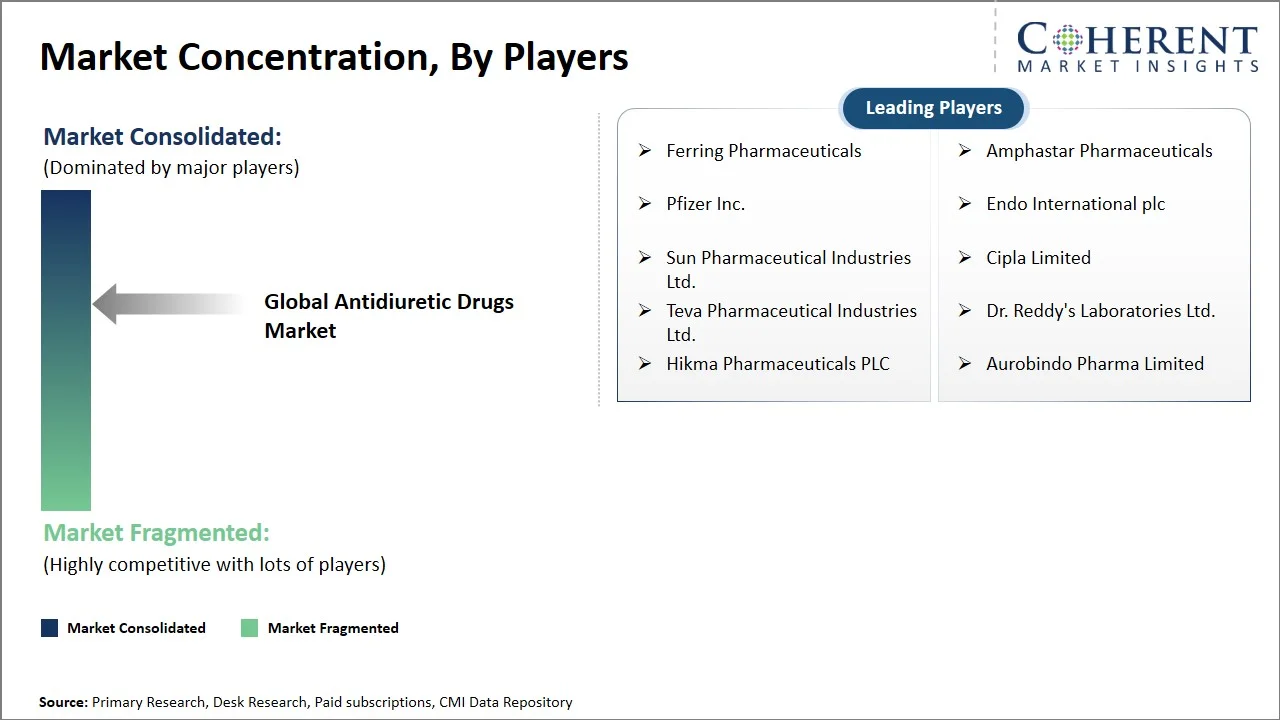
The global antidiuretic drugs market is moderately consolidated, with leading pharmaceutical firms making considerable investment to boost the product ranges of desmopressin-based solutions and developing easier to administer, innovative product alternatives to secure more share in a specialized and niche market for rare endocrinological and urological indications. Manufacturers of antidiuretic medicines are extensively considering offering solutions in nasal sprays, liquid, and tablets to improve adherence for individuals suffering from nocturia and diabetes insipidus and thereby contribute better treatment options to patients in those conditions. With an eye on widening the geographical penetration to include even the under-developed and emerging economies, pharmaceutical organizations have strategized the introduction of innovative products along with receiving an approval from drug regulatory bodies across regions and geographies. Key focus areas include:
- Development of advanced desmopressin formulations and delivery systems
- Expansion of treatment options for diabetes insipidus and nocturia
- Regulatory approvals and lifecycle management of antidiuretic therapies
- Geographic expansion through partnerships and commercialization agreements
- Research into next-generation vasopressin receptor-targeted therapies
- Strengthening rare disease and endocrine disorder treatment portfolios
Market Report Scope
Antidiuretic Drugs Market Report Coverage
| Report Coverage | Details | ||
|---|---|---|---|
| Base Year: | 2025 | Market Size in 2026: | USD 2.12 Bn |
| Historical Data for: | 2020 To 2024 | Forecast Period: | 2026 To 2033 |
| Forecast Period 2026 to 2033 CAGR: | 7% | 2033 Value Projection: | USD 3.41 Bn |
| Geographies covered: |
| ||
| Segments covered: |
| ||
| Companies covered: | Ferring Pharmaceuticals, Amphastar Pharmaceuticals, Pfizer Inc., Endo International plc, Sun Pharmaceutical Industries Ltd., Cipla Limited, Teva Pharmaceutical Industries Ltd., Dr. Reddy's Laboratories Ltd., Hikma Pharmaceuticals PLC, and Aurobindo Pharma Limited | ||
| Growth Drivers: |
| ||
| Restraints & Challenges: |
| ||
Analyst Opinion (Expert Opinion)
- Antidiuretic drugs market is expected to see consistent growth in the long term due to advancements in early diagnosis of rare endocrine disorders, growing use of user-friendly desmopressin and access to specialty endocrine care. Global demand for precision therapies and longer-term use of antidiuretics is on an upward trend given growing recognition of arginine vasopressin deficiency (AVP-D), diabetes insipidus and nocturia. The industry is looking for ways to develop more flexible dosing forms and new regimens that support better therapy adherence for pediatric and elderly patients.
- The maximum opportunities will probably exist within oral desmopressin therapies to treat diabetes insipidus within North America. High diagnostic prevalence rates, existing pathways of rare disease treatment and excellent access for sophisticated pharmaceuticals drive these expectations. Other growth opportunities lie with the treatment of nocturia in the Asia Pacific region due to aging patient populations in Asia, such as Japan and South Korea.
- In order to obtain a competitive advantage, market participants must focus on developing specialized formulations that increase dosing accuracy, adherence, and patient compliance. Manufacturers should continue expanding their pipelines in rare diseases via approvals, lifecycle management and expansion into underserved emerging countries. Successful partnerships with endocrine physicians, rare disease centers and integrated health care providers can significantly enhance the identification of eligible patients and the adoption of new treatments.
Speak to the analyst
Want personalized insights?
Take the findings above to one of our principal consultants, or have the report rebuilt around the segments, geographies and competitors you actually track.
Market Segmentation
- Drug Type Insights (Revenue, USD Bn, 2021 - 2033)
- Desmopressin
- Vasopressin
- Terlipressin
- Others
- Route of Administration Insights (Revenue, USD Bn, 2021 - 2033)
- Oral
- Injectable
- Intranasal
- Indication Insights (Revenue, USD Bn, 2021 - 2033)
- Diabetes Insipidus
- Nocturnal Enuresis (Bedwetting)
- Nocturia
- Hemophilia A
- Von Willebrand Disease
- Vasodilatory Shock
- Others
- End User Insights (Revenue, USD Bn, 2021 - 2033)
- Hospitals
- Specialty Clinics
- Homecare Settings
- Others
- Distribution Channel Insights (Revenue, USD Bn, 2021 - 2033)
- Hospital Pharmacies
- Retail Pharmacies
- Online Pharmacies
- Regional Insights (Revenue, USD Bn, 2021 - 2033)
- North America
- U.S.
- Canada
- Latin America
- Brazil
- Argentina
- Mexico
- Rest of Latin America
- Europe
- Germany
- U.K.
- Spain
- France
- Italy
- Russia
- Rest of Europe
- Asia Pacific
- China
- India
- Japan
- Australia
- South Korea
- ASEAN
- Rest of Asia Pacific
- Middle East
- GCC Countries
- Israel
- Rest of Middle East
- Africa
- South Africa
- North Africa
- Central Africa
- North America
- Key Players Insights
- Ferring Pharmaceuticals
- Amphastar Pharmaceuticals
- Pfizer Inc.
- Endo International plc
- Sun Pharmaceutical Industries Ltd.
- Cipla Limited
- Teva Pharmaceutical Industries Ltd.
- Reddy's Laboratories Ltd.
- Hikma Pharmaceuticals PLC
- Aurobindo Pharma Limited
Sources
Primary Research Interviews
- Endocrinologists and hormone disorder specialists managing diabetes insipidus and arginine vasopressin deficiency (AVP-D) patients
- Urologists specializing in nocturia and nocturnal polyuria management
- Hospital pharmacists involved in endocrine and rare disease therapeutics
- Clinical researchers and investigators conducting studies on vasopressin analogs and antidiuretic therapies
- Executives and product managers from antidiuretic drug manufacturers and specialty pharmaceutical companies
Stakeholders
- Antidiuretic drug manufacturers and specialty pharmaceutical companies
- Endocrinology and urology treatment centers
- Hospital and retail pharmacy networks
- Contract development and manufacturing organizations (CDMOs)
- Rare disease advocacy groups and patient support organizations
- End-use Sectors
- Hospitals and specialty endocrine clinics
- Urology and nephrology treatment centers
- Ambulatory care and outpatient facilities
- Academic medical centers and teaching hospitals
- Homecare and long-term disease management settings
- Specialty pharmacies
- Regulatory & Health Bodies
- U.S. Food and Drug Administration (FDA)
- European Medicines Agency (EMA)
- Pharmaceuticals and Medical Devices Agency (PMDA), Japan
- National Medical Products Administration (NMPA), China
- Central Drugs Standard Control Organization (CDSCO), India
- Medicines and Healthcare products Regulatory Agency (MHRA), U.K.
Databases
- ClinicalTrials.gov
- FDA Drugs Database (Drugs@FDA)
- EMA Medicines Database
- PMDA Approved Drugs Database
- Orphanet Rare Disease Database
Magazines
- Pharmaceutical Executive
- PharmaTimes
- Drug Discovery World
- Pharmaceutical Technology
- Applied Clinical Trials
Journals
- Journal of Clinical Endocrinology & Metabolism (JCEM)
- Endocrine Reviews
- Pituitary
- European Journal of Endocrinology
- Journal of Pediatric Endocrinology and Metabolism
- Frontiers in Endocrinology
Newspapers
- The Wall Street Journal
- Financial Times
- The New York Times
- The Washington Post
- The Hindu BusinessLine
Associations
- Endocrine Society
- European Society of Endocrinology (ESE)
- American Association of Clinical Endocrinology (AACE)
- Society for Endocrinology (SfE)
- International Society of Endocrinology (ISE)
- European Association of Urology (EAU)
Public Domain Sources
- U.S. National Institute of Diabetes and Digestive and Kidney Diseases (NIDDK)
- National Organization for Rare Disorders (NORD)
- National Institutes of Health (NIH)
- World Health Organization (WHO)
- European Commission Public Health Portal
- Rare Diseases International (RDI)
Proprietary Elements
- CMI Data Analytics Tool, Proprietary CMI Existing Repository of information for last 10 years.
Get access to 250+ pages report
Every segment, forecast, competitor profile and data table behind the analysis above — available for instant download.
- ESOMAR Member
- ISO 9001:2015 Certified
- D-U-N-S Registered
- GDPR & CCPA Compliant
Missing comfort of reading report in your local language? Find your preferred language:
Transform your Strategy with Exclusive Trending Reports
Frequently Asked Questions
The global antidiuretic drugs market is estimated to be valued at USD 2.12 Bn in 2026 and is expected to reach USD 3.41 Bn by 2033.
Desmopressin dominates due to its widespread use in the treatment of central diabetes insipidus, nocturia, and nocturnal enuresis, along with its favorable safety profile, multiple dosage forms, and established clinical efficacy.
Antidiuretic drugs are medications that reduce urine production and help maintain the body's water balance by mimicking or enhancing the action of antidiuretic hormone (ADH).
The CAGR of global antidiuretic drugs market is projected to be 7% from 2026 to 2033
Rising prevalence of diabetes insipidus and nocturia disorders, and growing use of vasopressin therapies in critical care settings are the major factors driving the growth of the global antidiuretic drugs market.
Limited patient population for antidiuretic therapies, and risk of hyponatremia and treatment-related adverse effects are the major factors hampering the growth of the global antidiuretic drugs market.
Oral formulations hold the largest share due to their convenience, improved patient compliance, and suitability for long-term therapy.