

Global Arrhythmia Market Size and Forecast – 2026 to 2033
The global arrhythmia market is estimated to be valued at USD 18.12 Bn in 2026 and is expected to reach USD 26.01 Bn by 2033, exhibiting a compound annual growth rate (CAGR) of 5.3% from 2026 to 2033. This steady growth reflects the increasing prevalence of cardiac disorders, advancements in diagnostic and treatment technologies, and rising awareness about arrhythmia management across diverse patient populations worldwide.
Key Takeaways of the Global Arrhythmia Market
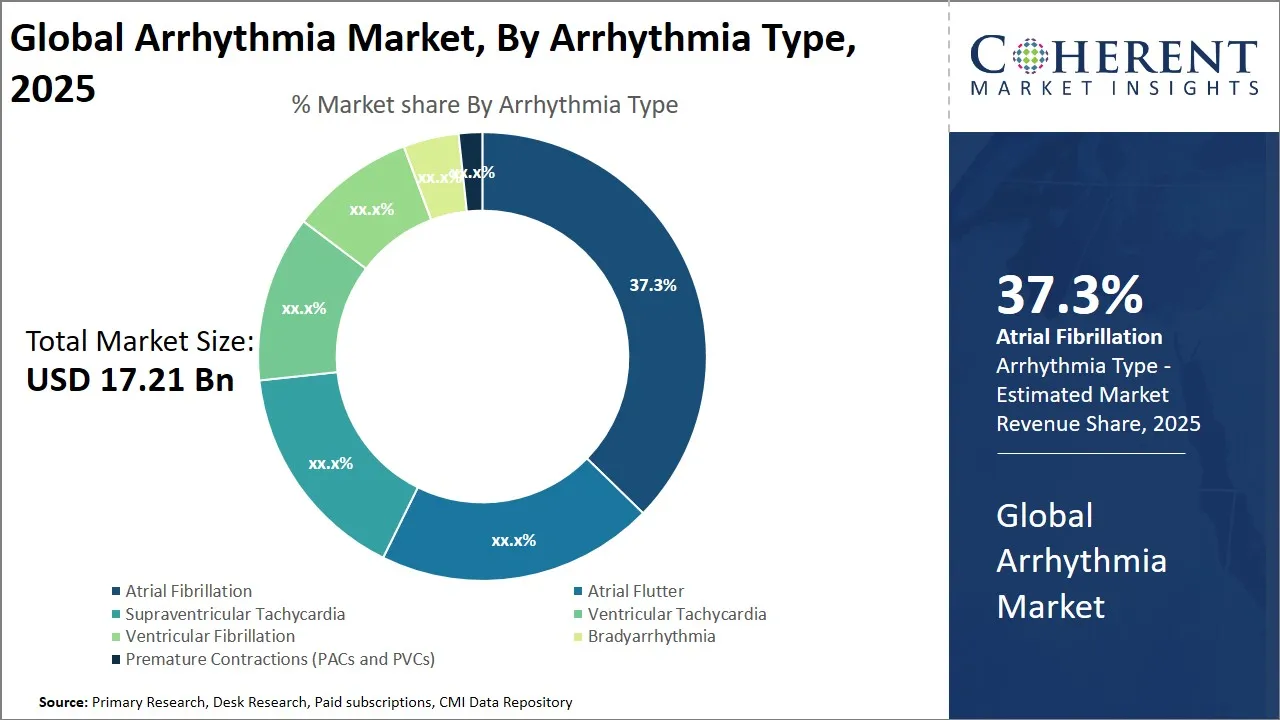
- In the global arrhythmia market, atrial fibrillation is expected to hold the leading position among arrhythmia types, accounting for 38.3 % share in 2026, driven by its high prevalence and significant clinical burden.
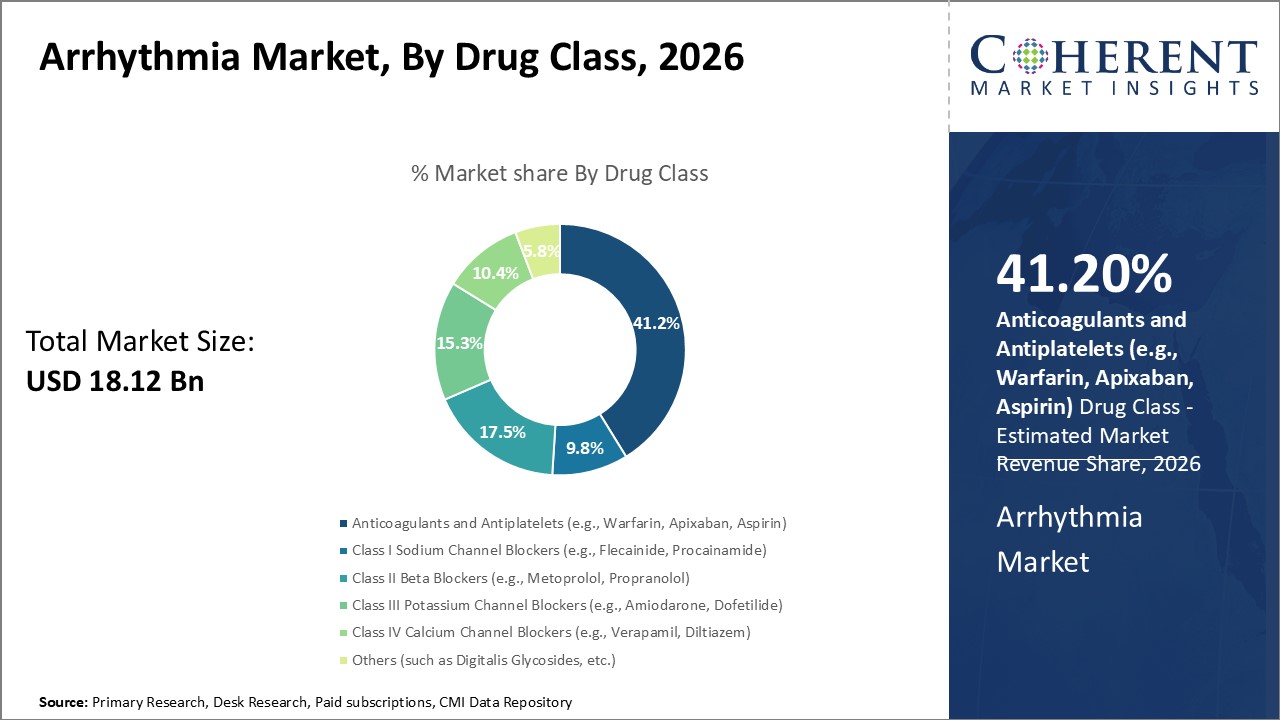
- By drug class, anticoagulants and antiplatelets (e.g., warfarin, apixaban, aspirin) form the largest segment with an estimated 41.2 % of the market share in 2026, reflecting their critical role in stroke prevention and management.
- Considering the route of administration, the oral segment is projected to dominate with 68.8 % share in 2026, supported by enhanced patient convenience and better adherence compared to alternative routes
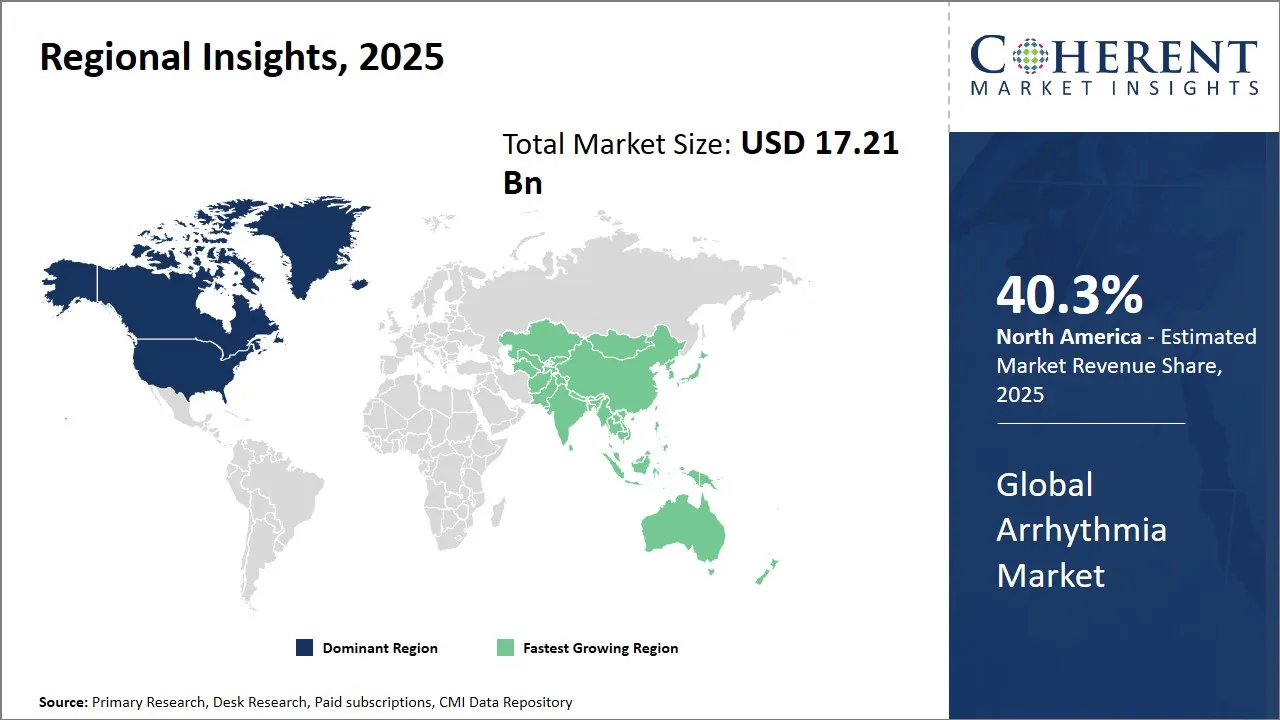
- North America is expected to lead the market, holding a share of 40.3 % in 2026. Asia Pacific is anticipated to be the fastest-growing region, with an estimated market share of 23.5% in 2026.
Market Overview
The arrhythmia market is increasingly shaped by digital health integration, where AI-driven platforms and mobile tools enhance adherence and enable personalized dosing of antiarrhythmic and anticoagulant therapies. At the same time, next-generation pharmacological innovations, such as atrial-selective antiarrhythmics and novel oral anticoagulants, are gaining traction due to better safety and convenience over traditional options. Supported by rising R&D investment and favorable reimbursement policies, these trends are driving wider adoption of drug-based therapies as a cornerstone of arrhythmia management.
Current Events and Its Impact
Current Events | Description and its Impact |
Growth of wearable/digital health/monitoring technologies enabling early detection & management |
|
Patent Expiry of Key Novel Oral Anticoagulants |
|
Segmental Insights
- Current Industry Events of 2026
- Market Size Estimation
- Regional Breakdown
- Competitive Landscape
- Customer Intelligence
- Segmental Analysis
- Pricing Analysis
- Key Market Drivers, Challenges & Future Trends
- Customized Insights Section
Arrhythmia Market Insights, by Arrhythmia Type - Atrial Fibrillation Dominance in Arrhythmia Types is Driven by Prevalence of Atrial Fibrillation and Clinical Complexity
Amid the different types of arrhythmias in the market, atrial fibrillation will take the leading market share of 38.3% in the year 2026, which has been influenced by its high prevalence and clinical effects to a large extent. Atrial fibrillation is the most prevalent sustained cardiac arrhythmia characterized by irregular and usually high heart rhythm that increases considerably the risks of stroke, a heart failure, and other cardiovascular problems. This prevalence rate among different age groups, particularly among the geriatric population, leads to a large population of patients which requires medical care and management at all times.
In November 2024, the U.S. FDA was given an approval of Rapiblyk brand name of landiolol as a short-term intravenous therapy of supraventricular tachycardia, with or without atrial fibrillation or atrial flutter, in the critical care unit. Supported by trial data of a significant reduction in the heart rate in as many as 90 percent of patients in just 10 minutes, the approval is a big step since the therapy already in use in Europe is made available to the U.S. patients requiring quick management of arrhythmia.
Arrhythmia Market Insights, by Drug Class - Anticoagulants and Antiplatelets Lead Therapeutic Choices Owing to Stroke Prevention Efficacy
In the arrhythmia market, the biggest segment is the Anticoagulants and Antiplatelets (e.g., Warfarin, Apixaban, Aspirin) segment holding an estimated share of 41.2% in 2026, due to the inclusion of anticoagulants and antiplatelets in stroke prevention especially among the patients with atrial fibrillation. AFib exposes an individual to a high risk of stroke as it leads to the development of blood clots as a result of atrial irregularities in its rhythm. This has led to the development of anticoagulant and antiplatelet drugs like Warfarin, Apixaban and Aspirin, which are being used as the first line of defense treatment, and this is the basis behind their high uptake in the market.
These agents are essential in clinical practice since they significantly help to decrease the risk of thromboembolic events. The gold standard has been warfarin, which is a long-established vitamin K antagonist; the newer oral anticoagulants such as Apixaban and other direct oral anticoagulants (DOACs) have been gaining significant popularity because of predictable pharmacokinetic properties, fewer dietary limitations, and reduced risk of bleeding. The resultant benefits of these include improved patient compliance and easier management protocols that in turn increase their application in different healthcare environments.
Arrhythmia Market Insights, by Route of Administration - Oral Segment as a Preferred Administration Method is Enabled by Patient Convenience and Enhanced Compliance
When it comes to the route of administration of therapies of arrhythmia, the oral segment is projected to prevail with 68.8% in 2026 due to patient convenience and adherence gain being the key pillars in support. There is ease of use in oral medication that contributes significantly to the overall treatment adherence in the long term; this is highly important, considering the chronic and lifetime management of arrhythmia, especially in atrial fibrillation. Oral formulations are also favored by both patients and medical professionals because the patient is able to self-administer medication without the use of invasive procedure.
The flexibility of the oral route allows treatment plans to be done by outpatients and minimizes the reliance on a hospital setting thus decreasing healthcare resource burdens. The aspect is especially important since the healthcare systems across the world focus on cost-efficiency and patient-centered care. Furthermore, the existence of the broad spectrum of oral anticoagulants, beta blockers, calcium channel blockers, and other antiarrhythmic medications has enabled the prescribers to customize the regimens that patients can easily integrate into their daily lives.
Regional Insights
North America Arrhythmia Market Analysis and Trends
The global dominance in the arrhythmia market in North America is necessitated by a developed healthcare ecosystem with an estimated share of 40.3% in 2026, developed medical infrastructure, and high prevalence in cardiovascular diseases where arrhythmia is used to treat the disorders. There is a robust government backing of the region including regulations of the U.S. FDA which encourages innovation and expedited approvals of innovative devices. There are also a number of concentration of the world medical equipment powerhouses in North America including Medtronic, Abbott Laboratories and Boston Scientific.
In October 2021, the American Heart Association, a U.S.-based nonprofit health organization, published the CHANGE AFib clinical trial with the Duke Clinical Research Institute, a major academic research center and with Sanofi, a U.S.-based global healthcare company.
Asia Pacific Arrhythmia Market Analysis and Trends
Asia Pacific has the highest growth rate in the arrhythmia market, which is predetermined by the high speed of urbanization with the an estimated market share of 23.5% in 2026. The increased rates of cardiovascular diseases development, and the expansion of healthcare infrastructure are also driving the regional market growth. Rising awareness, government healthcare programs, and rising insurance coverage in nations such as China, India, Japan and South Korea are catalysts in increasing the need to have arrhythmia diagnosis and management solutions.
Cipral and Sun Pharma supply low-cost generic antiarrhythmic drugs including warfarin, flecainide, and propranolol for arrhythmia patients. Dr. Reddy’s Laboratories manufactures generics of amiodarone and sotalol, expanding access to widely used treatment options.
Arrhythmia Market Outlook for Key Countries
U.S. Arrhythmia Market Analysis and Trends
The U.S. arrhythmia market remains at the forefront of arrhythmia management due to its advanced healthcare infrastructure and leading technology developers. Medtronic and Abbott are prominent players driving innovation with next-generation pacemakers and leadless devices. The proactive regulatory environment by the U.S. FDA accelerates clinical studies and market launches, while extensive insurance coverage ensures patient access to state-of-the-art treatments.
In May 2024, Milestone Pharmaceuticals, a Canada and U.S.-based biopharmaceutical company, announced that the U.S. FDA accepted its New Drug Application for CARDAMYST, a nasal spray formulation of etripamil developed for the rapid self-management of paroxysmal supraventricular tachycardia.
Germany Arrhythmia Market Analysis and Trends
Germany’s well-established healthcare system and stringent regulatory framework support the adoption of sophisticated arrhythmia devices. The country’s reimbursement policies and strong outpatient care infrastructure enable widespread use of implantable devices. Additionally, Germany’s focus on digital health innovation aids in integrating remote monitoring solutions into arrhythmia management.
Bayer markets Xarelto (rivaroxaban), one of the most widely prescribed anticoagulants for atrial fibrillation patients, and Boehringer Ingelheim supplies Pradaxa (dabigatran), a leading direct thrombin inhibitor used for stroke prevention in AFib.
China Arrhythmia Market Analysis and Trends
China is rapidly expanding its arrhythmia market through government-backed healthcare reforms focused on cardiovascular disease management. Local manufacturers like Shenzhen Mindray and international players such as Boston Scientific have increased investments to address unmet clinical needs with cost-effective solutions. Improved health insurance coverage and urban hospital upgrades facilitate greater device penetration. The China arrhythmia market also benefits from favorable trade policies that encourage technology transfer and local innovation.
CSPC Pharmaceutical produces generic amiodarone and beta blockers for arrhythmia management, while Jiangsu Hengrui Medicine has expanded into cardiovascular therapies including anticoagulants like rivaroxaban generics to meet local demand.
Japan Arrhythmia Market Analysis and Trends
Japan continues to lead in arrhythmia treatment due to its aging population and advanced medical technology adoption. The nation’s strong regulatory oversight ensures high safety standards, while universal healthcare coverage provides substantial patient access. Research collaborations between public institutions and private firms support ongoing technological advancements.
Daiichi Sankyo is known for Edoxaban (Lixiana), a major oral anticoagulant for atrial fibrillation treatment, and Eisai provides antiarrhythmic drugs such as bepridil for ventricular and atrial arrhythmias.
End User Feedback and Unmet Needs in the Arrhythmia Market
- Across the arrhythmia market, feedback from physicians, hospital administrators, and patient groups consistently highlights both satisfaction with certain therapeutic outcomes and persistent challenges that limit broader adoption. Many cardiologists report positive outcomes with newer anticoagulants that provide predictable dosing and reduce the need for frequent monitoring compared to older therapies. For example, tertiary care hospitals in Europe have emphasized how direct oral anticoagulants improve adherence rates among elderly atrial fibrillation patients who previously struggled with complex dosing schedules. This ease of use has translated into fewer hospital readmissions and higher confidence in long-term management, reflecting the tangible value end users see in product innovation.
- At the same time, recurring concerns surface around affordability, access, and side-effect management. Community healthcare providers in Asia frequently point to the prohibitive cost of branded drugs, which makes sustained treatment difficult for patients in low-income brackets. Some physicians also note that while drugs address rhythm and rate control, they often come with gastrointestinal side effects or interactions that limit broader compliance. These gaps underscore unmet needs such as greater affordability, improved tolerability, and drugs that can be tailored to diverse patient populations with multiple comorbidities. Addressing these issues could unlock significant opportunities: manufacturers that focus on patient-centric customization, supportive reimbursement frameworks, or lower-cost generics will not only improve patient outcomes but also strengthen long-term loyalty from healthcare providers and policymakers seeking more sustainable cardiac care solutions.
Market Players, Key Developments, and Competitive Intelligence
Key Developments
- In February 2025, Novartis, a global healthcare company, announced it will acquire Anthos Therapeutics, a Boston-based clinical-stage biopharmaceutical company, for USD 925 million upfront to strengthen its cardiovascular pipeline. Anthos is developing abelacimab, a first-in-class monoclonal antibody targeting Factor XI inhibition now in Phase 3 trials for preventing stroke and systemic embolism in atrial fibrillation patients.
- In November 2024, the U.S. Food and Drug Administration approved Rapiblyk, an intravenous short-acting beta-blocker from AOP Health, an Austrian pharmaceutical company, for the short-term treatment of supraventricular tachycardia including atrial fibrillation and atrial flutter in critical care settings. The decision was supported by trial data showing landiolol the active ingredient lowered heart rate within 10 minutes in up to 90% of patients versus 11% on placebo marking a new rapid-acting option for U.S. patients already available in Europe.
- In November 2024, the AZALEA-TIMI 71 (Anticoagulation via Factor XIa Inhibition to Lower Events in Atrial Fibrillation–TIMI Study Group 71) trial published in The New England Journal of Medicine showed abelacimab a Factor XI (FXI) inhibitor significantly reduced bleeding compared to rivaroxaban in atrial fibrillation patients at moderate-to-high stroke risk, highlighting its potential as a safer alternative to current anticoagulants
- In September 2024, USV, an Indian pharmaceutical company, launched Q-rite tablets containing 200 mg of Quinidine Sulphate to treat rare irregular heartbeat conditions. With India facing a high burden of cardiac rhythm disorders including a large number of young patients at risk of sudden cardiac arrest this launch aims to improve access to a vital but niche antiarrhythmic therapy and enhance patient outcomes in arrhythmia management.
Top Strategies Followed by Global Arrhythmia Market Players
- Established market leaders tend to invest heavily in research and development (R&D) to drive the innovation of high-performance arrhythmia management devices and solutions. These companies prioritize the creation of advanced products with enhanced accuracy, safety, and patient convenience, often incorporating cutting-edge technologies such as AI-driven diagnostics and remote monitoring capabilities. Beyond innovation, they also focus on forging strategic partnerships with major industry players and original equipment manufacturers (OEMs) to strengthen their product portfolios and expand their technological capabilities.
- For example, Pfizer and Bristol Myers Squibb jointly developed Eliquis (Apixaban), which has become one of the leading anticoagulants worldwide for atrial fibrillation stroke prevention. Similarly, Sanofi markets Multaq (Dronedarone), an advanced Class III antiarrhythmic, while Merck & Co. developed Cordarone (Amiodarone), a widely used potassium channel blocker. These players also pursue collaborations and licensing agreements with biotech firms to expand their therapeutic pipelines.
- Mid-level players operating in the arrhythmia market adopt a somewhat differentiated strategy, concentrating on delivering cost-effective solutions that strike an optimal balance between quality and affordability. This approach targets price-sensitive consumers, including hospitals and healthcare providers in developing countries or resource-constrained settings. By offering reasonably priced products that maintain acceptable clinical efficacy, these companies can attract a broader customer base seeking feasible alternatives to premium, high-cost devices.
- For instance, Teva Pharmaceuticals and Lupin Pharmaceuticals manufacture affordable generics of Sotalol, Propafenone, and Warfarin, ensuring broader access in cost-sensitive markets such as India, Latin America, and parts of Africa. By offering quality generics at competitive pricing, these companies address the needs of hospitals and healthcare providers in developing countries where budgets are constrained.
- Small-scale players in the global arrhythmia market typically operate with a more specialized or innovative focus to differentiate themselves from larger competitors. These companies often develop devices or solutions with unique features catering to specific clinical requirements or emerging trends, such as wearable arrhythmia monitors or telehealth-compatible products. By adopting cutting-edge technologies like miniaturized sensors, machine learning algorithms, or cloud-based data analytics, small players can offer disruptive innovations that address unmet needs or improve user experience.
- For example, Acesion Pharma, a biotech company, is developing atrial-selective antiarrhythmic drugs (such as SK channel inhibitors) that aim to reduce proarrhythmic side effects commonly associated with existing therapies. Another example is Milestone Pharmaceuticals, which is working on etripamil, a novel intranasal calcium channel blocker designed for the acute treatment of Paroxysmal Supraventricular Tachycardia (PSVT).
Market Report Scope
Report Coverage
| Report Coverage | Details | ||
|---|---|---|---|
| Base Year: | 2025 | Market Size in 2026: | USD 18.12 Bn |
| Historical Data for: | 2020 To 2024 | Forecast Period: | 2026 To 2033 |
| Forecast Period 2026 to 2033 CAGR: | 5.3% | 2033 Value Projection: | USD 26.01 Bn |
| Geographies covered: |
| ||
| Segments covered: |
| ||
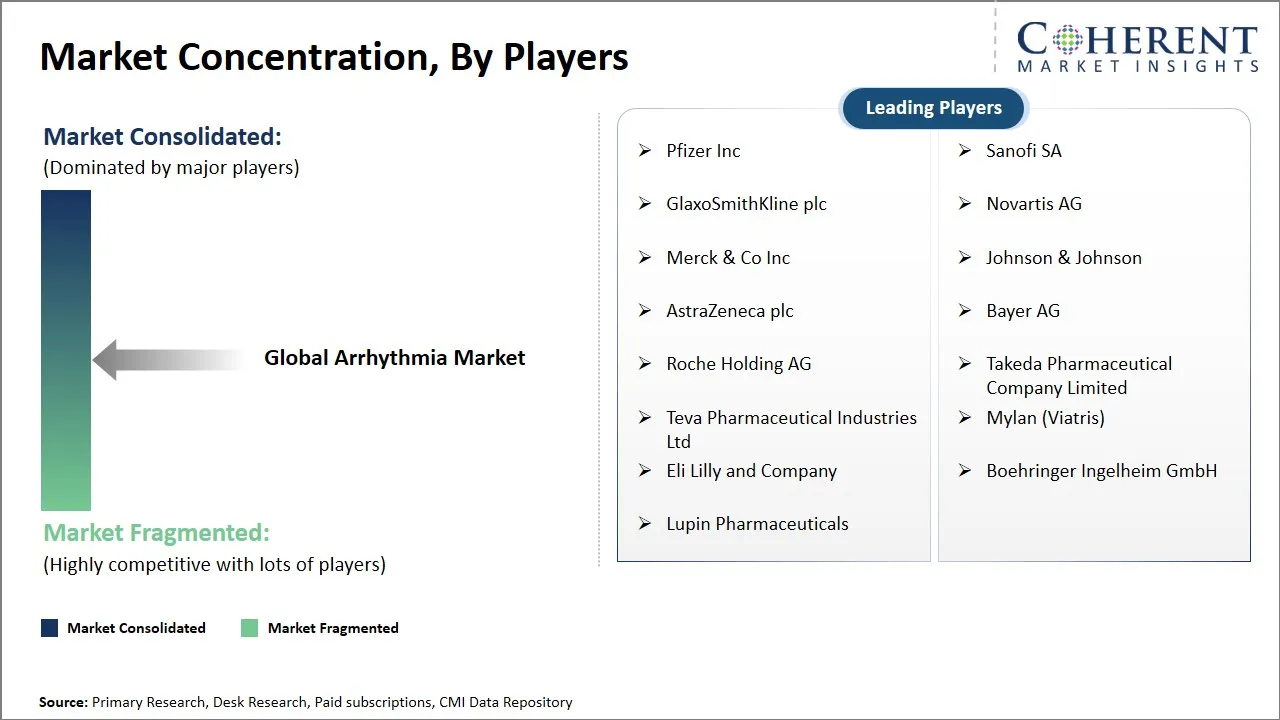
| Companies covered: | Pfizer Inc, Sanofi SA, GlaxoSmithKline plc, Novartis AG, Merck & Co Inc, Johnson & Johnson, AstraZeneca plc, Bayer AG, Roche Holding AG, Takeda Pharmaceutical Company Limited, Teva Pharmaceutical Industries Ltd, Mylan (Viatris), Eli Lilly and Company, Boehringer Ingelheim GmbH, and Lupin Pharmaceuticals | ||
| Growth Drivers: |
| ||
| Restraints & Challenges: |
| ||
Arrhythmia Market Dynamics
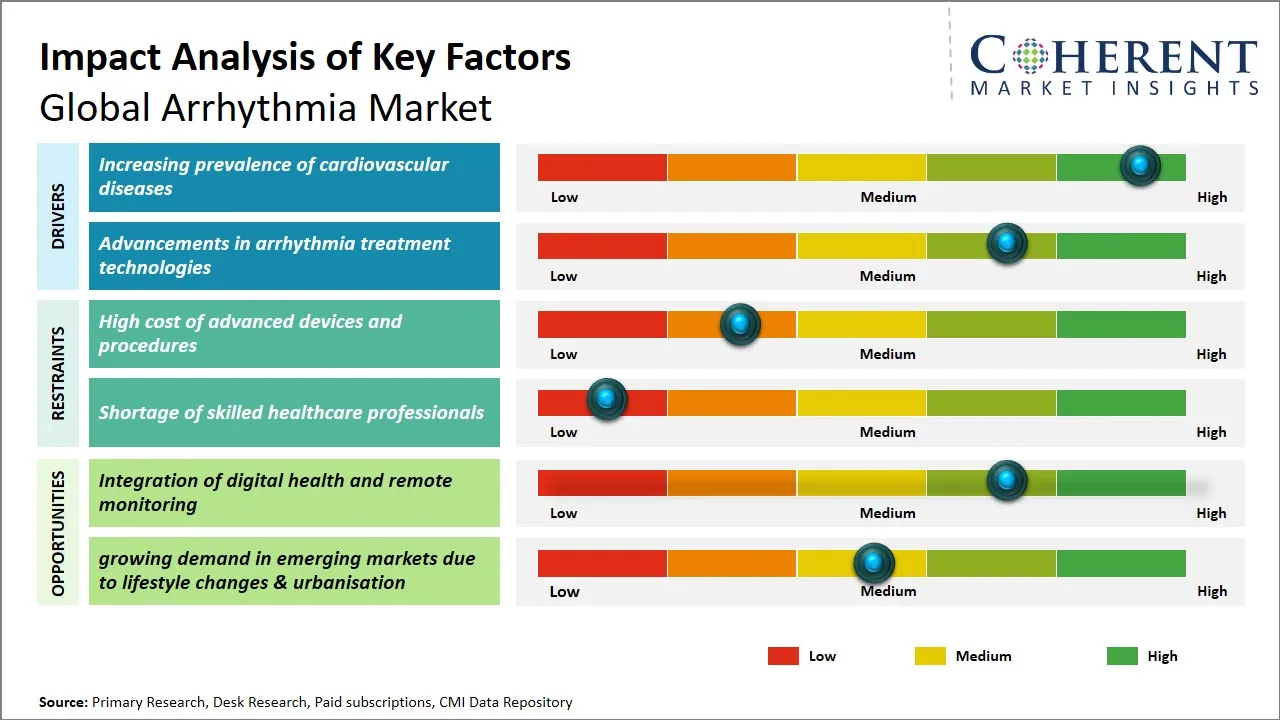
Arrhythmia Market Driver - Increasing Prevalence of Cardiovascular Diseases
The increasing rates of Cardiovascular Diseases (CVDs) worldwide are a major driver of the arrhythmia market development, as the latter is frequently a complication of the latter category of heart diseases. Lack of physical activity, unscrupulous eating habits, the escalating levels of obesity, and aging are some of the factors that have led to the rapidly increasing rates of conditions such as hypertension, coronary artery disease, and heart failure, which are some of the causes of arrhythmias. Besides, increased diagnostic abilities and awareness of heart conditions have resulted in an increase in irregular heart rhythm detection, which further increases the number of patients seeking therapeutic treatments. The risk is further aggravated by chronic illnesses like diabetes and metabolic syndrome, which is directly connected to the cardiovascular health, which highlights the importance of the provision of effective arrhythmia management devices such as pacemakers, implantable cardioverter defibrillators, and sophisticated monitoring outcomes.
In July 2025, the World Health Organization, a United Nations health agency, announced that cardiovascular diseases are the leading cause of death in the world with an estimated 19.8 million deaths in 2022 constituting 32% of global mortality and pointing in the rising prevalence of heart attack and stroke especially in low and middle-income nations. WHO also observed that much of these conditions can be avoided by adopting healthier lifestyles as it emphasized on the importance of early detection and early treatment to keep down the increasing burden of cardiovascular diseases.
Arrhythmia Market Opportunity - Integration of Digital Health and Remote Monitoring in the Global Arrhythmia Market
Implementation of remote monitoring systems and digital health technologies is another opportunity to grow the global market of arrhythmia. The development of wearable technology, mobile health and connected health ecosystems has transformed how arrhythmia is diagnosed, monitored, and managed. Real-time monitoring of abnormal heart rhythm and timely interventions by continuous cardiac monitoring using smartwatches, patches, and implantable devices will significantly decrease the number of visits to the hospital and healthcare expenditures. In addition to this, remote monitoring can help guarantee the effective compliance of patients to the provided treatment plans as it allows healthcare professionals to receive regular data insights and implement personalized and proactive care management.
In July 2025, Omron Healthcare of Japan, an India-based AI-driven cardiac care company, KeeboHealth, connected digital health platform to revolutionize remote cardiac care in India and assist Omron achieve the vision of going zero of cardiovascular occurrences. KeeboHealth integrates the Omron devices like Omron Complete with the Tricog ECG analysis to allow detecting atrial fibrillation and other heart-related conditions early on in the process and a multinational study conducted by Duke University UT Southwestern and Manipal Hospital revealed that the platform yielded better heart-failure outcomes by boosting exercise capacity and lowering the rate of hospital readmission.
Analyst Opinion (Expert Opinion)
- In the arrhythmia market, the experiences of physicians, hospital administrators, and patient groups have continually reiterated satisfaction with specific therapeutic consequences and the ongoing obstacles to wider use. The newer anticoagulants which give predictable dosing and decrease the necessity of frequent monitoring are reported by many cardiologists to have positive results. When discussing tertiary care hospitals, in Europe, the use of direct oral anticoagulants to enhance the adherence rates among older patients with atrial fibrillation who have had difficulties complying with the complicated dosing regimen has been recognized. Such usability has manifested itself in reduced hospital readmission and increased trust in the long-term management, which is the perceived value of product innovation by end users.
- Simultaneously, some of the same issues emerge in terms of affordability, accessibility, and side-effect management. Providers of community health care in Asia Pacific often attribute the problem of prohibitive cost of branded drugs that hinders long term treatment of patients in low-income brackets. Other doctors also observe that although the medication can treat rhythm and rate control, they are usually accompanied by gastronomic side effects or interactions that restrict compliance in general. These gaps highlight unmet needs like affordability, tolerability, and drugs that can be implemented to address the separate patient groups with numerous comorbidities. The solutions to these problems will allow unlocking much more opportunities: manufacturers focusing on patient-centered customization, friendly reimbursement structures, or cheaper generics, will not only achieve better patient outcomes but also gain long-term commitment of healthcare professionals and policymakers to more sustainable approaches to cardiac care.
Speak to the analyst
Want personalized insights?
Take the findings above to one of our principal consultants, or have the report rebuilt around the segments, geographies and competitors you actually track.
Market Segmentation
- Arrhythmia Type Insights (Revenue, USD Bn, 2021 - 2033)
- Atrial Fibrillation
- Atrial Flutter
- Supraventricular Tachycardia
- Ventricular Tachycardia
- Ventricular Fibrillation
- Bradyarrhythmia
- Premature Contractions (PACs and PVCs)
- Drug Class Insights (Revenue, USD Bn, 2021 - 2033)
- Anticoagulants and Antiplatelets (e.g., Warfarin, Apixaban, Aspirin)
- Class I Sodium Channel Blockers (e.g., Flecainide, Procainamide)
- Class II Beta Blockers (e.g., Metoprolol, Propranolol)
- Class III Potassium Channel Blockers (e.g., Amiodarone, Dofetilide)
- Class IV Calcium Channel Blockers (e.g., Verapamil, Diltiazem)
- Others (such as Digitalis Glycosides, etc.)
- Route of Administration Insights (Revenue, USD Bn, 2021 - 2033)
- Oral
- Parenteral
- Drug Type Insights (Revenue, USD Bn, 2021 - 2033)
- Branded
- Generic
- Age Group Insights (Revenue, USD Bn, 2021 - 2033)
- Pediatric
- Adult
- Geriatric
- End User Insights (Revenue, USD Bn, 2021 - 2033)
- Hospitals and Cardiac Specialty Clinics
- Ambulatory Surgical Centers (ASCs)
- Diagnostic and Catheterization Labs
- Home Healthcare Settings
- Ambulatory Surgical Centers
- Distribution Channel Insights (Revenue, USD Bn, 2021 - 2033)
- Hospital Pharmacies
- Retail Pharmacies
- Online Pharmacies
- Regional Insights (Revenue, USD Bn, 2021 - 2033)
- North America
- U.S.
- Canada
- Latin America
- Brazil
- Argentina
- Mexico
- Rest of Latin America
- Europe
- Germany
- U.K.
- Spain
- France
- Italy
- Russia
- Rest of Europe
- Asia Pacific
- China
- India
- Japan
- Australia
- South Korea
- ASEAN
- Rest of Asia Pacific
- Middle East
- GCC Countries
- Israel
- Rest of Middle East
- Africa
- South Africa
- North Africa
- Central Africa
- North America
- Key Players Insights
- Pfizer Inc
- Sanofi SA
- GlaxoSmithKline plc
- Novartis AG
- Merck & Co Inc
- Johnson & Johnson
- AstraZeneca plc
- Bayer AG
- Roche Holding AG
- Takeda Pharmaceutical Company Limited
- Teva Pharmaceutical Industries Ltd
- Mylan (Viatris)
- Eli Lilly and Company
- Boehringer Ingelheim GmbH
- Lupin Pharmaceuticals
Sources
Primary Research Interviews
Industry Stakeholders list
- Cardiologists specializing in electrophysiology
- Hospital procurement managers
- Pharmaceutical R&D directors
- Clinical trial investigators
- Health insurance policy advisors
- Regulatory affairs specialists
End Users List
- Patients with atrial fibrillation
- Caregivers of arrhythmia patients
- General practitioners in cardiology care
- Outpatient clinic coordinators
- Community pharmacists
- Nursing staff in cardiac units
Government and International Databases
- World Health Organization (WHO)
- U.S. Food and Drug Administration (FDA)
- European Medicines Agency (EMA)
- Centers for Disease Control and Prevention (CDC)
- National Institutes of Health (NIH)
- Indian Council of Medical Research (ICMR)
Trade Publications
- The Pharma Letter
- InPharma Technologist
- FiercePharma
- Scrip Intelligence
- Pharmaceutical Executive
- PharmaTimes
Academic Journals
- Journal of the American College of Cardiology (JACC)
- Circulation: Arrhythmia and Electrophysiology
- Heart Rhythm Journal
- The Lancet Cardiology
- European Heart Journal
- Journal of Cardiovascular Pharmacology
Reputable Newspapers
- The New York Times – Health Section
- The Guardian – Healthcare Section
- The Washington Post – Science and Health
- The Hindu – Health and Science
- Financial Times – Pharmaceuticals & Healthcare
- The Wall Street Journal – Health & Science
Industry Associations
- American Heart Association (AHA)
- European Society of Cardiology (ESC)
- Heart Rhythm Society (HRS)
- Asia Pacific Heart Rhythm Society (APHRS)
- Cardiac Arrhythmia Society of Southern Africa (CASSA)
- Indian Heart Rhythm Society (IHRS)
Public Domain Resources
- National Library of Medicine (NLM)
- Open Access Journals (PLOS ONE, BMC Cardiovascular Disorders)
Proprietary Elements
- CMI Data Analytics Tool: Proprietary analytics tool to analyze real-time market trends, consumer behavior, and technology adoption in market
- Proprietary CMI Existing Repository of Information for Last 8 Years
Get access to 250+ pages report
Every segment, forecast, competitor profile and data table behind the analysis above — available for instant download.
- ESOMAR Member
- ISO 9001:2015 Certified
- D-U-N-S Registered
- GDPR & CCPA Compliant
Missing comfort of reading report in your local language? Find your preferred language:
Transform your Strategy with Exclusive Trending Reports
Frequently Asked Questions
The global arrhythmia market is estimated to be valued at USD 18.12 Bn in 2026 and is expected to reach USD 26.01 Bn by 2033.
The CAGR of the global arrhythmia market is projected to be 5.3% from 2026 to 2033.
Increasing prevalence of cardiovascular diseases and advancements in arrhythmia treatment technologies are the major factors driving the growth of the global arrhythmia market.
High cost of advanced devices and procedures and shortage of skilled healthcare professionals are the major factors hampering the growth of the global arrhythmia market.
In terms of arrhythmia type, the atrial fibrillation segment is estimated to dominate the market revenue share in 2026.
Pfizer Inc, Sanofi SA, GlaxoSmithKline plc, Novartis AG, Merck & Co Inc, Johnson & Johnson, AstraZeneca plc, Bayer AG, Roche Holding AG, Takeda Pharmaceutical Company Limited, Teva Pharmaceutical Industries Ltd, Mylan (Viatris), Eli Lilly and Company, Boehringer Ingelheim GmbH, and Lupin Pharmaceuticals are the major players.
North America is expected to lead the global arrhythmia market in 2026.