

Global Artificial Lung Market Size and Forecast – 2026 to 2033
The Global Artificial Lung Market is estimated to be valued at USD 2.32 Bn in 2026 and is expected to reach USD 4.60 Bn by 2033, exhibiting a compound annual growth rate (CAGR) of 10.3% from 2026 to 2033. This robust growth reflects increasing adoption of artificial lung technologies driven by rising cases of respiratory diseases, advancements in medical technology, and growing demand for minimally invasive treatments.
Key Takeaways of the Global Artificial Lung Market
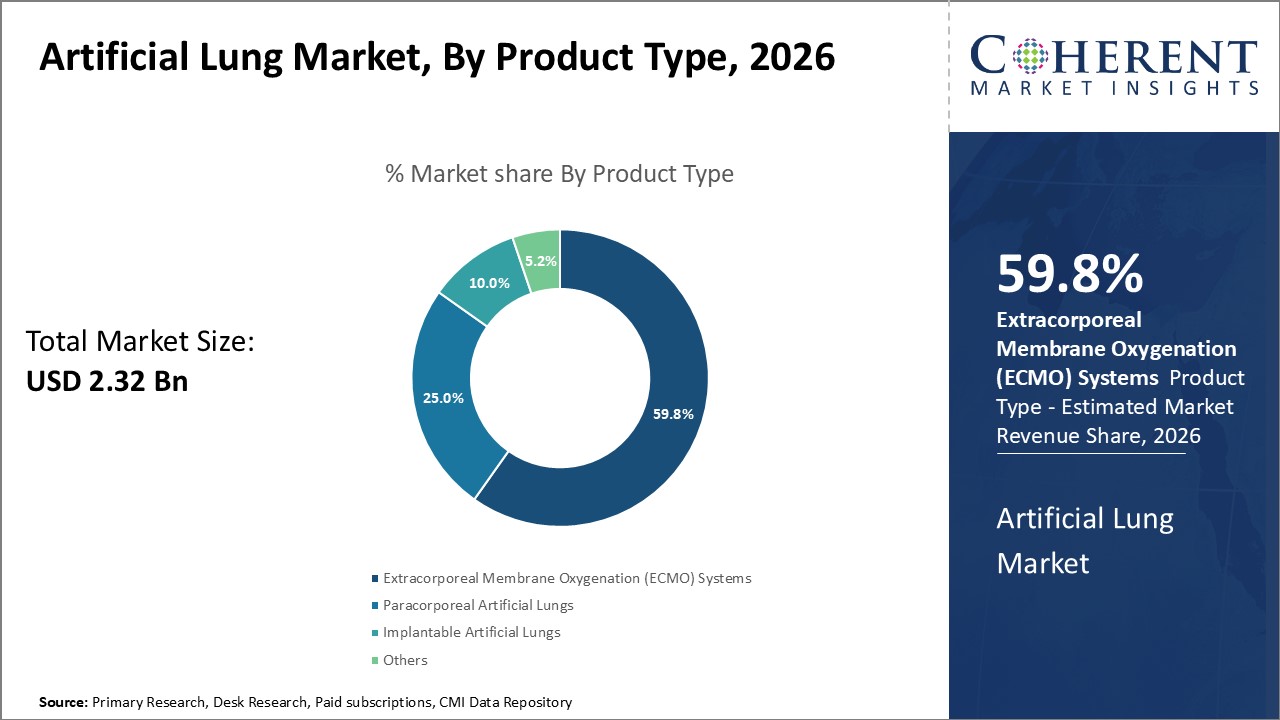
- Extracorporeal Membrane Oxygenation (ECMO) systems are expected to lead the global artificial lung market in 2026, commanding a dominant share of 59.8 %.
- Based on technology, perfusion systems are projected to hold the largest share of 33.2 % in the market by 2026.
- In terms of portability, stationary systems are forecasted to capture the largest share, with a projected 39.4 % share of the global artificial lung market in 2026.
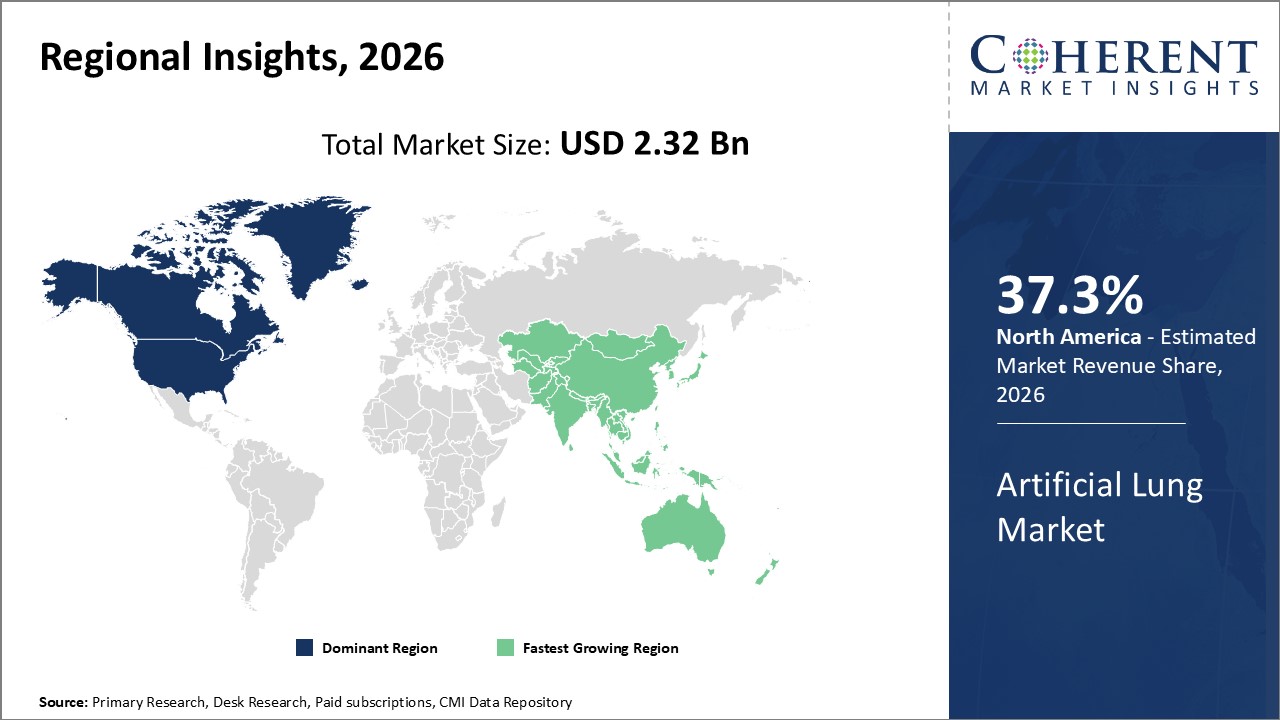
- North America is expected to lead the market, holding a share of 37.3 % in 2026. Asia Pacific is anticipated to be the fastest-growing region, with a market share of 25.2% in 2026.
Market Overview
Current market trends indicate a strong focus on innovations such as portable and wearable artificial lung devices that improve patient mobility and quality of life. Additionally, integration of AI and IoT for real-time monitoring and enhanced device performance is gaining traction. Strategic collaborations among medical device manufacturers, research institutions, and healthcare providers are accelerating product development. Increasing awareness and reimbursement policies are also playing key roles in propelling market growth and wider accessibility worldwide.
Current Events and Its Impact
Current Events | Description and its impact |
Inspira Technologies Introduces the Liby System (ECMO device) |
|
Technological Advancements |
|
Segmental Insights
- Current Industry Events of 2026
- Market Size Estimation
- Regional Breakdown
- Competitive Landscape
- Customer Intelligence
- Segmental Analysis
- Pricing Analysis
- Key Market Drivers, Challenges & Future Trends
- Customized Insights Section
Artificial Lung Market Insights, By Product Type - Dominance of Extracorporeal Membrane Oxygenation (ECMO) Systems in Product Type Segment is Driven by Critical Care Applications
In terms of product type, Extracorporeal Membrane Oxygenation (ECMO) systems hold the predominant share of the global artificial lung market with an estimated share of 59.8% in 2026. The growing reliance on ECMO systems as a vital life-support technology in critical care, especially for patients with severe respiratory or cardiac failure, is driving market dominance. ECMO provides temporary support by oxygenating blood outside the body, aiding in recovery from conditions like ARDS, viral pneumonia, or cardiac arrest. The versatility of VA ECMO for both cardiac and respiratory support, and VV ECMO for severe respiratory conditions, has expanded its clinical use. Additionally, the increasing number of complex surgeries and organ transplants has further boosted ECMO's market adoption.
For instance, in December 2024, KMC Hospital, located at B.R. Ambedkar Circle in Karnataka, India launched an Extracorporeal Membrane Oxygenation (ECMO) service to provide advanced life support for critically ill patients with severe heart and lung failure. The ECMO machine pumped blood out of the body, oxygenated it, removed carbon dioxide, and returned it, offering crucial support to patients in critical condition.
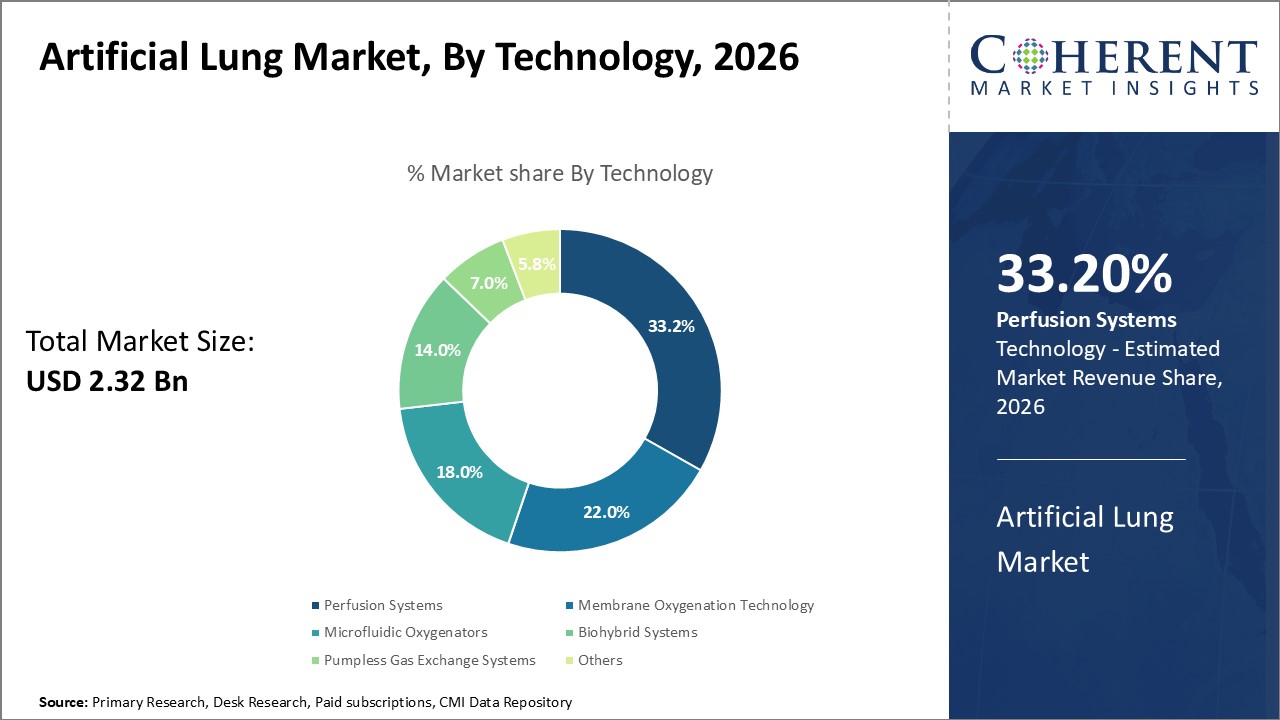
Artificial Lung Market Insights, By Technology - Perfusion Systems Lead by Innovation and Efficiency in the Technology Segment
In terms of technology, perfusion systems dominate the global artificial lung market with an estimated share of 33.2% in 2026. These systems are a critical components enabling artificial lungs to oxygenate blood and remove carbon dioxide effectively. Perfusion technology’s leadership in this segment is largely driven by continual innovation aimed at improving biocompatibility, gas exchange efficiency, and minimizing hemolysis or clot formation, which are major challenges in extracorporeal circulation.
Perfusion systems are indispensable in both clinical and surgical environments, as they facilitate the smooth circulation of blood through artificial lung devices. Their capability to precisely regulate blood flow and oxygenation contributes significantly to patient outcomes, making them preferred in critical interventions. Recent advances in sensor integration and automated control mechanisms have optimized perfusion systems for real-time adjustments during procedures, thus reducing risks and enhancing safety profiles across patient groups.
Artificial Lung Market Insights, By Portability - Stationary Systems Lead the Portability Segment Due to Reliability and Infrastructure Compatibilities
In terms of portability, stationary systems hold the largest share within the global artificial lung market with an estimated share of 39.4% in 2026. The principal factor driving this is their established role in hospital-based intensive care units (ICUs) where stable, large-scale equipment is essential for managing critically ill patients. Stationary artificial lung systems provide robust and high-capacity oxygenation support that portable or wearable devices currently cannot match.
The infrastructure of many healthcare facilities supports the installation and operation of stationary systems that integrate seamlessly with other life-support modalities. Their relatively larger size allows inclusion of more comprehensive features such as advanced monitoring, multiple pumps, and redundancy systems that enhance reliability and clinical control. Given that most artificial lung applications occur in environments requiring continuous power supply and close supervision, stationary systems naturally remain the preferred choice.
Role of Artificial Intelligence (AI) on the Global Artificial Lung Market
- Artificial Intelligence (AI) is significantly transforming the global artificial lung market by enhancing efficiency, reducing costs, and enabling data-driven decision-making. AI-driven predictive analytics are instrumental in forecasting patient outcomes, optimizing treatment plans, and personalizing care. For instance, AI algorithms can analyze lung scans with precision, detect conditions like Chronic Obstructive Pulmonary Disease (COPD) or asthma sooner, and personalize therapies for better outcomes. Additionally, AI facilitates process automation, streamlining workflows and reducing manual errors, thereby improving operational efficiency.
- Emerging opportunities in the artificial lung market include the development of AI-driven wearable devices for real-time monitoring and personalized medicine treatment, improving patient mobility and life quality. AI also enhances customer experiences through remote monitoring and timely interventions, reducing hospital readmissions and boosting patient satisfaction. However, challenges remain, including the need for high-quality data, potential algorithm biases, and the need for continuous validation in varied clinical settings.
- Companies in the artificial lung market can leverage AI by investing in AI-powered diagnostics, collaborating with tech innovators, and ensuring that their AI systems are transparent, interpretable, and continuously updated to maintain clinical relevance and trustworthiness. For example, Butterfly Network, Their Auto B-line Counter utilizes deep learning to analyze lung ultrasound images, aiding in the assessment of conditions like congestive heart failure and chronic obstructive pulmonary disease (COPD) and Optellum's Lung Precision Care Platform employs AI to advance early lung cancer detection and lung nodule management, optimizing patient outcomes
Regional Insights
North America Artificial Lung Market Analysis and Trends
North America is expected to hold a dominant share of 37.3% in the global artificial lung market by 2026, driven by its advanced healthcare infrastructure, strong technological ecosystem, and substantial investments in medical research and development. Government policies, including strong regulatory frameworks by the U.S. Food and Drug Administration (FDA) and supportive reimbursement environments, further bolster market stability and adoption. Additionally, North America benefits from a comprehensive network of clinical research centers and hospitals that facilitate early adoption of artificial lung devices, driving the region’s leading position globally.
In August 2022, Carnegie Mellon University, a top research institution in the U.S., secured a USD 8.7 million U.S. Army grant to develop a portable artificial lung system for chronic lung disease patients. Led by biomedical engineering professor Keith Cook, the team is creating a Pulmonary Assist System (PAS) weighing under three pounds that combines a compact pump with a biocompatible gas exchanger. The goal is to enable safe, long-term respiratory support at home, along with new drug regimens, surgical techniques, and advanced remote monitoring to improve patient care and quality of life.
Asia Pacific Artificial Lung Market Analysis and Trends
The Asia Pacific region is projected to experience the fastest growth in the artificial lung market, with an expected share of 25.2% in 2026. This growth is fueled by increasing healthcare expenditures, a rising prevalence of respiratory diseases, and the expansion of healthcare infrastructure in emerging economies such as China and India. Government initiatives to improve healthcare access, such as China’s “Healthy China 2030” plan and India’s increased focus on critical care facilities, significantly contribute to market expansion. The region also benefits from a burgeoning medical device manufacturing industry and growing collaborations with global players, including Maquet Getinge Group and Terumo Corporation. Additionally, improving regulatory frameworks and rising awareness among healthcare professionals support rapid market adoption.
Artificial Lung Market Outlook for Key Countries
U.S. Artificial Lung Market Trends
The U.S. continues to lead the artificial lung market, driven by technological innovation and robust commercialization capabilities. Companies like Medtronic and Abiomed are at the forefront, advancing extracorporeal membrane oxygenation (ECMO) and artificial lung technologies to improve patient outcomes. The country's comprehensive healthcare infrastructure, combined with strong regulatory support from the U.S. FDA, ensures fast product approvals and reimbursement coverage, creating an ideal environment for market growth.
For instance, in July 2021, Draper, a U.S.-based engineering research organization, developed an innovative artificial lung device using biomimetic microfluidics to improve ECMO performance and safety. Backed by a USD 4.9 million U.S. Army grant, Draper created the BLOx system, which mimics natural lung structures to reduce clotting, stabilize blood flow, and enable more portable, low-flow respiratory support. In tests, BLOx achieved record-high blood flow rates for a microfluidic device while minimizing complications. Draper’s approach aims to make ECMO simpler, safer, and more accessible for critical care and emergency settings.
China Artificial Lung Market Trends
China’s artificial lung market is witnessing significant growth, driven by increased government healthcare spending and improvements in critical care infrastructure. Both local manufacturers and international players like Maquet Getinge Group and Terumo are expanding their presence, tapping into the country's large and growing patient population. Regulatory reforms aimed at simplifying market entry and accelerating clinical trials further promote the adoption of artificial lung devices. The rise in chronic respiratory diseases, coupled with government health initiatives, is creating a favorable environment for market expansion.
For example, in January 2026, Jiangsu Hengrui Pharmaceuticals, one of the leading Chinese pharmaceutical companies, received approval from the National Medical Products Administration for its domestically developed ECMO system. This system, featuring a magnetically levitated blood pump designed for high stability and low hemolysis, is set to enhance life support for patients with severe heart and lung failure. This milestone not only boosts access to advanced critical care devices in China but also strengthens Hengrui’s strategy to diversify into medical technologies, positioning itself to make a significant impact on the global artificial lung market. This development aligns with China’s ongoing push to improve its healthcare system and adopt cutting-edge medical technologies.
Germany Artificial Lung Market Trends
Germany remains a leader in the Europe artificial lung market, benefiting from its strong medical device manufacturing sector and robust healthcare system. Companies like Fresenius Medical Care and Getinge are at the forefront, driving innovations in artificial lung technologies and extracorporeal life support systems. The country's well-established healthcare reimbursement policies and a growing focus on critical care are facilitating the integration of advanced artificial lung solutions in clinical settings. Additionally, Germany's significant investment in medical research further supports the refinement of these technologies, ensuring enhanced patient safety and outcomes.
In May 2024, Hemovent GmbH, a Germany-based medical device company specializing in extracorporeal life support, successfully completed the first commercial deployments of MOBYBOX, the world’s first fully integrated portable pneumatic ECMO system. Weighing just 2.5 kg, MOBYBOX operates without batteries or motors, using only oxygen pressure for power. Its compact design enables use beyond ICU settings, including ambulances, aircraft, and disaster response. Already launched in Germany, the Netherlands, Italy, Greece, and Israel, MOBYBOX has been praised for simplifying transport and emergency care for critically ill patients with severe heart or lung failure.
U.K. Artificial Lung Market Trends
The U.K. artificial lung market is part of the broader medical device and respiratory support sector, focused on providing life-saving solutions for patients with severe respiratory failure. Artificial lungs, also known as extracorporeal membrane oxygenation (ECMO) devices, are primarily used to support patients whose lungs are not functioning adequately due to conditions such as acute respiratory distress syndrome (ARDS), chronic obstructive pulmonary disease (COPD), or during heart-lung surgeries.
In February 2023, LivaNova, a U.K.-based medical technology company specializing in cardiopulmonary solutions, began a limited European rollout of its Essenz perfusion system, a next-generation heart-lung machine. This system integrates advanced patient monitoring, offering personalized, data-driven support during open-heart surgeries. Similarly, the U.K. artificial lung market is advancing with the development of more sophisticated, portable devices for patients with severe respiratory failure. Just as LivaNova’s Essenz system, which was designed with input from over 300 perfusionists, emphasizes intuitive controls and precision, artificial lung technologies are evolving with improved user interfaces, sensors, and personalized care features.
Market Players, Key Developments, and Competitive Intelligence
Key Developments
- In September 2024, Medtronic plc, the global leader in medical technology, launched VitalFlow, an advanced Extracorporeal Membrane Oxygenation (ECMO) system designed to simplify care from bedside to intra-hospital transport. Built on technology from Medtronic’s 2024 acquisition of MC3 Cardiopulmonary, VitalFlow reflects years of collaboration and innovation in ECMO devices.
- In April 2024, ImmuONE, a biotech company supported by the University of Hertfordshire, developed the world’s first 3D human lung model to test inhaled medicines, fragrances, and sprays without animal trials. The innovative system, now used by major pharmaceutical companies, helps speed products to market while improving research accuracy. With labs in Stevenage and plans to expand to the U.S., ImmuONE aims to scale up production and attract further investment to advance safer, more effective inhalation therapies.
- In April 2023, Abbott, a global healthcare company known for pioneering medical devices, secured two new U.S. FDA clearances for its CentriMag System. The CentriMag Blood Pump is now approved for longer-term ECMO support beyond six hours, giving doctors more time to stabilize critically ill patients. Additionally, Abbott’s new CentriMag Pre-connected Pack, which integrates the pump and oxygenator into a ready-to-use kit, is cleared for urgent life support under six hours, enabling faster treatment in emergencies. When combined with an oxygenator in an ECMO circuit, the system functions as an artificial lung by taking over gas exchange for patients whose lungs cannot provide sufficient oxygen. These advancements expand Abbott’s capabilities in advanced cardiac and respiratory care.
Top Strategies Followed by Global Artificial Lung Market Players
- Established companies dominate the artificial lung market by heavily investing in R&D to improve device performance, biocompatibility, and patient comfort. As demand for advanced respiratory solutions grows, especially in emerging economies, funding for innovative technologies is rising. These investments enable companies to expand globally, maintain a competitive edge, and lead the market with cutting-edge solutions.
- In May 2021, Hannover Medical School (MHH), Europe’s largest lung transplant center, has received USD 1.8 million in renewed funding from the German Research Foundation (DFG) to advance its work on a permanently implantable artificial lung. Building on ECMO technology, MHH scientists are developing a biohybrid lung lined with genetically modified endothelial cells to reduce clotting and immune rejection. The project aims to create a compact device with a large gas exchange surface that can be implanted in the body.
- Mid-level players in the artificial lung market are focusing on providing cost-effective yet reliable solutions to meet the needs of price-sensitive segments, especially in developing regions. These companies balance maintaining high-quality products while ensuring affordability, which allows them to capture a wider customer base that may not have access to premium-priced artificial lungs. A key strategy for these mid-tier players is forming partnerships and collaborations with technology providers, contract manufacturers, and regional distributors. These alliances help enhance their production capabilities and scale operations efficiently.
- In April 2020, Abiomed, a leading medical device company known for its Impella heart pumps, acquired Breethe, a developer of a portable ECMO system that acts as an artificial lung. The device, which removes carbon dioxide and oxygenates blood, is designed to support patients with cardiogenic shock or respiratory failure, including COVID-19 cases. The acquisition strengthens Abiomed’s strategy of combining Impella and ECMO—an approach called “ECpella”, shown to improve heart recovery outcomes. Breethe’s system is pending U.S. FDA 510(k) clearance and is expected to help expand care options for critically ill patients.
- Small-scale players in the artificial lung market often focus on specialized features and innovative technologies tailored to meet specific clinical needs or patient groups. These companies, while resource-constrained and with smaller production volumes, are agile and quick to adopt cutting-edge advancements. They often explore novel biomaterials, miniaturized designs, or digital integration for monitoring and managing artificial lung systems. Their focus on innovation enables them to remain competitive in the market, even when compared to larger, more established players.
- In April 2020, ALung Technologies, Inc., a leader in low-flow extracorporeal carbon dioxide removal (ECCO2R), began the commercial development of its next-generation Hemolung Respiratory Assist System (RAS). This innovative system, specifically designed for ECCO2R, is considered a significant advancement in artificial lung technology. Unlike traditional systems adapted from other devices, Hemolung is purpose-built for respiratory support and is known for its simplicity and efficiency in treating acute respiratory failure
Market Report Scope
Artificial Lung Market Report Coverage
| Report Coverage | Details | ||
|---|---|---|---|
| Base Year: | 2025 | Market Size in 2026: | USD 2.32 Bn |
| Historical Data for: | 2020 To 2024 | Forecast Period: | 2026 To 2033 |
| Forecast Period 2026 to 2033 CAGR: | 10.3% | 2033 Value Projection: | USD 4.60 Bn |
| Geographies covered: |
| ||
| Segments covered: |
| ||
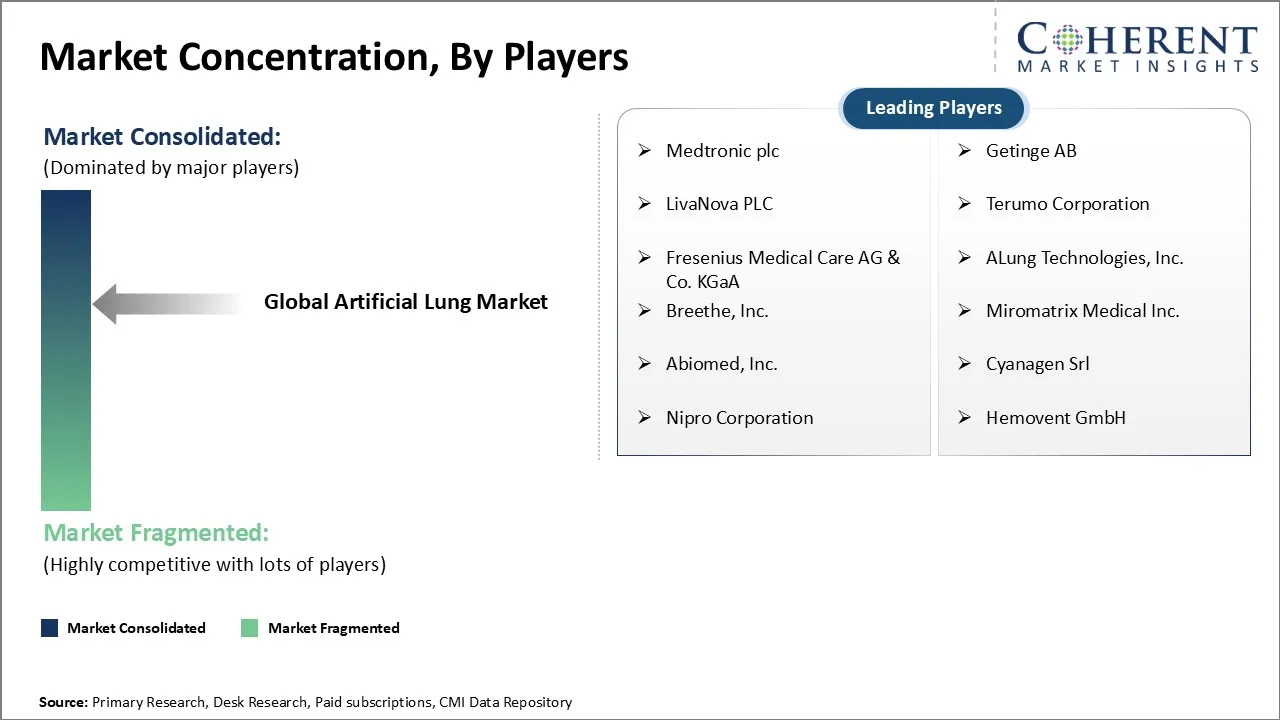
| Companies covered: | Medtronic plc, Getinge AB, LivaNova PLC, Terumo Corporation, Fresenius Medical Care AG & Co. KGaA, ALung Technologies, Inc., Breethe, Inc., Miromatrix Medical Inc., Abiomed, Inc., Cyanagen Srl, Nipro Corporation, and Hemovent GmbH | ||
| Growth Drivers: |
| ||
| Restraints & Challenges: |
| ||
Artificial Lung Market Dynamics
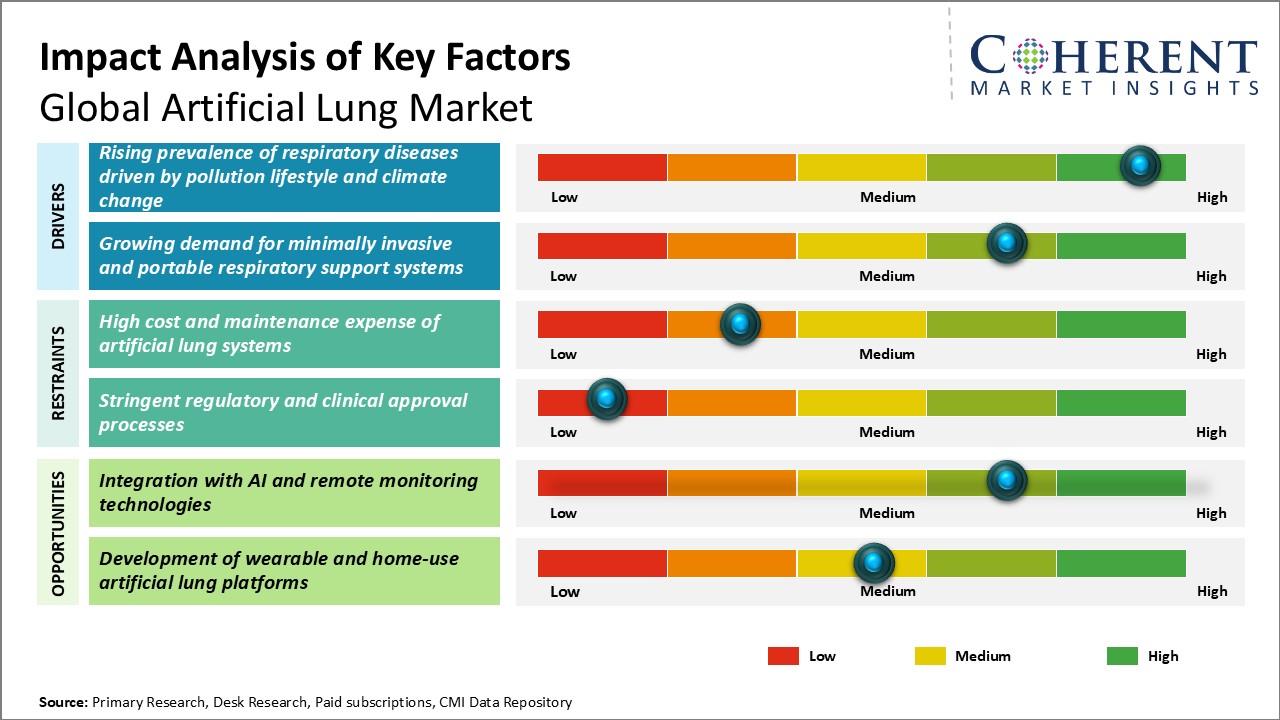
Artificial Lung Market Driver - Rising Prevalence of Respiratory Diseases Driven by Pollution Lifestyle and Climate Change
The rising incidence of respiratory diseases worldwide is a significant factor driving demand in the global artificial lung market. Increasing air pollution levels, particularly in urban centers, expose populations to harmful particulate matter and toxic gases, contributing directly to respiratory complications such as chronic obstructive pulmonary disease (COPD), pulmonary fibrosis, and acute respiratory distress syndrome (ARDS). Additionally, modern sedentary lifestyles characterized by poor dietary habits, smoking, and lack of physical activity exacerbate vulnerability to lung-related illnesses. Climate change further intensifies these challenges by altering air quality patterns and increasing the frequency of wildfires and smog events, leading to prolonged exposure to respiratory irritants. Together, these interconnected environmental and behavioral factors have resulted in a surge of respiratory conditions that often necessitate advanced therapeutic strategies, including the use of artificial lung technologies.
For instance, in November 2024, according to World Health Organization (WHO), Chronic Obstructive Pulmonary Disease (COPD) causes over 3 million deaths annually, making it the fourth leading cause of death globally. It affects more than 380 million people, with smoking and air pollution being the primary causes. COPD often goes unnoticed, especially in low- and middle-income countries where 85% of deaths occur. The WHO promotes integrating COPD diagnosis and treatment into primary healthcare, with countries like China and Brazil adopting it into national strategies. WHO’s MPOWER policy, focusing on tobacco control and air quality, can prevent over 1 million deaths annually and reduce COPD’s global impact.
Artificial Lung Market Opportunity - Integration with AI and Remote Monitoring Technologies in the Global Artificial Lung Market
The integration of artificial intelligence (AI) and remote monitoring technologies presents a significant opportunity to revolutionize the global artificial lung market. AI-powered algorithms can enhance the functionality and efficiency of artificial lungs by enabling real-time data analysis for personalized patient care. These technologies can predict potential complications, optimize oxygenation, and adjust device parameters dynamically, thereby improving patient outcomes and reducing hospital readmissions. Furthermore, remote monitoring capabilities facilitate continuous tracking of patient health status outside clinical settings, which is critical for managing chronic respiratory conditions and post-surgical recovery. This continuous data flow allows healthcare providers to intervene proactively, minimizing emergency situations and hospital stays.
For example, Miss Marium Naqvi, an ILD pharmacist at King’s College London, is pioneering the integration of AI in remote monitoring for patients with interstitial lung disease (ILD). Supported by funding from the KHP Centre for Translational Medicine, her project, REMILD, equips patients with home spirometers and pulse oximeters to track lung function. The AI system helps predict acute exacerbations and reduces false alerts, ensuring that healthcare providers only act on meaningful data. This approach enhances early detection, cuts down on hospital visits, and empowers patients to manage their condition more effectively at home. The project leverages KHP's strong network, including access to patient data and multidisciplinary expertise, to improve care and reduce healthcare costs.
Analyst Opinion (Expert Opinion)
- The global artificial lung market has been propelled by technological advancements in medical devices, particularly in extracorporeal membrane oxygenation (ECMO) systems and implantable artificial lungs. Regulatory support, such as faster approval processes for life-saving devices, along with rising demand from aging populations and patients with respiratory diseases, are key factors fueling market growth. Moreover, the increasing adoption of minimally invasive surgeries and advances in biomaterials are contributing to the development of more efficient, durable, and patient-friendly devices. However, challenges such as the high cost of these technologies, limited reimbursement policies, and concerns over long-term device functionality remain significant hurdles for widespread market penetration.
- Key global conferences like the "International Symposium on Extracorporeal Life Support" and the "European Society for Artificial Organs Congress" have been crucial in driving knowledge-sharing and policy formulation in this sector. These events have not only facilitated discussions around the latest advancements in artificial lung technologies but also provided a platform for networking and collaboration. For instance, government-backed initiatives such as the development of new ECMO systems in the U.S. and Japan have created a ripple effect in improving accessibility to advanced life support technologies, thus influencing the market outlook positively.
Speak to the analyst
Want personalized insights?
Take the findings above to one of our principal consultants, or have the report rebuilt around the segments, geographies and competitors you actually track.
Market Segmentation
- Product Type Insights (Revenue, USD Bn, 2021 - 2033)
- Extracorporeal Membrane Oxygenation (ECMO) Systems
- Veno-Arterial (VA) ECMO
- Veno-Venous (VV) ECMO
- Paracorporeal Artificial Lungs
- Pumpless Paracorporeal Devices
- Pump-Assisted Paracorporeal Devices
- Implantable Artificial Lungs
- Intrathoracic Devices
- Vascular Graft-Integrated Devices
- Others (Oxygenators)
- Extracorporeal Membrane Oxygenation (ECMO) Systems
- Technology Insights (Revenue, USD Bn, 2021 - 2033)
- Perfusion Systems
- Membrane Oxygenation Technology
- Microfluidic Oxygenators
- Biohybrid Systems
- Pumpless Gas Exchange Systems
- Others (3D-Printed Artificial Lung Constructs, etc.)
- Portability Insights (Revenue, USD Bn, 2021 - 2033)
- Stationary Systems
- Portable Systems
- Wearable Systems
- Application Insights (Revenue, USD Bn, 2021 - 2033)
- Lung Transplant Support (Bridge-to-Transplant)
- Acute Respiratory Distress Syndrome (ARDS)
- Chronic Respiratory Conditions (COPD, Pulmonary Hypertension, Cystic Fibrosis)
- Others (Coronary Artery Bypass Grafting, etc.)
- Patient Type Insights (Revenue, USD Bn, 2021 - 2033)
- Neonates
- Pediatric
- Adult
- End User Insights (Revenue, USD Bn, 2021 - 2033)
- Hospitals
- Transplant Centers
- Ambulatory Surgical Centers
- Emergency and Trauma Centers
- Home Care Settings (for wearable devices)
- Others (Research Institutes, etc.)
- Regional Insights (Revenue, USD Bn, 2021 - 2033)
- North America
- U.S.
- Canada
- Latin America
- Brazil
- Argentina
- Mexico
- Rest of Latin America
- Europe
- Germany
- U.K.
- Spain
- France
- Italy
- Russia
- Rest of Europe
- Asia Pacific
- China
- India
- Japan
- Australia
- South Korea
- ASEAN
- Rest of Asia Pacific
- Middle East
- GCC Countries
- Israel
- Rest of Middle East
- Africa
- South Africa
- North Africa
- Central Africa
- North America
- Key Players Insights
- Medtronic plc
- Getinge AB
- LivaNova PLC
- Terumo Corporation
- Fresenius Medical Care AG & Co. KGaA
- ALung Technologies, Inc.
- Breethe, Inc.
- Miromatrix Medical Inc.
- Abiomed, Inc.
- Cyanagen Srl
- Nipro Corporation
- Hemovent GmbH
Sources
Primary Research Interviews
- Healthcare professionals (surgeons, cardiologists, pulmonologists)
- Hospital procurement officers
- Medical device manufacturers
- Clinical trial participants and researchers
Government and International Databases
- U.S. National Institutes of Health (NIH)
- World Health Organization (WHO)
- European Medicines Agency (EMA)
- Food and Drug Administration (U.S. FDA)
- National Health Service (NHS)
- Centers for Disease Control and Prevention (CDC)
- Centers for Medicare & Medicaid Services (CMS)
Trade Publications
- The Journal of Extracorporeal Technology
- The Lancet Respiratory Medicine
- Cardiovascular and Pulmonary
- Artificial Organs Journal
- Heart Surgery Forum
- International Journal of Artificial Organs
Academic Journals
- Nature Med
- American Journal of Respiratory and Critical Care Medicine
- European Respiratory Journal
- Journal of Biomedical Engg.
- Journal of Cardiothoracic and Vascular Anesthesia
Reputable Newspapers
- The New York Times (Health Section)
- The Guardian (Healthcare News)
- The Wall Street Journal (Medical Innovations)
- Financial Times (Healthcare Industry)
- Reuters Health News
Industry Associations
- European Society of Cardiology (ESC)
- American Heart Association (AHA)
- American Society of Anesthesiologists (ASA)
- European Society of Anesthesiology (ESA)
Public Domain Resources
- Open Access Journals from government or educational institutions
Proprietary Elements
- CMI Data Analytics Tool: Proprietary analytics tool to analyze real-time market trends, consumer behavior, and technology adoption in market
- Proprietary CMI Existing Repository of Information for Last 8 Years
Get access to 250+ pages report
Every segment, forecast, competitor profile and data table behind the analysis above — available for instant download.
- ESOMAR Member
- ISO 9001:2015 Certified
- D-U-N-S Registered
- GDPR & CCPA Compliant
Missing comfort of reading report in your local language? Find your preferred language:
Transform your Strategy with Exclusive Trending Reports
Frequently Asked Questions
The global artificial lung market is estimated to be valued at USD 2.32 Bn in 2026 and is expected to reach USD 4.60 Bn by 2033.
The CAGR of the global artificial lung market is projected to be 10.3% from 2026 to 2033.
Rising prevalence of respiratory diseases driven by pollution lifestyle and climate change and growing demand for minimally invasive and portable respiratory support systems are the major factors driving the growth of the global artificial lung market.
High cost and maintenance expense of artificial lung systems and stringent regulatory and clinical approval processes are the major factors hampering the growth of the global artificial lung market.
In terms of product type, the Extracorporeal Membrane Oxygenation (ECMO) systems segment is estimated to dominate the market revenue share in 2026.
Extracorporeal Membrane Oxygenation (ECMO) plays a critical role in artificial lung systems by providing temporary life support for patients with severe cardiac or respiratory failure. It oxygenates the blood outside the body and removes carbon dioxide, allowing the heart and lungs to rest and heal while maintaining oxygenation.
Medtronic plc, Getinge AB, LivaNova PLC, Terumo Corporation, Fresenius Medical Care AG & Co. KGaA, ALung Technologies, Inc., Breethe, Inc., Miromatrix Medical Inc., Abiomed, Inc., Cyanagen Srl, Nipro Corporation, and Hemovent GmbH are the major players.