

Cardiac Event Monitor Market Size and Forecast – 2026-2033
The Global Cardiac Event Monitor Market is estimated to be valued at USD 5.30 Bn in 2026 and is expected to reach USD 7.95 Bn by 2033, exhibiting a compound annual growth rate (CAGR) of 6.1% from 2026 to 2033.
Key Takeaways of the Global Cardiac Event Monitor Market:
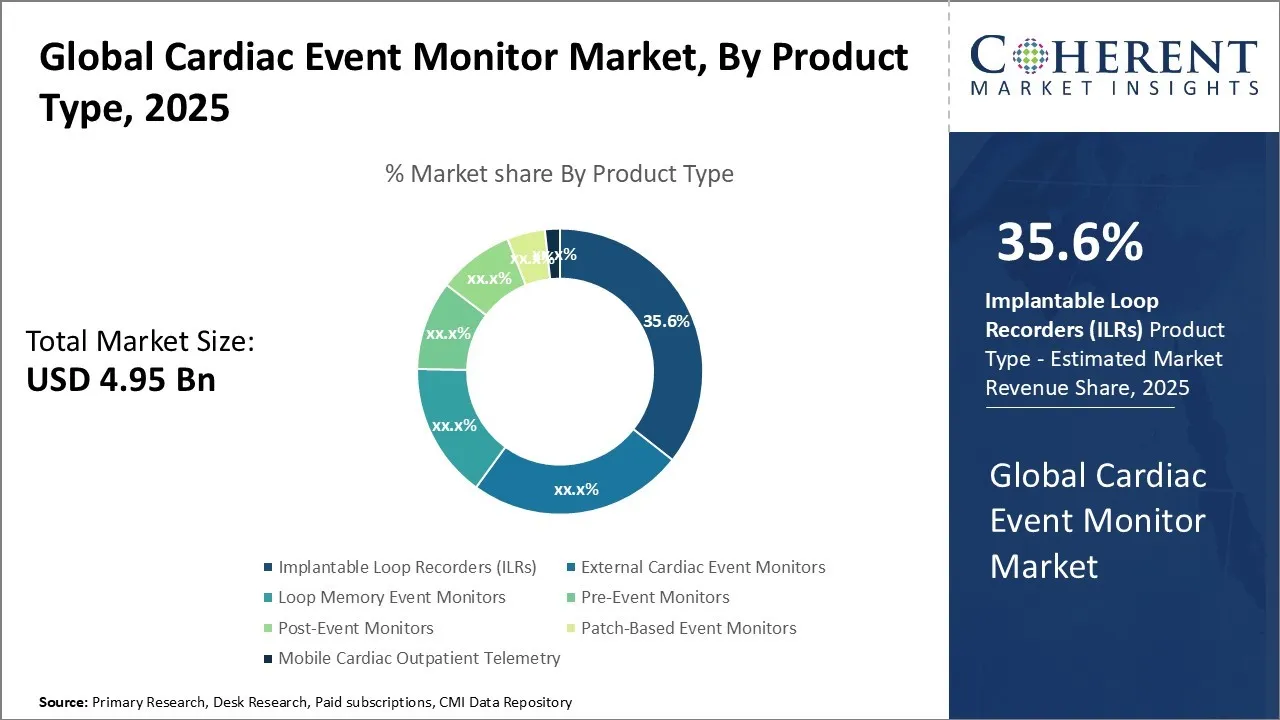
- By product type, the Implantable Loop Recorders (ILRs) segment is expected to hold the largest market share of 36.6% in 2026, driven by their enhanced diagnostic capabilities and advanced technological features.
- In terms of application, the atrial fibrillation detection segment is projected to dominate the market with a 39.3% share in 2026, reflecting the growing focus on early diagnosis of arrhythmias.
- Among patient groups, the adult patients segment is anticipated to lead the market with a 44.1% share in 2026, due to the high prevalence of cardiovascular diseases in this age group and the widespread adoption of monitoring devices.
- Regionally, North America is forecasted to maintain the largest market share at 38.3% in 2026, while Asia Pacific is expected to emerge as the fastest-growing region, capturing 30.2% of the market share in 2026, supported by rising healthcare investments and growing disease awareness.
Market Overview:
The market trend for the cardiac event monitor market is driven by several factors, including the increasing prevalence of cardiovascular diseases, the growing geriatric population, and the rising adoption of remote monitoring technologies. Additionally, the development of advanced and user-friendly cardiac event monitors, coupled with the increasing demand for home-based healthcare solutions, is expected to further fuel market growth during the forecast period.
Currents Events and Its Impact
Current Events | Description and its impact |
R&D Funding Boost for Digital Health Startups |
|
Integration of Cardiac Monitors with Smart Devices |
|
Segmental Analysis
- Current Industry Events of 2026
- Market Size Estimation
- Regional Breakdown
- Competitive Landscape
- Customer Intelligence
- Segmental Analysis
- Pricing Analysis
- Key Market Drivers, Challenges & Future Trends
- Customized Insights Section
Cardiac Event Monitor Market Insights, By Product Type - Implantable Loop Recorders (ILRs) Dominance is Driven by Technological Advancements and Enhanced Diagnostic Capabilities
In terms of product type, the Implantable Loop Recorders (ILRs) segment is expected to contribute the highest share of the market with 36.6% in 2026 owing to their advanced features and superior diagnostic capabilities. ILRs are small, subcutaneously implanted devices that continuously monitor heart rhythm and record cardiac events over an extended period, typically up to three years. The dominance of ILRs in the market can be attributed to several key factors. Firstly, the miniaturization of ILRs has significantly improved patient comfort and acceptance. The newer generation of ILRs is considerably smaller, making the implantation procedure less invasive and reducing post-implantation discomfort. This has led to increased adoption of ILRs by both healthcare providers and patients.
Secondly, ILRs offer superior diagnostic yield compared to other cardiac event monitoring devices. They provide continuous monitoring and are capable of detecting both symptomatic and asymptomatic cardiac events. This comprehensive monitoring enables accurate diagnosis of infrequent or sporadic arrhythmias that may be missed by shorter-term monitoring methods. The ability of ILRs to capture crucial diagnostic information has made them a preferred choice among healthcare professionals. Moreover, advancements in ILR technology have enhanced their diagnostic capabilities. Modern ILRs incorporate advanced algorithms and machine learning techniques to accurately detect and classify various types of arrhythmias. These smart algorithms can differentiate between clinically significant events and artifacts, reducing false positives and improving the overall efficiency of the diagnostic process.
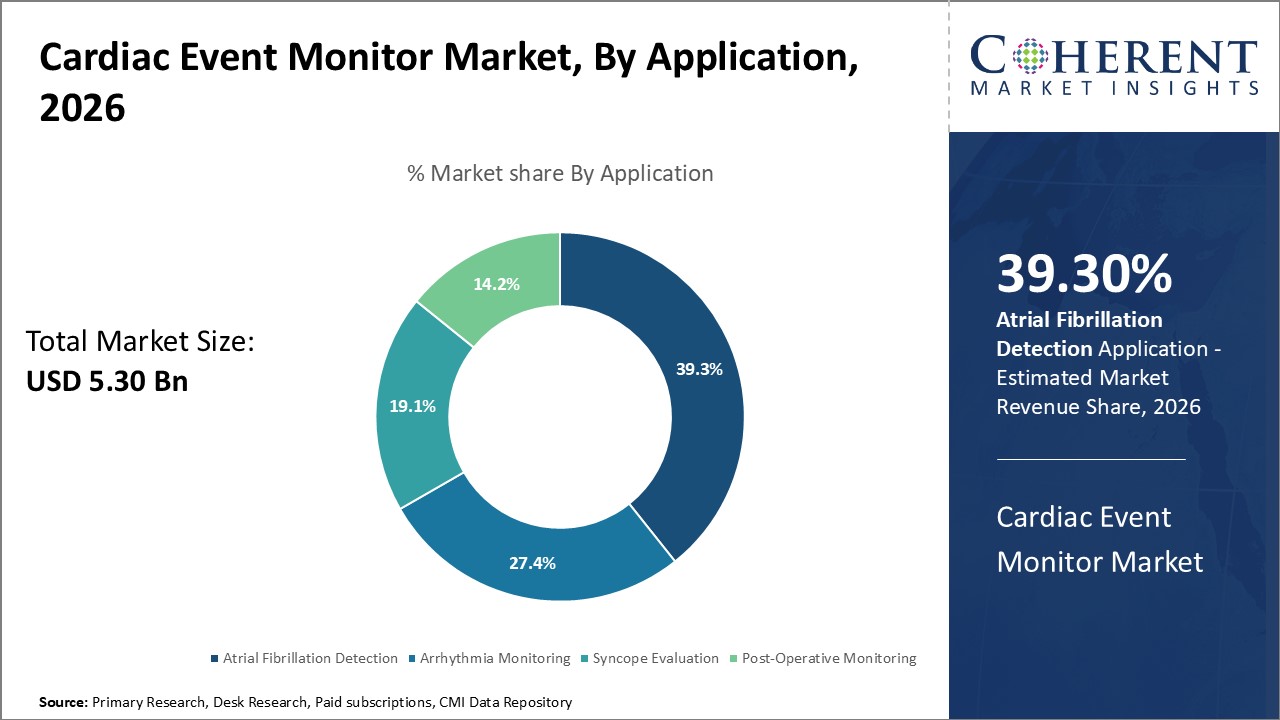
Cardiac Event Monitor Market Insights, By Application - Atrial Fibrillation Detection Leads Growth Due to Rising Prevalence and Need for Early Diagnosis
In terms of application, the atrial fibrillation detection segment is expected to contribute the highest share of the global cardiac event monitor market with 39.3% in 2026. Atrial fibrillation (AF) is a common cardiac arrhythmia that significantly increases the risk of stroke, heart failure, and other cardiovascular complications. The increasing prevalence of AF worldwide has fueled the demand for effective monitoring and diagnostic tools, propelling the growth of this market segment.
Several factors contribute to the dominance of AF detection in the cardiac event monitor market. Firstly, the growing awareness about the risks associated with AF has led to increased screening and diagnostic efforts. Healthcare providers are increasingly adopting cardiac event monitors to identify AF in high-risk populations, such as the elderly and those with underlying cardiovascular conditions. Early detection of AF allows for timely intervention and management, reducing the risk of adverse outcomes.
Cardiac Event Monitor Market Insights, By Patient Group - High CVD Burden Positions Adults as Primary Market Segment
By patient group segment is divided into three distinct categories, pediatric patients, adult patients, and elderly patients. Among these, the adult patients segment is expected to hold the dominant position, contributing 44.1% share in 2026. This can be attributed to several factors, including the higher prevalence of cardiovascular diseases among adults, increased awareness about the importance of early detection and monitoring of cardiac events, and the availability of advanced and user-friendly cardiac event monitors specifically designed for adult patients.
According to the World Health Organization (WHO), cardiovascular diseases (CVDs) are the leading cause of death globally, with an estimated 17.9 million deaths each year. The majority of these deaths occur in adults, particularly those aged between 30 and 70 years. The increasing prevalence of risk factors such as obesity, sedentary lifestyles, smoking, and unhealthy diets contributes to the high incidence of CVDs among adults. As a result, there is a growing demand for effective cardiac monitoring solutions, driving the growth of the Adult Patients segment in the global cardiac event monitor market.
Regional Insights
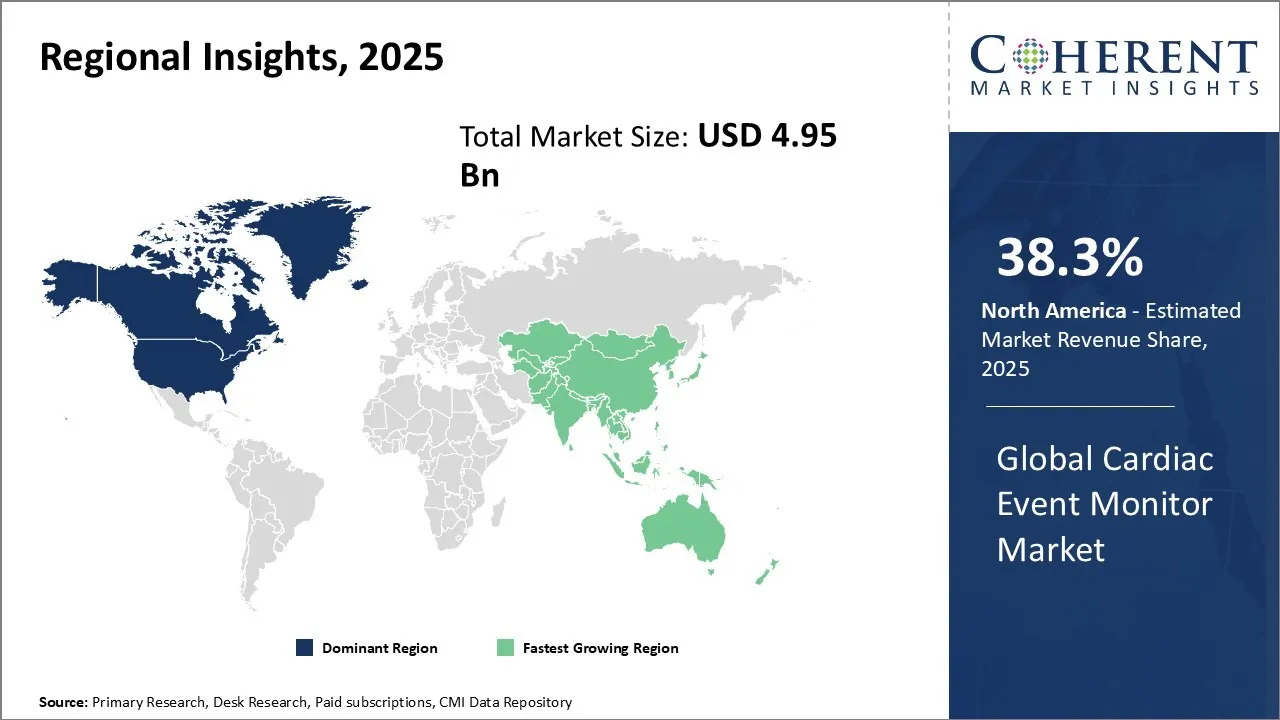
North America Cardiac Event Monitor Market Analysis and Trends
In North America, the dominance in the cardiac event monitor market with an estimated share of 38.3% in 2026 can be attributed to several factors. The region has a well-established healthcare infrastructure, with advanced medical facilities and a strong emphasis on early diagnosis and preventive care. The presence of leading medical device companies, such as Medtronic, Abbott, and Boston Scientific, further contributes to the market's growth.
These companies have made significant investments in research and development, introducing innovative cardiac monitoring devices that cater to the increasing demand for remote and real-time monitoring solutions. Moreover, the region's favorable reimbursement policies and increasing awareness about cardiovascular diseases have driven the adoption of cardiac event monitors among healthcare providers and patients alike.
Asia Pacific Cardiac Event Monitor Market Analysis and Trends
Meanwhile, the Asia Pacific region is expected to exhibit the fastest growth in the cardiac event monitor market with a share of 30.2% in 2026. The rapid economic development, rising healthcare expenditure, and increasing prevalence of cardiovascular diseases in countries like China, India, and Japan have fueled the demand for cardiac monitoring devices.
Governments in these countries have implemented policies and initiatives to improve healthcare access and encourage the adoption of advanced medical technologies. Additionally, the growing elderly population and the rising incidence of lifestyle-related disorders have further accelerated the market's growth. Local companies, such as Nihon Kohden and Fukuda Denshi, have made significant strides in developing and commercializing cardiac event monitors, catering to the specific needs of the Asia cardiac event monitor market.
Global Cardiac Event Monitor Market Outlook for Key Countries
U.S. Cardiac Event Monitor Market Trends
The U.S. cardiac event monitor market is driven by the high prevalence of cardiovascular diseases, advanced healthcare infrastructure, and increasing demand for remote monitoring solutions. Leading companies, such as iRhythm Technologies and BioTelemetry, have introduced innovative devices that offer real-time monitoring and data transmission capabilities. Moreover, the increasing prevalence of cardiovascular diseases, coupled with technological advancements and the rising demand for home-based, point-of-care, and remote cardiac monitoring systems, is significantly influencing the market’s growth. For instance, as per the Centers for Disease Control and Prevention (CDC) June 2022 update, approximately 20.1 million adults aged 20 and above in the U.S. had coronary heart disease (CAD) in 2020, making it the most common form of heart disease in the country. This high disease burden is expected to drive greater demand for cardiac monitoring solutions in the near future.
China Cardiac Event Monitor Market Trends
China cardiac event monitor market is experiencing rapid growth due to the increasing prevalence of cardiovascular diseases, aging population, and rising healthcare expenditure. The government's initiatives to improve healthcare access and encourage the adoption of advanced medical technologies have created a conducive environment for market growth.
For instance, in December 2023, Singular Medical, a technology company, launched a multicenter clinical trial for its SiLu Implantable Cardiac Monitor (ICM), enrolling the first participant on day one. Led by Prof. Su Yangan, the trial highlights China's growing capabilities in cardiac monitoring technology. Amid rising cardiovascular disease rates, the trial supports national healthcare priorities focused on early screening, diagnosis, and chronic disease prevention.
Japan Cardiac Event Monitor Market Trends
Japan continues to lead the Asia Pacific region in the adoption of cardiac event monitors, driven by its advanced healthcare infrastructure, high awareness about cardiovascular health, and favorable reimbursement policies. The country's aging population and increasing prevalence of lifestyle-related disorders have further fueled the demand for remote monitoring solutions.
For instance, on May 1, 2026, iRhythm Technologies, a digital healthcare company, launched its Zio Long-Term Continuous Monitoring (LTCM) system in Japan, branded locally as the Zio ECG Recording and Analysis System. The AI-powered device offers up to 14 days of uninterrupted ECG monitoring—surpassing traditional Holter monitors and other patch-based options. The launch targets Japan's growing demand for early arrhythmia detection, especially as the country faces a rising elderly population and is the world's second-largest ambulatory cardiac monitoring market.
India Cardiac Event Monitor Market Trends
India cardiac event monitor market is experiencing significant growth, driven by the increasing prevalence of cardiovascular diseases, rising healthcare expenditure, and growing awareness about the importance of early detection and management of cardiac events. The government's initiatives to improve healthcare access and encourage the adoption of telemedicine have created new opportunities for market growth. Local companies, such as BPL Medical Technologies and Opto Circuits, have made notable contributions to the market by developing affordable and user-friendly cardiac monitoring devices.
End User Feedback and Unmet Needs – Global Cardiac Event Monitor Market
The cardiac event monitor market is witnessing increasing adoption across hospitals, ambulatory care centers, and home-based monitoring programs, driven by the growing need for early detection of arrhythmias and other cardiac anomalies. End users have reported positive outcomes from next-generation wearable monitors that enable continuous, remote data transmission. For instance, a major U.S. hospital system successfully implemented patch-based monitors with real-time connectivity, leading to faster diagnoses, reduced emergency visits, and improved patient satisfaction due to the device’s comfort and unobtrusive design. These advancements highlight the clinical value of integrating wireless, real-time monitoring solutions into routine cardiac care.
However, recurring challenges persist, particularly in public health systems and low-resource settings. Users frequently cite high device costs, limited reimbursement, and connectivity issues as major barriers. Additionally, healthcare providers expressed concerns about complex interfaces and limited support for multilingual users or non-specialist staff. These gaps point to the need for affordable, intuitive, and adaptable cardiac monitoring solutions. Addressing these unmet needs can unlock growth opportunities for manufacturers, improve care access, and foster innovation in real-time cardiac diagnostics.
Market Players, Key Developments, and Competitive Intelligence
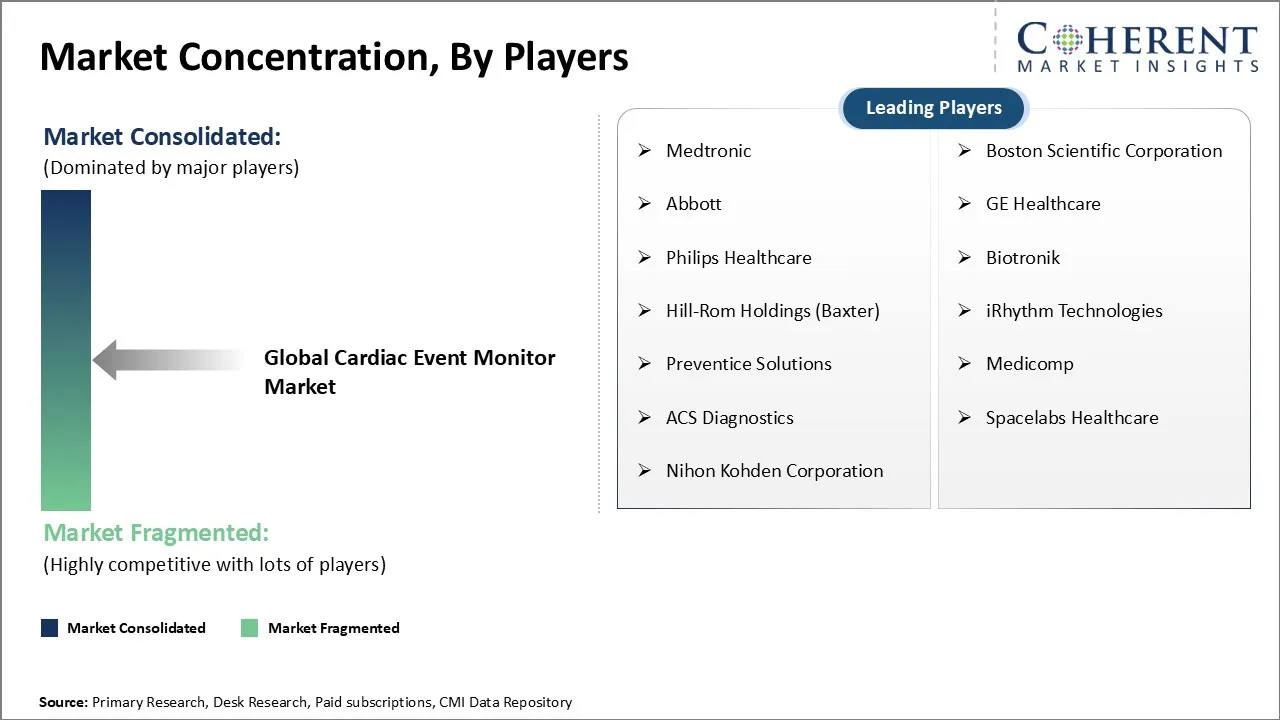
Key Developments:
- In February 2025, Cardiac Biotech Solutions, Inc., medical technology company announced the launch of its next-generation MyCardia AT cardiac event monitor, targeting markets in Southeast Asia, Hong Kong, and Macau. The U.S. FDA-cleared device features a lightweight, user-friendly design and enables remote cardiac event transmission via iOS, Android, and WeChat apps, enhancing patient monitoring and convenience.
- In December 2024, HeartBeam, Inc., a medical technology company, received U.S. FDA 510(k) clearance for its first-of-its-kind arrhythmia assessment system, featuring a credit card-sized, cable-free ECG device. The system captures heart signals from three directions and syncs with a patient app for guided, 30-second recordings. Data is sent to the cloud and reviewed by physicians in real time. The company plans to launch an Early Access Program with a waitlist for patients and doctors.
- In May 2024, Philips, a global leader in health technology, showcased new retrospective study results at the Heart Rhythm Annual Meeting, highlighting the clinical and economic benefits of its AI-powered cardiac care solutions. The studies emphasize how mobile cardiac monitoring aids in early detection of cardiac events, supports timely interventions, and contributes to reduced readmissions and healthcare costs.
- In May 2023, Abbott, a leading global healthcare company, received U.S. FDA clearance for its Assert-IQ insertable cardiac monitor (ICM), providing physicians with an advanced solution for long-term, remote monitoring of arrhythmias. The device comes in two versions—with a battery life of at least three or six years—providing flexibility for both short-term diagnostics and extended monitoring needs. It features advanced algorithms for real-time heartbeat detection, helping manage conditions like fainting, palpitations, and atrial fibrillation.
Top Strategies Followed by Global Cardiac Event Monitor Market Players
- Established players in the global cardiac event monitor market are focusing on extensive research and development to innovate high-performance products. Strategic partnerships are another key strategy employed by leading companies in the market. They are forming alliances with major industry players and original equipment manufacturers (OEMs) to solidify their market presence.
- For instance, in January 2024, Medtronic, global healthcare technology company, announced a partnership with Cardiac Design Labs to distribute the Padma Rhythms ELR patch—an advanced external loop recorder for long-term cardiac monitoring. Medtronic will serve as the exclusive distributor in India, with both companies collaborating on training and education programs. This initiative aims to enhance early cardiac disease detection and expand access to remote monitoring solutions across the country.
- Mid-level players in the global cardiac event monitor market are focusing on delivering cost-effective solutions to target price-sensitive consumers. They are developing quality products that offer essential features at affordable prices, making cardiac event monitoring accessible to a wider range of patients. By catering to the needs of budget-conscious customers, these players aim to capture a significant market share.
- For instance, in May 2024, Vivalink, a digital health technology company, introduced a comprehensive technology platform for Mobile Cardiac Telemetry (MCT) and Holter monitoring, addressing the rising global burden of cardiovascular disease. The solution combines remote patient monitoring (RPM) capabilities with advanced arrhythmia detection algorithms, enabling more efficient and cost-effective cardiac care.
- Small-scale players in the global cardiac event monitor market are adopting niche specialization as a key strategy. They are targeting specific market segments with unique features or innovative products. By focusing on niche markets, these players can differentiate themselves from larger competitors and capture a loyal customer base. Technology adoption is another crucial strategy for small-scale players.
- For instance, in August 2022, SmartCardia, a provider of an integrated cloud platform, launched its AI-powered 7L cardiac monitoring patch in India, offering real-time, remote tracking of seven-lead ECG, heart rate, SpO₂, respiration, skin temperature, activity, and posture—all from a single miniaturized device.
Market Report Scope
Cardiac Event Monitor Market Report Coverage
| Report Coverage | Details | ||
|---|---|---|---|
| Base Year: | 2025 | Market Size in 2026: | USD 5.30 Bn |
| Historical Data for: | 2020 To 2024 | Forecast Period: | 2026 To 2033 |
| Forecast Period 2026 to 2033 CAGR: | 6.1% | 2033 Value Projection: | USD 7.95 Bn |
| Geographies covered: |
| ||
| Segments covered: |
| ||
| Companies covered: | Medtronic, Boston Scientific Corporation, Abbott, GE Healthcare, Philips Healthcare, Biotronik, Hill-Rom Holdings (Baxter), iRhythm Technologies, Preventice Solutions, Medicomp, ACS Diagnostics, Spacelabs Healthcare, and Nihon Kohden Corporation | ||
| Growth Drivers: |
| ||
| Restraints & Challenges: |
| ||
Cardiac Event Monitor Market Dynamics
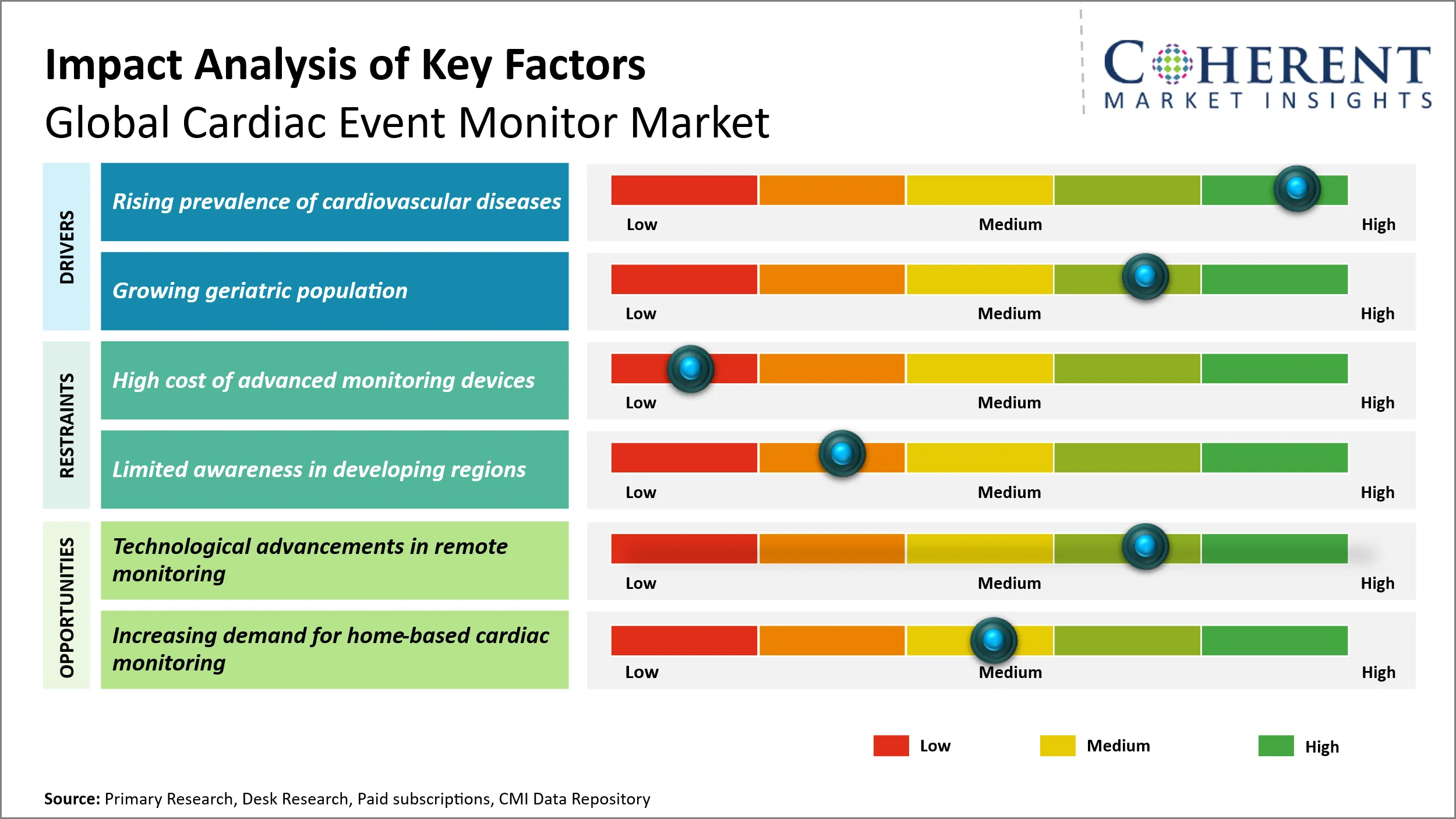
Cardiac Event Monitor Market Driver - Rising Prevalence of Cardiovascular Diseases
Cardiovascular diseases (CVDs) have emerged as a major global health burden, affecting millions of individuals worldwide. The increasing prevalence of CVDs, such as coronary artery disease, heart failure, and arrhythmias, is a significant driver for the growth of the global cardiac event monitor market. As the incidence of these conditions continues to rise, the demand for effective monitoring and diagnostic tools, including cardiac event monitors, is expected to grow correspondingly. Cardiac event monitors play a crucial role in the early detection and management of CVDs by continuously recording heart rhythm and detecting any abnormalities or irregularities. The rising awareness about the importance of early diagnosis and timely intervention in preventing severe complications and improving patient outcomes is further fueling the adoption of these devices.
Moreover, the growing geriatric population, which is more susceptible to CVDs, is expected to contribute to the increased demand for cardiac event monitors in the coming years. For instance, in May 2023, according to the World Heart Federation, global deaths from cardiovascular disease (CVD) rose from 12.1 million in 1990 to 20.5 million in 2021, making CVD the leading cause of death worldwide. The majority of deaths (4 in 5) occurred in low- and middle-income countries (LMICs). While the global CVD death rate declined over time, the drop was uneven—fastest in high-income nations.
Cardiac Event Monitor Market Opportunity - Technological Advancements in Remote Monitoring
The global cardiac event monitor market is poised for significant growth, driven by the rapid technological advancements in remote monitoring capabilities. The increasing integration of wireless connectivity, miniaturization of devices, and the advent of wearable technologies have revolutionized the way cardiac events are monitored and managed. These advancements enable real-time, continuous monitoring of patients' cardiac health, allowing for early detection of abnormalities and timely intervention. Remote monitoring technologies also empower patients to take a more active role in their own healthcare, as they can easily transmit data from the comfort of their homes to healthcare providers for analysis and assessment. Furthermore, the integration of artificial intelligence and machine learning algorithms into cardiac event monitoring systems holds immense potential.
These intelligent algorithms can analyze vast amounts of data, identify patterns, and provide predictive insights, enabling personalized treatment plans and improved patient outcomes. For instance, in May 2023, Abbott, a global healthcare leader, announced new data showing its CardioMEMS HF System, a remote pressure monitoring sensor, can reduce mortality risk by 25% over two years in heart failure patients with reduced ejection fraction (HFrEF). Presented at the THT Conference 2023, the analysis of three trials confirms that CardioMEMS enables early detection of worsening heart failure, allowing proactive treatment adjustments and reducing hospitalizations.
Analyst Opinion (Expert Opinion)
- The global cardiac event monitor market is expanding rapidly, driven by technological advancements such as AI-powered ECG analysis, miniaturized wearable devices, and cloud-based data transmission. Rising cardiovascular disease prevalence, increasing adoption of remote monitoring, and supportive regulatory pathways—like U.S. FDA fast-tracking for digital health tools—are further accelerating market growth. However, challenges persist around high device costs, limited reimbursement in low- and middle-income countries, and data privacy concerns. Opportunities lie in expanding access through mobile health integrations and scaling solutions for aging populations in Asia Pacific and Europe.
- Recent industry developments and events have strengthened the market’s trajectory. Notably, iRhythm launched its AI-enabled Zio ECG Monitoring System in Japan (May 2025), and Singular Medical initiated trials for China’s first domestically produced implantable cardiac monitor in December 2023—both signaling innovation and regional market expansion. Conferences such as the Heart Rhythm Society Scientific Sessions (U.S.), European Society of Cardiology Congress, and Asia Pacific Heart Rhythm Society Meeting have facilitated global collaboration, showcased breakthrough technologies, and informed future regulatory and care delivery models across cardiac monitoring.
Speak to the analyst
Want personalized insights?
Take the findings above to one of our principal consultants, or have the report rebuilt around the segments, geographies and competitors you actually track.
Market Segmentation
- Product Type Insights (Revenue, USD Bn, 2021 - 2033)
- Implantable Loop Recorders (ILRs)
- External Cardiac Event Monitors
- Loop Memory Event Monitors
- Pre-Event Monitors
- Post-Event Monitors
- Patch-Based Event Monitors
- Mobile Cardiac Outpatient Telemetry
- Application Insights (Revenue, USD Bn, 2021 - 2033)
- Atrial Fibrillation Detection
- Arrhythmia Monitoring
- Syncope Evaluation
- Post-Operative Monitoring
- Patient Group Insights (Revenue, USD Bn, 2021 - 2033)
- Pediatric Patients
- Adult Patients
- Elderly Patients
- Technology Insights (Revenue, USD Bn, 2021 - 2033)
- Wireless Cardiac Event Monitors
- Wired Cardiac Event Monitors
- End User Insights (Revenue, USD Bn, 2021 - 2033)
- Hospitals & Clinics
- Diagnostic Centers
- Ambulatory Surgical Centers
- Home Healthcare Settings
- Others
- Regional Insights (Revenue, USD Bn, 2021 - 2033)
- North America
- U.S.
- Canada
- Latin America
- Brazil
- Argentina
- Mexico
- Rest of Latin America
- Europe
- Germany
- U.K.
- Spain
- France
- Italy
- Russia
- Rest of Europe
- Asia Pacific
- China
- India
- Japan
- Australia
- South Korea
- ASEAN
- Rest of Asia Pacific
- Middle East
- GCC Countries
- Israel
- Rest of Middle East
- Africa
- South Africa
- North Africa
- Central Africa
- North America
- Key Players Insights
- Medtronic
- Boston Scientific Corporation
- Abbott
- GE Healthcare
- Philips Healthcare
- Biotronik
- Hill-Rom Holdings (Baxter)
- iRhythm Technologies
- Preventice Solutions
- Medicomp
- ACS Diagnostics
- Spacelabs Healthcare
- Nihon Kohden Corporation
Sources
Primary Research Interviews:
- Cardiologists & Electrophysiologists – Consultations with specialists involved in arrhythmia diagnosis and cardiac telemetry.
- Hospital Administrators & Procurement Heads – Inputs from public and private hospitals on adoption trends and purchase criteria.
- Medical Device Developers & R&D Experts – Insights from developers working on implantable and wearable monitoring technologies.
- Home Healthcare Providers – Feedback on integration of cardiac monitors into remote patient management.
Databases:
- World Health Organization (WHO)
- Centers for Disease Control and Prevention (CDC)
- National Center for Biotechnology Information (NCBI)
Magazines:
- Medical Device and Diagnostics Industry (MD+DI)
- Healthcare IT News
- MedTech Dive
- Cardiology Today
- DeviceTalks
- BioWorld MedTech
Journals:
- Journal of Electrocardiology
- Circulation: Arrhythmia and Electrophysiology (American Heart Association)
- Journal of the American College of Cardiology (JACC)
- Heart Rhythm Journal
- European Heart Journal – Digital Health
- JMIR mHealth and uHealth
Newspapers:
- The Wall Street Journal – Health & Tech Section
- The New York Times – Health Section
- Financial Times – MedTech & Pharma Coverage
- The Guardian – Healthcare Innovation Reports
- Bloomberg HealthTech New
Associations:
- American Heart Association (AHA)
- Heart Rhythm Society (HRS)
- European Society of Cardiology (ESC)
- Asia Pacific Heart Rhythm Society (APHRS)
- Medical Device Manufacturers Association (MDMA)
- Association for the Advancement of Medical Instrumentation (AAMI)
- Digital Medicine Society (DiMe)
Public Domain Sources:
- U.S. Food and Drug Administration (FDA)
- European Medicines Agency (EMA)
- Japan Pharmaceuticals and Medical Devices Agency (PMDA)
- World Economic Forum (WEF) – Digital Health Insights
- U.S. Department of Health & Human Services (HHS)
- Health Canada
- Ministry of Health, Labour and Welfare (Japan)
Proprietary Elements:
- CMI Data Analytics Tool: Proprietary analytics tool to analyze real-time market trends, consumer behavior, and technology adoption in dark factories.
- Proprietary CMI Existing Repository of Information for Last 8 Years
Get access to 250+ pages report
Every segment, forecast, competitor profile and data table behind the analysis above — available for instant download.
- ESOMAR Member
- ISO 9001:2015 Certified
- D-U-N-S Registered
- GDPR & CCPA Compliant
Missing comfort of reading report in your local language? Find your preferred language:
Transform your Strategy with Exclusive Trending Reports
Frequently Asked Questions
The global cardiac event monitor market is estimated to be valued at USD 4.95 Bn in 2025 and is expected to reach USD 7.39 Bn by 2032.
The CAGR of the global cardiac event monitor market is projected to be 5.9% from 2025 to 2032.
Rising prevalence of cardiovascular diseases and growing geriatric population are the major factors driving the growth of the global cardiac event monitor market.
High cost of advanced monitoring devices and limited awareness in developing regions are the major factors hampering the growth of the global cardiac event monitor market.
In terms of product type, the Implantable Loop Recorders (ILRs) segment is estimated to dominate the market revenue share in 2025.
Medtronic, Boston Scientific Corporation, Abbott, GE Healthcare, Philips Healthcare, Biotronik, Hill-Rom Holdings (Baxter), iRhythm Technologies, Preventice Solutions, Medicomp, ACS Diagnostics, Spacelabs Healthcare, and Nihon Kohden Corporation are the major players.
North America is expected to lead the global cardiac event monitor market in 2025.