

Global Connected Healthcare Market Size and Forecast – 2026 to 2033
The Global Connected Healthcare Market is estimated to be valued at USD 41.72 Bn in 2026 and is expected to reach USD 114.39 Bn by 2033, exhibiting a compound annual growth rate (CAGR) of 15.5% from 2026 to 2033. This significant growth reflects the increasing adoption of digital health technologies and the rising demand for remote patient monitoring, telehealth services, and integrated healthcare solutions worldwide.
Key Takeaways of the global connected healthcare market
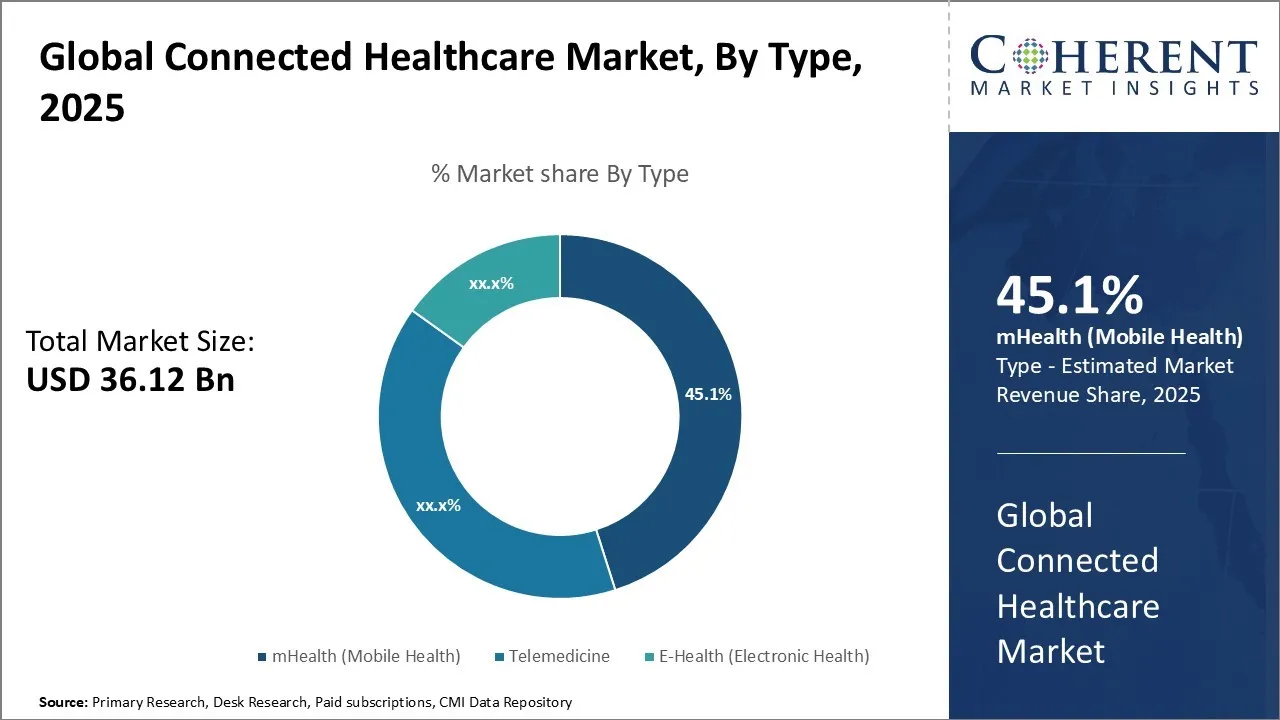
- In the global connected healthcare market, mHealth (Mobile Health) is expected to hold the largest share, contributing an estimated 46.1% in 2026, driven by the widespread adoption of smartphones and mobile internet across diverse demographics.
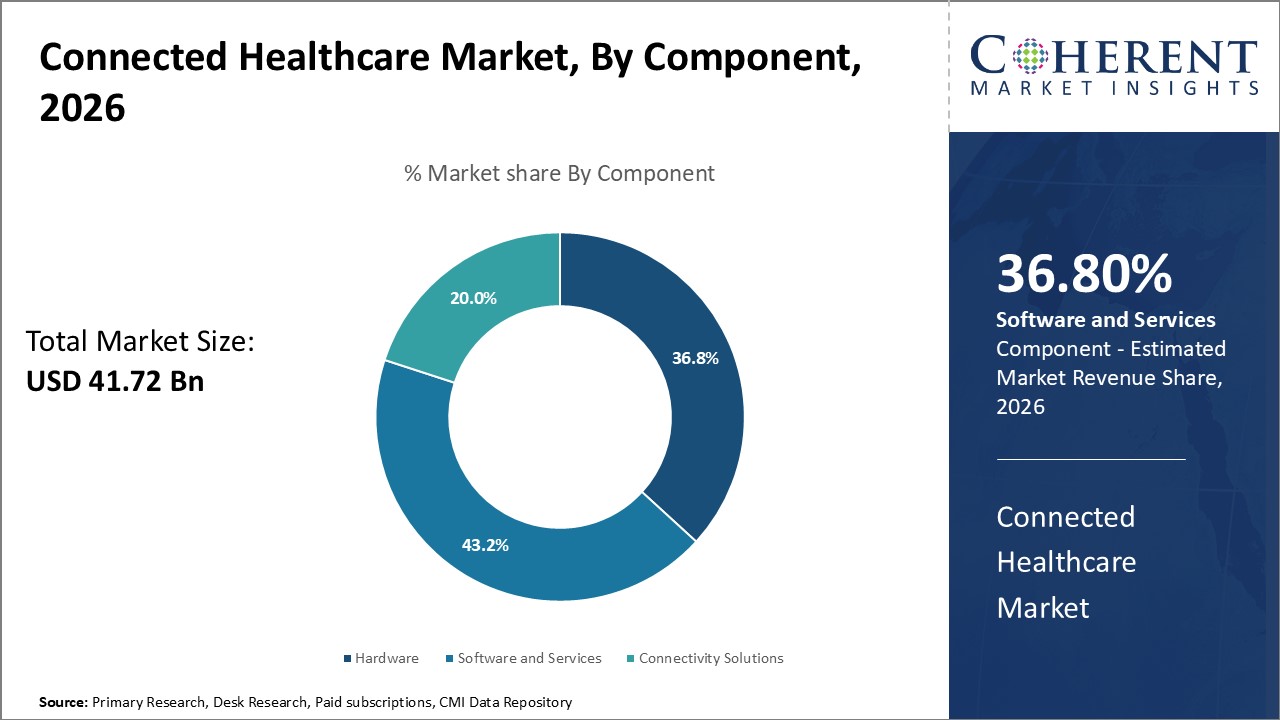
- Within the component segment, hardware is expected to lead with a share of 36.8% in 2026, owing to the critical role physical devices play in capturing accurate health data and ensuring seamless connectivity.
- In terms of application, Remote Patient Monitoring (RPM) is projected to dominate the market with a 33.5% share in 2026, fueled by its transformative impact on chronic disease management.
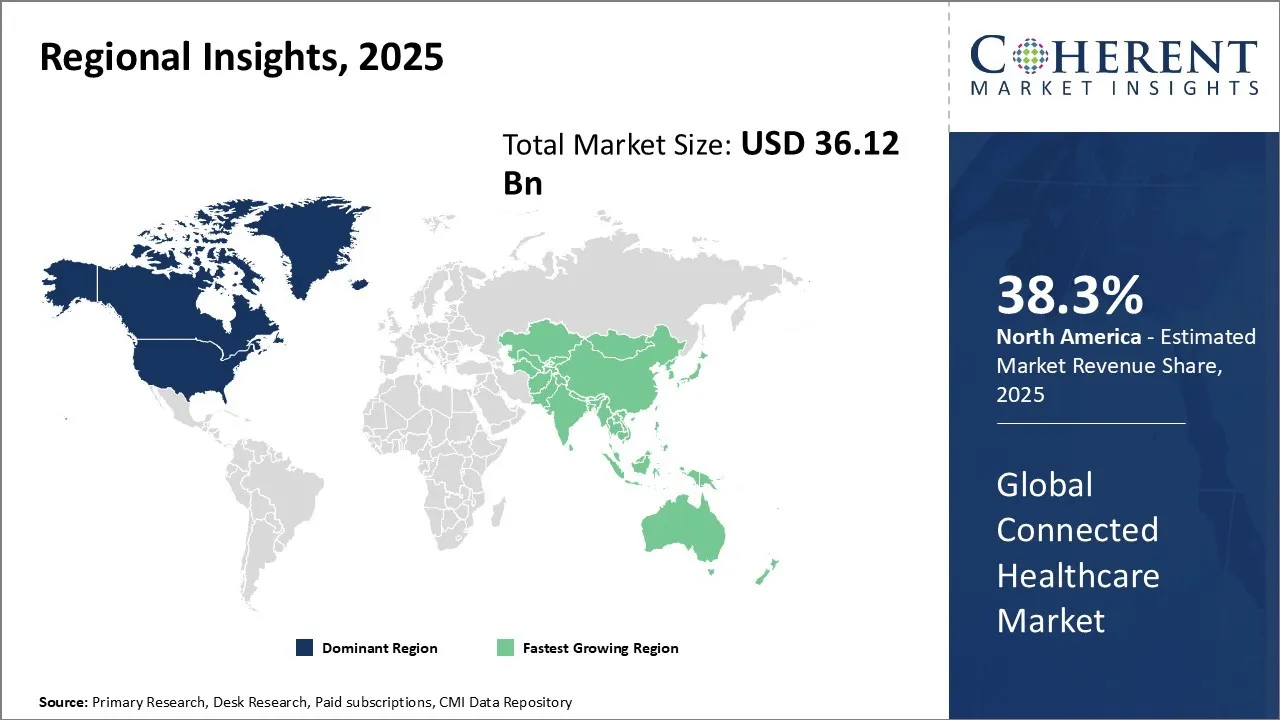
- North America is expected to lead the market, holding a share of 38. 3% in 2026. Asia Pacific is anticipated to be the fastest-growing region, with a market share of 25.3% in 2026.
Market Overview
A key market trend driving this expansion is the growing integration of advanced technologies such as artificial intelligence, Internet of Things (IoT), and big data analytics in healthcare delivery. These innovations enable real-time patient monitoring and personalized care, enhancing the efficiency and quality of healthcare services. Additionally, the COVID-19 pandemic has accelerated the adoption of connected healthcare solutions, making them essential in managing chronic diseases and improving patient outcomes across various settings.
Currents Events and their Impact
Current Events | Description and its impact |
India’s eSanjeevani Telemedicine Rollout |
|
Vivalink-AWS Biometrics Platform |
|
Segmental Insights
- Current Industry Events of 2026
- Market Size Estimation
- Regional Breakdown
- Competitive Landscape
- Customer Intelligence
- Segmental Analysis
- Pricing Analysis
- Key Market Drivers, Challenges & Future Trends
- Customized Insights Section
Connected Healthcare Market Insights, By Type - Digital Accessibility and Consumer Adoption are Fueling mHealth Dominance in Connected Healthcare
In terms of type, mHealth (Mobile Health) is expected to contribute the highest share of the global connected healthcare market owing to the widespread penetration of smartphones and mobile internet across diverse demographics with a share of 46.1% in 2026. The increased adoption of mobile devices has unlocked unprecedented opportunities for delivering healthcare services beyond traditional clinical environments. mHealth applications empower consumers with on-demand access to health information, personalized interventions, and remote consultations, enabling proactive health management tailored to individual needs.
The rising awareness around preventive care and chronic disease self-management encourages users to embrace fitness trackers, nutrition apps, and symptom monitoring tools—many of which fall under the mHealth umbrella. Government initiatives promoting digital health, regulatory support for telemedicine, and growing patient preference for remote interactions further accelerate mHealth adoption. Privacy and security enhancements continue to build user trust, which is crucial for handling sensitive health data via mobile channels.
Connected Healthcare Market Insights, By Component - Hardware as the Backbone of Connected Healthcare is Enabling Real-Time Health Insights and Interoperability
Within the component segment, hardware is expected to hold the largest share of the connected healthcare market with a share of 36.8% in 2026, driven by the critical role physical devices play in capturing accurate health data and facilitating seamless connectivity. Connected healthcare depends on a wide range of hardware components, including wearable devices like fitness bands and smartwatches, implantable sensors, and various monitoring tools, each serving as vital input points for data-driven healthcare delivery.
Advancements in sensor technology have dramatically improved the precision, miniaturization, and energy efficiency of wearables and implantables, making continuous monitoring of vital signs such as heart rate, glucose levels, and oxygen saturation possible without disrupting users’ daily lives. These devices act as the frontline for remote patient monitoring, feeding real-time data to healthcare professionals for timely interventions.
Connected Healthcare Market Insights, By Application - Remote Patient Monitoring as the Cornerstone Application is Driving Clinical Outcomes and Patient Engagement
Focusing on the application segmentation, Remote Patient Monitoring (RPM) is expected to hold the highest share of the connected healthcare market with 33.5% in 2026 due to its transformative impact on chronic disease management, hospital readmission reduction, and improved patient outcomes. The capability to monitor patients continuously and remotely reshapes traditional care models, supporting proactive interventions and personalized treatment plans that extend beyond clinical environments.
RPM systems leverage integrated hardware and software solutions to collect, transmit, and analyze patient data such as vital signs, medication adherence, and symptom reports. This real-time flow of information enables healthcare providers to detect deteriorations early, adjust therapies promptly, and avoid costly emergency visits or hospitalizations. For patients managing chronic conditions like diabetes, cardiovascular diseases, and chronic obstructive pulmonary disease (COPD), RPM offers enhanced quality of life and better disease control.
Role of Artificial Intelligence (AI) in the Global Connected Healthcare Market
- Artificial Intelligence (AI) is profoundly transforming the global connected healthcare market by enhancing efficiency, reducing costs, and enabling data-driven decision-making. Key benefits include predictive analytics, which forecasts patient outcomes and optimizes treatment plans, leading to better health management. Personalization powered by AI tailors healthcare services to individual patient needs, improving adherence and satisfaction. Process automation streamlines administrative tasks, reducing operational burdens and allowing healthcare professionals to focus on patient care. Enhanced customer experiences are achieved through AI-driven chatbots and virtual assistants, providing 24/7 support and information. Operational improvements are realized through AI's ability to analyze vast amounts of data, identifying trends that inform resource allocation and improve overall service delivery.
- Emerging opportunities within the industry include innovative business models that leverage AI capabilities, such as subscription-based telehealth services and AI-enabled diagnostic tools. These innovations not only create competitive advantages but also foster collaboration between healthcare providers and technology firms. Companies can effectively leverage AI by investing in training for staff, adopting cloud-based AI solutions for scalability, and developing strategic partnerships to drive innovation. However, while AI presents numerous advantages, potential drawbacks such as data privacy concerns and reliance on technology must be addressed. A balanced approach that emphasizes ethical considerations and regulatory compliance will ensure that AI contributes positively to the global connected healthcare market, paving the way for sustainable growth and long-term success.
Regional Insights
North America Connected Healthcare Market Analysis and Trends
In North America, the dominance in the global connected healthcare market with an estimated share of 38.3% in 2026 is driven by the growing adoption of digital health technologies and favorable regulatory frameworks, significant advancements are being made in remote healthcare.
For Instance, in March 2024, Analog Devices, Inc., a global leader in high-performance analog, mixed-signal, and digital signal processing technologies, received clearance from the U.S. Food and Drug Administration (FDA) for its Sensinel Cardiopulmonary Management System under the 510(k) application, making it commercially available. This compact wearable device offers non-invasive, remote monitoring of cardiopulmonary measurements, facilitating the remote management of chronic cardiac conditions.
The U.S., in particular, benefits from significant private sector innovation supported by venture capital funding and collaboration among leading technology companies like Cerner Corporation, Philips Healthcare, and Medtronic. These companies contribute to cutting-edge telehealth platforms, AI-driven diagnostics, and IoT-enabled devices that enhance patient data accessibility and care continuity. Canada also plays a vital role with its focus on interoperability and public healthcare digitization, supported by firms such as TELUS Health.
Asia Pacific Connected Healthcare Market Analysis and Trends
Meanwhile, the Asia Pacific region is expected to exhibit the fastest growth in the connected healthcare market with a share of 25.3% in 2026, fueled by increasing healthcare digitization, rising chronic disease prevalence, and expanding internet and smartphone penetration. Governments in countries like China, India, and South Korea actively promote smart healthcare initiatives through national digital health strategies, incentivizing telemedicine and mobile health solutions to increase healthcare access, especially in rural areas.
In February 2024, the Ministry of Health and Family Welfare (MoHFW) launched the Kilkari mobile health initiative and the Mobile Academy in Maharashtra and Gujarat in India to enhance healthcare access. The Kilkari program provides free, weekly audio messages on reproductive, maternal, neonatal, and child health via mobile phones to pregnant women and mothers of children under one year. The service, offered at no cost to states and beneficiaries, is part of India’s vision for Digital Health, leveraging the country's widespread mobile penetration to deliver timely, relevant health information.
The burgeoning middle class and increasing health awareness are driving demand for connected wellness and remote monitoring devices. The region’s dynamic startup ecosystem complements established players like Huawei, Samsung Electronics, and Xiaomi, which are innovating in wearable health devices and AI-powered health management platforms.
Connected Healthcare Market Outlook for Key Countries
U.S. Connected Healthcare Market Trends
The U.S. remains a frontrunner in the connected healthcare market due to its advanced healthcare IT infrastructure and high consumer health technology adoption. The presence of numerous healthcare startups driven by substantial venture capital investment further strengthens innovation and market maturity. The Connected Healthcare Market in the U.S. captured a significant share of the North American market in 2023, driven by strategic initiatives from major players like IBM, Microsoft, and Philips. These companies are heavily investing in research and development, acquisitions, and partnerships to expand their footprint.
For example, Medtronic PLC, a global leader in medical devices and technology, formed a strategic partnership with BioIntelliSense, a pioneer in continuous health monitoring. In August 2022, Medtronic acquired the exclusive U.S. distribution rights for BioIntelliSense's BioButton, a multi-parameter wearable that enables continuous, connected monitoring in U.S. hospitals and post-acute hospital-to-home settings for up to 30 days.
Germany Connected Healthcare Market Trends
In Germany, the connected healthcare market is poised for substantial growth, driven by increasing demand for digital healthcare services and personalized wellness solutions. To capitalize on this trend, companies can collaborate with prominent German healthcare providers.
For instance, in January 2024, Implicity, a leader in remote patient monitoring (RPM) specializing in cardiac data management solutions, entered into a strategic partnership with the German Society of Cardiologists in Private Practice. This professional organization is also a founding member of the European Society of Cardiology's Council for Cardiology Practice, underscoring the growing focus on digital health collaboration.
U.K. Connected Healthcare Market Trends
The connected healthcare market in the U.K. is a key player in the region, driven by growing demand for personalized and preventive healthcare. Key factors fueling this growth include the rise of digital health technologies, such as wearables and mobile applications, which empower patients to take a more active role in managing their health.
For example, in April 2023, BT Group, a leading telecommunications provider, launched a virtual wards program aimed at supporting healthcare providers across the UK. This initiative aligns with BT’s commitment to working with the National Health Service (NHS) to create innovative, patient-centric services that are more efficient, safer, and better equipped to meet users' diverse needs.
Japan Connected Healthcare Market Trends
The connected healthcare market in Japan is anticipated to experience significant growth over the forecast period, driven by factors such as an aging population, rising healthcare costs, and the increasing demand for remote monitoring and personalized care.
For example, in November 2023, Tochtech Technologies, a technology company specializing in healthcare solutions, partnered with Mediva Inc. to launch an innovative project in Japan. This initiative aims to validate the effectiveness of Tochtech’s Vericare platform in improving safety and health outcomes for seniors, with a primary focus on enhancing their overall quality of life.
Market Players, Key Developments, and Competitive Intelligence
Key Developments
- In April 2025, Informa Markets has launched WHX, a new unified brand platform that succeeds the long-standing Arab Health, marking a transformative shift in global healthcare events. Announced at the 50th-anniversary edition of Arab Health, WHX aims to redefine healthcare collaboration and innovation over the next 50 years, with Dubai positioned as a global medical hub.
- In October 2023, ZS, a global management consulting and technology firm, has launched ZAIDYN Connected Health, an AI-powered platform designed to enhance patient experiences and healthcare outcomes. The platform supports pharmaceutical companies, healthcare providers, and payers by addressing unmet needs, improving patient engagement, and delivering data-driven interventions. ZAIDYN Connected Health includes three key suites: Health Insights, which identifies care gaps and provides personalized actions; Patient Engagement, which tailors interventions to individual needs; and Connected Research, which uses digital tools to generate evidence for better care decisions.
- In August 2023, Apollo Hospitals, a leading healthcare provider in India, launched the Apollo Connect program, aiming to create the country's largest connected healthcare ecosystem. This pan-India initiative empowers hospitals and nursing homes across both metro and non-metro areas to offer superior patient care. Apollo Connect provides services such as eICU, diagnostics, surgical consultations, remote monitoring, and accreditation support to enhance clinical outcomes, improve patient access, and reduce healthcare costs.
- In October 2023, PureHealth, a leading healthcare provider, has launched a new hybrid technology platform to connect in-hospital and remote healthcare services, improving access for residents in the Al Dhafra region. The platform, which has completed its pilot phase, allows patients to visit SEHA-affiliated facilities in Al Dhafra for remote consultations and medical exams with specialists outside the region. The service covers various specialties, including chronic disease management, cardiology, neurology, endocrinology, and oncology, offering comprehensive remote examinations and follow-up care.
Top Strategies Followed by Global Connected Healthcare Market Players
- Established market leaders prioritize significant investments in research and development (R&D) to drive innovation and develop high-performance products that meet rigorous clinical and consumer standards. These companies focus on integrating advanced technologies such as artificial intelligence, machine learning, and big data analytics into their connected healthcare devices and platforms. To solidify their position, they form strategic partnerships and collaborations with major industry players, including original equipment manufacturers (OEMs), healthcare providers, and technology firms.
- In April 2024, Tembo Health, a telemedicine provider specializing in services for seniors, announced a strategic partnership with Springwell Senior Living, a senior living community in northwest Baltimore with 250 residents. This collaboration will integrate Tembo Health's telemedicine services into the community’s offerings of independent living, assisted living, and memory care, providing residents with more accessible healthcare solutions.
- Mid-level players in the connected healthcare market adopt a more cost-conscious approach, focusing primarily on delivering cost-effective yet reliable solutions that appeal to price-sensitive consumers, including smaller healthcare providers and emerging economies. These companies work to balance quality with affordability by streamlining manufacturing processes and optimizing supply chains, allowing them to compete effectively against both premium and low-cost alternatives. Mid-tier companies also emphasize forming collaborations and joint ventures with technology providers, contract manufacturers, and regional distributors to enhance their production capabilities and accelerate market penetration.
- In July 2024, Hyundai Motor India Foundation (HMIF) launched mobile health units in the of Maharashtra, India under its Sparsh Sanjeevani initiative, targeting underserved rural areas with limited healthcare access. This initiative reflects the approach of mid-level players in the connected healthcare market, who adopt cost-conscious strategies to offer reliable healthcare solutions at affordable prices.
- Small-scale players carve out their niche in the connected healthcare market by focusing on specialized features or innovative product offerings that differentiate them from larger competitors. These companies often adopt cutting-edge technologies early, such as wearable biosensors, blockchain-enabled data security, or telemedicine interfaces tailored for specific medical conditions. Their agility allows them to experiment with novel solutions and niche applications that larger firms may bypass due to scale considerations.
- In July 2025, TeleMedCare, a U.S.-based remote patient monitoring provider, has launched a chronic patient monitoring program with a major U.S. health insurer covering over 500,000 people. The program, targeting patients with conditions like Congestive Heart Failure and Chronic Obstructive Pulmonary Disease, diabetes, and hypertension, starts with a pilot involving 300 patients. TeleMedCare's adaptable technology was chosen for its flexibility in meeting the insurer's healthcare protocols, and the initiative is part of the insurer's two-billion-dollar global health strategy.
Market Report Scope
Connected Healthcare Market Report Coverage
| Report Coverage | Details | ||
|---|---|---|---|
| Base Year: | 2025 | Market Size in 2026: | USD 41.72 Bn |
| Historical Data for: | 2020 To 2024 | Forecast Period: | 2026 To 2033 |
| Forecast Period 2026 to 2033 CAGR: | 15.5% | 2033 Value Projection: | USD 114.39 Bn |
| Geographies covered: |
| ||
| Segments covered: |
| ||
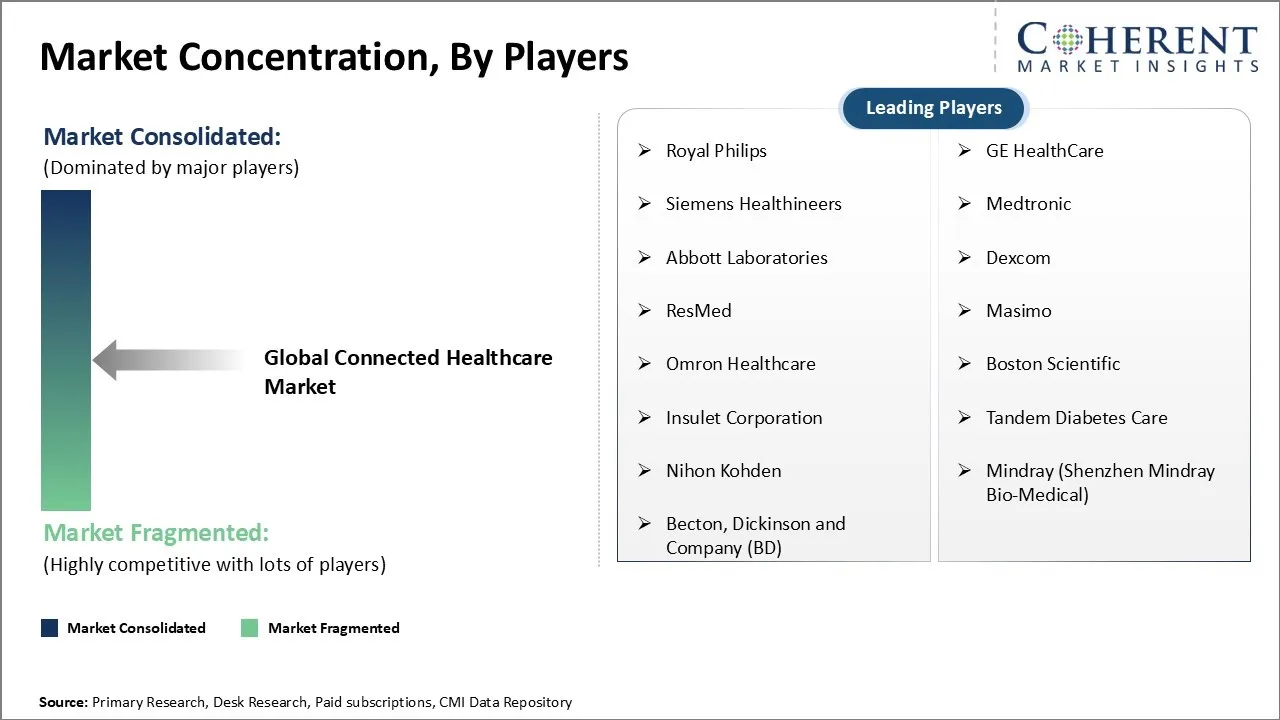
| Companies covered: | Royal Philips, GE HealthCare, Siemens Healthineers, Medtronic, Abbott Laboratories, Dexcom, ResMed, Masimo, Omron Healthcare, Boston Scientific, Insulet Corporation, Tandem Diabetes Care, Nihon Kohden, Mindray (Shenzhen Mindray Bio-Medical), and Becton, Dickinson and Company (BD) | ||
| Growth Drivers: |
| ||
| Restraints & Challenges: |
| ||
Connected Healthcare Market Dynamics
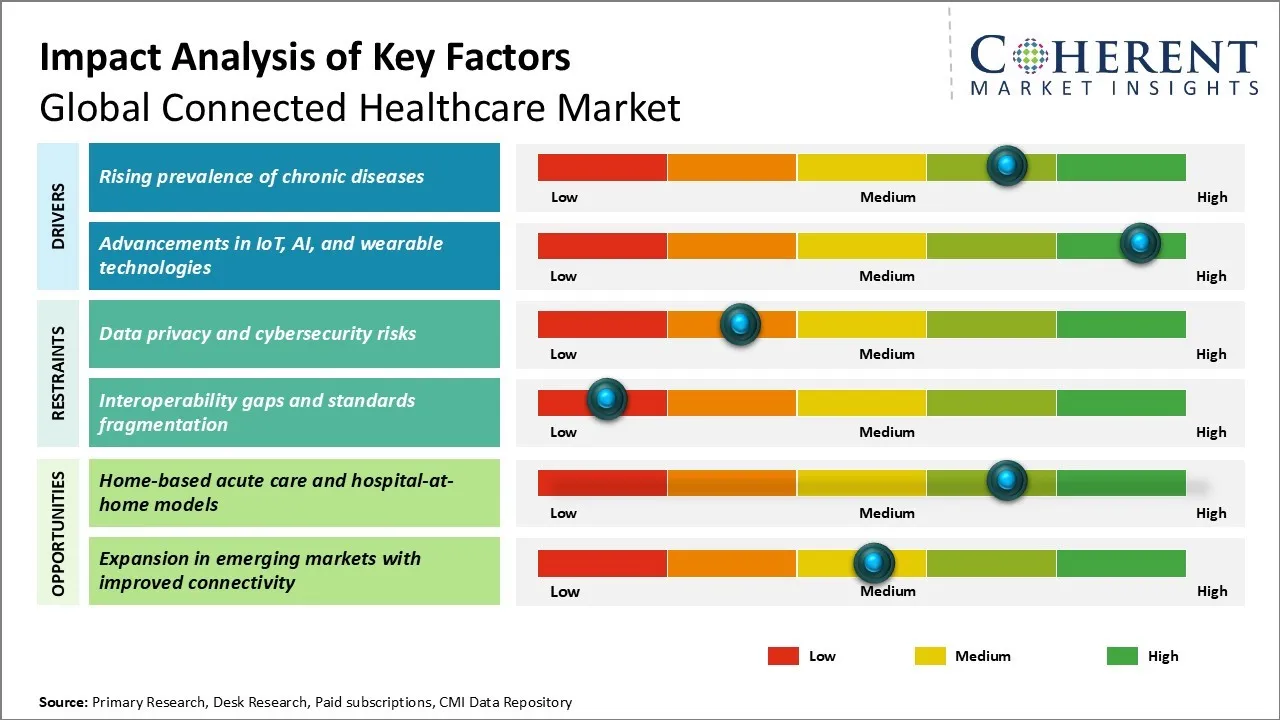
Connected Healthcare Market Driver - Rising Prevalence of Chronic Diseases
The increasing prevalence of chronic diseases such as diabetes, cardiovascular ailments, respiratory disorders, and cancer is a significant driver for the global connected healthcare market. As these conditions often require continuous monitoring, long-term management, and personalized treatment plans, traditional healthcare models are becoming insufficient to address the growing patient needs efficiently. Connected healthcare technologies, including remote patient monitoring devices, telehealth platforms, and wearable health trackers, enable real-time data collection and seamless communication between patients and healthcare providers, which enhances disease management and patient outcomes. Additionally, the growing geriatric population, which is more susceptible to chronic illnesses, further amplifies the need for integrated and continuous care solutions that connected healthcare offerings provide.
In July 2024, the rising prevalence of chronic diseases (CCDs) is a major factor in the recent decline in U.S. life expectancy, with 7 of the 10 leading causes of death linked to conditions such as heart disease, diabetes, obesity, and chronic respiratory illnesses. While past decades saw heart attack mortality rates of about 50%, advances in treatment mean most patients now survive, though many develop long-term complications like heart failure. Contributing factors include poor diet—where 42 countries have lower diet-related disease rates than the U.S.—and persistent smoking among 28 million Americans. Disparities are stark, with rural areas particularly affected; 86% of rural counties lack a cardiologist, and disadvantaged communities face higher exposure to risk factors, worsening the burden of CCDs.
Connected Healthcare Market Opportunity - Expansion of Home-Based Acute Care and Hospital-at-Home Models
The growing adoption of home-based acute care and hospital-at-home models presents a significant opportunity within the global connected healthcare market. These models leverage advanced telehealth technologies, remote patient monitoring devices, and integrated healthcare platforms to deliver hospital-level care in patients’ homes. This shift addresses several critical challenges faced by traditional healthcare systems, including overcrowded hospitals, rising healthcare costs, and the need for personalized patient care. Increasing patient preference for receiving treatment in the comfort of their own homes further drives demand for connected healthcare solutions that enable continuous monitoring and timely medical interventions. The COVID-19 pandemic has accelerated this transition, highlighting the value of minimizing physical hospital visits while maintaining high-quality care standards.
In October 2022, GE Healthcare, a leading global medical technology and digital solutions innovator, partnered with AMC Health, a U.S.-based provider of telehealth and remote patient monitoring solutions, to deliver remote patient monitoring services for individuals requiring chronic and post-acute care at home. This trend has gained notable momentum since the COVID-19 pandemic, which accelerated the adoption of remote healthcare delivery.
Analyst Opinion (Expert Opinion)
- The global connected healthcare market is witnessing significant growth driven by several key factors. Technological advancements, such as the proliferation of telemedicine platforms and wearable health devices, are enhancing patient engagement and care delivery. Regulatory support from governments, particularly in response to the COVID-19 pandemic, has expedited the adoption of digital health technologies. Additionally, the rising demand for personalized and efficient healthcare solutions is propelling market expansion. However, challenges persist, including concerns about data security and privacy, as well as the need for interoperability among diverse healthcare systems. Emerging opportunities lie in integrating artificial intelligence and machine learning to improve diagnostics and patient management.
- Recent conferences and events have played a crucial role in shaping the discourse around connected healthcare. Notable gatherings, such as the HIMSS Global Health Conference and the Connected Health Conference, have facilitated knowledge-sharing and collaboration among industry stakeholders. These forums have contributed to policy formulation and showcased innovative technologies in the sector. Additionally, real-world initiatives, such as government-backed telehealth programs and collaborations between tech firms and healthcare providers, are demonstrating the potential of connected healthcare solutions. Programs like the UK's Digital Health Strategy aim to enhance digital literacy and access, ultimately influencing the market outlook positively in the coming years.
Speak to the analyst
Want personalized insights?
Take the findings above to one of our principal consultants, or have the report rebuilt around the segments, geographies and competitors you actually track.
Market Segmentation
- Type Insights (Revenue, USD Bn, 2021 - 2033)
- mHealth (Mobile Health)
- Wearables (fitness bands, smartwatches)
- Health Apps (fitness, chronic disease management)
- Remote Monitoring
- Telemedicine
- Real-time Telemedicine (video consultations)
- Store-and-forward Telemedicine (asynchronous data sharing)
- Remote Patient Monitoring (RPM)
- E-Health (Electronic Health)
- EHR/EMR (Electronic Health/Medical Records)
- E-Prescribing
- Clinical Decision Support Systems
- mHealth (Mobile Health)
- Component Insights (Revenue, USD Bn, 2021 - 2033)
- Hardware
- Wearable Devices
- Implantable Devices
- Monitoring Devices
- Software and Services
- Cloud-Based Solutions
- On-Premise Solutions
- AI and Analytics Platforms
- Connectivity Solutions
- Wi-Fi, Bluetooth, 5G, LPWAN
- Hardware
- Application Insights (Revenue, USD Bn, 2021 - 2033)
- Remote Patient Monitoring (RPM)
- Chronic Disease Management (Diabetes, CVD, COPD)
- Fitness and Wellness Tracking
- Medication Management
- Mental Health and Behavioral Monitoring
- Emergency Response Systems
- End User Insights (Revenue, USD Bn, 2021 - 2033)
- Hospitals and Clinics
- Home Care Settings
- Pharmaceutical and Biotech Companies
- Insurance Providers (Payers)
- Government and Public Sector
- Individuals (Patients and Consumers)
- Regional Insights (Revenue, USD Bn, 2021 - 2033)
- North America
- U.S.
- Canada
- Latin America
- Brazil
- Argentina
- Mexico
- Rest of Latin America
- Europe
- Germany
- U.K.
- Spain
- France
- Italy
- Russia
- Rest of Europe
- Asia Pacific
- China
- India
- Japan
- Australia
- South Korea
- ASEAN
- Rest of Asia Pacific
- Middle East
- GCC Countries
- Israel
- Rest of Middle East
- Africa
- South Africa
- North Africa
- Central Africa
- North America
- Key Players Insights
- Royal Philips
- GE HealthCare
- Siemens Healthineers
- Medtronic
- Abbott Laboratories
- Dexcom
- ResMed
- Masimo
- Omron Healthcare
- Boston Scientific
- Insulet Corporation
- Tandem Diabetes Care
- Nihon Kohden
- Mindray (Shenzhen Mindray Bio-Medical)
- Becton, Dickinson and Company (BD)
Sources
Primary Research Interviews
- Industry Stakeholders list
- Hospital CIOs/CMIOs
- Biomedical engineering directors
- Payer medical directors
- Regulatory & compliance officers
- End-users list
- Physicians & surgeons
- Nurses/Care coordinators
- Patients & caregivers
- Pharmacists
Government and International Databases
- World Health Organization (WHO)
- Pan American Health Organization (PAHO)
- OECD Health Statistics
- World Bank Open Data
- United Nations DESA Population Division
- International Telecommunication Union (ITU)
- Centers for Medicare & Medicaid Services (CMS)
- U.S. Food and Drug Administration (FDA)
Trade Publications
- Healthcare IT News
- MobiHealthNews
- Becker’s Hospital Review
- Healthcare Dive
- Modern Healthcare
- FierceHealthcare
Academic Journals
- The Lancet Digital Health
- Journal of Medical Internet Research (JMIR)
- IEEE Journal of Biomedical and Health Informatics
- International Journal of Medical Informatics
Reputable Newspapers
- Financial Times
- The Wall Street Journal
- Bloomberg
- Reuters
- The Economist
- The New York Times
Industry Associations
- HIMSS
- HL7 International
- IHE International
- GS1 Healthcare
- American Telemedicine Association (ATA)
Public Domain Resources
- WHO Global Health Observatory
- OpenFDA
- Global Unique Device Identification Database (GUDID)
- Our World in Data
Proprietary Elements
- CMI Data Analytics Tool: Proprietary analytics tool to analyze real-time market trends, consumer behavior, and technology adoption in market
- Proprietary CMI Existing Repository of Information for Last 8 Years
Get access to 250+ pages report
Every segment, forecast, competitor profile and data table behind the analysis above — available for instant download.
- ESOMAR Member
- ISO 9001:2015 Certified
- D-U-N-S Registered
- GDPR & CCPA Compliant
Missing comfort of reading report in your local language? Find your preferred language:
Transform your Strategy with Exclusive Trending Reports
Frequently Asked Questions
The global connected healthcare market is estimated to be valued at USD 41.72 Bn in 2026 and is expected to reach USD 114.39 Bn by 2033.
The CAGR of global connected healthcare market is projected to be 15.5% from 2026 to 2033.
Rising prevalence of chronic diseases and advancements in IoT, AI, and wearable technologies are the major factors driving the growth of the global connected healthcare market.
Data privacy and cybersecurity risks and interoperability gaps and standards fragmentation are the major factors hampering the growth of the global connected healthcare market.
In terms of type, mHealth (Mobile Health) is estimated to dominate the market revenue share in 2026.
Royal Philips, GE HealthCare, Siemens Healthineers, Medtronic, Abbott Laboratories, Dexcom, ResMed, Masimo, Omron Healthcare, Boston Scientific, Insulet Corporation, Tandem Diabetes Care, Nihon Kohden, Mindray (Shenzhen Mindray Bio-Medical), and Becton, Dickinson and Company (BD) are the major players.
North America is expected to lead the global connected healthcare market in 2026.