

Global Dental Hygiene Devices Market Size and Forecast – 2026 to 2033
The Global Dental Hygiene Devices Market is estimated to be valued at USD 5.20 Bn in 2026 and is expected to reach USD 7.77 Bn by 2033, exhibiting a compound annual growth rate (CAGR) of 5.9% from 2026 to 2033. This growth is driven by increasing awareness about oral health, rising prevalence of dental diseases, and technological advancements in dental care devices that enhance user convenience and effectiveness.
Key Takeaways of the Global Dental Hygiene Devices Market
- In 2026, the electric toothbrushes segment is expected to dominate the global dental hygiene devices market, holding the largest share of 55.3%, driven by their growing popularity and ongoing technological innovations.
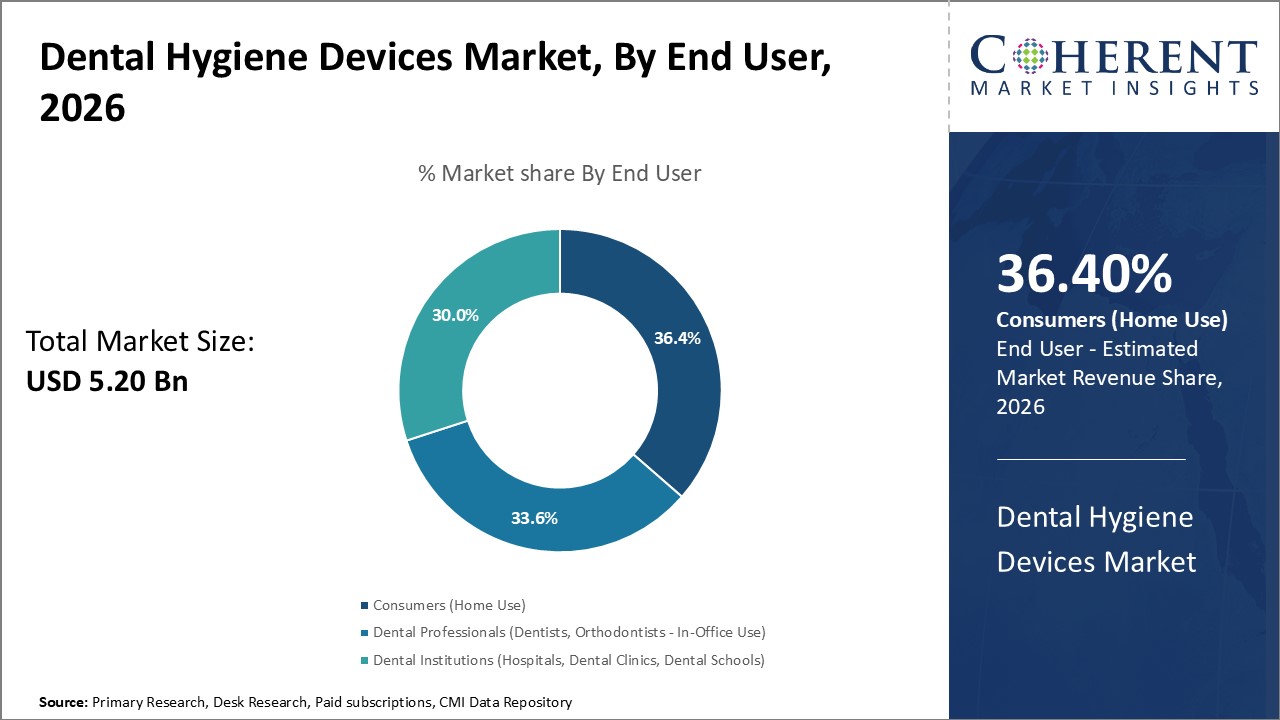
- In the end user segment, consumers (Home Use) will account for the largest share, representing an estimated 36.4% of the market share in 2026.
- Additionally, the online distribution channel will lead the market, commanding an estimated 57.2% of the market share in 2026, reflecting the increasing trend towards e-commerce in the dental care industry.
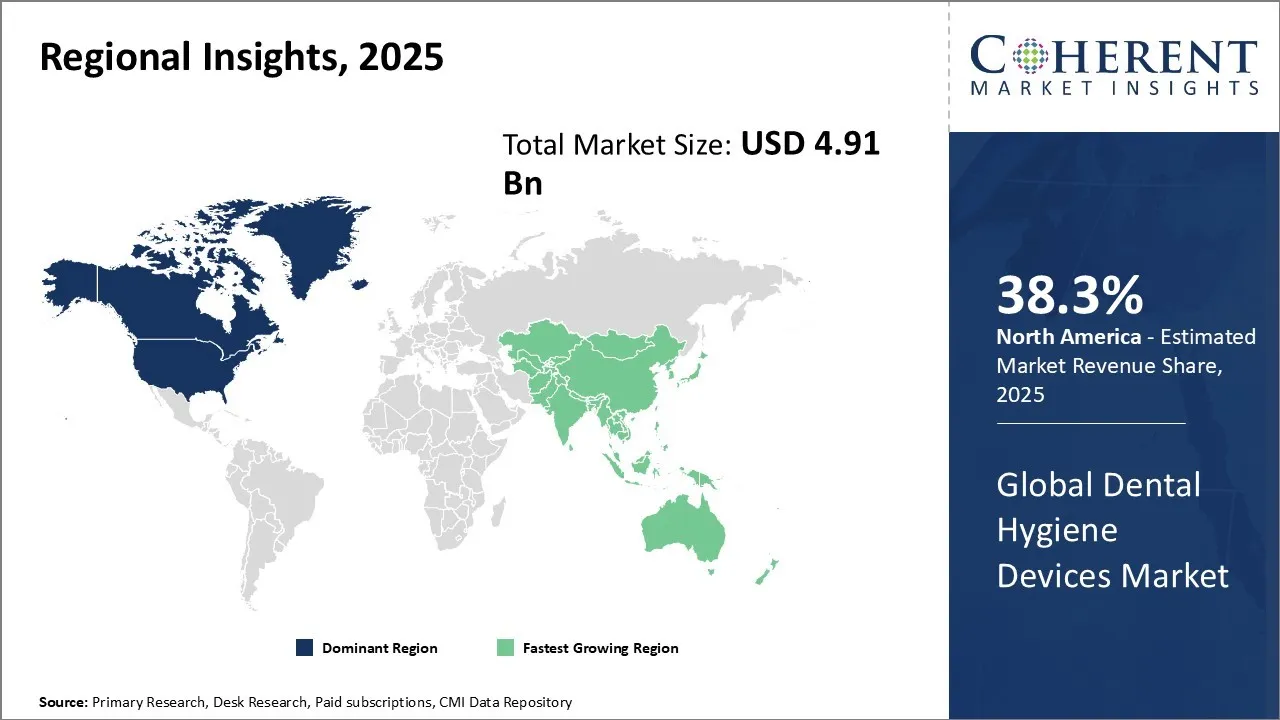
- North America is expected to lead the market, holding an estimated share of 38. 3% in 2026. Asia Pacific is anticipated to be the fastest-growing region, with a market share of 26.2% in 2026.
Market Overview
Market trends indicate a significant shift towards smart and connected dental hygiene devices integrated with AI and IoT technologies. Consumers are increasingly adopting electric toothbrushes, water flossers, and other innovative products that provide personalized oral care experiences. Additionally, the surge in demand for eco-friendly and rechargeable devices reflects growing environmental concerns, while emerging markets present lucrative opportunities due to rising disposable incomes and improved dental care infrastructure.
Currents Events and their Impact
Current Events | Description and its impact |
Accelerated Adoption of AI-Powered Diagnostic Tools |
|
Proliferation of Teledentistry & Home Care Integration |
|
Segmental Insights
- Current Industry Events of 2026
- Market Size Estimation
- Regional Breakdown
- Competitive Landscape
- Customer Intelligence
- Segmental Analysis
- Pricing Analysis
- Key Market Drivers, Challenges & Future Trends
- Customized Insights Section
Dental Hygiene Devices Market Insights, By Product Type - Electric Toothbrushes Lead Market Demand Driven by Advanced Technology and Consumer Awareness
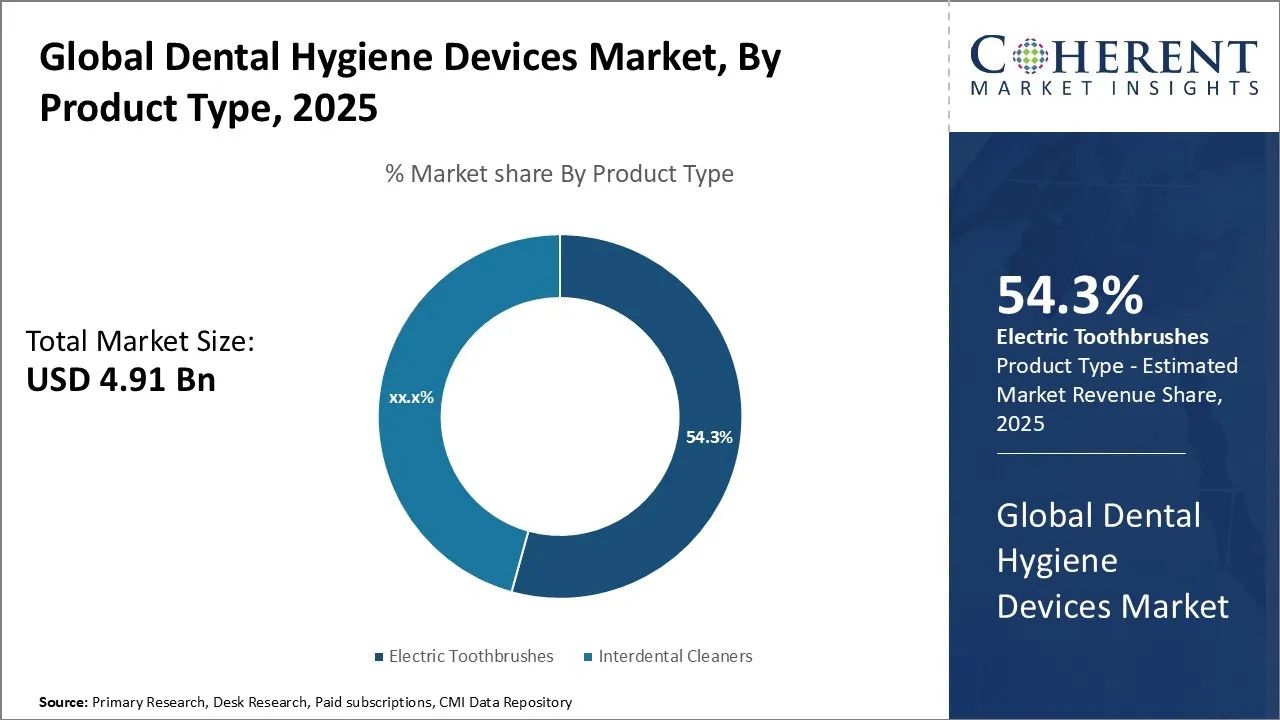
In terms of product type, electric toothbrushes contribute the highest share of the global dental hygiene devices market with an estimated 55.3% in 2026 owing to their increasing popularity fueled by technological innovations and growing consumer awareness regarding oral health. Unlike traditional manual toothbrushes, electric toothbrushes offer superior plaque removal through automated brushing motions such as oscillating, rotating, or sonic vibrations, which can reach areas that are difficult to clean manually. This improved efficacy in maintaining oral hygiene promotes consumers’ preference for electric models. Advancements in sensor technology have enabled the integration of smart features in electric toothbrushes, including pressure sensors, timers, and Bluetooth connectivity.
For instance, in February 2025, quip, an oral wellness company known for its design-forward products, has launched its most advanced innovation yet: the Ultra Next Generation Smart Sonic Toothbrush. Built from the ground up, the Ultra features a seamless one-piece silicone body for enhanced hygiene and power delivery, addressing common issues found in traditional electric toothbrushes.
Dental Hygiene Devices Market Insights, By End User - Consumers (Home Use) Segment Dominates Expansion Fueled by Convenience and Growing Oral Health Consciousness
In terms of end user, the Consumers (Home Use) segment is expected to hold the highest share of the global dental hygiene devices market with a share of 36.4% in 2026, primarily due to increasing personal focus on preventive oral care and easy accessibility of dental hygiene tools. Contemporary consumers are more informed about the importance of daily oral hygiene in preventing dental problems such as cavities, gum diseases, and bad breath, which motivates them to acquire effective dental hygiene devices for regular home use.
The convenience and privacy offered by home use of dental hygiene devices inspire higher adoption rates. Consumers can perform thorough cleaning routines without the need for frequent dental visits, aligning well with busy lifestyles and preferences for at-home healthcare solutions. The proliferation of user-friendly, compact, and multifunctional dental devices enhances the home care experience, making oral hygiene maintenance straightforward and effective.
Dental Hygiene Devices Market Insights, By Distribution Channel - Online Distribution Channel Grows Rapidly Backed by Accessibility, Variety, and Consumer Behavior Shifts
In terms of distribution channel, the online segment commands the highest share of the global dental hygiene devices market with an estimated share of 57.2% in 2026, driven largely by changing consumer purchasing patterns and the inherent advantages of e-commerce platforms. Online distribution offers consumers unmatched convenience, enabling them to shop for a wide range of dental hygiene products anytime and from any location without the restrictions of physical store hours or geography.
The vast product assortment available through online channels attracts consumers by providing access to the latest electric toothbrush models, specialized interdental cleaners, and unique accessories that may not always be available at brick-and-mortar retailers. Online platforms often offer detailed product descriptions, user reviews, and comparison tools, empowering buyers to make well-informed decisions.
Role of Artificial Intelligence (AI) on the Global Dental Hygiene Devices Market
- Artificial Intelligence (AI) is significantly transforming the Global Dental Hygiene Devices Market by enabling smarter, more personalized, and data-driven solutions. AI integration in electric toothbrushes, for example, allows for real-time feedback on brushing patterns, pressure, and duration, guiding users to improve their oral care routines. Predictive analytics and machine learning algorithms are used to analyze user behavior and suggest customized oral hygiene regimens, while AI-enabled mobile apps help track dental health over time, thereby enhancing both consumer engagement and preventive care. For manufacturers, AI facilitates design optimization, automated quality control, and streamlined production processes, leading to cost reduction and improved operational efficiency.
- Furthermore, AI is unlocking new growth avenues through smart product ecosystems, subscription-based models, and remote dental monitoring services. Companies like Oral-B and quip are already leveraging AI in smart toothbrushes to offer app-connected features that gamify oral hygiene and increase customer loyalty. However, challenges such as data privacy concerns, regulatory approvals, and the high cost of integrating AI technologies persist. Despite these limitations, the long-term benefits—including innovation, competitive differentiation, and improved oral health outcomes—strongly outweigh the risks. To fully capitalize on AI, companies should invest in user-centric design, ensure interoperability with digital health platforms, and prioritize ethical data use to build lasting trust with consumers.
Regional Insights
North America Dental Hygiene Devices Market Trends
In North America, the dominance in the global dental hygiene devices market is driven by a robust healthcare infrastructure with an estimated share of 38.3% in 2026, high awareness of oral health, and a strong emphasis on preventive dental care. The presence of key industry players like Philips Sonicare (a division of Koninklijke Philips), Waterpik, Inc., and Colgate-Palmolive supports innovation and product penetration in this region. The well-established distribution networks, coupled with widespread dentist recommendations, further strengthen the market presence.
For instance, in January 2026, Philips, a global leader in health technology, introduced its most advanced Sonicare toothbrush yet. the new Sonicare 5000–7000 series features adaptive brushing technology, 62,000 sonic movements per minute, and patented optical sensors. Designed to optimize brushing regardless of technique, the brush adjusts performance around hard-to-reach areas using an innovative drivetrain and dynamic pressure sensors, delivering up to 20x more biofilm and 30x more plaque removal than manual brushes.
Asia Pacific Dental Hygiene Devices Market Trends
Meanwhile, the Asia Pacific region is expected to exhibit the fastest growth in the dental hygiene devices market, buoyed by increasing oral health awareness with a share of 26.2% in 2026, rising disposable incomes, and expanding urban populations. Countries like China, India, Japan, and South Korea are witnessing a surge in demand as governments emphasize public dental health campaigns and improve healthcare infrastructure. The entry of multinational companies such as Oral-B (Procter & Gamble), Philips, and Panasonic, alongside the growth of domestic players, facilitates rapid market expansion. Trade liberalization, improving supply chains, and e-commerce penetration enable easier accessibility of dental hygiene devices even in tier 2 and tier 3 cities. Additionally, cultural shifts towards modern oral care habits propel the market’s swift growth trajectory in this region.
Global Dental Hygiene Devices Market Outlook for Key Countries
U.S. Dental Hygiene Devices Market Trends
The U.S. dental hygiene devices market is characterized by high consumer awareness and established oral hygienic practices, making it a key battleground for leading brands like Philips Sonicare, Waterpik, and Colgate-Palmolive. With advanced healthcare policies and insurance systems that often cover preventive care, there is significant uptake of electric toothbrushes, water flossers, and other sophisticated dental hygiene devices. Innovation plays a critical role here, with companies regularly launching new products featuring smart technologies such as Bluetooth connectivity and app integration, keeping consumers engaged and loyal.
In October 2024, Royal Philips, a global leader in health technology, partnered with Aspen Dental, the largest network of branded dental clinics in the U.S., to offer Philips Sonicare products at over 1,100 locations. As part of the multi-year collaboration, Aspen Dental patients will gain in-office access to Sonicare tools like the ExpertClean toothbrush with smart sensors, the Cordless Power Flosser, and Teeth Whitening Kits enhancing at-home oral care with clinically proven solutions.
Germany Dental Hygiene Devices Market Trends
Germany's dental hygiene devices market benefits from a strong oral healthcare system supported by public health insurance and stringent regulatory frameworks. The country is home to notable manufacturers like KaVo (Dentalequipment GmbH) and Braun Oral-B, were emphasis on quality and efficiency shapes consumer preferences. The market also capitalizes on increasing health-consciousness and preventive dental care awareness among the population. Trade relations within the European Union facilitate easy product availability, while environmental and safety regulations push companies towards sustainable and safe product innovations.
In February 2026, Oral-B, a leading brand in oral care under Procter & Gamble, launched the iO Series 2 (iO2) electric toothbrush in Germany. Designed with simplicity in mind, the iO2 aims to help manual toothbrush users easily switch to electric brushing. At the event, Dr. Daniel P. Grotzer emphasized the link between oral care and overall health, highlighting how Oral-B's iO technology translates advanced research into accessible solutions for everyday users.
China Dental Hygiene Devices Market Trends
China continues to lead its regional market with rising healthcare expenditure and growing middle-class populations who are increasingly prioritizing oral hygiene. Domestic companies such as Xiaomi have carved a niche by offering cost-effective yet technologically advanced electric toothbrush options. International brands like Oral-B and Philips actively invest in localization strategies, including collaborations with local e-commerce giants like Alibaba and JD.com, to enhance reach.
In March 2024, China-based personal care brand, Laifen, launched its Laifen Wave electric toothbrush in the U.S. dental hygiene devices market. Known for its innovation in grooming and wellness appliances, Laifen’s new brush features a proprietary servo system with 60° dual-action oscillations and up to 66,000 vibrations per minute—delivering 3x higher brushing efficiency. Designed to follow the dentist-recommended Bass method, the Wave reflects Laifen’s commitment to smarter self-care solutions as it expands globally ahead of World Oral Health Day.
UK Dental Hygiene Devices Market Trends
The U.K. is experiencing a strong uptrend in dental hygiene devices, led by surging consumer awareness about preventive oral care and rising prevalence of dental health conditions. Technological innovation is a key driver, with smart electric toothbrushes, AI‑enabled sensors, and Bluetooth‑connected water flossers growing rapidly in popularity. Consumers are increasingly drawn to multifunctional, portable, and eco‑friendly products, often purchased via online retail or subscription models tailored to modern wellness lifestyles. The aging population and common use of dentures and implants also boost the demand for specialized devices with gentle, effective cleaning capabilities.
In February 2026, U.K.-based oral care brand, Ordo, known for making quality dental products more accessible, has launched Denta Reach, a first-of-its-kind tool designed to clean tooth gaps effectively. Developed with dentist input, the tool addresses a common issue faced by 73% of U.K. adults with missing back teeth, helping prevent plaque build-up, gum disease, and discomfort—offering an affordable, science-backed solution for better every day oral hygiene.
End User Feedback and Unmet Needs – Global Dental Hygiene Devices Market
- End users across key application sectors—including individual consumers, dental practitioners, and institutional buyers such as clinics and public health bodies—have provided varied yet insightful feedback that reflects both product satisfaction and notable operational challenges. A consistent point of appreciation among home users is the integration of smart technologies in electric toothbrushes and flossers, particularly features such as real-time feedback, brushing pressure sensors, and app-based guidance. For example, Philips Sonicare ExpertClean has received favorable reviews from consumers and clinicians alike for its ability to guide patients toward improved brushing habits, leading to measurable oral health improvements. In contrast, public health clinics and government-sponsored oral hygiene programs in developing economies have repeatedly flagged concerns over affordability and device longevity. These users often report that advanced devices are cost-prohibitive for bulk procurement and lack rugged designs suited for high-volume, multi-user environments, leading to inconsistent adoption rates.
- Despite advancements, several unmet needs persist in the dental hygiene devices market. There remains a noticeable technological gap in offering devices that combine clinical-grade performance with affordability, particularly for institutional and rural outreach programs. Customization is also a major shortfall—users in geriatric and pediatric care settings report limited availability of ergonomically adaptive or age-appropriate hygiene tools. Additionally, many end users express dissatisfaction with the lack of multilingual digital support and limited interoperability with dental practice software systems. Addressing these gaps presents a significant growth opportunity: manufacturers can expand their market base by developing cost-effective, modular devices with enhanced durability and multilingual functionality. This would not only improve customer retention through better usability and satisfaction but also foster innovation in underserved segments—ultimately enabling wider access to preventive oral care and supporting public health goals globally.
Market Players, Key Developments, and Competitive Intelligence
Key Developments
- On July 10, 2025, Oracura, an innovative leader in oral care since 2014, based in Navi Mumbai, India introduced its smart toothbrush with seamless app integration. Known for its dentist-endorsed products, including water flossers and sonic toothbrushes, Oracura now presents a game-changing device that goes beyond traditional cleaning. This smart toothbrush syncs with a user-friendly app, offering real-time brushing feedback and personalized tips to enhance oral hygiene. It caters to India’s growing interest in tech-driven wellness solutions, with over 200,000 customers already benefiting from its products.
- In February 2024, Y-Brush, a leader in dental hygiene innovation, launched the DuoBrush, a groundbreaking toothbrush offering users flexibility and efficiency. The DuoBrush features both traditional brush heads and Y-Brush’s innovative Y-shaped head, providing customizable brushing experiences. Its standout feature is the 10-second brushing technology, delivering a thorough clean in just 10 seconds with the Y-shaped head, perfect for busy individuals. With a 1-month rechargeable battery and 5 brushing modes, the DuoBrush ensures comprehensive oral care for all ages.
- In February 2024, BIOLASE, Inc., a global leader in dental laser technology, unveiled its Waterlase iPlus Premier Edition at the Chicago Midwinter Meeting 2024. This advanced all-tissue laser system is set to revolutionize laser dentistry and improve dental hygiene devices by offering enhanced precision and patient-centric care. Key features include a modular software design for customizable procedures, an improved user interface with a larger touchscreen display, and remote diagnostics for efficient troubleshooting.
- In November 2024, WandH, a leader in dental technology, introduced the Lexa Mini, a Class B rapid sterilizer designed for the U.S. and Canadian markets. This compact sterilizer combines reliability, efficiency, and safety, making it an ideal solution for busy dental practices. The Lexa Mini offers the same advanced features as WandH’s full-size Lexa sterilizers, including fresh water for every cycle and closed-door drying for completely dry and sterile loads. It also features EliTrace for enhanced traceability, with cycle documentation automatically saved to a USB stick, ensuring higher safety standards for both practices and patients.
Top Strategies Followed by Global Dental Hygiene Devices Market Players
- Dominating the market, established players invest heavily in research and development (R&D), enabling them to innovate products that meet consumer demands and regulatory standards. These companies focus on technological advancements, such as smart toothbrushes with connectivity features, ergonomic designs, and novel materials for improved effectiveness. They also form strategic partnerships with industry leaders and original equipment manufacturers (OEMs) to strengthen their market presence and optimize resources.
- For example, in February 2024, Oclean, a leading innovator in oral care technology, introduced three new products to enhance oral hygiene: the Oclean Ease, Oclean X Lite, and Oclean AirPump A10. These products cater to users transitioning to electric toothbrushes, those seeking smart brushing features, and orthodontic users needing portable, effective cleaning solutions.
- Mid-tier players in the dental hygiene devices market are typically focused on providing cost-effective solutions that balance quality with affordability. They target a price-sensitive demographic and seek to meet essential performance criteria while maintaining competitive pricing. To enhance their capabilities, these companies often collaborate with technology providers or manufacturing partners to improve production efficiency and introduce relevant technological features.
- For example, in September 2024, Great Gums, an innovator in oral care, has launched its bioelectric toothbrushes in the U.S. – the Great Gums One and Great Gums Clinical Grade models. Using patented bioelectric technology, these toothbrushes provide superior plaque removal and promote better gum health through an imperceptible electromagnetic field that disrupts plaque, even in hard-to-reach areas.
- Small-scale players thrive in niche markets by offering specialized features or unique product offerings tailored to specific consumer needs. These companies leverage cutting-edge technologies, such as 3D printing, IoT integration, or eco-friendly materials, to differentiate themselves and cater to forward-thinking customers.
- For example, in January 2024, Dr. Dento, an emerging brand in oral care, launched a new product range that combines natural ingredients and cutting-edge technology. Designed for gentle yet professional-grade oral care, the range includes electric toothbrushes, toothpaste, and mouthwash, all scientifically formulated for maximum efficacy and safety. Key ingredients like NHap, Coconut Extract, Aloe Vera, and Vitamin C enhance oral health.
Market Report Scope
Dental Hygiene Devices Market Report Coverage
| Report Coverage | Details | ||
|---|---|---|---|
| Base Year: | 2025 | Market Size in 2026: | USD 5.20 Bn |
| Historical Data for: | 2020 To 2024 | Forecast Period: | 2026 To 2033 |
| Forecast Period 2026 to 2033 CAGR: | 5.9% | 2033 Value Projection: | USD 7.77 Bn |
| Geographies covered: |
| ||
| Segments covered: |
| ||
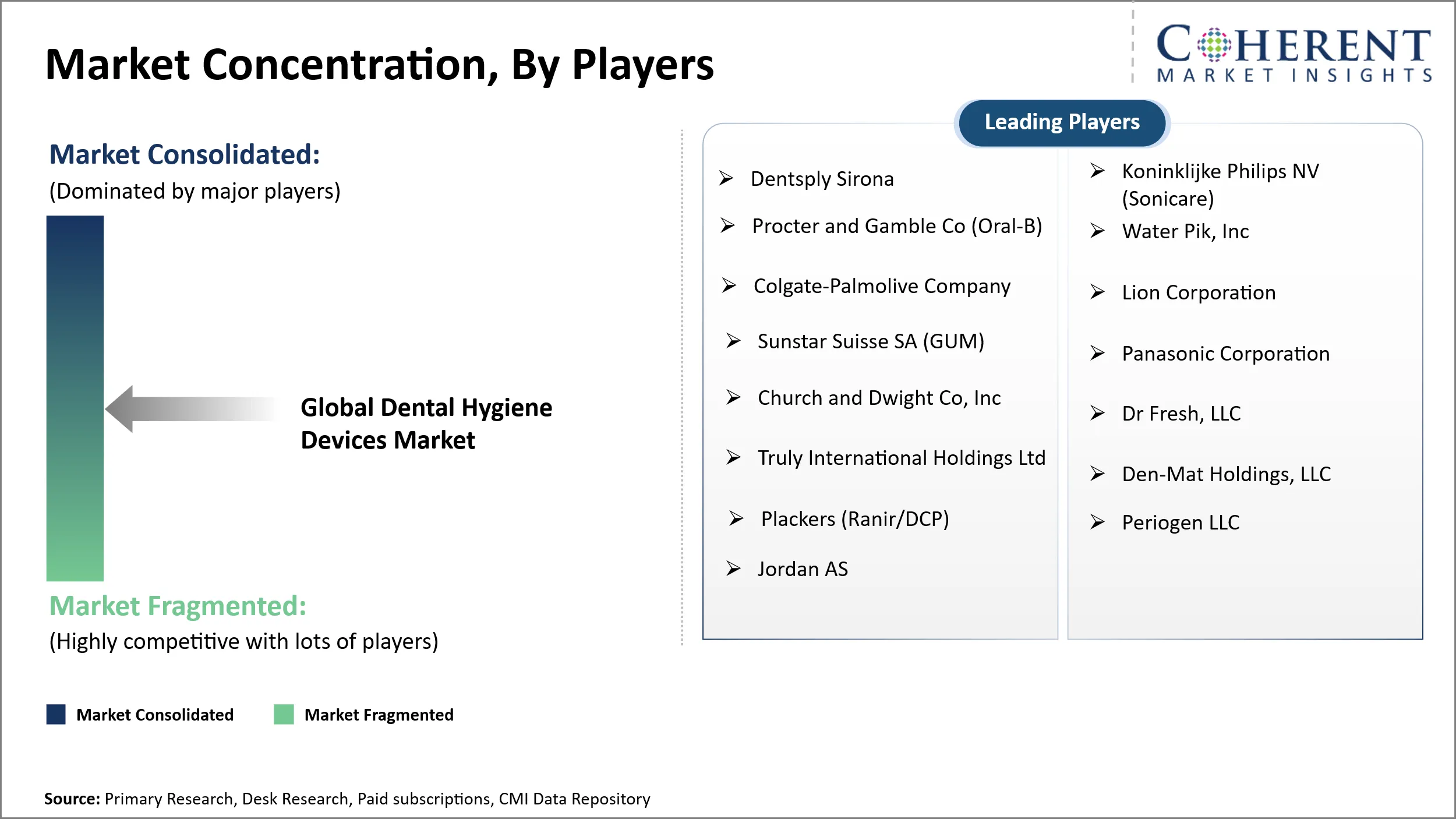
| Companies covered: | Dentsply Sirona, Procter and Gamble Co (Oral-B), Koninklijke Philips NV (Sonicare), Colgate-Palmolive Company, Water Pik, Inc, Sunstar Suisse SA (GUM), Lion Corporation, Church and Dwight Co, Inc, Panasonic Corporation, Truly International Holdings Ltd, Dr Fresh, LLC, Plackers (Ranir/DCP), Den-Mat Holdings, LLC, Jordan AS, and Periogen LLC | ||
| Growth Drivers: |
| ||
| Restraints & Challenges: |
| ||
Dental Hygiene Devices Market Dynamics
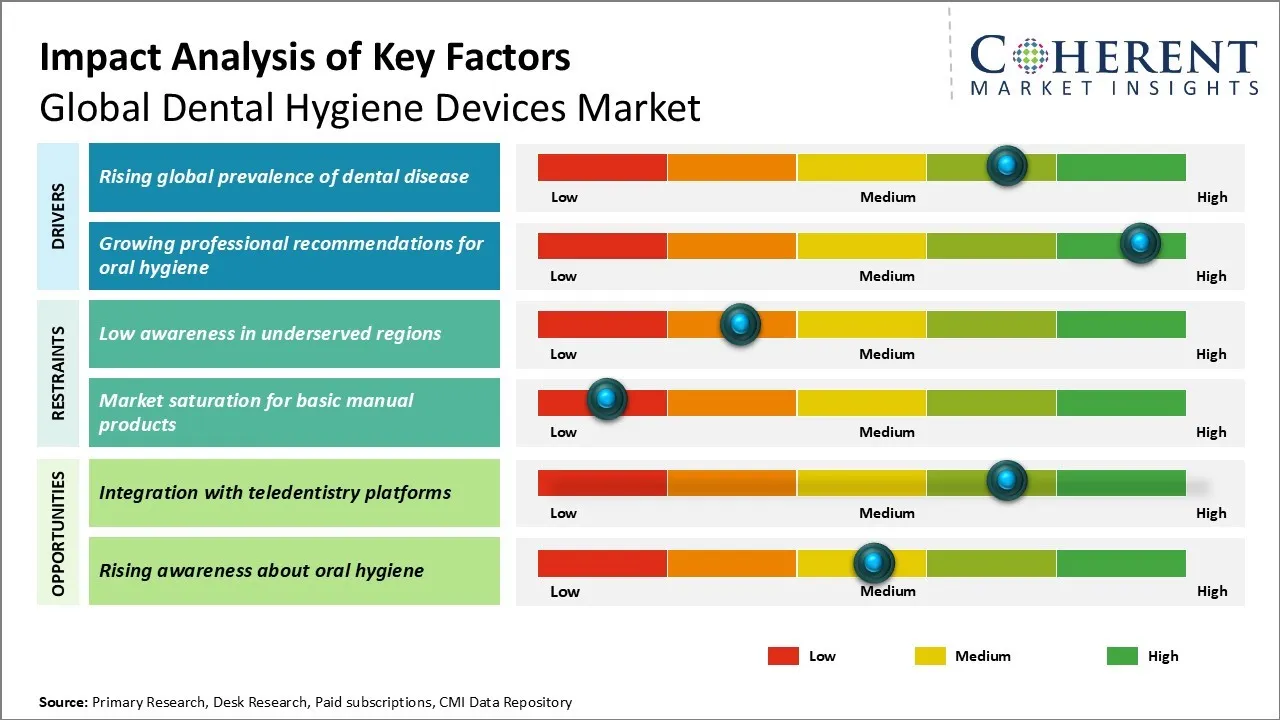
Dental Hygiene Devices Market Driver - Rising Global Prevalence of Dental Disease
The escalating prevalence of dental diseases worldwide is a significant driver propelling the demand for dental hygiene devices. Increasing incidences of oral health issues such as dental caries, periodontal diseases, and tooth decay are primarily attributed to changing lifestyles, poor dietary habits, and inadequate oral care practices across diverse populations. Urbanization and rising consumption of sugary foods and beverages further exacerbate the risk of developing dental conditions, thereby creating a pressing need for effective oral hygiene solutions.
Additionally, a growing awareness among individuals about the importance of maintaining oral health and preventing dental complications has led to heightened adoption of preventive hygiene devices, including electric toothbrushes, water flossers, and interdental brushes. Furthermore, limited access to professional dental care in many regions encourages consumers to rely on at-home dental hygiene products to manage and prevent oral diseases.
In November 2022, the World Health Organization (WHO) published its first-ever Global Oral Health Status Report, revealing that nearly 45% of the world’s population, or 375 billion people, suffer from oral diseases. The report highlights that 3 out of 4 affected individuals live in low- and middle-income countries. Over the last 30 years, global oral disease cases have increased by 1 billion, pointing to inadequate access to prevention and treatment. WHO urges global health reforms to provide cost-effective solutions for oral care and ensure access for all, regardless of income or location.
Dental Hygiene Devices Market Opportunity - Integration with Teledentistry Platforms
The integration of dental hygiene devices with teledentistry platforms represents a significant growth opportunity within the global dental hygiene devices market. As digital healthcare solutions continue to expand, teledentistry has emerged as a vital service, enabling remote dental consultations and oral health monitoring. Incorporating advanced dental hygiene devices, such as smart toothbrushes and oral care sensors, with teledentistry platforms allows for real-time data sharing between patients and dental professionals.
This connectivity facilitates personalized oral care recommendations, early detection of dental issues, and continuous monitoring of treatment progress, enhancing patient engagement and outcomes. Furthermore, the rise in smartphone usage and internet penetration across developing and developed regions supports the scalability of such integrated solutions. The COVID-19 pandemic accelerated the adoption of remote healthcare services, including teledentistry, making the demand for connected oral care devices more pronounced.
In June 2023, Dental.com, a leader in teledentistry solutions, introduced Dental.com Dentist Direct, an innovative service designed to help dental practices seamlessly integrate AI-enhanced teledentistry into their operations. This service allows dentists to outsource teledentistry services, offering AI-powered photo scans, 24/7 virtual consultations, and after-hours emergency calls without the hassle and costs of implementing the technology in-house.
Analyst Opinion (Expert Opinion)
- The global dental hygiene devices market is experiencing substantial growth, driven by factors such as technological advancements in smart toothbrushes, AI integration, and increased awareness about the importance of oral health. The rising demand for electric toothbrushes, water flossers, and interdental cleaning tools is also being fueled by growing consumer preference for convenient, effective, and personalized oral care solutions. Additionally, regulatory support and innovative partnerships within the dental industry are contributing to the acceleration of new product launches and improving accessibility to advanced dental hygiene tools. However, challenges like high costs of advanced products and limited access in low-income regions remain key obstacles.
- Emerging opportunities are found in eco-friendly oral care products and the increasing digitalization of oral health. Conferences such as the International Association for Dental Research (IADR) Annual Meeting and the FDI World Dental Congress have been pivotal in fostering innovation and knowledge-sharing in the sector. Notable industry initiatives include public-private collaborations to improve dental hygiene accessibility, such as government programs focused on promoting oral health awareness and providing affordable dental solutions in underserved areas. These developments indicate a positive market outlook as the sector embraces new technologies and sustainability practices.
Speak to the analyst
Want personalized insights?
Take the findings above to one of our principal consultants, or have the report rebuilt around the segments, geographies and competitors you actually track.
Market Segmentation
- Product Type Insights (Revenue, USD Bn, 2021 - 2033)
- Electric Toothbrushes
- Sonic Toothbrushes
- Oscillating-Rotating Toothbrushes
- Ultrasonic Toothbrushes
- Interdental Cleaners
- Dental Floss (Waxed, Unwaxed, Tape, Floss Picks)
- Interdental Brushes
- Water Flossers / Oral Irrigators
- Air Flossers
- Tongue Scrapers / Cleaners
- Others (Dental Hygiene Accessories)
- Electric Toothbrushes
- End User Insights (Revenue, USD Bn, 2021 - 2033)
- Consumers (Home Use)
- Dental Professionals (Dentists, Orthodontists - In-Office Use)
- Dental Institutions (Hospitals, Dental Clinics, Dental Schools)
- Distribution Channel Insights (Revenue, USD Bn, 2021 - 2033)
- Online
- Offline
- Regional Insights (Revenue, USD Bn, 2021 - 2033)
- North America
- U.S.
- Canada
- Latin America
- Brazil
- Argentina
- Mexico
- Rest of Latin America
- Europe
- Germany
- U.K.
- Spain
- France
- Italy
- Russia
- Rest of Europe
- Asia Pacific
- China
- India
- Japan
- Australia
- South Korea
- ASEAN
- Rest of Asia Pacific
- Middle East
- GCC Countries
- Israel
- Rest of Middle East
- Africa
- South Africa
- North Africa
- Central Africa
- North America
- Key Players Insights
- Dentsply Sirona
- Procter and Gamble Co (Oral-B)
- Koninklijke Philips NV (Sonicare)
- Colgate-Palmolive Company
- Water Pik, Inc.
- Sunstar Suisse SA (GUM)
- Lion Corporation
- Church and Dwight Co, Inc.
- Panasonic Corporation
- Truly International Holdings Ltd.
- Dr Fresh, LLC
- Plackers (Ranir/DCP)
- Den-Mat Holdings, LLC
- Jordan AS
- Periogen LLC
Sources
Primary Research Interviews
Industry Stakeholders List
- Senior executives from dental equipment manufacturers
- Product managers from dental device companies
End Users List
- Practicing dental hygienists and dentists
- Procurement heads from dental clinics and hospitals
Government and International Databases
- World Health Organization (WHO)
- Centers for Disease Control and Prevention (CDC)
- U.S. Food and Drug Administration (FDA)
- National Institutes of Health (NIH)
- European Medicines Agency (EMA)
- Organisation for Economic Co-operation and Development (OECD)
- World Bank
- United Nations Department of Economic and Social Affairs (UN DESA)
- Eurostat
- Ministry of Health and Family Welfare (India)
- Health Canada
Trade Publications
- Dental Tribune
- Inside Dentistry
- Dental Economics
- Dental Products Report
- Journal of Dental Technology
Academic Journals
- Journal of Dental Research
- International Journal of Dental Hygiene
- Journal of Clinical Periodontology
- Community Dentistry and Oral Epidemiology
- BMC Oral Health
- The Journal of the American Dental Association (JADA)
- Journal of Periodontal Research
Reputable Newspapers
- The New York Times (Health Section)
- The Guardian (Health)
- The Washington Post (Health & Science)
- BBC News (Health)
- Reuters Health
Industry Associations
- American Dental Association (ADA)
- International Federation of Dental Hygienists (IFDH)
- World Dental Federation (FDI)
- British Dental Association (BDA)
- European Dental Hygienists Federation (EDHF)
- Indian Dental Association (IDA)
- Canadian Dental Hygienists Association (CDHA)
Public Domain Resources
- Google Scholar
- ClinicalTrials.gov
- ScienceDirect (open access articles)
Proprietary Elements
- CMI Data Analytics Tool, Proprietary CMI Existing Repository of information for last 8 years
Get access to 250+ pages report
Every segment, forecast, competitor profile and data table behind the analysis above — available for instant download.
- ESOMAR Member
- ISO 9001:2015 Certified
- D-U-N-S Registered
- GDPR & CCPA Compliant
Missing comfort of reading report in your local language? Find your preferred language:
Transform your Strategy with Exclusive Trending Reports
Frequently Asked Questions
The global dental hygiene devices market is estimated to be valued at USD 5.20 Bn in 2026 and is expected to reach USD 7.77 Bn by 2033.
The CAGR of the global dental hygiene devices market is projected to be 5.9% from 2026 to 2033.
Rising global prevalence of dental disease and growing professional recommendations for oral hygiene are the major factors driving the growth of the global dental hygiene devices market.
Low awareness in underserved regions and market saturation for basic manual products are the major factors hampering the growth of the global dental hygiene devices market.
In terms of product type, electric toothbrushes are estimated to dominate the market revenue share in 2026.
Dentsply Sirona, Procter & Gamble Co (Oral-B), Koninklijke Philips NV (Sonicare), Colgate-Palmolive Company, Water Pik, Inc, Sunstar Suisse SA (GUM), Lion Corporation, Church & Dwight Co, Inc, Panasonic Corporation, Truly International Holdings Ltd, Dr Fresh, LLC, Plackers (Ranir/DCP), Den-Mat Holdings, LLC, Jordan AS, Periogen LLC are the major players.
North America is expected to lead the global dental hygiene devices market in 2026.