

Global Endocrinology Drug Market Size and Forecast – 2026 to 2033
The global endocrinology drug market is estimated to be valued at USD 77.44 Bn in 2026 and is expected to reach USD 105.39 Bn by 2033, exhibiting a compound annual growth rate (CAGR) of 4.5% from 2026 to 2033. This steady growth reflects the increasing prevalence of endocrine disorders and advancements in drug development, driving demand across emerging and developed markets alike.
Key Takeaways of the Global Endocrinology Drug Market
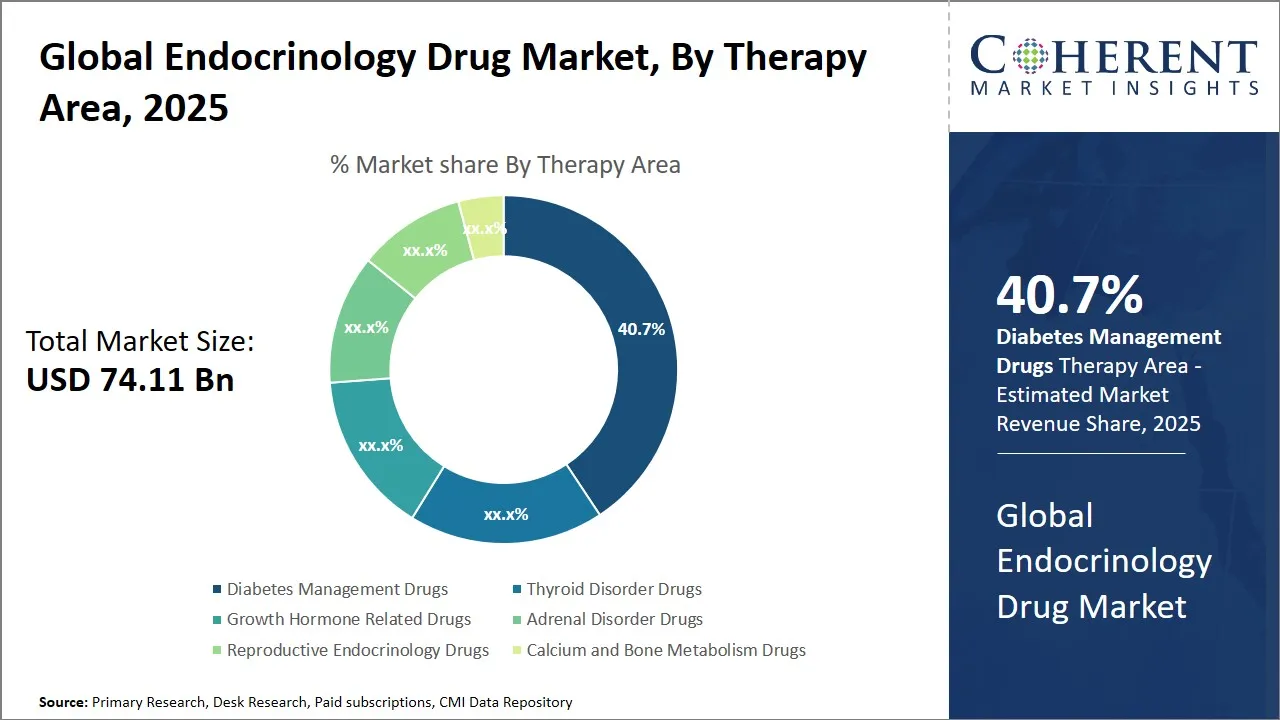
- Diabetes management drugs segment is expected to account for the largest share of 41.7 % in 2026.
- Oral segment leads the market with an estimated share of 39.2 % in 2026.
- By age group, the adult segment is expected to dominate with a share of 46.2 % in 2026.
- North America is expected to lead the market, holding a share of 39.3 % in 2026. Asia Pacific is anticipated to be the fastest-growing region, with a market share of 24.2% in 2026.
Market Overview
Current market trends highlight a significant shift towards personalized medicine and biologics within endocrinology treatments. Innovations in targeted therapies, combined with rising investment in research for diabetes, thyroid, and other hormonal disorders, are fostering improved patient outcomes. Additionally, increasing awareness and healthcare infrastructure enhancements in developing regions are accelerating the market expansion and broadening access to endocrine drug therapies globally.
Current Events and Its Impact
Current Events | Description and its impact |
Regional Industrial Automation Surges
|
|
Stem Cell Therapy Breakthrough (Vertex Pharmaceuticals) |
|
Segmental Insights
- Current Industry Events of 2026
- Market Size Estimation
- Regional Breakdown
- Competitive Landscape
- Customer Intelligence
- Segmental Analysis
- Pricing Analysis
- Key Market Drivers, Challenges & Future Trends
- Customized Insights Section
Endocrinology Drug Market Insights, by Therapy Area – Diabetes Management Drugs Lead Owing to Rapid Increases in Diabetes Prevalence and Evolving Treatment Modalities
The dominance of diabetes management drugs within the global endocrinology drug market with a projected share of 41.7% in 2026 primarily stems from the escalating global burden of diabetes, which has become a leading chronic health challenge. The surge in diabetes cases, driven by sedentary lifestyles, urbanization, and rising obesity rates, particularly in developing and developed nations, has created an unprecedented demand for effective therapeutics.
This segment includes a wide array of drugs such as insulin formulations (short-acting, long-acting, and premixed), oral antidiabetics like biguanides, sulfonylureas, thiazolidinediones, and advanced agents including GLP-1 receptor agonists and other combination therapies. The diversity within this subcategory allows for tailored patient-centric treatment regimens addressing various pathophysiological mechanisms of diabetes.
In June 2025, Biocon Limited, an India-based global biopharmaceutical company known for its focus on affordable innovation, has received regulatory approval in India for its Liraglutide drug substance and product (6 mg/ml solution for injection). The approval, granted under the CDSCO’s new 101 route, covers the generic version of Victoza, intended for treating type 2 diabetes in adults and children aged 10 and above, as an adjunct to diet and exercise.
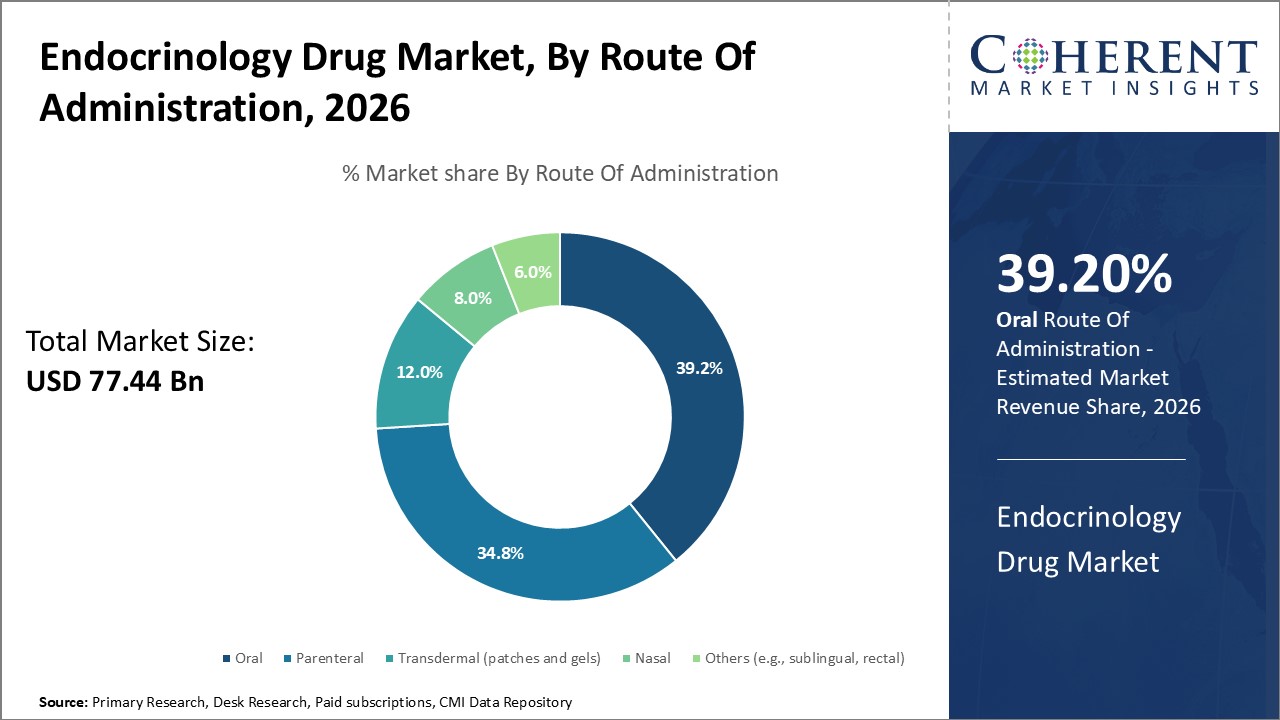
Endocrinology Drug Market Insights, by Route of Administration – Oral Segment Dominate due to Convenience, Patient Adherence, and Chronic Therapy Preferences
Oral segment remains the most preferred route in the global endocrinology drug market, accounting for an estimated share of 39.2% in 2026, largely because of its convenience, ease of use, and favorable patient acceptance, especially in chronic treatments. Oral drugs provide a non-invasive alternative that supports self-administration, thereby enhancing patient adherence and compliance, which is critical in managing long-term endocrine disorders such as diabetes, osteoporosis, and thyroid dysfunctions.
A major driving factor for the dominance of oral therapies is the widespread use of oral antidiabetics for diabetes management, which form a fundamental backbone in type 2 diabetes treatment. These oral agents are designed to target various physiological mechanisms responsible for glucose regulation, offering flexibility in dosage and titration. Additionally, drugs for thyroid disorders, osteoporosis medications such as bisphosphonates, and selective estrogen receptor modulators for bone health predominantly come in oral formulations, which further consolidates this segment’s leading position.
Endocrinology Drug Market Insights, by Age Group – Adult Segment Leads due to Rising Pediatric Endocrine Disorders and Expanding Therapeutic Options
In terms of age group, the adult segment represents a dominant share of the global endocrinology drug market with a projected share of 46.2% in 2026, driven by the high prevalence of type 2 diabetes, thyroid disorders, and reproductive hormone imbalances in this population. Adults form the largest patient pool for endocrinology drugs, with lifestyle-related factors such as obesity, sedentary habits, and stress significantly contributing to disease burden. Type 2 diabetes alone accounts for the majority of global diabetes cases, creating sustained demand for oral antidiabetics, GLP-1 receptor agonists, and insulin therapies.
Another factor reinforcing the dominance of the adult segment is the growing incidence of reproductive and metabolic disorders. Conditions such as Polycystic Ovary Syndrome (PCOS), hypogonadism, and menopause-related hormone deficiencies are increasingly treated with tailored therapies, including hormone replacement formulations and fertility drugs. Moreover, greater awareness of preventive healthcare and wider access to diagnostic facilities have increased early detection rates, particularly in urban centers.
Regional Insights
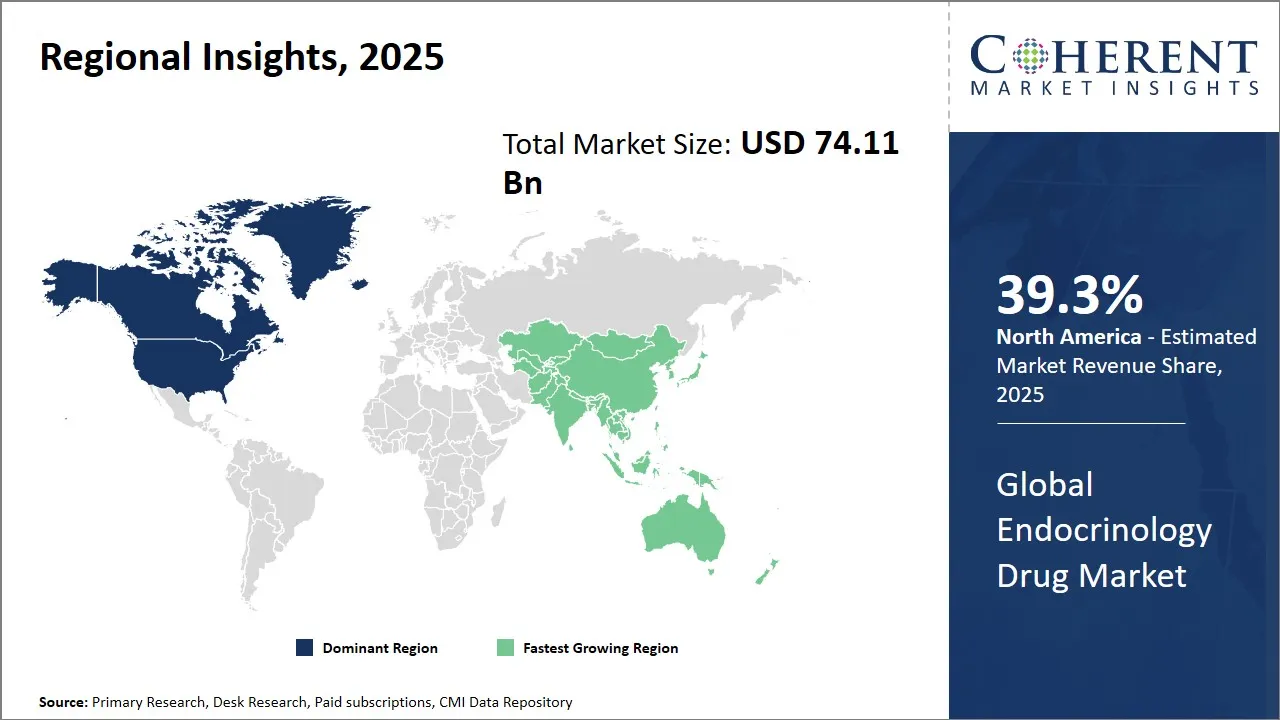
North America Endocrinology Drug Market Analysis and Trends
North America is expected to lead the market, holding a share of 39.3% in 2026, due to extensive R&D investments, and a strong presence of leading pharmaceutical companies specializing in endocrinology. The U.S., as the largest market in this region, benefits from favorable government policies that support innovation, such as expedited drug approval pathways by the FDA and robust intellectual property protections.
The region’s healthcare providers are highly responsive to advanced treatment options for endocrine disorders like diabetes, thyroid diseases, and osteoporosis, fueling demand. Additionally, the prevalence of lifestyle diseases and an aging population contribute to sustained demand. Major players, including Novo Nordisk, Eli Lilly, and Pfizer, have established substantial market footholds here through innovative drugs and extensive product pipelines, bolstered by strategic partnerships and acquisitions.
Asia Pacific Endocrinology Drug Market Analysis and Trends
The Asia Pacific exhibits the fastest growth in the global endocrinology drug market with a projected share of 24.2% in 2026. Increasing prevalence of endocrine disorders due to lifestyle changes and urbanization, expanding healthcare infrastructure, rising awareness, and improving access to healthcare services are key growth drivers.
Supportive government initiatives aimed at enhancing healthcare accessibility and affordable drug pricing policies further contribute to market expansion. Emerging markets like China and India are witnessing rapid growth in healthcare expenditure, leading to increased demand for endocrinology therapeutics. The presence of local pharmaceutical companies such as Dr. Reddy’s Laboratories, Sun Pharma, and Sino Biopharmaceutical, along with multinational corporations, creates a competitive ecosystem fostering innovation and more affordable treatments.
Global Endocrinology Drug Market Outlook for Key Countries
U.S. Endocrinology Drug Market Analysis and Trends
The U.S. market remains the cornerstone of endocrinology drug demand, supported by cutting-edge research and the presence of key industry leaders like Eli Lilly and Novo Nordisk. The country benefits from advanced clinical trial infrastructure and healthcare professionals well-versed in managing complex endocrine conditions. Furthermore, ongoing initiatives to improve diabetes care and hormone replacement therapies bolster market demand. The U.S. regulatory environment encourages the development of novel biologics and biosimilars, ensuring pipeline dynamism and competitive offerings.
In December 2024, Neurocrine Biosciences, a U.S.-based biopharmaceutical company specializing in treatments for neurological and endocrine disorders, received the FDA approval for Crenessity (crinecerfont), the first new therapy in 70 years for classic Congenital Adrenal Hyperplasia (CAH). The approval covers a pill for adults and an oral solution for children aged 4 and above, offering a non-steroidal alternative to standard steroid treatments, and was granted alongside a priority review voucher valued at around USD 150 million.
Germany Endocrinology Drug Market Analysis and Trends
Germany’s endocrinology drug market is shaped by its well-developed healthcare system and high healthcare spending. Stringent reimbursement policies and robust insurance coverage facilitate patient access to innovative endocrinology treatments. Companies like Bayer and Boehringer Ingelheim have a strong presence, focusing on both diabetes management and rare endocrine disorders. Germany’s focus on personalized medicine and growing adoption of digital health technologies further enhance disease management and patient adherence.
In July 2023, Novo Nordisk launched its blockbuster endocrinology drug Wegovy in Germany, marking its first major entry into the European Union market. The weekly injection, already available in smaller markets like Norway and Denmark, helps patients reduce body weight by around 15% when combined with exercise and lifestyle changes.
China Endocrinology Drug Market Analysis and Trends
China’s endocrinology drug market is expanding rapidly, driven by increasing prevalence of diabetes and thyroid disorders as a result of lifestyle changes and aging population. Government policies promoting local pharmaceutical manufacturing and innovation have attracted both domestic and multinational companies, including Sino Biopharmaceutical and Novo Nordisk. The integration of traditional Chinese medicine with modern endocrinology treatments also distinguishes the market landscape. Regulatory reforms have accelerated approval timelines, boosting market penetration for new drugs.
In June 2026, Innovent Biologics announced that China’s National Medical Products Administration (NMPA) had approved Mazdutide, the world’s first dual GCG/GLP-1 receptor agonist, for chronic weight management in overweight and obese adults. The novel endocrinology drug offers a unique mechanism that enhances weight-loss efficacy, reduces visceral fat, and provides broad metabolic benefits aligning with China’s “Healthy Weight Management Action” under the Healthy China 2030 initiative.
India Endocrinology Drug Market Analysis and Trends
India stands as a pivotal growth hub in the Asia Pacific region’s endocrinology drug market. The country faces a heavy burden of diabetes and other metabolic disorders, propelling demand for cost-effective and accessible treatments. Local firms such as Sun Pharma and Dr. Reddy’s are key contributors, focusing on generic medicines and biosimilars to improve affordability. Government campaigns aimed at improving healthcare infrastructure and disease awareness are shaping market dynamics. India’s large patient population offers significant opportunities for clinical research and new product launches.
In January 2024, Glenmark Pharmaceuticals Ltd., an India-based research-led global pharmaceutical company, has become the first to launch a biosimilar of the anti-diabetic drug Liraglutide in India under the brand name Lirafit. Approved by the Drug Controller General of India (DCGI), Lirafit is indicated for type 2 diabetes mellitus and will reduce the daily cost of therapy by about 70% making treatment more affordable and accessible for patients.
End User Feedback and Unmet Needs
- End users across healthcare systems, including hospitals, clinics, and government-backed health programs, consistently highlight the strengths and limitations of therapies within the global endocrinology drug market. Physicians and hospital administrators often express satisfaction with the availability of newer formulations that improve patient compliance, particularly once-daily oral anti-diabetics and long-acting injectables for growth and thyroid disorders. For example, endocrinologists in urban health centers report that extended-release insulin analogs have significantly improved adherence among working-age populations, reducing the frequency of hypoglycemic episodes and allowing patients to maintain more stable routines. This is seen as a meaningful step forward in bridging clinical effectiveness with patient lifestyles, reinforcing trust in advanced therapies.
- At the same time, recurring feedback underscores concerns around affordability and accessibility, especially in emerging economies and among public health facilities. The government health procurement bodies in Latin America, for instance, note that while innovative biologics for rare endocrine conditions show strong clinical promise, their high cost restricts large-scale adoption, leaving gaps in population-wide treatment coverage. Similarly, rural healthcare providers highlight operational challenges, such as inconsistent cold chain management for injectable therapies, which limits their practical deployment outside urban hubs. These issues reflect wider unmet needs such as cost-effective formulations, region-specific customization, and stronger support infrastructure. Addressing these pain points—through pricing reforms, localized production, and better integration with healthcare delivery systems could not only expand market reach but also foster long-term loyalty among healthcare providers and patients, positioning manufacturers and policymakers as enablers of inclusive and sustainable growth.
Market Players, Key Developments, and Competitive Intelligence
Key Developments
- In July 2025, the U.S. FDA issued several key endocrinology drug updates; Viatris Inc. (a U.S.-based global pharmaceutical company) received approval for Kirsty (insulin aspart-xjhz), the first rapid-acting interchangeable biosimilar to Novolog for diabetes management, offering a cost-effective option for patients.
- In May 2025, BioMarin Pharmaceutical Inc., a U.S.-based biopharma focused on rare diseases, reported new VOXZOGO (vosoritide) data at international endocrinology meetings showing significant improvement in tibial bowing and sustained growth benefits in children with achondroplasia, along with evidence of broader impact in hypochondroplasia patients.
- In December 2024, Er-Kim, an international pharmaceutical company focused on commercializing novel therapies, extended its exclusive distribution agreement with Danish biopharmaceutical firm Ascendis Pharma A/S, which specializes in developing innovative endocrinology therapies. The portfolio includes SKYTROFA (lonapegsomatropin), a once-weekly human growth hormone for pediatric growth hormone deficiency; YORVIPATH (palopegteriparatide), a first-in-class parathyroid hormone replacement therapy for chronic hypoparathyroidism.
- In August 2024, Ascendis Pharma A/S, a biopharmaceutical company focused on developing innovative endocrinology therapies, announced that the U.S. FDA had approved YORVIPATH (palopegteriparatide), the first and only treatment for adults with hypoparathyroidism, a rare endocrine disease affecting an estimated 70,000–90,000 people in the U.S. The once-daily prodrug of parathyroid hormone is designed to provide continuous exposure over 24 hours, offering a significant advancement beyond conventional therapies.
Top Strategies Followed by Global Endocrinology Drug Market Players
- The competitive landscape of the global endocrinology drug market is characterized by a dynamic interplay of strategies among established, mid-level, and small-scale players, each tailoring their approaches to carve out or strengthen their market positions. Established market leaders invest heavily in research and development (R&D), recognizing innovation as a critical driver for maintaining long-term growth and relevance. Strategic partnerships with major industry players, including Original Equipment Manufacturers (OEMs), further consolidate their presence by pooling resources and expertise to accelerate product development and expand their technological capabilities.
- In March 2024, AstraZeneca announced a definitive agreement to acquire Amolyt Pharma, a clinical-stage biotechnology company focused on rare endocrine diseases, to strengthen its Alexion Rare Disease pipeline. The acquisition adds eneboparatide (AZP-3601), a Phase III investigational therapeutic peptide for chronic hypoparathyroidism, a condition affecting over 200,000 patients across the U.S. and EU, to AstraZeneca’s bone metabolism and rare endocrinology portfolio.
- Mid-level players in the endocrinology drug market adopt a different yet equally significant approach centered on balancing cost and quality to appeal to price-sensitive segments. These companies focus on developing cost-effective solutions that do not compromise on therapeutic efficacy, thus making endocrinology treatments accessible to a broader population, particularly in developing economies. Leveraging collaborations plays a crucial role in their strategy, enabling these players to enhance their production capacities, incorporate advanced technologies, and improve market presence without the heavy capital investment typical of larger firms.
- For example, Sun Pharmaceutical Industries Ltd focuses on cost-effective formulations in diabetes and thyroid disorders while expanding its reach across Asia and Africa; Torrent Pharmaceuticals (India) is known for providing affordable anti-diabetic drugs and endocrine therapies, particularly in emerging markets; and Lupin Limited (India) develops lower-cost biosimilars and generics in endocrinology, including insulin analogs, to cater to a broad patient base.
- Small-scale players, meanwhile, differentiate themselves by honing in on niche markets within the endocrinology space. Their competitive edge often lies in developing specialized products with unique features or harnessing innovative drug delivery systems that larger companies may overlook. To stay relevant and competitive, these players adopt cutting-edge technologies such as biotech advancements, nanotechnology, or digital health integrations. These innovations enable them to address unmet medical needs or target specific patient populations effectively.
- For example, AdipoPharma (France) is a biotech firm developing PATAS, a novel insulin sensitizer that directly targets insulin resistance in type 2 diabetes; Crinetics Pharmaceuticals (U.S.) focuses on rare endocrine diseases through oral nonpeptide therapies for conditions such as acromegaly; Rezolute, Inc. (U.S.) is engaged in developing specialty therapies for congenital hyperinsulinism and other rare metabolic disorders.
Market Report Scope
Endocrinology Drug Market Report Coverage
| Report Coverage | Details | ||
|---|---|---|---|
| Base Year: | 2025 | Market Size in 2026: | USD 77.44 Bn |
| Historical Data for: | 2020 To 2024 | Forecast Period: | 2026 To 2033 |
| Forecast Period 2026 to 2033 CAGR: | 4.5% | 2033 Value Projection: | USD 105.39 Bn |
| Geographies covered: |
| ||
| Segments covered: |
| ||
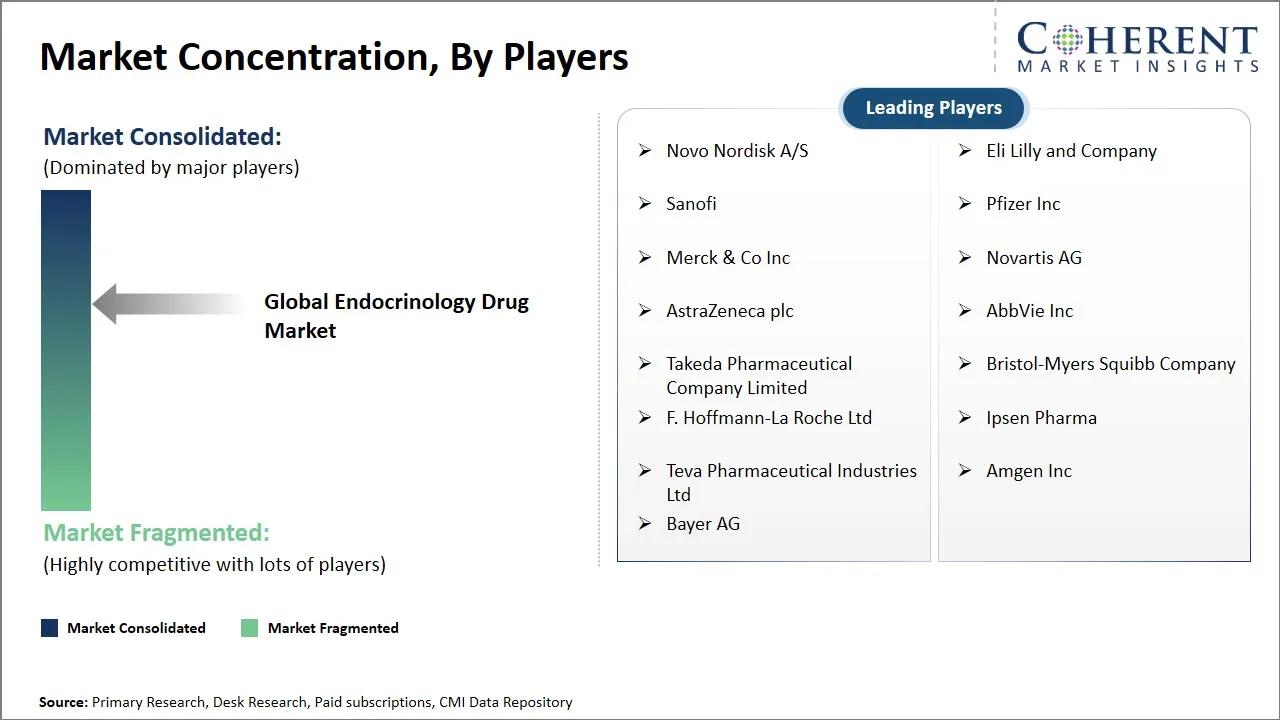
| Companies covered: | Novo Nordisk A/S, Eli Lilly and Company, Sanofi, Pfizer Inc, Merck & Co Inc, Novartis AG, AstraZeneca plc, AbbVie Inc, Takeda Pharmaceutical Company Limited, Bristol-Myers Squibb Company, F. Hoffmann-La Roche Ltd, Ipsen Pharma, Teva Pharmaceutical Industries Ltd, Amgen Inc, and Bayer AG | ||
| Growth Drivers: |
| ||
| Restraints & Challenges: |
| ||
Endocrinology Drug Market Dynamics
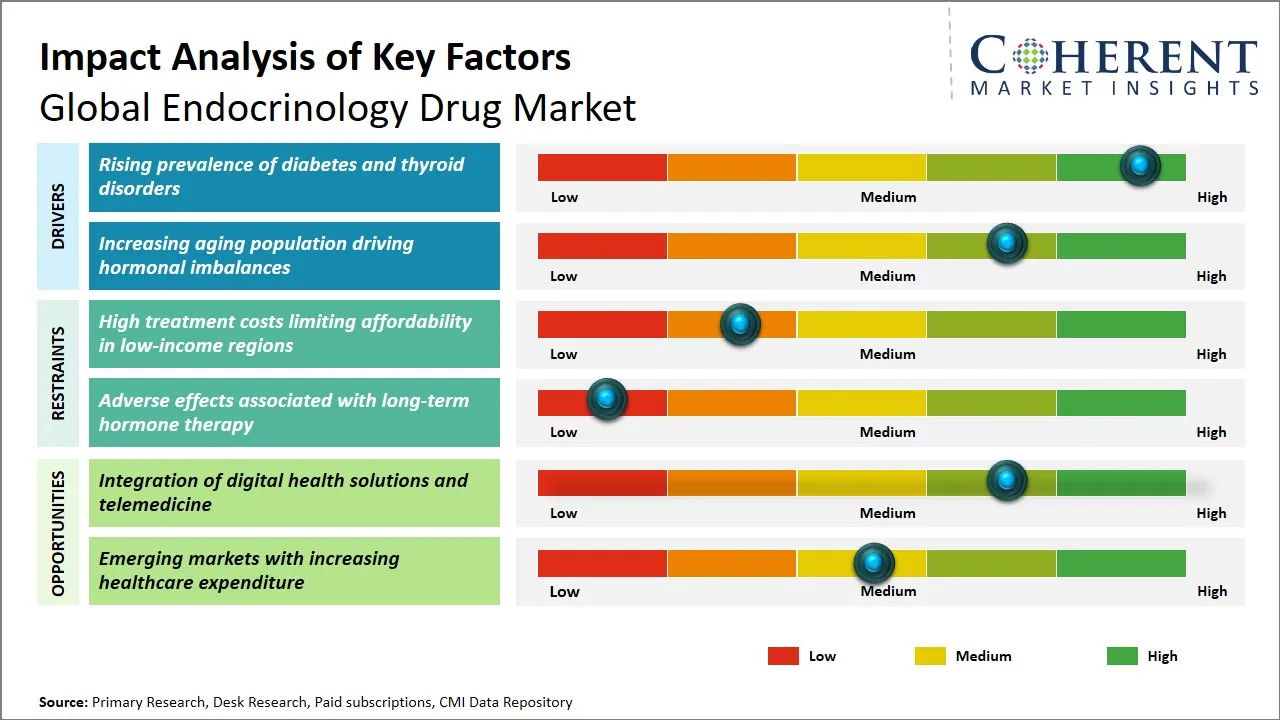
Endocrinology Drug Market Driver - Rising Prevalence of Diabetes and Thyroid Disorders
The increasing incidence of diabetes and thyroid disorders across the globe is a significant driver propelling the demand in the endocrinology drug market. Changes in lifestyle, such as sedentary habits, unhealthy dietary patterns, and rising obesity rates, have contributed to a surge in diabetes cases, making it one of the most prevalent chronic metabolic disorders. Similarly, thyroid dysfunctions, including hypothyroidism and hyperthyroidism, are being diagnosed more frequently due to enhanced screening and awareness. These conditions require long-term management with hormone replacement therapies, insulin, and other specialized drugs, ensuring continuous demand for endocrinology medications. Furthermore, aging populations and genetic predispositions are amplifying the burden of these disorders, leading to an expansion in patient pools requiring endocrine therapies.
In November 2024, according to the WHO, as of 2022, the number of people living with diabetes has risen from 200 million in 1990 to 830 million, with the increase most prominent in low- and middle-income countries. More than half of those with diabetes did not receive treatment in 2022, especially in Low- and Middle-Income Countries (LMICs), where treatment coverage is lowest. Diabetes causes severe complications like blindness, kidney failure, heart attacks, strokes, and amputations, contributing to over 2 million deaths in 2021. Preventive measures, such as a healthy diet, regular physical activity, maintaining a normal weight, and avoiding tobacco, can delay or prevent type 2 diabetes. Early treatment and regular screenings can help manage diabetes and its complications.
Endocrinology Drug Market Opportunity: Integration of Digital Health Solutions and Telemedicine
The integration of digital health solutions and telemedicine presents a significant opportunity within the global endocrinology drug market, driven by the increasing adoption of technology in chronic disease management and the rising prevalence of endocrine disorders such as diabetes, thyroid diseases, and osteoporosis. Digital platforms, including mobile apps and wearable devices, enable continuous monitoring of patients’ physiological parameters, medication adherence, and glucose levels, fostering personalized treatment plans and timely medical interventions. Telemedicine further enhances patient engagement by providing remote consultations, reducing the need for frequent hospital visits, and increasing access to endocrinologists, particularly in underserved or rural regions. This digital transformation supports improved patient outcomes, real-time data collection for healthcare providers, and streamlines communication between patients and healthcare professionals.
In April 2022, Nuvance Health, a U.S.-based not-for-profit health system serving communities across New York and Connecticut, announced that endocrinologist Dr. Natalie Mora had launched the organization’s first hybrid telehealth program for endocrinology. The initiative offers patients greater flexibility and reduced travel time through secure virtual visits, enhancing personalized care for complex endocrine conditions.
Analyst Opinion (Expert Opinion)
- The endocrinology drug market is witnessing strong growth driven by the rising prevalence of diabetes, thyroid disorders, and hormonal imbalances along with rapid advancements in biologics and hormone replacement therapies. Increasing regulatory support for rare disease treatments and expanding awareness programs are making therapies more accessible, while digital health and tele-endocrinology are creating new avenues for patient engagement. At the same time, challenges such as high treatment costs, stringent approval timelines, and the side effects associated with long-term hormone use continue to test the industry. Global conferences such as the European Society of Endocrinology Congress, the American Association of Clinical Endocrinology Annual Meeting, and the European Society for Paediatric Endocrinology Congress in the past three years have provided valuable platforms for knowledge-sharing, clinical updates, and discussions on regulatory and therapeutic innovations, shaping the future of endocrine care.
- Real-world initiatives further underscore the momentum in this market. Ascendis Pharma’s FDA approval for YORVIPATH as the first treatment for adult hypoparathyroidism and Neurocrine Biosciences’ approval of Crenessity for congenital adrenal hyperplasia mark significant progress in addressing rare endocrine disorders. In India, Glenmark Pharmaceuticals’ launch of a low-cost liraglutide biosimilar has expanded access to advanced diabetes therapies, while hybrid telehealth programs introduced by providers like Nuvance Health are improving patient reach and disease management. Together, these developments illustrate how innovation, accessibility, and policy alignment are shaping the trajectory of the global endocrinology drug market.
Speak to the analyst
Want personalized insights?
Take the findings above to one of our principal consultants, or have the report rebuilt around the segments, geographies and competitors you actually track.
Market Segmentation
- Therapy Area Insights (Revenue, USD Bn, 2021 - 2033)
- Diabetes Management Drugs
- Insulin (short-acting, long-acting, and premixed)
- Oral Antidiabetics (biguanides, sulfonylureas, thiazolidinediones, etc.)
- GLP-1 Receptor Agonists
- Other Combination Therapies
- Thyroid Disorder Drugs
- Hypothyroidism Treatments (levothyroxine and liothyronine)
- Hyperthyroidism Treatments (antithyroid drugs and radioiodine therapy adjuncts)
- Growth Hormone Related Drugs
- Growth Hormone Deficiency Treatments (recombinant growth hormones, etc.)
- Acromegaly Treatments (somatostatin analogs, GH receptor antagonists, etc.)
- Adrenal Disorder Drugs
- Cushing’s Syndrome Treatments (steroidogenesis inhibitors, pituitary-targeted drugs)
- Addison’s Disease Treatments (glucocorticoids and mineralocorticoids)
- Congenital Adrenal Hyperplasia Drugs
- Reproductive Endocrinology Drugs
- Men’s Health (testosterone therapies and anti-androgens)
- Women’s Health (estrogen therapies, progesterone therapies, etc.)
- Fertility Drugs (gonadotropins, ovulation stimulants, etc.)
- Calcium and Bone Metabolism Drugs
- Osteoporosis Treatments (bisphosphonates, SERMs, calcitonin, etc.)
- Hyperparathyroidism Treatments (calcimimetics, vitamin D analogs, etc.)
- Diabetes Management Drugs
- Route of Administration Insights (Revenue, USD Bn, 2021 - 2033)
- Oral
- Parenteral
- Transdermal (patches and gels)
- Nasal
- Others (e.g., sublingual, rectal)
- Age Group Insights (Revenue, USD Bn, 2021 - 2033)
- Pediatric
- Adult
- Geriatric
- Distribution Channel Insights (Revenue, USD Bn, 2021 - 2033)
- Hospital Pharmacies
- Retail Pharmacies
- Online Pharmacies
- End User Insights (Revenue, USD Bn, 2021 - 2033)
- Hospitals and Clinics
- Specialty Endocrine Centers
- Ambulatory Surgical Centers (ASCs)
- Homecare Settings
- Others (Academic and Research Institutes, etc.)
- Regional Insights (Revenue, USD Bn, 2021 - 2033)
- North America
- U.S.
- Canada
- Latin America
- Brazil
- Argentina
- Mexico
- Rest of Latin America
- Europe
- Germany
- U.K.
- Spain
- France
- Italy
- Russia
- Rest of Europe
- Asia Pacific
- China
- India
- Japan
- Australia
- South Korea
- ASEAN
- Rest of Asia Pacific
- Middle East
- GCC Countries
- Israel
- Rest of Middle East
- Africa
- South Africa
- North Africa
- Central Africa
- North America
- Key Players Insights
- Novo Nordisk A/S
- Eli Lilly and Company
- Sanofi
- Pfizer Inc
- Merck & Co Inc
- Novartis AG
- AstraZeneca plc
- AbbVie Inc
- Takeda Pharmaceutical Company Limited
- Bristol-Myers Squibb Company
- Hoffmann-La Roche Ltd
- Ipsen Pharma
- Teva Pharmaceutical Industries Ltd
- Amgen Inc
- Bayer AG
Sources
Primary Research Interviews
- Industry Stakeholders List
- Endocrinologists and diabetologists
- Pharmaceutical R&D directors
- End Users List
- Hospital procurement managers
- Patients enrolled in chronic disease management programs
Government and International Databases
- World Health Organization (WHO)
- U.S. Food and Drug Administration (FDA)
- European Medicines Agency (EMA)
- National Institutes of Health (NIH)
- Centers for Disease Control and Prevention (CDC)
- Organization for Economic Co-operation and Development (OECD)
Trade Publications
- Endocrine News
- PharmaTimes
- The Pharmaceutical Journal
- BioPharm International
Academic Journals
- The Journal of Clinical Endocrinology & Metabolism
- Diabetes Care
- Nature Reviews Endocrinology
- Hormone and Metabolic Research
Reputable Newspapers
- The New York Times (Health Section)
- The Guardian (Healthcare & Science)
- Financial Times (Pharmaceuticals & Healthcare)
- The Wall Street Journal (Health Industry)
Industry Associations
- Endocrine Society
- American Diabetes Association (ADA)
- European Society of Endocrinology (ESE)
- International Diabetes Federation (IDF)
Public Domain Resources
- World Bank Health Data
- United Nations Health Statistics
- Eurostat Health Database
Proprietary Elements
- CMI Data Analytics Tool: Proprietary analytics tool to analyze real-time market trends, consumer behavior, and technology adoption in market
- Proprietary CMI Existing Repository of Information for Last 8 Years
Get access to 250+ pages report
Every segment, forecast, competitor profile and data table behind the analysis above — available for instant download.
- ESOMAR Member
- ISO 9001:2015 Certified
- D-U-N-S Registered
- GDPR & CCPA Compliant
Missing comfort of reading report in your local language? Find your preferred language:
Transform your Strategy with Exclusive Trending Reports
Frequently Asked Questions
The global endocrinology drug market is estimated to be valued at USD 77.44 Bn in 2026 and is expected to reach USD 105.39 Bn by 2033.
The CAGR of the global endocrinology drug market is projected to be 4.5% from 2026 to 2033.
Rising prevalence of diabetes and thyroid disorders and increasing aging population driving hormonal imbalances are the major factors driving the growth of the global endocrinology drug market.
High treatment costs limiting affordability in low-income regions and adverse effects associated with long-term hormone therapy are the major factors hampering the growth of the global endocrinology drug market.
In terms of therapy area, diabetes management drugs segment is estimated to dominate the market revenue share in 2026.
Wearable devices, mobile apps, and AI-enabled monitoring platforms are complementing drug therapies by enabling continuous glucose monitoring, personalized treatment adjustments, and improved long-term adherence.
The market is projected to grow steadily over the next decade, supported by rising patient pools, increased R&D in biologics and biosimilars, and greater adoption of hormone therapies across developed and emerging economies.