

Global Inpatient Services Market Size and Forecast – 2026 to 2033
The global inpatient services market is estimated to be valued at USD 2.23 Tn in 2026 and is expected to reach USD 2.950 Tn by 2033, exhibiting a compound annual growth rate (CAGR) of 4.1% from 2026 to 2033. This growth reflects the increasing demand for hospital-based care driven by aging populations, rising chronic disease prevalence, and advancements in medical technologies enhancing inpatient treatment efficacy.
Key Takeaways of the Global Inpatient Services Market
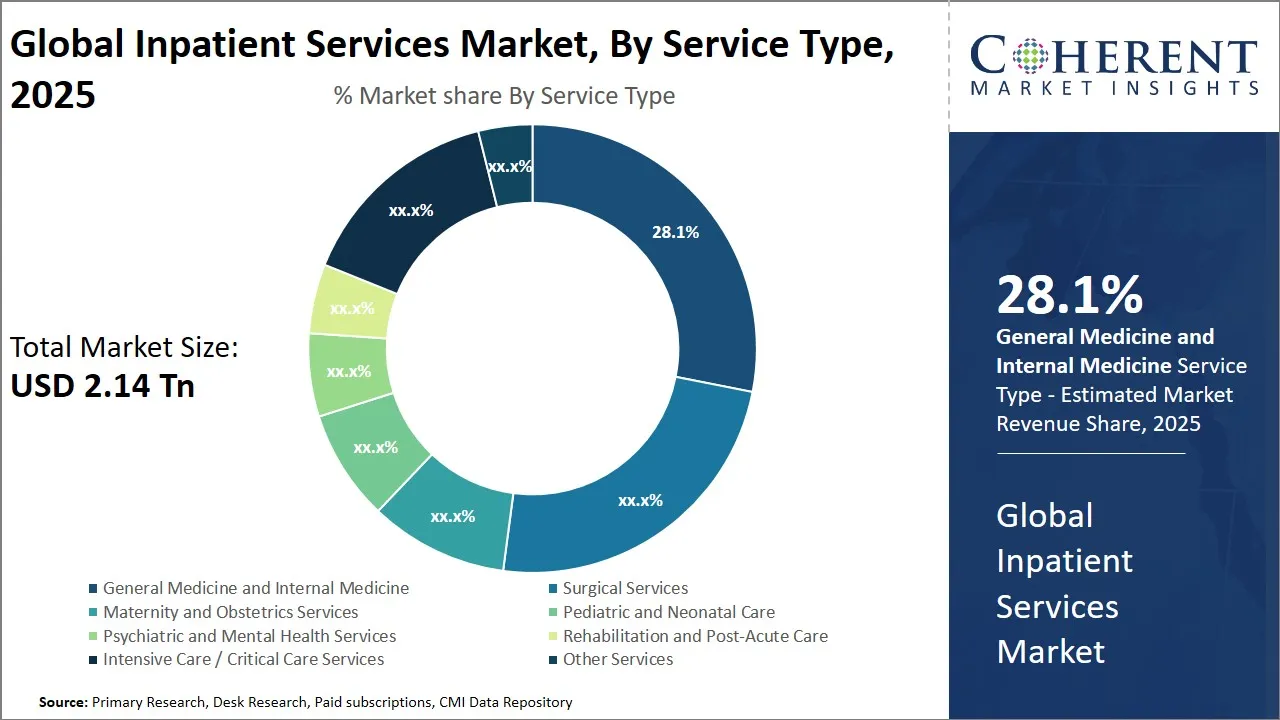
- By service type, the general medicine and internal medicine segment is expected to lead the global inpatient services market with a 29.1% share in 2026.
- In terms of ownership type, the private/independent hospitals segment is projected to account for the largest share of 45.3% in 2026.
- By length of stay, the short-term stay (≤30 days) segment is expected to dominate the market, representing 56.2% in 2026.
- North America is expected to lead the market, holding a share of 40.3% in 2026. Asia Pacific is anticipated to be the fastest-growing region, with an estimated market share of 25.2% in 2026.
Market Overview
A key market trends include a significant shift towards digital health integration within inpatient services, such as electronic health records and telehealth consultations, improving patient outcomes and operational efficiency. Additionally, there is a growing emphasis on personalized medicine and value-based care models, which aim to optimize treatment protocols and reduce hospital stay durations, further shaping the market’s evolution in the coming years.
Currents Events and their Impact
Current Events | Description and its Impact |
Hospital-at-Home Expansion by Major Health Systems |
|
Rising Investments in Smart Hospitals |
|
Segmental Insights
- Current Industry Events of 2026
- Market Size Estimation
- Regional Breakdown
- Competitive Landscape
- Customer Intelligence
- Segmental Analysis
- Pricing Analysis
- Key Market Drivers, Challenges & Future Trends
- Customized Insights Section
Inpatient Services Market Insights, By Service Type - Leading Growth in the General Medicine and Internal Medicine Segment Driven by Rising Chronic Disease Burden and Aging Populations
The general medicine and internal medicine segment is projected to hold 29.1% share in 2026, due to several critical factors. This segment primarily addresses a broad spectrum of acute and chronic health conditions affecting adults, positioning itself as foundational in hospital care delivery. One of the key drivers is the rising prevalence of chronic diseases such as diabetes, cardiovascular disorders, respiratory ailments, and metabolic syndromes globally. The increasing incidence of these conditions necessitates sustained inpatient management, frequent hospitalizations, and complex internal medicine interventions, fueling the demand within this segment.
For instance, in June 2024, Mount Sinai Hospital part of Sinai Health, opened its new 12 North General Internal Medicine unit, a 20-bed inpatient services facility built under the Renew Sinai Phase 3A project to enhance patient care. The modern unit is designed to improve patient flow, provide surge capacity, and support seamless integration with existing GIM processes, reflecting Mount Sinai’s commitment to safe, high-quality, and compassionate care.
Furthermore, the global demographic shift towards aging populations significantly propels the growth in general medicine and internal medicine services. Elderly patients often present with multiple comorbidities requiring comprehensive medical supervision and long-term treatment plans under inpatient settings. Geriatric care overlaps substantially with internal medicine, making hospitals’ internal medicine departments crucial in managing these patients.
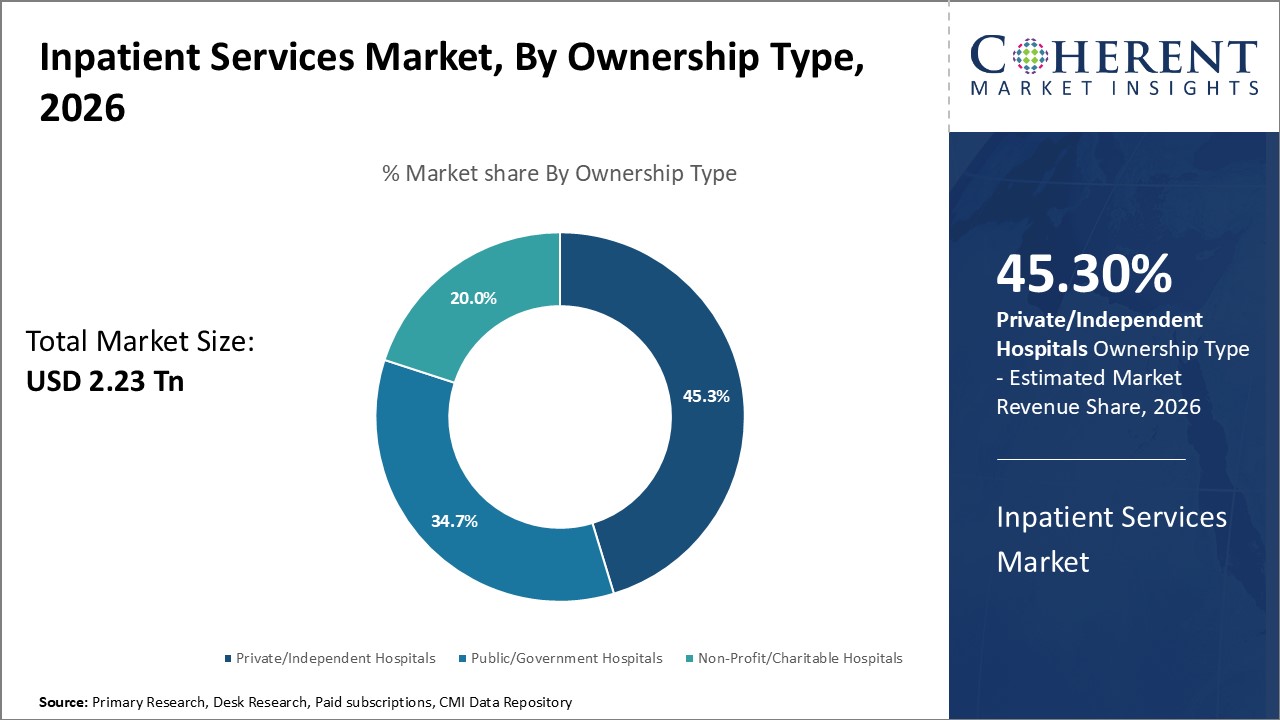
Inpatient Services Market Insights, By Ownership Type - Private/Independent Hospitals Segment Driven by Enhanced Patient Experience and Customized Care Models
The private/independent hospitals segment is expected to capture 45.3% share in 2026, driven by their focus on quality, accessibility, and patient-centered care. These facilities typically offer more advanced infrastructure, technological innovations, and shorter wait times compared to their public counterparts, making them attractive to a broad patient base seeking prompt and specialized inpatient care. Enhanced comfort and hospitality standards in private hospitals contribute to higher patient satisfaction, bolstering the market preference for this ownership type.
Another influential factor is the flexibility of private hospitals to adopt cutting-edge medical technologies and innovative treatment protocols swiftly. This agility enables private hospitals to provide specialized inpatient services, including elective surgeries, complex diagnostics, and high-end therapies, which are often less accessible in public institutions due to budget constraints and administrative procedures.
For instance, in February 2024, King’s College Hospital, a renowned London teaching hospital and Evelina London Children’s Hospital, a specialist pediatric center, partnered with the Edward Francis Small Teaching Hospital in Gambia to strengthen pediatric care through mentoring, training, and outreach.
Inpatient Services Market Insights, By Length of Stay - Dominance of Short-Term Stays (≤30 Days) Segment Fueled by Advancements in Treatment and Healthcare Delivery Efficiency
The short-term stay segment (≤30 days) segment is projected to account for 56.2% share in 2026, reflecting evolving trends in healthcare delivery and medical treatment efficiency. Several factors underpin this dominance, beginning with the rapid pace of medical innovation. Minimally invasive surgical techniques, advanced pharmaceuticals, and enhanced post-operative care enable faster recovery times, substantially reducing the need for prolonged hospitalization.
Healthcare providers increasingly emphasize reducing inpatient length of stay to minimize risks associated with lengthy hospitalizations, such as hospital-acquired infections and complications. This clinical priority aligns with hospital cost-containment strategies and insurance reimbursement policies that favor shorter inpatient durations without compromising care quality. As a result, hospitals are incentivized to optimize care pathways, discharge planning, and outpatient follow-ups to maximize throughput and resource utilization.
Role of Artificial Intelligence (AI) in the Global Inpatient Services Market
- Artificial Intelligence (AI) is revolutionizing the global inpatient services market by streamlining clinical workflows, enhancing decision-making, and improving patient care outcomes. Hospitals and healthcare providers are adopting AI-driven tools for predictive analytics to forecast patient admissions, length of stay, and potential complications, thereby optimizing resource allocation and reducing costs. AI-powered automation in medical coding, administrative tasks, and diagnostic support reduces manual workload, allowing healthcare staff to focus more on patient-centric care. Additionally, AI supports personalized treatment planning by analyzing large datasets of patient histories, medical imaging, and genomic profiles, helping clinicians make more precise and data-driven decisions. Companies like Ensemble Health Partners and 3M Health Information Systems are integrating AI into inpatient coding and revenue cycle management, while IBM Watson Health and GE Healthcare are using AI-driven insights to improve hospital efficiency and patient outcomes.
- Beyond operational efficiency, AI is creating emerging opportunities such as new business models in virtual inpatient monitoring, AI-assisted robotic surgeries, and intelligent triage systems that enhance customer experiences. For example, in May 2025, Ensemble Health Partners, a leading revenue cycle management company, partnered with Solventum, an AI-driven revenue cycle solutions provider with over 40 years of coding expertise, to launch the first large-scale autonomous inpatient services coding solution. By combining Ensemble’s $40 billion client network and denial prevention capabilities with Solventum’s advanced AI technology, the partnership aims to automate accurate coding across all medical specialties, reduce revenue loss, and enhance compliance, enabling hospitals to focus on complex case reviews while improving reimbursement accuracy. Ultimately, when balanced with ethical safeguards, AI offers hospitals and service providers the scalability, innovation, and long-term growth advantage needed to succeed in an increasingly competitive healthcare landscape.
Regional Insights
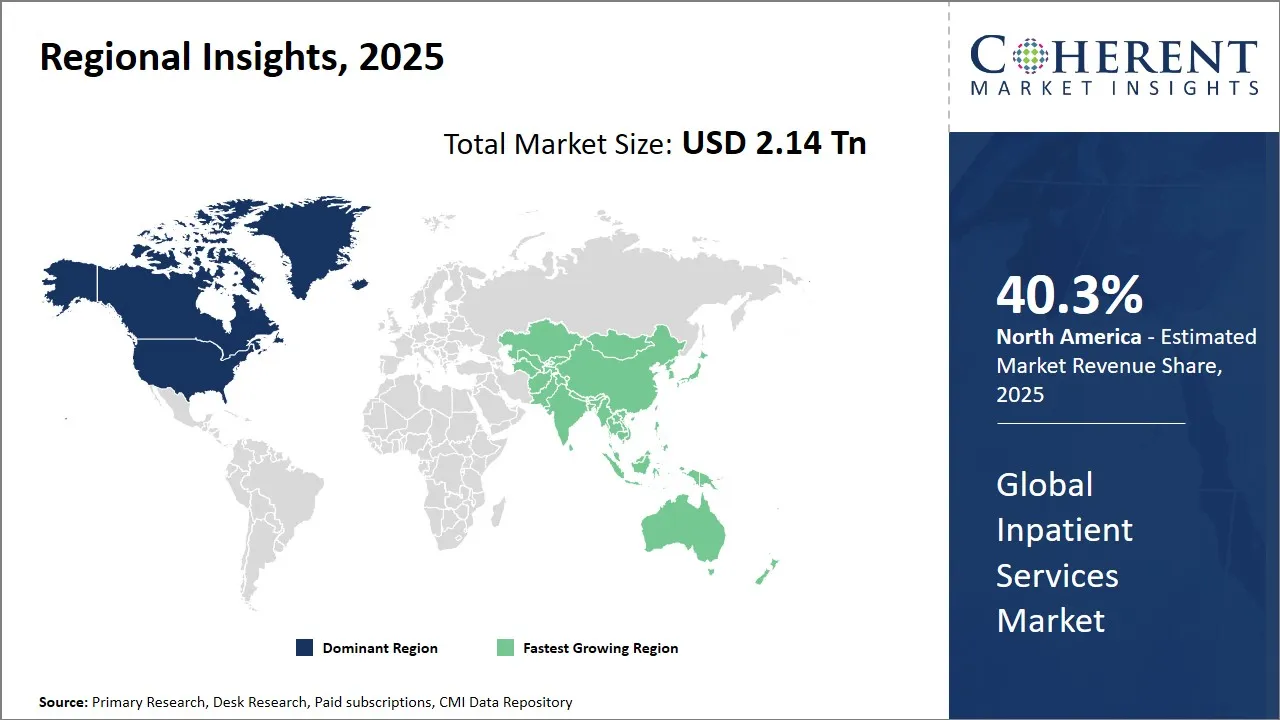
North America Inpatient Services Market Analysis and Trends
The North America region is projected to lead the market with a 40.3% share in 2026 due to substantial government and private sector investments and established industry presence. The U.S. and Canada benefit from advanced hospital networks, widespread insurance coverage, and continuous innovation in healthcare delivery. Government policies such as the Affordable Care Act in the U.S. encourage increased access to inpatient care, while regulatory frameworks emphasize quality and patient safety. A mature ecosystem supports collaborations between healthcare providers, technology companies, and pharmaceutical firms, fostering integrated inpatient services.
For instance, in June 2026, Encompass Health Corp a leading U.S. provider of post-acute healthcare services, announced plans to build a new 50-bed inpatient rehabilitation hospital in North Las Vegas Nevada offering specialized inpatient services for patients recovering from strokes brain and spinal cord injuries amputations and complex orthopedic conditions with 24-hour nursing care and therapies aimed at restoring independence and quality of life.
Asia Pacific Inpatient Services Market Analysis and Trends
The Asia Pacific region is expected to exhibit the fastest growth in the global inpatient services market driven by rapid urbanization with a share of 25.2% in 2026, expanding middle-class populations, and increasing healthcare expenditure in countries such as China, India, and Southeast Asian nations. Government initiatives aiming to expand healthcare infrastructure and improve rural access have accelerated the development of inpatient facilities. The market ecosystem is evolving with rising foreign direct investments, healthcare reforms, and public-private partnerships. The presence of international hospital chains along with growing domestic healthcare providers fuels competition and service quality enhancements.
Global Inpatient Services Market Outlook for Key Countries
U.S. Inpatient Services Market Analysis and Trends
The U.S. inpatient services market is characterized by a complex healthcare ecosystem supported by advanced medical technologies and extensive inpatient care facilities. Major players such as HCA Healthcare and Tenet Healthcare lead through large hospital networks and investment in digital health, improving patient management and operational efficiency. Regulatory oversight from bodies like the Centers for Medicare & Medicaid Services ensures service quality and reimbursement structures incentivizing care improvements. Innovation in inpatient services includes telehealth integration and data analytics to enhance clinical decision-making and patient outcomes.
In March 2026, Royal Philips, a global health technology leader, expanded its partnership with Ibex Medical Analytics, an AI-focused pathology company, to enhance AI-enabled digital pathology workflows that also support inpatient services. Through Philips’ IntelliSite Pathology Solution combined with Ibex’s AI tools for cancer diagnostics, pathology labs can achieve up to 37% productivity gains, improving accuracy and efficiency in diagnosing prostate, breast, and gastric cancers while helping clinicians meet rising the demand with greater confidence and better patient care.
China Inpatient Services Market Analysis and Trends
China inpatient services market is rapidly evolving due to significant government initiatives like the Healthy China 2030 plan, aimed at expanding healthcare access and infrastructure. Local companies such as China Resources Medical Holdings are instrumental in scaling hospital networks, particularly in tier 2 and tier 3 cities. There is a rising emphasis on specialty care and adoption of smart hospital technologies, driven by digital health policies and growing patient awareness.
In May 2026, Tsinghua University, a leading Chinese research institution, launched Agent Hospital the world’s first fully AI-powered medical system that also has potential applications for inpatient services. Built on the MedAgent-Zero framework from Tsinghua’s Institute for AI Industry Research, the virtual hospital features 42 AI doctors across 21 departments capable of simulating complete patient journeys, training medical systems, and treating thousands of virtual patients in days.
India Inpatient Services Market Analysis and Trends
India continues to lead the inpatient services market through a combination of private sector dynamism and supportive government healthcare schemes. Apollo Hospitals and Fortis Healthcare dominate with expansive hospital chains offering multi-specialty inpatient services. The government's Ayushman Bharat health insurance scheme plays a critical role in increasing affordability and access to inpatient care, especially in underserved rural areas. Telemedicine and digital hospital initiatives are progressively improving service delivery, while partnerships with international healthcare providers enhance expertise and technological adoption.
In October 2023, Aster DM Healthcare, a major global healthcare provider, inaugurated the 506-bed Aster Whitefield Hospital in Bangalore, India, offering multi-super-specialty inpatient and comprehensive medical services.
Germany Inpatient Services Market Analysis and Trends
Germany inpatient services market benefits from a robust healthcare system characterized by statutory health insurance and comprehensive inpatient care coverage. Leading companies such as Helios Kliniken and Asklepios Kliniken operate extensive hospital networks that emphasize quality, efficiency, and patient safety. Government regulations foster innovation in inpatient care, particularly in geriatric and chronic disease management. The strong industry presence of medical device manufacturers and pharmaceutical companies complements hospital services, supporting integrated patient care pathways.
In December 2024, Sweco, a European leader in architecture and engineering, secured major hospital contracts in Germany to enhance inpatient services. The company will design a new parent-child medical care centre at University Medical Center Göttingen one of Germany’s largest university hospitals with 1,600 beds and 40 specialties and will also expand and refurbish Martha-Maria Hospital in Nuremberg.
Market Players, Key Developments, and Competitive Intelligence
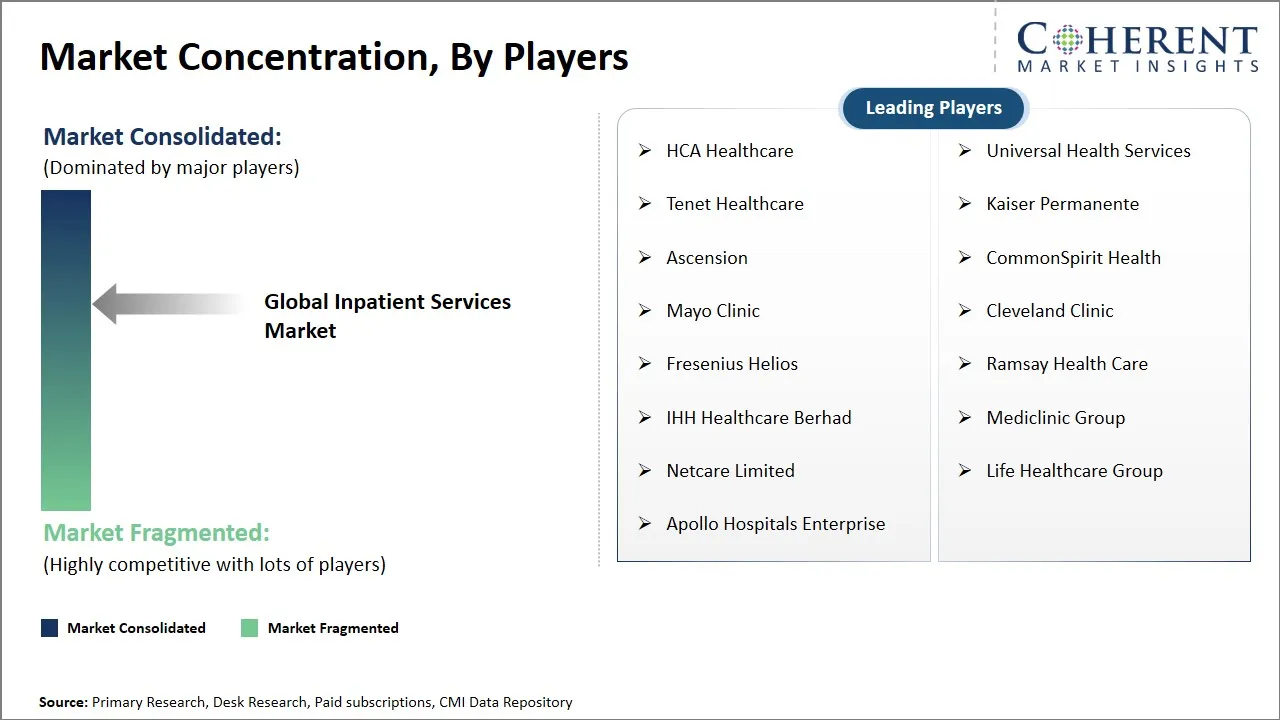
Key Developments
- On August 06, 2025, Amaha, India’s leading mental health services provider, opened the country’s first private super specialty mental health hospital in Thanisandra Bengaluru, India a 27-bed facility dedicated to inpatient services for moderate to severe psychiatric conditions including schizophrenia, bipolar disorder, trauma, depression, ADHD, and deaddiction.
- In July 2025, Even Healthcare, an India-based managed care provider, launched its first 70-bed Even Hospital in Central Bengaluru on Race Course Road, bringing a fresh approach to inpatient services with coordinated care, outcome-based doctor compensation, and digital integration. The hospital focuses on reducing unnecessary admissions, offering specialist care in orthopaedics, ENT, obstetrics, gynaecology, general surgery, internal medicine, critical care, and chronic disease management while ensuring smoother recovery and follow-up, positioning the company as a new player reshaping India’s healthcare delivery.
- In January 2025, UniHealth UMC Hospitals Group, a healthcare provider with a growing international presence, announced the launch of its first multi-specialty hospital in Navi Mumbai Maharashtra offering a wide range of inpatient services designed to improve access to quality care. The new facility marks UniHealth’s entry into the Indian hospital sector and reflects its commitment to expanding integrated healthcare delivery for local communities.
- In June 2025, Mayo Clinic, a leading U.S. nonprofit medical center, partnered with Hellocare, a U.S.-based health tech firm, to bring AI-assisted virtual care into its Florida campus improving inpatient services by easing clinician workload streamlining admissions and discharge and enhancing connected patient care.
Top Strategies Followed by Global Inpatient Services Market Players
- Established players dominate the market by heavily investing in research and development (R&D) to innovate high-performance inpatient care products and services. These investments enable them to introduce advanced technologies and integrated solutions that improve patient outcomes and operational efficiency for healthcare facilities. Additionally, these industry leaders form strategic partnerships and alliances with major stakeholders, including original equipment manufacturers (OEMs) and healthcare systems, to solidify their presence and leverage shared expertise.
- In November 2024, UF Health Shands Hospital, a leading academic medical center in Gainesville, launched its Hospital at Home program offering inpatient services for conditions like COVID-19 pneumonia and heart failure in the comfort of patients’ homes combining hospital-level monitoring and physician oversight with faster recovery and reduced infection risk while freeing up hospital beds for those needing on-site care.
- Mid-level players in the global inpatient services market adopt a distinct strategy focused on delivering cost-effective solutions that strike a balance between quality and affordability. This segment targets price-sensitive consumers, including smaller hospitals and clinics in both developing and mature markets, where budget constraints often limit access to premium services.
- In November 2024, Centers for Medicare & Medicaid Services (CMS) reported that its Acute Hospital Care at Home program, now part of the U.S. inpatient services market, delivers lower mortality, reduced post-discharge costs, and high patient satisfaction. Supported by the American Medical Association, the initiative with 350+ hospitals across 39 states is reshaping inpatient services by enabling safe, cost-effective hospital-level care at home.
- Small-scale players carve out their market niche by focusing on specialized features or highly innovative products tailored to specific inpatient care needs. Their agility allows them to quickly adopt cutting-edge technologies and differentiate themselves in the crowded market through unique value propositions, such as bespoke monitoring devices, telehealth solutions, or AI-driven patient management systems.
- In April 2024, UCSF Health, a leading U.S. academic medical center, opened a new USD 4.3 billion 15-story hospital in San Francisco equipped with advanced robotics, surgical technologies, and diagnostics.
Market Report Scope
Inpatient Services Market Report Coverage
| Report Coverage | Details | ||
|---|---|---|---|
| Base Year: | 2025 | Market Size in 2026: | USD 2.23 Tn |
| Historical Data for: | 2020 To 2024 | Forecast Period: | 2026 To 2033 |
| Forecast Period 2026 to 2033 CAGR: | 4.1% | 2033 Value Projection: | USD 2.950 Tn |
| Geographies covered: |
| ||
| Segments covered: |
| ||
| Companies covered: | HCA Healthcare, Universal Health Services, Tenet Healthcare, Kaiser Permanente, Ascension, CommonSpirit Health, Mayo Clinic, Cleveland Clinic, Fresenius Helios, Ramsay Health Care, IHH Healthcare Berhad, Mediclinic Group, Netcare Limited, Life Healthcare Group, and Apollo Hospitals Enterprise | ||
| Growth Drivers: |
| ||
| Restraints & Challenges: |
| ||
Inpatient Services Market Dynamics
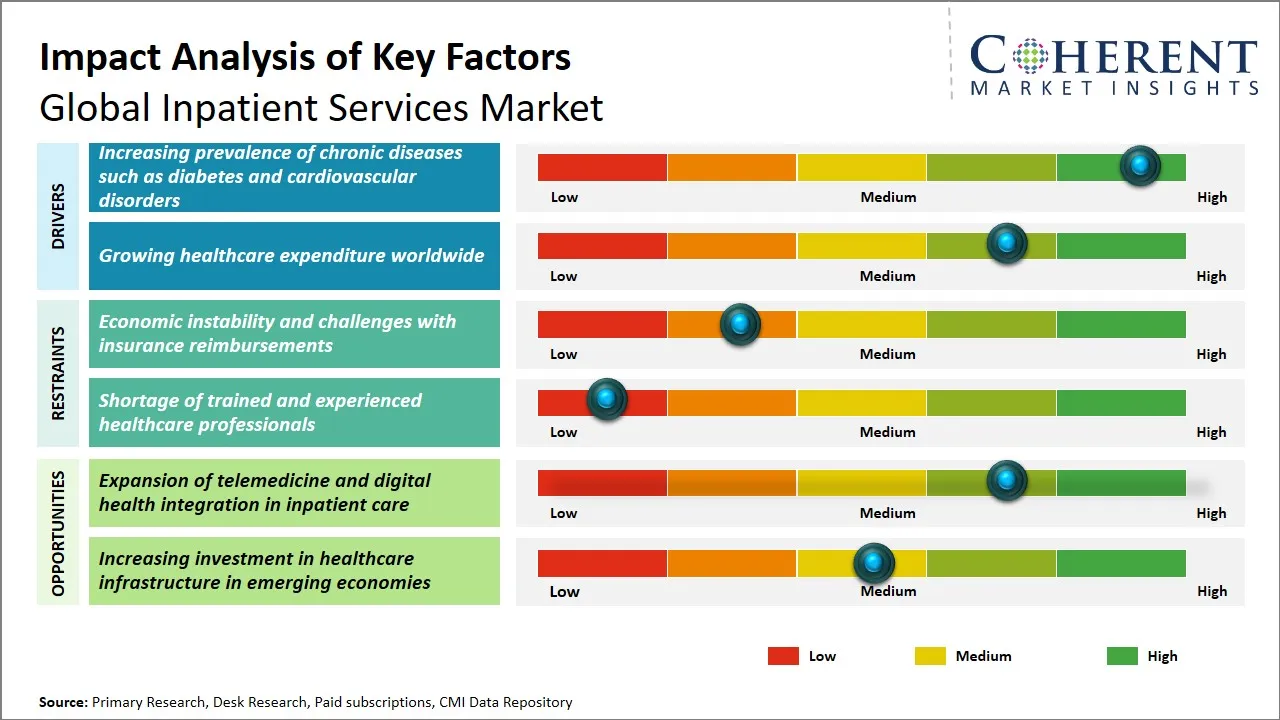
Inpatient Services Market Driver - Increasing Prevalence of Chronic Diseases such as Diabetes and Cardiovascular Disorders
The escalating prevalence of chronic diseases such as diabetes and cardiovascular disorders is a significant driver propelling the demand for inpatient services globally. As these long-term health conditions often require continuous monitoring, specialized medical interventions, and acute care during exacerbations or complications, healthcare systems are witnessing an increased utilization of inpatient facilities. The complex nature of managing chronic illnesses necessitates frequent hospital admissions for procedures like insulin therapy adjustments, cardiac surgeries, or management of related complications such as strokes and kidney failure. Additionally, aging populations and lifestyle changes leading to sedentary habits and poor dietary patterns contribute to the surge in chronic disease cases, thereby intensifying the need for comprehensive inpatient care. Hospitals are consequently investing in infrastructure and specialized units to cater to these patients, further emphasizing the critical role inpatient services play in managing chronic disease burdens.
In November 2024, according to the WHO, the global burden of chronic diseases is rising sharply, with diabetes cases increasing from 200 million in 1990 to 830 million in 2022, more than half of whom did not receive medication last year, especially in low- and middle-income countries. Diabetes remains a leading cause of blindness, kidney failure, heart attack, stroke, and amputations, contributing to over 2 million deaths in 2021. Cardiovascular diseases are the world’s top killer, responsible for 19.8 million deaths in 2022—85% from heart attacks and strokes disproportionately affecting poorer nations. Experts stress that healthier diets, regular physical activity, reduced tobacco and alcohol use, and early detection remain the most effective tools to curb the growing prevalence of these chronic disorders.
Inpatient Services Market Opportunity - Expansion of Telemedicine and Digital Health Integration in Inpatient Care
The integration of telemedicine and digital health technologies into inpatient services presents a significant growth opportunity within the global inpatient services market. The increasing adoption of telehealth platforms facilitates continuous patient monitoring, real-time consultations, and enhanced communication between healthcare professionals and patients, thereby improving the overall quality and efficiency of inpatient care. Digital health tools such as Remote Patient Monitoring (RPM) devices, Electronic Health Records (EHRs), and mobile health applications are enabling hospitals to streamline workflows and deliver personalized treatment plans while reducing hospital readmissions and length of stay.
In December 2024, OSF HealthCare, a leading health system, joined the American Telemedicine Association’s Center of Digital Excellence with Mayo Clinic Intermountain Health Stanford Health Care UPMC and others to advance digital care in inpatient services by setting best practices and improving access.
Analyst Opinion (Expert Opinion)
- The inpatient services market continues to evolve under the influence of multiple growth drivers. Rising the demand for advanced healthcare infrastructure, combined with steady regulatory support for hospital expansion and patient safety standards, significantly boosted the sector. At the same time, technological advancements such as electronic health records, AI-powered diagnostic systems, and telehealth integration have improved efficiency and patient outcomes. Yet, the market also faces challenges like staffing shortages, high operational costs, and the pressure to adapt to shifting reimbursement models.
- Emerging opportunities are visible in the expansion of public–private partnerships and the rise of value-based care models, which are shaping new ways for providers to align quality with affordability. Events such as the World Hospital Congress, HIMSS Global Health Conference, and the International Forum on Quality and Safety in Healthcare over the last few years have played a vital role in bringing together stakeholders, sharing innovations, and setting benchmarks that continue to influence global hospital strategies.
- Several real-world initiatives are already reshaping the market landscape. For instance, government-backed programs in the U.S. and Europe that incentivize digital transformation in hospitals are encouraging adoption of AI and electronic health record upgrades. Similarly, pilot projects in Asia that test integrated inpatient–outpatient pathways are improving continuity of care and setting examples for broader rollout. Companies are also collaborating with healthcare systems to launch specialized centers of excellence focused on chronic diseases and surgical specialties, helping address rising patient volumes while improving outcomes. These developments, along with policy frameworks emphasizing accessibility and quality, underline how the inpatient services market is steadily moving toward a more patient-centered, technology-enabled, and globally interconnected future.
Speak to the analyst
Want personalized insights?
Take the findings above to one of our principal consultants, or have the report rebuilt around the segments, geographies and competitors you actually track.
Market Segmentation
- Service Type Insights (Revenue, USD Tn, 2021 - 2033)
- General Medicine and Internal Medicine
- Surgical Services
- Maternity and Obstetrics Services
- Pediatric and Neonatal Care
- Psychiatric and Mental Health Services
- Rehabilitation and Post-Acute Care
- Intensive Care/Critical Care Services
- Other Services
- Ownership Type Insights (Revenue, USD Tn, 2021 - 2033)
- Private/Independent Hospitals
- Public/Government Hospitals
- Non-Profit/Charitable Hospitals
- Length Of Stay Insights (Revenue, USD Tn, 2021 - 2033)
- Short-Term Stay (≤30 days)
- Long-Term Stay (30 days)
- Care Intensity Insights (Revenue, USD Tn, 2021 - 2033)
- Tertiary Care
- Quaternary Care
- Secondary Inpatient Care (non-tertiary)
- Condition Insights (Revenue, USD Tn, 2021 - 2033)
- Cardiovascular Disorders
- Oncology
- Orthopedic Disorders
- Neurological Disorders
- Respiratory Disorders
- Gastrointestinal Disorders
- Others (e.g., Infectious Diseases, Psychotic Disorders)
- Patient Age Group Insights (Revenue, USD Tn, 2021 - 2033)
- Neonatal (0–28 days)
- Pediatric (29 days–17 years)
- Adult (18–64 years)
- Geriatric (≥65 years)
- Facility Type Insights (Revenue, USD Tn, 2021 - 2033)
- General Hospitals
- Specialty Hospitals
- Teaching and Academic Hospitals
- Community Hospitals
- Regional Insights (Revenue, USD Tn, 2021 - 2033)
- North America
- U.S.
- Canada
- Latin America
- Brazil
- Argentina
- Mexico
- Rest of Latin America
- Europe
- Germany
- U.K.
- Spain
- France
- Italy
- Russia
- Rest of Europe
- Asia Pacific
- China
- India
- Japan
- Australia
- South Korea
- ASEAN
- Rest of Asia Pacific
- Middle East
- GCC Countries
- Israel
- Rest of Middle East
- Africa
- South Africa
- North Africa
- Central Africa
- North America
- Key Players Insights
- HCA Healthcare
- Universal Health Services
- Tenet Healthcare
- Kaiser Permanente
- Ascension
- CommonSpirit Health
- Mayo Clinic
- Cleveland Clinic
- Fresenius Helios
- Ramsay Health Care
- IHH Healthcare Berhad
- Mediclinic Group
- Netcare Limited
- Life Healthcare Group
- Apollo Hospitals Enterprise
Sources
Primary Research Interviews
- Industry Stakeholders list
- Hospital Administrators
- Medical Directors
- End Users list
- Inpatients and their Families
- Nursing Staff
Government and International Databases
- World Health Organization (WHO)
- World Bank Health Data
- Organization for Economic Co-operation and Development (OECD) Health Statistics
- Centers for Medicare & Medicaid Services (CMS)
- National Health Service (NHS) Digital (UK)
- Indian Ministry of Health and Family Welfare
Trade Publications
- Becker’s Hospital Review
- Modern Healthcare
- HealthCare Business News
- Hospital Management Magazine
- Healthcare IT News
- Medical Buyer
Academic Journals
- The Lancet
- Journal of the American Medical Association (JAMA)
- Health Affairs Journal
- British Medical Journal (BMJ)
- International Journal of Health Services
- BMC Health Services Research
Reputable Newspapers
- The New York Times – Health Section
- The Guardian – Healthcare Coverage
- Financial Times – Health Industry Reports
- The Washington Post – Health Policy Reports
- The Hindu – Health & Medicine Section
- Reuters Health
Industry Associations
- American Hospital Association (AHA)
- European Hospital and Healthcare Federation (HOPE)
- International Hospital Federation (IHF)
- Federation of Indian Chambers of Commerce and Industry (FICCI) Health Services
- Healthcare Financial Management Association (HFMA)
- World Medical Association (WMA)
Public Domain Resources
- National Center for Biotechnology Information (NCBI)
- United Nations Health Reports
- U.S. National Library of Medicine
- OpenWHO Platform
- Global Health Observatory (GHO)
Proprietary Elements
- CMI Data Analytics Tool: Proprietary analytics tool to analyze real-time market trends, consumer behavior, and technology adoption in market
- Proprietary CMI Existing Repository of Information for Last 8 Years
Get access to 250+ pages report
Every segment, forecast, competitor profile and data table behind the analysis above — available for instant download.
- ESOMAR Member
- ISO 9001:2015 Certified
- D-U-N-S Registered
- GDPR & CCPA Compliant
Missing comfort of reading report in your local language? Find your preferred language:
Transform your Strategy with Exclusive Trending Reports
Frequently Asked Questions
The global inpatient services market is estimated to be valued at USD 2.23 Tn in 2026 and is expected to reach USD 2.950 Tn by 2033.
The CAGR of the global inpatient services market is projected to be 4.1% from 2026 to 2033.
Increasing prevalence of chronic diseases such as diabetes and cardiovascular disorders and growing healthcare expenditure worldwide are the major factors driving the growth of the global inpatient services market.
Economic instability and challenges with insurance reimbursements and shortage of trained and experienced healthcare professionals are the major factors hampering the growth of the global inpatient services market.
In terms of service type, the general medicine and internal medicine segment is estimated to dominate the market revenue share in 2026.
HCA Healthcare, Universal Health Services, Tenet Healthcare, Kaiser Permanente, Ascension, CommonSpirit Health, Mayo Clinic, Cleveland Clinic, Fresenius Helios, Ramsay Health Care, IHH Healthcare Berhad, Mediclinic Group, Netcare Limited, Life Healthcare Group, and Apollo Hospitals Enterprise are the major players.
North America is expected to lead the global inpatient services market in 2026.