

Global Insulin Aspart Market Size and Forecast – 2026 to 2033
The Global Insulin Aspart Market is estimated to be valued at USD 3.23 Bn in 2026 and is expected to reach USD 4.11 Bn by 2033, exhibiting a compound annual growth rate (CAGR) of 3.5% from 2026 to 2033. This steady growth reflects the increasing prevalence of diabetes worldwide alongside advancements in insulin formulations and delivery methods that enhance patient compliance and glycemic control.
Key Takeaways of the Global Insulin Aspart Market
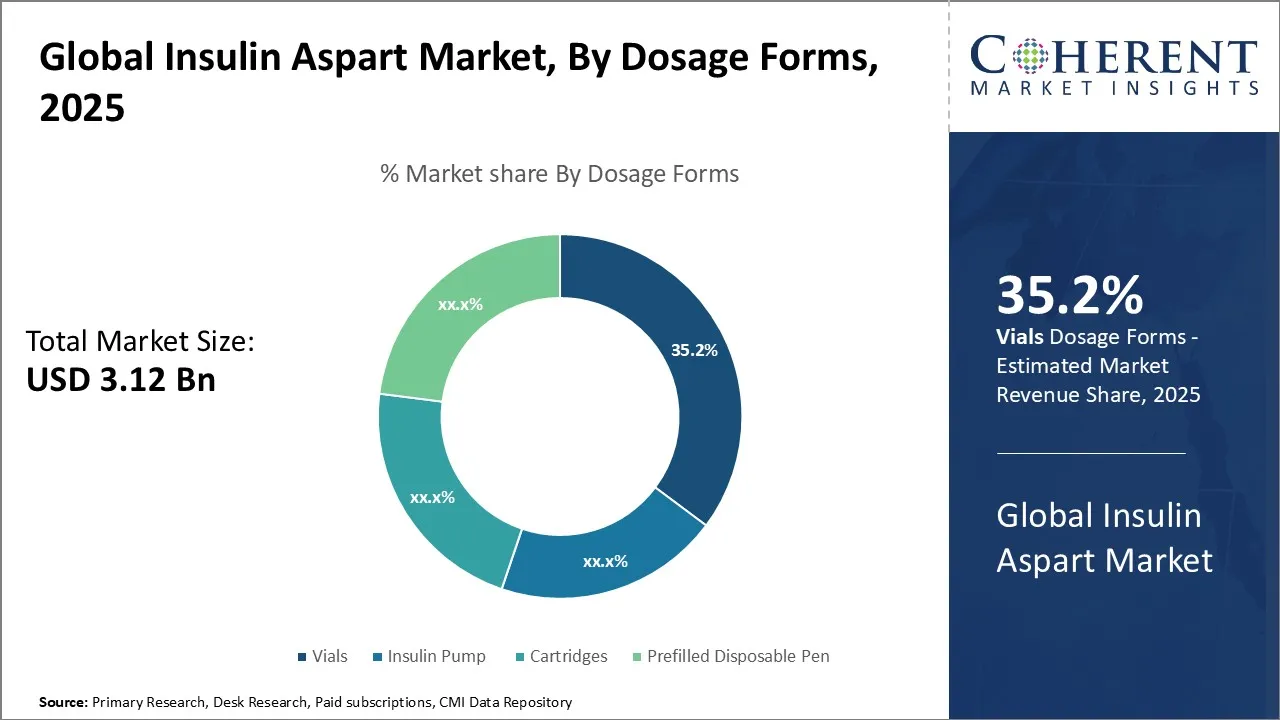
- In the global insulin aspart market, vials are expected to dominate the dosage form segment, capturing 36.2 % of the market share in 2026.
- Diabetes Mellitus, including both Type 1 and Type 2 cases, is expected to hold the largest share in the market's indication segment, with a full 59.3% share in 2026.
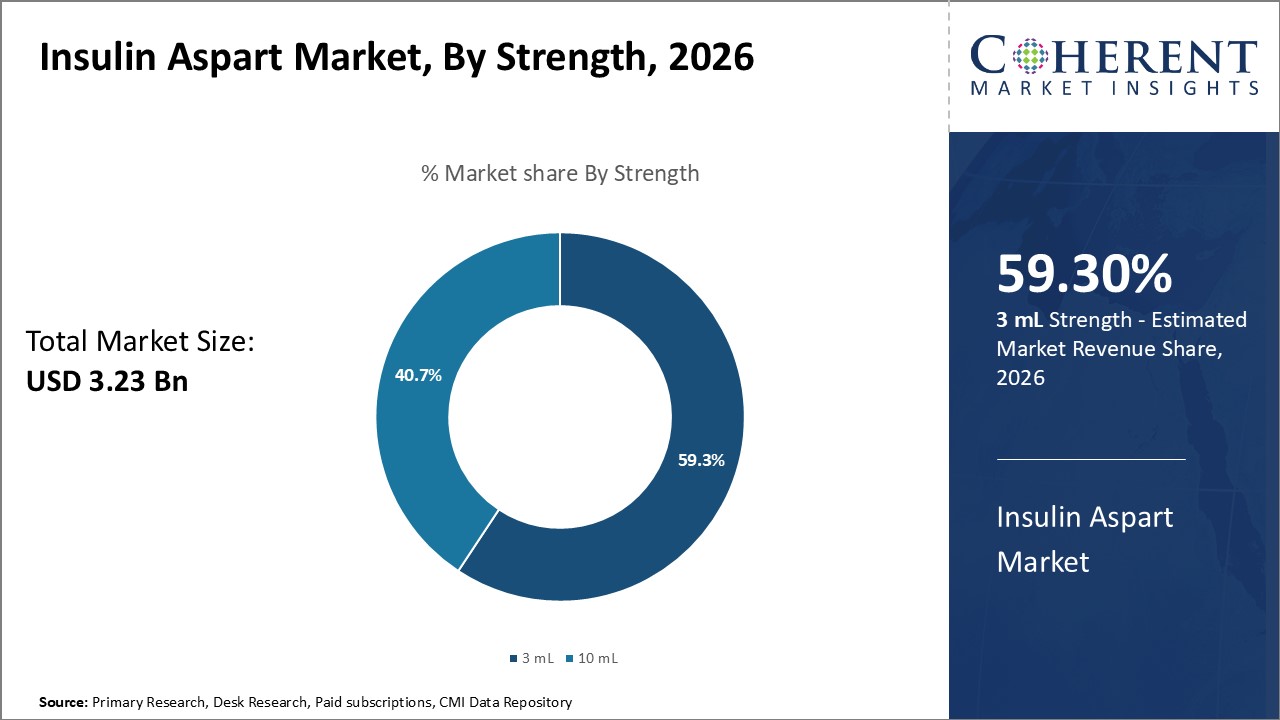
- The 3 mL strength segment of Insulin Aspart is projected to lead, holding 58.3 % of the market share in 2026.
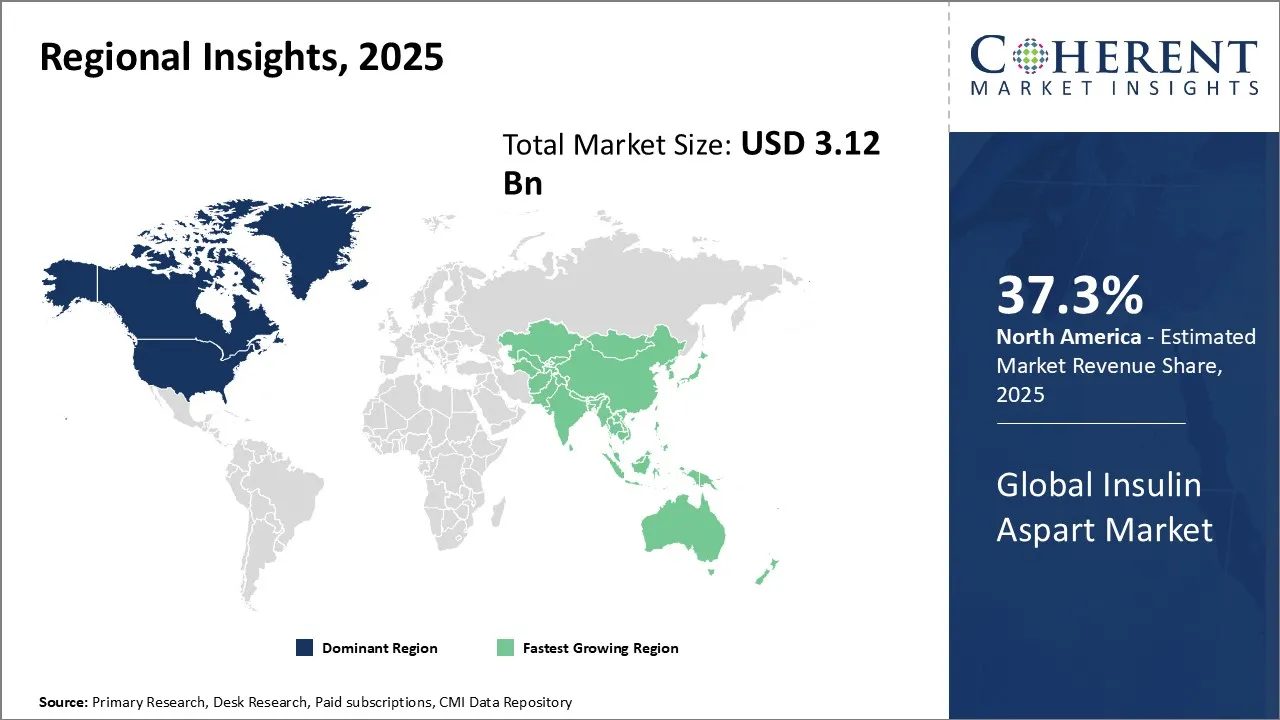
- North America is expected to lead the market, holding a share of 37. 3% in 2026. Asia Pacific is anticipated to be the fastest-growing region, with a market share of 24.3% in 2026.
Market Overview
Market trends indicate a shift towards innovative insulin delivery technologies such as insulin pumps and smart pens, improving dosing accuracy and convenience. Additionally, rising awareness about diabetes management and growing adoption of biosimilar insulin aspart products are shaping demand. The focus on personalized treatment and integration of digital health solutions is further transforming the insulin aspart market, driving sustained growth in both developed and emerging economies.
Current Events and Its Impact
Current Events | Description and its impact |
Regulatory approvals for biosimilar insulin aspart products in key markets such as the U.S. and China. |
|
Technological Integration (Smart Pens/Digital Health) |
|
Segmental Insights
- Current Industry Events of 2026
- Market Size Estimation
- Regional Breakdown
- Competitive Landscape
- Customer Intelligence
- Segmental Analysis
- Pricing Analysis
- Key Market Drivers, Challenges & Future Trends
- Customized Insights Section
Insulin Aspart Market Insights, By Dosage Forms - Vials lead owing to their cost-effectiveness and adaptability in clinical and home settings
In the global insulin aspart market, vials dominate the dosage form segment with an estimated share of 36.2% in 2026 primarily due to their economic advantages and established acceptance among patients and healthcare providers. Vials offer a more affordable option compared to advanced delivery systems like insulin pumps or prefilled disposable pens, making them highly accessible, especially in regions with constrained healthcare budgets or developing markets. This cost efficiency enables broader patient reach, particularly for long-term insulin users who require consistent and reliable dosing over extended periods.
Moreover, vials provide flexibility in dosage administration. Healthcare practitioners can tailor doses precisely using syringes with vials, which is particularly useful for patients requiring customized insulin regimens. Patients who are comfortable drawing doses themselves often prefer vials for this reason. This adaptability is crucial in managing diverse insulin requirements among individuals with varying severity and progression of diabetes.
For instance, in July 2025, a study was published by Journal of Diabetes Research and Clinical Practice according to which, an estimated 9.5 million people worldwide will have type 1 diabetes (T1D), including 1.85 million under 20 years old. Around 513,000 new cases are expected, with 174,000 premature deaths, many due to undiagnosed cases by 2025. The T1D population is projected to reach 14.7 million by 2040. The data highlights the growing global burden of T1D, especially in lower-income countries, stressing the need for better diagnosis and care.
Insulin Aspart Market Insights, By Indication - Diabetes Mellitus maintains dominance driven by the rising global prevalence and increasing awareness about insulin management
Diabetes Mellitus, encompassing both Type 1 and Type 2 cases, is projected to account for the largest share within the global insulin aspart market indication segment with a complete share of 59.3% in 2026. The primary factor propelling this dominance is the relentless global increase in diabetes prevalence, fueled by changing lifestyles, urbanization, and aging populations. Insulin Aspart is a critical therapy in managing blood glucose levels across this broad patient population, serving as a cornerstone treatment for both Type 1 diabetes and insulin-requiring Type 2 diabetes patients.
Increasing awareness about early diagnosis and effective management of diabetes has heightened demand for insulin therapies. Patients and healthcare providers are more informed regarding glycemic control implications, leading to more proactive use of insulin formulations like Insulin Aspart. This has boosted adoption rates as physicians trust rapid-acting insulin analogs to manage postprandial glucose spikes, thereby minimizing complications associated with chronic hyperglycemia.
Insulin Aspart Market Insights, By Strength - 3 mL formulations dominate owing to convenience in dosing and widespread compatibility with insulin delivery devices
The 3 mL strength segment of Insulin Aspart enjoys the largest share primarily because it balances patient convenience and dosing accuracy with an estimated share of 59.3% in 2026. This dosage size is widely recognized as optimal for individual patient needs, enabling manageable insulin volume administration per injection. Its compatibility spans across multiple delivery forms, including prefilled pens and cartridges, enhancing the usability and acceptance among patients who prefer ready-to-use insulin doses without the need for manual syringe preparation.
Patients favor 3 mL formulations as they fit well with portable and discreet delivery devices, contributing to better flexibility in insulin administration routines. The size supports ease of transport and storage, aspects that are crucial for active patients and those managing diabetes on a daily basis outside clinical environments. Additionally, 3 mL Insulin Aspart cartridges facilitate seamless pen refill processes, improving adherence by simplifying the injection regimen.
Pricing Analysis of Insulin Aspart
- The pricing landscape for NovoLog (insulin aspart) and its variants reflects significant variability influenced by healthcare policies and market conditions. In the U.S., a 10 ml vial of NovoLog costs approximately USD 98.70, with ReliOn NovoLog insulin starting at USD 73 for rapid-acting mealtime use. Additionally, ReliOn NovoLog 70/30, a combination of rapid- and intermediate-acting insulin, is also priced from USD 73. Furthermore, ReliOn Novolin N, a no-prescription-required insulin, is available starting at just USD 25. This range illustrates the diverse options available for patients, catering to different needs and budgets, while emphasizing the impact of local regulations and the availability of no-prescription insulin options.
- Several critical factors influence the pricing structure of NovoLog and its variants. High production costs associated with biologic drugs contribute to elevated prices compared to traditional medications. The initial high pricing was supported by patent exclusivity, limiting competition. However, as patents expire and biosimilars become available, prices are expected to decline, potentially by as much as 50% by 2032. Insurance coverage plays a significant role in affordability, with variations based on how the drug is classified either as a pharmacy benefit or medical benefit. These dynamics, along with regulatory pricing controls and market demand, will continue to shape the pricing strategies for NovoLog and its related products in various regions.
Regional Insights
North America Insulin Aspart Market Analysis and Trends
North America’s dominance in the global insulin aspart market, with an estimated share of 37.3% in 2026, is driven by a well-established healthcare infrastructure, advanced research capabilities, and a strong presence of major pharmaceutical companies. The region benefits from supportive government policies that facilitate the approval and reimbursement of advanced insulin therapies, including insulin aspart. Additionally, the high prevalence of diabetes and growing awareness about novel treatment options fuel consistent demand. The market ecosystem is bolstered by collaboration between biotech firms, healthcare providers, and payers, which helps in the quick adoption of innovative products. Prominent companies such as Novo Nordisk and Eli Lilly have a significant footprint here, contributing through extensive clinical trials, product innovations, and patient support programs.
For instance, in May 2024, the National Diabetes Statistics Report revealed that in 2021, 38.4 million Americans (11.6% of the population) had diabetes, with 8.7 million adults unaware of their condition. Among U.S. adults, 14.7% have diabetes, and the prevalence rises with age, reaching 29.2% in those aged 65 and older. This report provides essential data to guide efforts in diabetes prevention and management and is regularly updated to reflect the latest findings.
Asia Pacific Insulin Aspart Market Analysis and Trends
The Asia Pacific region is expected to exhibit the fastest growth trajectory in the global insulin aspart market with a share of 24.3% in 2026. This can be attributed to rising diabetes prevalence, increasing healthcare spending, expanding healthcare infrastructure, and improving accessibility to insulin therapies. Governments in countries like China, India, and Japan are actively promoting diabetes management programs and improving pharmaceutical supply chains. Additionally, favorable trade dynamics and regulatory harmonization within the region have accelerated product approvals and distribution channels. Companies like Novo Nordisk, Sanofi, and Wockhardt are expanding manufacturing capabilities and forming strategic alliances to cater to the growing patient base. Rapid urbanization and increasing patient awareness also play crucial roles in driving market growth here.
In November 2023, USV Pvt Ltd, a leading pharmaceutical company in India, partnered with Biogenomics to launch INSUQUICK, India’s first biosimilar Insulin Aspart. This product aims to improve access to insulin for people with diabetes in India, where 11.4% of the adult population, or about USD 101 million people, live with diabetes. INSUQUICK is developed using 100% indigenous technology and has undergone rigorous clinical testing to meet global quality standards.
Global Insulin Aspart Market Outlook for Key Countries
U.S. Insulin Aspart Market Trends
The U.S. insulin aspart market remains pivotal in shaping the global landscape of insulin aspart due to its advanced medical ecosystem and extensive R&D investments. Major players like Novo Nordisk and Eli Lilly dominate with a broad portfolio of insulin products and patient-centric programs, including digital health initiatives that enhance treatment adherence. Regulatory bodies maintain rigorous standards ensuring safety and efficacy, which encourages innovation. The U.S. insulin aspart market benefits from strong insurance frameworks, though pricing pressures and reimbursement policies continue to influence market strategies by key companies.
In March 2023, Novo Nordisk, a global leader in diabetes care, announced on March 14, 2023, that it will lower the U.S. list prices of several insulin products, including Levemir, Novolin, NovoLog, and NovoLog Mix 70/30, by up to 75% starting January 1, 2024. This price reduction applies to both pre-filled pens and vials of basal, bolus, and pre-mix insulins. In addition, the list price of unbranded biologics will also be reduced to match the lowered price of the branded insulins.
Germany Insulin Aspart Market Trends
Germany’s insulin aspart market is marked by robust healthcare infrastructure and a high standard of patient care, supported by government initiatives prioritizing diabetes management. The presence of numerous pharmaceutical and biotech firms, including regional offices of global companies such as Sanofi and Novo Nordisk, strengthens market dynamics. A global healthcare leader, Sanofi has a strong presence in Germany, offering insulin products including Insulin Aspart through its German offices.
The company plays a pivotal role in providing access to high-quality diabetes management treatments. The country’s efficient regulatory environment and reimbursement system ensure timely access to insulin aspart therapies. Additionally, Germany’s emphasis on personalized medicine and integrated care models further propels the adoption of advanced insulin products.
China Insulin Aspart Market Trends
China’s rapid healthcare modernization and government-led initiatives to combat the rising diabetes burden have elevated its position in the insulin aspart market. The country sees significant involvement from global leaders like Novo Nordisk and Sanofi, alongside growing local companies investing in biosimilar development. Improvements in healthcare insurance coverage and expanding distribution networks allow greater patient access. Regulatory reforms aimed at accelerating drug approvals contribute to faster market entry of innovative insulin therapies.
In August 2024, Sihuan Pharmaceutical Holdings Group Ltd., a Chinese company, announced that its incubated subsidiary, Huisheng Biopharmaceutical, has developed the first domestic Insulin Degludec and Insulin Aspart Injection (Huiyoujia). The product has received drug registration approval from the National Medical Products Administration (NMPA), marking the debut of a domestic biosimilar for these insulin formulations.
India Insulin Aspart Market Analysis
The India insulin aspart market is estimated to be valued at USD 264.6 Mn in 2026 and is expected to reach USD 347.1 Mn by 2032, exhibiting a compound annual growth rate (CAGR) of 4.0% from 2026 to 2032.
Market Trends
India’s insulin aspart market is characterized by a mix of challenges and opportunities, including affordability concerns and diverse patient needs. The government’s push for expanded healthcare access and chronic disease management programs underpin market growth. Major multinational corporations like Novo Nordisk and Sanofi have partnered with local pharmaceutical companies such as Wockhardt, enhancing manufacturing and distribution capabilities. Strategic pricing models and increased physician education initiatives assist in widening adoption. The rising urban diabetic population and rapidly improving healthcare infrastructure create a favorable environment for market expansion.
In October 2024, Wockhardt Ltd., a global pharmaceutical and biotechnology company, filed its fast-acting insulin analog, Aspart injection (ASPARAPIDTM), with the Drugs Controller General of India (DCGI). This marks a key step in the company’s effort to tackle the rising diabetes epidemic in India and globally. With over 77 million people affected by diabetes in India, Wockhardt aims to enhance accessibility to high-quality diabetes care through its domestically developed product.
Market Players, Key Developments, and Competitive Intelligence
Key Developments
- On July 15, 2025, Biocon Biologics Ltd., a fully integrated global biosimilars company and a subsidiary of Biocon Ltd, received the U.S. FDA approval for Kirsty (Insulin Aspart-xjhz), the first and only interchangeable rapid-acting insulin biosimilar to NovoLog in the U.S. Kirsty is indicated for glycemic control in adults and pediatric patients with diabetes mellitus and will be available in a prefilled pen and multiple-dose vial.
- In April 2025, Julphar, a leading pharmaceutical company in the MENA region, officially launched its full portfolio of locally manufactured insulin analogues. This includes Insulin Aspart (rapid-acting), Insulin Aspart or Aspart Protamine (premixed), and Insulin Glargine (long-acting), designed to meet the diverse needs of diabetes patients.
- In March 2025, Biocon Biologics Ltd (BBL), a global biosimilars leader and subsidiary of Biocon Ltd, entered into a strategic collaboration with Civica, Inc., a not-for-profit pharmaceutical company focused on addressing drug shortages and affordability. The partnership aims to expand access to Insulin Aspart in the U.S.
- In February 2025, the U.S. Food and Drug Administration (FDA) approved Merilog (insulin-aspart-szjj), a biosimilar to NovoLog (insulin aspart), as the first rapid-acting insulin biosimilar for improving glycemic control in both adult and pediatric patients with diabetes. The U.S. FDA’s approval of biosimilar products aims to increase access to safe, effective, and affordable treatments, supporting a competitive marketplace and reducing the cost of insulin.
Top Strategies Followed by Global Insulin Aspart Market Players
- Established pharmaceutical giants dominate the market through substantial investments in research and development aiming to innovate and improve the efficacy, delivery mechanisms, and patient compliance of insulin aspart products. These companies often engage in strategic partnerships or collaborations with other major industry stakeholders, including original equipment manufacturers (OEMs), biotechnology firms, and healthcare providers, to enhance their product portfolios and accelerate time-to-market. Additionally, established players pursue aggressive global expansion strategies by broadening their distribution networks, thereby enabling deeper penetration into high-growth emerging markets such as Asia Pacific and Latin America.
- In May 2023, Gulf Pharmaceutical Industries (Julphar), one of the largest pharmaceutical manufacturers in the Middle East and Africa, has signed a strategic licensing and technology transfer agreement with Sunshine Lake Pharma. This collaboration marks a significant step for Julphar, as it becomes the first company to localize the manufacturing of Insulin Biosimilars, including Insulin Glargine (long-acting insulin) and Insulin Aspart (rapid-acting insulin), in the MENA (Middle East and North Africa) region.
- Mid-level players in the insulin aspart market are focusing on providing high-quality yet affordable insulin formulations, particularly for price-sensitive consumers in developing economies. These companies are strategically positioned between the premium offerings of established players like Sanofi and Novo Nordisk and the niche products of smaller firms, offering a balance that ensures accessibility while maintaining safety and effectiveness.
- In March 2022, Civica, Inc., a non-profit pharmaceutical company, which announced its plans to manufacture and distribute affordable insulins, including glargine, lispro, and aspart (biosimilars corresponding to Lantus, Humalog, and Novolog, respectively). By providing these products in both vials and prefilled pens, Civica aims to offer insulin at significantly lower prices, helping Americans with diabetes, particularly those who are uninsured or underinsured, access life-saving medications.
- Small-scale players in the insulin aspart market are carving out distinct niches by focusing on specialized features and innovative formulations tailored to specific patient needs or regional demands. These companies often utilize cutting-edge technologies such as advanced drug delivery systems, biosimilar development, and digital health integration to stand apart from larger competitors. Their agility enables them to adapt quickly to evolving regulatory landscapes and emerging healthcare trends, fostering innovation in areas that may be overlooked by bigger firms.
- In November 2021, Tonghua Dongbao Pharmaceutical Co., Ltd., a leading Chinese pharmaceutical company, won the bid for its insulin products in China's sixth round of volume-based procurement (VBP), released by the Joint Procurement Office (JPO) on November 26, 2021. The company's insulin products, including Human Insulin Injection, Insulin Glargine Injection, and Insulin Aspart Injection, were awarded Category B status, aligning with the company’s business plan and expectations.
Market Report Scope
Insulin Aspart Market Report Coverage
| Report Coverage | Details | ||
|---|---|---|---|
| Base Year: | 2025 | Market Size in 2026: | USD 3.23 Bn |
| Historical Data for: | 2020 To 2024 | Forecast Period: | 2026 To 2033 |
| Forecast Period 2026 to 2033 CAGR: | 3.5% | 2033 Value Projection: | USD 4.11 Bn |
| Geographies covered: |
| ||
| Segments covered: |
| ||
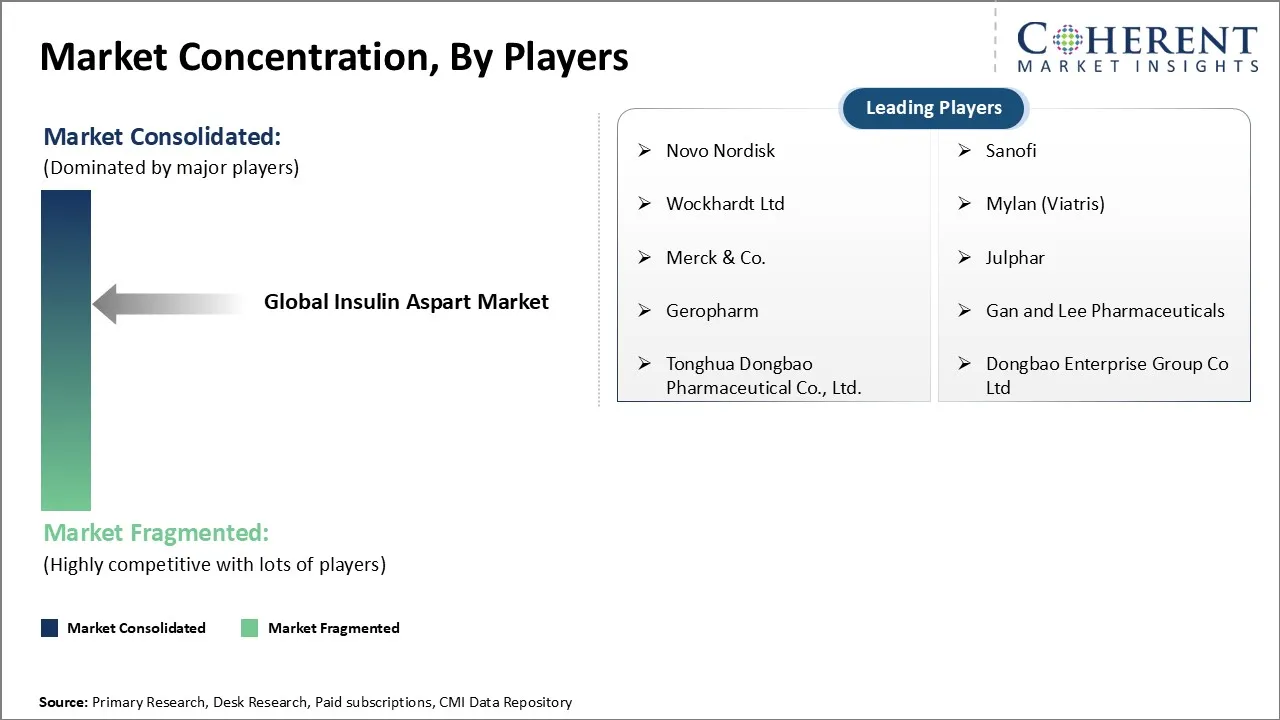
| Companies covered: | Novo Nordisk, Sanofi, Wockhardt Ltd, Mylan (Viatris), Merck & Co., Julphar, Geropharm, Gan and Lee Pharmaceuticals, Tonghua Dongbao Pharmaceutical Co., Ltd., and Dongbao Enterprise Group Co Ltd | ||
| Growth Drivers: |
| ||
| Restraints & Challenges: |
| ||
Insulin Aspart Market Dynamics
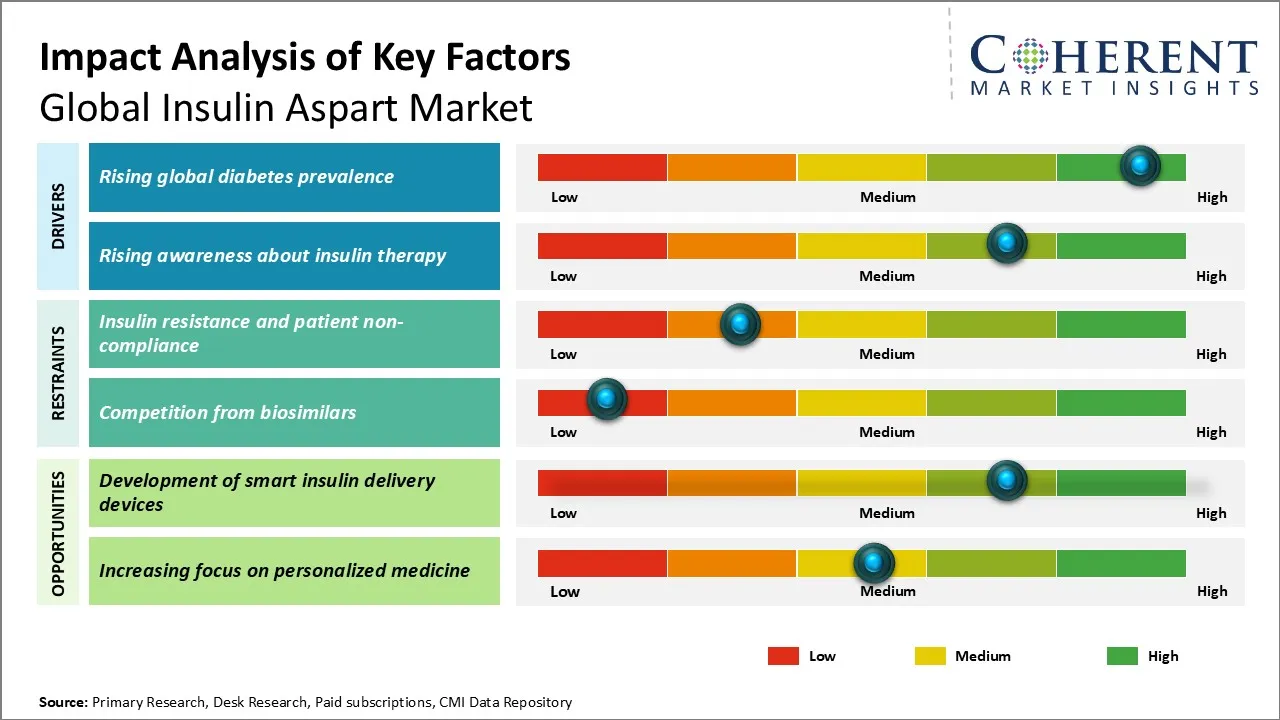
Insulin Aspart Market Driver - Rising Global Diabetes Prevalence
The escalating prevalence of diabetes worldwide significantly propels the demand for insulin aspart, a rapid-acting insulin analog crucial for effective glycemic control. As lifestyle changes, urbanization, and aging populations contribute to an increasing number of individuals diagnosed with both type 1 and type 2 diabetes, the need for advanced insulin therapies that offer improved convenience and efficacy becomes paramount. Insulin Aspart’s ability to closely mimic natural insulin response after meals makes it a preferred choice among healthcare providers striving to manage postprandial blood glucose spikes. Additionally, growing awareness about the importance of strict blood sugar regulation to prevent diabetes-related complications drives patients and clinicians alike towards newer and more reliable insulin formulations.
In November 2024, according to WHO, the number of adults with diabetes worldwide has exceeded 800 million, more than quadrupling since 1990, according to a study released on World Diabetes Day by The Lancet. Conducted by the NCD Risk Factor Collaboration with support from the WHO, the study highlights the rising diabetes epidemic, with the prevalence among adults growing from 7% to 14% between 1990 and 2022. Low- and middle-income countries (LMICs) have seen the largest increases, but treatment access remains low, with nearly 450 million adults untreated in 2022, 90% of whom are in LMICs.
Insulin Aspart Market Opportunity - Development of Smart Insulin Delivery Devices
The rising prevalence of diabetes worldwide has intensified the demand for innovative insulin delivery solutions, presenting a significant growth opportunity in the global insulin aspart market through the development of smart insulin delivery devices. These advanced devices, including connected insulin pens, patch pumps, and wearable injectors integrated with digital health technologies, offer enhanced precision, ease of use, and real-time glucose monitoring capabilities. By enabling personalized dosing and seamless data sharing with healthcare providers, smart insulin delivery systems help improve patient adherence and glycemic control, thereby reducing diabetes-related complications.
For instance, in July 2024, the National Library of Medicine published data according to which, insulin pumps have revolutionized diabetes management by offering more precise and individualized insulin delivery compared to traditional injection methods. The evolution of insulin pumps, from basic models to advanced hybrid closed-loop systems (AHCLs), has significantly improved glycemic control, particularly for Type 1 diabetes (T1D) patients. Recent advancements include systems that adjust insulin doses automatically based on real-time glucose levels, as well as the integration of glucagon or amylin in some pumps for better regulation.
Analyst Opinion (Expert Opinion)
- The global insulin aspart market is experiencing robust growth, driven by several key factors including technological advancements in insulin delivery systems, regulatory support for biosimilars, and increasing diabetes prevalence globally. The rise in demand for rapid-acting insulin analogs like Insulin Aspart, which offer better post-meal blood glucose control, is driving market expansion. Technological innovations, such as the integration of insulin pumps and smart pens, are further enhancing patient adherence and treatment outcomes. Regulatory initiatives, such as the approval of biosimilars, are also playing a crucial role in making insulin products more accessible and affordable, particularly in developing economies where diabetes rates are rising rapidly.
- Emerging opportunities in the market include the growing adoption of biosimilars and the expansion of insulin access in low- and middle-income countries, where the demand for affordable insulin products is surging. However, the market faces challenges such as rising healthcare costs, regulatory hurdles in some regions, and a lack of adequate infrastructure in certain markets. Key conferences like the International Diabetes Federation (IDF) World Diabetes Congress and American Diabetes Association (ADA) Scientific Sessions have been instrumental in fostering discussions on diabetes management and insulin access. These events have facilitated knowledge-sharing on advancements in insulin therapies, such as Insulin Aspart, and have been platforms for global collaborations aimed at improving diabetes care and policies, particularly in underserved regions.
Speak to the analyst
Want personalized insights?
Take the findings above to one of our principal consultants, or have the report rebuilt around the segments, geographies and competitors you actually track.
Market Segmentation
- Dosage Forms Insights (Revenue, USD Bn, 2021 - 2033)
- Vials
- Insulin Pump
- Cartridges
- Prefilled Disposable Pen
- Indication Insights (Revenue, USD Bn, 2021 - 2033)
- Diabetes Mellitus
- Type 1
- Type 2
- Diabetes Mellitus
- Strength Insights (Revenue, USD Bn, 2021 - 2033)
- 3 mL
- 10 mL
- Age Group Insights (Revenue, USD Bn, 2021 - 2033)
- Adults
- Pediatric
- End User Insights (Revenue, USD Bn, 2021 - 2033)
- Hospitals and Clinics
- Long-Term Care Facilities
- Diabetes Centers
- Homecare Settings
- Others (Academic and Research Institutes, etc.)
- Distribution Channel Insights (Revenue, USD Bn, 2021 - 2033)
- Hospital Pharmacies
- Retail Pharmacies
- Online Pharmacies
- Regional Insights (Revenue, USD Bn, 2021 - 2033)
- North America
- U.S.
- Canada
- Latin America
- Brazil
- Argentina
- Mexico
- Rest of Latin America
- Europe
- Germany
- U.K.
- Spain
- France
- Italy
- Russia
- Rest of Europe
- Asia Pacific
- China
- India
- Japan
- Australia
- South Korea
- ASEAN
- Rest of Asia Pacific
- Middle East
- GCC Countries
- Israel
- Rest of Middle East
- Africa
- South Africa
- North Africa
- Central Africa
- North America
- Key Players Insights
- Novo Nordisk
- Sanofi
- Wockhardt Ltd
- Mylan (Viatris)
- Merck & Co.
- Julphar
- Geropharm
- Gan and Lee Pharmaceuticals
- Tonghua Dongbao Pharmaceutical Co., Ltd.
- Dongbao Enterprise Group Co Ltd
Sources
Primary Research Interviews
- Interviews with healthcare professionals
- Discussions with endocrinologists and diabetologists
- Surveys with insulin users
- Insights from hospital administrators
Government and International Databases
- World Health Organization (WHO) Database
- Centers for Disease Control and Prevention (CDC)
- International Diabetes Federation (IDF)
- U.S. Food and Drug Administration (FDA) Data
- European Medicines Agency (EMA) Reports
- National Institutes of Health (NIH) Publications
- Global Health Data Exchange (GHDx)
Trade Publications
- Diabetes Care Journal
- Pharmaceutical Technology Magazine
- Journal of Diabetes Science and Technology
- The Lancet Diabetes & Endocrinology
- Journal of Clinical Endocrinology & Metabolism
- Medical Device and Diagnostic Industry (MDDI) Journal
Academic Journals
- New England Journal of Medicine (NEJM)
- Journal of the American Medical Association (JAMA)
- Diabetes Research and Clinical Practice
- Diabetes, Obesity and Metabolism
- American Journal of Health-System Pharmacy
- BMJ (British Medical Journal)
Reputable Newspapers
- The New York Times (Health Section)
- The Guardian (Health and Science Sections)
- The Wall Street Journal (Health Industry News)
- Financial Times (Healthcare Section)
- The Washington Post (Health and Medicine Section)
Industry Associations
- American Diabetes Association (ADA)
- International Diabetes Federation (IDF)
- European Association for the Study of Diabetes (EASD)
- World Diabetes Foundation
- American Association of Clinical Endocrinologists (AACE)
- The Diabetes Council
Public Domain Resources
- National Library of Medicine (PubMed)
- ClinicalTrials.gov (database for clinical trials)
- National Institute for Health and Care Excellence (NICE)
- The World Bank Health Data
- National Diabetes Statistics Report (CDC)
Proprietary Elements
- CMI Data Analytics Tool: Proprietary analytics tool to analyze real-time market trends, consumer behavior, and technology adoption in market
- Proprietary CMI Existing Repository of Information for Last 8 Years
Get access to 250+ pages report
Every segment, forecast, competitor profile and data table behind the analysis above — available for instant download.
- ESOMAR Member
- ISO 9001:2015 Certified
- D-U-N-S Registered
- GDPR & CCPA Compliant
Missing comfort of reading report in your local language? Find your preferred language:
Transform your Strategy with Exclusive Trending Reports
Frequently Asked Questions
The global insulin aspart market is estimated to be valued at USD 3.23 Bn in 2026 and is expected to reach USD 4.11 Bn by 2033.
The CAGR of the global insulin aspart market is projected to be 3.5% from 2026 to 2033.
Rising global diabetes prevalence and rising awareness about insulin therapy are the major factors driving the growth of the global insulin aspart market.
Insulin resistance and patient non-compliance and competition from biosimilars are the major factors hampering the growth of the global insulin aspart market.
In terms of dosage forms, vials segment is estimated to dominate the market revenue share in 2026.
Novo Nordisk, Sanofi, Wockhardt Ltd, Mylan (Viatris), Merck & Co., Julphar, Geropharm, Gan and Lee Pharmaceuticals, Tonghua Dongbao Pharmaceutical Co., Ltd., and Dongbao Enterprise Group Co Ltd are the major players.
North America is expected to lead the global insulin aspart market in 2026.