

Global Integrated Diagnostics Market Size and Forecast – 2026 - 2033
The Global Integrated Diagnostics Market is estimated to be valued at USD 15.22 Bn in 2026 and is expected to reach USD 24.43 Bn by 2033, exhibiting a compound annual growth rate (CAGR) of 7.0% from 2026 to 2033. This steady growth reflects increasing adoption of integrated diagnostic solutions across healthcare settings, driven by advancements in technology and rising demand for accurate, timely, and cost-effective diagnosis.
Key Takeaways of the Global Integrated Diagnostics Market
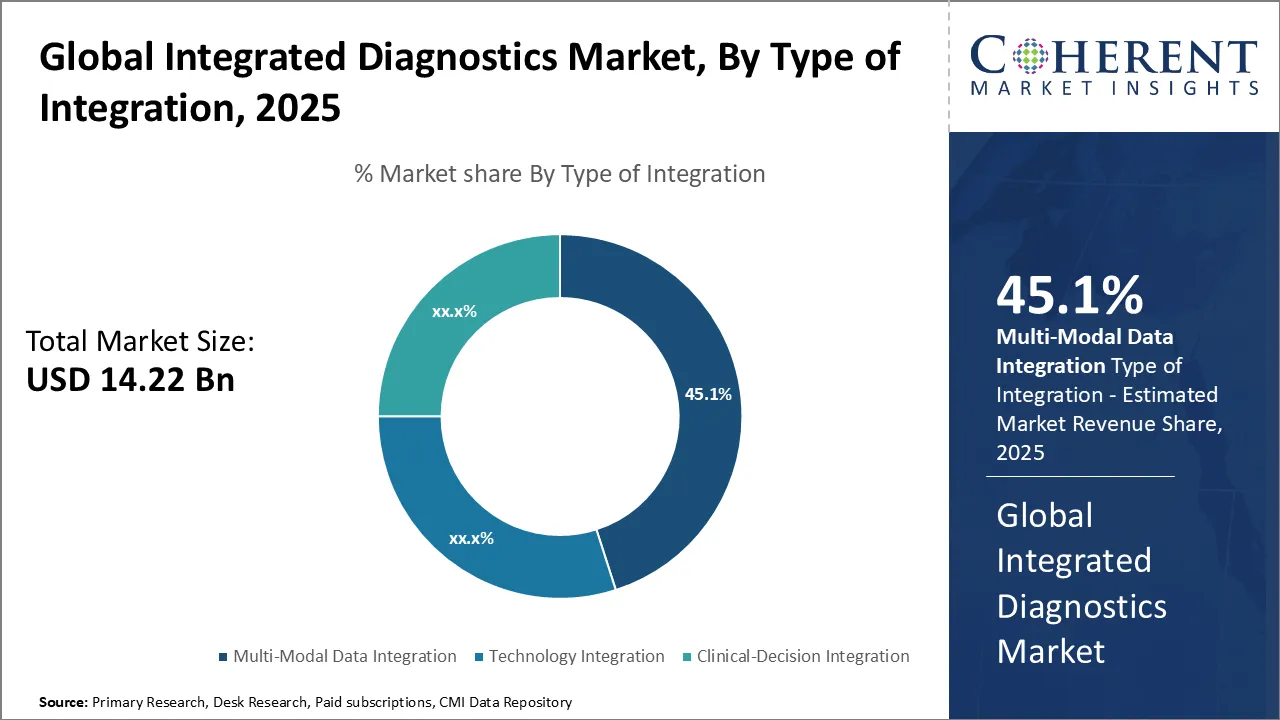
- In terms of Type of Integration, Multi-Modal Data Integration segment holds the largest share of the global integrated diagnostics market, accounting for an estimated 46.1% in 2026. This is due to its exceptional ability to combine various diagnostic data streams into a unified analytical framework.
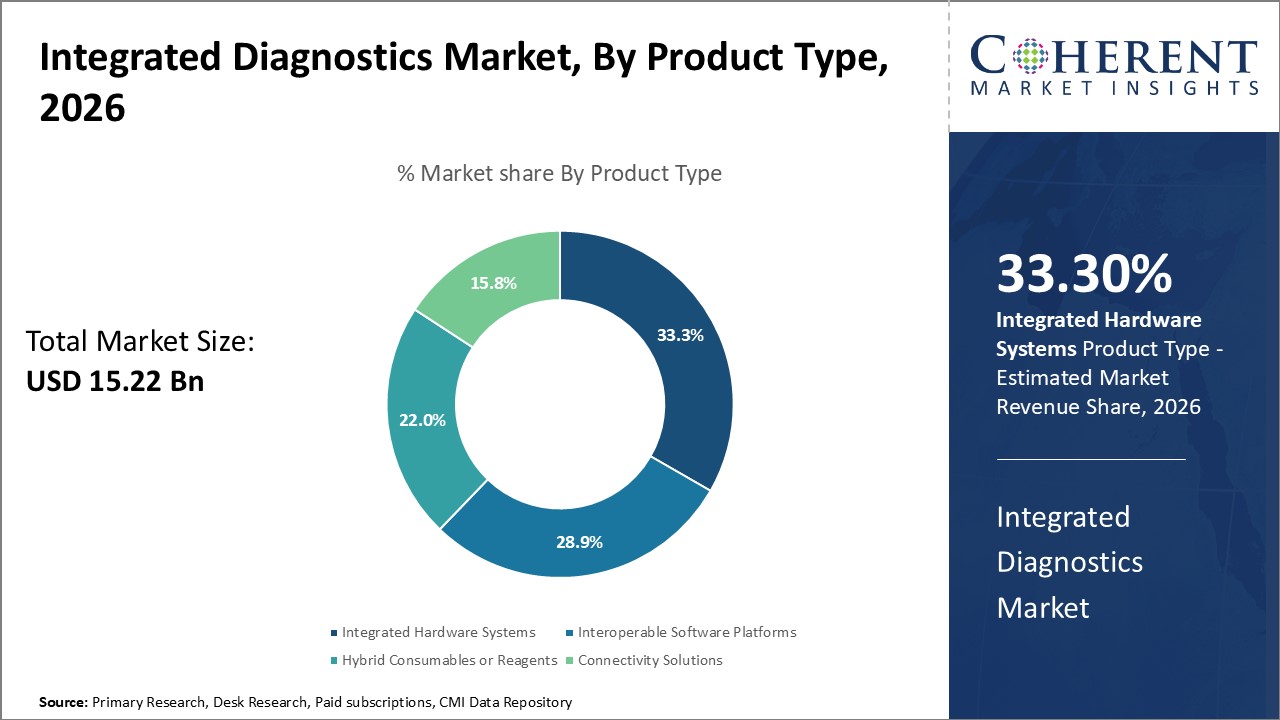
- Within the global integrated diagnostics market, Integrated Hardware Systems dominate by product type, with an estimated share of 33.3 % in 2026, owing to their essential role in optimizing diagnostic workflows and ensuring consistent accuracy of results.
- Regarding applications, Oncology is expected to lead as the largest segment of the global integrated diagnostics market, capturing 36.3 % of the market share in 2026. This growth is driven by the rising global incidence of cancer and the increasing demand for precise, early-stage diagnostic solutions.
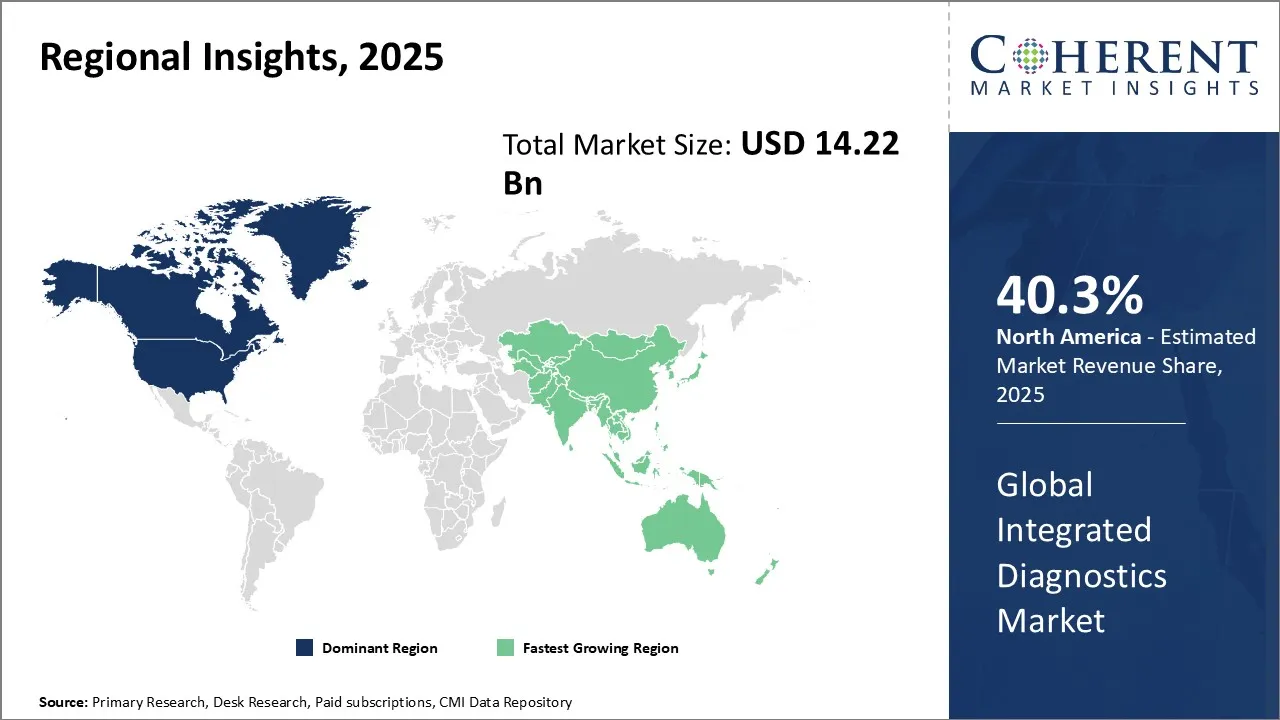
- North America is expected to lead the market, holding a share of 40.3 % in 2026. Asia Pacific is anticipated to be the fastest-growing region, with a market share of 25.3% in 2025.
Market Overview
A prominent trend shaping the integrated diagnostics market is the integration of artificial intelligence and machine learning with traditional diagnostic tools, enhancing predictive accuracy and operational efficiency. Additionally, the growing emphasis on personalized medicine and the expansion of point-of-care testing are driving innovation in this space. The shift towards comprehensive diagnostic platforms that combine multiple testing modalities is also gaining traction, enabling streamlined workflows and improved patient outcomes.
Current Events and Its Impact
Current Events | Description and its impact |
Surge in AI‑assisted pathology |
|
Expansion of Point-of-Care Testing (POCT) & Decentralization |
|
Segmental Insights
- Current Industry Events of 2026
- Market Size Estimation
- Regional Breakdown
- Competitive Landscape
- Customer Intelligence
- Segmental Analysis
- Pricing Analysis
- Key Market Drivers, Challenges & Future Trends
- Customized Insights Section
Integrated Diagnostics Market Insights, By Type of Integration - Multi-Modal Data Integration Dominance is Driven by Comprehensive Diagnostic Accuracy
In terms of Type of Integration, Multi-Modal Data Integration is expected to contribute the highest share of the global integrated diagnostics market with a share of 46.1% in 2026, owing to its unparalleled ability to combine diverse diagnostic data streams into a cohesive analytic framework. This segment’s growth is primarily fueled by the increasing complexity of medical conditions which require multifaceted diagnostic approaches capable of synthesizing clinical, imaging, genomic, and laboratory data. By integrating multiple data modalities, healthcare providers can achieve a more comprehensive and nuanced understanding of a patient’s condition, leading to enhanced diagnostic accuracy and personalized treatment strategies.
One of the critical factors propelling this segment is the surge in advanced imaging technologies alongside high-throughput genomic sequencing and biomarker analytics. Multi-modal integration leverages artificial intelligence and machine learning algorithms to fuse these data points, overcoming limitations inherent in single-modality diagnostics. For example, integrating radiology images with molecular pathology results and clinical history can enable earlier detection of diseases such as cancer and more precise risk stratification.
Integrated Diagnostics Market Insights, By Product Type - Integrated Hardware Systems Lead Through Enhanced Diagnostic Efficiency and Reliability
Within the global integrated diagnostics market, Integrated Hardware Systems maintain the highest contribution by product type with an estimated share of 33.3% in 2026, underscored by their critical role in streamlining diagnostic workflows and ensuring consistent result accuracy. This segment benefits from the growing need for compact, precise, and automated platforms capable of handling multi-assay testing with minimal user intervention, which is particularly vital in clinical and point-of-care settings.
Integrated hardware solutions typically combine various analytical instruments – such as imaging devices, biochemical analyzers, microfluidic chips, and molecular testing modules into a single, cohesive system that delivers rapid, reliable diagnostic outputs. The consolidation of hardware components facilitates faster turnaround times for test results, enabling clinicians to make timely intervention decisions. This is especially crucial in acute and emergency care contexts where delays can impact patient prognosis.
Integrated Diagnostics Market Insights, By Application - Oncology Applications are Driving Growth Through Demand for Precision and Early Detection
Among applications, Oncology represents the largest segment within the global integrated diagnostics market with an estimated share of 36.3% in 2026 , propelled by the escalating global burden of cancer and the intensive requirement for highly precise, early-stage diagnostic solutions. The multifactorial nature of cancer—with its molecular heterogeneity and diverse clinical manifestations—demands integrated diagnostic approaches that can dissect tumor biology comprehensively to inform effective treatment decisions.
Oncology’s dominance is anchored in the increasing adoption of integrated diagnostics that combine imaging, molecular profiling, and biomarker analysis to improve cancer detection, staging, and monitoring. These integrated platforms facilitate early identification of malignancies through minimally invasive techniques and advanced assays, thereby significantly impacting patient survival rates. The ability to simultaneously evaluate genetic mutations, protein expression patterns, and tumor microenvironment characteristics enables personalized therapy selection, including targeted therapies and immunotherapies.
Role of Artificial Intelligence (AI) on the Integrated Diagnostics Market
- Artificial Intelligence (AI) is rapidly redefining the Integrated Diagnostics Market, creating a new era of connected, data-rich healthcare. AI-driven algorithms are streamlining diagnostic workflows by automating image analysis, laboratory testing interpretation, and predictive modeling, enabling faster and more accurate clinical decisions. For example, deep learning tools in radiology can flag anomalies in imaging scans within seconds, reducing human error and improving throughput. Similarly, AI-powered molecular diagnostics platforms can interpret complex genomic data to tailor personalized treatment plans, driving the adoption of precision medicine. These capabilities not only boost efficiency and scalability but also reduce operational costs by minimizing unnecessary repeat tests and shortening diagnostic turnaround times. As diagnostic data becomes increasingly digitized, AI is facilitating real-time data aggregation across modalities—such as imaging, pathology, and laboratory results—empowering clinicians to make more informed, evidence-based decisions.
- Beyond operational efficiencies, AI is unlocking new business models and competitive advantages in integrated diagnostics. Companies are developing subscription-based AI platforms that continuously learn from global datasets to enhance diagnostic accuracy and support regulatory compliance. For instance, AI-enabled remote diagnostics and decision support tools are extending access to underserved regions, transforming care delivery. However, while the benefits are substantial, challenges remain, including data privacy risks, algorithm bias, and the need for rigorous clinical validation. To effectively leverage AI, organizations should invest in transparent, interoperable AI solutions, build multidisciplinary teams blending data science with clinical expertise, and engage proactively with regulators to ensure ethical implementation. When deployed thoughtfully, AI is not only a catalyst for innovation and differentiation but also a foundation for sustainable growth in the integrated diagnostics landscape—though success will depend on balancing technological advancement with trust and accountability.
Regional Insights
North America Integrated Diagnostics Market Analysis and Trends
In North America, the integrated diagnostics market with an estimated share of 40.3% in 2026 commands dominance, due to a robust healthcare infrastructure, significant R&D investment, and the presence of leading industry players. The well-established network of hospitals, diagnostic labs, and research institutions fosters demand for advanced integrated diagnostic solutions. Government policies such as favorable reimbursement frameworks and regulatory support from agencies like the U.S. Food and Drug Administration facilitate swift product approvals, encouraging innovation and market penetration. This region benefits from the presence of key companies like Abbott Laboratories, Becton Dickinson, and Thermo Fisher Scientific, whose integrated platforms span molecular diagnostics, pathology, and imaging.
For example, Becton Dickinson (BD) is a global leader in the medical device and diagnostics sector, providing a broad range of integrated diagnostic solutions. BD's BD Kiestra is an automated platform for microbiology laboratories, integrating sample processing, testing, and result reporting. This platform enhances efficiency in diagnosing infectious diseases, improving turnaround times and operational efficiency in healthcare settings.BD has also invested heavily in molecular diagnostics, with platforms like the BD MAX System, which integrates real-time PCR technology, molecular testing, and diagnostics into a single workflow.
Asia Pacific Integrated Diagnostics Market Analysis and Trends
Meanwhile, the Asia Pacific region is expected to exhibit the fastest growth driven by expanding healthcare access with a share of 25.2% in 2026, rising prevalence of chronic diseases, and increasing government initiatives to enhance diagnostic capabilities. Emerging economies such as China and India are investing heavily in healthcare infrastructure upgrades and public health screening programs, creating substantial opportunities for integrated diagnostics. The growing middle-class population and heightened awareness of early disease detection contribute to escalating demand. Prominent players including QIAGEN, Roche Diagnostics, and Siemens Healthineers actively engage in partnerships and localization strategies to capture market share and address regional needs.
For Example, Fujifilm Healthcare is known for integrating advanced diagnostic imaging technologies, particularly in the field of molecular diagnostics and radiology. Their Fujifilm platform is an integrated medical imaging solution that combines X-ray, MRI, and CT scan data into a single diagnostic system, improving efficiency and diagnosis accuracy. Fujifilm’s focus on precision healthcare, particularly through its collaboration with medical institutions for personalized treatments, has positioned it as a critical contributor to Japan’s integrated diagnostics landscape.
Global Integrated Diagnostics Market Outlook for Key Countries
U.S. Integrated Diagnostics Market Trends
The U.S. remains a cornerstone of the integrated diagnostics market, driven by cutting-edge technological advancements and comprehensive healthcare delivery systems. Major corporations such as Abbott, Becton Dickinson, and Thermo Fisher dominate with diverse diagnostic portfolios encompassing molecular assays, imaging, and pathology. The country leads in the adoption of cutting-edge diagnostic technologies, particularly in molecular diagnostics, imaging, and pathology. The growing focus on precision medicine and value-based care further boosts the demand for integrated platforms that streamline workflows and improve patient outcomes.
In June 2026, Columbia University has launched the Center for Innovation in Imaging Biomarkers and Integrated Diagnostics (CIMBID), focusing on advancing AI-driven imaging biomarkers and integrated diagnostics for personalized medicine. Led by Despina Kontos, PhD, CIMBID brings together experts from various departments to bridge technological innovations and real-world patient care. The event , featured presentations from leading figures at Columbia, emphasizing the center’s multidisciplinary approach to addressing healthcare challenges through artificial intelligence, imaging, and data science.
China Integrated Diagnostics Market Trends
China’s integrated diagnostics market is experiencing rapid growth, driven by the country’s expanding healthcare infrastructure and focus on population health management. The market is expected to grow significantly due to the increasing adoption of multiplex testing and imaging integration technologies. Leading players like Roche Diagnostics, QIAGEN, and local companies such as Mindray are deeply involved in providing integrated diagnostic solutions tailored for large-scale screening and hospital systems.
In November 2024, Royal Philips, a global leader in health technology, expanded its strategic partnership with Amazon Web Services (AWS) to enhance its HealthSuite cloud services. This collaboration integrates Philips' diagnostics portfolio—including radiology, digital pathology, cardiology, and AI visualization—into the cloud, enabling a seamless and unified workflow. The initiative aims to improve access to critical insights, drive better clinical outcomes, and enhance integrated diagnostics by leveraging cloud technology. This partnership is set to further streamline healthcare delivery, ensuring faster and more accurate diagnoses across various medical specialties.
Germany Integrated Diagnostics Market Trends
Germany’s well-developed healthcare system and strong medical technology sector provide a solid foundation for integrated diagnostics. The country is known for its focus on medical innovation and high standards in healthcare delivery. Companies like Siemens Healthineers, BioMérieux, and Qiagen contribute extensively through advanced diagnostic platforms combining laboratory testing, molecular diagnostics, and digital integration. As a central player in the European Union, Germany also facilitates export opportunities for integrated diagnostic products, with companies like Roche and Siemens Healthineers expanding their reach across European borders and contributing to the global market.
In December 2024, Roche, a global leader in healthcare and diagnostics, has launched the cobas Mass Spec solution, transforming clinical diagnostics through integrated mass spectrometry testing. With CE mark approval, the cobas Mass Spec solution, which includes the cobas i 601 analyser and Ionify reagent pack for steroid hormones, offers fully automated, integrated, and standardized testing for routine clinical laboratories. Roche plans to expand the solution's menu to over 60 analytes, including steroid hormones, vitamin D metabolites, and drugs of abuse, further advancing integrated diagnostics and improving patient care.
India Integrated Diagnostics Market Trends
India’s integrated diagnostics market is growing rapidly, driven by increased healthcare expenditure, the rising prevalence of non-communicable diseases, and the shift towards multidisciplinary diagnostic centers equipped with advanced diagnostic systems.The country’s fragmented healthcare landscape is gradually consolidating towards multidisciplinary diagnostic centers equipped with integrated systems. the entry of multinational corporations and the growth of e-commerce platforms, such as Amazon India, have made at-home diagnostic services increasingly popular. The integration of digital platforms for healthcare delivery, including telemedicine and online diagnostic services, is transforming how diagnostics are offered to the Indian population.
In June 2026, Amazon India has launched "Amazon Diagnostics," a new at-home lab test service available through the Amazon app. This service is integrated with Amazon Medical, alongside its pharmacy and clinic offerings, marking the company's full entry into India’s USD 15 billion diagnostics market. By providing accessible and convenient diagnostic services, Amazon aims to expand its reach in integrated diagnostics, transforming how healthcare services are delivered directly to consumers at home.
Japan Integrated Diagnostics Market Trends
Japan’s market is characterized by advanced technological adoption and an aging population requiring sophisticated diagnostic solutions. Leading companies such as Sysmex Corporation, Hitachi High-Technologies, and Fujifilm Healthcare play pivotal roles in supplying combined diagnostic instruments that integrate clinical chemistry, hematology, and molecular testing. The government’s focus on precision medicine and digital health integration supports demand for innovative diagnostics that reduce healthcare costs while improving quality of care. Japan’s well-regulated environment and high healthcare standards encourage manufacturers to invest in research and product development tailored for complex patient needs.
For Example, Hitachi High-Technologies is another major player contributing to the integration of diagnostic solutions in Japan. The company has developed advanced diagnostic instruments that combine imaging and molecular testing. For example, Hitachi’s Airis Vento is a high-field MRI system that integrates digital imaging technologies to provide detailed diagnostic insights, supporting the healthcare industry's shift toward more integrated, high-tech solutions. Hitachi’s strong emphasis on innovation and precision medicine positions it as a significant player in Japan’s diagnostic market.
Market Players, Key Developments, and Competitive Intelligence
Key Developments
- In May 2025, Neuberg Diagnostics, one of India’s fastest-growing diagnostic chains, has entered into a strategic joint venture with Star Imaging, a leading provider of advanced medical imaging, to form Maharashtra’s largest integrated diagnostics network. This collaboration aims to combine advanced pathology and radiology services, providing fast, accurate diagnostic insights for better patient outcomes.
- In March 2025, HCAP Partners, a U.S.-based private equity firm and recognized impact investor, launched Integrated Diagnostic Services, a mobile diagnostics company aimed at enhancing patient care. The company will provide on-demand mobile X-ray, ultrasound, EKG, echocardiogram, and laboratory services to residents of skilled nursing, long-term care facilities, and home health providers. By offering a cost-effective, convenient alternative to traditional hospital-based diagnostics, Integrated Diagnostic Services aims to reduce wait times and deliver timely care to patients within hours, improving overall access and quality of care.
- In December 2023, Gateshead Health NHS Foundation Trust and Newcastle Hospitals NHS Foundation Trust have launched an integrated diagnostic service through the Community Diagnostic Centre (CDC) in Gateshead. This initiative, developed in collaboration with health tech firm Answer Digital, aims to streamline diagnostic services and reduce waiting times. By connecting existing radiology information systems (RIS), picture archiving systems, and electronic patient records, the solution enhances real-time coordination and visibility of diagnostic resources.
- In April 2022, Mahajan Imaging, a leader in medical imaging, has launched an integrated diagnostics Centre of Excellence in Safdarjung Development Area, New Delhi. The centre combines cutting-edge medical imaging, pathology, genomics, and R&D, along with an AI startup, to offer personalized and precision medicine. This integrated diagnostics facility aims to advance early diagnosis and targeted treatments, particularly in areas like cancer, heart disease, and neurodegenerative disorders.
Top Strategies Followed by Global Integrated Diagnostics Market Players
- Established players in the integrated diagnostics market typically invest heavily in research and development (R&D) to innovate and introduce high-performance diagnostic products that meet the ever-evolving healthcare demands. These companies focus on integrating multiple testing modalities to enhance diagnostic accuracy, improve efficiency, and reduce costs for healthcare providers.
- For example, Abbott Laboratories has developed the Alinity platform, an integrated diagnostic solution that offers streamlined testing across multiple modalities, from chemistry to immunoassays, helping healthcare providers improve operational efficiency. Additionally, Siemens Healthineers has pioneered digital diagnostics, such as their Atellica Solution, which integrates chemistry and immunoassay platforms into a single diagnostic system, offering faster results with high precision.
- Mid-level market players adopt a slightly different approach, focusing on providing cost-effective integrated diagnostic solutions that balance quality with affordability. These companies target price-sensitive healthcare providers in regions where budget constraints demand more economical diagnostic options without compromising on reliability.
- For example, Ortho offers integrated diagnostic platforms like the VITROS system, which integrates multiple assays for clinical chemistry, immunoassays, and other diagnostics into one streamlined platform. These cost-effective solutions are widely used in clinical settings, especially in emerging markets where affordability is a key factor.
- Small-scale players in the integrated diagnostics market often pursue niche strategies to carve out competitive footholds. They frequently focus on specialized diagnostic features or innovative products that address unmet clinical needs or provide enhanced user convenience, such as portable diagnostic devices or bespoke testing panels for rare diseases.
- For example, Everlywell offers at-home diagnostic tests that allow patients to conduct tests for food sensitivities, hormones, and other conditions from the comfort of their homes. Their Everlywell Food Sensitivity Test integrates diagnostic and wellness testing, providing personalized health insights, which appeals to a growing consumer base seeking convenience.
Market Report Scope
Integrated Diagnostics Market Report Coverage
| Report Coverage | Details | ||
|---|---|---|---|
| Base Year: | 2025 | Market Size in 2026: | USD 15.22 Bn |
| Historical Data for: | 2020 To 2024 | Forecast Period: | 2026 To 2033 |
| Forecast Period 2026 to 2033 CAGR: | 7.0% | 2033 Value Projection: | USD 24.43 Bn |
| Geographies covered: |
| ||
| Segments covered: |
| ||
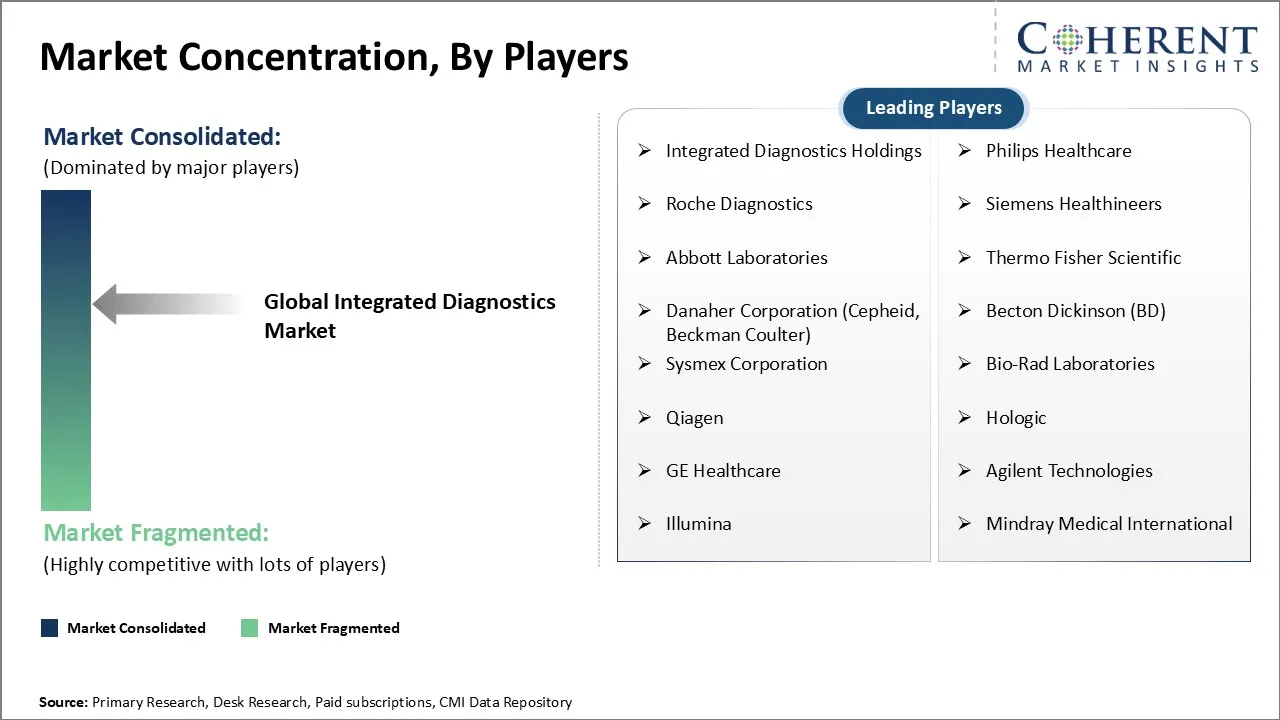
| Companies covered: | Integrated Diagnostics Holdings, Philips Healthcare, Roche Diagnostics, Siemens Healthineers, Abbott Laboratories, Thermo Fisher Scientific, Danaher Corporation (Cepheid, Beckman Coulter), Becton Dickinson (BD), Sysmex Corporation, Bio-Rad Laboratories, Qiagen, Hologic, GE Healthcare, Agilent Technologies, Illumina, and Mindray Medical International | ||
| Growth Drivers: |
| ||
| Restraints & Challenges: |
| ||
Integrated Diagnostics Market Dynamics
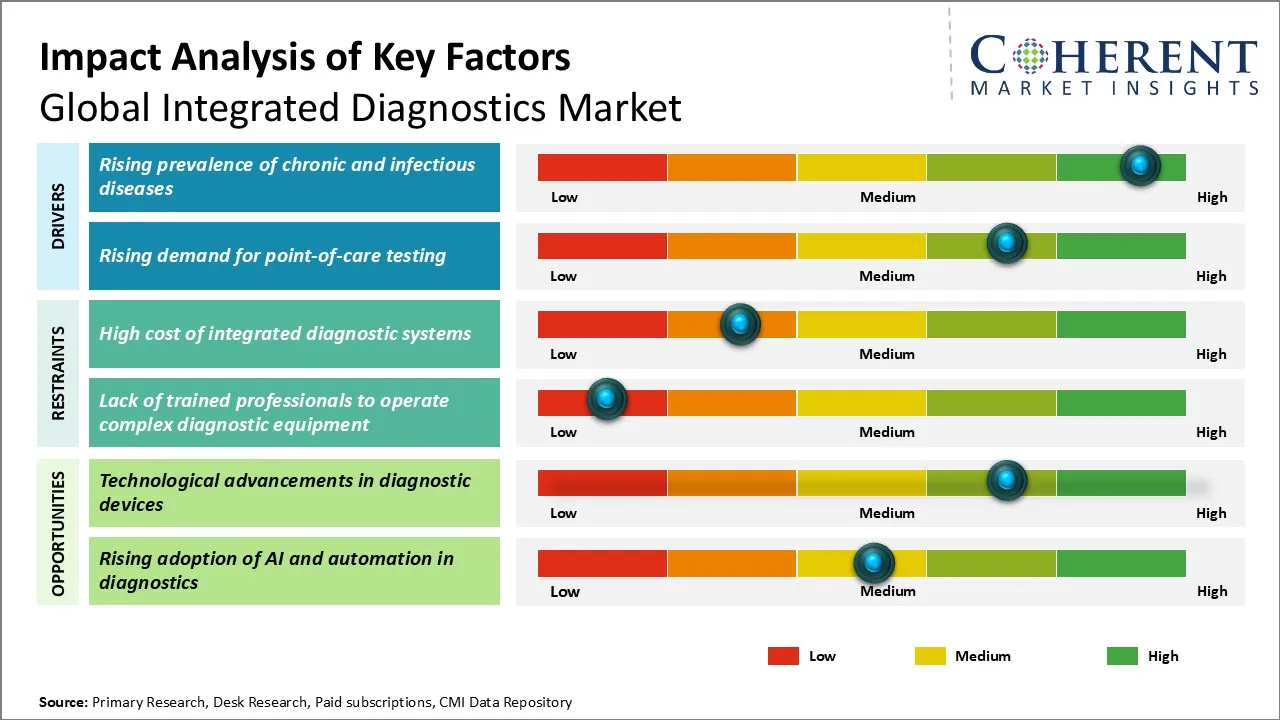
Integrated Diagnostics Market Driver - Rising Prevalence of Chronic and infectious Diseases
The increasing incidence of chronic diseases such as diabetes, cardiovascular disorders, cancer, and respiratory illnesses across the globe significantly fuels the demand for integrated diagnostic solutions. These complex conditions often require multifaceted diagnostic approaches that combine various modalities including imaging, pathology, and molecular diagnostics to enable precise and timely diagnosis. Additionally, the ongoing burden of infectious diseases, intensified by emerging pathogens and antibiotic resistance, underscores the need for comprehensive diagnostic platforms that can quickly identify causative agents and guide effective treatment strategies. Integrated diagnostics allows healthcare providers to streamline workflows by consolidating diverse diagnostic data, which enhances clinical decision-making and promotes personalized medicine.
For Instance, in January 2024, according to National Library of Medicine cardiovascular diseases caused 19 million deaths globally, accounting for 32% of all deaths. In the U.S., cardiovascular diseases (CVDs) led to 934,509 deaths in 2021, including 162,890 from strokes. Chronic diseases, driven by lifestyle factors, are rising in prevalence, with global costs projected to hit USD47 trillion by 2030.
Integrated Diagnostics Market Opportunity - Technological Advancements in Diagnostic Devices
Technological advancements in diagnostic devices present a significant growth opportunity for the global integrated diagnostics market. Innovations such as artificial intelligence (AI), machine learning, and advanced imaging technologies are enhancing the accuracy, speed, and efficiency of diagnostic processes, enabling earlier disease detection and personalized patient care. The integration of AI algorithms with diagnostic tools facilitates more precise interpretation of complex data, reducing human error and improving clinical decision-making. Additionally, the development of point-of-care testing devices and portable diagnostic equipment is expanding access to healthcare in remote and underserved regions, driving market expansion. Advances in genomics and proteomics are also fostering the creation of targeted diagnostic assays, which contribute to the rise of precision medicine.
In March 2025, NVIDIA, a leader in AI and computing technology, has partnered with GE HealthCare to advance autonomous diagnostic imaging with the development of AI-powered X-ray and ultrasound systems. Utilizing NVIDIA's Isaac for healthcare medical device simulation platform, GE HealthCare aims to accelerate the development of autonomous imaging systems, improving workflows like patient placement, image scanning, and quality checks. This collaboration focuses on expanding access to critical imaging services, especially for underserved populations, by incorporating robotics and AI.
Analyst Opinion (Expert Opinion)
- The Integrated Diagnostics Market is witnessing robust growth, driven by the convergence of technological advancements in multi-modal data analytics, artificial intelligence (AI), and cloud-based platforms that enable comprehensive disease management. Increasing regulatory support for interoperability standards and value-based care is accelerating adoption, while rising prevalence of chronic conditions and demand for personalized medicine further fuel market expansion. However, challenges such as data privacy concerns, integration complexities, and the high cost of deployment continue to constrain broader implementation. Emerging opportunities include the development of AI-powered diagnostic workflows and strategic collaborations between diagnostic firms and healthcare providers to deliver seamless patient-centric solutions.
- In recent years, industry forums like the Global Digital Health Forum, HIMSS Global Health Conference, and MedTech Summit Europe have served as key platforms advancing policy dialogue and showcasing innovative diagnostic solutions. Notable market developments include Siemens Healthineers launching AI-Rad Companion, which integrates imaging and clinical data for enhanced diagnostics, and Roche’s collaboration with GE Healthcare to develop digital clinical decision support tools. Additionally, government-led initiatives such as the European Health Data Space and pilot projects on integrated care pathways in the U.S. are expected to reshape market dynamics by promoting secure data exchange and fostering coordinated care delivery models.
Speak to the analyst
Want personalized insights?
Take the findings above to one of our principal consultants, or have the report rebuilt around the segments, geographies and competitors you actually track.
Market Segmentation
- Type of Integration Insights (Revenue, USD Bn, 2021 - 2033)
- Multi-Modal Data Integration
- Technology Integration
- Clinical-Decision Integration
- Product Type Insights (Revenue, USD Bn, 2021 - 2033)
- Integrated Hardware Systems
- Lab-on-Chip and Point-of-Care (POC) Combos
- Interoperable Software Platforms
- AI-Based Data Aggregators
- Cloud-Based Diagnostic Hubs
- Hybrid Consumables or Reagents
- Multi-Omics Test Kits
- Cross-Technology Assays
- Connectivity Solutions
- API or Interoperability Tools
- Wearable Integrators
- Integrated Hardware Systems
- Application Insights (Revenue, USD Bn, 2021 - 2033)
- Oncology
- Cardiology
- Neurology
- Infectious Diseases
- Orthopedics
- Other Diseases
- End User Insights (Revenue, USD Bn, 2021 - 2033)
- Hospitals and Clinics
- Diagnostic Laboratories
- Research Institutes
- Home Care Settings
- Others (e.g. Academic and Research Institutes, etc.)
- Regional Insights (Revenue, USD Bn, 2021 - 2033)
- North America
- U.S.
- Canada
- Latin America
- Brazil
- Argentina
- Mexico
- Rest of Latin America
- Europe
- Germany
- U.K.
- Spain
- France
- Italy
- Russia
- Rest of Europe
- Asia Pacific
- China
- India
- Japan
- Australia
- South Korea
- ASEAN
- Rest of Asia Pacific
- Middle East
- GCC Countries
- Israel
- Rest of Middle East
- Africa
- South Africa
- North Africa
- Central Africa
- North America
- Key Players Insights
- Integrated Diagnostics Holdings
- Philips Healthcare
- Roche Diagnostics
- Siemens Healthineers
- Abbott Laboratories
- Thermo Fisher Scientific
- Danaher Corporation (Cepheid, Beckman Coulter)
- Becton Dickinson (BD)
- Sysmex Corporation
- Bio-Rad Laboratories
- Qiagen
- Hologic
- GE Healthcare
- Agilent Technologies
- Illumina
- Mindray Medical International
Sources
Primary Research Interviews
- Clinicians (Pathologists, Radiologists, Laboratory Directors)
- Hospital Procurement Managers
- Diagnostic Device Manufacturers (R&D Leads, Regulatory Affairs)
- Laboratory Information System (LIS) Integrators
- Health IT Consultants
- Public Health Authorities
- Key Opinion Leaders (KOLs) in Precision Medicine
Government and International Databases
- U.S. Food and Drug Administration (FDA)
- European Medicines Agency (EMA)
- Centers for Medicare & Medicaid Services (CMS)
- National Institutes of Health (NIH)
- World Health Organization (WHO)
- European Centre for Disease Prevention and Control (ECDC)
- Centers for Disease Control and Prevention (CDC)
- Office for National Statistics (ONS UK)
- Australian Institute of Health and Welfare (AIHW)
- Health Canada
Trade Publications
- CAP Today
- The Pathologist
- Healthcare IT News
- Clinical Lab Products
- Radiology Business
- Diagnostic Imaging
- Health Data Management
Academic Journals
- The Lancet Digital Health
- Journal of the American Medical Informatics Association (JAMIA)
- Journal of Molecular Diagnostics
- JAMA Network
- Nature Reviews Clinical Oncology
- Clinical Chemistry
- IEEE Journal of Biomedical and Health Informatics
Reputable Newspapers
- The New York Times (Health Section)
- The Guardian (Health)
- Financial Times (Healthcare)
- The Washington Post (Health & Science)
- The Wall Street Journal (Healthcare)
- The Telegraph (Health)
Industry Associations
- College of American Pathologists (CAP)
- Radiological Society of North America (RSNA)
- American Clinical Laboratory Association (ACLA)
- Healthcare Information and Management Systems Society (HIMSS)
- International Society for Laboratory Hematology (ISLH)
- Association for Molecular Pathology (AMP)
- European Federation of Clinical Chemistry and Laboratory Medicine (EFLM)
Public Domain Resources
- OpenFDA
- Europe PMC
- MedlinePlus
- NIH RePORTER
- Digital Public Library of America
Proprietary Elements
- CMI Data Analytics Tool: Proprietary analytics tool to analyze real-time market trends, consumer behavior, and technology adoption in market
- Proprietary CMI Existing Repository of Information for Last 8 Years
Get access to 250+ pages report
Every segment, forecast, competitor profile and data table behind the analysis above — available for instant download.
- ESOMAR Member
- ISO 9001:2015 Certified
- D-U-N-S Registered
- GDPR & CCPA Compliant
Missing comfort of reading report in your local language? Find your preferred language:
Transform your Strategy with Exclusive Trending Reports
Frequently Asked Questions
The global integrated diagnostics market is estimated to be valued at USD 15.22 Bn in 2026 and is expected to reach USD 24.43 Bn by 2033.
The CAGR of the global integrated diagnostics market is projected to be 7.0% from 2026 to 2033.
Rising prevalence of chronic and infectious diseases and the rising demand for point-of-care testing are the major factors driving the growth of the global integrated diagnostics market.
High cost of integrated diagnostic systems and lack of trained professionals to operate complex diagnostic equipment are the major factors hampering the growth of the global integrated diagnostics market.
In terms of type of integration, the multi-modal data integration segment is estimated to dominate the market revenue share in 2026.
Integrated Diagnostics Holdings, Philips Healthcare, Roche Diagnostics, Siemens Healthineers, Abbott Laboratories, Thermo Fisher Scientific, Danaher Corporation (Cepheid, Beckman Coulter), Becton Dickinson (BD), Sysmex Corporation, Bio-Rad Laboratories, Qiagen, Hologic, GE Healthcare, Agilent Technologies, Illumina, and Mindray Medical International are the major players in the global integrated diagnostics market.
North America is expected to lead the global integrated diagnostics market in 2026.