

Global Kidney Preservation Market Size and Forecast – 2026 to 2033
The global kidney preservation market is estimated to be valued at USD 69.3 Mn in 2026 and is expected to reach USD 114.2 Mn by 2033, exhibiting a compound annual growth rate (CAGR) of 7.4% from 2026 to 2033. The market growth is driven by the increasing prevalence of kidney-related diseases, advancements in preservation techniques, and rising transplantation rates worldwide, which collectively contribute to escalating demand for effective kidney preservation solutions.
Key Takeaways of the Global Kidney Preservation Market
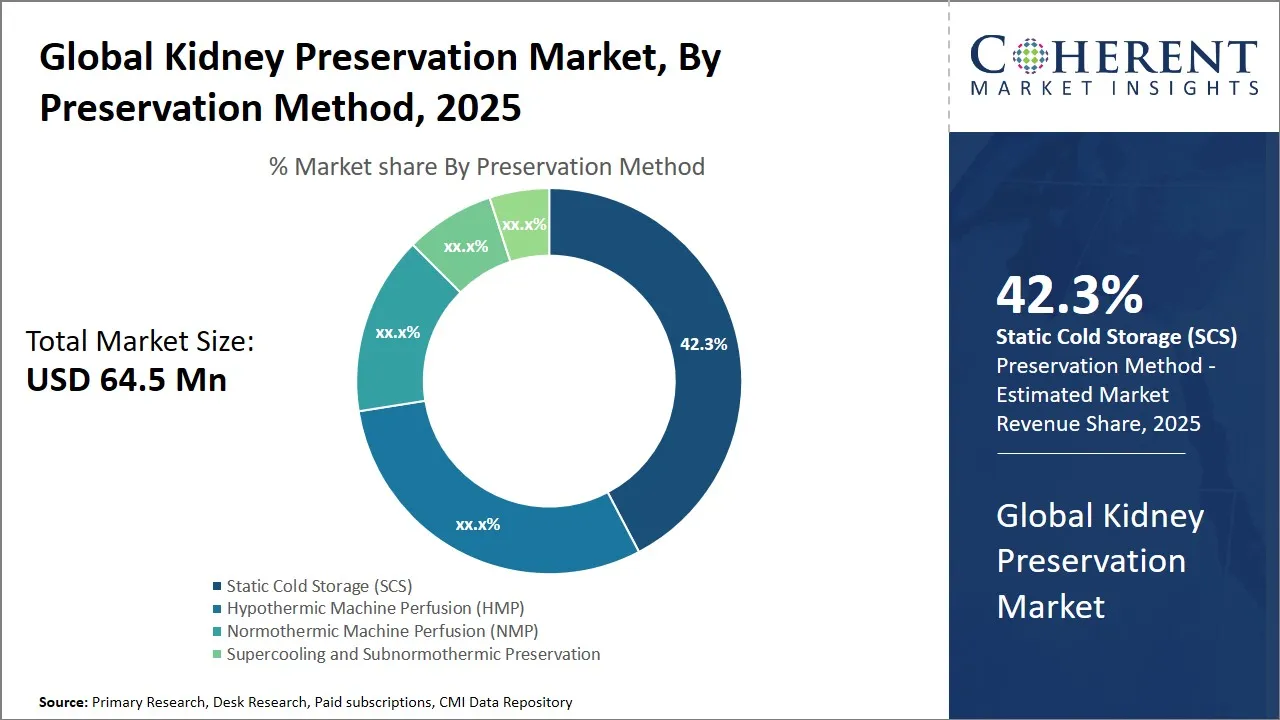
- Static Cold Storage (SCS) is expected to maintain its dominance in the kidney preservation market with a 43.3 % share in 2026.
- The University of Wisconsin (UW) solution leads the market, capturing an estimated 33.2 % of the market share in 2026.
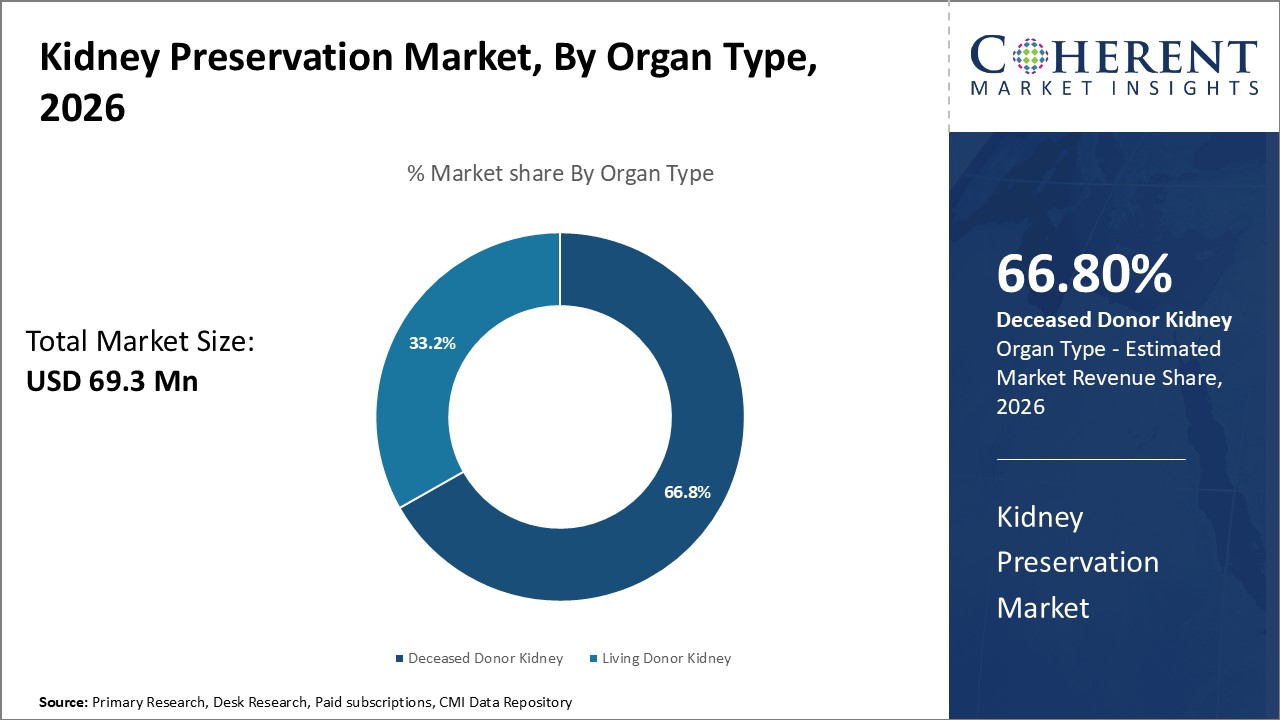
- Among organ type, the deceased donor kidney segment is expected to hold the largest market share, accounting for 66.8% in 2026.
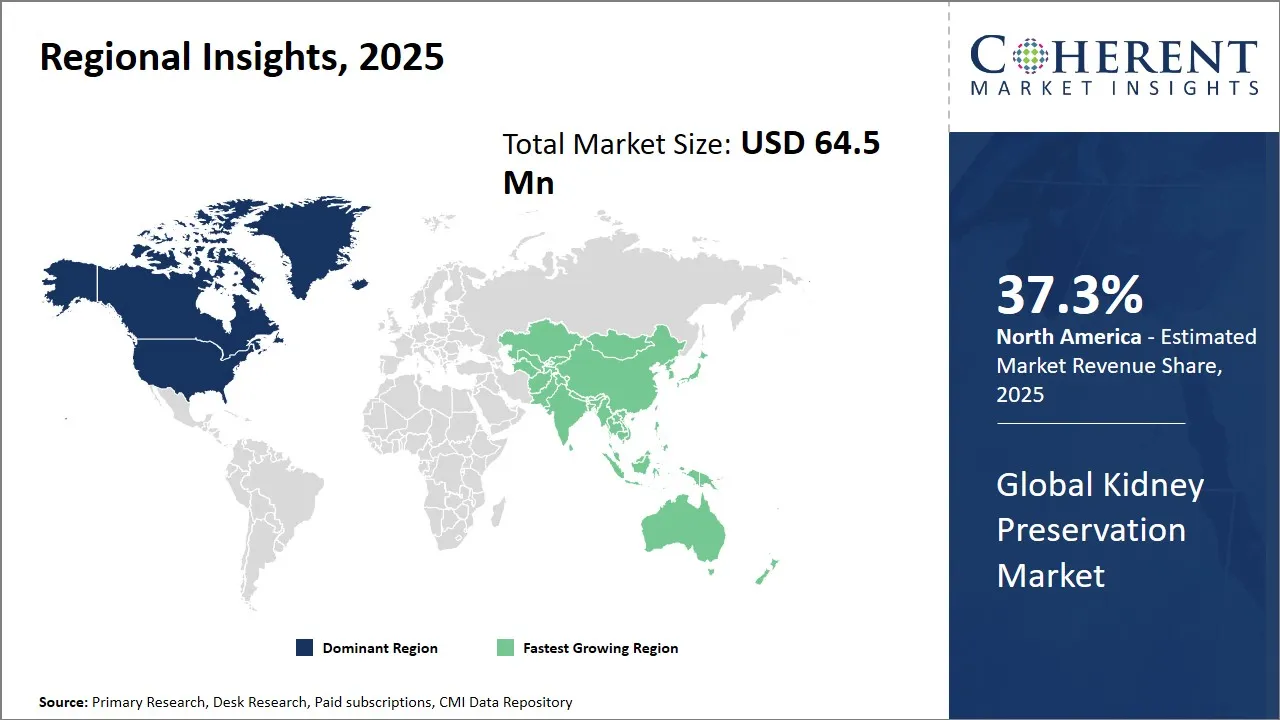
- North America is expected to lead the market, holding a share of 37.3 % in 2026. Asia Pacific is anticipated to be the fastest-growing region, with a market share of 24.3% in 2026.
Market Overview
Current market trends indicate a significant shift towards innovative preservation methods such as normothermic machine perfusion and improved cold storage technologies. Growing investments in research and development aim to enhance organ viability and transplant success rates. Additionally, the adoption of automated and minimally invasive preservation systems is facilitating better outcomes, while increasing awareness about organ donation is further propelling the market expansion globally.
Current Events and Its Impact
Current Events | Description and its impact |
Advancements in Organ Preservation Technologies |
|
BMI OrganBank Secures NIH Funding for Kidney Preservation Technology |
|
Segmental Insights
- Current Industry Events of 2026
- Market Size Estimation
- Regional Breakdown
- Competitive Landscape
- Customer Intelligence
- Segmental Analysis
- Pricing Analysis
- Key Market Drivers, Challenges & Future Trends
- Customized Insights Section
Kidney Preservation Market Insights, by Preservation Method - Static Cold Storage (SCS) Dominates Owing to its Simplicity, Widespread Adoption, and Cost-Effectiveness
Static Cold Storage (SCS) remains the dominant kidney preservation method with a projected share of 43.3% in 2026, due to its well-established role in transplant procedures and its ability to maintain organ viability effectively during transport. The key factor driving the growth and preference for SCS is its simplicity and ease of application. Medical teams can readily implement this method without the need for complex machinery or extensive training, which makes it particularly suitable for both developed and emerging healthcare systems. The reliance on chilled preservation solutions to reduce metabolic demand slows down cellular degradation, extending the window available for successful transplantation.
Cost-effectiveness is another crucial driver underpinning the prevalence of SCS. Compared to advanced methods like Hypothermic Machine Perfusion (HMP) or Normothermic Machine Perfusion (NMP), the initial investment and operational expenses with SCS are significantly lower. Healthcare centers in regions with limited budgets prefer SCS as it allows them to manage transplant logistics without incurring prohibitive costs. This affordability, coupled with consistently positive clinical outcomes in terms of graft survival and functionality, reinforces confidence in SCS as a go-to preservation method.
Kidney Preservation Market Insights, by Organ Type - Deceased Donor Kidney’s Dominance is Driven by Higher Transplantation Volumes and Organ Availability Challenges
The deceased donor kidney segment is expected to hold a share of 66.8% in 2026 primarily due to the larger scale of transplantations involving these organs relative to living donor kidneys. Deceased donor kidneys are a critical source of organs for the transplantation ecosystem, largely outnumbering living donor procedures globally. The prevalence of end-stage renal disease and the scarcity of compatible living donors place greater reliance on deceased donors, thus fueling demand for preservation solutions and technologies tailored to maintain organ viability post-retrieval.
A key driver is the inherent unpredictability and prolonged cold ischemia time associated with deceased donor kidneys, which necessitates improved preservation strategies to mitigate ischemia-reperfusion injury and optimize graft function. Preservation techniques targeting deceased donor kidneys must accommodate variable time delays between organ procurement and transplantation, emphasizing the importance of reliable storage and perfusion technologies. This clinical need elevates the significance of preservation methods and solutions designed specifically for deceased donor organs, driving segment growth.
Kidney Preservation Market Insights, by Solution Type - University of Wisconsin (UW) Solution Leads the Market Propelled by Superior Preservation Efficacy and Clinical Acceptance
The University of Wisconsin (UW) solution holds the leading position among preservation solutions due to its proven effectiveness in maintaining kidney viability and function during cold storage with a projected share of 33.2% in 2026. As one of the first intracellular-type preservation solutions developed specifically for organ transplantation, UW solution’s biochemical formulation plays a critical role in preventing cellular swelling, reducing oxidative stress, and preserving endothelial integrity. These properties significantly enhance graft survival and reduce the incidence of delayed graft function, a key concern in kidney transplantation.
The segment’s growth is closely linked to the widespread clinical acceptance and incorporation of UW solution in transplant protocols worldwide. Its performance benefits have been validated through numerous clinical studies, establishing it as the gold standard against which other preservation solutions are measured. Transplant centers rely heavily on UW solution for its consistency in delivering favorable short- and long-term outcomes, reinforcing its dominant market position.
Regional Insights
North America Kidney Preservation Market Analysis and Trends
North America is expected to lead the market, holding a share of 37.3% in 2026, high prevalence of kidney-related disorders, and significant investments in research and development. The presence of major medical device manufacturers and biotechnology companies accelerates innovation in kidney preservation solutions. Furthermore, favorable government policies, such as proactive organ donation programs and reimbursement frameworks through Medicare and Medicaid, encourage the adoption of advanced preservation technologies. The market ecosystem benefits from strategic collaborations between hospitals, research institutions, and biotech firms, enabling rapid commercialization of innovative solutions.
In December 2024, United Therapeutics Corporation, a leader in biotechnology, announced the successful world’s first transplant of a UKidney, a genetically edited pig kidney, into a living recipient. This marks the fourth successful xenotransplant by the company, following previous UHeart and UThymoKidney transplants.
Asia Pacific Kidney Preservation Market Analysis and Trends
The Asia Pacific region is expected to exhibit the fastest growth in the kidney preservation market due to rising awareness about organ transplantation with share of 24.3% in 2026, increasing prevalence of chronic kidney diseases, and expanding healthcare infrastructure across emerging economies. The government initiatives aimed at improving organ donation rates and healthcare accessibility are pivotal in market expansion. Countries like China, India, and Japan are investing heavily in healthcare modernization and research facilities, which is accelerating the adoption of advanced kidney preservation technologies.
The increasing number of transplant centers and rising healthcare expenditure contribute to the growing demand for innovative preservation methods. Additionally, the presence of local and international companies, such as Terumo Corporation, Nipro Corporation, and local startups focusing on biotech solutions, foster dynamic market development.
Global Kidney Preservation Market Outlook for Key Countries
U.S. Kidney Preservation Market Analysis and Trends
The U.S. remains a forefront player in the kidney preservation market, propelled by cutting-edge research institutions and a vast network of transplant centers. Key companies like Organ Recovery Systems and Bridge to Life play a crucial role by providing innovative organ preservation devices such as perfusion systems and preservation solutions tailored for kidney transplants. Government agencies actively support organ donation programs and fund translational research, enhancing technology adoption. The strong regulatory framework ensures market stability and innovation, while collaborations between private and public sectors continue to drive advancements in the field.
In November 2024, the Biden-Harris Administration, through the U.S. Department of Health and Human Services (HHS) and the Centers for Medicare & Medicaid Services (CMS), has finalized a six-year mandatory model aimed at enhancing access to kidney transplants. The Increasing Organ Transplant Access Model seeks to improve care quality, reduce costs, and increase efficiency by mandating transplant hospitals' participation.
Germany Kidney Preservation Market Analysis and Trends
Germany’s kidney preservation market benefits from its advanced healthcare system and stringent regulatory environment that prioritizes quality and safety in organ transplantation. The country’s strong pharmaceutical and medical device industries foster the development of novel preservation solutions. Companies such as Medis Medical GmbH and fresh-flow GmbH have made significant contributions by offering state-of-the-art kidney preservation technologies optimized for European standards. Government support in promoting organ donation campaigns and its integration with EU-wide health policies facilitate access and distribution of preservation products.
In July 2026, Germany reached a historic milestone with the successful completion of its 100,000th kidney transplant since the first procedure in 1963. The achievement, announced by the German Organ Transplantation Foundation (DSO), underscores six decades of medical progress and provides 100,000 new chances at life for individuals with severe kidney disease.
India Kidney Preservation Market Analysis and Trends
India’s kidney preservation market is witnessing remarkable expansion driven by increasing kidney disease prevalence and rising numbers of transplant surgeries. The healthcare sector’s growing private investment and supportive government initiatives aimed at improving organ donation awareness foster market growth. Companies such as Lifeline Scientific and local biotech startups contribute through affordable and scalable preservation solutions suited for varied healthcare settings. Challenges related to infrastructure in rural areas are being addressed by innovations in portable perfusion devices and cost-effective preservation solutions.
In February 2026, Fortis Escorts Heart Institute, a leading healthcare provider in India, has achieved a medical milestone by performing the country’s first successful kidney auto-transplant for a young Uzbek boy suffering from Bilateral Wilms Tumor, a rare form of pediatric kidney cancer. The 6-year-old had undergone chemotherapy in Uzbekistan, but his condition remained critical, leading his parents to seek advanced treatment at Fortis Escorts, Okhla, New Delhi.
Japan Kidney Preservation Market Analysis and Trends
Japan continues to lead in kidney preservation by integrating advanced technologies with its highly developed healthcare system. The country’s focus on longevity and chronic disease management promotes the use of sophisticated organ preservation systems. Japanese companies like Nipro Corporation and Senko Medical Instrument Manufacturing Company have been instrumental in offering innovative solutions with a focus on quality and efficiency. Government initiatives encourage innovation and R&D, while a well-structured organ donation and transplantation network supports steady demand for kidney preservation products.
In September 2024, the Japanese Society of Nephrology (JSN) and the European Renal Association (ERA), leading organizations in nephrology, have announced a Joint Symposium on Kidney Health in Aging and Aged Societies, scheduled in Kyoto, Japan. In collaboration with the Japanese Society for Dialysis Therapy (JSDT), the symposium will address the growing challenges of kidney diseases in aging populations globally.
End User Feedback and Unmet Needs in Global Kidney Preservation Market
- In the global kidney preservation market, end user feedback spans across several sectors including healthcare providers, hospitals, transplant centers, and government bodies. End-users generally express satisfaction with advanced preservation techniques, particularly machine perfusion methods, due to their ability to maintain organ quality over extended periods. For example, transplant centers have highlighted their positive experience with Hypothermic Machine Perfusion (HMP), which significantly reduces ischemic injury in kidneys, improving post-transplant function. One user from a leading transplant facility shared how the integration of HMP systems into their operations has resulted in a noticeable improvement in transplant success rates, citing it as a game-changer in their preservation capabilities. However, despite such positive feedback, recurring concerns about product accessibility, the complexity of integration with existing hospital systems, and cost-effectiveness persist. Several hospitals, particularly in emerging markets, report challenges in acquiring advanced preservation technologies due to high upfront costs and the need for specialized training for medical staff. These operational barriers highlight a gap in affordability and accessibility for smaller institutions or those in lower-income regions.
- The unmet needs in the kidney preservation market revolve around technological gaps, customization, and affordability. While advanced preservation techniques like Normothermic Machine Perfusion (NMP) show promise, their high cost remains a barrier for many end-users. The lack of customized solutions that can address the unique needs of different healthcare environments further exacerbates the challenge, leaving room for more tailored approaches. Additionally, users frequently mention the need for better technical support and training, particularly when new preservation systems are introduced into clinical practice. Addressing these unmet needs could unlock substantial growth opportunities by driving innovations in cost-effective preservation technologies, facilitating broader adoption, and improving customer retention. Moreover, focusing on customization and improving post-installation support would enhance operational efficiency for hospitals, thus boosting the overall market appeal.
Market Players, Key Developments, and Competitive Intelligence
Key Developments
- In April 2025, Vanderbilt University Hospital successfully completed Tennessee's first kidney transplant using the Paragonix KidneyVault Renal Perfusion System, a Food and Drug Administration-approved portable hypothermic perfusion technology. This advanced system is designed to preserve and transport donor kidneys, expanding the donor pool and improving transplantation outcomes.
- In July 2023 Organox, a medical device company based in Oxford, raised USD 33 million to revolutionize organ transplantation practices by enhancing organ preservation and boosting transplant success rates. The funding will support Organox in commercializing its innovative technology and expanding its team.
- In March 2025, IceCure Medical Ltd., a developer of minimally-invasive cryoablation technology, presented interim results from its ICESECRET study at the European Association of Urology Conference in Madrid, Spain. The study, focused on cryoablation for Small Renal Masses (SRM) in patient’s ineligible for surgery, showed an 88.7% recurrence-free rate for tumors ≤3 cm.
- In January 2025, Paragonix Technologies, a pioneer in organ transplant technologies, announced the successful completion of the world’s first human cases using its USFDA-cleared KidneyVault Portable Renal Perfusion System. This breakthrough enabled the transport of four donor kidneys to separate medical institutions nationwide in a 24-hour period.
Top Strategies Followed by Global Kidney Preservation Market Players
- Established players dominate the market by heavily investing in research and development (R&D), which enables them to innovate high-performance products that enhance the viability and longevity of preserved kidneys. These companies prioritize continual improvement and adaptation to evolving clinical needs, ensuring their offerings remain at the forefront of technology. Additionally, they form strategic partnerships and collaborations with major industry players and Original Equipment Manufacturers (OEMs), strengthening their supply chains and broadening their product portfolios. This approach not only solidifies their market presence but also fosters innovation through shared expertise and resources.
- In September 2023, Ligand Pharmaceuticals Incorporated, a biopharmaceutical company, announced that its partner Travere Therapeutics, Inc., a leader in rare disease treatments, released positive two-year results from the Phase 3 PROTECT Study of FILSPARI (sparsentan) in IgA nephropathy. FILSPARI demonstrated significant kidney function preservation, achieving favorable results in eGFR chronic slope compared to irbesartan, though it narrowly missed the eGFR total slope endpoint.
- Mid-level players in the kidney preservation market focus on balancing quality and cost efficiency to serve price-sensitive segments like smaller hospitals and clinics in emerging regions, offering essential yet affordable solutions without compromising safety. This approach aligns with the current industry trend of supporting innovation that addresses critical transplant needs for diverse healthcare providers.
- In February 2025, the National Kidney Foundation (NKF) Innovation Fund made its first investment of 2025 in Northernmost, a medical device company developing the NoMo Kidney Pump. The investment will support the development of Northernmost’s innovative technology, designed to modernize kidney preservation and transportation for transplantation.
- Small-scale players in the global kidney preservation market differentiate themselves by prioritizing specialized technological innovations that meet unmet clinical needs These companies often pioneer breakthroughs such as novel preservation solutions, portable devices, and minimally invasive technologies to stand out from larger competitors Their agility in adopting advanced technologies and rapidly developing products enables quick responses to emerging market trends and customer demands.
- In October 2022, Organ Recovery Systems was awarded a national contract to exclusively provide kidney preservation services in Belgium with its LifePort Kidney Transporter. The hypothermic machine perfusion device will be used across major transplant centers, including Universitaire Ziekenhuizen (Leuven) and AZ Universitair Ziekenhuis Antwerpen (Edegem), to enhance kidney transplant success. Organ Recovery Systems aims to advance organ preservation and improve patient outcomes with this cutting-edge technology.
Market Report Scope
Kidney Preservation Market Report Coverage
| Report Coverage | Details | ||
|---|---|---|---|
| Base Year: | 2025 | Market Size in 2026: | USD 69.3 Mn |
| Historical Data for: | 2020 To 2024 | Forecast Period: | 2026 To 2033 |
| Forecast Period 2026 to 2033 CAGR: | 7.4% | 2033 Value Projection: | USD 114.2 Mn |
| Geographies covered: |
| ||
| Segments covered: |
| ||
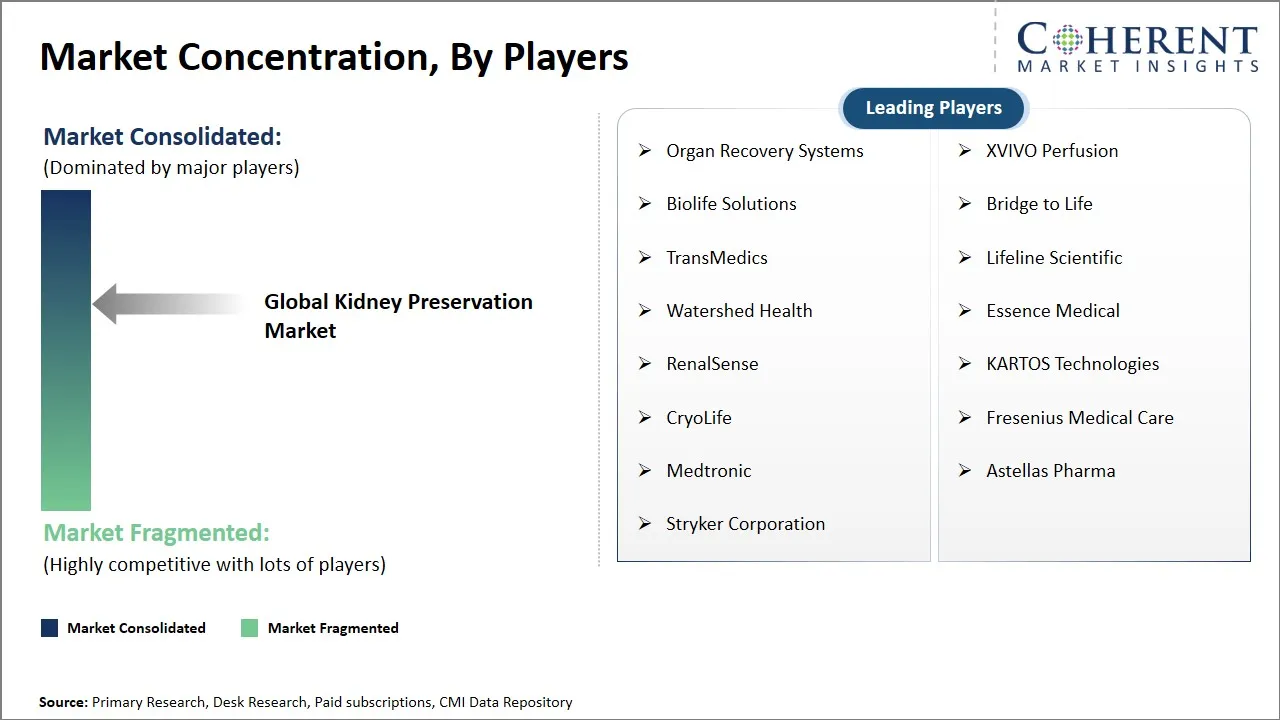
| Companies covered: | Organ Recovery Systems, XVIVO Perfusion, Biolife Solutions, Bridge to Life, TransMedics, Lifeline Scientific, Watershed Health, Essence Medical, RenalSense, KARTOS Technologies, CryoLife, Fresenius Medical Care, Medtronic, Astellas Pharma, and Stryker Corporation | ||
| Growth Drivers: |
| ||
| Restraints & Challenges: |
| ||
Kidney Preservation Market Dynamics
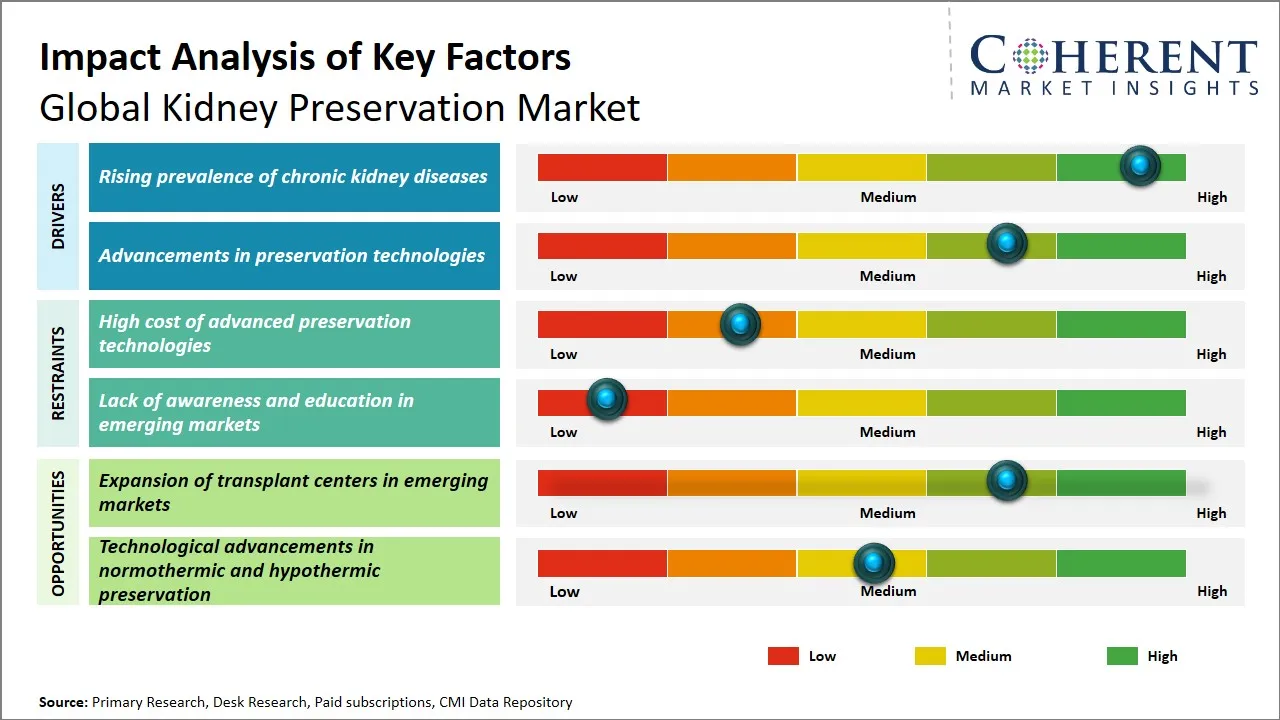
Kidney Preservation Market Driver - Rising Prevalence of Chronic Kidney Diseases
The increasing incidence of chronic kidney diseases (CKD) worldwide is a significant factor driving the demand for advanced kidney preservation technologies. As the global population ages and lifestyle-related risk factors such as diabetes, hypertension, and obesity become more prevalent, the burden of CKD continues to grow, resulting in a higher number of patients requiring kidney transplants. This surge in transplant cases necessitates improved preservation methods to enhance organ viability, reduce ischemic injury, and improve post-transplant outcomes. Preservation techniques, including hypothermic and machine perfusion methods, are becoming increasingly critical to extend the window during which donor kidneys remain suitable for transplantation. Furthermore, rising awareness among healthcare providers regarding the importance of optimal organ preservation has led to greater adoption of cutting-edge solutions.
In May 2024, according to Centers for Disease Control and Prevention, over 850 million people worldwide suffer from kidney disease, a number that continues to rise each year. This includes chronic kidney disease (CKD) and acute kidney injury (AKI), which often go unnoticed due to the "silent" nature of kidney diseases. CKD affects 10.4% of men and 11.8% of women globally, while 13.3 million people experience AKI annually, which can lead to CKD or kidney failure. Despite the high prevalence, many individuals lack access to necessary treatments like dialysis or transplantation due to resource and financial constraints.
Kidney Preservation Market Opportunity - Expansion of Transplant Centers in Emerging Markets
The global kidney preservation market stands to benefit significantly from the rapid expansion of transplant centers in emerging markets such as India, China, Brazil, and Southeast Asia. These regions are witnessing a surge in the prevalence of chronic kidney diseases and end-stage renal failure due to rising diabetes, hypertension, and aging populations, which in turn is driving the demand for kidney transplants. However, the limited availability of advanced transplant facilities has historically constrained market growth. Governments and private healthcare providers are now investing heavily to establish and upgrade transplant centers equipped with state-of-the-art preservation technologies. This expansion increases the volume of kidney transplants, thereby boosting the need for effective kidney preservation solutions to maintain graft viability and improve transplant success rates.
In October 2024, Oncocyte Corporation a diagnostics technology company based in Irvine, California, announced that two top transplant centers in the U.S. and Germany have adopted its GraftAssure research assay. GraftAssure detects early signs of graft organ damage in patients' blood using donor-derived cell-free DNA (dd-cfDNA). Oncocyte is progressing in its clinical product development and has submitted a Q-Sub to the FDA, aiming for FDA clearance to use the test for clinical decision-making.
Analyst Opinion (Expert Opinion)
- The global kidney preservation market is experiencing significant growth, driven by advancements in preservation technologies, increasing organ transplant demand, and growing regulatory support. Technological innovations such as normothermic and hypothermic machine perfusion are enhancing organ quality during preservation, leading to better transplant outcomes. The growing number of kidney failures globally is further fueling market expansion, as healthcare systems strive to improve organ donation and transplantation processes. Emerging opportunities lie in developing cost-effective and region-specific preservation solutions, as many smaller hospitals and emerging markets struggle with affordability and accessibility. However, key challenges include high product costs, lack of standardized procedures, and the need for specialized infrastructure and training.
- In recent years, several global conferences have contributed significantly to advancing the kidney preservation sector. The 2023 International Society for Organ Donation and Procurement (ISODP) Summit, for example, focused on best practices and technological developments in organ preservation, showcasing advancements in preservation technologies and regulatory frameworks. Additionally, initiatives like the U.S. Department of Health and Human Services’ Organ Procurement and Transplantation Network (OPTN) have played a crucial role in improving organ donation systems, directly impacting kidney preservation strategies. These events and initiatives are helping shape policy, promote technology adoption, and offer valuable platforms for industry collaboration and knowledge exchange.
Speak to the analyst
Want personalized insights?
Take the findings above to one of our principal consultants, or have the report rebuilt around the segments, geographies and competitors you actually track.
Market Segmentation
- Preservation Method Insights (Revenue, USD Mn, 2021 - 2033)
- Static Cold Storage (SCS)
- Hypothermic Machine Perfusion (HMP)
- Normothermic Machine Perfusion (NMP)
- Supercooling and Subnormothermic Preservation
- Other Advanced Methods (e.g., cryopreservation, oxygen persufflation)
- Organ Type Insights (Revenue, USD Mn, 2021 - 2033)
- Deceased Donor Kidney
- Living Donor Kidney
- Solution Type Insights (Revenue, USD Mn, 2021 - 2033)
- University of Wisconsin (UW) Solution
- Custodiol HTK (Histidine-Tryptophan-Ketoglutarate) Solution
- Celsior Solution
- Perfadex Solution
- Euro-Collins Solution
- Other Preservation Solutions
- End User Insights (Revenue, USD Mn, 2021 - 2033)
- Hospitals and Transplant Centers
- Specialized Clinics
- Organ Procurement Organizations (OPOs)
- Academic and Research Institutes
- Regional Insights (Revenue, USD Mn, 2021 - 2033)
- North America
- U.S.
- Canada
- Latin America
- Brazil
- Argentina
- Mexico
- Rest of Latin America
- Europe
- Germany
- U.K.
- Spain
- France
- Italy
- Russia
- Rest of Europe
- Asia Pacific
- China
- India
- Japan
- Australia
- South Korea
- ASEAN
- Rest of Asia Pacific
- Middle East
- GCC Countries
- Israel
- Rest of Middle East
- Africa
- South Africa
- North Africa
- Central Africa
- North America
- Key Players Insights
- Organ Recovery Systems
- XVIVO Perfusion
- Biolife Solutions
- Bridge to Life
- TransMedics
- Lifeline Scientific
- Watershed Health
- Essence Medical
- RenalSense
- KARTOS Technologies
- CryoLife
- Fresenius Medical Care
- Medtronic
- Astellas Pharma
- Stryker Corporation
Sources
Primary Research Interviews
- Industry Stakeholders List
- Nephrologists
- Transplant Surgeons
- Organ Procurement Organizations (OPOs)
- Kidney Transplant Coordinators
- Medical Device Manufacturers
- End Users List
- Transplant Centers
- Hospitals with Organ Transplant Programs
- Renal Dialysis Centers
- Organ Transplant Recipients
- Nephrology Clinics
Government and International Databases
- World Health Organization (WHO)
- U.S. National Institutes of Health (NIH)
- Global Observatory on Donation and Transplantation (GODT)
- U.S. Department of Health and Human Services (HHS)
- European Commission (EC) Health Resources
- Centers for Disease Control and Prevention (CDC)
- National Organ Transplantation Program (NOTP)
Trade Publications
- Journal of Transplantation
- Organ Donation and Transplantation Journal
- Transplantation Proceedings
- Transplant International
- Nephrology Dialysis Transplantation
- Journal of Renal Nutrition
- Kidney International
Academic Journals
- American Journal of Transplantation
- Transplantation Proceedings
- Kidney International
- The Lancet Kidney Disease
- Clinical Journal of the American Society of Nephrology (CJASN)
- Nephrology Dialysis Transplantation
- International Journal of Nephrology and Renovascular Disease
Reputable Newspapers
- The New York Times (Health Section)
- The Guardian (Health and Science)
- The Washington Post (Health and Medicine)
- BBC News (Health)
- The Times of India (Health Section)
- The Wall Street Journal (Health Section)
- Reuters Health
Industry Associations
- International Society of Nephrology (ISN)
- American Society of Nephrology (ASN)
- The Transplantation Society (TTS)
- European Society for Organ Transplantation (ESOT)
- National Kidney Foundation (NKF)
- Organ Donation and Transplantation Network (ODT)
- American Society of Transplant Surgeons (ASTS)
Public Domain Resources
- U.S. Department of Health and Human Services (HHS)
- European Commission Health Resources
- National Institutes of Health (NIH)
- National Kidney Foundation (NKF)
- Centers for Disease Control and Prevention (CDC)
- World Kidney Day (WKD)
- United Network for Organ Sharing (UNOS)
Proprietary Elements
- CMI Data Analytics Tool: Proprietary analytics tool to analyze real-time market trends, consumer behavior, and technology adoption in market
- Proprietary CMI Existing Repository of Information for Last 8 Years
Get access to 250+ pages report
Every segment, forecast, competitor profile and data table behind the analysis above — available for instant download.
- ESOMAR Member
- ISO 9001:2015 Certified
- D-U-N-S Registered
- GDPR & CCPA Compliant
Missing comfort of reading report in your local language? Find your preferred language:
Transform your Strategy with Exclusive Trending Reports
Frequently Asked Questions
The global kidney preservation market is estimated to be valued at USD 69.3 Mn in 2026 and is expected to reach USD 114.2 Mn by 2033.
The CAGR of the global kidney preservation market is projected to be 7.4% from 2026 to 2033.
Rising prevalence of chronic kidney diseases and advancements in preservation technologies are the major factors driving the growth of the global kidney preservation market.
High cost of advanced preservation technologies and lack of awareness and education in emerging markets are the major factors hampering the growth of the global kidney preservation market.
In terms of preservation method, the Static Cold Storage (SCS) segment is estimated to dominate the market revenue share in 2026.
The future of kidney preservation is likely to be shaped by the development of more efficient and affordable preservation methods, greater customization to meet the needs of different regions, and innovations in personalized medicine and biotechnology to enhance transplant success.
AI and machine learning technologies are being explored to monitor and predict organ viability during the preservation process. These technologies offer the potential to improve the efficiency and accuracy of preservation techniques and help ensure the best outcomes during transplant surgeries.