

Global Compression Therapy Market Analysis & Forecast: 2026-2033
The Global Compression Therapy Market is estimated to be valued at USD 4.77 Bn in 2026 and is expected to reach USD 8.12 Bn by 2033, exhibiting a compound annual growth rate (CAGR) of 7.9% from 2026 to 2033.
Key Takeaways of the Compression Therapy Market
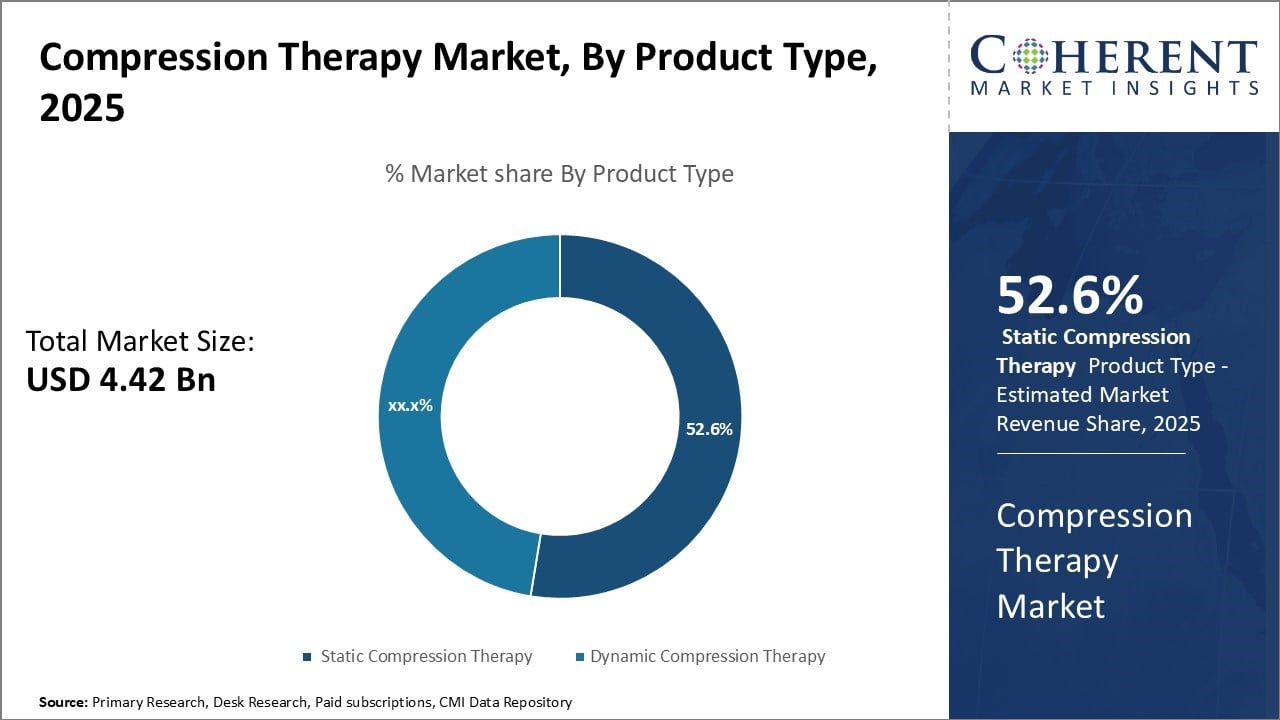
- By Product Type, The Static Compression Therapy Segment is expected to contribute the highest share of the market with 53.6% in 2026
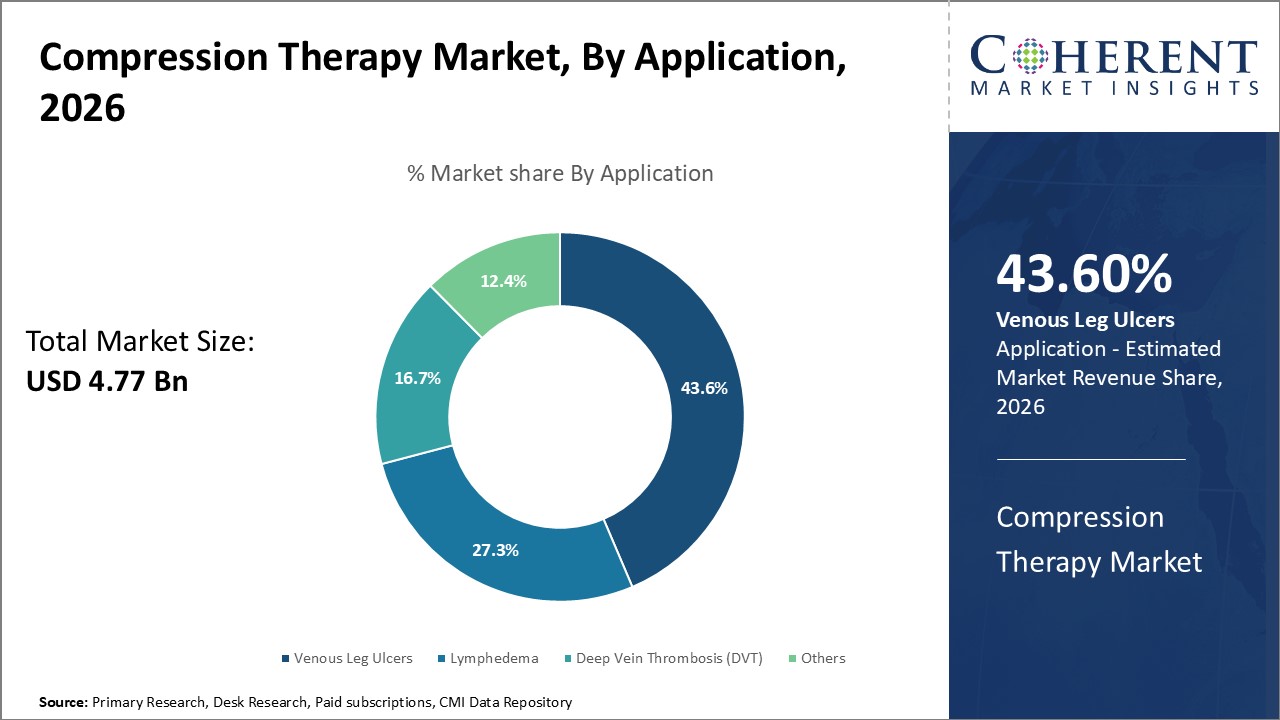
- By Application, The Venous Leg Ulcers Segment is expected to contribute the highest share of the market with 43.6% in 2026.
- By End User, The Hospitals Segment is expected to contribute the highest share of the market with 26.7% in 2026.
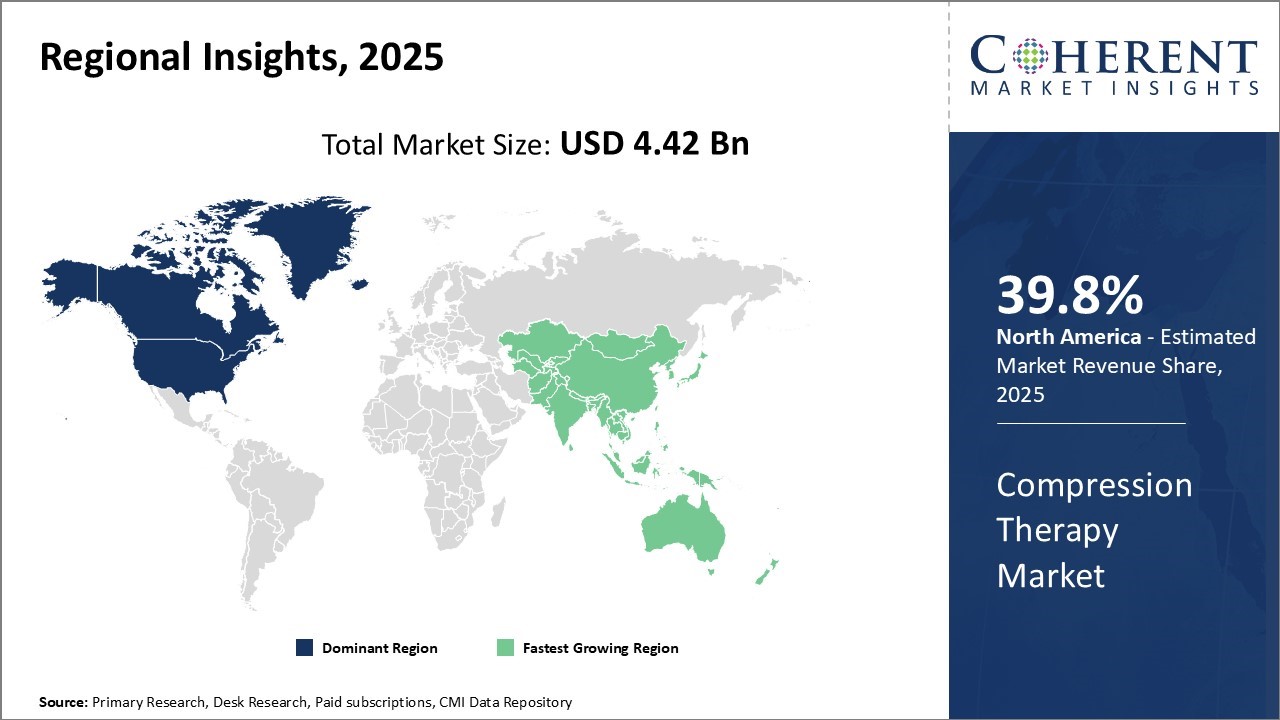
- North America is expected to top the global market with 39.8% share, followed by Asia Pacific with 28.2% share in 2026.
Market Overview
The market provides compression garments and devices that help support and comfort limbs affected by conditions such as varicose veins, leg cramps, and injuries. The compression therapy industry is expected to witness significant growth over the forecast period. Rising geriatric population globally who are more prone to conditions requiring compression therapy will drive demand. Additionally, growing prevalence of lifestyle diseases such as diabetes that can increase risk of leg and vascular issues is also expected to support the increased need for compression wear and devices through 2033.
Current Events and Its Impact on the Global Compression Therapy Market
Event | Description and Impact |
Aging Global Population and Chronic Disease Epidemic |
|
Technological Advancements in Wearable Medical Devices |
|
Regulatory Landscape Evolution and Market Access |
|
Pipeline Analysis
The pipeline for advanced compression therapy devices is centered on technological innovation rather than pharmaceutical development. Since compression therapy is a mechanical treatment, pipeline activity focuses on device evolution, regulatory approvals, and clinical efficacy. Key developments include smart compression systems with embedded sensors for real-time monitoring, and next-generation materials aimed at improving breathability and comfort.
In the compression therapy market in physical rehabilitation, new devices are being designed to enhance mobility and post-injury recovery. The compression therapy socks market for varicose veins is witnessing innovation in graduated pressure designs tailored to improve venous return and patient adherence. For compression therapy by swelling reduction, particularly in post-surgical care, compact pneumatic systems are being optimized for home use.
Device pipelines also reflect growing demand for compression therapy of lymphatic drainage, where multi-chambered pumps and adjustable wraps are in clinical trials. Notably, compression therapy in senior care facilities is becoming a focus area, with ergonomic and easy-to-use systems being developed for elderly populations.
Overall, the pipeline highlights robust growth, driven by device manufacturers like Medtronic and ArjoHuntleigh, who are prioritizing innovation, usability, and regulatory compliance over drug-based approaches.
- Current Industry Events of 2026
- Market Size Estimation
- Regional Breakdown
- Competitive Landscape
- Customer Intelligence
- Segmental Analysis
- Pricing Analysis
- Key Market Drivers, Challenges & Future Trends
- Customized Insights Section
Patent Landscape
The patent landscape of the compression therapy market reflects sustained innovation and competitive activity, particularly in the domains of advanced compression therapy devices and smart technologies. A significant proportion of recent patent filings focus on next-generation pneumatic systems, wearable compression solutions, and integration of sensor-based feedback mechanisms for enhanced monitoring and efficacy.
Major medical device companies—such as Medtronic, BSN Medical, 3M, and ArjoHuntleigh—are actively expanding their intellectual property portfolios. These patents often emphasize ergonomic designs, automation of pressure adjustment, and material innovation to improve patient comfort and compliance. Notably, there is an increase in filings related to compression therapy socks for varicose veins, emphasizing improved elasticity, targeted gradient pressure zones, and antimicrobial fabric compositions.
Emerging players are also contributing to the landscape with patents related to compression therapy for swelling reduction and lymphatic drainage, showcasing a growing focus on wearable, non-invasive solutions tailored for at-home and rehabilitation use. Additionally, patented innovations addressing compression therapy in senior care facilities highlight ease of use, safety, and low-maintenance operation.
The geographical distribution of patents remains strong in the U.S. and Europe, with rising activity in Asia-Pacific, reflecting global interest and commercialization potential in this sector.
Reimbursement Scenario
The global reimbursement landscape for compression therapy is complex and varies significantly by region and payer type. In the United States, coverage is segmented by Medicare, Medicaid, and private insurers. Medicare covers pneumatic compression devices under specific clinical indications such as venous stasis ulcers or lymphedema, reimbursing 80% of approved costs post-deductible. Compression garments receive limited coverage, typically up to two pairs annually. Medicaid coverage varies by state, with prior authorization often required. Private insurance plans, including PPOs and HMOs, generally reimburse 75–90% of costs, depending on plan type and deductible thresholds.
In Europe, reimbursement systems are governed by country-specific frameworks under the EU’s Medical Device Regulation (MDR 2017/745). In Germany, statutory health insurance covers 90% of approved compression therapy costs. In France, coverage is provided through the Assurance Maladie, while in the UK reimbursement was historically determined by the Drug Tariff Schedule.
Globally, products are reimbursed under standardized coding systems such as ICD-10, CPT, and HCPCS in the U.S., and EAN classification for compression hosiery in Europe. Device classification and regulatory approval (e.g., FDA 510(k), CE marking) remain essential for market access and reimbursement eligibility.
Prescribers’ Preference
Compression therapy remains a foundational treatment across venous disorders, lymphatic conditions, and post-operative care, with prescriber preferences shaped by disease stage, patient compliance, and therapeutic goals.
For Chronic Venous Insufficiency (CVI), 78% of physicians recommend graduated compression stockings (15–20 mmHg) as first-line therapy in early stages (C1–C2), favoring conservative management. In moderate CVI (C3–C4), 65% adopt a combined approach, prescribing 20–30 mmHg stockings alongside agents like Aescin and topical anti-inflammatories. For advanced CVI (C5–C6), 89% prefer multi-modal treatment—compression, systemic agents (e.g., pentoxifylline), and wound care interventions.
In lymphatic disorders, compression is prioritized across all stages. For mild lymphedema, 72% of prescribers recommend 20–30 mmHg garments with lifestyle adjustments. In severe cases, 94% utilize intensive regimens including multi-layer bandaging, pharmacologic support, and infection prophylaxis.
For post-operative care, 85% of clinicians mandate compression (15–20 mmHg) in the immediate recovery phase to prevent deep vein thrombosis (DVT). During longer recovery periods, 77% continue compression (20–30 mmHg) alongside anticoagulation and anti-inflammatory therapies.
Overall, prescribers consistently value compression therapy as a core intervention, frequently integrating it with pharmacologic and procedural treatments for optimal outcomes.
Segmental Insights
Global Compression Therapy Market Insights, By Product Type
In terms of product type, the static compression therapy segment is expected to contribute the highest share of the market with 53.6% in 2026. Their comfort, cost-effective nature, and versatility in treating various conditions makes them static compression devices. Compression bandages, stockings and tape provide static pressure to the affected area without need for readjustment throughout the day. Because of this, the tissues are pumped down to the venous reservoirs, aiding in the reduction of swelling and the promotion of blood flow.
Compared to intermittent compression pumps or sleeves, static products are easier and quicker to apply, requiring no power source. Because of this, static compression products are better suited for home therapies and chronic conditions. Many of these static products are discreet and can be worn under ordinary clothes enabling the patient to perform their daily activities normally.
Global Compression Therapy Market Insights, By Application
In terms of application, the venous leg ulcers segment is expected to contribute the highest share of the market with 43.6% in 2026. This is owing to venous leg ulcers frequently being persistent and complicated injuries which respond positively to dynamic compression therapy.
Dynamic compression, also known as muscle pump therapy, works by periodically inflating and deflating compression garments or sleeves worn on the limb, which maximally enhances blood flow and clears obstructions. For leg ulcers that are particularly resistant to healing with static compression, dynamic compression is a more focused method that often considerably reduces healing time.
Global Compression Therapy Market Insights, By End User
In terms of end user, the hospitals segment is expected to contribute the highest share of the market with 26.7% in 2026. This is driven largely by established treatment standards deeming inpatient compression therapy necessary for various acute medical conditions. In hospitals, compression finds wide application from pre- to post-operative care across specialties like vascular surgery, orthopedics and cardiology.
Post-surgery, compression plays a key role in effectively minimizing swelling, hematomas and potential embolisms during immobilization recovery periods. For extensive surgical procedures, inpatient compression allows for round-the-clock therapy and monitoring during the critical initial healing stages.
Global Compression Therapy Market - Regional Insights
North America Compression Therapy Market Analysis and Trends
North America is expected to dominate the compression therapy market in 2026 with share of 39.8%, driven by advanced healthcare infrastructure, high prevalence of chronic venous disorders, and increasing awareness of compression therapy benefits. The region's strong market share is further supported by favorable reimbursement policies and ongoing technological advancements in compression devices. Key players, including Medtronic, Sigvaris, and Cardinal Health, have a robust presence in North America, driving innovation and accessibility to a wide range of compression products.
Asia Pacific Compression Therapy Market Trends
Meanwhile, the Asia Pacific region exhibits the fastest growth with share of 28.2% in 2026, driven by rising medical expenditures, a growing patient population, and increasing focus on preventive care in major markets like China and India. As healthcare moves up the government agenda, more funding is being directed to chronic disease management, creating opportunities for compression therapy suppliers.
Compression Therapy Market Outlook for Key Countries
United States Compression Therapy Market Trends
The U.S. compression therapy market is expected to lead due to the rising prevalence of chronic conditions like Peripheral Artery Disease (PAD) and a growing geriatric population. A study published by Vascular Disease Management in April 2023 highlighted an increase in PAD cases, from 11.3 million in 1995 to 26 million in 2020, driven by an aging population.
Additionally, increasing awareness of compression therapy's benefits for conditions like PAD, Deep Vein Thrombosis (DVT), and post-thrombotic syndrome further supports market growth through its proven clinical effectiveness.
United Kingdom Compression Therapy Market Trends
The U.K. compression therapy market is projected to grow at a moderate CAGR during the forecast period. Key growth drivers include the increasing geriatric population and the rising prevalence of venous ulcers, foot ulcers, and edema, which are boosting the demand for compression therapy.
According to the British Heart Foundation, around 60,000 individuals in the U.K. are affected by Deep Vein Thrombosis, DVT annually. This growing prevalence is driving the adoption of compression therapy solutions such as compression hosiery, bandaging, and other devices, which play a vital role in managing DVT effectively.
India Compression Therapy Market Trends
India compression therapy market is driven by the increasing prevalence of chronic diseases such as diabetes, obesity, and venous disorders. These conditions often require effective management of symptoms like poor circulation and swelling, fueling the demand for compression therapy solutions. In July 2023, according to a study by the Indian Council of Medical Research (ICMR INDIAB), 101 million people in India are affected by diabetes, highlighting the significant need for such therapeutic interventions.
Saudi Arabia Compression Therapy Market Trends
The compression therapy market in Saudi Arabia is anticipated to grow during the forecast period. According to ResearchGate, in October 2024, Chronic Venous Insufficiency (CVI) affects 46.1% of the adult population, particularly in the Western region of Saudi Arabia, driven by factors such as lifestyle changes, aging, family medical history, occupational hazards, and hormonal therapy use. These dynamics highlight the region's potential as a competitive market for CVI treatment, emphasizing the need for innovative solutions and targeted interventions to address prevalent risk factors effectively.
Market Players, Key Development, and Competitive Intelligence
Key Developments
- In October 2023, MediWound, a biopharmaceutical company specializing in wound care, formed a strategic partnership with 3M, a U.S.-based multinational conglomerate to conduct Phase III clinical trials for EscharEx, an advanced enzymatic debridement therapy.
- In September 2023, Tactile Medical, a pioneer in chronic disease management solutions, secured a patent for an innovative compression garment system featuring adjustable pressure to optimize fluid movement and management.
- In June 2023, Medi GmbH & Co., a global leader in medical compression solutions, launched new compression products, including circular and flat-knit variants, tailored to meet a variety of patient needs.
- In May 2022, Medline Industries, LP., a leading distributor of healthcare products, introduced skin health and compression workshops to train Healthline workers in advanced care practices
Top Strategies Followed by Global Compression Therapy Market Players
- Established Players: Leading companies are investing significantly in research and development to innovate high-performance compression therapy products.
- For instance, in May 2020, AIROS Medical, Inc. launched the Arm Plus garment, which received U.S. FDA 510(k) clearance. This product is designed to treat lymphedema affecting the arm, shoulder, chest, and back.
- Mid-level companies are focusing on delivering quality, budget-friendly products targeting price-sensitive consumers. They aim to provide effective compression therapy solutions without compromising on quality, catering to a broader patient base.
- Smaller companies are targeting niche markets with unique features or innovative products.
- For instance, in September 2023, Tactile Medical received a patent for a novel compression garment system utilizing adjustable pressure to enhance fluid movement and management, focusing on specialized patient needs.
Emerging Startups - Compression Therapy Industry Ecosystem
Innovative Technologies: Several startups are developing cutting-edge technologies to disrupt the market. Volterman has created a smart compression sleeve integrated with Bluetooth and sensors to monitor blood flow and muscle activity. Similarly, Tendril makes compression socks enhanced with temperature regulating fibers and moisture-wicking liners. These startups are bringing innovative fabrics and digital features to compression products.
- Sustainable Solutions: Some startups focus on more eco-friendly offerings. Bently Bioengineering produces compression socks from recycled ocean plastics blended with moisture-wicking fibers. Similarly, Origin Compression uses sustainably sourced bamboo-based fabrics for its compression leggings and sleeves. Their products help address the industry's environmental impact.
- Market Contribution: Startups also target niche patient groups. ActiveWraps designs colorful compression clothing and sleeves focused on teenage athletes and their self-image needs. CompressionZ cater specifically to geriatric patients by offering elderly-friendly garment designs. Startups are forming partnerships with established companies and research institutions to drive technological and sustainable innovation, facilitating the development and distribution of advanced compression therapy solutions.
Market Report Scope
Compression Therapy Market Report Coverage
| Report Coverage | Details | ||
|---|---|---|---|
| Base Year: | 2025 | Market Size in 2026: | USD 4.77 Bn |
| Historical Data for: | 2020 To 2024 | Forecast Period: | 2026 To 2033 |
| Forecast Period 2026 to 2033 CAGR: | 7.9% | 2033 Value Projection: | USD 8.12 Bn |
| Geographies covered: |
| ||
| Segments covered: |
| ||
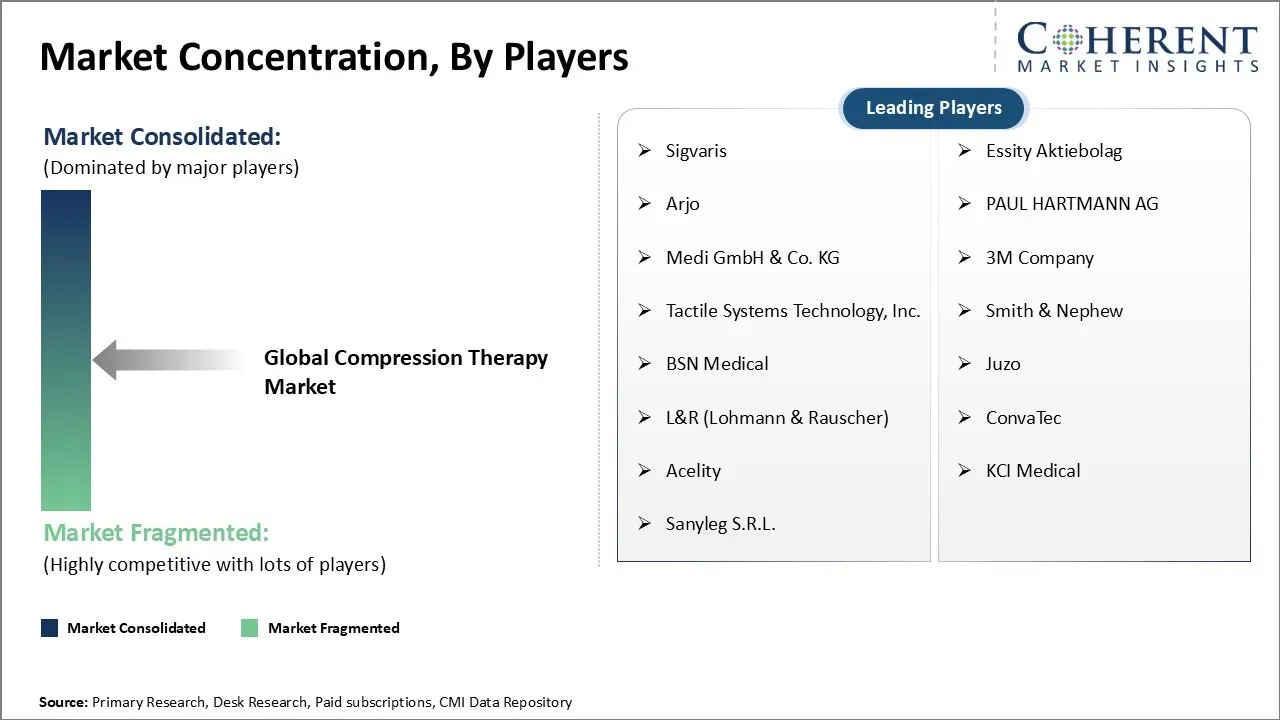
| Companies covered: | Sigvaris, Essity Aktiebolag, Arjo, PAUL HARTMANN AG, Medi GmbH & Co. KG, 3M Company, Tactile Systems Technology, Inc., Smith & Nephew, BSN Medical, Juzo, L&R (Lohmann & Rauscher), ConvaTec, Acelity, KCI Medical, and Sanyleg S.R.L. | ||
| Growth Drivers: |
| ||
| Restraints & Challenges: |
| ||
Compression Therapy market Growth Driver - Increasing prevalence of venous and lymphatic disorders
The global compression therapy market has been witnessing steady growth over the past couple of years owing to the rising prevalence of venous and lymphatic diseases across all age groups worldwide. Chronic venous disease, deep vein thrombosis, and lymphedema are some of the most common conditions that require compression therapy.
Prolonged sitting hours at work, sedentary lifestyles, obesity rates, and risks from medical procedures like surgeries have contributed significantly to the rising incidences of such disorders. A report by Frontiers Media S.A., published in September 2023, highlighted a global incidence of five cases of chronic venous insufficiency per 100,000 individuals.
This incidence varies by age, affecting 2-3 individuals per 100,000 in the 30-49 age group and approximately 20 individuals per 100,000 in the 70-79 age group. These conditions have led to a rising demand for products like stockings and bandages, driving market growth.
Compression Therapy Market Challenge - High cost of advanced compression devices
One of the major challenges faced by the global compression therapy market is the high cost of advanced compression devices. Compression therapy devices that are technologically advanced, offer greater therapeutic benefits through precise compression levels and improved materials often come at a steep price point.
This makes them inaccessible for a large segment of the target population who can benefit from compression therapy but have limited financial means. The high costs prohibit scale and mass adoption of these devices globally. Manufacturers will need to further drive down production costs through economies of scale and increased automation to make such devices more affordable.
Compression Therapy Market Opportunity- Technological Advancements in Compression Therapy Devices
The global compression therapy market has been presented with significant opportunities due to the technological advancements in compression therapy devices. Compression garments and sleeves that were once basic and ill-fitting can now be customized through 3D scanning and printing to provide just the right level of graduated compression tailored to individual needs and anatomy.
Microprocessor controlled compression pumps also allow for dynamic compression profiles and remote monitoring. The incorporation of sensors, artificial intelligence, and connectivity is further optimizing compression therapies.
As these innovative devices become more widely available, it will drive the scope of treatment to newer applications and expand the market reach beyond orthopedic disorders into chronic disease management. The advanced features are also improving user compliance that is critical to therapy outcomes.
Analyst Viewpoint
- The global compression therapy market possesses substantial growth opportunities over the next decade. Rising geriatric population susceptible to diseases like diabetes and vascular disorders will drive demand. Furthermore, growing participation in sports and subsequent risk of muscle strains and injuries makes compression products increasingly relevant. Additionally, rising health awareness and focus on preventive care is prompting many to use compression garments, even without an underlying condition.
- The market also faces challenges. Low compliance due to discomfort during usage can restrain market potential. Additionally, lack of thorough education regarding appropriate usage can diminish results. The Asia Pacific region excluding Japan will be crucial for future growth owing to rising medical expenditures, growing disability rates, and increasing focus on new therapies within healthcare. North America will likely remain the dominant regional market given established reimbursement structures and higher accessibility of products.
- Opportunities span from digital compliance technologies and innovative fabric materials to education programs and global expansion within developing nations. Leading players must invest in partnerships, new product development, and marketing initiatives to solidify their position. Compression pumps and wraps have bright futures, but sleeves and hosiery also have scope. Market players need nuanced regional strategies and multi-channel availability to truly tap the compression therapy market's worldwide growth trajectories. Educating clinicians and consumers alike on appropriate usage will be imperative.
Market Segmentation
- By Product Type Insights (Revenue, USD Bn, 2021 - 2033)
- Static Compression Therapy
- Compression Bandages
- Compression Stockings
- Compression Tape
- Others Compression Garments
- Dynamic Compression Therapy
- Compression Pumps
- Compression Sleeves
- By Application Insights (Revenue, USD Bn, 2021 - 2033)
- Venous Leg Ulcers
- Lymphedema
- Deep Vein Thrombosis (DVT)
- Others
- By End User Insights (Revenue, USD Bn, 2021 - 2033)
- Hospitals
- Specialty Clinics
- Home healthcare
- Rehabilitation Centers
- Physician’s Office
- Nursing Homes
- Others
- Regional Insights (Revenue, USD Bn, 2021 - 2033)
- North America
- U.S.
- Canada
- Latin America
- Brazil
- Argentina
- Mexico
- Rest of Latin America
- Europe
- Germany
- U.K.
- Spain
- France
- Italy
- Russia
- Rest of Europe
- Asia Pacific
- China
- India
- Japan
- Australia
- South Korea
- ASEAN
- Rest of Asia Pacific
- Middle East
- GCC Countries
- Israel
- Rest of Middle East
- Africa
- South Africa
- North Africa
- Central Africa
- Key Players Insights
- Sigvaris
- Essity Aktiebolag
- Arjo
- PAUL HARTMANN AG
- Medi GmbH & Co. KG
- 3M Company
- Tactile Systems Technology, Inc.
- Smith & Nephew
- BSN Medical
- Juzo
- L&R (Lohmann & Rauscher)
- ConvaTec
- Acelity
- KCI Medical
- Sanyleg S.R.L.
Sources
Primary Research Interviews
- Medical device manufacturers and suppliers
- Healthcare providers and physicians specializing in vascular medicine
- E-commerce platform managers and digital health executives
- Patients and end-users of compression therapy products
- Others
Databases
- IBISWorld Industry Research Database
- Others
Magazines
- Medical Device & Diagnostic Industry (MD+DI)
- Healthcare Business & Technology
- E-commerce Times
- Digital Health Magazine
- Others
Journals
- Journal of Vascular Surgery
- International Journal of Medical Devices
- Journal of Telemedicine and Telecare
- Others
Newspapers
- Healthcare Finance News
- Modern Healthcare
- Medical Device Daily
- Digital Health News
- Others
Associations
- Society for Vascular Surgery (SVS)
- International Compression Club (ICC)
- American Venous Forum (AVF)
- Digital Health Association
- Others
Public Domain Sources
- FDA Medical Device Database
- WHO Global Health Observatory
- Centers for Disease Control and Prevention (CDC)
- European Medicines Agency (EMA)
- Others
Proprietary Elements
- CMI Data Analytics Tool
- Proprietary CMI Existing Repository of information for last 8 years
Get access to 250+ pages report
Every segment, forecast, competitor profile and data table behind the analysis above — available for instant download.
- ESOMAR Member
- ISO 9001:2015 Certified
- D-U-N-S Registered
- GDPR & CCPA Compliant
Missing comfort of reading report in your local language? Find your preferred language:
Transform your Strategy with Exclusive Trending Reports
Frequently Asked Questions
The Compression Therapy Market size is estimated to be valued at USD 4.77 Bn in 2026, and is expected to reach USD 8.12 Bn by 2033.
The CAGR of the global Market is projected to be 7.9% from 2026 to 2033.
Increasing prevalence of venous and lymphatic disorders and growing awareness and adoption of compression therapy products are the major factors driving the growth of the global market.
High cost of advanced compression devices and limited availability of trained healthcare professionals are the major factors hampering the growth of the global market.
In terms of product type, the static compression therapy segment is estimated to dominate the market revenue share in 2026.
Sigvaris, Essity Aktiebolag, Arjo, PAUL HARTMANN AG, Medi GmbH & Co. KG, 3M Company, Tactile Systems Technology, Inc., Smith & Nephew, BSN Medical, Juzo, L&R (Lohmann & Rauscher), ConvaTec, Acelity, KCI Medical, and Sanyleg S.R.L. are the major players.
North America is expected to lead the global compression therapy industry in 2026.