

Global Lantus Market Size and Forecast
The Global Lantus Market is estimated to be valued at USD 2.24 Bn in 2026 and is expected to reach USD 3.37 Bn by 2033, exhibiting a compound annual growth rate (CAGR) of 6.0% from 2026 to 2033. This forecast indicates robust growth and increased demand in the diabetes treatment sector, fueled by the rising global prevalence of diabetes, greater use of long-acting insulin therapies, and innovations in drug delivery technologies.
Key Takeaways of the Global Lantus Market
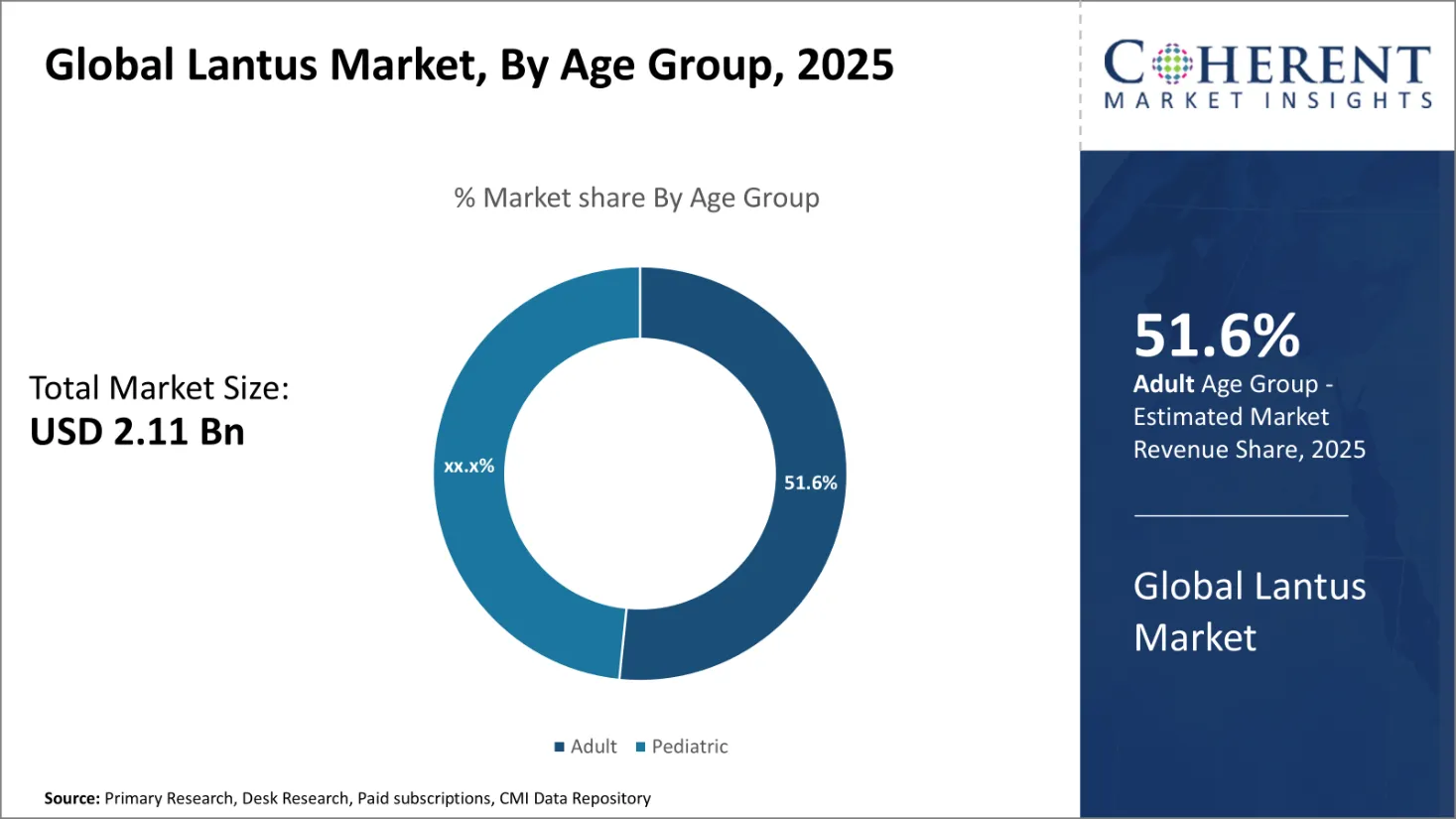
- The adult segment is expected to dominate the global Lantus market, accounting for 52.6% of the market share in 2026.
- Hospitals are projected to hold the largest share of the Lantus market at 35.2% in 2026.
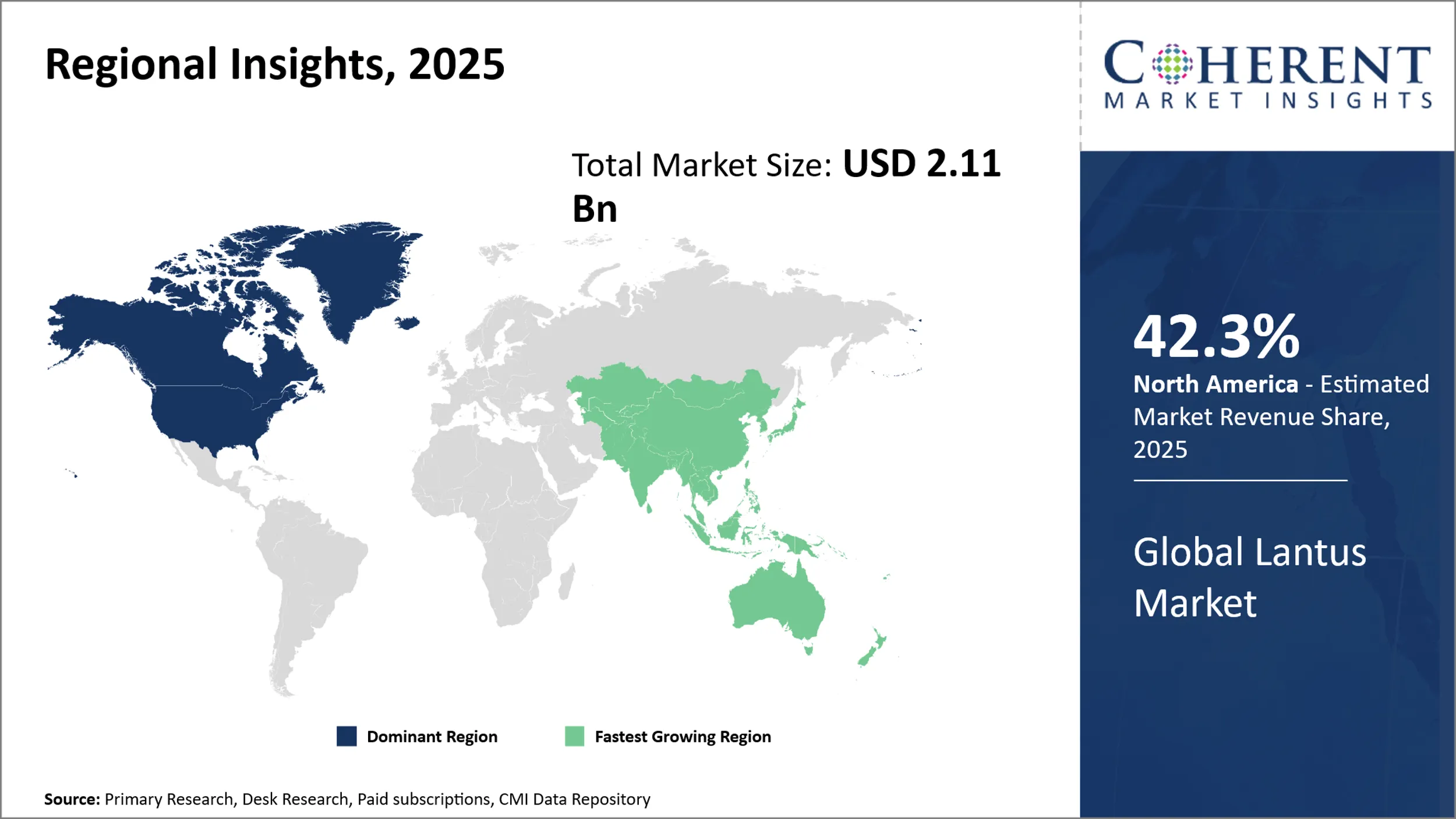
- North America is expected to lead the market, holding a share of 42.3 % in 2026. Asia Pacific is anticipated to be the fastest-growing region, with a market share of 14.7% in 2026.
Market Overview
The trends in Lantus market indicate a significant shift towards personalized diabetes management, with innovations such as continuous glucose monitoring and smart insulin pens gaining traction. Additionally, increasing healthcare awareness and government initiatives to improve diabetes care in emerging markets are propelling demand. The market is also experiencing competitive expansion as biopharmaceutical companies invest heavily in research to develop long-acting insulins with improved efficacy and fewer side effects.
Currents Events and their Impact
Current Events | Description and its impact |
Biosimilar Competition |
|
WHO Prequalification of Insulin |
|
Segmental Insights
- Current Industry Events of 2026
- Market Size Estimation
- Regional Breakdown
- Competitive Landscape
- Customer Intelligence
- Segmental Analysis
- Pricing Analysis
- Key Market Drivers, Challenges & Future Trends
- Customized Insights Section
Lantus Market Insights, By Age Group - Adults contributes the highest share of the market owing to the higher prevalence of Type 2 diabetes linked to obesity, sedentary lifestyles
The adult segment is expected to dominate the global Lantus market with a share of 52.6% in 2026 primarily due to the rise in diabetes cases globally, with Type 2 diabetes (T2D) being the primary driver. According to the International Diabetes Federation (IDF) Diabetes Atlas 2023, approximately 537 million adults (20–79 years) live with diabetes, compared to 1.2 million children and adolescents (<20 years) with Type 1 diabetes (T1D). This means adults represent ~99.8% of the total diabetes population, making them the dominant segment in insulin demand, including long-acting analogs like Lantus (insulin glargine). The IDF projects this number will rise to 643 million adults by 2030, further solidifying the adult market’s dominance.
Sedentary lifestyles & urbanization have also emerged as critical drivers of the global diabetes epidemic, particularly among adults. According to the World Health Organization Report 2023, physical inactivity directly contributes to 27% of Type 2 diabetes (T2D) cases worldwide, as reduced activity levels impair glucose metabolism and exacerbate insulin resistance. This trend is amplified by rapid urbanization, particularly in developing economies. For instance, in China, diabetes prevalence surged to 12.4% in 2023 according to the New England Journal of Medicine, May 2023, a dramatic increase linked to shifting lifestyles, including sedentary jobs, reduced physical activity, and the adoption of Westernized diets high in processed foods and sugars.
Urban populations face higher diabetes risks due to environmental factors such as limited green spaces, reliance on motorized transport, and increased stress levels, further compounding metabolic health challenges. These trends underscore why adults in urbanized regions dominate diabetes statistics and drive sustained demand for long-acting insulin therapies like Lantus.
Lantus Market Insights, By Strength – 10 mL contributes the highest share of the market primarily due to their cost-effectiveness for long-term diabetes management
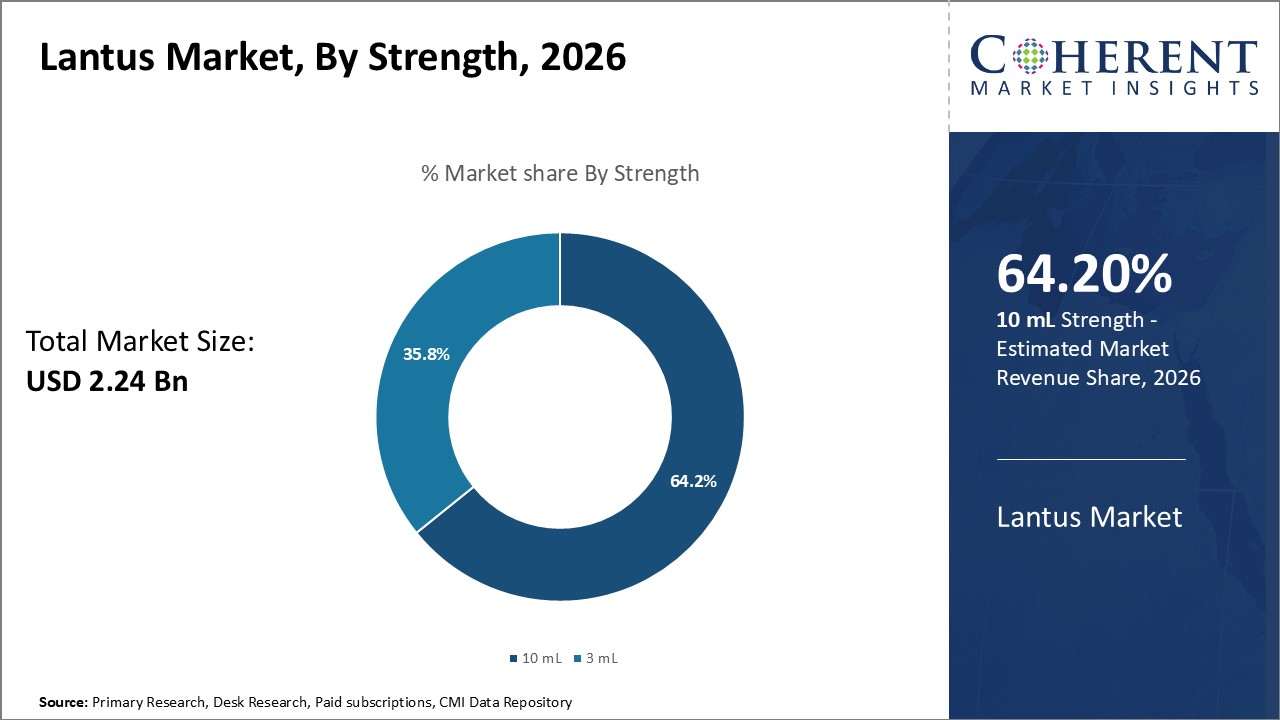
When analyzing the global Lantus market from the perspective of strength, the 10 mL segment is expected to capture the dominant share of 64.2% in 2026, driven primarily by its cost-effectiveness and suitability for bulk usage in hospitals and clinics. The 10 mL strength vial is favored in institutional environments where large volumes of insulin are administered regularly, such as endocrinology departments, diabetes care centers, and specialized clinics. These settings benefit from the lower per-unit cost and ease of storage offered by the larger vial, ensuring a continuous, efficient supply for multiple patients without frequent repurchasing.
Bulk procurement of 10 mL Lantus vials aligns well with the demand patterns of healthcare facilities treating sizable numbers of diabetes patients, both pediatric and adult. This vial size allows healthcare providers to better manage inventory and reduce wastage, a crucial factor in resource-limited or cost-sensitive healthcare systems. Moreover, many insurance providers and health programs often prefer or mandate the use of larger vials for outpatient and inpatient care due to better pricing efficiency, further bolstering this segment’s market share.
A 2022 study published in Diabetes Care found that patients using 10 mL vials experienced 20% lower annual treatment costs than those using multiple 3 mL vials, reinforcing their dominance in value-based healthcare systems. Additionally, the 10 mL format’s higher concentration (100 units/mL) and larger volume make it the preferred choice for healthcare providers managing high-dose insulin requirements, particularly in hospital and chronic care settings.
Lantus Market Insights, By Dosage Form – Single patient use prefilled pen contributes the highest share of the market primarily due to their enhanced patient compliance, adoption and preference
In the Lantus market, the single patient use prefilled pen is the dominant dosage form with an estimated 73.1% market share in 2026, surpassing multi-dose vials in adoption and preference. A 2022 study in Diabetes Technology & Therapeutics found that patients using prefilled pens had a 30% higher adherence rate compared to vial-and-syringe users, emphasizing their role in improving glycemic control. Additionally, the prefilled pen’s ease of use and portability make it the preferred choice for both patients and healthcare providers, particularly in outpatient and home-care settings.
Pricing Analysis of Lantus Market
- The price of Lantus (insulin glargine) varies significantly across global markets in 2024, with the U.S. having the highest average cost at USD 131.07 per 10 mL vial. In contrast, European countries like Lithuania (USD 9.21), France (USD 10.36), and Estonia (USD 10.90) offer more affordable pricing, while emerging markets such as India have the lowest cost at just USD 5.25. Germany and the Netherlands maintain mid-range prices at USD 13.46 and USD 13.37, respectively, reflecting regional pricing policies and healthcare reimbursement structures. Switzerland (USD 15.18) and Mexico (USD 23.45) fall in the mid-to-high range, while Latvia stands out in Europe with a notably higher price (USD 62.21). These disparities highlight the influence of regulatory frameworks, local manufacturing, and market competition on insulin affordability.
- Looking ahead, Lantus prices are projected to rise globally by 2032, with the U.S. anticipating the steepest increase (25–30%). European nations like Germany (20–25%), Sweden (20–25%), and Italy (20%) also face significant hikes, while France, the Netherlands, and Belgium expect more moderate rises (15–20%). Emerging markets such as Chile and Latvia may see 15–20% increases, though their prices will likely remain below those of developed economies. Countries like Canada, Japan, Australia, and the U.K. could experience 25–30% price surges, driven by inflation, R&D costs, and supply chain factors. These forecasts suggest growing affordability challenges for diabetes patients, particularly in high-income markets where insulin costs are already elevated.
Regional Insights
North America Lantus Market Analysis and Trends
North America, accounting for an estimated 42.3% in 2026, dominates the global Lantus market driven by a well-established healthcare infrastructure, widespread awareness about diabetes management and significant investment in biopharmaceutical research and development. The U.S., in particular, has a mature insulin market supported by robust insurance frameworks and government policies encouraging better chronic disease management. Additionally, presence of leading pharmaceutical companies such as Sanofi, the original manufacturer of Lantus, along with strong partnerships with healthcare providers, enhances market penetration. Regulatory agencies have streamlined approvals for biosimilars, yet brand loyalty remains strong, sustaining Lantus dominance in this region.
Moreover, in March 2023, Sanofi announced a significant price reduction for Lantus (insulin glargine injection) in the U.S., cutting the list price by 78%. Additionally, it established a USD 35 monthly cap on out-of-pocket costs for patients with commercial insurance. These changes, effective January 1, 2024, aimed to improve access and affordability for those using Lantus.
Asia Pacific Lantus Market Analysis and Trends
The Asia Pacific Lantus market is experiencing significant growth due to the rising prevalence of diabetes, increasing healthcare expenditure, and advancements in insulin therapies. The region, home to some of the world’s most populous countries like China and India, has a large diabetic population, driving demand for long-acting insulin analogs such as Lantus. Factors such as urbanization, sedentary lifestyles, and poor dietary habits contribute to the escalating diabetes burden, further propelling market expansion. Governments and healthcare organizations are also focusing on improving diabetes management through awareness campaigns and better access to insulin, supporting market growth. Asia Pacific is expected to account for 14.7% of the market share in 2026.
However, the market faces challenges, including high costs of branded insulin, competition from biosimilars, and regulatory hurdles in some countries. Despite these barriers, the increasing adoption of Lantus in emerging economies, along with strategic collaborations between pharmaceutical companies and local distributors, is expected to sustain market growth. Additionally, innovations in drug delivery systems, such as insulin pens and smart insulin devices, are enhancing patient convenience and compliance. Looking ahead, the Asia Pacific Lantus market is projected to grow steadily, supported by rising diabetes incidence, improving healthcare infrastructure, and expanding insurance coverage for diabetes care in the region.
Global Lantus Market Outlook for Key Countries
U.S. Lantus Market Trends
The U.S. Lantus market is characterized by advanced healthcare facilities and extensive insurance coverage, which facilitate access to Lantus for diabetic patients. Sanofi continues to hold a strong position here, leveraging established relationships with healthcare providers and payers. The country’s regulatory environment remains conducive for innovation and biosimilar competition, with ongoing efforts to balance cost and accessibility. Additionally, patient education and digital diabetes management tools contribute to sustained insulin usage.
Germany Lantus Market Trends
Germany’s healthcare system, marked by universal health coverage and strong emphasis on chronic disease management, supports steady demand for Lantus. The country serves as a key European hub for pharmaceutical research and manufacturing, enabling easy availability of brand and biosimilar insulin products. Companies such as Sanofi and Boehringer Ingelheim play significant roles, with strategic collaborations driving product accessibility. Government policies promoting affordable medicines while maintaining stringent quality standards help maintain a competitive yet stable market environment.
A notable expansion of local manufacturing capabilities, as evidenced by major pharmaceutical companies investing in domestic production facilities to ensure supply chain security and meet increasing demand. For instance, in August 2024, Sanofi committed USD 1.5 billion (€1.3), to establish a state-of-the-art insulin manufacturing plant at its Frankfurt Höchst campus. This 36,000-square-foot facility, expected to be operational by 2029, will not only generate hundreds of new jobs but also replace older production sites with a more sustainable infrastructure. The new plant will utilize renewable energy and incorporate passive waste-reduction technologies, aligning with Germany's push for greener pharmaceutical manufacturing. This investment reinforces the country's role as a central hub for insulin production in Europe.
China Lantus Market Trends
China’s diabetes epidemic is a major driver for the rapidly expanding Lantus market. The government’s health reforms focus on improving rural healthcare delivery and subsidizing critical medications, including insulin analogs like Lantus. International pharma companies are actively forming joint ventures with local firms to enhance market penetration. Sanofi and its rivals are investing in localized manufacturing and patient awareness initiatives. The liberalizing regulatory framework and expanding healthcare insurance coverage create a conducive environment for insulin market growth.
India Lantus Market Trends
India’s market for Lantus is growing due to increasing diabetes prevalence coupled with improving healthcare infrastructure and affordability initiatives. Government programs aimed at expanding access to essential medicines and insulin have encouraged uptake. Additionally, the presence of biosimilar manufacturers challenging originator brands has intensified competition. Sanofi maintains a significant presence while companies like Biocon collaborate on biosimilar insulin products. Urban centers show higher usage, but rural outreach programs are helping widen market access. Moreover, increasing prevalence of diabetes in India is expected to augment the Lantus market in the country. For instance, in May 2023, the World Health Organization published data according to which India leads the world in diabetes prevalence with an estimated 212 million adults diagnosed in 2022. This accounts for over a quarter of the global diabetic population, which exceeds 800 million. A recent study in The Lancet highlighted this concerning trend, revealing that the number of adults with diabetes has quadrupled since 1990. Furthermore, India also has a significant number of pre-diabetic individuals, estimated at 136 million, indicating a high risk of future diabetes cases.
Brazil Lantus Market Trends
Brazil’s healthcare system, characterized by public and private sector collaboration, supports access to insulin products including Lantus. Government initiatives targeting non-communicable diseases and chronic conditions drive demand. Sanofi and local pharmaceutical firms maintain active roles in distribution and awareness efforts. Regulatory processes have adapted to facilitate biosimilar launches, contributing to a diversified market. Trade relations within Latin America further enable efficient logistics and cost management, supporting steady market growth.
Market Players, Key Developments, and Competitive Intelligence
Key Developments
- In October 2023, GoodRx, a prominent U.S. healthcare savings platform, partnered with Sanofi to enhance access to Lantus (insulin glargine) at an affordable fixed price. Effective October 19, 2023, the collaboration allows all Americans with a valid prescription, insured or uninsured, to obtain a 30-day supply of Lantus for just USD 35 at over 70,000 U.S. pharmacies using GoodRx. By leveraging GoodRx’s extensive pharmacy network, the partnership aims to reduce financial barriers for diabetes patients, reinforcing efforts to improve insulin affordability amid rising U.S. diabetes prevalence.
- In March 2023, Sanofi announced a major pricing overhaul for its diabetes portfolio, slashing the U.S. list price of Lantus (insulin glargine) by 78% and implementing a USD 35 monthly out-of-pocket cap for commercially insured patients effective January 2024. These strategic cuts ensure all patients insured or uninsured, pay no more than USD 35 monthly for Lantus, reinforcing Sanofi’s commitment to diabetes care accessibility amid growing U.S. insulin pricing reforms.
Market Report Scope
Lantus Market Report Coverage
| Report Coverage | Details | ||
|---|---|---|---|
| Base Year: | 2025 | Market Size in 2026: | USD 2.24 Bn |
| Historical Data for: | 2020 To 2024 | Forecast Period: | 2026 To 2033 |
| Forecast Period 2026 to 2033 CAGR: | 6.0% | 2033 Value Projection: | USD 3.37 Bn |
| Geographies covered: |
| ||
| Segments covered: |
| ||
| Companies covered: | Sanofi | ||
| Growth Drivers: |
| ||
| Restraints & Challenges: |
| ||
Market Dynamics
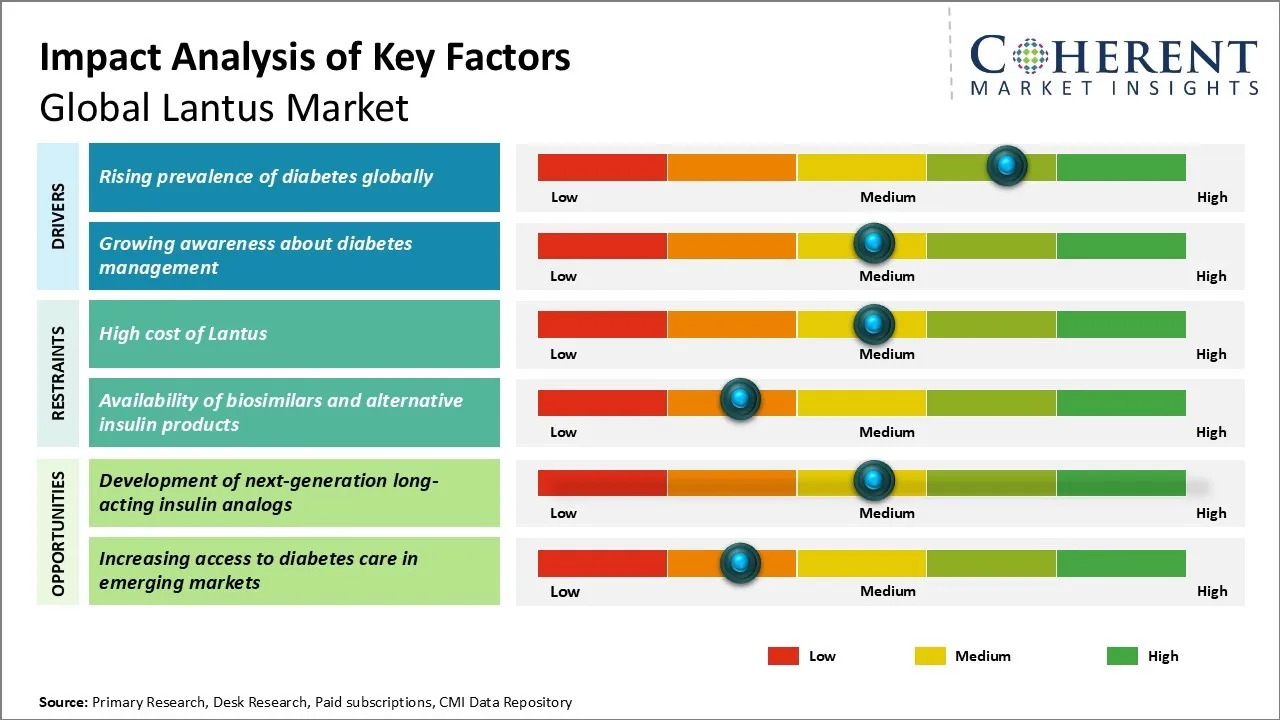
Lantus Market Driver - Rising Prevalence of Diabetes Globally
The escalating prevalence of diabetes worldwide serves as a significant driver for the global Lantus market, reflecting the intense and growing demand for effective insulin therapies. As lifestyle changes, urbanization, and aging populations contribute to an increasing number of individuals diagnosed with both type 1 and type 2 diabetes, the need for reliable long-acting insulin treatments has surged. Lantus, as a widely prescribed basal insulin, offers patients improved glycemic control and convenience with once-daily dosing, making it a preferred choice among healthcare providers.
According to the International Diabetes Federation (IDF) Diabetes Atlas (2023), approximately 537 million adults were living with diabetes in 2021, a number projected to surge to 643 million by 2030 and 783 million by 2045. Type 2 diabetes accounts for over 90% of cases, with obesity, sedentary lifestyles, and aging populations fueling the crisis. This rising prevalence presents a major growth opportunity for the Lantus market, particularly as governments and global health organizations push for broader diabetes care access. The American Diabetes Association (ADA) reports that 40% of people with diabetes in LMICs remain undiagnosed, indicating significant unmet demand. Initiatives like the WHO Global Diabetes Compact aim to improve diagnosis and treatment affordability, while partnerships, such as Sanofi’s collaborations with local manufacturers in Africa and Asia Pacific, are expanding biosimilar insulin glargine availability.
Moreover, the rising awareness about diabetes management and earlier diagnosis are encouraging continuous insulin therapy initiation, further propelling the usage of products like Lantus. The chronic nature of diabetes necessitates long-term medication adherence, reinforcing a sustained market demand. Additionally, healthcare systems in developing regions are expanding diabetic care infrastructure, which also facilitates broader access to insulin therapies, thereby amplifying the market potential for Lantus on a global scale.
Lantus Market Opportunity - Increasing Access to Diabetes Care in Emerging Markets
The global Lantus market presents a significant opportunity in emerging markets, where rising diabetes prevalence and improving healthcare access are driving demand. According to the International Diabetes Federation (IDF), over 537 million adults had diabetes in 2021, with 75% living in low- and middle-income countries (LMICs). Countries like India, China, and Brazil are experiencing rapid urbanization and lifestyle changes, contributing to a 10-15% annual growth in diabetes cases. However, insulin accessibility remains a challenge, WHO estimates that half of those needing insulin globally lack consistent access. Initiatives like the WHO Prequalification Programme and partnerships with local manufacturers (e.g., Biocon in India, Geropharm in Russia) are expanding biosimilar insulin glargine availability at 30-50% lower costs than originator Lantus, making treatment more affordable.
Government-led diabetes programs and private-sector collaborations are further enhancing market penetration. For instance, China’s inclusion of insulin glargine in national reimbursement lists has significantly boosted uptake, while Brazil’s Farmácia Popular program subsidizes diabetes medications. A 2023 Lancet study highlighted that improving insulin access in LMICs could prevent 330,000 annual diabetes-related deaths.
Analyst Opinion (Expert Opinion)
- The global Lantus market is projected to experience steady growth, driven by the rising prevalence of diabetes and increasing demand for long-acting insulin analogs. However, biosimilar competition, particularly from products like Sanofi’s own follow-on insulin glargine (Semglee) and Biocon’s Basalog, is intensifying, leading to price pressures and market fragmentation. Key players such as Sanofi, Eli Lilly, and Novo Nordisk continue to dominate, but emerging markets are witnessing a shift toward cost-effective biosimilars. Consortiums like the Biosimilars Council and the International Diabetes Federation (IDF) play a pivotal role in shaping regulatory and market access policies. Conferences such as the American Diabetes Association (ADA) Scientific Sessions and the European Association for the Study of Diabetes (EASD) Annual Meeting serve as critical platforms for discussing advancements in insulin therapies and market trends.
- Innovation in next-generation insulin formulations and delivery systems will be crucial for maintaining market share. Partnerships between pharmaceutical companies and digital health firms to integrate smart insulin pens and continuous glucose monitoring (CGM) systems are gaining traction. Additionally, initiatives like the WHO’s Prequalification Programme for biosimilars aim to improve accessibility in low-income regions. Despite pricing challenges in developed markets, emerging economies in Asia Pacific and Latin America present significant growth opportunities. The Lantus market’s future will hinge on strategic collaborations, regulatory adaptability, and the ability to address unmet needs in diabetes management through differentiated offerings.
Speak to the analyst
Want personalized insights?
Take the findings above to one of our principal consultants, or have the report rebuilt around the segments, geographies and competitors you actually track.
Market Segmentation
- Age Group Insights (Revenue, USD Bn, 2021 - 2033)
- Pediatric
- Adult
- Strength Insights (Revenue, USD Bn, 2021 - 2033)
- 10 mL
- 3 mL
- Dosage Form Insights (Revenue, USD Bn, 2021 - 2033)
- Multi-dose Vial
- Single Patient use Prefilled pen
- End User Insights (Revenue, USD, 2021 - 2033)
- Hospitals
- Specialty Clinics
- Long-Term Care Facilities
- Others (Home Care Settings, etc.)
- Distribution Channel Insights (Revenue, USD Bn, 2021 - 2033)
- Hospital Pharmacy
- Retail Pharmacy
- Online Pharmacy
- Regional Insights (Revenue, USD Bn, 2021 - 2033)
- North America
- U.S.
- Canada
- Latin America
- Brazil
- Argentina
- Mexico
- Rest of Latin America
- Europe
- Germany
- U.K.
- Spain
- France
- Italy
- Russia
- Rest of Europe
- Asia Pacific
- China
- India
- Japan
- Australia
- South Korea
- ASEAN
- Rest of Asia Pacific
- Middle East
- GCC Countries
- Israel
- Rest of Middle East
- Africa
- South Africa
- North Africa
- Central Africa
- North America
- Key Players Insights
- Sanofi
Sources
Primary Research Interviews
- Interviews with Diabetologist
- Interviews with Diabetes Patients
- Interviews with Healthcare Professionals
- Discussions with Pharmacists
Government and International Databases
- National Library of Medicine
- World Health Organization (WHO)
- U.S. Food and Drug Administration (FDA)
- European Medicines Agency (EMA)
- International Diabetes Federation (IDF) Atlas
- Centers for Disease Control and Prevention (CDC)
- American Diabetes Association
- Office of Disease Prevention and Health Promotion
- World Diabetes Foundation
Trade Publications
- The Canadian Journal of Diabetes
- BMJ Open Diabetes Research & Care
- The Science of Diabetes Self-Management and Care
Academic Journals
- Journal of Diabetes Investigation
- Journal of Diabetes Science and Technology
- Diabetes & Metabolism Journal
- Diabetes Research and Clinical Practice
Reputable Newspapers
- The New York Times
- The Guardian
- U.S. News & World Report
- Financial Times
Industry Associations
- American Diabetes Association
- Diabetes Advocacy Alliance
- JDRF
- National Kidney Foundation
Public Domain Resources
- World Health Organization (WHO) Reports
- United Nations Development Programme (UNDP) Reports
Proprietary Elements
- CMI Data Analytics Tool: Proprietary analytics tool to analyze real-time market trends, consumer behavior, and technology adoption in market
- Proprietary CMI Existing Repository of Information for Last 8 Years
Get access to 250+ pages report
Every segment, forecast, competitor profile and data table behind the analysis above — available for instant download.
- ESOMAR Member
- ISO 9001:2015 Certified
- D-U-N-S Registered
- GDPR & CCPA Compliant
Missing comfort of reading report in your local language? Find your preferred language:
Transform your Strategy with Exclusive Trending Reports
Frequently Asked Questions
The global Lantus Market is estimated to be valued at USD 2.24 Bn in 2026 and is expected to reach USD 3.37 Bn by 2033.
The CAGR of the Global Lantus Market is projected to be 6.0% from 2026 to 2033.
Rising prevalence of diabetes globally and growing awareness about diabetes management are the major factors driving the growth of the global Lantus market.
High cost of Lantus and availability of biosimilars and alternative insulin products are the major factors hampering the growth of the global Lantus market.
In terms of age group, adult is estimated to dominate the market revenue share in 2026.
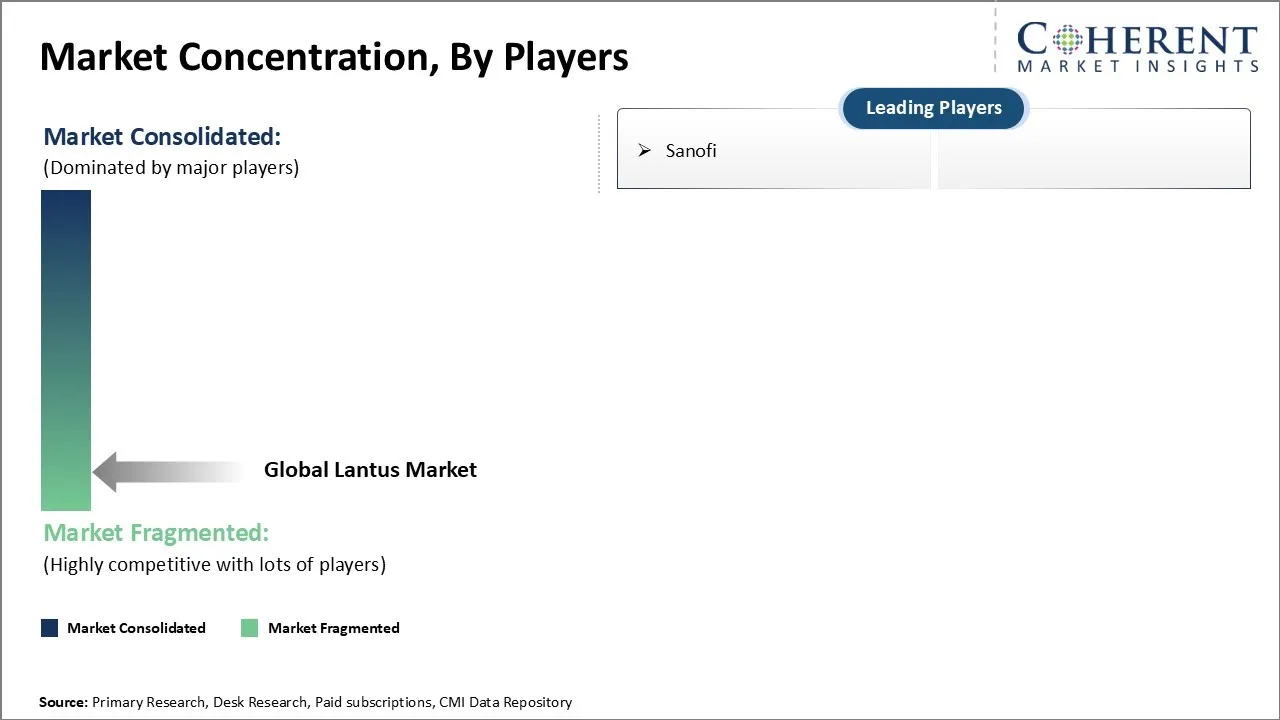
Sanofi is the only market player in the market.
North America is expected to lead the global Lantus market in 2026.