

Global Magnetic Beads Market Size and Forecast – 2026 to 2033
The global magnetic beads market is estimated to be valued at USD 3.65 Bn in 2026 and is expected to reach USD 8.49 Bn by 2033, exhibiting a compound annual growth rate (CAGR) of 12.8% from 2026 to 2033. This significant growth is driven by increasing applications in biotechnology, diagnostics, and pharmaceutical research, coupled with advancements in magnetic bead-based separation technologies that enhance efficiency and accuracy in various processes.
Key Takeaways of the Global Magnetic Beads Market
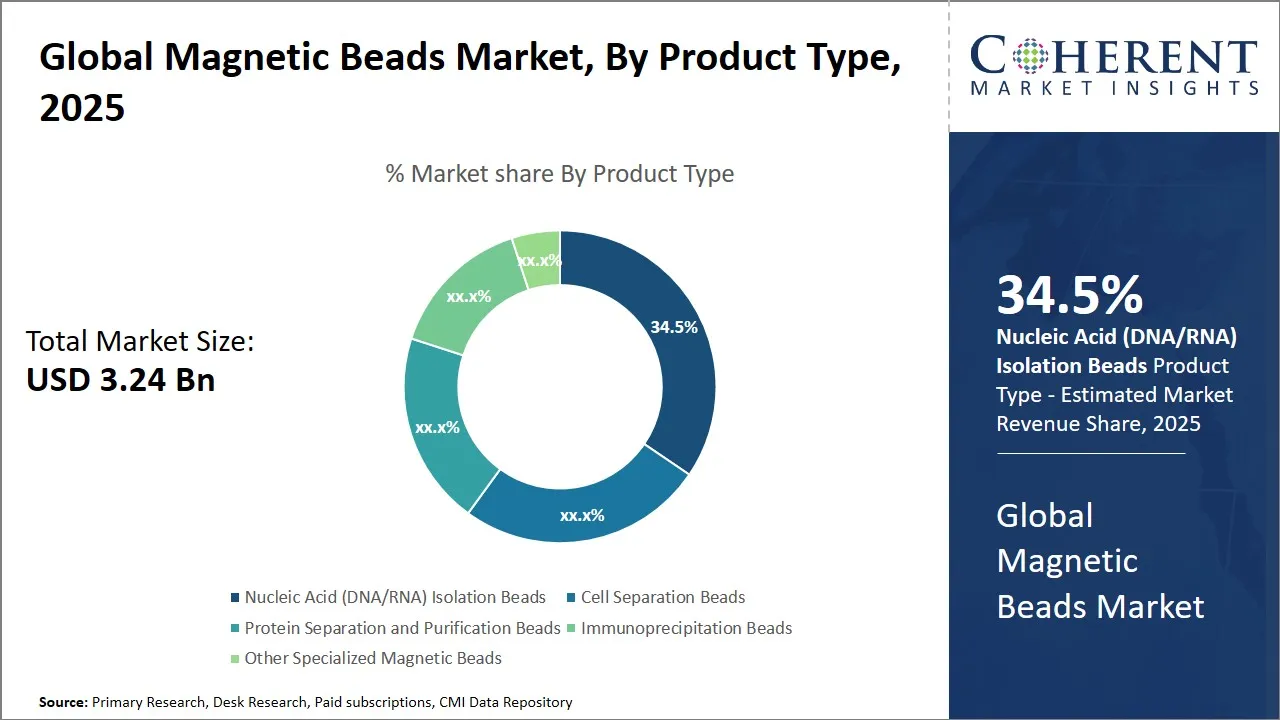
- The nucleic acid (DNA/RNA) isolation beads segment is expected to account for the largest share of 35.5% in 2026.
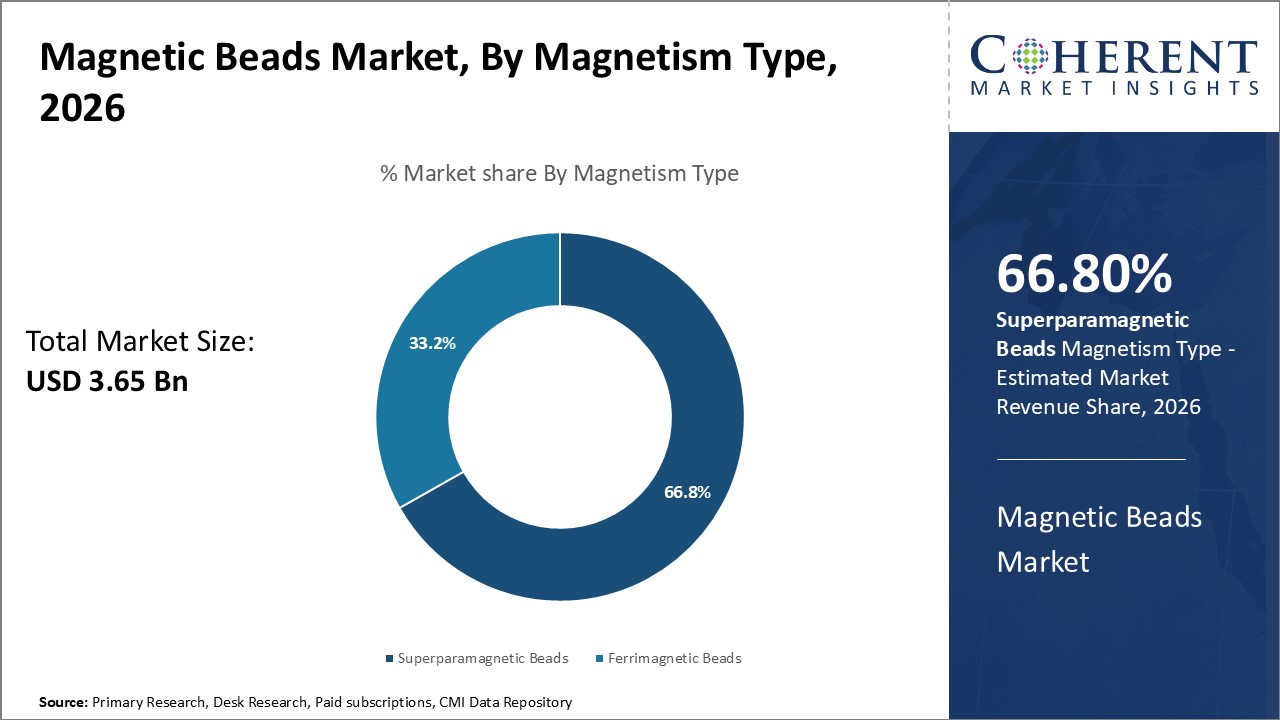
- Based on magnetism type, the superparamagnetic beads segment is expected to dominate with a 66.8 % share in 2026.
- In terms of size, the <1 µm segment is projected to hold 33.5 % share in 2026.
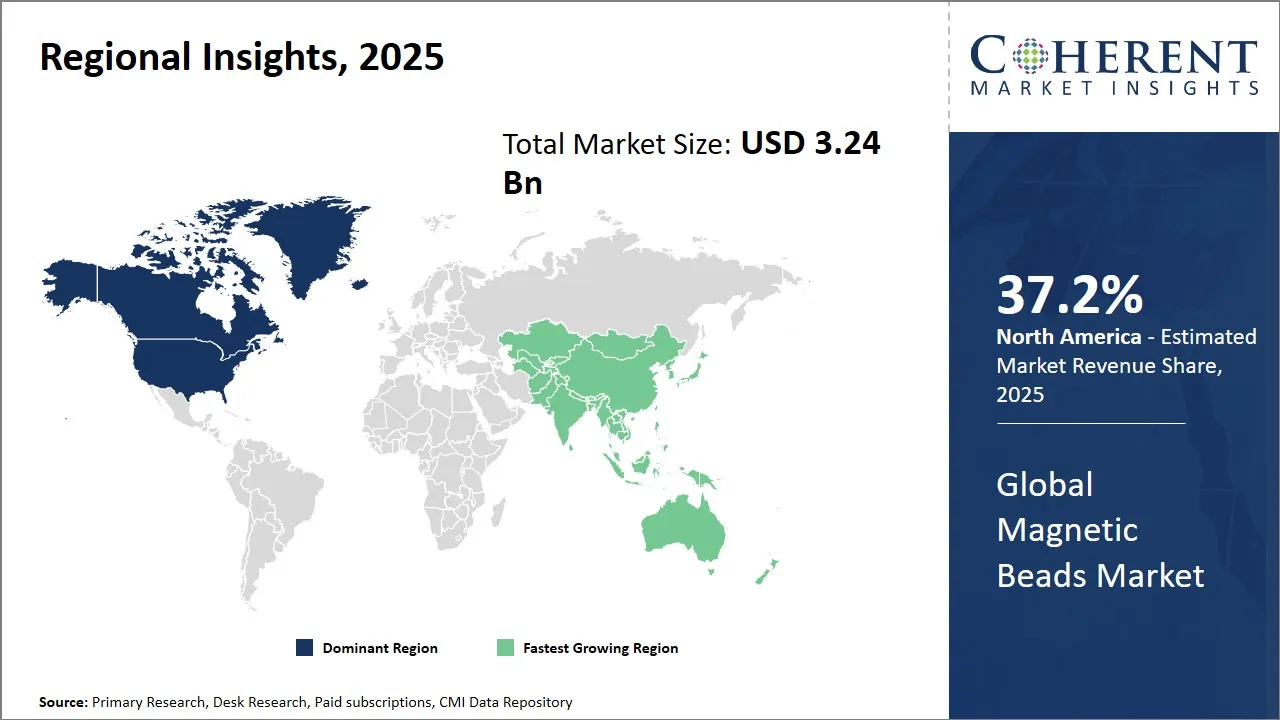
- North America is expected to lead the market, holding an estimated share of 37.2 % in 2026. Asia Pacific is anticipated to be the fastest-growing region, with an expected market share of 24.8% in 2026.
Market Overview
A prominent market trend is the rising adoption of magnetic bead technology in next-generation sequencing and molecular diagnostics, which is fueling the demand. Additionally, the expansion of personalized medicine and increased investment in research and development by pharmaceutical companies are accelerating the market growth. The integration of automation and miniaturization in magnetic bead workflows further boosts their usability, positioning magnetic beads as a critical tool in life sciences and clinical laboratories worldwide.
Current Events and Its Impact
Current Events | Description and its Impact |
Expansion of Biotechnology Funding Worldwide |
|
European Union In Vitro Diagnostic Medical Devices Regulation (EU IVDR) Transition Extension and EUDAMED Roll-out |
|
Segmental Insights
- Current Industry Events of 2026
- Market Size Estimation
- Regional Breakdown
- Competitive Landscape
- Customer Intelligence
- Segmental Analysis
- Pricing Analysis
- Key Market Drivers, Challenges & Future Trends
- Customized Insights Section
Magnetic Beads Market Insights, by Product Type - Increasing Demand for Genetic and Molecular Biology Applications Drives Nucleic Acid (DNA/RNA) Isolation Beads Segment Growth
The nucleic acid (DNA/RNA) isolation beads segment is projected to account for 35.5% share in 2026, due to the surging the demand for precise, efficient extraction and purification of genetic material. These beads are essential for isolating Deoxyribonucleic Acid (DNA) and Ribonucleic Acid (RNA) from complex biological samples, which is a critical first step in numerous downstream applications such as genomic sequencing, diagnostics, and molecular biology research. The growing focus on personalized medicine, genomics, and proteomics research has substantially expanded the need for high-quality nucleic acid isolation tools, thereby driving the preference for magnetic beads specialized for this purpose.
Another key factor propelling the dominance of nucleic acid (DNA/RNA) isolation beads is their compatibility with automated platforms and high-throughput screening in clinical and research laboratories. Automation reduces human error and enhances processing speed, which is indispensable in scenarios like large-scale genetic screenings or pathogen detection during disease outbreaks. Magnetic beads simplify sample handling and purification workflows compared to traditional spin-column or precipitation methods, making them a preferred choice for laboratories aiming to improve efficiency and reproducibility.
Magnetic Beads Market Insights, by Magnetism Type - Superior Efficiency and Biomedical Suitability Leads the Superparamagnetic Beads Segment
The superparamagnetic beads segment is expected to capture 66.8% share in 2026, due to their unique magnetic properties coupled with exceptional biocompatibility. These beads become magnetized only in the presence of an external magnetic field and exhibit no residual magnetization upon field removal, preventing undesired aggregation in solution. This attribute ensures smooth dispersion and easy resuspension, which is critical for highly sensitive biological applications.
The operational advantages of superparamagnetic beads offer enhanced control and selectivity during separation processes utilized in clinical diagnostics, cell sorting, and molecular biology assays. Their responsiveness to magnetic fields allows rapid and clean isolation of target molecules or cells, minimizing loss and contamination.
In April 2024, Grace, a global leader in specialty chemicals and materials, introduced its VYVID Superparamagnetic Silica to improve accuracy and efficiency in medical diagnostics. Designed for nucleic acid purification, VYVID features an iron core with a silica coating that ensures fast magnetic response, high binding capacity, and low residual magnetism making it especially effective for detecting low-concentration targets like circulating tumor DNA (ctDNA) in cancer testing.
Magnetic Beads Market Insights, by Size - Ultrafine Magnetic Beads <1 µm Segment Gains Traction Due to Higher Surface Area and Enhanced Separation Efficiency
The <1 µm segment is projected to hold 33.5% share in 2026, due to their superior performance in applications requiring high surface area and excellent separation precision. The nanoscale size enables these beads to provide a substantially higher surface-to-volume ratio, which translates into increased binding sites for target molecules, resulting in greater sensitivity and capacity during separation and purification processes.
This ultrafine size range is particularly valuable in molecular biology workflows, where target biomolecules like nucleic acids and proteins are present at very low concentrations. The enhanced surface interactions allow for more efficient capture of scarce analytes, which is vital for applications like rare cell isolation or pathogen detection in clinical diagnostics. Additionally, smaller beads offer faster kinetics during binding and elution steps, shortening assay duration and improving overall throughput.
Regional Insights
North America Magnetic Beads Market Analysis and Trends
The North America region is projected to lead the market with a 37.2% share in 2026, due to extensive R&D activities, and strong government support for biotechnology innovations. The presence of leading pharmaceutical and life sciences companies such as Thermo Fisher Scientific, Bio-Rad Laboratories, and InvivoGen ensures a robust ecosystem that supports market advancement.
For example, Bio-Rad Laboratories, a U.S.-based global leader in life science research and clinical diagnostics, offers a wide range of innovative laboratory tools. One of its key products, SureBeads Magnetic Beads, is designed for efficient and reliable immunoprecipitation workflows, helping researchers simplify protein isolation with improved accuracy and reproducibility.
Regulatory frameworks that encourage innovation and adoption of advanced bioseparation technologies further bolster North America’s position. Additionally, high investment in personalized medicine and diagnostics fuels the demand for magnetic beads in applications ranging from nucleic acid extraction to immunoprecipitation.
Asia Pacific Magnetic Beads Market Analysis and Trends
Asia Pacific is expected to exhibit the fastest growth in the global magnetic beads market contributing 24.8% share in 2026, due to increasing research funding, and rising the demand for advanced diagnostic tools across emerging economies. Countries like China, India, Japan, South Korea, and Australia are witnessing significant growth in biotechnology and pharmaceutical manufacturing hubs.
Governments in this region are promoting biotech innovation through favorable policies, tax incentives, and infrastructure development. Moreover, the influx of multinational companies establishing local manufacturing and R&D centers, alongside collaborations with domestic firms such as Takara Bio Inc. and Bioneer, intensifies market competitiveness and innovation.
For example, Takara Bio Inc., a Japan-based biotech company, provides advanced magnetic bead solutions for protein purification, DNA/RNA isolation, and immunoprecipitation. Its products, including protein purification beads, NucleoMag beads, and buffer sets, offer quick, scalable, and automated workflows for high-throughput life science research.
Magnetic Beads Market Outlook for Key Countries
U.S. Magnetic Beads Market Analysis and Trends
The U.S. serves as a global leader in the magnetic beads market, supported by a rich ecosystem of biotechnology firms and research institutions. Major players like Thermo Fisher Scientific and Beckman Coulter contribute significantly with continuous innovation in magnetic bead-based products tailored for diagnostics and therapeutics. The country’s well-established regulatory environment and substantial government funding for bioseparation technologies foster product development and market penetration.
In December 2024, Quanterix, a U.S.-based life sciences firm specializing in ultra-sensitive biomarker detection, finalized a USD 10 million acquisition of EMISSION to secure proprietary dye-encapsulating magnetic beads for its Simoa assays.
Canada Magnetic Beads Market Analysis and Trends
The Canada magnetic beads market is witnessing growing adoption driven by rising investments in molecular diagnostics, genomics research, and precision medicine. Academic institutions and biotech companies are increasingly utilizing magnetic bead-based technologies for nucleic acid isolation, protein purification, and next-generation sequencing workflows. Additionally, government support for advanced healthcare research, along with the expansion of local biotech startups, is fostering innovation in specialized bead applications such as single-cell analysis and immunodiagnostics.
In March 2021, Luna, a biotechnology company from Canada focused on innovative laboratory consumables and molecular biology tools, launched new product lines to support nucleic acid processing and high-throughput lab workflows. This includes PuroMAG silica-coated magnetic beads, optimized for rapid and efficient DNA/RNA purification; recombinant Proteinase K (DNAse/RNAse free) available in lyophilized or solution form; and carrier RNA sourced from yeast to minimize genetic contamination.
Japan Magnetic Beads Market Analysis and Trends
Japan maintains a strong position in the magnetic beads market due to its advanced healthcare system and focus on precision medicine. Corporations such as Takara Bio and Sony Biotechnology contribute substantially through innovative product offerings in cell sorting and nucleic acid purification. The country benefits from supportive government policies promoting biotech research and seamless integration of cutting-edge technologies in healthcare settings.
For instance, Ferrotec Corporation, a Japan-based global leader in nano-scale ferrofluids, introduced its Magnetic Nano Particles (MNP) Developer’s Kit to support in-vitro diagnostic researchers. The kit facilitates the synthesis of magnetic beads for applications such as immunoassays and molecular diagnostics, delivering improved accuracy, responsiveness, and specificity.
India Magnetic Beads Market Analysis and Trends
India magnetic beads market is rapidly growing as a result of increased biotechnology research activities and expanding healthcare infrastructure. Key companies like Merck Life Science and Himedia Laboratories address rising the demand by providing affordable and scalable magnetic bead solutions. The government’s push toward self-reliance in biotech through initiatives like “Make in India” and increased funding for medical research boost domestic production and innovation.
In April 2020, Sree Chitra Tirunal Institute for Medical Sciences and Technology (SCTIMST), under India’s Department of Science and Technology, developed Chitra Magna, a magnetic bead-based RNA extraction kit that makes COVID-19 PCR and LAMP tests more accurate. The kit uses magnetic beads to capture and concentrate viral RNA, improving accuracy and sensitivity in diagnosis.
End User Feedback and Unmet Needs in the Magnetic Beads Market
- End users in biotechnology, clinical diagnostics, and pharmaceutical research often highlight both strengths and challenges in using magnetic beads. Many laboratory teams value their efficiency in nucleic acid extraction and protein purification. For instance, diagnostic labs working with high sample volumes note that superparamagnetic beads deliver strong binding capacity and integrate smoothly with automated platforms, cutting down processing time while improving sample reliability. This kind of performance is especially important where quick turnaround and accuracy can directly influence treatment decisions, reinforcing the beads’ role as a trusted tool in daily workflows.
- On the other hand, concerns surface repeatedly around cost, standardization, and accessibility. Smaller research institutes and laboratories in emerging regions often struggle with the high price of advanced beads, which limits their ability to adopt them at scale. Others report inconsistencies between suppliers, making integration into established processes more difficult. In addition, there is an increasing call for application-specific solutions—such as beads optimized for niche biomolecule capture or sequencing technologies that current offerings do not fully address. Tackling these unmet needs through more affordable options, reliable product consistency, and tailored designs would not only expand the market reach but also strengthen long-term relationships with end users and foster innovation across the industry.
Market Players, Key Developments, and Competitive Intelligence
Key Developments
- In July 2025, CD Bioparticles, a biotechnology company specializing in particle-based solutions for life sciences and drug development, launched its new Beads Based Multiplex Assay services to advance preclinical and clinical research. Announced the CD-Multiplex system—built on Luminex xMAP technology—enables researchers to simultaneously measure up to 500 analytes from a single sample in a high-throughput 96-well format.
- In August 2024, INTEGRA Biosciences AG (Swiss-based provider of liquid handling and media preparation solutions) introduced new accessories for its MAG (Magnetic Bead Processing) module to support high-volume magnetic bead workflows. The additions include a Deep Well Plate Adapter and a new Magnetic Array, enabling compatibility with INTEGRA’s recently launched Deep Well Plates (DWP) for up to 96 samples with volumes of 2.2 milliliters (ml).
- In June 2023, Thermo Fisher Scientific, a global leader in scientific research tools and diagnostics, unveiled DynaGreen magnetic beads – a plastic-free, sustainable alternative developed by its R&D team in Norway. Building on over 30 years of innovation, these new beads represent the next chapter in magnetic bead technology that began with Norwegian chemist John Ugelstad’s breakthrough in the 1970s.
Top Strategies Followed by the Global Magnetic Beads Market Players
- Leading companies, often multinational corporations with significant resources, invest heavily in research and development to innovate high-performance magnetic bead products. These innovations focus on enhancing bead sensitivity, binding efficiency, and compatibility with a range of biomedical and industrial applications. Moreover, established players actively form strategic partnerships and collaborations with major industry leaders and Original Equipment Manufacturers (OEMs) to consolidate their market presence and co-develop cutting-edge solutions.
- In February 2025, Thermo Fisher Scientific, a global leader in life sciences tools and diagnostics, announced the USD 4.1 billion acquisition of Solventum’s Purification & Filtration business to strengthen its bioproduction portfolio. This move not only broadens Thermo Fisher’s capabilities in purification and filtration but also reinforces its position in magnetic bead–based technologies, which are increasingly critical for nucleic acid purification, protein isolation, and advanced bioproduction workflows.
- Mid-level players in the magnetic beads market adopt a different approach centered around offering cost-effective solutions that balance quality with affordability. They primarily target price-sensitive customer segments, including academic research institutions and smaller biotechnology firms, where budget constraints are critical considerations.
- In June 2022, MGI, a leading life sciences company under the BGI Group known for its genetic sequencing platforms and laboratory automation solutions, launched its first magnetic beads product, TQ01, to enhance cost-efficient nucleic acid testing.
- Small-scale players in the global magnetic beads market differentiate themselves by concentrating on specialized features or developing innovative niche products tailored to unique customer needs. This focus enables them to carve out dedicated market segments where they can compete effectively despite limited resources.
- For example, MagBio Genomics offers its Short Fragment Depletor (SFD-10HT) for long-read sequencing, Bangs Laboratories develops custom beads for single-cell and exosome research, and Spherotech provides specialized particles for flow cytometry and precision medicine.
Market Report Scope
Magnetic Beads Market Report Coverage
| Report Coverage | Details | ||
|---|---|---|---|
| Base Year: | 2025 | Market Size in 2026: | USD 3.65 Bn |
| Historical Data for: | 2020 To 2024 | Forecast Period: | 2026 To 2033 |
| Forecast Period 2026 to 2033 CAGR: | 12.8% | 2033 Value Projection: | USD 8.49 Bn |
| Geographies covered: |
| ||
| Segments covered: |
| ||
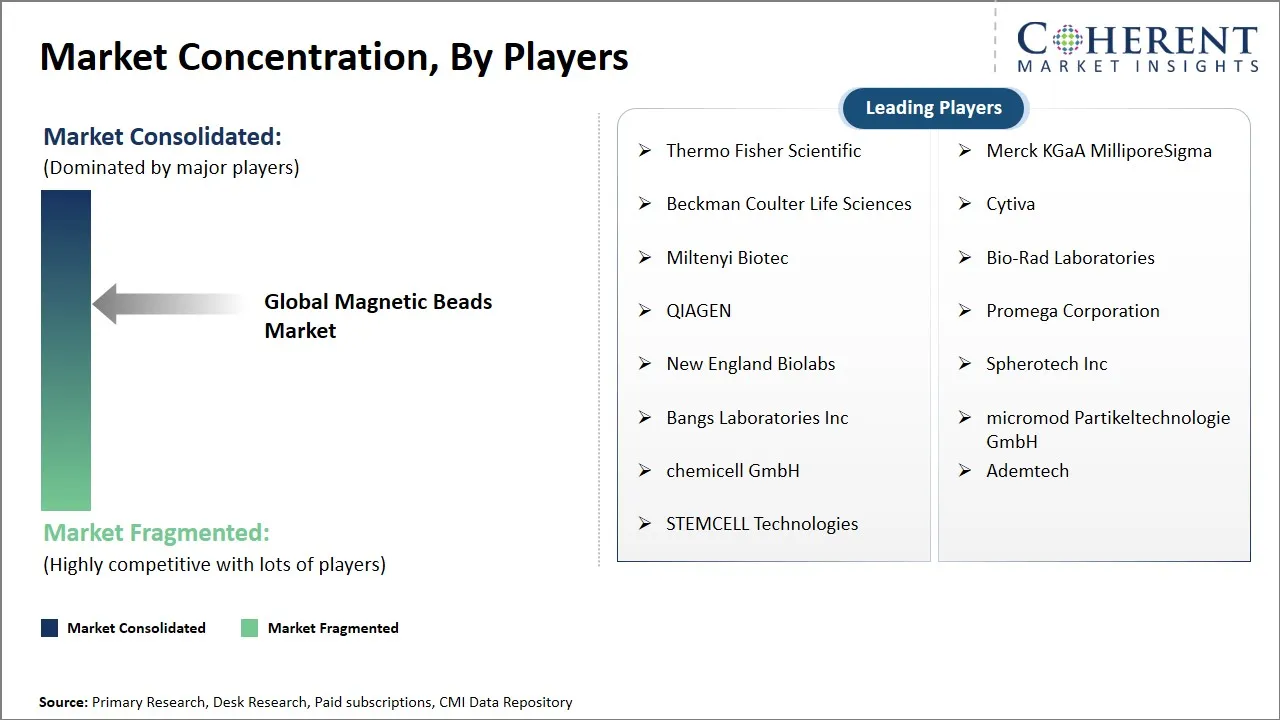
| Companies covered: | Thermo Fisher Scientific, Merck KGaA MilliporeSigma, Beckman Coulter Life Sciences, Cytiva, Miltenyi Biotec, Bio-Rad Laboratories, QIAGEN, Promega Corporation, New England Biolabs, Spherotech Inc, Bangs Laboratories Inc, micromod Partikeltechnologie GmbH, chemicell GmbH, Ademtech, and STEMCELL Technologies | ||
| Growth Drivers: |
| ||
| Restraints & Challenges: |
| ||
Magnetic Beads Market Dynamics
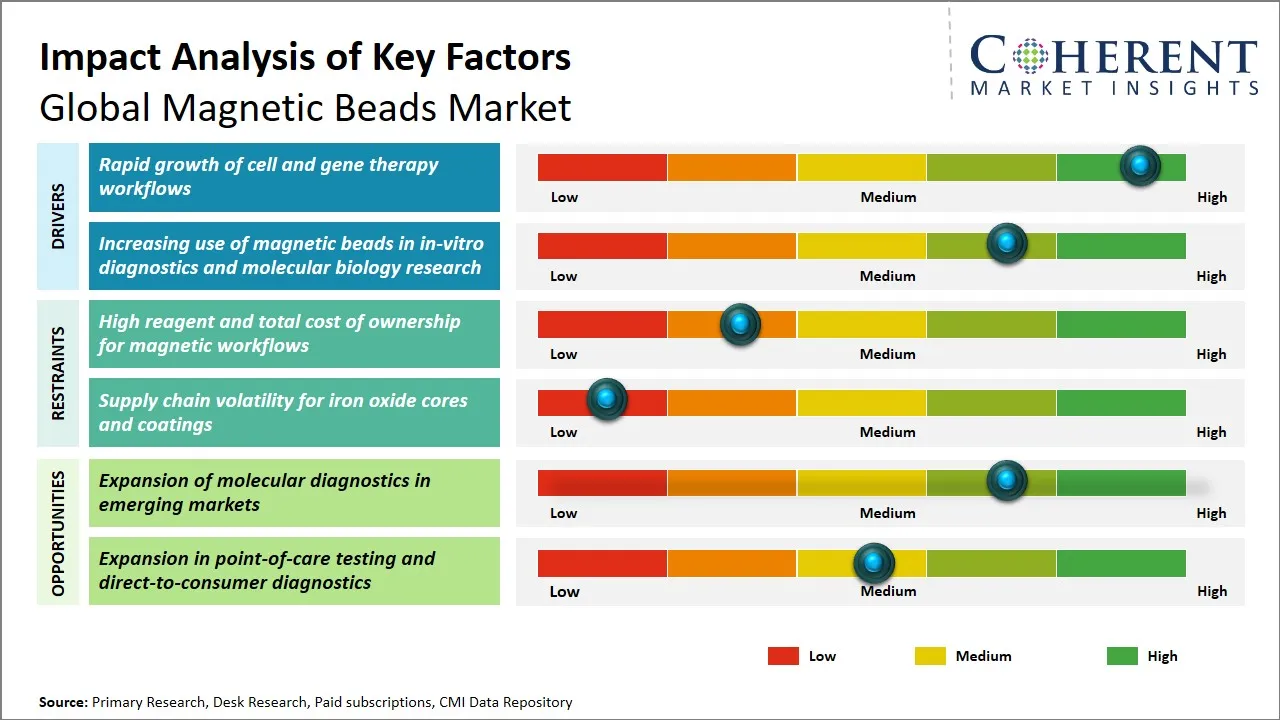
Magnetic Beads Market Driver - Rapid Growth of Cell and Gene Therapy Workflows
The increasing adoption and advancement of cell and gene therapy workflows is significantly driving the demand within the global magnetic beads market. These therapies, which rely heavily on precise cell separation, isolation, and purification techniques, utilize magnetic bead technology due to its high specificity, efficiency, and scalability. As the biopharmaceutical industry focuses on developing personalized medicines and targeted treatments for previously untreatable diseases, the need for effective sample preparation and biomolecule isolation has surged. Magnetic beads facilitate critical processes such as cell sorting, nucleic acid purification, and protein isolation, which are essential in manufacturing and quality control stages of cell and gene therapies.
In June 2025, Xcell Biosciences, a San Francisco–based instrumentation company focused on cell and gene therapy, partnered with Thermo Fisher Scientific, the world’s leading provider of life-science research tools and materials, to co-develop next-generation Regulatory T cell (Treg) and Tumor-Infiltrating Lymphocyte (TIL) therapies. The collaboration will leverage Xcellbio’s AVATAR (Advanced Validation and Assessment of Therapeutic and Research) platform and Thermo Fisher’s automation and manufacturing expertise to improve scalability, reproducibility, and patient access.
Magnetic Beads Market Opportunity - Expansion of Molecular Diagnostics in Emerging Markets
The growing adoption of molecular diagnostics in emerging markets presents a significant opportunity for the global magnetic beads market. As healthcare infrastructure improves and awareness about advanced diagnostic technologies rises in regions such as Asia Pacific, Latin America, and parts of Africa, the demand for precise, rapid, and minimally invasive diagnostic tools is increasing. Magnetic beads, which play a crucial role in sample preparation and biomolecule isolation, are integral to molecular diagnostic procedures including nucleic acid purification and immunoassays. Emerging economies are witnessing government initiatives and favorable regulatory reforms aimed at enhancing healthcare delivery and addressing the rising burden of infectious diseases, genetic disorders, and cancer. These factors are driving investments in diagnostic laboratories equipped with state-of-the-art molecular diagnostic platforms that heavily rely on magnetic bead technology.
A recent example highlighting this trend came in January 2025, Applied BioCode, a U.S.-based molecular diagnostics company, announced that its BioCode Gastrointestinal Pathogen Panel (GPP) now supports nucleic acid extraction on Thermo Fisher Scientific’s KingFisher Flex system, one of the most widely used automated purification platforms. This development expands workflow flexibility and enables high-throughput testing for 17 gastrointestinal pathogens, directly showcasing how magnetic bead–based technologies are being integrated into advanced molecular diagnostic workflows.
Analyst Opinion (Expert Opinion)
- The magnetic beads market is being shaped by a combination of technological innovation, regulatory encouragement, and rising adoption across healthcare and research. Advanced bead-based separation and purification technologies are streamlining processes in genomics, proteomics, and clinical diagnostics, while supportive policies around precision medicine and point-of-care testing are further fueling the demand. At the same time, challenges such as high product costs and the need for consistent quality standards remain evident, though they are gradually being addressed through scaling and industry collaborations. Opportunities are emerging in areas like cell and gene therapy, liquid biopsy, and next-generation sequencing, where magnetic beads are increasingly critical for enabling sensitive and efficient sample preparation. Knowledge exchange has also been fostered at major forums such as the Bio International Convention, MEDICA in Düsseldorf, and the American Association for Clinical Chemistry (AACC) Annual Scientific Meeting, where bead-based technologies have been showcased alongside broader life sciences innovations, influencing both policy dialogue and commercial adoption.
- On the practical side, companies are actively pushing boundaries through real-world initiatives. For instance, MagBio Genomics launched its Short Fragment Depletor kit for long-read sequencing, offering a direct solution to a key research challenge. Similarly, Thermo Fisher Scientific has been expanding its Dynabeads product line to support cell therapy applications, aligning with the industry’s push toward personalized medicine. Regional governments are also stepping in, with programs like Europe’s Horizon research framework funding projects in advanced diagnostics that often rely on bead-based workflows. Together, these developments reflect the market that is steadily moving from niche laboratory use toward mainstream adoption, with strong support from both industry and policy initiatives.
Speak to the analyst
Want personalized insights?
Take the findings above to one of our principal consultants, or have the report rebuilt around the segments, geographies and competitors you actually track.
Market Segmentation
- Product Type Insights (Revenue, USD Bn, 2021 - 2033)
- Nucleic Acid (DNA/RNA) Isolation Beads
- Cell Separation Beads
- Protein Separation and Purification Beads
- Immunoprecipitation Beads
- Other Specialized Magnetic Beads
- Magnetism Type Insights (Revenue, USD Bn, 2021 - 2033)
- Superparamagnetic Beads
- Ferrimagnetic Beads
- Size Insights (Revenue, USD Bn, 2021 - 2033)
- <1 µm
- 1–5 µm
- 5 µm
- Application Insights (Revenue, USD Bn, 2021 - 2033)
- Life Sciences Research
- In-Vitro Diagnostics (IVD) Assay Development
- Bioprocessing & Protein Purification
- Cell and Gene Therapy
- Exosome Analysis
- Next-Generation Sequencing (NGS)
- Antibody Purification
- Molecular and Immunodiagnostics
- Magnetic Activated Cell Sorting
- Others (nanomedicine, microfluidics, etc.)
- End User Insights (Revenue, USD Bn, 2021 - 2033)
- Pharmaceutical and Biotechnology Companies
- Diagnostic Laboratories
- Contract Research Organizations (CROs)
- Hospitals and Clinical Laboratories
- Academic and Research Institutes
- Regional Insights (Revenue, USD Bn, 2021 - 2033)
- North America
- U.S.
- Canada
- Latin America
- Brazil
- Argentina
- Mexico
- Rest of Latin America
- Europe
- Germany
- U.K.
- Spain
- France
- Italy
- Russia
- Rest of Europe
- Asia Pacific
- China
- India
- Japan
- Australia
- South Korea
- ASEAN
- Rest of Asia Pacific
- Middle East
- GCC Countries
- Israel
- Rest of Middle East
- Africa
- South Africa
- North Africa
- Central Africa
- North America
- Key Players Insights
- Thermo Fisher Scientific
- Merck KGaA MilliporeSigma
- Beckman Coulter Life Sciences
- Cytiva
- Miltenyi Biotec
- Bio-Rad Laboratories
- QIAGEN
- Promega Corporation
- New England Biolabs
- Spherotech Inc
- Bangs Laboratories Inc
- micromod Partikeltechnologie GmbH
- chemicell GmbH
- Ademtech
- STEMCELL Technologies
Sources
Primary Research Interviews
Industry Stakeholders List
- R&D Directors – Biotechnology Companies
- Product Development Managers – Life Sciences Tool Manufacturers
- Quality & Regulatory Affairs Specialists – Diagnostic Kit Developers
- Procurement Heads – Clinical Laboratories
- Business Development Executives – Genomics/Proteomics Startups
- Manufacturing Directors – Bioprocessing Companies
End Users List
- Principal Investigators – Academic Research Institutes
- Lab Managers – Hospital Diagnostic Labs
- Heads of Molecular Pathology – Cancer Research Centers
- Directors – Public Health Laboratories
- Clinical Scientists – Infectious Disease Testing Labs
- Professors/Researchers – Universities (Life Sciences Departments)
Government and International Databases
- U.S. Food and Drug Administration (FDA)
- European Medicines Agency (EMA)
- World Health Organization (WHO)
- Centers for Disease Control and Prevention (CDC)
- OECD Health Data
- National Institutes of Health (NIH)
Trade Publications
- Genetic Engineering & Biotechnology News (GEN)
- BioProcess International
- The Scientist
- Clinical Laboratory News
- Nature Biotechnology (industry section)
- PharmaVoice
Academic Journals
- Journal of Molecular Diagnostics
- Analytical Chemistry (ACS)
- Biotechnology and Bioengineering
- Journal of Nanobiotechnology
- PLOS ONE (Life Sciences Section)
- Nature Methods
Reputable Newspapers
- The New York Times – Health & Science
- The Guardian – Science Section
- Financial Times – Healthcare & Pharma Coverage
- The Wall Street Journal – Health & Biotech Coverage
- The Times of India – Health/Science Reports
- South China Morning Post – Science & Healthcare
Industry Associations
- International Society for Magnetic Resonance in Medicine (ISMRM)
- American Association for Clinical Chemistry (AACC)
- European Society of Clinical Microbiology and Infectious Diseases (ESCMID)
- International Society for Advancement of Cytometry (ISAC)
- Federation of European Biochemical Societies (FEBS)
- American Society for Biochemistry and Molecular Biology (ASBMB)
Public Domain Resources
- U.S. National Library of Medicine (NLM)
- World Bank Health Data
- European Commission Health & Food Safety Reports
- United Nations Comtrade Database
Proprietary Elements
- CMI Data Analytics Tool: Proprietary analytics tool to analyze real-time market trends, consumer behavior, and technology adoption in market
- Proprietary CMI Existing Repository of Information for Last 8 Years
Get access to 250+ pages report
Every segment, forecast, competitor profile and data table behind the analysis above — available for instant download.
- ESOMAR Member
- ISO 9001:2015 Certified
- D-U-N-S Registered
- GDPR & CCPA Compliant
Missing comfort of reading report in your local language? Find your preferred language:
Transform your Strategy with Exclusive Trending Reports
Frequently Asked Questions
The global magnetic beads market is estimated to be valued at USD 3.65 Bn in 2026 and is expected to reach USD 8.49 Bn by 2033.
The CAGR of the global magnetic beads market is projected to be 12.8% from 2026 to 2033.
Rapid growth of cell and gene therapy workflows and increasing use of magnetic beads in in-vitro diagnostics and molecular biology research are the major factors driving the growth of the global magnetic beads market.
High reagent and total cost of ownership for magnetic workflows and supply chain volatility for iron oxide cores and coatings are the major factors hampering the growth of the global magnetic beads market.
In terms of product type, the nucleic acid (DNA/RNA) isolation beads segment is estimated to dominate the market revenue share in 2026.
The market is expected to grow steadily with rising investments in personalized medicine, proteomics, and molecular diagnostics.
New launches focus on long-read sequencing sample prep, viral RNA extraction kits, and automation-ready bead systems.