

Global Male Urinary Incontinence Market Size and Forecast: 2026 - 2033
The Global Male Urinary Incontinence Market is estimated to be valued at USD 7.24 Bn in 2026 and is expected to reach USD 10.95 Bn by 2033, exhibiting a compound annual growth rate (CAGR) of 6.1% from 2026 to 2033. This steady growth demonstrates increasing demand driven by rising awareness, advancements in medical technologies, and an aging male population prone to urinary health issues, positioning the market for significant expansion over the forecast period.
Key Takeaways of the Global Male Urinary Incontinence Market
- In 2026, Stress Urinary Incontinence (SUI) is expected to dominate the global male urinary incontinence market, accounting for 36.2% of the market share.
- In terms of product type, the absorbent products segment is expected to lead the market with a share of 33.1% in 2026.
- Additionally, the 18–39 age group is projected to contribute the largest share of the global male urinary incontinence market, holding 23.1% in 2026.
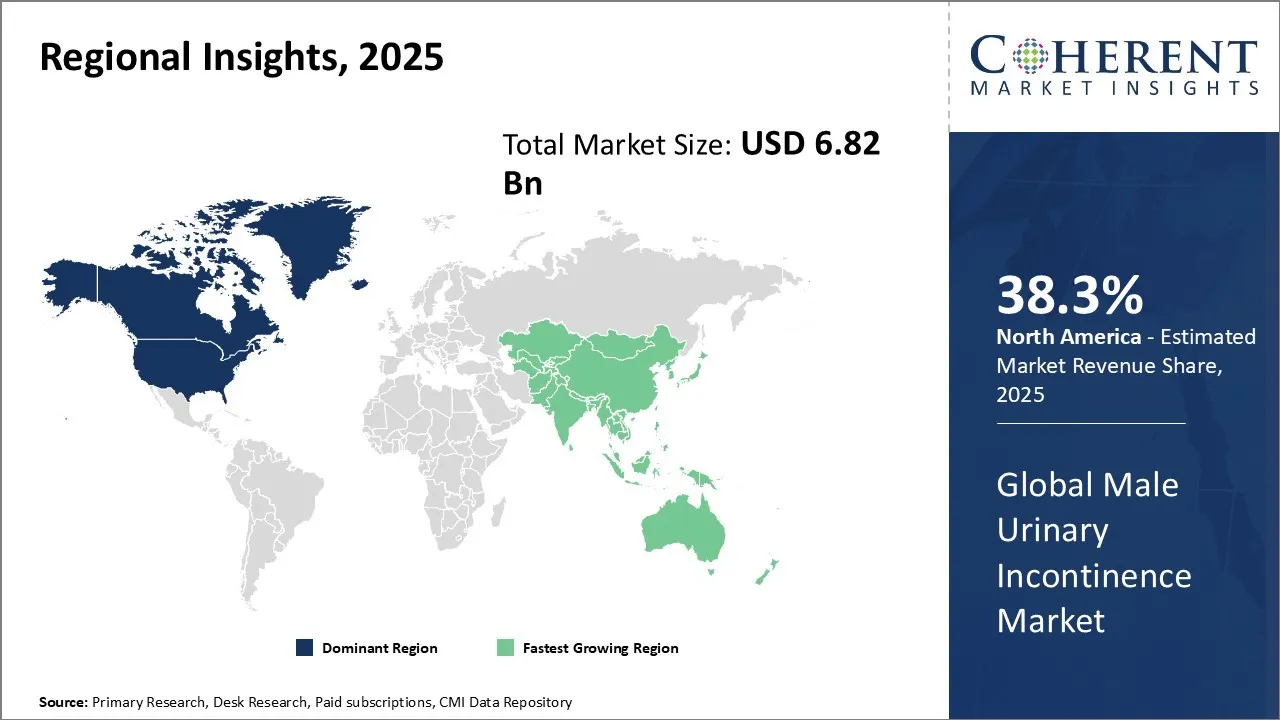
- North America is expected to lead the market, holding a share of 38. 3% in 2026. Asia Pacific is anticipated to be the fastest-growing region, with a market share of 23.4% in 2026.
Market Overview
Key trends in the male urinary incontinence market include the development of innovative absorbent products and minimally invasive surgical treatments, which enhance patient comfort and efficacy. Additionally, growing healthcare expenditure and increased adoption of wearable devices and smart urinary devices are shaping market dynamics. The focus on personalized care and rising prevalence of conditions such as prostate enlargement and neurological disorders further fuel the market growth, reflecting a shift towards comprehensive management solutions in male urinary incontinence.
Currents Events and Its Impact
Current Events | Description and its impact |
Publication of Updated EAU Guidelines (2022) |
|
FDA Approval of Neuspera Medical's Battery-Free Integrated Sacral Neuromodulation (ISNM) System |
|
Segmental Insights
- Current Industry Events of 2026
- Market Size Estimation
- Regional Breakdown
- Competitive Landscape
- Customer Intelligence
- Segmental Analysis
- Pricing Analysis
- Key Market Drivers, Challenges & Future Trends
- Customized Insights Section
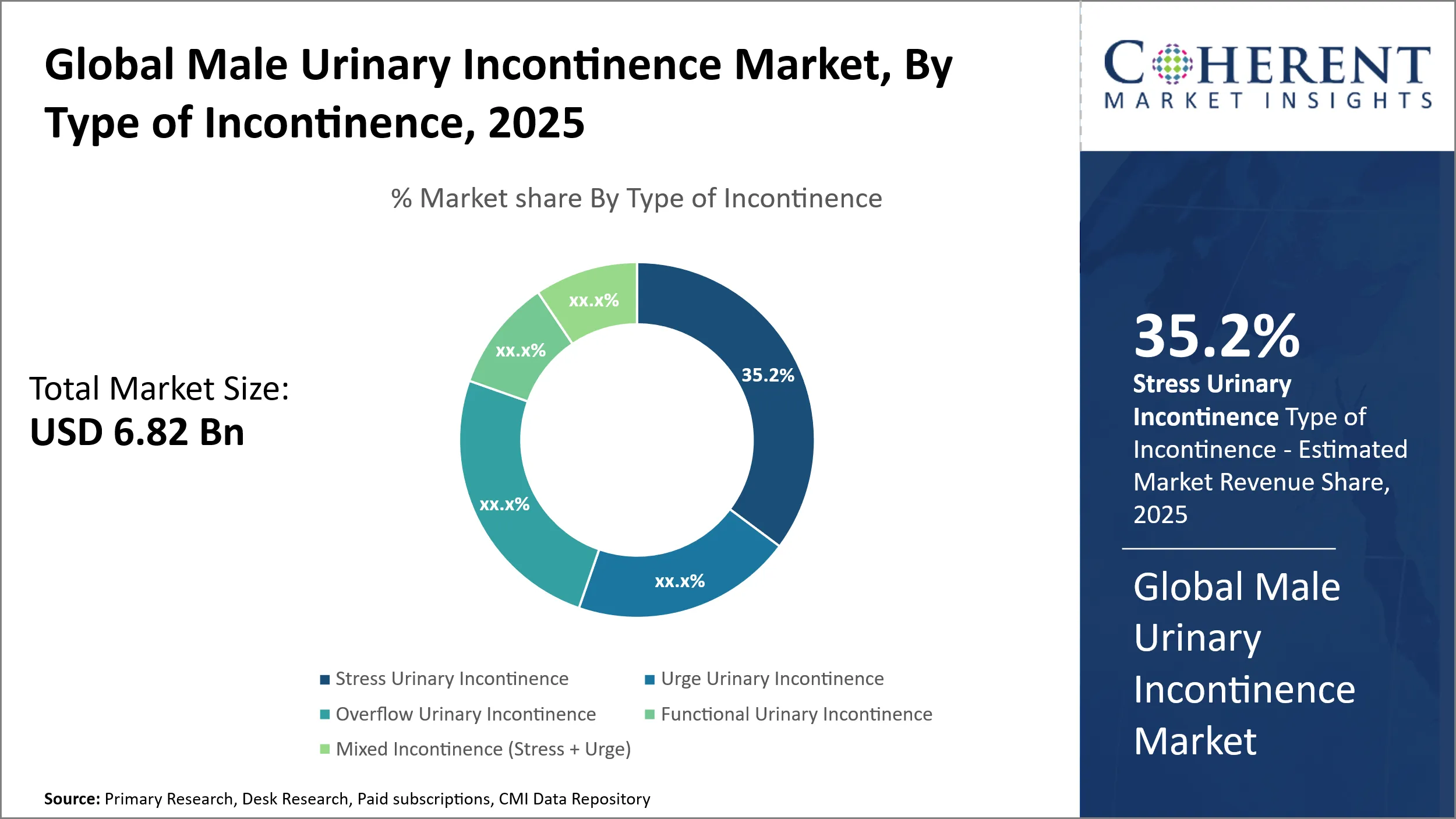
Male Urinary Incontinence Market Insights, By Type of Incontinence - Prevalence and Impact of Stress Urinary Incontinence Drive Its Dominance in the Market
In terms of the type of incontinence, Stress Urinary Incontinence (SUI) is expected to hold the highest share in the global male urinary incontinence market with 36.2% in 2026. This dominance can primarily be attributed to the widespread prevalence of stress urinary incontinence among males, especially post-prostate surgery patients and older adults. Stress urinary incontinence occurs when physical movement or activity — such as coughing, sneezing, lifting, or exercising — puts pressure on the bladder, resulting in involuntary urine leakage. This form of incontinence is often linked to weakened pelvic floor muscles or damage to the sphincter muscles that control urine flow.
Several clinical factors contribute to the growth of the SUI segment. First, the rising incidence of procedures like prostatectomy and other urological surgeries has significantly increased the number of men affected by SUI, as the surgical interventions often compromise urinary control. Additionally, men with chronic conditions such as obesity and chronic pulmonary diseases, which increase abdominal pressure, are also at a higher risk of developing stress urinary incontinence. This patient profile contributes to the widespread adoption of treatment interventions in this subsegment.
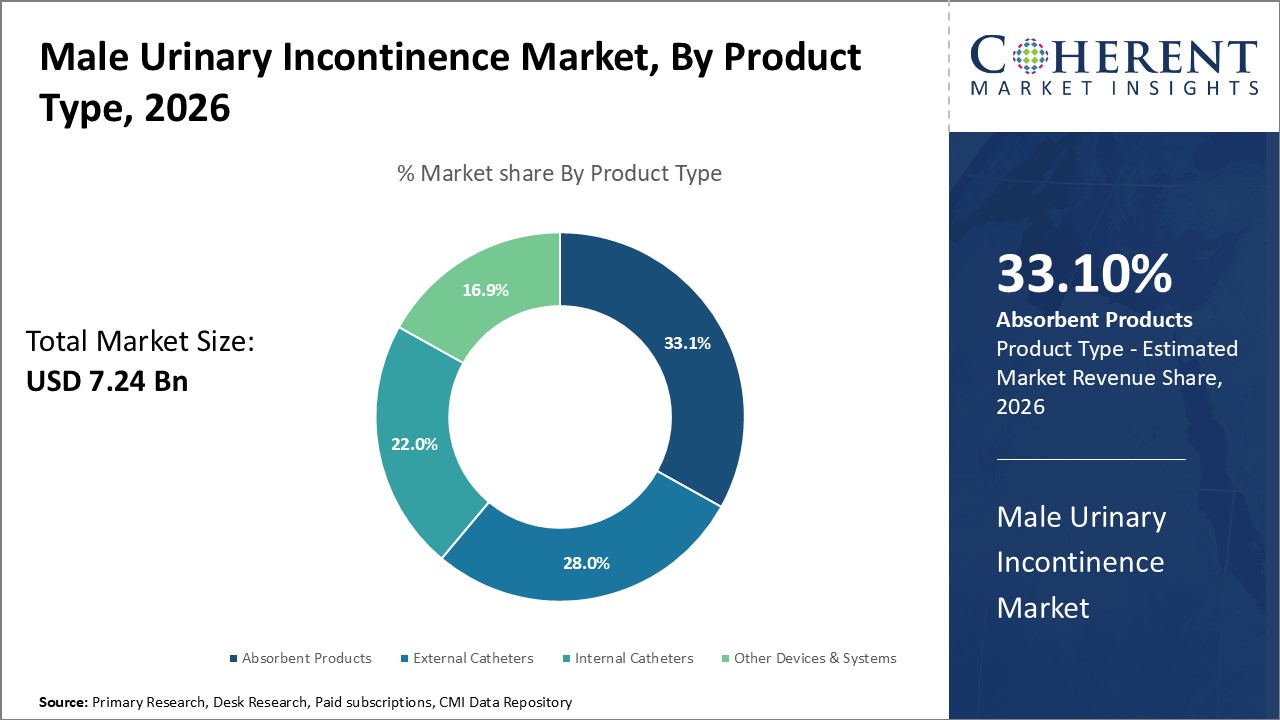
Male Urinary Incontinence Market Insights, By Product Type - Absorbent Products Lead by Combining Comfort with Convenience in Male Incontinence Care
The absorbent products segment is expected to command the largest share of the global male urinary incontinence market in terms of product type with a share of 33.1% in 2026. This can be attributed to the combination of convenience, discreetness, and improved comfort these products provide for managing urinary leakage. Absorbent products encompass a variety of solutions including pads, guards, adult diapers, protective underwear, and bed protectors, addressing different levels of severity and patient needs.
One of the critical drivers of the absorbent products market is the increasing demand for non-invasive, user-friendly solutions that allow men to maintain their regular activities without embarrassment or interruption. These products are designed to closely match male anatomy, offering enhanced fit and absorbency, which resonates well with male consumers looking for discreet and effective management options.
In June 2024, Nagase ChemteX Corporation, in collaboration with its parent company Nagase & Co., Ltd. and hygiene product manufacturer LiveDo Corporation, announced a joint development agreement for adult disposable diapers and incontinence products. The new products, expected to launch in 2027 or later, will feature a bio-based super absorbent polymer (SAP) developed by the Nagase Group—offering high absorbency, biodegradability, and sustainability.
Male Urinary Incontinence Market Insights, By Age Group - High Market Penetration Among 18–39 Year Age Group Driven by Lifestyle and Surgical Outcomes
The age group of 18–39 years is set to contribute the highest market share in the global male urinary incontinence market with a share of 23.1% in 2026.
Younger men within this age range increasingly experience urinary incontinence largely due to lifestyle factors and medical interventions. For example, the rising number of young men undergoing pelvic surgeries such as prostate cancer treatments, spinal cord injury repair, or trauma-related operations influences the higher incidence of incontinence in this group. Post-surgical urinary dysfunction, particularly stress and urge incontinence, compels younger men to seek tailored treatment solutions.
Regional Insights
North America Male Urinary Incontinence Market Analysis and Trends
North America’s dominance in the global male urinary incontinence market, with share of 38.3% in 2026, is driven primarily by a well-established healthcare infrastructure, high awareness levels, and widespread adoption of advanced continence care products. The region benefits from significant investments in research and development by leading medical device manufacturers as well as supportive government policies aimed at addressing aging populations and chronic health conditions. The presence of major companies such as Cardinal Health, Boston Scientific Corporation, and Coloplast contributes to the extensive availability of innovative urinary incontinence solutions.
For Example, NorthShore, a U.S.-based incontinence care brand, offers a comprehensive range of liners and guards (pads) for men and women needing discreet yet high-absorbency protection. Designed to be worn inside regular underwear, these pads provide effective defense against light to heavy urinary or bowel incontinence, with features like maximum absorbency, odor control, and all-day comfort—not intended for use inside other diaper products.
Asia Pacific Male Urinary Incontinence Market Analysis and Trends
The Asia Pacific region exhibits the fastest growth in the global male urinary incontinence market with an estimated share of 23.4% in 2026, due to rapidly changing demographics and increasing healthcare expenditures across emerging economies. Factors such as rising geriatric populations, improved diagnostic capabilities, and increasing patient awareness are fueling demand. Governments in countries like China, India, and Japan are implementing healthcare reforms and expanding insurance coverage, which facilitates higher adoption of continence management products.
The presence of both global players such as 3M and SCA Hygiene and burgeoning local manufacturers creates a dynamic competitive ecosystem fostering innovation and affordability in the region. Moreover, expanding urban healthcare infrastructure and evolving trade dynamics—characterized by increased import-export activities and investments further accelerate growth momentum.
Global Male Urinary Incontinence Market Outlook for Key Countries
U.S. Male Urinary Incontinence Market Trends
The U.S. market stands as a critical hub driven by extensive healthcare spending and a mature reimbursement landscape supporting male urinary incontinence products. Major players including Johnson & Johnson, Medtronic, and Kimberly-Clark have launched advanced absorbent products, catheters, and surgical devices to cater to the significant patient base. The focus on innovation, such as smart continence care technologies, along with robust clinical trial activities, propels market development. Additionally, public health initiatives aimed at increasing early diagnosis and treatment add to the product uptake in the region.
In February 2026, First Quality Enterprises, LLC, a leading U.S. manufacturer of personal care products, acquired Henkel’s Retailer Brands business in North America. The acquisition will lead to the creation of First Quality Home Care Products, which will focus on expanding the company’s male urinary incontinence product offerings, strengthening its position in the incontinence care market.
U.K. Male Urinary Incontinence Market Trends
The U.K. male urinary incontinence market is experiencing a shift towards minimally invasive treatments and discreet, comfortable products. With an aging population and increasing awareness, more men are seeking non-surgical solutions such as pelvic floor muscle training devices and smart incontinence products. The NHS’s focus on accessibility and regulatory support for new treatments is boosting the market, while public health initiatives aim to reduce stigma and encourage men to seek treatment earlier. However, challenges such as high treatment costs and limited reimbursement for advanced therapies still exist, hindering broader adoption.
In June 2024, World Continence Week, running from 17-23 June, aims to raise awareness of urinary incontinence and its impact on millions. The event highlights that 1 in 5 people in the UK, including those experiencing male urinary incontinence, are affected by bladder issues, with 14 million individuals living with the condition. Many feel embarrassed or isolated, leading to challenges in relationships and employment.
Canada Male Urinary Incontinence Market Trends
In Canada, the male urinary incontinence market is seeing growth driven by advancements in biodegradable and eco-friendly products. There is a strong focus on environmentally sustainable solutions, such as bio-based super absorbent polymers and reusable devices, as consumer preference for green products increases. Additionally, technological innovation in wearable devices and mobile health solutions is providing men with more effective and personalized treatment options. Despite this, low awareness levels and reluctance to seek treatment remain significant barriers to the market’s expansion, especially in rural areas. Increasing efforts to improve education and product accessibility are crucial to driving market growth in Canada.
In March 2026, Uresta, a Canada-based femtech company focused on non-invasive bladder leak solutions, officially launched in the U.S. with a USD 3 million funding round, including USD 1.5 Mn from BDC Capital. The company offers a reusable, comfortable alternative to pads and surgery for stress urinary incontinence (SUI), empowering women to manage bladder leaks triggered by physical activity. Already used by over 30,000 women, Uresta’s U.S. debut aims to expand access and awareness of its innovative, confidence-boosting solution.
China Urinary Incontinence Market Trends
China’s market is rapidly evolving as increasing healthcare access and rising disposable incomes expand treatment options for male urinary incontinence. The prevalence of UI among men is significant, with a notable rise in awareness about the condition and available treatment options. Local manufacturers such as Kangjia Medical and Yuwell Medical are gaining prominence by offering competitively priced products alongside global giants like Coloplast and 3M. Moreover, the expansion of e-commerce platforms is providing new distribution channels, enhancing consumer reach in both urban and rural areas.
In January 2024, a study by Hu JC. et al. from the China Kadoorie Biobank (2020-2021) examined the prevalence of urinary incontinence (UI) among middle-aged and elderly adults in China, involving 24,913 participants. It found 25.4% of women and 7.0% of men suffer from UI, with male urinary incontinence most commonly linked to urgency. Prevalence increased with age, and rural areas had higher rates than urban areas. Despite the high prevalence, treatment rates were low, with only 15.4% of men and 8.5% of women seeking care. The study underscores the need for better management of male urinary incontinence in the aging population.
End User Feedback and Unmet Needs in the Global Male Urinary Incontinence Market
- Feedback from end users of male urinary incontinence (UI) products highlights both satisfaction with certain features and persistent challenges that hinder the overall user experience. Many users appreciate the comfort and discreetness of modern products, such as smart urinary devices and bio-based super absorbent polymers. For example, one notable positive feedback comes from patients using Uresta, a non-invasive bladder management solution. Users have reported significant improvement in comfort, with the reusable nature of the product providing both environmental benefits and long-term cost savings. This type of product’s minimalistic design and easy use have led to a high satisfaction rate, helping users regain confidence and avoid the inconvenience of traditional absorbent products.
- However, frequent concerns arise regarding the high cost of advanced treatment options, especially in regions where insurance coverage is limited. Many industrial users and healthcare facilities have also pointed out the lack of customization in many treatment products, particularly in relation to size fitting and individual comfort. Users have expressed frustration with inadequate support for specific cases, such as those with mixed urinary incontinence or severe cases requiring more specialized products. Addressing these gaps, especially through technological advancements like customized fittings, affordable solutions, and better accessibility, would not only enhance user satisfaction but could also spur innovation, offering companies the opportunity to capture a larger market share and increase customer retention. This would also create opportunities for policy reforms and regulatory support that make these advanced treatments more accessible and affordable.
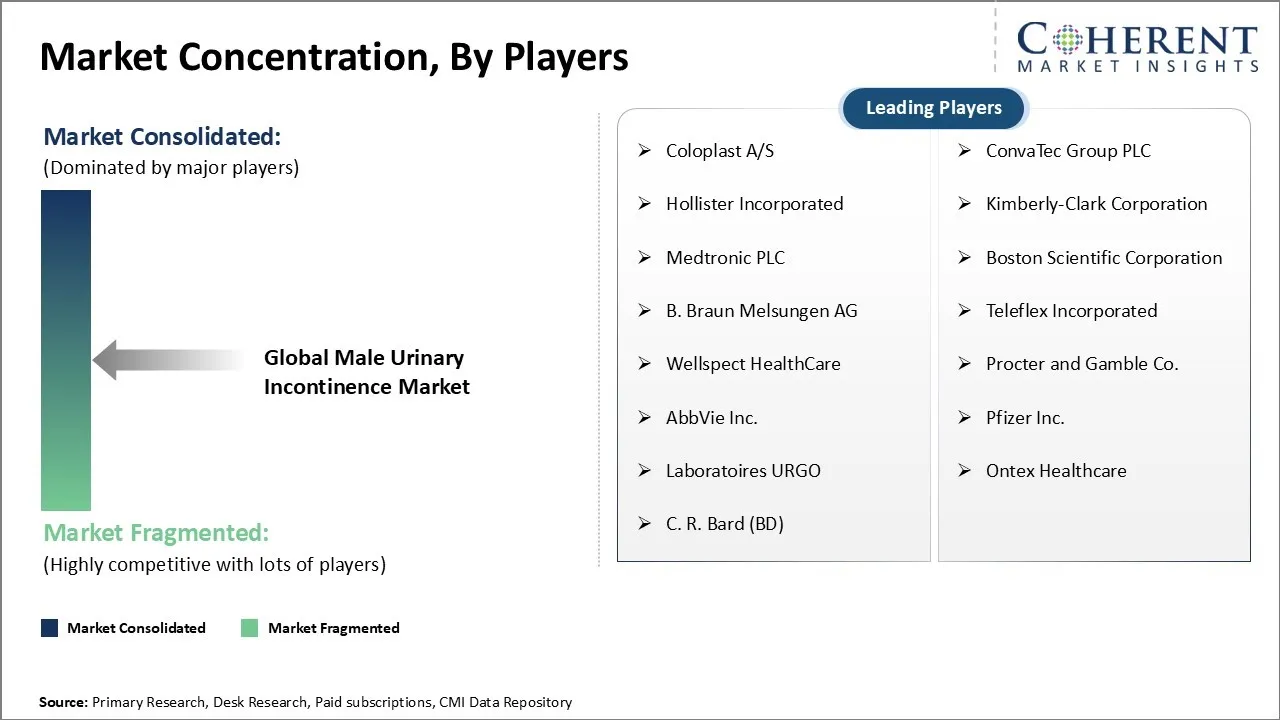
Market Players, Key Developments, and Competitive Intelligence
Key Developments
- In March 2025, EG 427, a biotechnology company focused on gene therapy innovations for chronic diseases, has launched a Phase 1b/2a clinical trial to evaluate its investigational therapy EG110A for neurogenic bladder incontinence caused by spinal cord injury. EG110A is a non-replicating HSV-1 gene therapy vector designed to selectively silence bladder sensory neurons, potentially offering long-term symptom relief with a single injection, unlike current treatments requiring repeat procedures every six months.
- In July 2024, Axena Health, a digital health company specializing in pelvic health solutions, has partnered with UpScriptHealth to launch a new telehealth service offering access to the Leva System—an USFDA-cleared digital therapeutic for urinary incontinence. Designed for women with stress, urgency, or mixed incontinence, the Leva System guides pelvic floor muscle training (PFMT) through real-time visualization, requiring just 5 minutes of daily use.
- In July 2024, Mexple, a India-based startup specializing in innovative personal medical products, has launched its new UroMen and UroWomen urine collection kits aimed at improving care for patients with urinary incontinence. These wearable, external urine collectors are designed with advanced comfort, discreet use, and skin-friendly silicone material to reduce irritation, odor, and infection risk. Reusable and easy to clean, the kits offer a modern alternative to adult diapers and indwelling catheters, enhancing mobility and hygiene in home medical care.
- In September 2023, UroMems, a medtech company specializing in smart implantable systems, has completed enrollment in its SOPHIA clinical trial evaluating the UroActive automated artificial urinary sphincter for treating stress urinary incontinence (SUI) in men. The device, implanted in six male participants, uses a MyoElectroMechanical System to automatically adjust urethral pressure based on patient activity, reducing the need for manual control and minimizing tissue compression.
Top Strategies Followed by Global Male Urinary Incontinence Market Players
- Established Companies and Innovation in Urinary Incontinence Treatments: Leading companies in the urinary incontinence market, like MSN Labs, invest significantly in research and development (R&D) to create advanced products that enhance comfort and efficiency.
- For example, in March 2023, MSN Labs, an India-based global pharmaceutical company, launched Fesobig, the world’s first bioequivalent generic version of Fesoterodine Fumarate. This affordable pharmacotherapy option addresses Overactive Bladder (OAB) and Urinary Incontinence (UI), offering a first-line treatment that helps patients regain confidence and overcome the social and psychological challenges associated with UI.
- Mid-level Players in the Male Urinary Incontinence Market: Mid-level players in the male urinary incontinence market are focusing on affordable yet high-quality solutions to cater to price-sensitive consumers. They often offer incontinence pads, protective garments, and related accessories that balance cost and reliability. These companies also engage in strategic partnerships to enhance their manufacturing capabilities and access innovative technologies, helping them maintain a competitive edge.
- For instance, in April 2024, Medline, a leading supplier of healthcare solutions, signed an exclusive distribution agreement with Consure Medical to distribute the QiVi MEC male external urine management device across North America. This device, designed for acute-care settings, expands Medline's catheter product line and aligns with their strategy of offering cost-effective solutions without compromising on quality. Through such partnerships, mid-sized companies like Medline are able to enhance product offerings, optimize manufacturing costs, and strengthen their market presence, bridging the gap between premium and budget options in the urinary incontinence market.
- Small-scale players carve out their niche in this competitive space by focusing on specialized product features or adopting innovative technologies that differentiate them from larger competitors. Often agile and highly responsive to emerging trends, these companies invest in unique product designs, such as customizable incontinence wear, eco-friendly materials, or smart incontinence devices integrated with health monitoring systems. Innovations enable them to cater to specific consumer segments or regional needs with tailored solutions.
- For Example, Seni, a small-scale company, has developed eco-friendly incontinence products designed to provide comfortable and sustainable solutions for individuals suffering from urinary incontinence. Their products focus on reducing environmental impact while offering reliability and comfort, catering to consumers who value sustainability.
Market Report Scope
Male Urinary Incontinence Market Report Coverage
| Report Coverage | Details | ||
|---|---|---|---|
| Base Year: | 2025 | Market Size in 2026: | USD 7.24 Bn |
| Historical Data for: | 2020 To 2024 | Forecast Period: | 2026 To 2033 |
| Forecast Period 2026 to 2033 CAGR: | 6.1% | 2033 Value Projection: | USD 10.95 Bn |
| Geographies covered: |
| ||
| Segments covered: |
| ||
| Companies covered: | Coloplast A/S, ConvaTec Group PLC, Hollister Incorporated, Kimberly-Clark Corporation, Medtronic PLC, Boston Scientific Corporation, B. Braun Melsungen AG, Teleflex Incorporated, Wellspect HealthCare, Procter and Gamble Co., AbbVie Inc., Pfizer Inc., Laboratoires URGO, Ontex Healthcare, and C. R. Bard (BD) | ||
| Growth Drivers: |
| ||
| Restraints & Challenges: |
| ||
Male Urinary Incontinence Market Dynamics
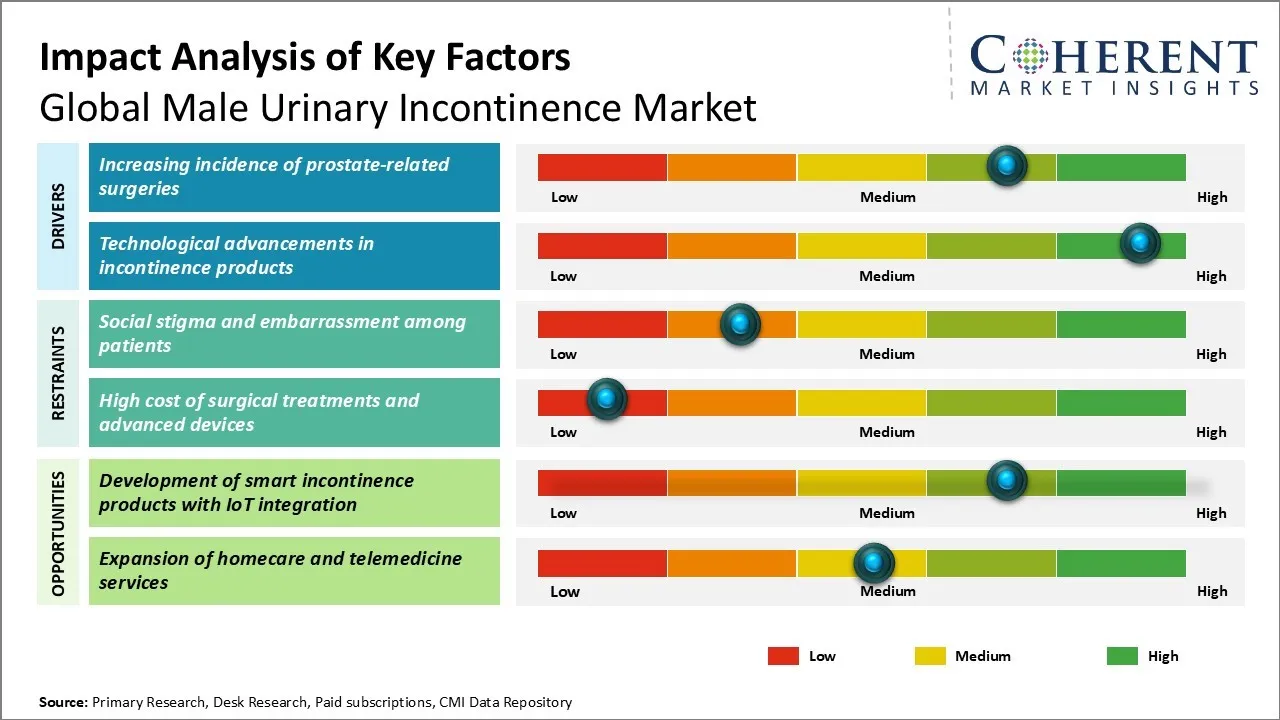
Male Urinary Incontinence Market Driver - Increasing Incidence of Prostate-related Surgeries
The rising number of prostate-related surgeries, particularly procedures like prostatectomies performed to treat conditions such as benign prostatic hyperplasia (BPH) and prostate cancer, significantly contributes to the growing demand for male urinary incontinence products. These surgeries often affect the bladder control mechanisms, leading to postoperative urinary incontinence, which is a common and distressing complication for many patients. As awareness about prostate health improves and screening methods advance, more men are being diagnosed and subsequently undergoing surgical interventions at earlier stages. This trend has led to an expanding patient pool experiencing urinary leakage, thereby increasing the need for effective incontinence management solutions. Additionally, the aging global male population, which is more susceptible to prostate disorders necessitating surgical treatment, further amplifies this effect.
In December 2024, a study by the American Cancer Society (ACS) reveals a rise in prostate cancer incidence and mortality rates in many low- and middle-income countries, including parts of Africa, Asia, Latin America, and the Caribbean. Prostate cancer is the second most common cancer globally, with over 1.4 million cases and 396,000 deaths annually. In contrast, high-income countries have seen a decline in mortality rates due to advancements in early detection and treatment. The study emphasizes the need for improved detection and treatment services in these regions to reduce the growing burden of prostate cancer. Prostate cancer-related surgeries are also on the rise, reflecting the increasing diagnosis and treatment efforts.
Male Urinary Incontinence Market Opportunity: Development of Smart Incontinence Products with IoT Integration
The integration of Internet of Things (IoT) technology into male urinary incontinence products presents a significant growth opportunity within the global market. Smart incontinence products equipped with sensors and connected devices allow real-time monitoring of urinary patterns, leakage events, and skin health, offering personalized management solutions that enhance user comfort and dignity. These advancements facilitate remote health monitoring, enabling healthcare providers to receive accurate data on patients’ conditions without frequent in-person visits, thereby improving clinical outcomes and reducing healthcare costs. With an increasing global elderly population and rising awareness about male urinary incontinence, the demand for innovative, user-friendly solutions is growing rapidly. The ability to integrate smart technology with traditional products such as absorbent pads, catheter systems, and wearable urinary devices positions companies to address unmet needs and differentiate themselves in a competitive market.
In February 2021, Ontex, a leading international personal hygiene company, has introduced an innovative smart diaper solution aimed at improving incontinence care. The product features a printed sensor and a mobile app that alerts caregivers when the diaper needs changing, reducing unnecessary diaper use and laundry. This solution is designed to enhance patient comfort, provide tailored care, and save time and costs for caregivers. After successful initial testing at a senior care facility in Belgium, the smart diaper has demonstrated the potential to cut urine leak incidents by up to 50%.
Analyst Opinion (Expert Opinion)
- The global male urinary incontinence market is experiencing significant growth, driven by technological advancements in non-invasive treatments, increased awareness about incontinence, and supportive regulatory frameworks in developed regions. Key factors include the rise in the aging population, particularly among men, coupled with growing demand for discreet, comfortable products and minimally invasive surgical solutions. Additionally, innovations in bio-based super absorbent polymers and smart devices are creating new opportunities for companies. However, challenges like low treatment-seeking behavior, limited reimbursement options, and high costs of advanced treatments remain prevalent in many regions.
- In recent years, several key conferences have addressed issues in male urinary incontinence, such as the European Association of Urology (EAU) congress, which focuses on clinical best practices and emerging technologies in the field. Moreover, initiatives like Ontex’s divestment strategy and UroMems’ automated sphincter trial highlight ongoing efforts in innovation and market expansion. Notably, regulatory initiatives in the U.S. and Europe are enhancing accessibility to treatments, setting the stage for a more inclusive market landscape. These developments collectively indicate a positive market outlook, with increasing collaboration between healthcare providers and industry stakeholders.
Speak to the analyst
Want personalized insights?
Take the findings above to one of our principal consultants, or have the report rebuilt around the segments, geographies and competitors you actually track.
Market Segmentation
- Type of Incontinence Insights (Revenue, USD Bn, 2021 - 2033)
- Stress Urinary Incontinence
- Urge Urinary Incontinence
- Overflow Urinary Incontinence
- Functional Urinary Incontinence
- Mixed Incontinence (Stress + Urge)
- Product Type Insights (Revenue, USD Bn, 2021 - 2033)
- Absorbent Products
- Pads and Guards
- Adult Diapers
- Protective Underwear
- Bed Protectors and Mattress Covers
- External Catheters (Urinary Sheaths)
- Latex Sheaths
- Silicone Sheaths
- Hydrocolloid Sheaths
- Internal Catheters
- Indwelling (Foley) Catheters
- Intermittent Catheters
- Other Devices and Systems
- Male Slings
- Artificial Urinary Sphincters
- Electrical Stimulation Devices/Penile Clamps
- Absorbent Products
- Age Group Insights (Revenue, USD Bn, 2021 - 2033)
- 18–39 Years
- 40–59 Year
- 60–74 Years
- 75 Years and Above
- Usage Type Insights (Revenue, USD Bn, 2021 - 2033)
- Reusable
- Disposable
- End User Insights (Revenue, USD Bn, 2021 - 2033)
- Hospitals
- Urology Clinics
- Home Healthcare Settings
- Long-Term Care Centers / Nursing Homes
- Ambulatory Surgical Centers
- Others
- Distribution Channel Insights (Revenue, USD Bn, 2021 - 2033)
- Offline
- Online
- Regional Insights (Revenue, USD Bn, 2021 - 2033)
- North America
- U.S.
- Canada
- Latin America
- Brazil
- Argentina
- Mexico
- Rest of Latin America
- Europe
- Germany
- U.K.
- Spain
- France
- Italy
- Russia
- Rest of Europe
- Asia Pacific
- China
- India
- Japan
- Australia
- South Korea
- ASEAN
- Rest of Asia Pacific
- Middle East
- GCC Countries
- Israel
- Rest of Middle East
- Africa
- South Africa
- North Africa
- Central Africa
- North America
- Key Players Insights
- Coloplast A/S
- ConvaTec Group PLC
- Hollister Incorporated
- Kimberly-Clark Corporation
- Medtronic PLC
- Boston Scientific Corporation
- Braun Melsungen AG
- Teleflex Incorporated
- Wellspect HealthCare
- Procter and Gamble Co.
- AbbVie Inc.
- Pfizer Inc.
- Laboratoires URGO
- Ontex Healthcare
- R. Bard (BD)
Sources
Primary Research Interviews
- Industry Stakeholders List
- Urology specialists and clinicians
- Medical device manufacturers and suppliers
- End Users List
- Patients suffering from male urinary incontinence
- Caregivers and healthcare providers in acute care settings
Government and International Databases
- U.S. Food and Drug Administration (FDA)
- World Health Organization (WHO)
- National Institutes of Health (NIH)
- European Medicines Agency (EMA)
- Centers for Disease Control and Prevention (CDC)
Trade Publications
- Urology Times
- The Journal of Urology
- Medical Device and Diagnostic Industry (MD+DI)
- International Journal of Urology
Academic Journals
- The Lancet Urology
- Journal of Urology
- BJU International
- Neurourology and Urodynamics
- European Urology
Reputable Newspapers
- The New York Times
- The Guardian
- The Wall Street Journal
- The Washington Post
Industry Associations
- American Urological Association (AUA)
- European Association of Urology (EAU)
- International Continence Society (ICS)
- American Medical Association (AMA)
- Urology Care Foundation
Public Domain Resources
- National Library of Medicine (PubMed)
- Centers for Medicare & Medicaid Services (CMS)
- U.S. Census Bureau
Proprietary Elements
- CMI Data Analytics Tool: Proprietary analytics tool to analyze real-time market trends, consumer behavior, and technology adoption in market
- Proprietary CMI Existing Repository of Information for the Last 8 Years
Get access to 250+ pages report
Every segment, forecast, competitor profile and data table behind the analysis above — available for instant download.
- ESOMAR Member
- ISO 9001:2015 Certified
- D-U-N-S Registered
- GDPR & CCPA Compliant
Missing comfort of reading report in your local language? Find your preferred language:
Transform your Strategy with Exclusive Trending Reports
Frequently Asked Questions
The Global Male Urinary Incontinence Market is estimated to be valued at USD 7.24 Bn in 2026 and is expected to reach USD 10.95 Bn by 2033.
The CAGR of global male urinary incontinence market is projected to be 6.1% from 2026 to 2033.
Increasing incidence of prostate-related surgeries and technological advancements in incontinence products are the major factors driving the growth of the global male urinary incontinence market.
Social stigma and embarrassment among patients and high cost of surgical treatments and advanced devices are the major factors hampering the growth of the global male urinary incontinence market.
In terms of Type of Incontinence, Stress Urinary Incontinence is estimated to dominate the market revenue share in 2026.
Coloplast A/S, ConvaTec Group PLC, Hollister Incorporated, Kimberly-Clark Corporation, Medtronic PLC, Boston Scientific Corporation, B. Braun Melsungen AG, Teleflex Incorporated, Wellspect HealthCare, Procter and Gamble Co., AbbVie Inc., Pfizer Inc., Laboratoires URGO, Ontex Healthcare, and C. R. Bard (BD) are the major players in the global male urinary incontinence market.
North America is expected to lead the global male urinary incontinence market in 2026.