

Biohacking Market Analysis & Forecast
Global Biohacking Market size is estimated to be valued at USD 20.91 Bn in 2026 and is expected to reach USD 51.36 Bn by 2033, exhibiting a compound annual growth rate (CAGR) of 13.7% from 2026 to 2033.
Key Takeaways
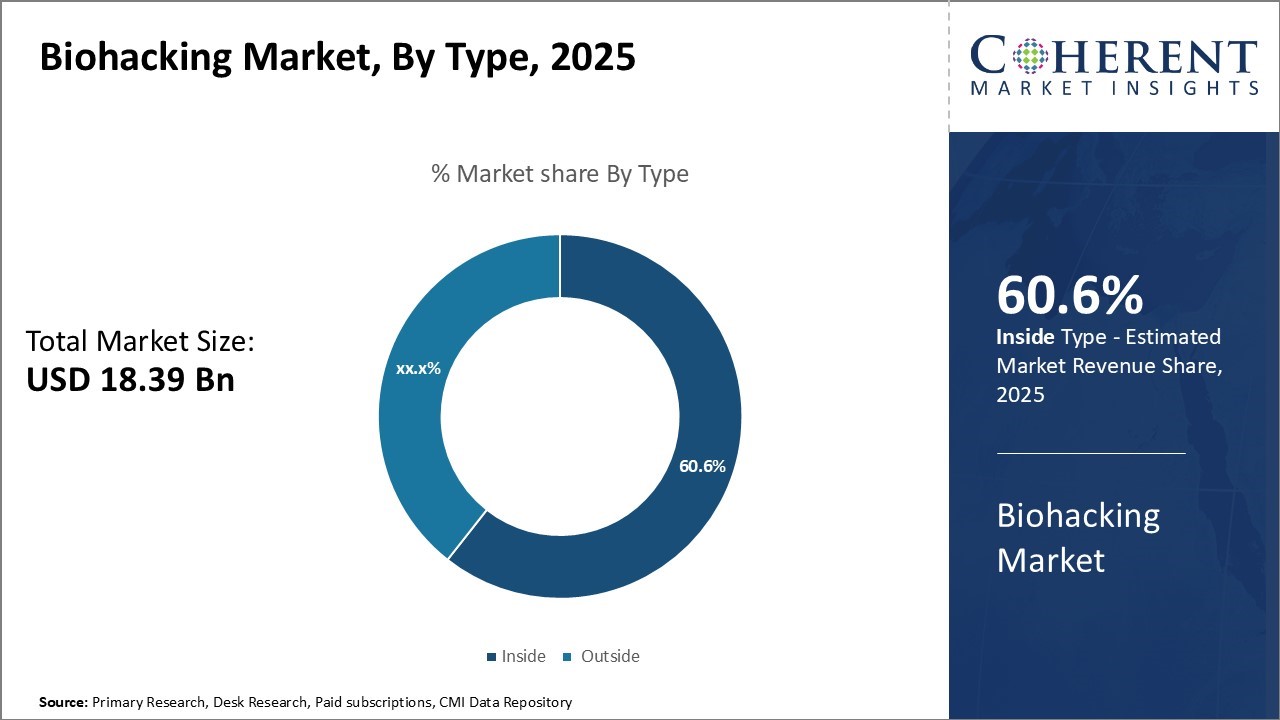
- By Type, the Inside segment is projected to dominate the global biohacking market outlook with a 61.6% share in 2026, owing to the increasing adoption of implantable medical devices and genetic modification tools.
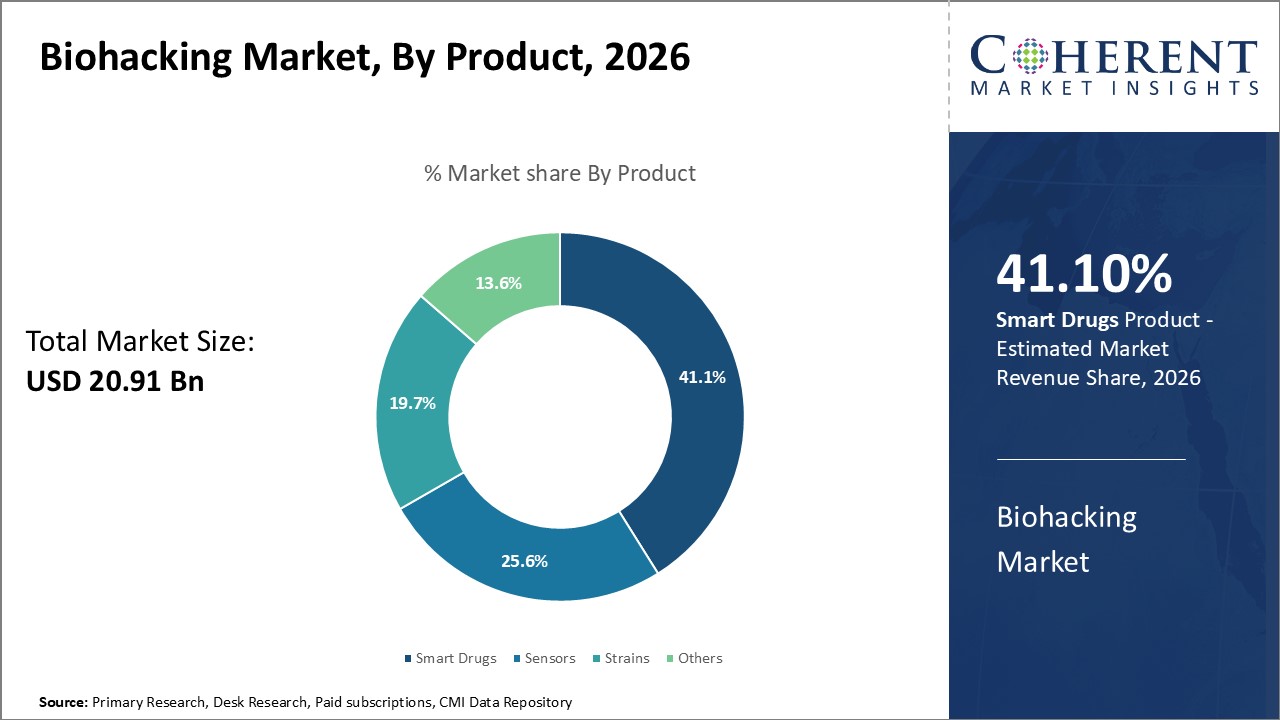
- By Product, the Smart Drugs segment is expected to lead the market with a 41.10% share in 2026, driven by rising consumer demand for cognitive enhancement and performance optimization.
- By Application, the Synthetic Biology segment is anticipated to hold the highest market share of 31.23% in 2026, due to growing advancements in genetic engineering and personalized medicine.
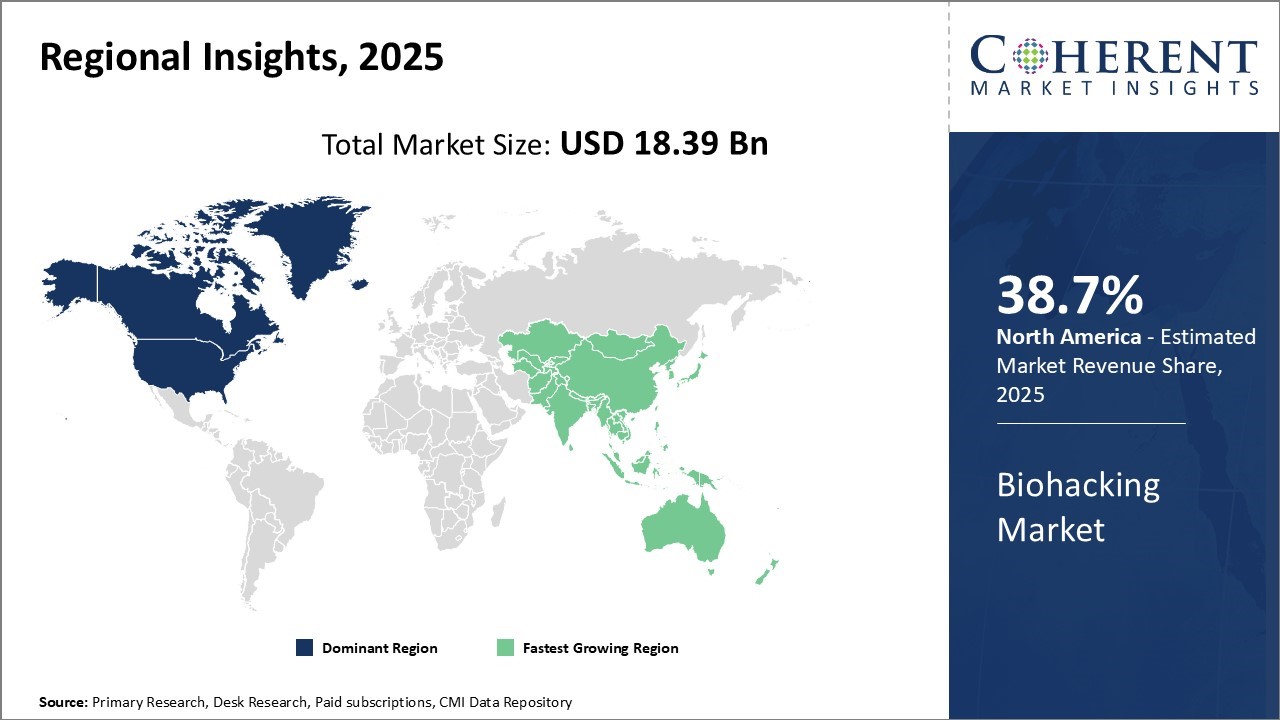
- By Region, North America is forecasted to maintain dominance with a 38.7% share of the global biohacking market in 2026, supported by a strong presence of technology innovators, research institutions, and active biohacking communities.
Market Overview
Growing adoption of do-it-yourself (DIY) biology trend and growing interest in self-experimentation using inexpensive biological tools can boost demand for biohacking products and services. Advancements in genetic engineering and bioinformatics coupled with easy availability of home testing kits are enabling citizens to directly participate in biological experimentation without formal education in the field of life sciences. This is expected to make biohacking more mainstream and can drive the market growth.
Current Events and Its Impact on the Global Biohacking Market
Event | Description and Impact |
Geopolitical Tech Containment Policies |
|
Technological Convergence Breakthroughs |
|
Bioeconomic National Strategies |
|
Pipeline Analysis – Biohacking Market
The biohacking market is witnessing robust R&D activity with several innovative candidates advancing through clinical and preclinical stages.
In Phase III, BH-001 (BioHack Labs) and Cognitex (NeuroEnhance Inc.) focus on cognitive enhancement and neuroplasticity.
In Phase II, BrainBoost (Cerebral Solutions), NeuroPrime (PrimeGen Biotech), and MitoEnhancer (Mitochondrial Therapeutics) target brain stimulation, dopamine regulation, and cellular energy optimization.
Phase I candidates include BH-002 (BioHack Labs), NanoCell (NanoBio Technologies), GeneEdit (Precision Genomics), and BioMod (ModulaGen), focusing on smart implants, nanoparticle delivery, gene editing, and behavioral gene modulation.
Preclinical developments feature NeuroGen (NeuroGenesis Biotech), EpiBoost (Epigenetic Solutions), and MitoMax (Mitochondrial Therapeutics), emphasizing neurogenesis, epigenetic enhancement, and mitochondrial performance.
This pipeline underscores a growing emphasis on personalized cognitive, metabolic, and genetic optimization, indicating strong future potential for commercialized biohacking solutions.
- Current Industry Events of 2026
- Market Size Estimation
- Regional Breakdown
- Competitive Landscape
- Customer Intelligence
- Segmental Analysis
- Pricing Analysis
- Key Market Drivers, Challenges & Future Trends
- Customized Insights Section
Patent Landscape – Biohacking Market
The patent landscape for the biohacking market reflects a dynamic and rapidly evolving field, with a growing number of filings across biotechnology, wearable devices, cognitive enhancement, and genetic engineering. From 2020 to 2025, over 1,800 biohacking-related patents have been filed globally, indicating increased innovation and commercialization potential.
A significant share of patents is concentrated in the following segments
- Wearable Technology (35%) – Covering biometric sensors, real-time health monitoring, and neurostimulation devices.
- Nootropics and Cognitive Enhancers (25%) – Focused on novel compounds, formulations, and delivery systems for mental performance enhancement.
- Neurohacking Interfaces (18%) – Including brain-computer interfaces and non-invasive neuromodulation technologies.
- Gene Editing and CRISPR Kits (12%) – Addressing do-it-yourself genetic engineering tools and safety mechanisms.
- Microchip Implants and RFID (10%) – For identity verification, health tracking, and embedded user feedback.
Reimbursement Scenario – Biohacking Market
The reimbursement landscape for biohacking is nascent and fragmented, with limited formal recognition across global healthcare systems. While some ICD-10 and CPT codes apply to specific treatments like wearables and genetic testing, many emerging biohacking practices—such as nootropics, gene editing kits, and implants—lack standardized coding, complicating reimbursement claims.
Private insurance offers partial coverage for clinically approved devices, particularly in the U.S. and select EU nations, but typically excludes experimental or DIY treatments. Public insurance programs rarely reimburse biohacking interventions unless aligned with recognized medical conditions. As a result, out-of-pocket expenses account for the majority of biohacking costs, especially in Asia-Pacific and Latin America.
Regulatory oversight remains inconsistent, with national health authorities yet to establish clear guidelines for coverage. As the market grows, expanding reimbursement will depend on improved clinical validation, coding reforms, and advocacy from stakeholders. Greater integration into mainstream healthcare systems could significantly enhance patient access and affordability.
Prescribers’ Preference – Biohacking Market
Prescribers are showing cautious but growing interest in biohacking, particularly in areas supported by clinical evidence and regulatory approval. Key influencing factors include scientific validation, patient safety, cost-effectiveness, and accessibility. Preventive and personalized approaches such as nutrigenomics, microbiome optimization, and self-tracking tools are increasingly favored, especially for health-conscious patients seeking proactive care.
Prescription-based nootropics (e.g., Modafinil), stem cell therapies, and peptide therapeutics are gaining traction among forward-looking practitioners, while natural alternatives like adaptogens and functional foods are preferred for low-risk applications. Diagnostic tools like DNA testing kits and microbiome analysis are also commonly recommended to guide personalized regimens.
Prescribers prefer treatments with a clear therapeutic purpose, regulatory clarity, and measurable outcomes. However, concerns remain over long-term safety, ethical implications, and lack of standardization. As biohacking continues integrating with digital health and precision medicine, collaboration between clinicians and the biohacking community is expected to expand, gradually pushing these interventions into more mainstream practice.
Market Concentration and Competitive Landscape
Rising prevalence of chronic diseases
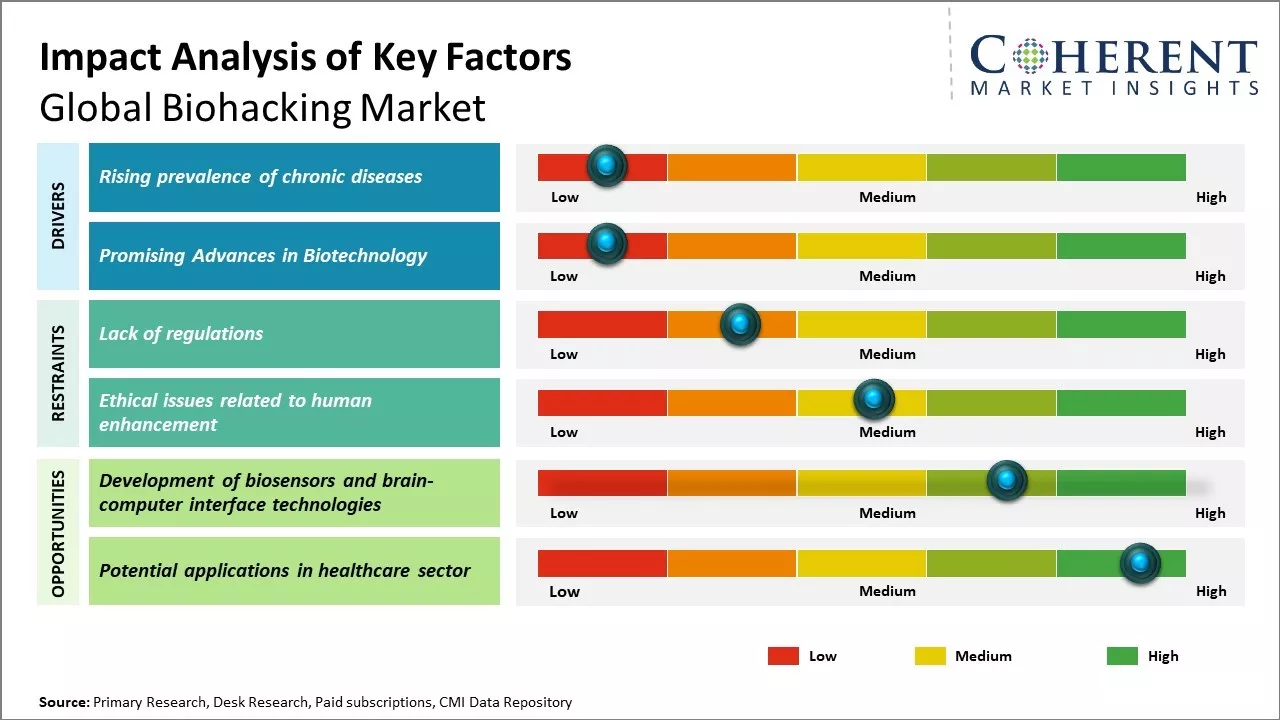
Rising prevalence of chronic diseases across the globe can drive the global biohacking market growth. Due to growing environmental pollution, sedentary lifestyles, and unhealthy dietary habits, there has been increase in long-term health conditions like diabetes, cardiovascular diseases, obesity, and others in both developed and developing nations over the past decade. The market growth is driven by factors such as prevalence of chronic diseases, increasing awareness of biohacking, and rising demand for smart devices and pharmaceuticals.
Chronic conditions such as Alzheimer's, arthritis, asthma, bipolar disorder, cancer, depression, diabetes, eczema play a significant role in this trend. For instance, in January 2025, according to NCBI, chronic diseases account for approximately 60% of deaths and 43% of the global disease burden. The significant rise in chronic diseases among aging populations can offer opportunities for the expansion of biohacking market.
Promising Advances in Biotechnology
Global biohacking market growth is driven by continuous advancements occurring within the field of biotechnology. Scientists and researchers are gaining a deeper understanding of how human biology functions at the molecular level. Every year, new breakthroughs are achieved that offer promising applications to improve human health and capabilities.
Biohackers closely follow these developments and seek to apply emerging technologies in imaginative ways outside of traditional clinical settings. One active area of research involves using gene editing tools like CRISPR to potentially cure genetic diseases. While clinical trials are still in early phases, the prospect of treating conditions like sickle cell anemia and cystic fibrosis at the DNA level has captured worldwide attention.
For biohackers, it represents an opportunity to experiment with these gene therapies in do-it-yourself capacities before official government approval. Growing fields of regenerative medicine, telomere modification, and microbiome engineering offer potential anti-aging solutions that enthusiastic members of the biohacking community wish to test outside of institutional constraints.
Market Opportunities: Development of biosensors and brain-computer interface technologies
Development of advanced biosensors and brain-computer interface technologies can offer tremendous opportunity for growth of global biohacking market. Biosensors that can monitor vital health metrics like glucose, oxygen, hormone or neurotransmitter levels with increasing precision directly from within the body have many applications for quantified self-tracking and diagnosing medical conditions.
As these biosensor technologies miniaturize to the nanoscale and become less invasive to implant in the human body, their adoption for personal health monitoring and citizen science applications increases. Improvements in non-invasive interfaces between the brain and computers have potential for assisting those with disabilities as well as enhancing human capabilities.
Global collaboration on brain initiatives such as the Human Brain Project and advances in fields like neuroengineering are progressively uncovering the complex connections and signaling within the brain at a resolution never seen before. This improved understanding of neurobiology will fuel the development of advanced BCIs that can translate neural signals to commands for prosthetics, facilitate communication, and potentially even enhance cognitive abilities.
Segmental Insights
Biohacking Market Insights, By Type
By type, inside segment is estimated to account for the largest market share of 61.6% in 2026, as increasing access individuals now have to their own genetic information. Next generation sequencing technologies have significantly reduced the cost of obtaining a full genome sequence over the past decade. Several direct-to-consumer genetics companies now offer personal genome sequencing for a few hundred dollars. This has empowered many individuals to learn more about their ancestry and traits through direct analysis of their own DNA.
However, raw genomic data requires specialized technical skills and biological knowledge to fully interpret and understand. Growing citizen science and do-it-yourself biology communities have helped address this issue by educating enthusiasts on basic molecular biology techniques. Online forums allow people to crowdsource insights into their results from others who have experience analyzing similar data. Some groups even facilitate in-home genomic testing by providing sample collection kits and instruction manuals for basic assays.
Biohacking Market Insights, By Product
Among product segment, smart drugs segment is estimated to hold the highest market share of 41.10% in 2026. Also known as nootropics, these substances aim to enhance cognitive abilities through legal or gray area means. Many compounds advertised for nootropic effects such as caffeine, omega-3 fatty acids and vitamins have strong scientific support for modest memory or focus benefits. Other increasingly popular options like modafinil and adrafinil work by stimulating the central nervous system, though health impacts of long term use require more research.
Large online communities dedicated to researching and discussing their effects can boost demand for smart drugs. Reddit forums, podcasts and blogs allow enthusiasts to freely share anecdotal experience reports, thus, comparing various substances and stacks. Companies with ties to these communities helped popularize pre-made "brain supplement" blends containing blends of natural nootropics synergistically formulated based on community feedback. Convenience and trust in peer-tested stacks leads many trying their first smart drugs through these products.
Biohacking Market Insights, By Application
By application, synthetic biology segment is estimated to hold the highest market share of 31.23% in 2026. Past efforts primarily focused on modifying industrial microbes for manufacturing medications or chemical production. However, a new era of citizen science now enables non-professionals to participate through desktop "foundries" able to synthesize small DNA constructs.
Genetic engineering project kits from companies like OSS and Catalog simplify procedures like creating glow-in-the-dark plants or yeast which produce novel flavors. While first intended for education, some advanced do-it-yourselfers use the same tools and online sequence libraries for human-assisted evolution experiments. Groups modify bacteria plasmids hoping to endow new traits like heavy metal bioremediation or utilizing "waste" carbon sources like plastic for biosynthesis.
Regional Insights
North America Biohacking Market Analysis and Trends
North America is set to dominate the global biohacking market with an estimated 38.7% share in 2026, fueled by a robust presence of technology companies and leading research institutions across the U.S. and Canada. Major hubs like San Francisco, Boston, and New York host vibrant biohacking communities actively engaged in do-it-yourself biology projects, supported by startup incubators that connect innovators with industrial partners.
Affordable scientific equipment and reagents, along with a comparatively flexible regulatory environment, enable rapid experimentation. Workshops on genetic engineering and synthetic biology foster innovation, leading to breakthroughs such as portable genetic sequencers and low-cost organ-on-a-chip systems, which have promising healthcare and regenerative medicine applications.
Asia Pacific Biohacking Market Analysis and Trends
Asia Pacific is the fastest growing biohacking market, driven by heavy investments in synthetic biology by countries including China, India, South Korea, and Singapore. Despite stricter regulations limiting certain experiments, government initiatives actively promote research in industrial biomanufacturing, metabolic engineering, and environmental remediation.
Rising interest in alternative fuels and specialty chemicals development further propels growth. The region’s focus on integrating synthetic biology into industrial applications positions it as a critical emerging hub for biohacking innovation and commercialization.
Dominating Countries in the Biohacking Market
United States Biohacking Market Analysis and Trends
The United States leads the global biohacking market, supported by a mature biotechnology ecosystem, well-established research institutions, and a thriving community of citizen scientists. Cities like San Francisco and Boston have become epicenters of DIY biology, with numerous biohacker spaces, incubators, and tech startups pushing boundaries in areas like gene editing, wearables, and nootropics.
A relatively lenient regulatory framework encourages experimentation and rapid prototyping. Notable innovations—such as portable CRISPR kits and biometric tracking devices—continue to emerge from the U.S., making it a global frontrunner in both consumer and industrial biohacking.
China Biohacking Market Analysis and Trends
China plays a critical role in Asia Pacific’s biohacking market expansion, leveraging strong government support for synthetic biology and advanced manufacturing. The country is channeling investment into research on microbial engineering, biofabrication, and sustainable fuel alternatives.
While regulatory oversight remains firm, the Chinese government has promoted strategic projects focused on biotechnology for industrial and environmental use. Universities and biotech firms are collaborating to translate research into scalable applications, driving commercialization and global competitiveness.
Market Report Scope
Biohacking Market Report Coverage
| Report Coverage | Details | ||
|---|---|---|---|
| Base Year: | 2025 | Market Size in 2026: | USD 20.91 Bn |
| Historical Data for: | 2020 To 2024 | Forecast Period: | 2026 To 2033 |
| Forecast Period 2026 to 2033 CAGR: | 13.7% | 2033 Value Projection: | USD 51.36 Bn |
| Geographies covered: |
| ||
| Segments covered: |
| ||
| Companies covered: | Thync Global Inc., The ODIN, HVMN Inc., Apple Inc., Fitbit, Inc., Synbiota, Moodmetric, InteraXon Inc., Modern AlkaMe, NeuroSky, Inc., BehavioSec, Dangerous Things, 23andMe, Inc., Ancestry.com LLC, Nightingale Health Ltd., Kickstarter PBC, Bulletproof 360 | ||
| Growth Drivers: |
| ||
| Restraints & Challenges: |
| ||
Analyst Viewpoint
- The global biohacking scene keeps swelling because curious DIY scientists and health nuts love to test out new ideas on themselves.
- Tools once locked inside labs-for example, CRISPR-style gene editing-now sit in online tutorials and cheap starter kits, pulling in even more newcomers. Yet shaky or missing rules still cast a shadow, so industry watchers warn that growth could stumble.
- North America holds the biggest slice of the market, powered by a jam-packed calendar of meet-ups, podcasts, and hackathons spread across the U.S. and Canada. Trailblazing groups, such as Anthropic, offer plain-language guides and steady community support that keep enthusiasts coming back.
- Europe is hot on North America heels, with the U.K. government promising dear-old-Britain a starring role in synthetic biology. Affordable do-it-yourself kits and citizen-lab weekends give hobbyists less red tape and no Ph.D. requirement, opening the field to coders, artists, and weekend tinkerers.
- While safety and ethics are real worries, plenty of experts believe light-touch oversight can catch harm without stifling imagination.
- Once gene therapy travels out of hospitals and into bathroom medicine cabinets, a whole new crowd of healthy-but-curious patients will log on to learn. Partnerships between independent biohackers and formal research teams could shorten the time from wild idea to published paper, benefiting everyone involved.
Biohacking Market Key Developments
- In February 2025, Neuralink Corp. announced the commencement of human clinical trials for its brain-computer interface technology after receiving FDA approval. The trials aim to evaluate the safety and performance of neural implants for individuals with paralysis.
- In January 2025, Apple Inc. partnered with the University of California to launch a new study on the impact of wearable biohacking devices on cardiovascular and mental health, utilizing data collected through the Apple Watch and HealthKit.
- In October 2024, BioViva USA introduced a next-generation gene therapy protocol targeting aging-related diseases, developed in collaboration with international longevity research groups and tested within transhumanist volunteer communities.
- In August 2024, WHOOP Inc. unveiled its upgraded wearable device, WHOOP 5.0, featuring enhanced sleep performance analytics, continuous blood oxygen monitoring, and integration with third-party health platforms.
- In June 2024, the FDA initiated a public consultation process to explore regulatory guidelines for at-home CRISPR kits and do-it-yourself genetic modification tools, following a rise in consumer adoption of biohacking technologies.
Market Segmentation
- Type Insights (Revenue, USD Bn, 2021 - 2033)
- Inside
- Outside
- Product Insights (Revenue, USD Bn, 2021 - 2033)
- Smart Drugs
- Sensors
- Strains
- Others
- Application Insights (Revenue, USD Bn, 2021 - 2033)
- Synthetic Biology
- Genetic Engineering
- Forensic Science
- Diagnosis & Treatment
- Drug Testing
- End User Insights (Revenue, USD Bn, 2021 - 2033)
- Biopharmaceutical Companies
- Forensic Laboratories
- Others
- Regional Insights (Revenue, USD Bn, 2021 - 2033)
- North America
- U.S.
- Canada
- Latin America
- Brazil
- Argentina
- Mexico
- Rest of Latin America
- Europe
- Germany
- U.K.
- Spain
- France
- Italy
- Russia
- Rest of Europe
- Asia Pacific
- China
- India
- Japan
- Australia
- South Korea
- ASEAN
- Rest of Asia Pacific
- Middle East
- GCC Countries
- Israel
- Rest of Middle East
- Africa
- South Africa
- North Africa
- Central Africa
- Key Players Insights (Revenue, USD Bn, 2021 - 2033)
- Thync Global Inc.
- The ODIN
- HVMN Inc.
- Apple Inc.
- Fitbit, Inc.
- Synbiota
- Moodmetric
- InteraXon Inc.
- Modern AlkaMe
- NeuroSky, Inc.
- BehavioSec
- Dangerous Things
- 23andMe, Inc.
- Ancestry.com LLC
- Nightingale Health Ltd.
- Kickstarter PBC
- Bulletproof 360
Sources
Primary Research Interviews
- Key opinion leaders in the biohacking industry
- Biohacking product manufacturers
- Biohacking service providers
- Biohacking enthusiasts and practitioners
- Others
Databases
- Scopus
- Web of Science
- Others
Magazines
- Wired
- New Scientist
- MIT Technology Review
- Others
Journals
- Journal of Biohacking and Cybernetics
- International Journal of Human-Computer Interaction
- Frontiers in Neuroscience
- Others
Newspapers
- The New York Times
- The Guardian
- The Wall Street Journal
- Others
Associations
- Biohacking Village
- Biohack the Planet
- Quantified Self
- Others
Public Domain Sources
- World Health Organization (WHO)
- National Institutes of Health (NIH)
- European Commission
- Others
Proprietary Elements
- CMI Data Analytics Tool
- Proprietary CMI Existing Repository of information for last 8 years
Get access to 250+ pages report
Every segment, forecast, competitor profile and data table behind the analysis above — available for instant download.
- ESOMAR Member
- ISO 9001:2015 Certified
- D-U-N-S Registered
- GDPR & CCPA Compliant
Missing comfort of reading report in your local language? Find your preferred language:
Transform your Strategy with Exclusive Trending Reports
Frequently Asked Questions
The Biohacking Market size is estimated to be valued at USD 20.91 Bn in 2026, and is expected to reach USD 51.36 Bn by 2033.
The CAGR of the Biohacking Market is projected to be 13.7% from 2026 to 2033.
Rising prevalence of chronic diseases and promising advances in biotechnology are the major factors driving the growth of global market.
Lack of regulations and ethical issues related to human enhancement are the major factors hampering the growth of global market.
In terms of type, inside segment is estimated to dominate the market in 2026.
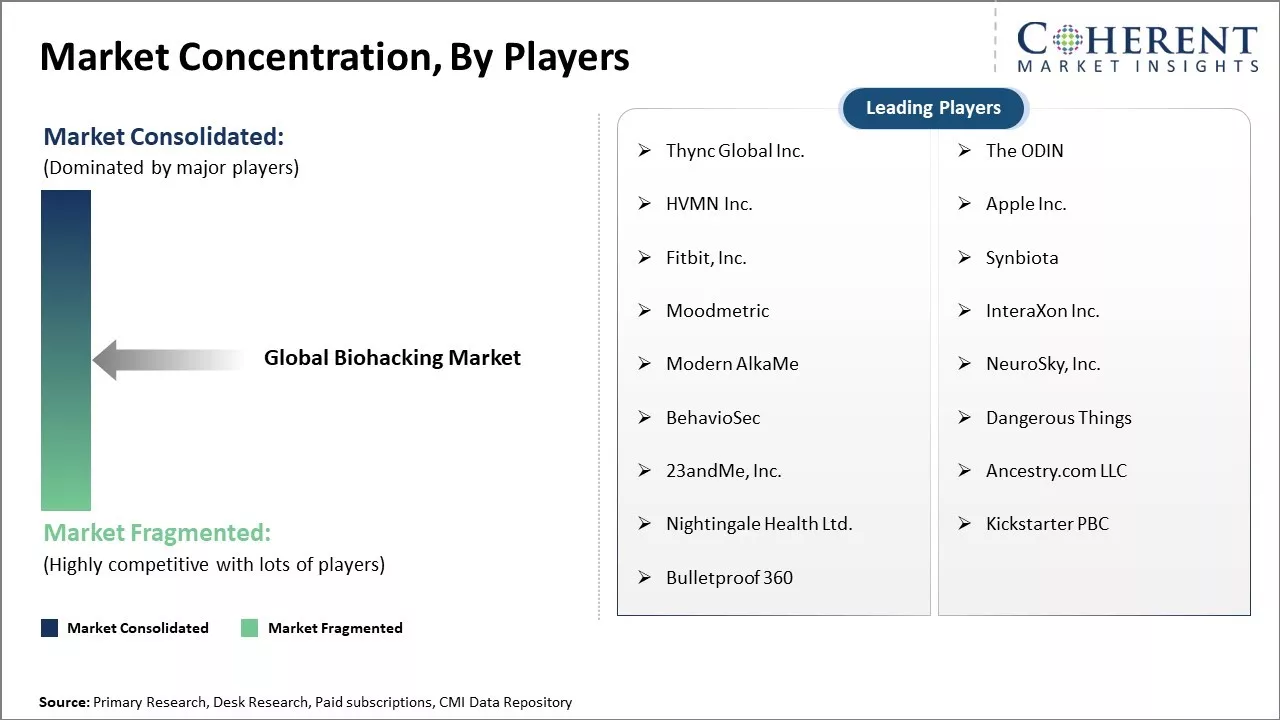
Thync Global Inc., The ODIN, HVMN Inc., Apple Inc., Fitbit, Inc., Synbiota, Moodmetric, InteraXon Inc., Modern AlkaMe, NeuroSky, Inc., BehavioSec, Dangerous Things, 23andMe, Inc., Ancestry.com LLC, Nightingale Health Ltd., Kickstarter PBC, Bulletproof 360 are the major players.
North America is expected to lead the global market.