

Global Nasogastric Tubes Market Size and Forecast – 2026 - 2033
The Global Nasogastric Tubes Market is estimated to be valued at USD 568.8 Mn in 2026 and is expected to reach USD 835.7 Mn by 2033, exhibiting a compound annual growth rate (CAGR) of 5.7% from 2026 to 2033. This growth reflects increasing demand driven by rising healthcare expenditures, growing incidence of gastrointestinal disorders, and advancements in medical device technology focused on improving patient care and safety during enteral feeding procedures.
Key Takeaways of the Global Nasogastric Tubes Market
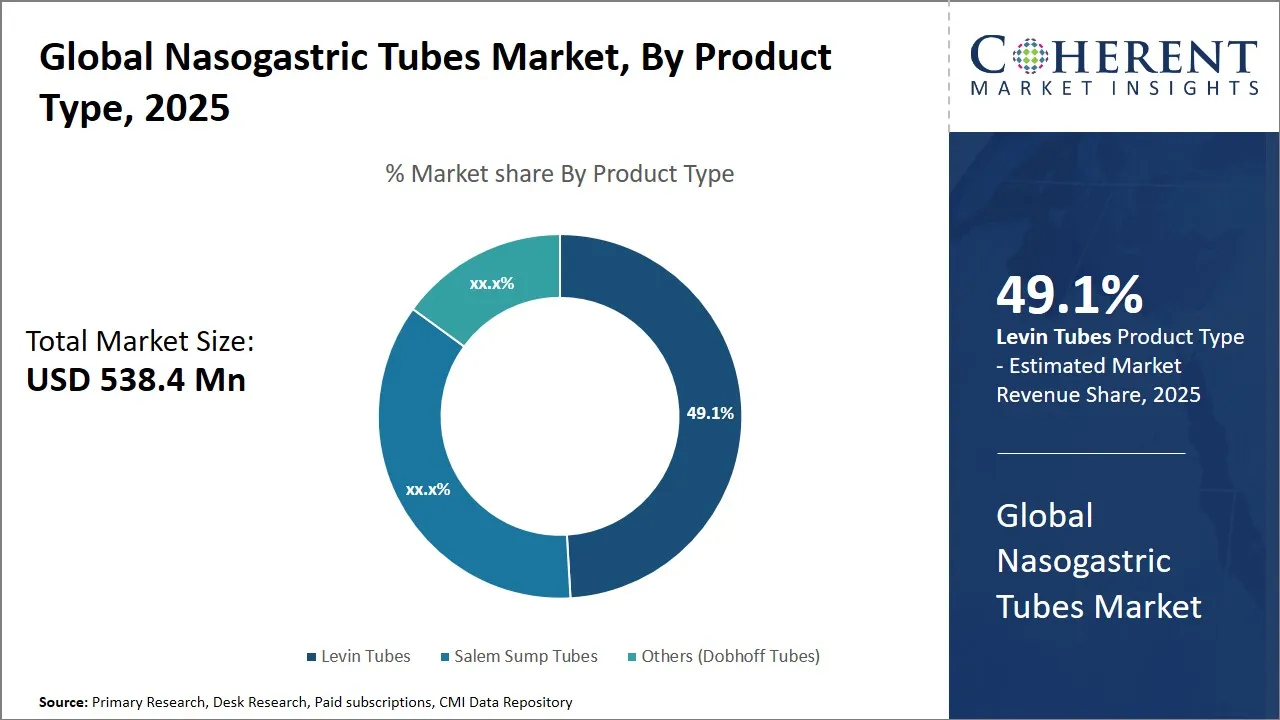
- Levin tubes remain the most widely used product type in the nasogastric tubes market, holding an estimated 50.1 % share in 2026.
- Enteral feeding continues to lead as the primary application segment, reflecting the increasing focus on ensuring adequate nutrition for patients who are unable to eat orally, and is projected to account for 35.2 % of the market in 2026.
- Pediatric patient group represents a growing and vital segment, contributing approximately 26.2 % of the market share in 2026, driven by rising demand for age-appropriate, safe, and effective feeding solutions.
- North America is expected to lead the market, holding a share of 39.3 % in 2026. Asia Pacific is anticipated to be the fastest-growing region, with a market share of 27.2% in 2026.
Market Overview
A key market trend is the shift towards the development of more biocompatible and flexible nasogastric tubes that minimize patient discomfort and reduce complications such as infections and tube displacements. Additionally, the integration of smart technologies like sensors for real-time monitoring is gaining traction, enhancing the effectiveness of feeding and medication delivery. Expansion of healthcare infrastructure in emerging economies also contributes significantly to the market’s steady growth trajectory.
Current Events and Its Impact
Current Events | Description and its impact |
SPRITAM (Levetiracetam) Tablets for Oral Suspension Approved by FDA for Nasogastric and Gastrostomy Tube Administration |
|
NGPod Global Announces Latest Data for Electronic Nasogastric Tubes Placement Device |
|
Segmental Insights
- Current Industry Events of 2026
- Market Size Estimation
- Regional Breakdown
- Competitive Landscape
- Customer Intelligence
- Segmental Analysis
- Pricing Analysis
- Key Market Drivers, Challenges & Future Trends
- Customized Insights Section
Nasogastric Tubes Market Insights, By Product Type - Levin Tubes Lead Owing to Their Versatility and Widespread Clinical Acceptance
Levin tubes have long been a preferred choice among healthcare providers, driving their dominant share in the nasogastric tubes market by product type with an estimated share of 50.1% in 2026. Their design—a single-lumen tube with multiple side holes—allows for effective suction and drainage, making them highly versatile in various medical scenarios. Levin tubes are particularly favored for their simplicity and cost-effectiveness, which are critical factors in both emergency and routine medical settings. The ability of Levin tubes to facilitate gastric decompression, enteral feeding, and medication administration without complex handling contributes significantly to their extensive use.
Another factor contributing to the growth of the Levin tube segment is their compatibility with a wide range of patient groups and clinical applications. Unlike specialized tubes that are limited to particular procedures or patient types, Levin tubes are broadly applicable, allowing hospitals and clinics to standardize on a single product type and optimize inventory management. Their relatively straightforward insertion process and availability in various sizes further enhance their adaptability, catering to different patient anatomies from pediatric to adult.
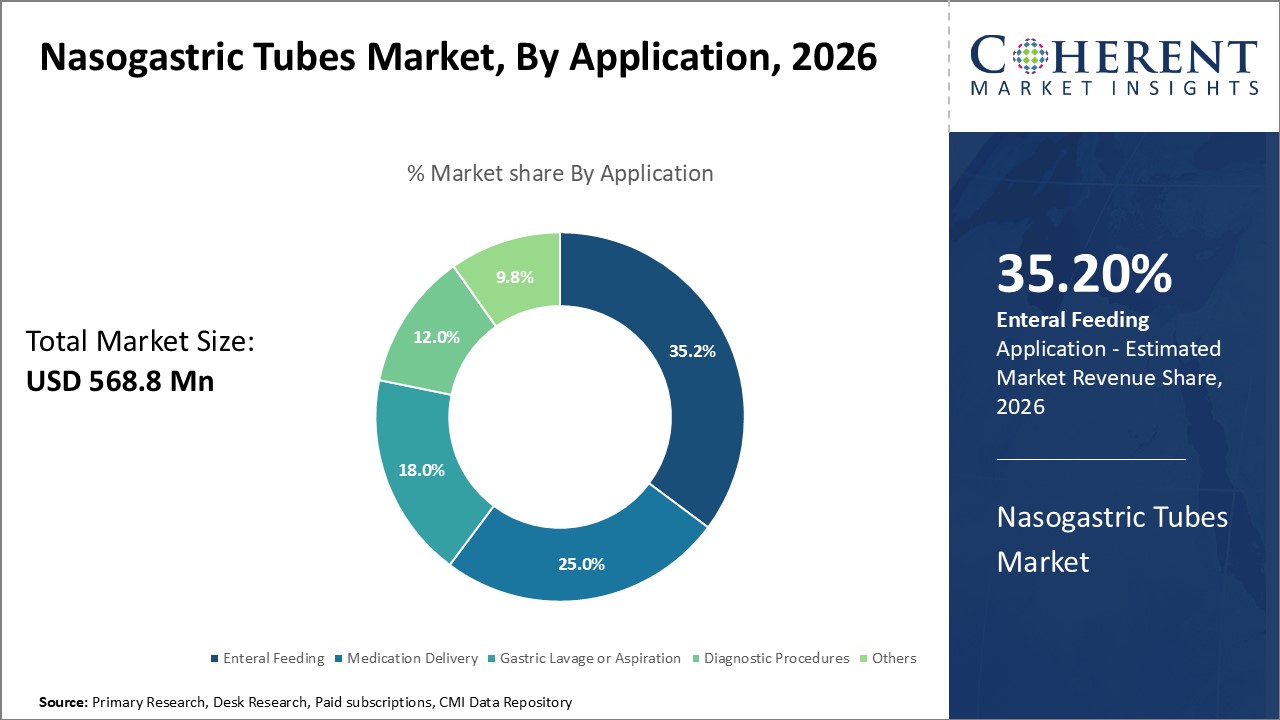
Nasogastric Tubes Market Insights, By Application - Enteral Feeding Dominates Due to Increasing Reliance on Nutritional Support in Clinical Care
The prominence of enteral feeding as the leading application segment for nasogastric tubes reflects a growing emphasis on maintaining nutritional status in patients unable to consume food orally with share of 35.2% in 2026. Nasogastric tubes provide a direct, non-invasive means to deliver nutrients to the stomach, which is critical for patients in critical care, those undergoing surgery, or individuals suffering from chronic illnesses affecting swallowing or digestion. The rising incidence of conditions such as stroke management, neurological disorders, and cancer, which impair oral intake, has escalated demand for enteral feeding solutions.
Healthcare systems around the world are focusing on reducing malnutrition-related complications to improve patient outcomes and shorten hospital stays, thus increasing the use of nasogastric tubes specifically for enteral nutrition. Guidelines from nutrition and critical care societies underscore early nutritional intervention, with nasogastric feeding being a frontline method. Additionally, technological improvements in nasogastric tubes—such as enhanced biocompatible materials and incorporation of anti-reflux valves—have enabled more efficient and safer nutrient delivery, further driving their preference for enteral feeding.
Nasogastric Tubes Market Insights, By Patient Group - Pediatric Leads Owing to the Critical Need for Specialized Nutritional and Medical Support
The pediatric segment accounts for an estimated 26.2% in 2026 share of the nasogastric tubes market, making it a significant and expanding category. Children in this age group often require nasogastric tubes for managing conditions such as cerebral palsy, severe gastroesophageal reflux, metabolic disorders, and prolonged recovery from surgeries or infections that impair oral feeding. These tubes are vital for delivering nutrition, hydration, and medications in both acute and chronic care scenarios. The flexibility of nasogastric feeding makes it particularly suitable for pediatric care, where intermittent or long-term support may be needed based on disease severity and age-specific requirements.
Market growth in the pediatric segment is driven by improvements in pediatric healthcare infrastructure, rising awareness among caregivers, and an increase in the prevalence of chronic pediatric conditions. Medical device companies are innovating with child-specific tube designs—including softer materials, varied lengths, and more secure retention systems—to meet the anatomical and comfort needs of pediatric patients. Additionally, the rising trend of home-based care for children with long-term feeding needs has further accelerated demand for safe, easy-to-use nasogastric tubes tailored for this age group.
Regional Insights
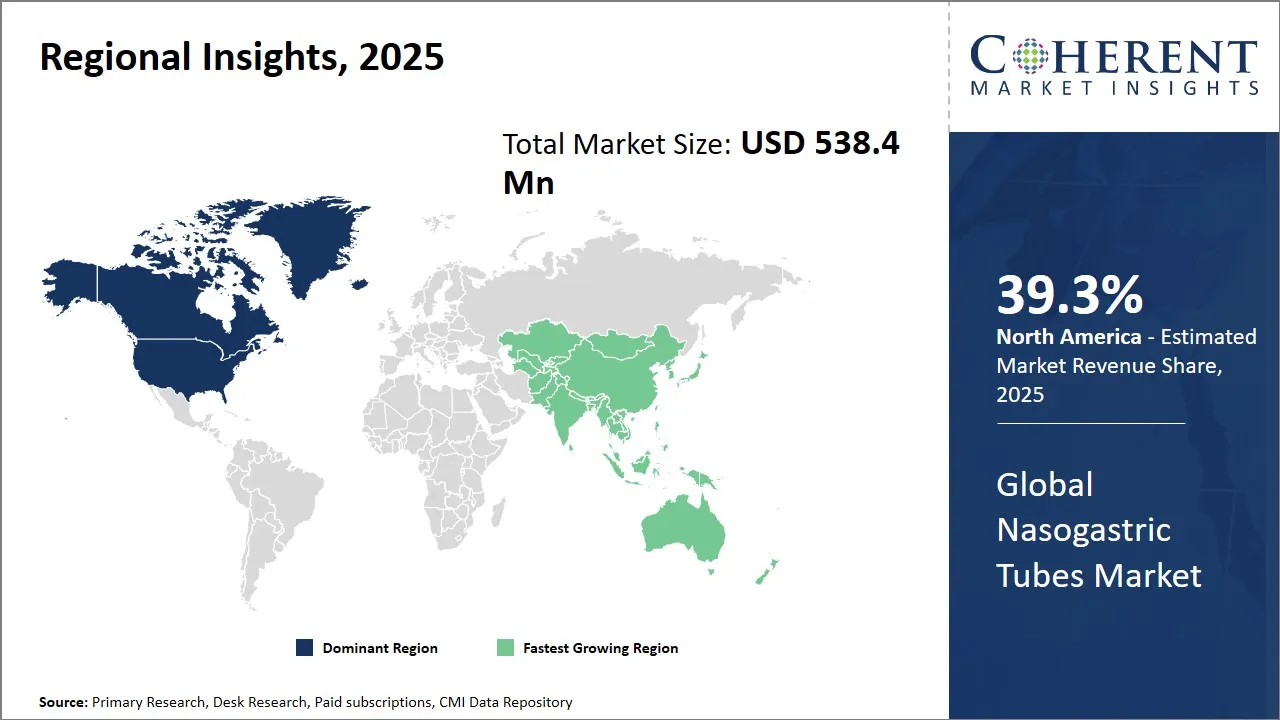
North America Nasogastric Tubes Market Analysis and Trends
North America’s dominance in the global nasogastric tubes market, with share of 39.3% in 2026, is driven by a mature healthcare infrastructure, high adoption of advanced medical technologies, and well-established distribution networks. The presence of leading medical device manufacturers such as Medtronic, Cardinal Health, and Becton Dickinson contributes significantly to innovation and production capacity.
Supportive government policies, including stringent healthcare regulations and reimbursement frameworks, encourage the use of high-quality nasogastric tubes in hospitals and outpatient settings. Additionally, strong research and development ecosystems in the U.S. and Canada facilitate product improvements in safety and patient comfort. Trade dynamics favor streamlined import-export processes for medical supplies, reinforcing North America’s market leadership.
Asia Pacific Nasogastric Tubes Market Analysis and Trends
The Asia Pacific exhibits the fastest growth in the global nasogastric tubes market due to expanding healthcare access with an estimated share of 27.2% in 2026, increasing prevalence of chronic diseases requiring enteral feeding support, and rising investments in healthcare infrastructure. Countries like China, India, and Japan are witnessing higher demand driven by large patient pools and government initiatives aimed at improving health services and medical device manufacturing capabilities.
The growing presence of regional manufacturers such as Terumo Corporation, Smiths Medical (now part of ICU Medical), and B. Braun Melsungen supports competitive pricing and product availability. Additionally, favorable trade agreements and increasing foreign direct investment (FDI) are catalyzing market expansion through enhanced supply chains and collaboration opportunities.
Global Nasogastric Tubes Market Outlook for Key Countries
U.S. Nasogastric Tubes Market Trends
The U.S.' market benefits from a strong healthcare system supported by advanced hospital infrastructure and widespread insurance coverage. Major players like Medtronic and Becton Dickinson maintain significant market shares through continuous innovation in product design and safety features. The U.S. also serves as a hub for clinical research and regulatory approvals, promoting the faster adoption of novel nasogastric tube technologies. Government programs that emphasize patient safety and infection control further bolster demand for reliable and quality nasogastric devices.
In July 2024, Dale Medical Products Inc., a trusted U.S.-based manufacturer of securement and patient care solutions, announced the launch of UltraGrip 163 Nasogastric Tube Holder. Designed for universal NG tube securement, UltraGrip features a single-tab system, breathable fabric, non-adherent cushioned foam pad, and patient-friendly adhesive to enhance comfort and reduce the risk of pressure injuries. The product aims to improve both caregiver efficiency and patient safety in clinical settings.
China Nasogastric Tubes Market Trends
China's market is expanding rapidly as government initiatives emphasize modernization of hospitals and increased access to healthcare services. Local manufacturers such as Mindray and international firms like Terumo have capitalized on the surge in demand by establishing production units domestically and enhancing supply chain efficiencies. Improvements in regulatory frameworks and quality standards are fostering the greater acceptance of imported products, while growing awareness about enteral feeding solutions among healthcare providers drives volume growth.
In June 2024, Hong Kong health authorities have launched an investigation after a 61-year-old patient at Queen Elizabeth Hospital was left in critical condition when a nasogastric feeding tube was mistakenly inserted into his airway and went undetected for over a day. The incident occurred during a routine tube replacement in the orthopaedic ward. Despite protocol being followed, the error was only identified after feeding resumed and a chest X-ray was conducted. Health Secretary Lo Chung-mau expressed deep regret, acknowledging past similar incidents and emphasizing the need for improved patient safety.
Germany Nasogastric Tubes Market Trends
Germany leads the nasogastric tubes market in Europe, backed by its advanced healthcare infrastructure, regulatory excellence, and strong emphasis on medical device innovation. Companies such as B. Braun Melsungen AG produce high-precision nasogastric tubes like the DuoFLO feeding tube, known for its biocompatibility and ease of insertion. Similarly, Paul Hartmann AG supplies enteral feeding accessories and tubing systems tailored for both acute care and long-term clinical use.
The German government's commitment to medical technology reimbursement through statutory health insurance and its support for home-based care have further driven adoption of nasogastric tubes. Additionally, Germany's central location in Europe and its compliance with MDR (Medical Device Regulation) standards make it a strategic manufacturing and distribution hub for companies like Fresenius Kabi, which also plays a key role in the enteral nutrition space with complementary NG tube offerings.
Japan Nasogastric Tubes Market Trends
Japan’s market is characterized by a technologically advanced healthcare system and increasing geriatric population requiring enteral nutrition. Leading companies such as Terumo Corporation and Nipro Corporation invest heavily in research and development to improve tube materials, minimize patient discomfort, and incorporate smart monitoring features. The country’s rigorous regulatory environment ensures high product standards, contributing to trust and widespread adoption among healthcare providers. Additionally, government support for healthcare innovation promotes continuous market evolution.
For Example, CREATE MEDIC. is a trusted medical device company in Japan specializing in enteral feeding solutions. The company offers the All-Silicone Stomach Tube (Nasogastric Feeding Tube), designed for safe and hygienic nasogastric feeding. This tube features an open tip with four side holes, a funnel end with cap for easy handling, and a sealed lumen design to maintain cleanliness between uses.
End User Feedback and Unmet Needs
- End users across hospitals, neonatal intensive care units (NICUs), long-term care facilities, and home healthcare providers consistently report high satisfaction with nasogastric tubes designed for ease of placement and patient comfort, particularly those made with soft, biocompatible materials like silicone or polyurethane. For instance, clinical staff at a tertiary care hospital in Germany praised B. Braun’s DuoFLO feeding tubes for their clear centimeter markings, flexible structure, and kink resistance, which reduced tube misplacement incidents and improved procedural efficiency in pediatric and geriatric patients. Healthcare professionals also noted the benefit of color-coded connectors for preventing misconnections, which is increasingly vital in high-pressure environments like emergency departments. This positive feedback underscores the market's responsiveness to safety-enhancing features and user-centric design.
- However, a recurring concern among end-users—particularly in low- and middle-income countries (LMICs) and resource-constrained settings—relates to limited availability of pediatric and neonatal-specific tube sizes, as well as frequent tube dislodgement in long-term patients. For example, public hospital procurement teams in Southeast Asia have flagged the lack of affordable, durable nasogastric tubes that can withstand prolonged use without compromising patient comfort or requiring frequent replacement. Moreover, many clinicians emphasize the need for real-time tip verification tools that do not rely solely on X-ray or pH aspiration, which are either costly or inconsistently accurate. These concerns highlight unmet needs in the form of affordability, customization, and diagnostic integration. Addressing these gaps through innovations such as integrated optical sensors for tip tracking or modular tube designs could significantly enhance patient outcomes, reduce procedural errors, and unlock growth opportunities in underserved markets, thereby strengthening customer loyalty and driving global adoption.
Market Players, Key Development, and Competitive Intelligence
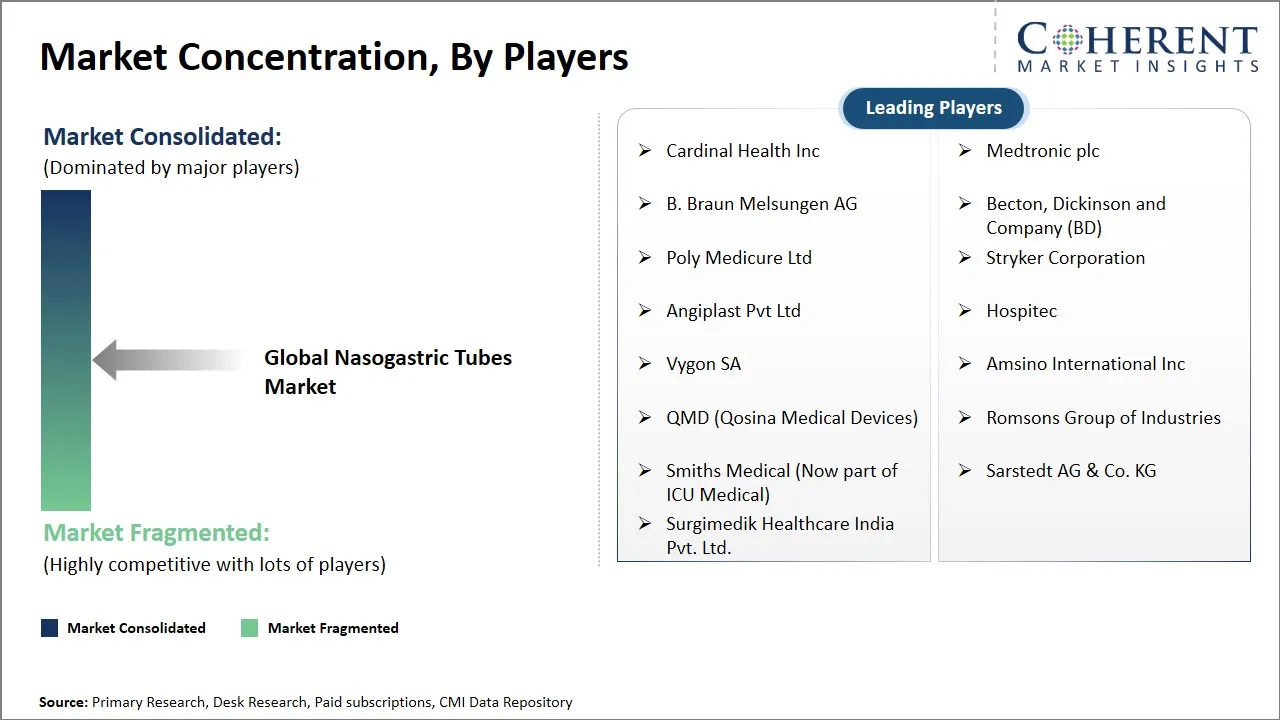
Top Strategies Followed by Global Nasogastric Tubes Market Players
- Leading market players in the nasogastric tube sector focus heavily on research and development (R&D) to create high-performance and innovative products that address evolving clinical needs. These companies direct significant resources towards enhancing material biocompatibility, improving patient comfort, and integrating cutting-edge technologies such as antimicrobial coatings and precision measurement features. Strategic partnerships with OEMs and key healthcare stakeholders help strengthen their market presence, enabling them to leverage expertise and expand their influence.
- For example: Cardinal Health has consistently invested in enhancing its range of nasogastric tubes and enteral feeding devices, offering features such as silicone tubes with anti-reflux valves for added patient comfort. The company also provides multifunctional ports that allow for feeding, suctioning, irrigating, and medicating through one closed system, which minimizes contamination risks and enhances clinical efficiency. Their systems are designed to meet the needs of both adult and pediatric patients, ensuring flexibility and durability for diverse healthcare environments.
- Mid-level Competitors: Mid-tier players typically focus on providing cost-effective yet reliable products to capture the price-sensitive segment of the market. These companies aim to balance quality and affordability while maintaining essential clinical standards. To strengthen their position, mid-tier firms engage in collaborations aimed at boosting production capacities, utilizing advanced manufacturing technologies, and expanding their market reach. Such alliances enable economies of scale, facilitating technological exchange and enabling faster response to market dynamics.
- For example: Angiplast Pvt. Ltd. offers Infant Nasogastric Feeding Tubes, designed with features like a smooth coned tip and radio-opaque strip for X-ray visibility. These tubes are made from non-irritant, implantation-tested PVC, ideal for neonatal care. The company offers customizable tube lengths and diameters, ensuring flexibility for various clinical needs. With a focus on affordability without compromising quality, Angiplast positions itself as a reliable provider in the neonatal sector, catering to the growing demand for specialized products.
- Small-scale players in the nasogastric tubes market often target niche segments by offering innovative product lines that meet specific clinical needs or address unique regional demands. These companies utilize advanced manufacturing technologies, such as 3D printing or novel biomaterials, to differentiate themselves from larger competitors. By focusing on innovation, they are able to introduce products with unique features, such as patient-specific customization or enhanced safety features, which cater to specific customer bases.
- For example: Romsons offers a diverse range of nasogastric and enteral feeding tubes. Their products are designed for both nutritional purposes and the aspiration of intestinal secretions. Made from medical-grade PVC, these tubes feature smooth, low-friction surfaces that reduce nasal discharge. They are available in various configurations, such as Ryle's Tube and Levin's Tube, each tailored to meet different clinical applications. These products are radio-opaque for X-ray visibility, enhancing clinical precision. Romsons' focus on quality, comfort, and innovation makes them a preferred choice in specialized care, particularly in neonatal and pediatric markets.
Key Developments
- On July 8, 2025, NGSIG (Nasogastric Specialist Interest Group), a leading body dedicated to improving nasogastric feeding practices, launched a new nasogastric feeding tube audit tool, supported by British Association for Parenteral and Enteral Nutrition (BAPEN). This tool is designed to help healthcare providers align with previous Patient Safety Alerts and address ongoing risks of NG tube misplacement. It allows benchmarking of current practices across the patient care pathway—from tube decision-making to community discharge—and helps identify gaps in safety and compliance. The tool has been piloted across several UK health trusts and will soon be rolled out nationally.
- In November 2024, Otsuka Pharmaceutical Factory, Inc., a leading Japan-based company in clinical nutrition and medical solutions, launched Tumguide Fiber with new outer diameter options of 0.5 mm and 0.75 mm, designed for pediatric nasogastric tube placement. Used with the Tumguide LED Light Source, the fiber emits a red light at the tube tip, allowing visual confirmation of correct placement without radiation. This Class I general medical device aims to reduce complications and the workload of healthcare professionals, enhancing safety in pediatric enteral feeding procedures.
- In November 2024, Avanos Medical, Inc., a global medical device company specializing in innovative solutions for digestive health, launched its advanced Nasogastric/Nasointestinal Tube Retention System. Designed to reduce feeding tube dislodgement, CORGRIP SR features a monofilament thread, yellow-tipped retrieval catheter, color-coded clips, and printed centimeter markings. This nasal bridle system offers superior retention compared to traditional tape methods, addressing the issue of unintentional tube removal, which occurs in 40%–63% of cases.
- In September 2024, a radiographer-led nasogastric (NG) tube position check pathway was launched by a collaborative group including The Royal College of Radiologists (RCR). This new initiative empowers radiographers to assess NG tube placements via X-ray, enhancing patient safety and care. Backed by the GIRFT programme, the project promotes collaboration among radiologists, radiographers, and clinicians. Dr. Damien Tolan, the project lead, emphasized its life-saving potential by adopting the simple approach: “acquire the image, evaluate, and act.”
Market Report Scope
Nasogastric Tubes Market Report Coverage
| Report Coverage | Details | ||
|---|---|---|---|
| Base Year: | 2025 | Market Size in 2026: | USD 568.8 Mn |
| Historical Data for: | 2020 To 2024 | Forecast Period: | 2026 To 2033 |
| Forecast Period 2026 to 2033 CAGR: | 5.7% | 2033 Value Projection: | USD 835.7 Mn |
| Geographies covered: |
| ||
| Segments covered: |
| ||
| Companies covered: | Cardinal Health Inc, Medtronic plc, B. Braun Melsungen AG, Becton, Dickinson and Company (BD), Poly Medicure Ltd, Stryker Corporation, Angiplast Pvt Ltd, Hospitec, Vygon SA, Amsino International Inc, QMD (Qosina Medical Devices), Romsons Group of Industries, Smiths Medical (Now part of ICU Medical), Sarstedt AG & Co. KG, and Surgimedik Healthcare India Pvt. Ltd. | ||
| Growth Drivers: |
| ||
| Restraints & Challenges: |
| ||
Nasogastric Tubes Market Dynamics
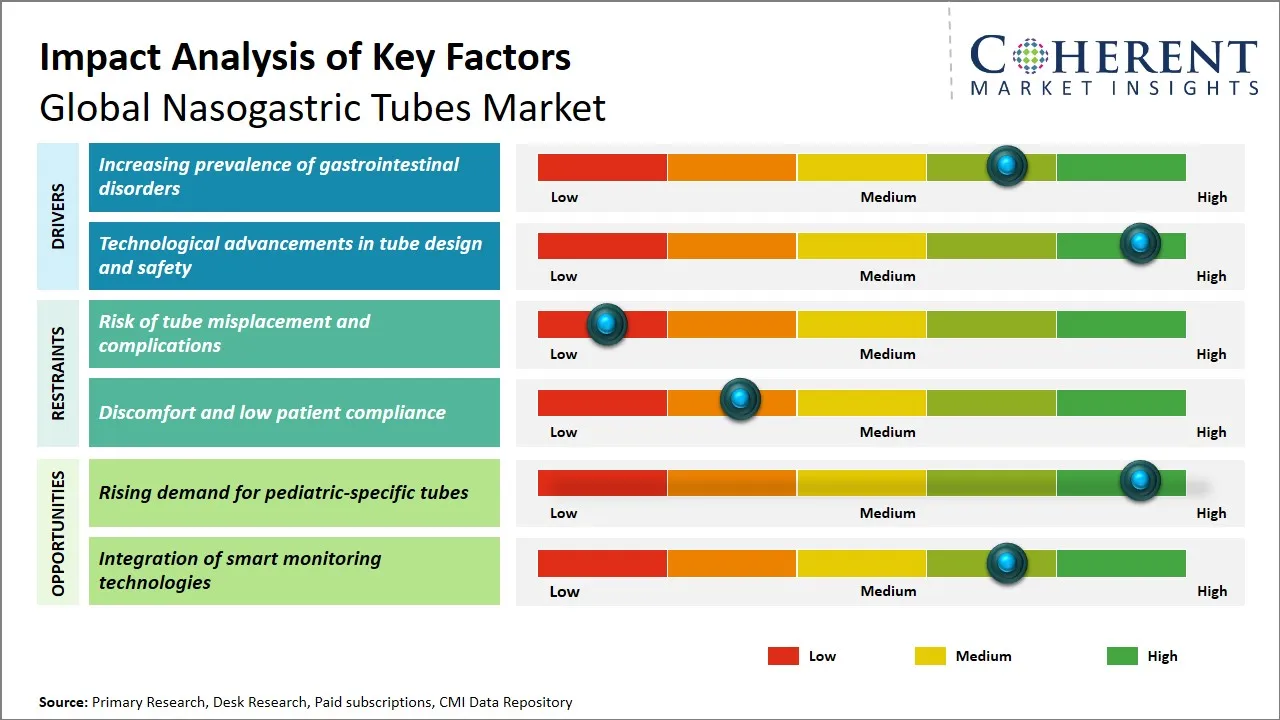
Nasogastric Tubes Market Driver - Increasing Prevalence of Gastrointestinal Disorders
The rising incidence of gastrointestinal (GI) disorders globally significantly fuels the demand for nasogastric tubes, as these medical devices are essential for managing a variety of digestive tract conditions. Disorders such as gastroparesis, bowel obstructions, severe gastroesophageal reflux disease (GERD), and postoperative complications often require enteral feeding or decompression, positioning nasogastric tubes as a critical component in patient care. Aging populations combined with lifestyle factors including poor diet, sedentary behavior, and increased stress levels contribute to the escalating prevalence of GI ailments, thereby expanding the patient pool dependent on nasogastric intubation. Furthermore, the advent of more accurate diagnostic tools has led to earlier detection and intervention in GI diseases, increasing the use of nasogastric tubes for both therapeutic and diagnostic purposes. This heightened necessity across hospitals and home care settings underpins the steady demand for innovative, comfortable, and safer nasogastric tube solutions tailored to diverse patient needs worldwide.
In September 2022, according to the National Library of Medicine, Gastrointestinal disorders are increasingly prevalent in India, with gastroesophageal reflux disease (GERD) affecting 7.6%–30%, while chronic constipation is reported by 22% of individuals. There are an estimated 1.4 million cases of Inflammatory Bowel Disease (IBD) nationwide. Liver diseases are now the tenth leading cause of death in India, with around 1 million new cases of liver cirrhosis diagnosed annually and over 40 million cases of Hepatitis B Virus (HBV) infection. Non-Alcoholic Fatty Liver Disease (NAFLD) has a prevalence range of 9% to 53% in the general population. Additionally, pancreatitis affects approximately 114 to 200 individuals per million, and there is a notable rise in paralytic ileus, intestinal obstruction, gallbladder and biliary tract cancers, and vascular intestinal disorders, underscoring the urgent need for enhanced gastroenterological care and public health initiatives.
Nasogastric Tubes Market Opportunity: Rising Demand for Pediatric-Specific Nasogastric Tubes
The global nasogastric tubes market is witnessing a significant opportunity, driven by the rising demand for pediatric-specific nasogastric tubes. This growth is primarily fueled by the increasing prevalence of pediatric gastrointestinal disorders and the need for specialized medical equipment tailored to the unique anatomical and physiological requirements of infants and children. Pediatric patients necessitate smaller, softer, and more flexible tubes to minimize discomfort and reduce complications during insertion and use, creating a niche demand that manufacturers are increasingly addressing. Furthermore, advancements in material technology and design innovations are enabling the production of biocompatible, atraumatic pediatric tubes, enhancing patient safety and compliance. The expanding pediatric healthcare infrastructure, particularly in emerging economies, coupled with heightened awareness among healthcare professionals regarding the importance of age-appropriate medical devices, is further propelling market growth.
For example, Vygon Ltd is a leading medical and surgical device manufacturer, one of its flagship offerings is the Nutrisafe2 Nasogastric Silicone Feeding Tube, designed specifically for neonatal and infant patients. This medium-term enteral feeding tube is made from radiopaque silicone and features centimeter markings, lateral eyes, and color-coded connectors and obturators for safe and accurate placement.
Analyst Opinion (Expert Opinion)
- The global nasogastric tubes market is witnessing steady growth driven by the increasing prevalence of chronic illnesses, aging populations requiring long-term enteral nutrition, and the rising number of critical care hospital admissions worldwide. Technological advancements such as the integration of anti-clogging designs, pH-sensing capabilities, and radiopaque markers have enhanced the safety and efficiency of nasogastric tube insertion and maintenance. Additionally, favorable reimbursement frameworks in developed countries and evolving regulatory standards supporting patient safety and quality control are propelling market expansion. However, challenges such as tube misplacement risks, discomfort during long-term use, and limited skilled personnel in developing regions continue to restrain widespread adoption. Emerging opportunities lie in the development of pediatric-specific tubes, biodegradable materials, and smart tubes capable of real-time position monitoring to reduce adverse events and improve patient outcomes.
- Prominent industry platforms such as MEDICA Trade Fair (Germany), Arab Health (UAE), and Asia Pacific Enteral Nutrition Conference have played critical roles over the past three years in fostering innovation and knowledge exchange in enteral and medical device markets, including nasogastric tubes. For example, companies like Cardinal Health and Vygon have introduced nasogastric tubes with integrated safety features and ergonomic designs, following collaborations with hospitals and clinical experts. Meanwhile, initiatives like the UK NHS’s National Patient Safety Alerts on enteral feeding tubes and India’s push for Make-in-India medical devices under the Production Linked Incentive (PLI) scheme are reshaping procurement practices and manufacturing capabilities. These developments collectively point to a market poised for intelligent growth, driven by patient-centric innovations and supportive policy ecosystems.
Speak to the analyst
Want personalized insights?
Take the findings above to one of our principal consultants, or have the report rebuilt around the segments, geographies and competitors you actually track.
Market Segmentation
- Product Type Insights (Revenue, USD Mn, 2021 - 2033)
- Levin Tubes
- Salem Sump Tubes
- Others (Dobhoff Tubes)
- Application Insights (Revenue, USD Mn, 2021 - 2033)
- Enteral Feeding
- Medication Delivery
- Gastric Lavage or Aspiration
- Diagnostic Procedures
- Others (Gastrointestinal Bleeding Assessment)
- Patient Group Insights (Revenue, USD Mn, 2021 - 2033)
- Neonates and Infants
- Pediatric
- Adult
- Geriatric
- Material Insights (Revenue, USD Mn, 2021 - 2033)
- Polyvinyl Chloride (PVC)
- Polyurethane
- Silicone
- Other Polymers
- Size Insights (Revenue, USD Mn, 2021 - 2033)
- Small Bore
- Medium Bore
- Large Bore
- End User Insights (Revenue, USD Mn, 2021 - 2033)
- Hospitals
- Specialty Clinics
- Ambulatory Surgical Centers
- Home Care Settings
- Long-term Care Facilities
- Sales Channel Insights (Revenue, USD Mn, 2021 - 2033)
- Online
- Offline
- Regional Insights (Revenue, USD Mn, 2021 - 2033)
- North America
- U.S.
- Canada
- Latin America
- Brazil
- Argentina
- Mexico
- Rest of Latin America
- Europe
- Germany
- U.K.
- Spain
- France
- Italy
- Russia
- Rest of Europe
- Asia Pacific
- China
- India
- Japan
- Australia
- South Korea
- ASEAN
- Rest of Asia Pacific
- Middle East
- GCC Countries
- Israel
- Rest of Middle East
- Africa
- South Africa
- North Africa
- Central Africa
- North America
- Key Players Insights
- Cardinal Health Inc
- Medtronic plc
- Braun Melsungen AG
- Becton, Dickinson and Company (BD)
- Poly Medicure Ltd
- Stryker Corporation
- Angiplast Pvt Ltd
- Hospitec
- Vygon SA
- Amsino International Inc
- QMD (Qosina Medical Devices)
- Romsons Group of Industries
- Smiths Medical (Now part of ICU Medical)
- Sarstedt AG & Co. KG
- Surgimedik Healthcare India Pvt. Ltd.
Sources
Primary Research Interviews
- Industry Stakeholders
- R&D Directors – Global Medical Device Manufacturers
- Quality and Regulatory Compliance Heads – Sterile Device Manufacturers
- End-users
- Critical Care Specialists – Multispecialty Hospitals
- Senior Clinical Nutritionists – Long-Term Care Facilities
Government and International Databases
- World Health Organization (WHO)
- U.S. Food and Drug Administration (FDA)
- European Medicines Agency (EMA)
- Centers for Disease Control and Prevention (CDC)
- National Health Service (NHS), UK
- Ministry of Health, Labour and Welfare (Japan)
- Central Drugs Standard Control Organization (CDSCO), India
- Pan American Health Organization (PAHO)
Trade Publications
- MedTech Insight
- Medical Device and Diagnostic Industry (MD+DI)
- DeviceTalks
- Healthcare Innovation
Academic Journals
- Journal of Parenteral and Enteral Nutrition (JPEN)
- American Journal of Critical Care
- BMJ Open
- Journal of Clinical Nursing
- International Journal of Nursing Studies
- Nutrition in Clinical Practice
Reputable Newspapers
- The New York Times – Health Section
- The Guardian – Healthcare
- The Times of India – Health
- The Washington Post – Health & Science
Industry Associations
- Association for the Advancement of Medical Instrumentation (AAMI)
- American Society for Parenteral and Enteral Nutrition (ASPEN)
- European Society for Clinical Nutrition and Metabolism (ESPEN)
- Global Medical Device Nomenclature (GMDN) Agency
- International Organization for Standardization (ISO) – Medical Devices Division
Public Domain Resources
- Europe PMC
- U.S. National Library of Medicine
- Cochrane Library
Proprietary Elements:
- CMI Data Analytics Tool: Proprietary analytics tool to analyze real-time market trends, consumer behavior, and technology adoption in market
- Proprietary CMI Existing Repository of Information for the Last 8 Years
Get access to 250+ pages report
Every segment, forecast, competitor profile and data table behind the analysis above — available for instant download.
- ESOMAR Member
- ISO 9001:2015 Certified
- D-U-N-S Registered
- GDPR & CCPA Compliant
Missing comfort of reading report in your local language? Find your preferred language:
Transform your Strategy with Exclusive Trending Reports
Frequently Asked Questions
The Global Nasogastric Tubes Market is estimated to be valued at USD 568.8 Mn in 2026 and is expected to reach USD 835.7 Mn by 2033.
The CAGR of global nasogastric tubes market is projected to be 5.7% from 2026 to 2033.
Increasing prevalence of gastrointestinal disorders and technological advancements in tube design and safety are the major factors driving the growth of the global nasogastric tubes market.
Risk of tube misplacement and complications and discomfort and low patient compliance are the major factors hampering the growth of the global nasogastric tubes market.
In terms of Product Type, Levin Tubes are estimated to dominate the market revenue share in 2026.
A nasogastric tube is typically placed by trained healthcare professionals such as nurses, physicians, or respiratory therapists. The procedure is performed in clinical settings under sterile conditions to ensure patient safety and comfort.
Generally, it can remain in place for up to 4–6 weeks, but duration depends on the patient's condition and care plan.