

Global Ozempic Market Size and Forecast – 2026 - 2033
The global Ozempic market is estimated to be valued at USD 24.54 Bn in 2026 and is expected to reach USD 48.75 Bn by 2033, exhibiting a compound annual growth rate (CAGR) of 10.3% from 2026 to 2033.
Key Takeaways of the Global Ozempic Market
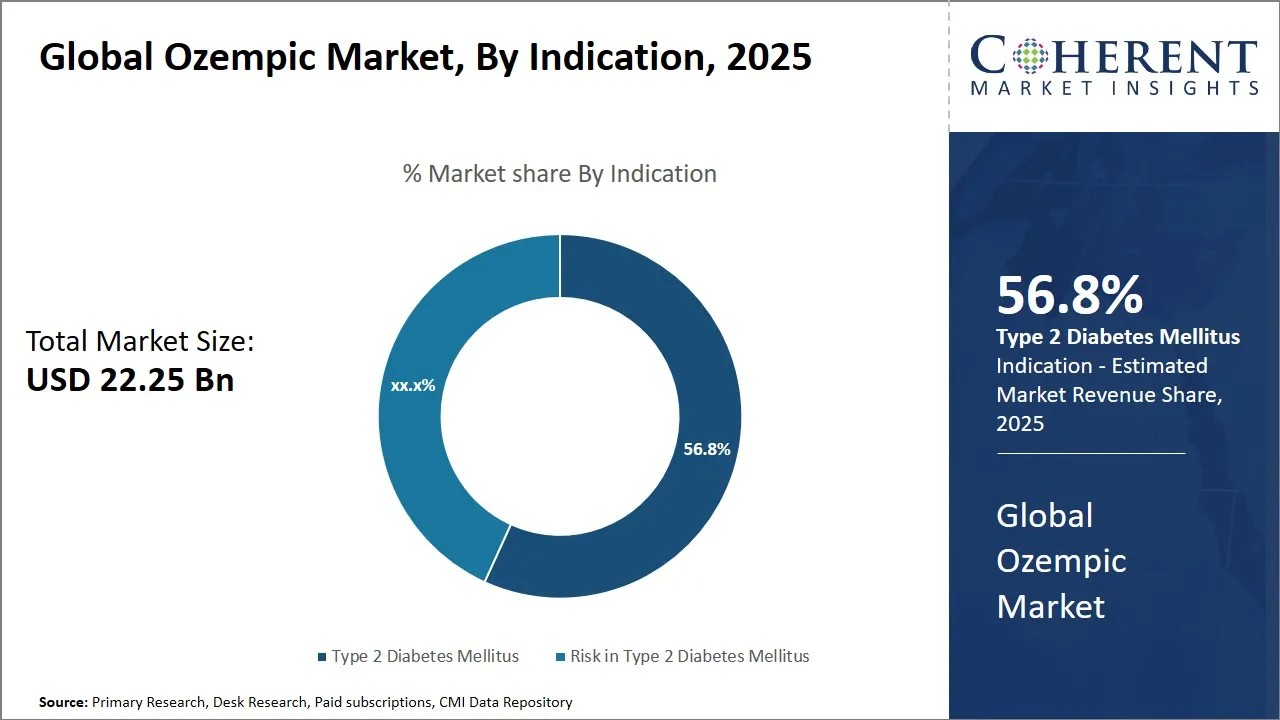
- Type 2 Diabetes Mellitus holds the largest market share by indication, accounting for an expected 57.8% in 2026.
- In terms of strength, the 2 mg/3 mL (0.68 mg/mL) segment is expected to lead the market with a 33.5% share in 2026.
- As for distribution channel, the offline segment is expected to dominate, contributing 75.3% to the global Ozempic market in 2026.
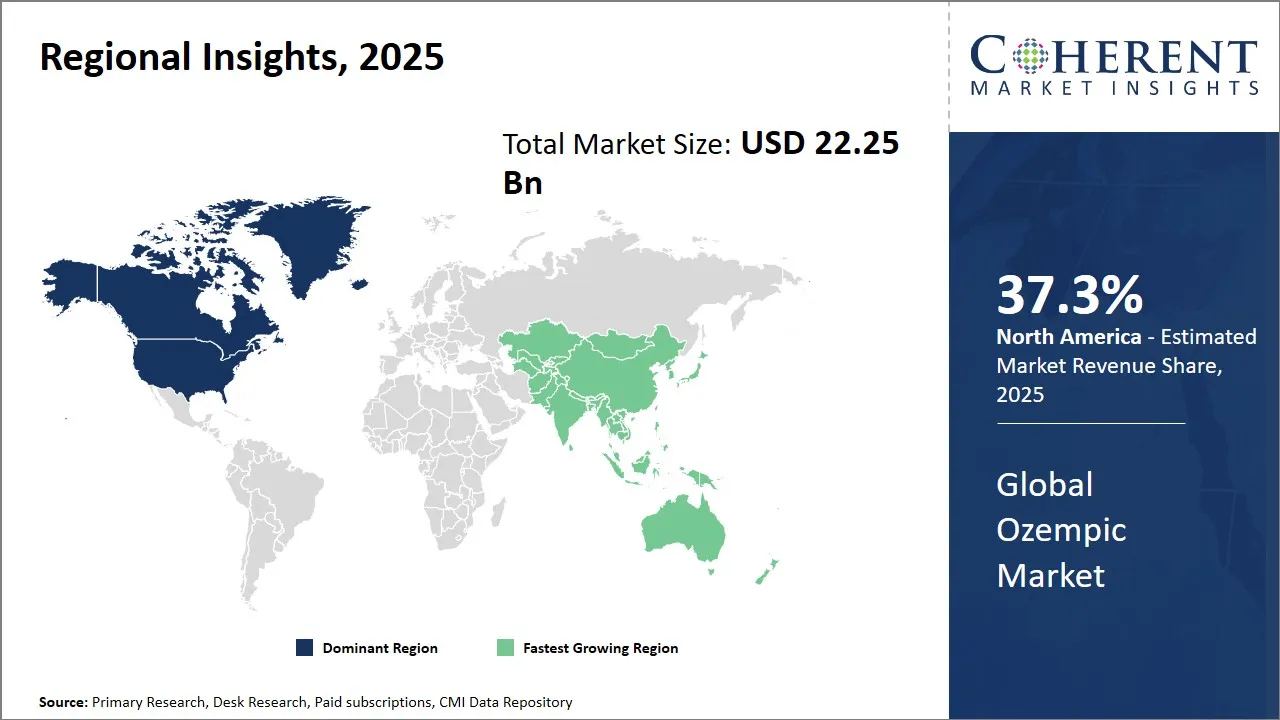
- North America is expected to lead the market, holding a share of 37. 3% in 2026. Moreover, Asia Pacific is expected to be a fastest growing region with 25.5% market share in 2026.
Market Overview
The market trend is characterized by a surge in demand for effective diabetes treatments with improved patient compliance and better cardiovascular outcomes. Technological advancements in drug formulations and delivery systems, alongside strategic collaborations between pharmaceutical companies, are enhancing product accessibility and market penetration. Additionally, rising investment in research and development to address unmet medical needs and the growing focus on personalized medicine are anticipated to further propel the Ozempic market forward over the forecast period.
Current Events and Its Impact
Current Events | Description and its impact |
Novo Nordisk’s Ozempic Secures U.S. FDA Approval for Kidney Disease Protection, Expanding Market Dominance
|
|
Novo Nordisk’s Ozempic Gains EMA Backing for PAD Treatment, Poised for Further Global Expansion |
|
Segmental Insights
- Current Industry Events of 2026
- Market Size Estimation
- Regional Breakdown
- Competitive Landscape
- Customer Intelligence
- Segmental Analysis
- Pricing Analysis
- Key Market Drivers, Challenges & Future Trends
- Customized Insights Section
Ozempic Market Insights, By Indication - Dominance of Type 2 Diabetes Mellitus in the Ozempic Market is Driven by Rising Prevalence of Type 2 Diabetes and Treatment Necessity
In terms of indication, the Type 2 Diabetes Mellitus segment is expected to hold 57.8% share of the global Ozempic market in 2026, primarily due to the escalating prevalence of this chronic metabolic disorder worldwide. The rising incidence and diagnosis rates of Type 2 Diabetes Mellitus have driven greater demand for effective glycemic control therapies. Type 2 diabetes and obesity are two major health conditions that have been rising globally, and this can drive the market growth. In 2021, according to the data published by International Diabetes Federation (IDF), 537 million people lived with diabetes in 2020, and this number is projected to increase to 643 million by 2030 and 783 million by 2045. In 2021, according to the data published by the World Health Organization (WHO), more than 1.9 billion adults were overweight or obese in 2020.
Moreover, according to the data published by the World Health Organization (WHO) on April 5, 2023, the number of people with diabetes had increased from 108 million in 1980 to 422 million in 2014. Diabetes is a major cause of blindness, kidney failure, heart attacks, stroke and lower limb amputation. Rising prevalence of type 2 diabetes and obesity boosts demand for effective treatments, and incretin mimetics drugs have emerged as a promising therapeutic option. Incretin mimetics are a class of drugs that mimic the action of natural hormones in the body, specifically incretins, which help to regulate blood sugar levels after meals.
In 2021, according to the data published by the American Diabetes Association, incretin mimetics drugs improve glycemic control, reduce body weight, and decrease the risk of cardiovascular events in patients with type 2 diabetes. Incretin mimetics drugs, with their ability to improve glycemic control and promote weight loss, are becoming an increasingly popular therapeutic option. The current trends in the market, such as the development of new formulations and combinations with other diabetes medications, can drive the market growth in the near future. Ozempic, with its active ingredient semaglutide, is a glucagon-like peptide-1 (GLP-1) receptor agonist, making it a highly effective treatment option for managing blood glucose levels, enabling better patient outcomes and compliance.
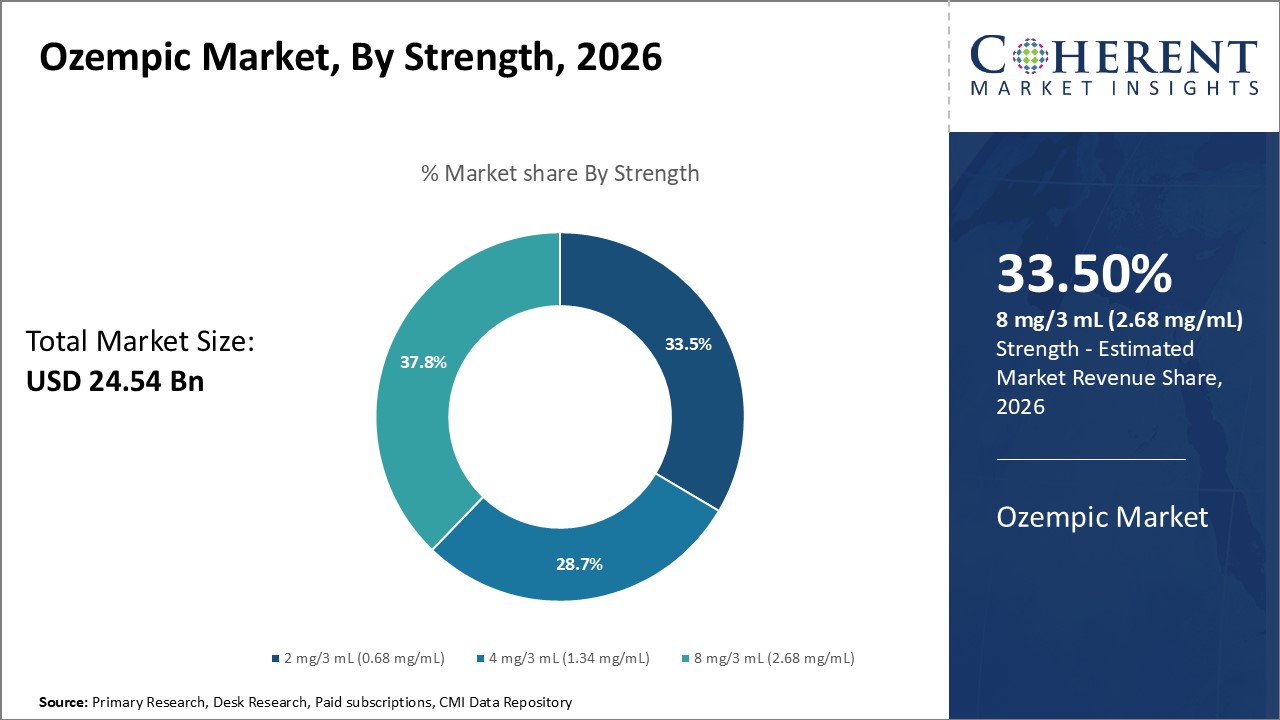
Ozempic Market Insights, By Strength – 2 mg/3 mL (0.68 mg/mL) Strength Dominates as it Offers Optimal Balance of Efficacy and Patient Tolerance
Focusing on the market by strength, the 2 mg/3 mL (0.68 mg/mL) segment is expected to command 33.5% of the market share in 2026 globally. This prominence is largely linked to its ability to provide an optimal balance between therapeutic efficacy and patient tolerability. The dosing strength is carefully calibrated to achieve steady glycemic control, making it suitable for a broad spectrum of patients with varying severity of Type 2 Diabetes Mellitus.
The 2 mg/3 mL (0.68 mg/mL) strength allows clinicians to tailor therapy to patient needs, offering effective dose escalation from the initial low-dose formulations while minimizing side effects such as nausea or gastrointestinal discomfort that may limit adherence. This strength meets the demand for a potent yet manageable dosage form that supports steady, long-term management of blood glucose. Patient-centric factors have also played a significant role in the dominance of this segment. The pen injector device delivering the 2 mg/3 mL strength is perceived as user-friendly, facilitating ease of administration which is crucial for chronic conditions that require ongoing treatment. The convenience and reliability of this dosage contribute to better compliance, reducing instances of missed or incorrect dosing.
Consumer Switch Analysis
- Ozempic (semaglutide) injection 0.5 mg, 1 mg, or 2 mg is an injectable prescription medicine used:
- along with diet and exercise to improve blood sugar (glucose) in adults with type 2 diabetes
- to reduce the risk of major cardiovascular events such as heart attack, stroke, or death in adults with type 2 diabetes with known heart disease
- to reduce the risk of kidney disease worsening, kidney failure (end-stage kidney disease), and death due to cardiovascular disease in adults with type 2 diabetes and chronic kidney disease
Factor | Ozempic (Semaglutide - Novo Nordisk) | Mounjaro (Tirzepatide - Eli Lilly) | Trulicity (Dulaglutide - Eli Lilly) | Rybelsus (Oral Semaglutide - Novo Nordisk) |
Primary Indications | T2D, CVD risk reduction, CKD, PAD | T2D, obesity (with weight loss focus) | T2D, CVD risk reduction | T2D (oral alternative) |
Dosing Frequency | Once weekly | Once weekly | Once weekly | Once daily |
Efficacy (A1C Reduction) | ~1.5–1.8% | ~1.8–2.4% (superior in trials) | ~1.0–1.6% | ~1.0–1.5% |
Weight Loss Benefits | Moderate (~5–8% body weight) | High (~10–15% body weight) | Moderate (~4–6% body weight) | Moderate (~5–7% body weight) |
Cardiovascular Benefits | U.S. FDA-approved for CVD & CKD risk reduction | Emerging data (not yet approved) | U.S. FDA-approved for CVD risk reduction | Limited data |
Delivery Method | Subcutaneous injection | Subcutaneous injection | Subcutaneous injection | Oral tablet |
Price (Monthly, USD) | ~USD 900–USD 1,000 | ~USD 1,000–USD 1,200 | ~USD 800–USD 900 | ~USD 800–USD 950 |
Insurance Coverage | Broad (with prior auth) | Expanding (limited for obesity) | Broad | Broad (but stricter for oral drugs) |
Key Differentiators | Broadest indications (CVD, CKD, PAD) | Superior weight loss | Established safety profile | Only oral GLP-1 option |
Regional Insights
North America Ozempic Market Analysis and Trends
North America is expected to hold the largest share which is 37.3% in 2026 in the global Ozempic market. The dominance in the global Ozempic market is driven primarily by a well-established healthcare infrastructure, widespread awareness of diabetes and obesity management, and strong industry presence. The U.S., in particular, houses several key pharmaceutical companies such as Novo Nordisk, which is the originator of Ozempic and leads the innovation and distribution efforts in the region. Government policies promoting chronic disease management, extensive insurance coverage for diabetes treatments, and clinical trial ecosystems further bolster market penetration. Additionally, strong trade dynamics and ease of regulatory approvals expedite product availability. Canada also supports growth through government incentives for healthcare innovation and diabetes management programs, enhancing regional robustness.
Market players are focused on gaining product approval from regulatory bodies in the region, which is expected to boost the Ozempic market over the forecast period in North America. For instance, in March 2022, Novo Nordisk, a pharmaceutical company, announced that the U.S. Food and Drug Administration (FDA) had approved a 2.0 mg dose of Ozempic (once-weekly semaglutide subcutaneous injection), a glucagon-like peptide-1 (GLP-1) analogue for the treatment of adults with type 2 diabetes.
Ozempic is now approved in the U.S. at 0.5 mg,1.0 mg and 2.0 mg doses for the treatment of type 2 diabetes in adults. Further, Ozempic is indicated to reduce the risk of major cardiovascular events such as heart attack, stroke, or death in adults with type 2 diabetes and known heart disease.
Asia Pacific Ozempic Market Analysis and Trends
Asia Pacific region is expected to exhibit the fastest growth with 25.5% market share in the Ozempic market in 2026, due to increasing diabetes prevalence, rising healthcare expenditure, expanding urban populations, and greater health awareness. Emerging economies such as China and India are witnessing accelerated adoption of Ozempic due to growing middle-class populations and supportive government measures aimed at tackling metabolic diseases. Governments in this region have implemented favorable drug price regulations and health insurance reforms that improve affordability and access. Moreover, the presence of multinational pharmaceutical companies alongside local generic drug manufacturers creates a competitive ecosystem encouraging wider availability. Trade liberalization and improving supply chains also facilitate rapid market expansion.
Novo Nordisk A/S, a global healthcare company, partnered with Kakao Healthcare in August 2023, the digital healthcare business of Kakao Corporation, a South Korea-based internet company, to further develop its diabetes management service powered by mobile and AI technologies. Asia Pacific Ozempic market growth is driven by rising awareness for the treatment & diagnosis of type 2 diabetes. Countries like China, India, Japan and South Korea have a huge population suffering from diabetes. With growing knowledge about management of diabetes and advantages of incretin mimetics drugs, a greater number of patients and physicians are opting for these therapies.
Global Ozempic Market Outlook for Key Countries
U.S. Ozempic Market Analysis and Trends
The U.S. continues to lead the global Ozempic market, owing to advanced healthcare infrastructure and high prevalence of type 2 diabetes. Novo Nordisk’s strategic partnerships with healthcare providers and payers ease product integration into treatment protocols. The focus on innovative formulations and ongoing clinical trials aimed at expanding indications for Ozempic , including weight management, reinforce its market stance. The effective reimbursement frameworks under Medicare and private insurances enhance market accessibility across urban and rural populations. U.S. Ozempic market growth is driven by rising prevalence of diabetes in the region. For instance, in May 2024, according to the data published by the Centers for Disease Control and Prevention (CDC), about 1 in 10 Americans have diabetes, with most cases being type 2 diabetes. There is an increasing trend of type 2 diabetes development among children, teens, and young adults.
Regulatory support from agencies like the U.S. FDA has enabled swift market access, while major healthcare providers emphasize obesity management as part of routine care. Novo Nordisk has heavily invested in direct-to-consumer advertising and healthcare professional engagement in the U.S., cementing its leadership. Additionally, prominent pharmacy benefit managers and insurers are increasingly including Ozempic in formularies, improving patient affordability and uptake.
Canada Ozempic Market Analysis and Trends
Canada’s market for Ozempic is supported by its universal healthcare system and growing recognition of diabetes as a critical public health issue. Government-driven disease management programs facilitate patient access to innovative diabetes treatments, encouraging broader adoption. The active presence of pharmaceutical distributors and partnerships between Novo Nordisk and healthcare networks aid the medication’s visibility. Additionally, in October 2022, the Government of Canada announced a new framework for diabetes in Canada. The Framework provides common policy direction to help align efforts and to support improved access prevention and treatment for all types of diabetes to ensure better health outcomes. The Framework was developed with input from people living with diabetes, academics, researchers, not-for-profit organizations, provinces and territories, Indigenous communities, and other key partners to ensure it significantly improves the lives of those with diabetes.
China Ozempic Market Analysis and Trends
In China, Ozempic, while officially approved for diabetes, has become a popular "internet celebrity weight-loss drug" due to its active ingredient, semaglutide, and its weight-loss effects. This popularity has fueled a booming gray market, with e-commerce platforms facilitating easy access for those without diabetes, and has led to shortages for those who need it for its approved use. Chinese pharmaceutical companies are also developing their own versions of semaglutide, potentially challenging Novo Nordisk's dominance in the market. Ozempic (semaglutide) was approved in China in 2021 for treating type 2 diabetes. However, its effectiveness in weight loss has made it a highly sought-after drug, particularly among Chinese influencers and vloggers who have promoted it on social media. The drug's popularity, coupled with the ease of access on platforms like JD.com and Taobao, has created a thriving gray market. Users can obtain Ozempic by stating they have diabetes, without needing to provide proof. The drug is also significantly cheaper in China compared to the U.S.
Japan Ozempic Market Analysis and Trends
In Japan, Ozempic (semaglutide) is approved for the treatment of type 2 diabetes to help regulate blood sugar levels. It is generally considered a third-line therapy, meaning it's prescribed when initial treatments like diet, exercise, and oral medications (like metformin) are not sufficient.
Moreover, on May 30, 2026, Sumitomo Pharma Co., Ltd., formerly known as Sumitomo Dainippon Pharma, a Japanese multinational pharmaceutical company focused on research, development, manufacturing, and sales of pharmaceuticals, announced that Sumitomo Pharma and Novo Nordisk Pharma Ltd., have entered into a co-promotion agreement in Japan for Ozempic Subcutaneous Injection 2 mg, a once-weekly subcutaneous GLP-1 receptor agonist indicated for the treatment of type 2 diabetes.
Under this agreement, Novo Nordisk Pharma will be responsible for maintenance of the marketing approval as well as manufacture and supply of the product and Novo Nordisk Pharma and Sumitomo Pharma will jointly initiate to promoting the product to healthcare professionals in July 2026. This agreement will further strengthen ties between the two companies in diabetes care management.
Market Players, Key Developments, and Competitive Intelligence
Key Developments
- On June 25, 2024, Novo Nordisk, one of the global healthcare companies, announced plans to invest USD 4.10 billion in expanding its manufacturing capacity in Clayton, U.S. The investment will fund the construction of a new fill and finish manufacturing facility, which will increase the production of injectable treatments for obesity and diabetes including Saxenda, Victoza, Ozempic, etc. According to the company, this investment is one of its largest, expected to create approximately 1,000 new jobs, adding to the existing workforce of 2,500. Additionally, the expansion will add 1.4 million square feet to the site.
- In March 2022, Novo Nordisk announced that the U.S. Food and Drug Administration (FDA) had approved a 2.0 mg dose of Ozempic (once-weekly semaglutide subcutaneous injection), a glucagon-like peptide-1 (GLP-1) analogue for the treatment of adults with type 2 diabetes
Market Report Scope
Ozempic Market Report Coverage
| Report Coverage | Details | ||
|---|---|---|---|
| Base Year: | 2025 | Market Size in 2026: | USD 24.54 Bn |
| Historical Data for: | 2020 To 2024 | Forecast Period: | 2026 To 2033 |
| Forecast Period 2026 to 2033 CAGR: | 10.3% | 2033 Value Projection: | USD 48.75 Bn |
| Geographies covered: |
| ||
| Segments covered: |
| ||
| Companies covered: | Novo Nordisk | ||
| Growth Drivers: |
| ||
| Restraints & Challenges: |
| ||
Ozempic Market Dynamics
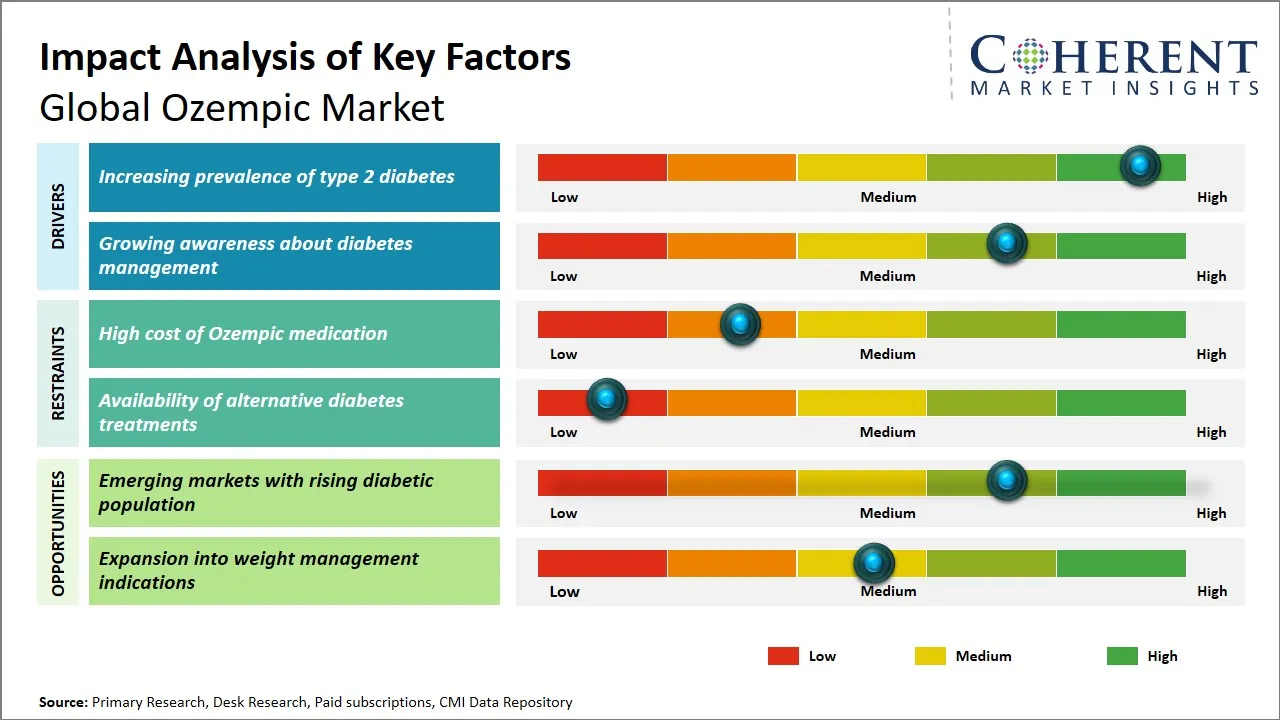
Ozempic Market Driver - Increasing Prevalence of Type 2 Diabetes
The rising cases of type 2 diabetes worldwide is a primary factor driving the demand for treatments such as Ozempic. As lifestyle changes, urbanization, and increasing rates of obesity contribute to the surge in diabetes cases, a growing number of patients require effective glycemic control and weight management solutions. Ozempic , being a GLP-1 receptor agonist, offers both improved blood sugar regulation and weight loss benefits, making it a preferred choice among healthcare providers and patients alike. According to a research paper published by National Centre of Biotechnology Information in 2021, globally, an estimated 462 million people had type 2 diabetes in 2017, representing 6.28% of the world's population. By 2021, this number had risen to 537 million (10.5% of adults aged 20-79). Projections indicate a continued increase, with estimates reaching 783.2 million (12.2% of adults aged 20-79) by 2045. Type 2 diabetes is a major global health concern, with significant economic and health burdens.
Additionally, increased awareness about the long-term complications of uncontrolled diabetes is prompting earlier intervention strategies, further boosting the adoption of innovative drug therapies. The expanding diabetic population not only intensifies the need for better therapeutic options but also encourages ongoing research and development in this segment, positioning Ozempic as a vital product in addressing the complex challenges associated with type 2 diabetes management.
Ozempic Market Opportunity - Expansion into Emerging Markets with Rising Diabetic Population
The global Ozempic market holds significant growth potential in emerging markets due to the rapidly increasing prevalence of diabetes in these regions. Countries across Asia Pacific, Latin America, and Africa are witnessing a surge in diabetic cases driven by urbanization, changing lifestyles, and dietary habits. This growing patient base creates a substantial opportunity for pharmaceutical companies to expand Ozempic ’s reach beyond established markets such as North America and Europe. In particular, nations like India, China, Brazil, and Mexico are experiencing an alarming rise in type 2 diabetes diagnoses, fueling demand for effective and innovative treatments like Ozempic, which offers not only glycemic control but also cardiovascular benefits.
Additionally, improving healthcare infrastructure, government initiatives aimed at chronic disease management, and rising healthcare awareness are facilitating greater diagnosis and treatment rates in these regions. Enhanced insurance coverage and increasing affordability through local partnerships or generics can further accelerate adoption. Moreover, targeted marketing and education campaigns tailored to local demographics can bridge awareness gaps, enabling Ozempic to capture a larger share of these untapped markets. Thus, leveraging the rising diabetic population in emerging economies presents a compelling opportunity for sustained market expansion and long-term revenue growth in the global Ozempic market landscape.
Analyst Opinion (Expert Opinion)
- The global Ozempic market is experiencing robust growth, driven by rising demand for effective diabetes and obesity treatments, coupled with strong regulatory support and advancements in GLP-1 receptor agonist therapies. Key factors fueling expansion include increasing prevalence of type 2 diabetes, heightened awareness of weight management solutions, and strategic pharmaceutical innovations. Emerging opportunities lie in expanding applications for cardiovascular benefits and broader insurance coverage, though challenges such as high costs, supply chain constraints, and competitive biosimilars threaten market stability.
- Notable industry events like the American Diabetes Association (ADA) Scientific Sessions (2022–2023) and EASD Annual Meeting have facilitated critical knowledge-sharing on Ozempic ’s efficacy and real-world outcomes. Recent initiatives, such as Novo Nordisk’s partnerships with healthcare providers to improve patient access and government-led diabetes prevention programs in the U.S. and EU, underscore the market’s evolving landscape. These efforts, alongside pilot projects integrating Ozempic into public health frameworks, are poised to shape long-term market dynamics.
- Looking ahead, the Ozempic market is expected to benefit from increasing investment in telehealth and digital health platforms, which enhance patient adherence and remote monitoring of treatment outcomes. Pharmaceutical companies are also focusing on personalized medicine approaches, leveraging real-world data to optimize dosing and expand Ozempic ’s use in comorbid conditions. However, pricing pressures and regulatory scrutiny, particularly in cost-sensitive markets, could slow growth in certain regions. Despite these hurdles, the market’s trajectory remains upward, supported by ongoing clinical trials exploring new indications and the potential for combination therapies to improve patient outcomes. As innovation and accessibility efforts intensify, Ozempic is likely to solidify its position as a cornerstone of metabolic disease management worldwide.
Speak to the analyst
Want personalized insights?
Take the findings above to one of our principal consultants, or have the report rebuilt around the segments, geographies and competitors you actually track.
Market Segmentation
- Indication Insights (Revenue, USD Bn, 2021 - 2033)
- Type 2 Diabetes Mellitus
- Risk in Type 2 Diabetes Mellitus
- Cardiovascular Events
- Sustained eGFR Decline, End-stage kidney disease, and Cardiovascular Death
- Strength Insights (Revenue, USD Bn, 2021 - 2033)
- 2 mg/3 mL (0.68 mg/mL)
- 25 mg
- 5 mg
- 4 mg/3 mL (1.34 mg/mL)
- 1 mg
- 8 mg/3 mL (2.68 mg/mL)
- 2 mg
- 2 mg/3 mL (0.68 mg/mL)
- Distribution Channel Insights (Revenue, USD Bn, 2021 - 2033)
- Offline
- Online
- Regional Insights (Revenue, USD Bn, 2021 - 2033)
- North America
- U.S.
- Canada
- Latin America
- Brazil
- Argentina
- Mexico
- Rest of Latin America
- Europe
- Germany
- U.K.
- Spain
- France
- Italy
- Russia
- Rest of Europe
- Asia Pacific
- China
- India
- Japan
- Australia
- South Korea
- ASEAN
- Rest of Asia Pacific
- Middle East
- GCC Countries
- Israel
- Rest of Middle East
- Africa
- South Africa
- North Africa
- Central Africa
- North America
- Key Players Insights
- Novo Nordisk
Sources
Primary Research Interviews
- Interviews with healthcare providers
- Interviews with key opinion leaders (KOLs)
- Interviews with pharmacists and medical professionals
- Interviews with patients using Ozempic and other biologic therapies
Databases
- National Health Service (NHS) U.K.
- U.S. National Institutes of Health (NIH)
- Centers for Disease Control and Prevention (CDC)
- World Health Organization (WHO)
- European Medicines Agency (EMA)
- National Institute for Health and Care Excellence (NICE)
Magazines
- Pharmaceutical Technology
- BioPharma Reporter
- The Pharmaceutical Journal
Journals
- American Heart Association
- Journal of the American Heart Association (JAHA)
- Journal of Clinical Medicine
- Journal of Clinical Lipidology
- The New England Journal of Medicine
- Diabetology & Metabolic Syndrome
Newspapers
- The Guardian (UK)
- The New York Times
- The Financial Times
- The Washington Post
- The Times (UK)
- The Wall Street Journal
Associations
- Journal of the American Heart Association (JAHA)
- European Heart Journal (European Society of Cardiology - ESC)
- The Obesity Society
Public Domain Sources
- U.S. National Library of Medicine
- UK National Health Service (NHS) Resources
- National Health Interview Survey (NHIS)
- Centers for Disease Control and Prevention (CDC) Data
- National Institute for Health and Care Excellence (NICE) Guidelines
Proprietary Elements
- CMI Data Analytics Tool: Proprietary analytics tool to analyze real-time market trends, consumer behavior, and technology adoption in market
- Proprietary CMI Existing Repository of Information for the Last 8 Years.
Get access to 250+ pages report
Every segment, forecast, competitor profile and data table behind the analysis above — available for instant download.
- ESOMAR Member
- ISO 9001:2015 Certified
- D-U-N-S Registered
- GDPR & CCPA Compliant
Missing comfort of reading report in your local language? Find your preferred language:
Transform your Strategy with Exclusive Trending Reports
Frequently Asked Questions
The global Ozempic market is estimated to be valued at USD 24.54 billion in 2026 and is expected to reach USD 48.75 billion by 2033.
The CAGR of the global Ozempic market is projected to be 10.3% from 2026 to 2033.
Increasing prevalence of type 2 diabetes and growing awareness about diabetes management are the major factors driving the growth of the global Ozempic market.
High cost of Ozempic medication and availability of alternative diabetes treatments are the major factors hampering the growth of the global Ozempic market.
In terms of indication, Type 2 Diabetes Mellitus is estimated to dominate the market revenue share in 2026.
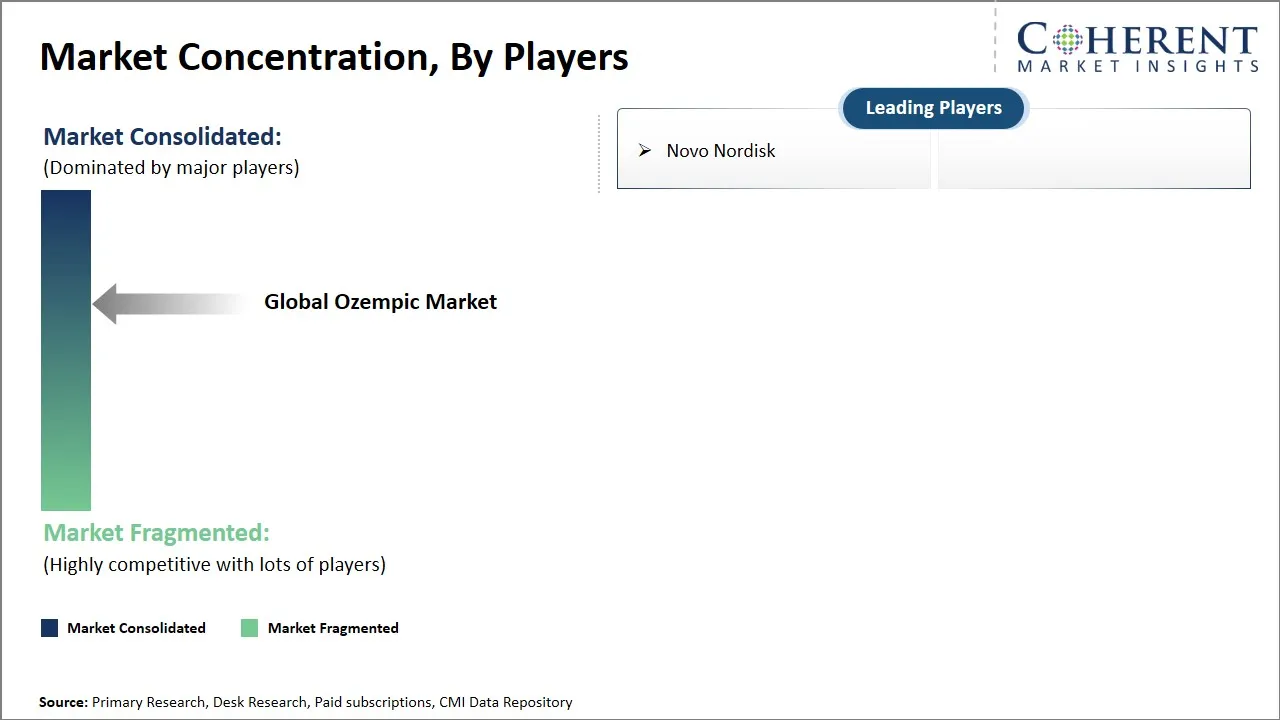
Novo Nordisk is the only player in the global Ozempic market.
North America is expected to lead the global Ozempic market in 2026.