

Global Pharmaceutical Market Size and Forecast – 2026 to 2033
The global pharmaceutical market is estimated to be valued at USD 1.96 Tn in 2026 and is expected to reach USD 3.43 Tn by 2033, exhibiting a compound annual growth rate (CAGR) of 8.3% from 2026 to 2033. This significant growth trajectory is driven by the rising healthcare demands, advancements in drug development, and increasing investments in biopharmaceutical research worldwide, positioning the market for robust expansion over the forecast period.
Key Takeaways of the Global Pharmaceutical Market
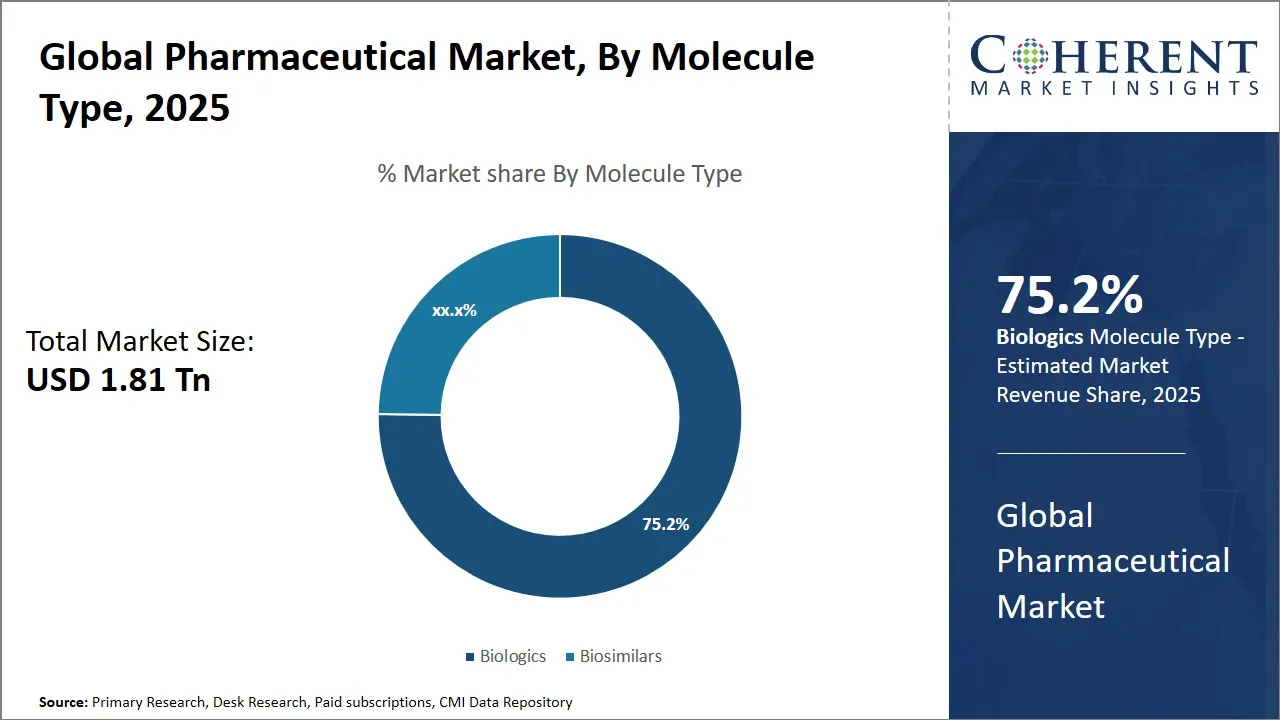
- By molecule type, the biologics segment is projected to hold the largest share of the global pharmaceutical market at 76.2% in 2026.
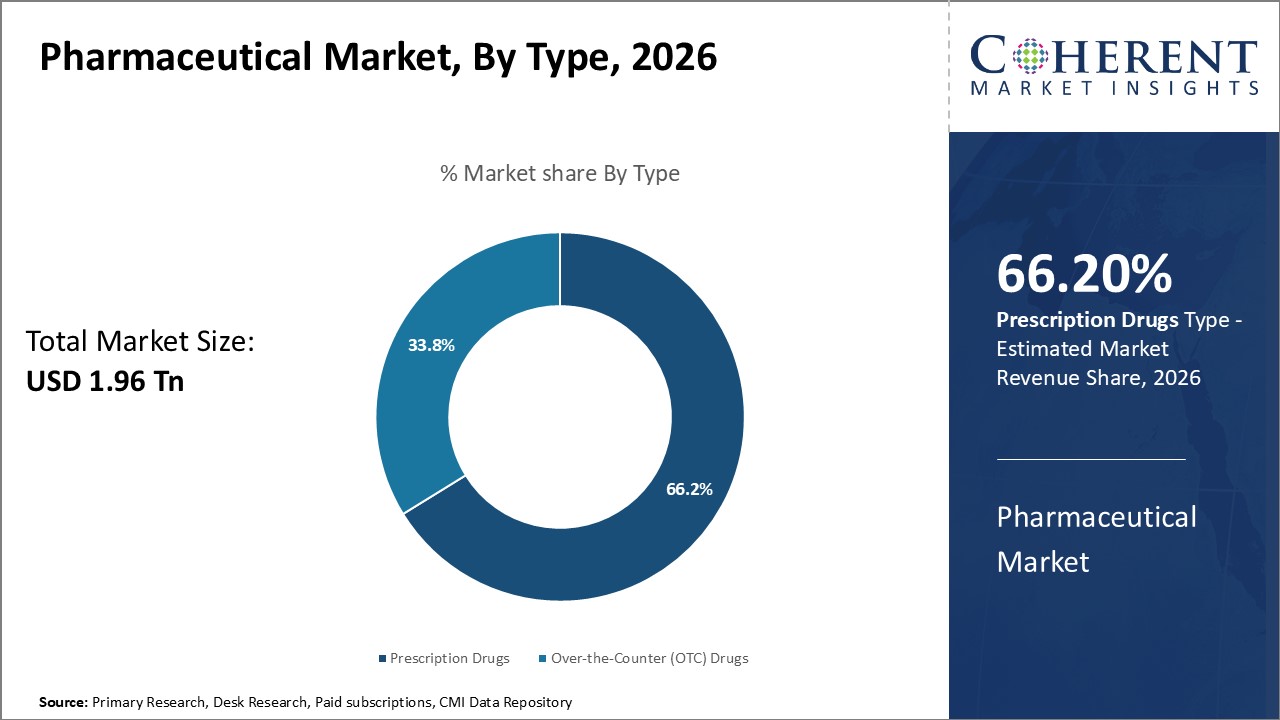
- By type, the prescription drugs segment is expected to lead the market with a 66.2% share in 2026.
- Based in drug type, the branded segment dominates and is expected to account for 71.3% of the market share in 2026.
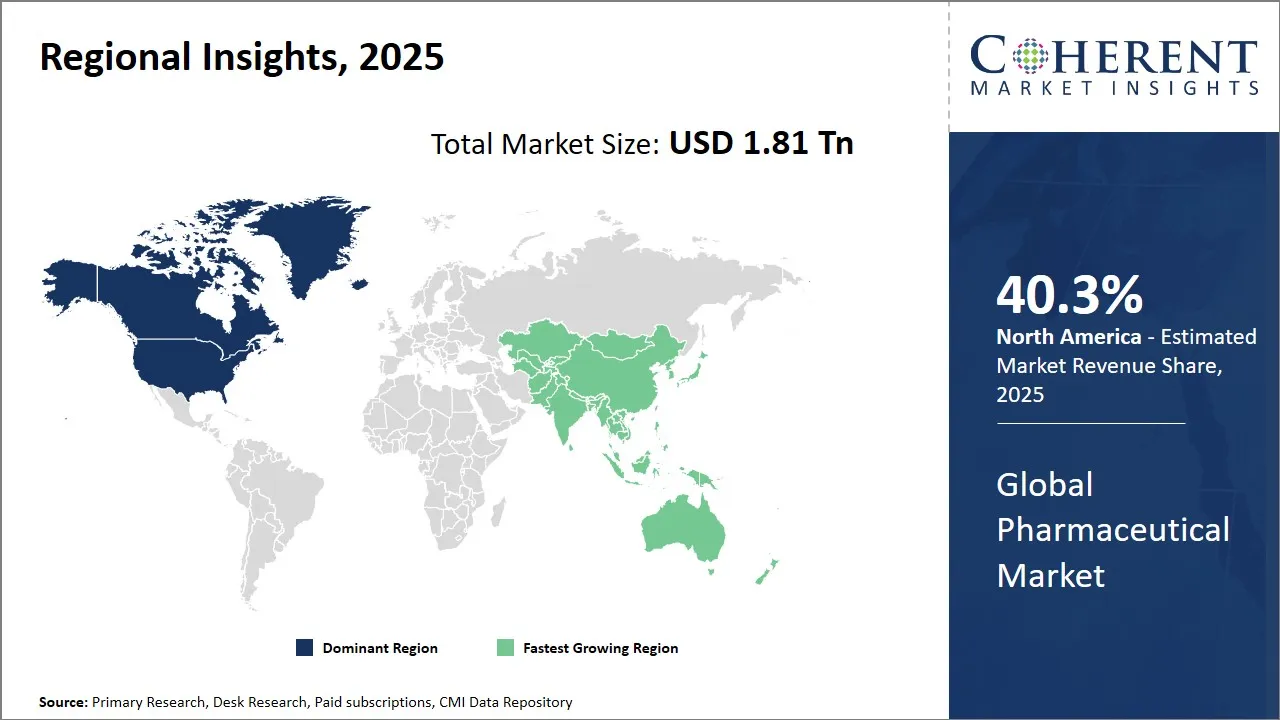
- North America is expected to lead the market, holding a share of 40.3% in 2026. Asia Pacific is anticipated to be the fastest-growing region, with an expected market share of 29.4% in 2026.
Market Overview
A key market trend shaping the pharmaceutical industry is the accelerated adoption of personalized medicine, leveraging genomics and artificial intelligence to tailor treatments to individual patients. Additionally, expansion in emerging markets, digital transformation in drug discovery, and growing emphasis on biologics and biosimilars are driving innovation and competitive dynamics. These trends collectively enhance drug efficacy, reduce development timelines, and improve patient outcomes, reinforcing the market’s strong growth prospects through the coming decade.
Currents Events and their Impact
Current Events | Description and its Impact |
Expansion of AI-Powered Drug Discovery Platforms |
|
Expansion of mRNA and Biologics Platforms Post-Pandemic |
|
Segmental Insights
- Current Industry Events of 2026
- Market Size Estimation
- Regional Breakdown
- Competitive Landscape
- Customer Intelligence
- Segmental Analysis
- Pricing Analysis
- Key Market Drivers, Challenges & Future Trends
- Customized Insights Section
Pharmaceutical Market Insights, By Molecule Type - Biologics Segment Leads Driven by Innovation and Personalized Medicine
The biologics segment is projected to account for 76.2% share in 2026, owing to their substantial therapeutic advancements and increasing adoption in treating complex diseases. Biologics large, complex molecules such as proteins, antibodies, and vaccines offer targeted therapeutic benefits that traditional small-molecule drugs often cannot match. Their ability to precisely interact with specific cellular pathways has transformed approaches to treatment in areas like oncology, autoimmune disorders, and rare genetic conditions.
A key driver behind the dominance of biologics is the ongoing innovation in biotechnology, enabling the development of next-generation biologics like monoclonal antibodies, fusion proteins, and cell and gene therapies. Advances in genetic engineering and molecular biology have accelerated drug discovery and customization, allowing the creation of personalized medicines tailored to individual patient profiles.
Pharmaceutical Market Insights, By Type - Prescription Drugs Capturing the Highest Market Share through Medical Necessity and Regulatory Frameworks
The prescription drugs segment is expected to capture 66.2% share in 2026, reflecting the critical role these drugs play in managing a wide spectrum of health conditions. Prescription medications benefit from stringent regulatory oversight ensuring safety, efficacy, and quality, which reinforces healthcare professional and patient confidence in their therapeutic value. This comprehensive approval process also means prescription drugs are usually backed by extensive clinical data, attracting payer coverage and positioning them as primary treatment options for numerous diseases.
In December 2024, Eli Lilly and Company, a U.S.-based global pharmaceutical leader known for its innovations in diabetes, oncology, and obesity care, received the USFDA approval for Zepbound as the first and only prescription treatment for adults with moderate-to-severe obstructive sleep apnea and obesity, marking a significant advance in the pharmaceutical market.
Pharmaceutical Market Insights, By Drug Type - Branded Segment Maintains Leadership via Innovation and Market Exclusivity
The branded segment is projected to hold 71.3% share in 2026, driven by their innovative formulations and ability to command premium pricing under patent protection. These drugs represent original, patented products developed through intensive R&D efforts, often introducing breakthrough therapies that set new standards in treatment effectiveness.
A critical growth driver for branded drugs is the continuous pipeline of novel therapeutics targeting complex conditions with high unmet medical needs. Pharmaceutical companies allocate significant resources to clinical trials and technological advancements in drug delivery systems, formulation stabilization, and combination therapies, resulting in differentiated branded products that physicians and patients prefer. Branding also facilitates better patient recognition and trust, which plays an important role in treatment adherence and overall the market penetration.
Regional Insights
North America Pharmaceutical Market Analysis and Trends
North America region is projected to lead the market with a 40.3% share in 2026, driven by a highly advanced healthcare infrastructure and significant investment in pharmaceutical research and development. The region benefits from a robust ecosystem that includes leading Contract Research Organizations (CROs), established regulatory frameworks, and a strong network of healthcare providers and academia collaborating closely with the industry. Government policies such as streamlined FDA approvals and substantial funding in biotechnology and innovative drug development encourage continuous the market expansion.
In July 2026, AstraZeneca, a global pharmaceutical leader known for its strong pipeline in oncology, cardiovascular, and metabolic diseases, announced a USD 50 billion investment in the U.S. by 2030 to strengthen medicines manufacturing and R&D in the pharmaceutical market. The centrepiece is a new multi-billion-dollar drug substance facility in Virginia, the company’s largest ever, focused on weight management and metabolic therapies, alongside expansions in Maryland, Massachusetts, Indiana, Texas, and California, aiming to support its goal of reaching USD 80 billion in revenue by 2030 with half generated in the U.S.
Asia Pacific Pharmaceutical Market Analysis and Trends
The Asia Pacific region exhibits the fastest growth in the pharmaceutical market contributing 29.4% share in 2026, increased healthcare spending, and ongoing government initiatives to improve healthcare accessibility and affordability. Many countries in this region are investing heavily in building manufacturing capabilities and research infrastructure, supported by favorable trade policies aimed at attracting foreign investment and boosting local production. The emerging middle-class population with rising chronic disease prevalence amplifies the demand for pharmaceutical products. Additionally, strong government patronage in countries like China, India, and South Korea has resulted in accelerated approvals of innovative drugs and biosimilars alongside efforts to reform patent laws and reduce barriers to generic drugs.
In May 2024, USAID, the U.S. Agency for International Development known for advancing global health and development initiatives, launched a USD 5 million project called Diversifying Asia’s Pharmaceutical Supply Chain to boost regional production of active pharmaceutical ingredients in Uzbekistan and Kazakhstan, strengthening the pharmaceutical market in Central Asia.
Global Pharmaceutical Market Outlook for Key Countries
U.S. Pharmaceutical Market Analysis and Trends
The U.S. pharmaceutical market remains the global benchmark due to its concentration of innovation-driven companies and a highly regulated yet conducive environment for drug development and commercialization. Industry giants like Pfizer, Merck, and AbbVie continue to invest heavily in novel therapies, including biologics and gene therapies. The country’s strong patent protection policies and high healthcare spending sustain market leadership. Additionally, collaborations among biotech startups and large pharma firms fuel continuous innovation, ensuring that the U.S. remains a critical hub for pharmaceutical advancement globally.
In July 2026, Sun Pharma, India’s largest drugmaker with a strong global presence in specialty medicines, launched its alopecia treatment Leqselvi in the U.S. pharmaceutical market after settling a patent dispute with Incyte Corporation, an American biopharma company focused on oncology and inflammation.
China Pharmaceutical Market Analysis and Trends
China pharmaceutical market is rapidly evolving with government initiatives such as the “Made in China 2026” plan focusing on boosting domestic biopharmaceutical production and innovation. Companies like Sinopharm and BeiGene are making significant strides in clinical development while leveraging the country’s vast patient pool for clinical trials. Regulatory reforms by the National Medical Products Administration (NMPA) have significantly shortened drug approval timelines, which attracts foreign investment and accelerates drug launches.
In June 2026, Lupin Limited, a Mumbai-based global pharmaceutical company known for its strong portfolio of branded and generic medicines, signed a license and supply agreement with Sino Universal Pharmaceuticals, a China-focused pharma player, to introduce Tiotropium Dry Powder Inhaler for chronic obstructive pulmonary disease in the China pharmaceutical market.
India Pharmaceutical Market Analysis and Trends
India, often called the “pharmacy of the world,” maintains a crucial position due to its large generic drug manufacturing industry and growing biosimilars sector. Companies such as Sun Pharma, Dr. Reddy’s Laboratories, and Cipla are major players contributing to affordable medication availability globally. Government initiatives supporting pharmaceutical exports and continuous improvements in intellectual property enforcement have strengthened India’s role as a supplier of cost-effective medicines. India’s evolving healthcare infrastructure and increasing focus on innovation also drive investments in research, positioning it as a strategic growth market.
In December 2024, India, achieved a major milestone in the pharmaceutical market with the launch of Nafithromycin, the country’s first indigenous macrolide antibiotic developed after three decades of research. Backed by funding from the Biotechnology Industry Research Assistance Council for Phase 3 trials, Nafithromycin marks a breakthrough in the fight against antimicrobial resistance, a crisis that causes nearly six lakh deaths annually in India.
Germany Pharmaceutical Market Analysis and Trends
Germany continues to lead the Europe pharmaceutical market with a strong presence of both global multinationals and specialized biotech firms. Industry heavyweights like Bayer and Boehringer Ingelheim invest substantially in research and high-value manufacturing. Supportive government policies, including public funding for pharmaceutical innovation and streamlined regulatory pathways, enhance the country’s competitive edge. Germany’s skilled workforce, strong clinical research networks, and integrated healthcare system foster a favorable environment for drug development and commercialization.
In May 2024, Egetis Therapeutics, a Sweden-based pharmaceutical company specializing in orphan drugs for serious diseases with high unmet medical needs, confirmed the launch of its first approved product Emcitate in Germany, strengthening its position in the pharmaceutical market.
End User Feedback and Unmet Needs of the Pharmaceutical Market
- Feedback from end users of pharmaceutical products reflects both satisfaction with innovation and persistent challenges in accessibility and operational efficiency. Healthcare providers and institutional buyers often express appreciation for the breadth of biologics and precision medicines now available, noting that targeted therapies have transformed treatment outcomes for complex conditions such as autoimmune diseases and oncology. For instance, a number of hospital procurement teams highlight that the integration of biosimilars into their formularies has not only lowered treatment costs but also improved patient compliance due to streamlined dosing regimens. On the other hand, recurring concerns continue to surface around the uneven affordability of advanced therapies, with government health agencies frequently pointing out that breakthrough drugs often remain inaccessible in lower-income regions despite global approvals. Industrial buyers, such as large distributors, also cite operational inefficiencies tied to supply chain disruptions, especially with temperature-sensitive biologics where last-mile distribution and storage remain weak points.
- Unmet needs in the pharmaceutical market are concentrated around customization, affordability, and systems integration. Many healthcare networks report gaps in digital compatibility between drug delivery systems and hospital information platforms, leading to inefficiencies in monitoring patient adherence or treatment outcomes. Affordability remains one of the most pressing issues, as insurance coverage and government reimbursement frameworks often lag behind the pace of product innovation. Addressing these needs offers clear opportunities: greater investment in adaptable distribution infrastructure could improve reliability for industrial buyers, while price-tiered models or government-backed subsidy frameworks could expand accessibility in underserved regions. For manufacturers and policymakers, listening to this feedback is more than customer satisfaction it represents a path to deeper the market penetration, stronger long-term relationships, and a more resilient pharmaceutical ecosystem.
Market Players, Key Developments, and Competitive Intelligence
Key Developments
- On August 29, 2025, Rotzinger PharmaPack, a Switzerland-based provider of innovative packaging and processing solutions for the pharmaceutical market, introduced its new VarioFill filling and capping platform designed for OTC medicines, cosmetics, personal care, and nutraceuticals. The compact modular system enables manufacturers to handle liquids like eye drops and cough syrups, creams and serums, as well as tablets and capsules on a single platform, offering more than 50% space savings and flexible reconfiguration at lower investment costs.
- On August 26, 2025, Dr Reddy’s Laboratories, a leading Indian pharmaceutical company known for its strong generics and specialty medicines portfolio, launched a novel, Linaclotide, a first-in-class guanylate cyclase-C (GC-C) agonist for adults suffering from chronic constipation in India. Marking an important step in expanding treatment options in the pharmaceutical market.
- On August 21, 2025, Takeda Pharmaceutical, a leading Japan-based global drugmaker with a strong presence in oncology, gastroenterology, and rare diseases, is considering conducting global clinical trials in India to speed up the launch of its innovative drugs in the pharmaceutical market. The move comes as India’s clinical trials sector gains momentum, supported by diverse patient pools, cost advantages, and an expanding hospital network, with the market projected to surpass USD 2 billion by 2030.
- On August 13, 2025, the Union Health Ministry, India, launched the SHRESTH Index, a new initiative designed to benchmark and strengthen state drug regulatory systems, marking a significant step for India pharmaceutical market. Unveiled by Union Health Secretary Punya Salila Srivastava and Drug Controller General of India Dr. Rajeev Singh Raghuvanshi, the index will assess states on parameters such as human resources, infrastructure, licensing, surveillance, and responsiveness, with separate frameworks for manufacturing and distribution states.
- On August 12, 2025, SCHOTT, a global leader in specialty glass with decades of expertise in pharmaceutical packaging, begun local production of high-precision syringe and cartridge glass tubing at its Jambusar facility in Gujarat, India, strengthening the country’s pharmaceutical market and self-reliance under the ‘Make in India’ initiative.
Top Strategies Followed by Global Pharmaceutical Market Players
- Established industry leaders primarily invest heavily in research and development (R&D) to innovate high-performance products that meet evolving healthcare needs. This commitment to innovation enables them to maintain a competitive edge through a robust pipeline of new drugs and therapies. Additionally, these market giants strategically forge partnerships and alliances with other major industry players or Original Equipment Manufacturers (OEMs) to enhance their technological capabilities and broaden their product offerings.
- In February 2025, Bain Capital, a leading global private investment firm with strong expertise in private equity and life sciences, agreed to acquire Mitsubishi Tanabe Pharma Corporation, a historic Japan-based drugmaker founded in 1678 and known for its focus on immunology, vaccines, CNS, and metabolic diseases, in a deal valued at about USD 3.3 billion (JPY 510 billion). The move marks a major carve-out from Mitsubishi Chemical Group and signals fresh investment in innovation, licensing, and acquisitions, strengthening both companies’ presence in the global pharmaceutical market.
- Mid-level pharmaceutical companies, operating with more limited resources compared to the industry titans, focus on delivering cost-effective solutions that strike a balance between quality and affordability. Recognizing the sizable segment of price-sensitive consumers, these companies tailor their product portfolios to meet budget constraints without compromising essential performance standards. This approach helps them compete in markets where affordability is a critical factor, including developing countries and generic drug segments.
- In July 2025, Eisai Co., Ltd., a Tokyo-based global pharmaceutical company recognized for its focus on neurology and oncology, announced that Japan’s Central Social Insurance Medical Council under the Ministry of Health, Labour and Welfare has completed its cost-effectiveness evaluation of LEQEMBI, an intravenous infusion therapy for Alzheimer’s disease.
- Small-scale pharmaceutical players differentiate themselves by focusing on niche segments that may be underserved by larger corporations. They often target specialized features or develop innovative products tailored to specific medical conditions or demographic groups. Leveraging cutting-edge technologies such as digital health platforms, biotechnology, or precision medicine, these smaller enterprises strive to stay competitive despite limited financial and operational resources.
- In March 2025, Alkem Laboratories Ltd, a leading Indian pharmaceutical company with a strong portfolio in generics and biosimilars, launched Empanorm, its generic version of empagliflozin for type-2 diabetes, chronic kidney disease, and heart failure, at prices nearly 80% lower than innovator drugs, strengthening affordability in the pharmaceutical market. With a focus on patient convenience, the company is offering smaller tablet sizes, anti-counterfeit security features, and multi-language educational resources to improve treatment accessibility and awareness.
Market Report Scope
Pharmaceutical Market Report Coverage
| Report Coverage | Details | ||
|---|---|---|---|
| Base Year: | 2025 | Market Size in 2026: | USD 1.96 Tn |
| Historical Data for: | 2020 To 2024 | Forecast Period: | 2026 To 2033 |
| Forecast Period 2026 to 2033 CAGR: | 8.3% | 2033 Value Projection: | USD 3.43 Tn |
| Geographies covered: |
| ||
| Segments covered: |
| ||
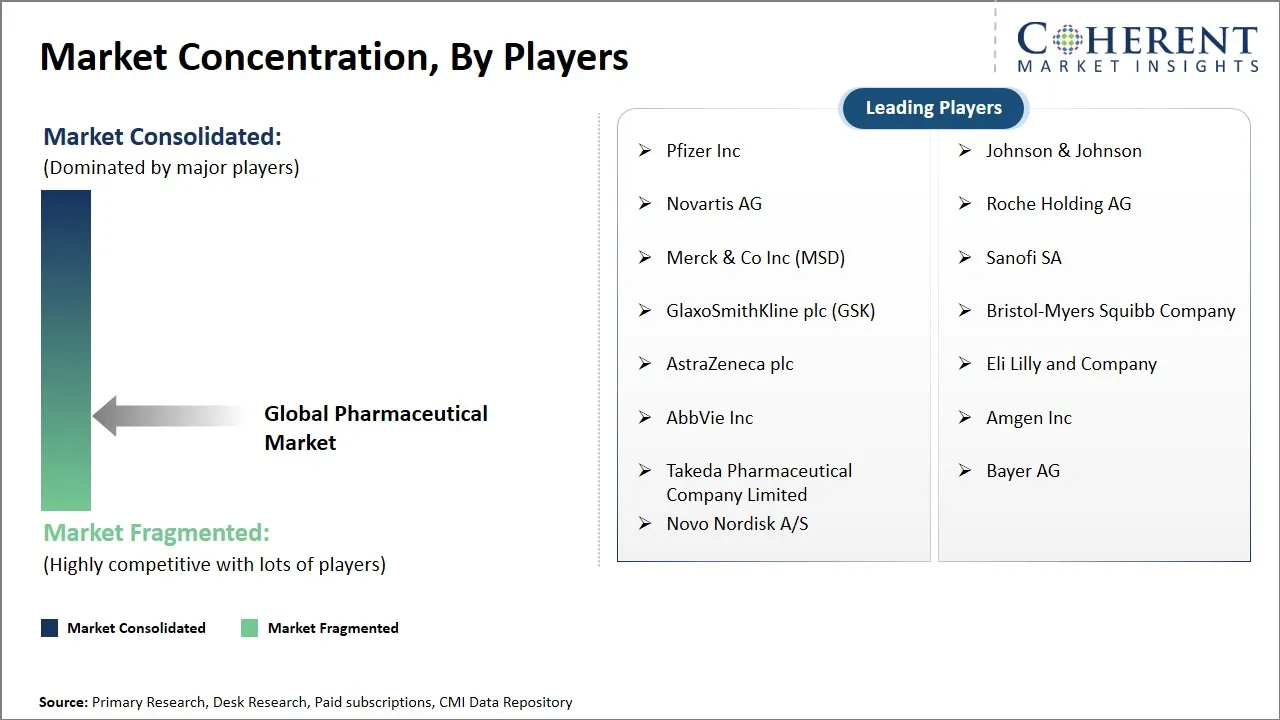
| Companies covered: | Pfizer Inc, Johnson & Johnson, Novartis AG, Roche Holding AG, Merck & Co Inc (MSD), Sanofi SA, GlaxoSmithKline plc (GSK), Bristol-Myers Squibb Company, AstraZeneca plc, Eli Lilly and Company, AbbVie Inc, Amgen Inc, Takeda Pharmaceutical Company Limited, Bayer AG, and Novo Nordisk A/S | ||
| Growth Drivers: |
| ||
| Restraints & Challenges: |
| ||
Pharmaceutical Market Dynamics
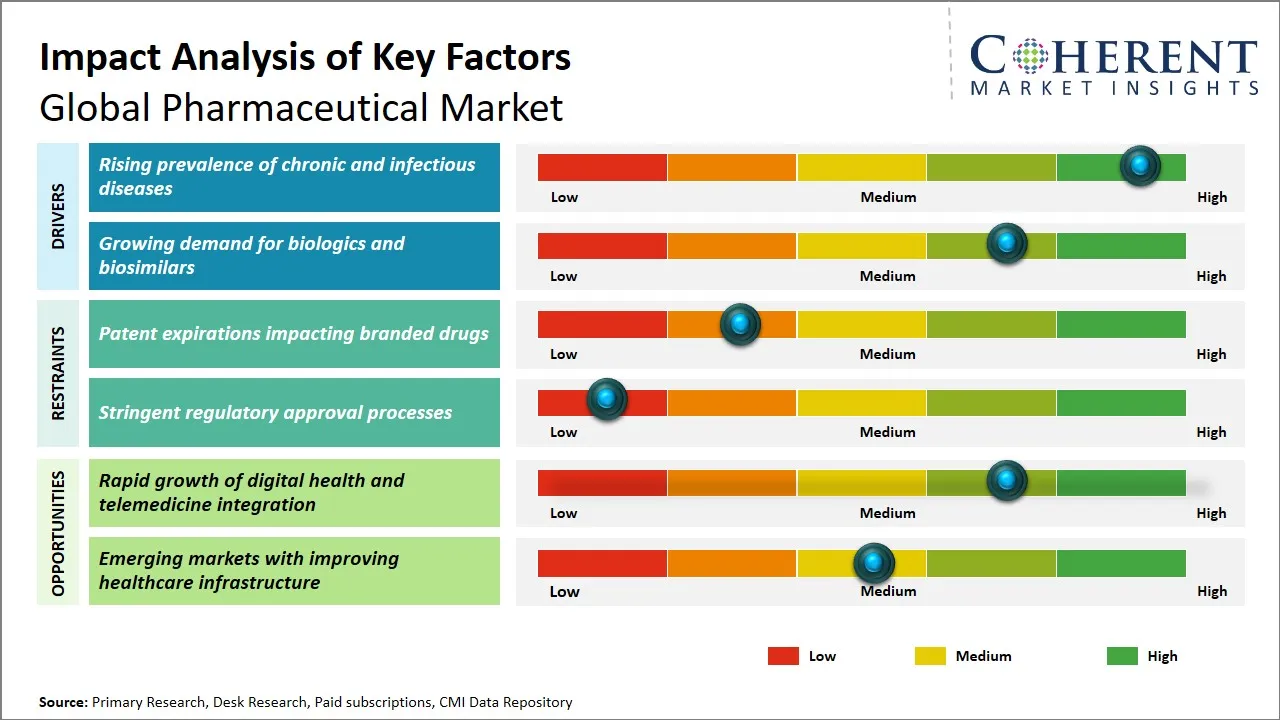
Pharmaceutical Market Driver - Rising Prevalence of Chronic and Infectious Diseases
The escalating incidence of chronic illnesses such as diabetes, cardiovascular disorders, cancer, and respiratory diseases is significantly driving the demand within the global pharmaceutical market. As populations age and lifestyle factors like sedentary habits, unhealthy diets, and increased stress become more common, the burden of these long-term health conditions intensifies, necessitating sustained and advanced therapeutic interventions. In parallel, the persistent threat of infectious diseases, including emerging viral outbreaks and antibiotic-resistant infections, underscores the critical need for innovative vaccines, antimicrobial agents, and treatment solutions. These dual challenges compel healthcare systems worldwide to prioritize effective disease management and prevention strategies, thereby creating a continuous demand for novel pharmaceutical products and improved drug delivery mechanisms.
In December 2024, the World Health Organization (WHO) says noncommunicable diseases like heart disease, cancer, diabetes and respiratory illness caused 43 million deaths in 2021, with most in low- and middle-income countries, underscoring their impact on the pharmaceutical market. The U.S. Food and Drug Administration (U.S. FDA) warn that chronic diseases remain a leading cause of death in America despite advances in treatment, especially in poorer and rural communities, highlighting the need for better prevention and affordable therapies.
Pharmaceutical Market Opportunity - Rapid Growth of Digital Health and Telemedicine Integration
The global pharmaceutical market is experiencing a significant opportunity driven by the rapid expansion of digital health technologies and the integration of telemedicine services. Advances in digital health platforms, including mobile health applications, wearable devices, remote patient monitoring systems, and AI-powered analytics, are enabling pharmaceutical companies to enhance drug development, improve patient adherence, and optimize clinical trial processes. Telemedicine, boosted by the widespread adoption due to the COVID-19 pandemic, has transformed healthcare delivery by facilitating remote consultations, diagnosis, and treatment, thereby expanding access to medications and increasing patient engagement. This integration allows pharmaceutical firms to collect real-time health data, personalize treatment regimens, and streamline supply chains to respond more effectively to patient needs.
In April 2025, American Telemedicine Association ATA Action, the advocacy arm of the U.S. telehealth group, has acquired the Digital Therapeutics Alliance, a global industry body promoting software-based healthcare tools, to form the Advancing Digital Health Coalition. The new platform will focus on policy and advocacy to strengthen the role of telehealth, virtual care, and digital therapeutics in patient treatment, with the aim of ensuring these technologies become reliable parts of the healthcare and the pharmaceutical market.
Analyst Opinion (Expert Opinion)
- Analyst opinion on the pharmaceutical market shows that growth is being driven by a combination of rapid technological advances, favorable regulatory frameworks, and rising global demand for both innovative and generic medicines. Breakthroughs in biologics, gene therapies, and digital health integration are reshaping treatment landscapes, while supportive policies from agencies such as the U.S. FDA and EMA are accelerating approvals. At the same time, emerging markets in Asia Pacific and Latin America are offering new opportunities through expanding healthcare infrastructure and government investment in access to essential drugs. Yet, challenges remain around pricing pressures, intellectual property disputes, and the strain of global supply chain disruptions. Together these dynamics are creating a competitive but highly innovative environment where companies are pushed to balance affordability with cutting-edge science.
- Conferences and initiatives have played a crucial role in shaping the sector’s direction. Events such as the BIO International Convention, CPhI Worldwide, and the World Health Summit have fostered collaboration between policymakers, researchers, and industry players, often sparking partnerships or policy updates that directly influence market practices. For example, recent public-private programs to scale vaccine manufacturing in Africa or India highlight how collaboration can reduce inequities in access. Similarly, large pharmaceutical firms have launched initiatives to expand digital therapeutic platforms and improve online counseling for mental health, reflecting the industry’s growing focus on holistic care models. These developments underline how industry dialogue, real-world pilot projects, and government-backed programs are not just responding to immediate needs but also setting the course for sustainable long-term growth.
Speak to the analyst
Want personalized insights?
Take the findings above to one of our principal consultants, or have the report rebuilt around the segments, geographies and competitors you actually track.
Market Segmentation
- Molecule Type Insights (Revenue, USD Tn, 2021 - 2033)
- Biologics
- Biosimilars
- Type Insights (Revenue, USD Tn, 2021 - 2033)
- Prescription Drugs
- Over-the-Counter (OTC) Drugs
- Drug Type Insights (Revenue, USD Tn, 2021 - 2033)
- Branded
- Generic
- Manufacturing Type Insights (Revenue, USD Tn, 2021 - 2033)
- Contract Manufacturing (CMO/CDMO)
- In-House Manufacturing
- Formulation Insights (Revenue, USD Tn, 2021 - 2033)
- Solid Dosage Forms (Tablets, Capsules, Powders)
- Liquid Dosage Forms (Solutions, Syrups, Suspensions)
- Semi-Solid Forms (Ointments, Creams, Gels, Pastes)
- Injectable Forms (Vials, Prefilled Syringes, IV Bags)
- Inhalation Forms (Inhalers, Nebulizers)
- Transdermal Forms (Patches, etc.)
- Therapy Area Insights (Revenue, USD Tn, 2021 - 2033)
- Oncology
- Cardiovascular
- Central Nervous System (CNS)
- Respiratory
- Infectious Diseases
- Endocrinology (Diabetes, Hormonal)
- Gastroenterology
- Musculoskeletal (Arthritis, Osteoporosis)
- Dermatology
- Ophthalmology
- Other (Rare Diseases / Orphan Drugs, etc.)
- Distribution Channel Insights (Revenue, USD Tn, 2021 - 2033)
- Hospital Pharmacies
- Retail Pharmacies
- Online Pharmacies
- Route of Administration Insights (Revenue, USD Tn, 2021 - 2033)
- Oral
- Parenteral
- Topical
- Inhalation
- Transdermal
- Ophthalmic
- Others (Nasal, etc.)
- End User Insights (Revenue, USD Tn, 2021 - 2033)
- Hospitals
- Clinics
- Ambulatory Surgical Centers
- Homecare / Individual Patients
- Research and Academic Institutes
- Others
- Age Group Insights (Revenue, USD Tn, 2021 - 2033)
- Adult
- Pediatric
- Geriatric
- Gender Insights (Revenue, USD Tn, 2021 - 2033)
- Male
- Female
- Regional Insights (Revenue, USD Tn, 2021 - 2033)
- North America
- U.S.
- Canada
- Latin America
- Brazil
- Argentina
- Mexico
- Rest of Latin America
- Europe
- Germany
- U.K.
- Spain
- France
- Italy
- Russia
- Rest of Europe
- Asia Pacific
- China
- India
- Japan
- Australia
- South Korea
- ASEAN
- Rest of Asia Pacific
- Middle East
- GCC Countries
- Israel
- Rest of Middle East
- Africa
- South Africa
- North Africa
- Central Africa
- North America
- Key Players Insights
- Pfizer Inc.
- Johnson & Johnson
- Novartis AG
- Roche Holding AG
- Merck & Co Inc (MSD)
- Sanofi SA
- GlaxoSmithKline plc (GSK)
- Bristol-Myers Squibb Company
- AstraZeneca plc
- Eli Lilly and Company
- AbbVie Inc.
- Amgen Inc.
- Takeda Pharmaceutical Company Limited
- Bayer AG
- Novo Nordisk A/S
Sources
Primary Research Interviews
- Industry Stakeholders list
- Pharmaceutical manufacturers
- Healthcare providers
- End Users list
- Hospital procurement managers
- Retail pharmacists
Government and International Databases
- World Health Organization (WHO)
- U.S. Food and Drug Administration (FDA)
- European Medicines Agency (EMA)
- National Institutes of Health (NIH)
- United Nations Statistics Division (UNdata)
- World Bank Data
Trade Publications
- Pharmaceutical Technology
- PharmaTimes
- Scrip Pharma Intelligence
- FiercePharma
- The Pharma Letter
- Chemical & Engineering News (C&EN)
Academic Journals
- The Lancet
- Journal of the American Medical Association (JAMA)
- Nature Reviews Drug Discovery
- New England Journal of Medicine (NEJM)
- British Medical Journal (BMJ)
- Clinical Pharmacology & Therapeutics
Reputable Newspapers
- The New York Times – Health Section
- The Guardian – Health
- Financial Times – Pharmaceuticals
- The Wall Street Journal – Health & Pharma
- Reuters Health
- BBC News – Health
Industry Associations
- International Federation of Pharmaceutical Manufacturers & Associations (IFPMA)
- Biotechnology Innovation Organization (BIO)
- European Federation of Pharmaceutical Industries and Associations (EFPIA)
- International Society for Pharmaceutical Engineering (ISPE)
- American Pharmacists Association (APhA)
- Indian Pharmaceutical Association (IPA)
Public Domain Resources
- World Intellectual Property Organization (WIPO)
- OECD Health Statistics
- U.S. Centers for Disease Control and Prevention (CDC)
- Medicines Patent Pool (MPP)
Proprietary Elements
- CMI Data Analytics Tool: Proprietary analytics tool to analyze real-time market trends, consumer behavior, and technology adoption in market
- Proprietary CMI Existing Repository of Information for Last 8 Years
Get access to 250+ pages report
Every segment, forecast, competitor profile and data table behind the analysis above — available for instant download.
- ESOMAR Member
- ISO 9001:2015 Certified
- D-U-N-S Registered
- GDPR & CCPA Compliant
Missing comfort of reading report in your local language? Find your preferred language:
Transform your Strategy with Exclusive Trending Reports
Frequently Asked Questions
The global pharmaceutical market is estimated to be valued at USD 1.96 Tn in 2026 and is expected to reach USD 3.43 Tn by 2033.
The CAGR of the global pharmaceutical market is projected to be 8.3% from 2026 to 2033.
Rising prevalence of chronic and infectious diseases and growing demand for biologics and biosimilars are the major factors driving the growth of the global pharmaceutical market.
Patent expirations impacting branded drugs and stringent regulatory approval processes are the major factors hampering the growth of the global pharmaceutical market.
In terms of molecule type, the biologics segment is estimated to dominate the market revenue share in 2026.
Pfizer Inc, Johnson & Johnson, Novartis AG, Roche Holding AG, Merck & Co Inc (MSD), Sanofi SA, GlaxoSmithKline plc (GSK), Bristol-Myers Squibb Company, AstraZeneca plc, Eli Lilly and Company, AbbVie Inc, Amgen Inc, Takeda Pharmaceutical Company Limited, Bayer AG, and Novo Nordisk A/S are the major players.
North America is expected to lead the global pharmaceutical market in 2026.