

Global Prescription Drugs Market Size and Forecast – 2026 to 2033
The global prescription drugs market is projected to be USD 1.46 Tn in 2026 and is expected to reach USD 2.73 Tn in 2033, exhibiting a compound annual growth rate (CAGR) of 9.3% from 2026 to 2033. This strong expansion underlines growing demand due to growing prevalence of chronic diseases, development of drugs, and developing health care infrastructure in the emerging economies. The healthy growth in the market is an indication of the continued innovation and increased access to pharmaceutical products internationally.
Key Takeaways of the Global Prescription Drugs Market
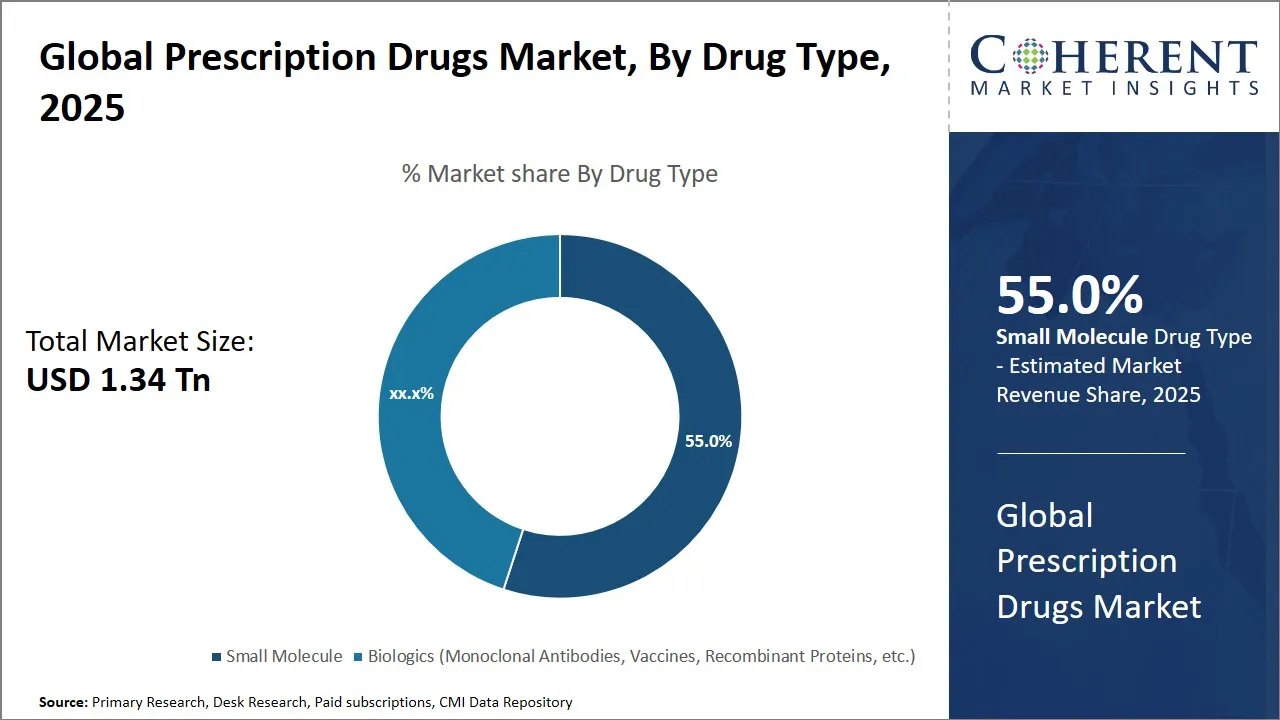
- In 2026, the small molecule segment is expected to remain the leading segment of the global prescription drugs market, accounting for 56%
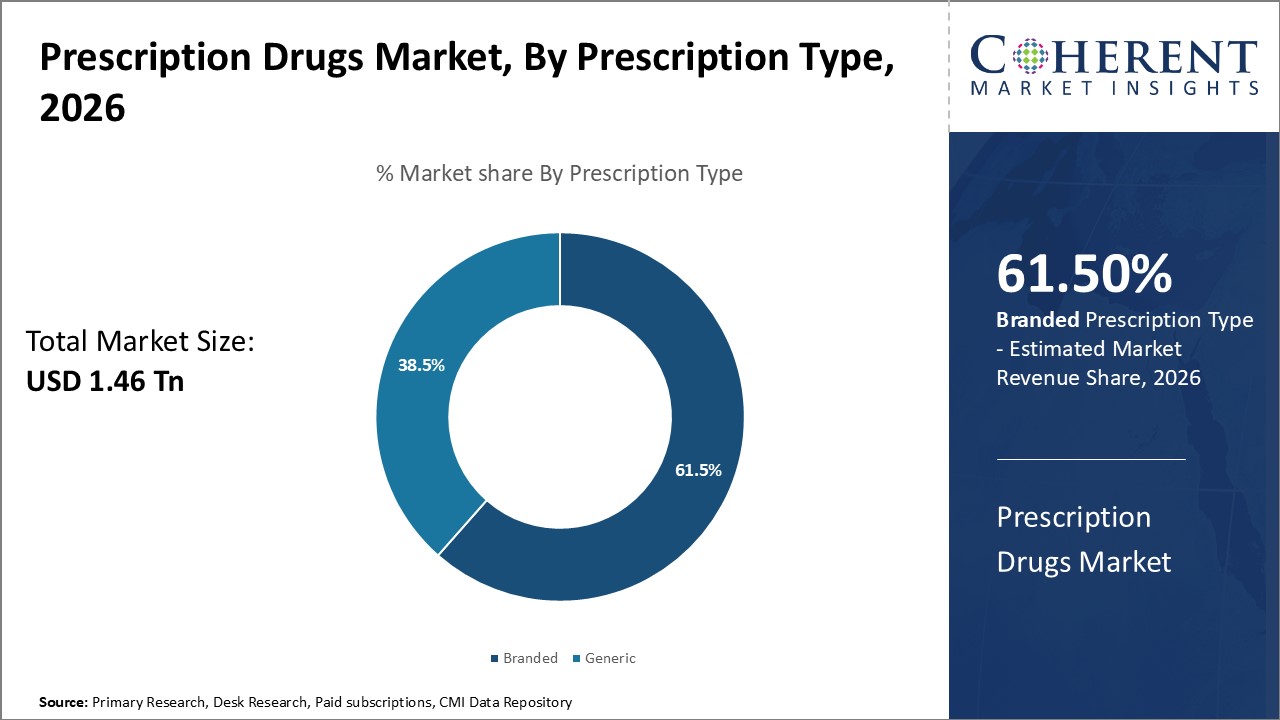
- The branded segment is projected to hold 61.5 % of the market share.
- The oral segment is expected to capture 41.2 % of the market share in 2026.
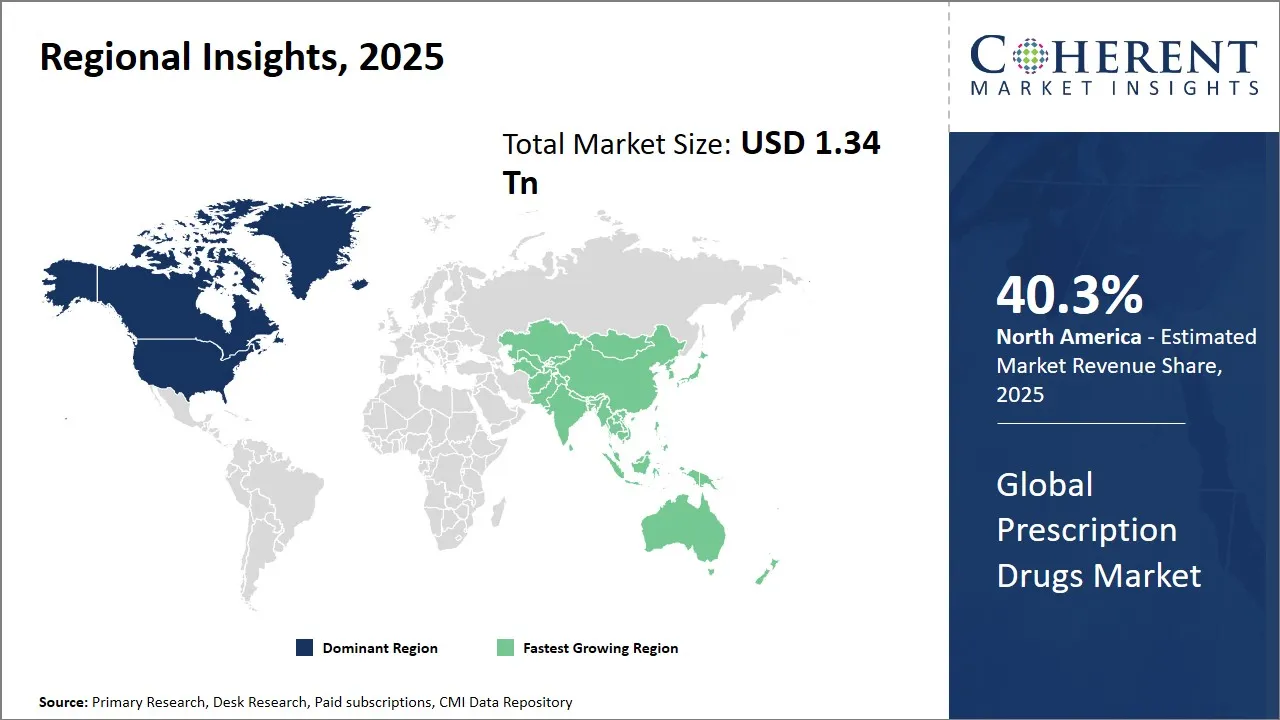
- North America is expected to lead the market, holding a share of 40.3% in 2026. Asia Pacific is anticipated to be the fastest-growing region, with an estimated market share of 25.3% in 2026.
Market Overview
Current market trends indicate a strong shift towards personalized medicine, biotechnology-derived drugs, and digital health integration within pharmaceutical ecosystems. Additionally, increased investments in research and development are accelerating the introduction of novel therapies, particularly biologics and biosimilars. Regulatory reforms aimed at faster drug approvals and growing patient awareness are further propelling market growth. These dynamics collectively underscore the prescription drugs market’s evolution towards more targeted, efficient, and patient-centric treatment solutions.
Current Events and Its Impact
Current Events | Description and its Impact |
Rapid Advancement of GLP-1 Agonists for Weight Loss |
|
Chronic Drug Shortages in Europe due to Supply Chain Dependence on Asia |
|
Segmental Insights
- Current Industry Events of 2026
- Market Size Estimation
- Regional Breakdown
- Competitive Landscape
- Customer Intelligence
- Segmental Analysis
- Pricing Analysis
- Key Market Drivers, Challenges & Future Trends
- Customized Insights Section
Prescription Drugs Market Insights, by Drug Type - Small Molecule Segment Contributes the Highest Share of the Market Owning to its Well-Established Manufacturing Processes and Broad Therapeutic Applicability
The small molecule segment is projected to account for 56% share in 2026. The first and the most prominent of these is maturity and sophistication of synthetic chemistry methods and manufacturing processes that have made production of small molecules cost effective and scalable. Small molecules are chemically produced, unlike biologics, which may need complex biotechnological systems and cold chain management and are more stable, which makes them easier to store and distribute around the world.
Small molecules also have intrinsic benefits concerning their capability to penetrate cell membranes and interact with intracellular signaling, which put them in useful use in the control of a wide variety of diseases, including chronic heart diseases as well as infectious diseases and malignancies.
Prescription Drugs Market Insights, by Prescription Type - Branded Segment Dominate due to their Innovation, Strong Intellectual Property Protection, and Physician Preference
The largest segment of the global market is the branded segment that is estimated to have the highest share of 61.5% in 2026, due to both the product development as a result of innovation and the efficient mechanisms of protecting the intellectual property rights. A pharmaceutical organization spends a lot of resources in research and development to introduce new therapy in the form of brand names that indicate quality, efficacy and safety.
In April 2026, a pharmaceutical giant Sun Pharmaceutical Industries in India released a 40 mg Fexuprazan tablet called Fexuclue which is used to treat all grades of erosive esophagitis in India. Its prescription drug, which was developed in conjunction with Daewoong Pharmaceutical of South Korea, demonstrated over 95% efficacy of healing in a Phase 3 study.
Prescription Drugs Market Insights, by Route of Administration - Oral Segment Lead the Market Because of Patient Convenience, Cost Advantages, and Widespread Applicability
The oral segment is expected to capture 41.2% share in 2026, due to its superior convenience and ease of patients administration. Tablets, capsules, and oral liquids are self-administered, and do not require medical supervision, therefore are very much appropriate in acute and chronic management. This convenience is automatically transferred to the increased patient adherence, particularly in the long-term treatment when regular dosing is needed.
Oral dosage form has the advantage of proven technologies that make large scale production relatively inexpensive, especially in manufacturing and economic terms. This cost-effective solution not only enhances the availability of oral drugs but also gives them appeal to healthcare payers in search of affordable and at the same time effective therapeutic solutions. Also, oral preparations can be designed to be delivered on controlled/sustained release, enhancing efficacy and patient adherence
Regional Insights
North America Prescription Drugs Market Prescription Drugs Market Analysis and Trends
In North America, the market share in the global prescription drugs market is dominated by a well-developed healthcare infrastructure with 40.3% share in 2026, strong pharmaceutical research and development capabilities and comprehensive governmental support. The region is characterized by an established healthcare ecosystem with developed regulatory systems that allow innovations and expedited drug approvals. The United States, specifically, is a world leader in terms of pharmaceutical innovation, with many biotech startups and multinational giants, which form a prosperous prescription drug creation and distribution ecosystem.
In May 2026, Evernorth, the health services unit of Cigna Group, launched a new pharmacy benefit that reduces the net payment of weight loss drugs Wegovy and Zepbound which capped patient out of pocket payment at USD 200 per month. The company claimed that the program, which will be administered via Express Scripts, will save patients up to USD 3,600 a year as opposed to direct-to-consumer programs and guarantee them to use medicines approved by FDA with safety considerations.
Asia Pacific Prescription Drugs Market Prescription Drugs Market Analysis and Trends
Asia Pacific region has the most remarkable growth in prescription drugs market, as it is projected that in 2026, it will reach the peak of healthcare expenses with a share of 25.3% and growing middle-class groups and the enhancement of healthcare systems in emerging economy. The market has been revitalized by government efforts to enhance the access to healthcare as well as the production capacities of pharmaceutical manufacturing. Such nations as China, India, Japan, and South Korea have supported their pharmaceutical industry by supportive policies, biotech innovation investment, and domestic market growth. The industry has some prominent players such as Sun Pharmaceutical Industries (India), Takeda Pharmaceutical (Japan) and Shanghai Pharmaceuticals (China) that provide a lot of dynamism to the region.
Global Prescription Drugs Market Outlook for Key Countries
U.S. Prescription Drugs Market Analysis and Trends
The U.S. is still the keystone of prescription drugs market in the entire world with a highly established healthcare system, strong investment in research and development, and the existence of the best pharmaceutical companies. Such companies as Pfizer, Merck, and Bristol-Myers Squibb lead the innovative drug development and clinical trials and promote improvement in multiple areas of therapy. Regulatory bodies like the U.S. FDA streamline the process of drug approval, and also encourage the innovation of biopharmaceuticals.
In April 2022, Bristol Myers Squibb, an American biopharmaceutical firm, declared that FDA approval of Camzyos (mavacamten), prescriptive medication that specifically targets the pathophysiology of obstructive hypertrophic cardiomyopathy, was approved in adults with symptomatic NYHA class II-III disease. This was approved using the Phase 3 EXPLORER-HCM trial that demonstrated that patients had a significant functional working ability and symptoms compared to placebo.
China Prescription Drugs Market Analysis and Trends
The prescription drugs market in China is currently undergoing rapid changes, which has been aided by government reforms that have aimed at increasing access to healthcare and advancement of pharmaceuticals done in China. There is great expansion in the country because policies promote local production of drugs, innovative businesses and better regulation standards that conform to the international standards. The large domestic firms such as Shanghai Pharmaceuticals and Jiangsu Hengrui Medicine have been increasing their presence all over the world by forming joint ventures and improved production capacities.
In June 2026, biopharmaceutical company Idorsia declared its partner, Simcere Pharmaceuticals of China, introduced Quviviq (daridorexant), a prescription sleeping drug in adults with insomnia. Quviviq was approved in China without the label psychotropic drug control and was first prescribed in Xuanwu Hospital of Capital medical university, on September 5, which became its first experience of clinical use and provided patients with a new choice of medical intervention in addressing their sleep disorders.
India Prescription Drugs Market Analysis and Trends
The prescription drugs market in India is also characterized by great capabilities in making generic drugs and also their growing interest in biotechnology innovation. Market growth has been triggered by the efforts of the government to enhance medical infrastructure and boost the export of pharmaceuticals. The major players like Sun Pharmaceutical industries, Dr. Reddy laboratories, and Cipla are crucial players within and outside the country in the provision of affordable medicines around the world.
Novo Nordisk is a Danish global pharmaceutical firm that introduced its prescription weight-loss medication Wegovy to India in June 2026, becoming the first company to enter the market as a direct competitor to Eli Lilly, an American pharmaceutical giant, which released its own weight-loss drug Mounjaro in India three months before it. Novo Nordisk announced that Wegovy would be sold in 0.25 mg, 0.5 mg and 1 mg doses at 17,345 rupees per month and it would be distributed at the same month and available in pharmacies by the end of the month.
Japan Prescription Drugs Market Analysis and Trends
The prescription drugs market of Japan is supported by hi-tech healthcare systems, highly ageing population, and support systems provided by the government. The nation focuses on the development of new drugs, and such major actors as Takeda Pharmaceutical, Astellas Pharma, and Daiichi Sankyo are actively involved in R&D and international partnership. The regulatory environment in Japan promotes the implementation of innovative therapies, such as regenerative medicine and targeted medication, whereas an established healthcare system guarantees a wide access of patients.
This was done in June 2026, when Eisai, a pharmaceutical corporation based in Tokyo, introduced its Pariet S in Japan as the first proton pump inhibitor to change its status to over-the-counter medication. Pariet S, with the same dosage of rabeprazole sodium as the initial prescription medication of 1997, Pariet, provides once-daily relief against severe heartburn and stomach pain due to acid reflux. Eisai stated that the step broadens the treatment in over-the-counter market besides maintaining its old business in treating acid-related disorders.
End User Feedback and Unmet Needs - Prescription Drugs Market
- End users of prescription drugs, ranging from healthcare providers to patients and government health systems, continue to highlight both areas of satisfaction and frustration with the current market landscape. On the positive side, physicians frequently report improved treatment outcomes due to the availability of advanced biologics and specialty drugs that offer targeted efficacy in complex conditions such as oncology or autoimmune disorders. A notable example is the growing adoption of oral therapies in chronic disease management, where patients have expressed appreciation for the convenience and improved adherence compared to injectable formats. This shift not only enhances patient satisfaction but also reduces the operational burden on hospitals and outpatient facilities, reinforcing confidence in innovative formulations and delivery methods.
- At the same time, concerns persist around affordability and access, particularly in low- and middle-income regions where high out-of-pocket costs and inconsistent insurance coverage remain major barriers. Many healthcare systems and patient groups point to frequent supply shortages of essential generics, creating gaps in continuity of care and undermining trust in manufacturers. There is also recurring feedback about the lack of personalized treatment pathways, as patients with varying comorbidities often find standard therapies insufficient or burdened with side effects. These unmet needs ranging from cost-effective access models and improved supply chain reliability to greater investment in customized and patient-centric drug solutions represent significant opportunities. Addressing them could not only strengthen brand loyalty and market penetration for manufacturers but also inspire innovation in precision medicine, digital adherence tools, and pricing strategies that align with global health equity goals.
Market Players, Key Developments, and Competitive Intelligence
Key Developments
- On September 02, 2025, the U.S. Department of Health and Human Services HHS announced a new rule that will give doctors and patients real-time access to prescription drug price and coverage information starting October 1. The reform will allow providers using certified health IT systems to submit prior authorizations electronically, compare drug prices, view out-of-pocket costs, and send prescriptions seamlessly to pharmacies and insurers.
- In August 2025, Novartis Australia, part of Swiss-based global pharmaceutical company Novartis, launched Novartis Connect, a private prescription solution designed to simplify access to its TGA-approved prescription medicines. The platform includes the Novartis Private Prescription Program, offering a single-entry point for healthcare professionals and patients, and the Novartis Hospital Ordering Program, a B2B service enabling hospital pharmacies to order products directly with just-in-time delivery.
- In March 2025, Optum Rx, the pharmacy care services business of UnitedHealth Group, announced new steps to simplify consumer access to prescription drugs, especially for those with chronic conditions. The initiative will cut up to 25% of reauthorizations over 10% of overall prior authorizations starting with around 80 drugs and expanding over time in collaboration with physicians and pharmacists CEO Mr. Patrick Conway said the move will make it easier for patients to access medications, reduce burdens on pharmacists and doctors, and maintain a focus on clinical quality.
- In January 2025, the Centers for Medicare and Medicaid Services CMS, a federal agency overseeing Medicare and Medicaid, announced the second cycle of the Medicare Drug Price Negotiation Program under the Inflation Reduction Act. The list of 15 prescription drugs includes Ozempic, Rybelsus, Wegovy, Trelegy Ellipta, Xtandi, Pomalyst, Ibrance, Ofev, Linzess, Calquence, Austedo, Breo Ellipta, Tradjenta, Xifaxan, Vraylar, Janumet, and Otezla. CMS stated it will build on lessons from the first cycle while seeking more transparency and inviting input from stakeholders to improve the program, aiming to deliver better value for patients and taxpayers while supporting pharmaceutical innovation.
Top Strategies Followed by Global Prescription Drugs Market Players
- The industry is dominated by established pharmaceutical giants who make huge investments in research and development (R&D) in order to discover high-performance and differentiated products that would meet unmet medical needs. Such firms regularly invest huge sums in new technologies and clinical studies to come up with new treatments and enhance current formulations. Combined with innovation, they establish strategic relationships and alliances with other key players in the industry, Original Equipment Manufacturers (OEMs), and biotechnology companies to capitalize on their respective complementary advantages.
- In December 2024, Zepbound (tirzepatide), a prescription drug by the global pharmaceutical company Eli Lilly and Company, with its headquarters based in Indianapolis, was approved by the USFDA as the first obstructive sleep apnea treatment contribution in obese individuals who are at moderate-to-severe risk. It was approved based on the phase 3 trials that demonstrated that Zepbound reduced up to 25 breath interruptions per hour, assisted well short of 50 percent of patients in reducing or eliminating symptoms, and aided in weight loss with a mean of 1820 pounds. The treatment, according to Lilly, is an innovation in the management of both the OSA and health risks related to obesity when administered with diet and exercise.
- The mid-level players of the prescription drugs market have dissimilar yet complementary policies as their main concern is the provision of cost-effective pharmaceutical solutions, which balance the quality and affordability. The objective of these players is to find price-sensitive markets especially in emerging markets where budgets of healthcare are limited but there are high needs to prove medicines. In an effort to improve their competitive positioning, the mid-sized companies are aggressively seeking collaborations and partnership with other firms both locally and internationally.
- For example Lupin Limited, a pharmaceutical company located in India and is characterized by manufacturing generic and specialty drugs that are cheap and in the therapeutic areas such as cardiovascular, diabetes and respiratory care. Lupin actively cooperates with global companies to increase its scope of regulated markets like the U.S and Europe without losing its presence in price sensitive regions. The other example is the case of Dr. Reddy’s Laboratories, which is affordable, yet also a quality company, offering its customers generics and biosimilars, and also entering into alliances with other globalization companies to enhance its competitive position in the new and developed markets.
- Small-scale players in the global prescription drugs market segment their market by focusing on specialized products or innovative aspects that they can distinguish themselves (when compared to larger competitors). These businesses may also focus on certain segments of therapeutic focus or in rare disease segments where a focused innovation can add value. They use the latest technologies, including improved drug delivery systems, digital health integrations, and new formulation methods, to stay competitive.
- In the case of small-scale participants, one of them is Marinus Pharmaceuticals, a U.S.-based corporation, which is oriented to rare neurological conditions including CDKL5 deficiency disorder and refractory seizures. Marinus focuses on a niche range of therapeutic areas and thus, this is a different attribute to major competitors. The other example is Albireo Pharma (since acquired by Ipsen), which created novel therapies against rare, pediatric liver diseases.
Market Report Scope
Prescription Drugs Market Report Coverage
| Report Coverage | Details | ||
|---|---|---|---|
| Base Year: | 2025 | Market Size in 2026: | USD 1.46 Tn |
| Historical Data for: | 2020 To 2024 | Forecast Period: | 2026 To 2033 |
| Forecast Period 2026 to 2033 CAGR: | 9.3% | 2033 Value Projection: | USD 2.73 Tn |
| Geographies covered: |
| ||
| Segments covered: |
| ||
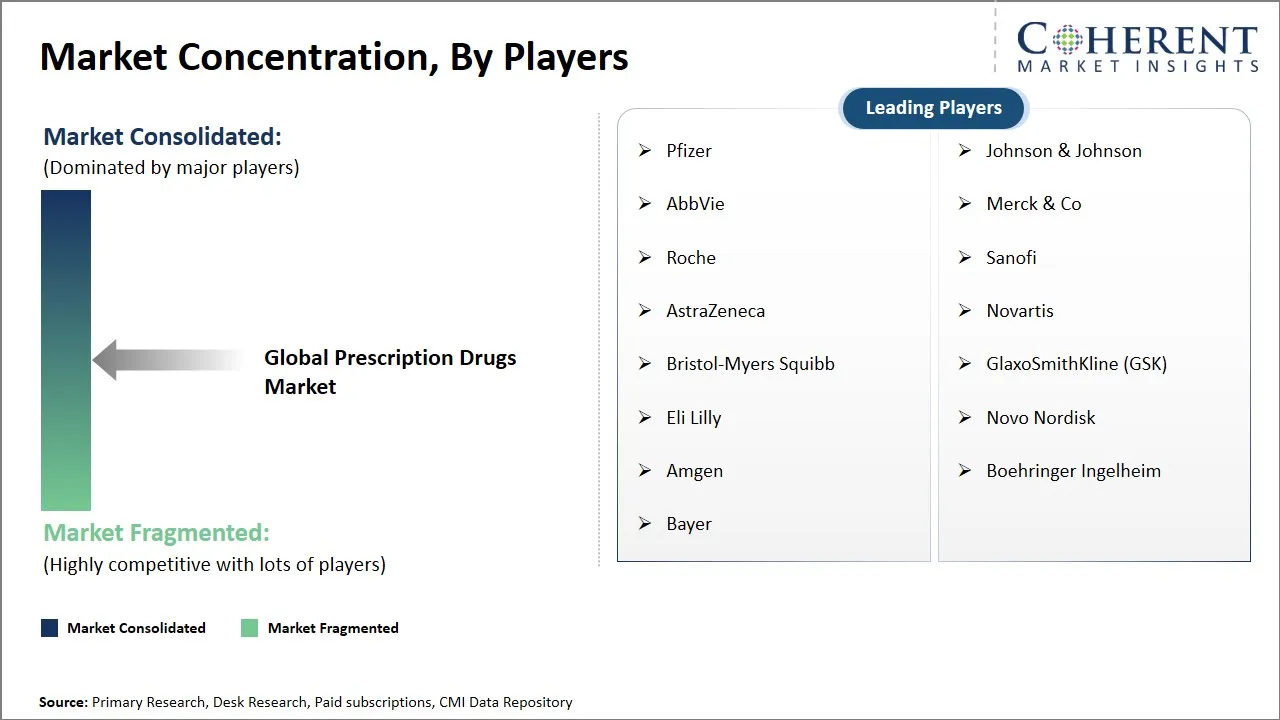
| Companies covered: | Pfizer, Johnson & Johnson, AbbVie, Merck & Co, Roche, Sanofi, AstraZeneca, Novartis, Bristol-Myers Squibb, GlaxoSmithKline (GSK), Eli Lilly, Novo Nordisk, Amgen, Boehringer Ingelheim, and Bayer | ||
| Growth Drivers: |
| ||
| Restraints & Challenges: |
| ||
Prescription Drugs Market Dynamics
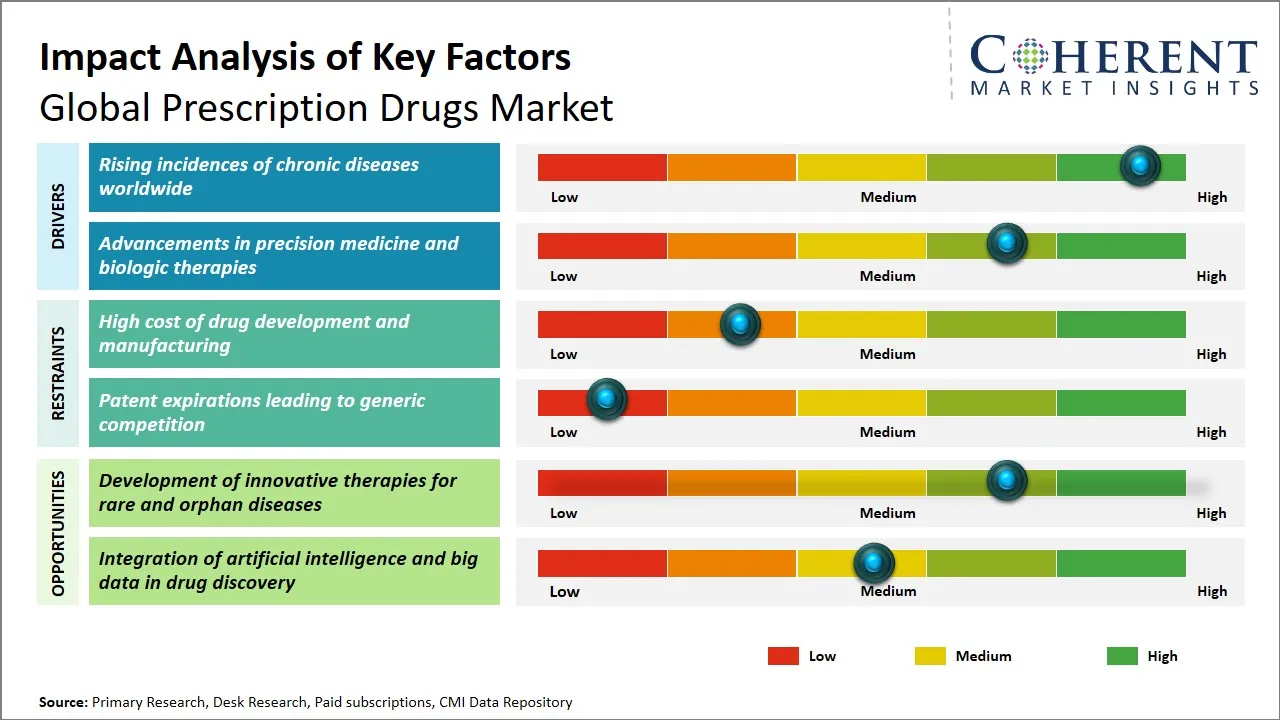
Prescription Drugs Market Driver - Rising Incidences of Chronic Diseases Worldwide
The escalating prevalence of chronic diseases such as diabetes, cardiovascular disorders, cancer, and respiratory conditions is a significant factor propelling the demand for prescription drugs globally. As populations age and lifestyles become increasingly sedentary with poor dietary habits, the frequency of these long-term health conditions has surged, necessitating continuous and often complex medication regimens. Chronic diseases typically require sustained pharmaceutical intervention to manage symptoms, delay disease progression, and enhance patients’ quality of life, thereby driving consistent prescription drug consumption. Additionally, the increasing awareness and improved diagnostic capabilities have led to earlier detection, which further supports the ongoing need for pharmaceutical therapies.
In December 2024, the World Health Organization, a United Nations health agency, reported that noncommunicable diseases such as cardiovascular illnesses, cancers, chronic respiratory diseases, and diabetes caused at least 43 million deaths in 2021, making up 75% of global non-pandemic deaths. The agency said 18 million people died before age 70, with 82% of these premature deaths in low- and middle-income countries, underscoring the rising global burden of chronic diseases and the urgent need for wider access to prevention, screening, treatment, and prescription drugs to reduce avoidable mortality.
Prescription Drugs Market Opportunity - Development of Innovative Therapies for Rare and Orphan Diseases
The global prescription drugs market presents a significant opportunity in the development of innovative therapies targeting rare and orphan diseases. Advances in biotechnology, genomics, and personalized medicine have paved the way for pharmaceutical companies to focus on these underserved segments, driven by increasing regulatory incentives such as extended market exclusivity, tax credits, and accelerated approval processes offered by agencies like the U.S. FDA and EMA. Rare diseases, often defined as conditions affecting a small percentage of the population, have traditionally been overlooked due to limited commercial viability; however, the growing awareness, improved diagnostic capabilities, and patient advocacy are expanding the potential market size.
In April 2025, Sanofi, a Paris-based global healthcare company, announced that the U.S. FDA granted orphan drug designation to its investigational prescription drug rilzabrutinib for two rare conditions, warm autoimmune hemolytic anemia and IgG4-related disease, both of which currently have no approved treatments. Sanofi said rilzabrutinib, an oral BTK inhibitor already under regulatory review for immune thrombocytopenia in the U.S., EU, and China, has shown promising clinical results and could become a first-in-class therapy for multiple immune-mediated diseases.
Analyst Opinion (Expert Opinion)
- The global prescription drugs market is evolving rapidly as multiple forces converge to shape its growth. On one hand, technological progress in biotechnology and precision medicine is creating innovative therapies that address previously unmet medical needs, while on the other, rising healthcare access in emerging economies continues to broaden demand. Regulatory frameworks in major markets are also offering faster approvals for breakthrough therapies, enabling quicker patient access. However, the industry still faces challenges such as the high cost of branded drugs, patent expirations, and affordability concerns that limit equitable reach. At the same time, opportunities are emerging in biosimilars, digital health integration for prescription monitoring, and personalized treatment approaches that reflect the growing importance of patient-centric care.
- Over the past few years, global healthcare platforms such as the World Health Summit and BIO International Convention have served as influential spaces for dialogue on regulatory harmonization, access strategies, and the showcasing of novel prescription technologies. Similarly, initiatives like the U.S. FDA’s Real-Time Oncology Review and Europe’s Horizon research funding programme have accelerated innovation pathways. On the corporate front, collaborations such as Pfizer and BioNTech’s COVID-19 vaccine rollout demonstrated the transformative potential of global partnerships, while India’s push for bulk drug parks reflects policy-level interventions to strengthen supply chains. These instances highlight how both public and private stakeholders are actively shaping a more resilient prescription drug ecosystem that balances innovation with access.
Speak to the analyst
Want personalized insights?
Take the findings above to one of our principal consultants, or have the report rebuilt around the segments, geographies and competitors you actually track.
Market Segmentation
- Drug Type Insights (Revenue, USD Tn, 2021 - 2033)
- Small Molecule
- Biologics (Monoclonal Antibodies, Vaccines, Recombinant Proteins, etc.)
- Prescription Type Insights (Revenue, USD Tn, 2021 - 2033)
- Branded
- Generic
- Route of Administration Insights (Revenue, USD Tn, 2021 - 2033)
- Oral (tablets, capsules, liquids)
- Injectable (IV, IM, SC)
- Inhalation (inhalers, nebulizers)
- Topical (creams, gels, ointments)
- Transdermal (patches)
- Ophthalmic
- Others (nasal, rectal, etc.)
- Distribution Channel Insights (Revenue, USD Tn, 2021 - 2033)
- Hospital Pharmacies
- Retail Pharmacies and Drug Stores
- Online/E-Pharmacies
- End User Insights (Revenue, USD Tn, 2021 - 2033)
- Hospitals
- Clinics
- Ambulatory Surgical Centers
- Homecare/Individual Patients
- Regional Insights (Revenue, USD Tn, 2021 - 2033)
- North America
- U.S.
- Canada
- Latin America
- Brazil
- Argentina
- Mexico
- Rest of Latin America
- Europe
- Germany
- U.K.
- Spain
- France
- Italy
- Russia
- Rest of Europe
- Asia Pacific
- China
- India
- Japan
- Australia
- South Korea
- ASEAN
- Rest of Asia Pacific
- Middle East
- GCC Countries
- Israel
- Rest of Middle East
- Africa
- South Africa
- North Africa
- Central Africa
- North America
- Key Players Insights
- Pfizer
- Johnson & Johnson
- AbbVie
- Merck & Co
- Roche
- Sanofi
- AstraZeneca
- Novartis
- Bristol-Myers Squibb
- GlaxoSmithKline (GSK)
- Eli Lilly
- Novo Nordisk
- Amgen
- Boehringer Ingelheim
- Bayer
Sources
Primary Research Interviews
Industry Stakeholders list
- Senior Executives from Pharmaceutical Manufacturers
- R&D Heads and Clinical Trial Managers
End Users List
- Hospital Procurement Managers
- Physicians and Specialists (Oncologists, Cardiologists, etc.)
Government and International Databases
- U.S. Food and Drug Administration (FDA)
- European Medicines Agency (EMA)
- World Health Organization (WHO)
- Centers for Medicare & Medicaid Services (CMS)
- National Institutes of Health (NIH)
- Organization for Economic Co-operation and Development (OECD)
Trade Publications
- PharmaTimes
- Pharmaceutical Executive
- PharmaVOICE
- Scrip (Informa Pharma Intelligence)
- The Pharma Letter
- Drug Development & Delivery
Academic Journals
- The Lancet
- Journal of the American Medical Association (JAMA)
- New England Journal of Medicine (NEJM)
- Nature Reviews Drug Discovery
- BMJ (British Medical Journal)
- Clinical Pharmacology & Therapeutics
Reputable Newspapers
- The New York Times – Health Section
- The Guardian – Health & Pharma Coverage
- Financial Times – Pharmaceuticals
- The Wall Street Journal – Health & Pharma
- The Washington Post – Health
- Reuters Health
Industry Associations
- International Federation of Pharmaceutical Manufacturers & Associations (IFPMA)
- Pharmaceutical Research and Manufacturers of America (PhRMA)
- Biotechnology Innovation Organization (BIO)
- European Federation of Pharmaceutical Industries and Associations (EFPIA)
- International Society for Pharmacoeconomics and Outcomes Research (ISPOR)
- American Pharmacists Association (APhA)
Public Domain Resources
- World Bank Health Data
- Global Health Observatory (WHO GHO)
- HealthData.org (Institute for Health Metrics and Evaluation – IHME)
Proprietary Elements
- CMI Data Analytics Tool: Proprietary analytics tool to analyze real-time market trends, consumer behavior, and technology adoption in market
- Proprietary CMI Existing Repository of Information for Last 8 Years
Get access to 250+ pages report
Every segment, forecast, competitor profile and data table behind the analysis above — available for instant download.
- ESOMAR Member
- ISO 9001:2015 Certified
- D-U-N-S Registered
- GDPR & CCPA Compliant
Missing comfort of reading report in your local language? Find your preferred language:
Transform your Strategy with Exclusive Trending Reports
Frequently Asked Questions
The global prescription drugs market is estimated to be valued at USD 1.46 Tn in 2026 and is expected to reach USD 2.73 Tn by 2033.
The CAGR of the global prescription drugs Market is projected to be 9.3% from 2026 to 2033.
Rising incidences of chronic diseases worldwide and advancements in precision medicine and biologic therapies are the major factors driving the growth of the global prescription drugs market.
High cost of drug development and manufacturing and patent expirations leading to generic competition are the major factors hampering the growth of the global prescription drugs market.
In terms of drug type, the small molecule segment is estimated to dominate the market revenue share in 2026.
Pfizer, Johnson & Johnson, AbbVie, Merck & Co, Roche, Sanofi, AstraZeneca, Novartis, Bristol-Myers Squibb, GlaxoSmithKline (GSK), Eli Lilly, Novo Nordisk, Amgen, Boehringer Ingelheim, and Bayer are the major players.
North America is expected to lead the global prescription drugs market in 2026.