

Second Generation Antipsychotics Market Size and Forecast – 2026-2033
The Global Second Generation Antipsychotics Market is estimated to be valued at USD 10.90 Bn in 2026 and is expected to reach USD 16.90 Bn by 2033, exhibiting a compound annual growth rate (CAGR) of 6.5% from 2026 to 2033. The market growth is primarily driven by factors such as the increasing prevalence of mental disorders, growing awareness about mental health, and the development of novel and effective antipsychotic drugs.
Key Takeaways of the Global Second Generation Antipsychotics Market:
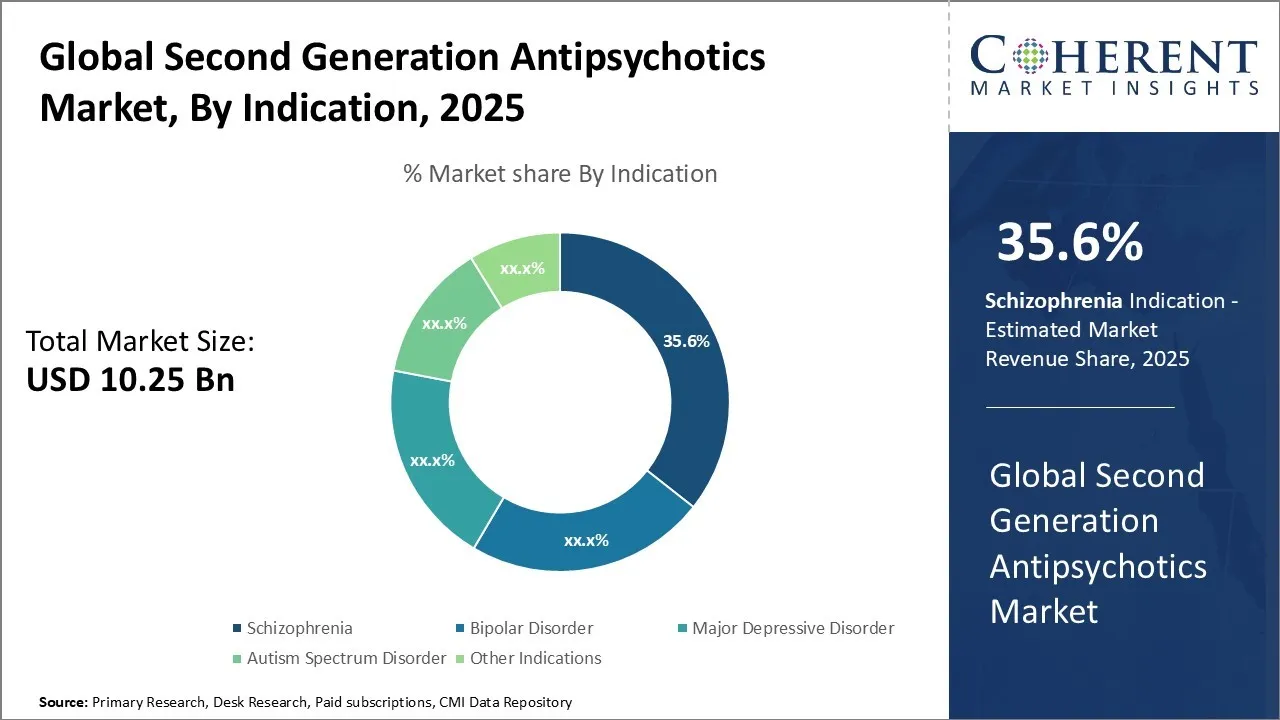
- Schizophrenia is expected to be the leading indication for second-generation antipsychotics, accounting for approximately 36.6% of the market share in 2026.
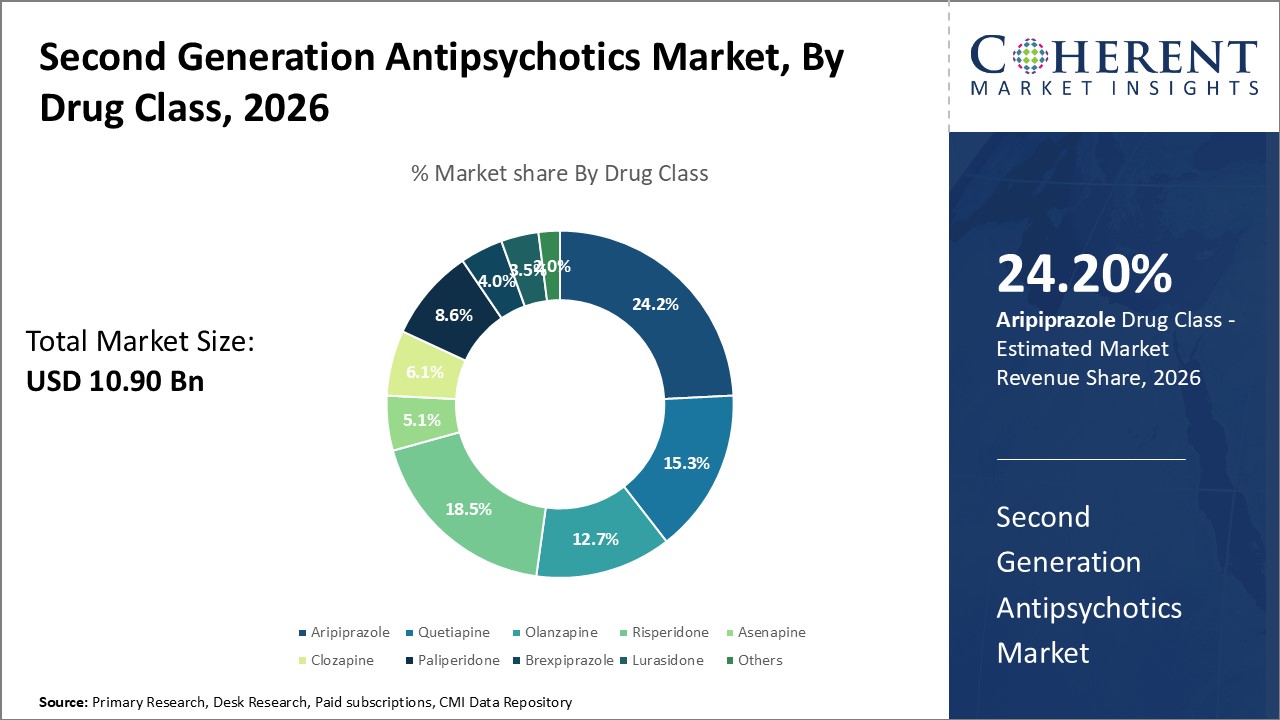
- In terms of drug class, Aripiprazole is expected to command the largest share in the global second generation antipsychotics market with 24.2% in 2026.
- The oral segment is expected to continue to be the most commonly adopted route for second-generation antipsychotics, comprising approximately 68.4% of total market share in 2026
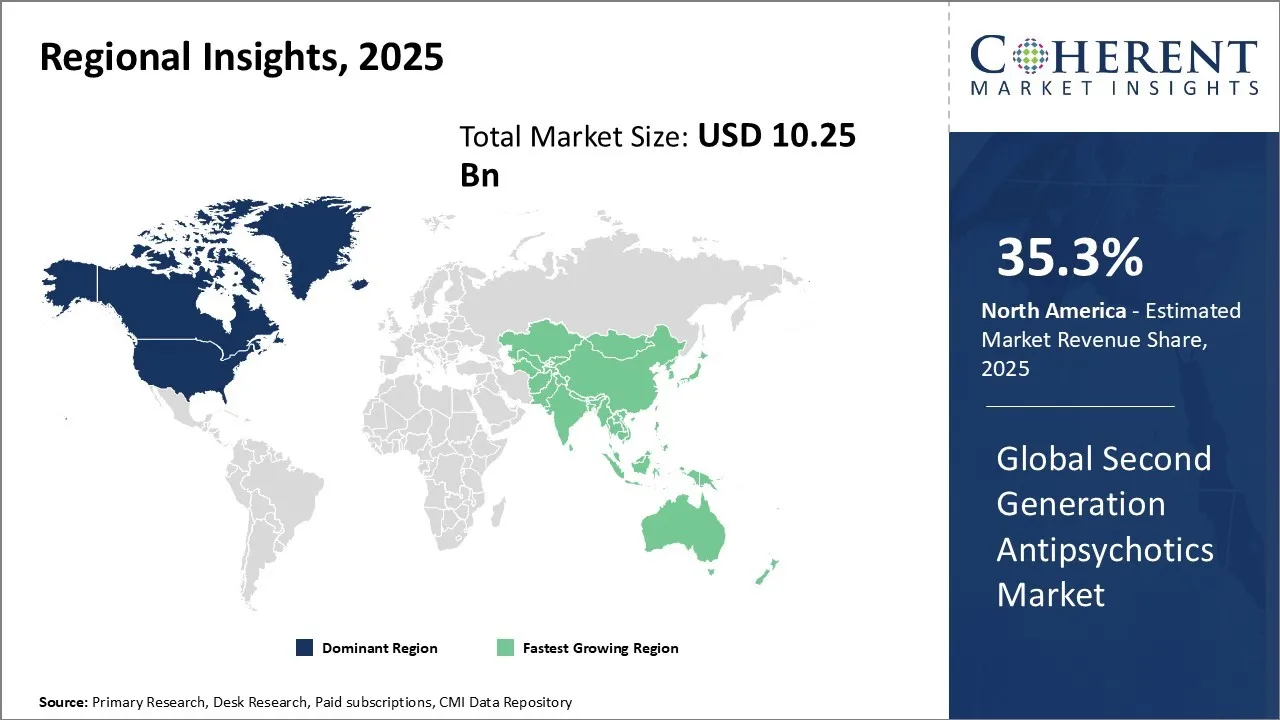
- North America is expected to lead with a share of 35.3% in 2026, while Asia Pacific is expected to grow at the fastest rate with 30.3% in 2026.
Market Overview:
The market trend for second generation antipsychotics is characterized by a shift towards personalized medicine, with a focus on developing targeted therapies based on individual patient characteristics. Additionally, there is a growing emphasis on long-acting injectable formulations, which offer improved patient compliance and convenience. The market is also witnessing increased investment in research and development activities, aimed at developing safer and more effective antipsychotic drugs with fewer side effects.
Currents Events and Their Impact
Current Events | Description and its impact |
Teva’s Positive Phase III Results for Long-Acting Olanzapine Injection |
|
USFDA Approval of Brilaroxazine (RP5063) for Schizophrenia Treatment |
|
Segmental Analysis
- Current Industry Events of 2026
- Market Size Estimation
- Regional Breakdown
- Competitive Landscape
- Customer Intelligence
- Segmental Analysis
- Pricing Analysis
- Key Market Drivers, Challenges & Future Trends
- Customized Insights Section
Second Generation Antipsychotics Market Insights, By Indication - Schizophrenia Dominates Indication Segment Owing to High Prevalence and Lifelong Treatment Needs
Schizophrenia is expected to be the leading indication for second-generation antipsychotics, accounting for approximately 36.6% of the market share in 2026. The chronic, lifelong nature of the disease necessitates sustained pharmacological treatment, often involving maintenance therapy even during remission phases. As a result, the demand for antipsychotics in managing schizophrenia remains high.
Additionally, the growing awareness, better diagnostic capabilities, and expanding mental health infrastructure—particularly in regions like Asia Pacific and Latin America—are contributing to higher treatment rates. Government initiatives and inclusion of antipsychotic drugs in national formularies have also facilitated wider access in low- and middle-income countries.
Second Generation Antipsychotics Market Insights, By Drug Class - Aripiprazole Leads Drug Class Segment Due to Broad Indication Coverage and Favorable Safety Profile
In terms of drug class, the Aripiprazole segment is expected to command the largest share in the global second generation antipsychotics market with 24.2% in 2026. This dominance is attributed to its unique pharmacological profile, which acts as a partial agonist at dopamine D2 and serotonin 5-HT1A receptors, and antagonist at 5-HT2A receptors. This mechanism helps balance efficacy and side effect profile, particularly reducing the risk of weight gain and extrapyramidal symptoms—a major concern with earlier antipsychotics.
Aripiprazole’s broad therapeutic use across schizophrenia, bipolar I disorder, and as an adjunct in major depressive disorder (MDD) further expands its commercial potential. Moreover, the availability of various formulations, including oral tablets, orodispersible tablets, and long-acting injectable (LAI) forms, enhances its clinical flexibility and appeal.
Second Generation Antipsychotics Market Insights, By Route of Administration - Oral Route is Most Preferred Due to Ease of Use, Affordability, and Wide Accessibility
The oral segment is expected to be the most commonly adopted route for second-generation antipsychotics, comprising approximately 68.4% of total market share in 2026. Oral medications are generally the first-line treatment due to their ease of use, cost-effectiveness, and patient preference, particularly in outpatient and home care settings. These formulations offer a broad range of dosage strengths, improving treatment customization and compliance.
Despite the dominance of oral forms, parenteral or injectable formulations, especially long-acting injectables (LAIs), are witnessing increasing demand. LAIs address key challenges in psychiatric treatment, such as poor adherence and relapse prevention. Drugs like risperidone LAI and aripiprazole LAI have seen growing use in clinical settings, especially among patients with recurrent hospitalization histories or non-compliance issues.
Regional Insights
North America Second Generation Antipsychotics Market Analysis and Trends
In North America, the dominance in the global second generation antipsychotics market can be attributed to several factors with an estimated share of 35.3% in 2026. The region boasts a well-established healthcare infrastructure, high awareness about mental health disorders, and a favorable reimbursement landscape. The presence of major pharmaceutical companies, such as Johnson & Johnson, Eli Lilly, and AstraZeneca, has further strengthened the market ecosystem. These companies have been actively involved in research and development, product launches, and strategic collaborations, driving the growth of the market.
For example, in January 2024, data from the National Institute of Health (NIH) indicated that around USD 59.3 million people in the U.S. experienced a mental illness in 2022. This widespread prevalence is expected to significantly contribute to market growth. Additionally, the region benefits from the strong adoption of technologically advanced antipsychotic treatments, further supporting market expansion.
Asia Pacific Second Generation Antipsychotics Market Analysis and Trends
The Asia Pacific region is expected to exhibit the fastest growth in the global second generation antipsychotics market with 30.3% in 2026. The region's rapid growth can be ascribed to several factors, including increasing awareness about mental health, rising healthcare expenditure, and growing government initiatives to improve mental healthcare services. Countries like China, India, and Japan have witnessed a significant rise in the prevalence of psychiatric disorders, leading to a higher demand for antipsychotic medications.
Additionally, the expanding generic drug market and the entry of local pharmaceutical companies such as Aurobindo Pharma Ltd. and Lupin Limited have further fueled the market growth in the region. These companies have been focusing on developing cost-effective alternatives to branded antipsychotics, making them more accessible to the population.
Global Second Generation Antipsychotics Market Outlook for Key Countries:
U.S. Second Generation Antipsychotics Market Analysis and Trends
The U.S. second generation antipsychotics market is highly competitive and innovative. The country is home to several major pharmaceutical companies that are actively involved in research and development, leading to the introduction of novel antipsychotic medications. The favorable reimbursement policies and well-established distribution channels have ensured widespread access to these medications. Moreover, the increasing prevalence of psychiatric disorders and growing awareness about mental health have further driven the demand for second generation antipsychotics in the U.S. For instance, an article published by The White House in May 2022, the U.S. Federal Government covers some costs related to mental health disorder treatments and spent approximately USD 280 billion on mental health services in 2020.
U.K. Second Generation Antipsychotics Market Analysis and Trends
The U.K. second generation antipsychotics market is poised for significant growth in the coming years, driven by rising awareness and increased government commitment towards addressing psychiatric health issues. One of the key indicators of this shift is the growing budgetary allocation for mental health services. For example, a 2023 report from the House of Commons Library noted that the U.K.’s National Health Service (NHS) allocated approximately USD 18.37 billion to mental health services during the 2021/22 fiscal year.
China Second Generation Antipsychotics Market Analysis and Trends
China second generation antipsychotics market is projected to witness strong growth in the coming years, driven by the high burden of mental health disorders and proactive measures by government authorities to enhance awareness and treatment accessibility. According to the World Health Organization (WHO), around USD 41 million people in China are affected by depression. Furthermore, as part of the Healthy China initiative, at least 80% of primary and secondary schools were targeted to have dedicated mental health professionals by 2022. These efforts are expected to significantly support market expansion.
Argentina Second Generation Antipsychotics Market Analysis and Trends
Argentina second generation antipsychotics market is expected to experience notable growth during the forecast period, primarily driven by the increasing incidence of mental health disorders and proactive government initiatives to raise awareness. In 2022, Argentina partnered with the World Health Organization (WHO) under the Director General's Special Initiative for Mental Health. This collaboration aims to expand community-based mental health services, strengthen secondary-level care, and enhance access for approximately USD 5.2 million citizens. Such measures are anticipated to improve public understanding of mental health conditions and available treatment options, thereby fueling the demand for antipsychotic medications across the country.
End User Feedback and Unmet Needs
End users across healthcare institutions, mental health clinics, and government-supported psychiatric programs have generally acknowledged the efficacy of second-generation antipsychotics (SGAs) in improving patient adherence due to their reduced extrapyramidal side effects compared to first-generation drugs. For instance, community mental health centers in the U.S. have reported improved treatment continuity and patient satisfaction with once-daily formulations of aripiprazole and lurasidone, citing fewer sedative effects and better tolerability. These features have been particularly beneficial in outpatient and telepsychiatry settings, where compliance and reduced side effects are crucial for long-term therapy success.
Conversely, cost and accessibility remain dominant concerns. Public health institutions in developing regions, such as parts of Southeast Asia and Sub-Saharan Africa, have reported difficulty in procuring newer second-generation antipsychotics due to high costs and limited generic alternatives. Moreover, psychiatrists often cite a lack of personalized treatment options, as many SGAs still carry risks of metabolic side effects like weight gain or glucose imbalance. These concerns highlight unmet needs around affordability, regional access, and precision dosing. Addressing these gaps through affordable biosimilars, real-world evidence-based customization, and expanded insurance coverage could drive broader adoption, improve patient outcomes, and stimulate innovation in drug formulation and delivery systems.
Market Players, Key Developments, and Competitive Intelligence
Key Developments:
- In March 2025, Neurocrine Biosciences, a biopharmaceutical company, initiated a Phase 1 clinical trial of NBI-1140675, a selective second-generation VMAT2 inhibitor, evaluating its safety, tolerability, and pharmacokinetics in healthy adults. The investigational compound targets neurological and neuropsychiatric conditions, building upon the company's prior success with valbenazine for tardive dyskinesia and Huntington's disease chorea.
- In November 2024, Medincell’s partner, a clinical-stage pharmaceutical company, Teva, a global pharmaceutical company, presented positive Phase 3 results for its investigational Olanzapine Long-Acting Injectable (LAI), demonstrating significant improvements in social functioning and quality of life for schizophrenia patients, with no reported Post-Injection Delirium/Sedation Syndrome (PDSS). Additionally, real-world data on UZEDY (Risperidone LAI) showed high adherence rates and benefits for socially vulnerable individuals, reinforcing the effectiveness and potential impact of these treatments.
- In May 2024, Neurocrine Biosciences, a biopharmaceutical company in collaboration with participants of Tardive Dyskinesia (TD) Awareness Week 2024, launched nationwide initiatives to reduce stigma, improve recognition, and promote screenings and appropriate treatment for TD. Now in its 7th year, TD Awareness Week supports the estimated 600,000 affected individuals in the U.S. and aligns with Mental Health Awareness Month.
- In May 2023, Minerva Neurosciences, a biopharmaceutical company, announced that the U.S. FDA had accepted its New Drug Application (NDA) for roluperidone, intended to treat negative symptoms in schizophrenia. The application, following a successful appeal, has a PDUFA goal date of February 26, 2024. If approved, roluperidone could offer a novel treatment for patients with persistent negative symptoms that significantly impair daily functioning.
Top Strategies Followed by Global Second Generation Antipsychotics Market Players
- Established players in the global second generation antipsychotics market prioritize extensive research and development to innovate high-performance products. These companies invest heavily in R&D to develop novel compounds, improve existing formulations, and explore new indications for their antipsychotic drugs. By focusing on innovation, they aim to maintain their competitive edge and meet the evolving needs of patients and healthcare providers.
- For instance, in May 2024, Otsuka Pharmaceutical Co., Ltd., a global healthcare company known for its work in mental health, along with its U.S. subsidiary, OPDC and partner Lundbeck, released findings from Phase II (Trial 061) and Phase III trials (Trials 071 and 072). These studies assessed the safety and efficacy of brexpiprazole in combination with sertraline for treating PTSD in adults. The results were presented at the ASCP annual meeting in Miami.
- Mid-level players in the global second generation antipsychotics market focus on delivering cost-effective solutions to target price-sensitive consumers. They develop quality products that offer value for money, catering to the needs of patients and healthcare systems with budget constraints. By providing affordable alternatives, these players aim to capture a significant market share and gain a competitive advantage.
- For instance, in April 2024, Alkermes plc, a biopharmaceutical company focused on developing innovative medicines for central nervous system (CNS) disorders, presented clinical data at the 2024 Congress of the Schizophrenia International Research Society (SIRS). The data came from a Phase 3 extension study evaluating the safety, durability, tolerability, and effectiveness of its antipsychotic drug, LYBALVI.
- Small-scale players in the global second generation antipsychotics market often specialize in niche areas, offering unique features or innovative products. They target specific patient populations or therapeutic indications that may be underserved by larger players. By focusing on niche markets, small-scale players can differentiate themselves and establish a loyal customer base.
- For instance, in May 2021, BioXcel Therapeutics launched an awareness campaign focused on agitation in patients with bipolar disorder and schizophrenia. The company also submitted its investigational drug, BXCL501—designed to treat agitation associated with these conditions—to the U.S. Food and Drug Administration (FDA) for review.
Analyst Opinion (Expert Opinion)
- The global second generation antipsychotics market continues to grow steadily, driven by expansion of long-acting injectable (LAI) formulations of SGAs is significantly driving market growth, as these formulations improve treatment adherence, reduce relapse rates, and are increasingly being adopted in clinical practice for patients with chronic conditions like schizophrenia. Technological advancements in drug formulation, such as long-acting injectables (LAIs) and extended-release tablets, are improving patient compliance and outcomes. Additionally, favorable regulatory frameworks in regions like North America and Europe, coupled with growing government support for mental healthcare access, are boosting market expansion. However, challenges persist, including high treatment costs, limited therapeutic options for treatment-resistant cases, and the need for tailored solutions for pediatric and elderly populations. Emerging opportunities lie in AI-assisted drug development, personalized psychiatry, and digital therapeutics integration.
- Notable mental health conferences such as the World Congress of Psychiatry, American Psychiatric Association (APA) Annual Meeting, and Global Mental Health Summit have played a crucial role in promoting innovation, policy collaboration, and awareness around online counseling and digital medication monitoring. Recent initiatives like the U.K.'s NHS Mental Health Implementation Plan and Australia's Digital Mental Health Framework have spurred investment in accessible care and real-time patient support. Pharmaceutical leaders, such as Otsuka and Lundbeck, have also expanded access to SGAs through collaborations and market expansion strategies, reinforcing the market's long-term potential.
Speak to the analyst
Want personalized insights?
Take the findings above to one of our principal consultants, or have the report rebuilt around the segments, geographies and competitors you actually track.
Market Report Scope
Second Generation Antipsychotics Market Report Coverage
| Report Coverage | Details | ||
|---|---|---|---|
| Base Year: | 2025 | Market Size in 2026: | USD 10.90 Bn |
| Historical Data for: | 2020 To 2024 | Forecast Period: | 2026 To 2033 |
| Forecast Period 2026 to 2033 CAGR: | 6.5% | 2033 Value Projection: | USD 16.90 Bn |
| Geographies covered: |
| ||
| Segments covered: |
| ||
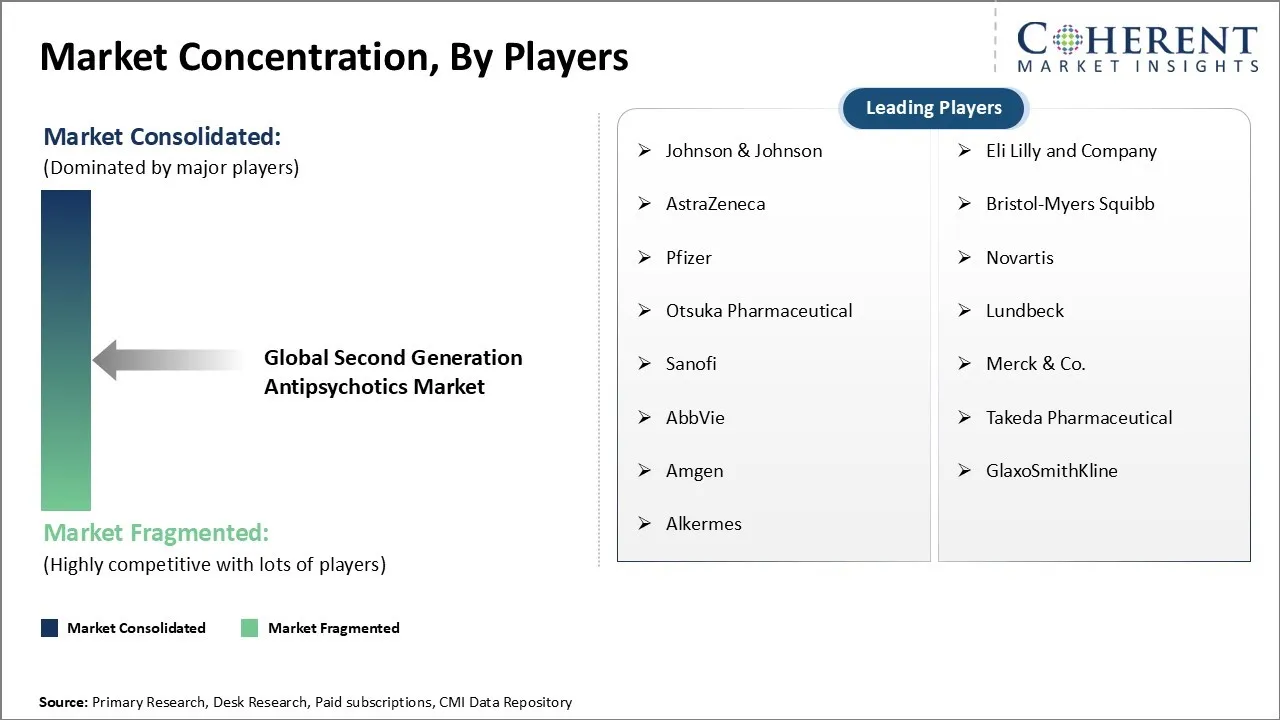
| Companies covered: | Johnson & Johnson, Eli Lilly and Company, AstraZeneca, Bristol-Myers Squibb, Pfizer, Novartis, Otsuka Pharmaceutical, Lundbeck, Sanofi, Merck & Co., AbbVie, Takeda Pharmaceutical, Amgen, GlaxoSmithKline, and Alkermes | ||
| Growth Drivers: |
| ||
| Restraints & Challenges: |
| ||
Market Dynamics
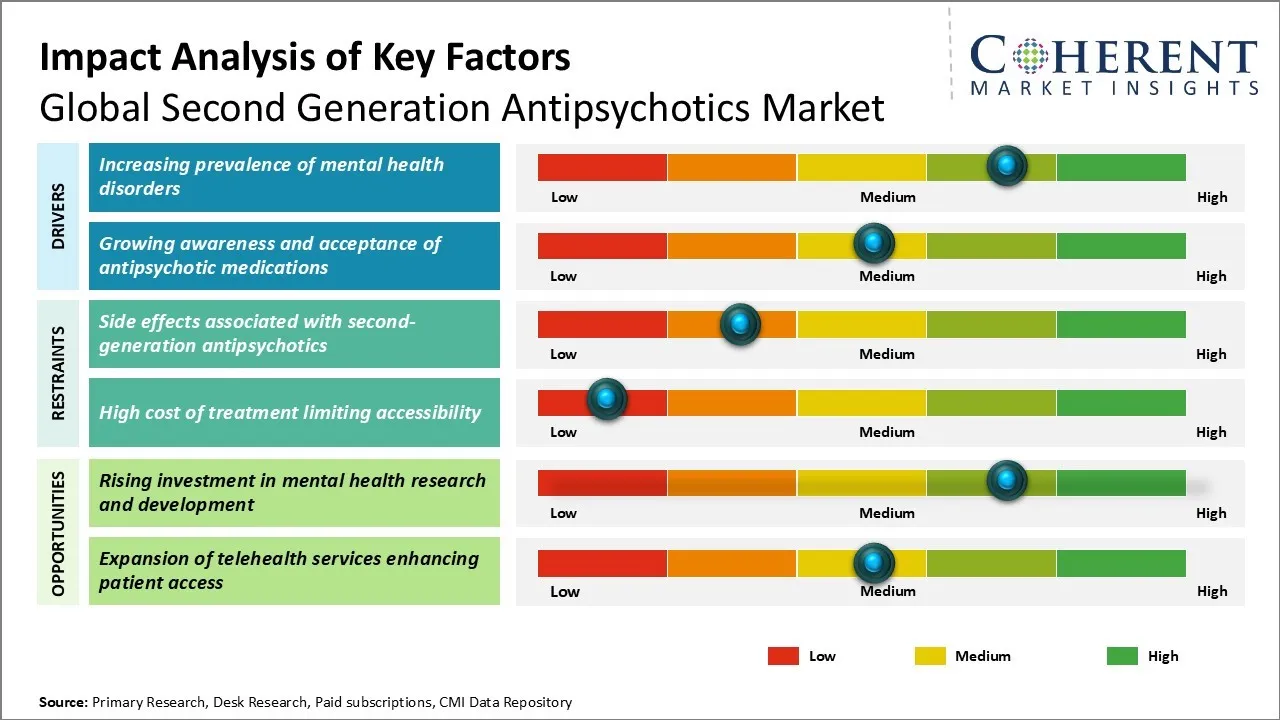
Second Generation Antipsychotics Market Driver - Increasing prevalence of mental health disorders
The global second generation antipsychotics market is witnessing significant growth due to the increasing prevalence of mental health disorders worldwide. Mental health conditions such as schizophrenia, bipolar disorder, and major depressive disorder are becoming more common, leading to a higher demand for effective treatment options. Second generation antipsychotics, also known as atypical antipsychotics, have emerged as a preferred choice for treating these disorders due to their improved efficacy and reduced side effects compared to first generation antipsychotics. The rising awareness about mental health and the importance of seeking professional help has also contributed to the increased adoption of second generation antipsychotics. Moreover, the growing geriatric population, which is more susceptible to mental health issues, is further driving the demand for these medications. As the burden of mental health disorders continues to rise, the global second generation antipsychotics market is expected to experience substantial growth in the coming years.
For instance, according to Government of India Press Information Bureau, in July 2024, for the first time, India’s Economic Survey 2023–24 has addressed mental health at the economic level, emphasizing its impact on national development. The survey notes that 10.6% of Indian adults suffer from mental disorders, with a large treatment gap of up to 92%. It also highlights rising mental health issues among adolescents, worsened by the COVID-19 pandemic.
Second Generation Antipsychotics Market Opportunity - Rising Investment in Mental Health Research and Development
The increasing investment in mental health research and development presents a significant opportunity for the global second generation antipsychotics market. As awareness about mental health disorders grows, governments, private organizations, and pharmaceutical companies are allocating more resources to the development of novel and innovative treatments. This investment is driven by the recognition of the substantial burden that mental health disorders place on individuals, families, and society as a whole. The rising funding for research and development is expected to lead to the discovery of new molecular entities, improved formulations, and targeted delivery systems for second-generation antipsychotics. These advancements aim to enhance the efficacy, safety, and tolerability of these medications, addressing the challenges associated with side effects and treatment adherence.
Moreover, increased investment in mental health research is likely to expand the understanding of the underlying mechanisms of psychotic disorders, enabling the development of personalized treatment approaches. For instance, in April 2025, TadHealth, a leading mental health tech provider for schools, raised USD 5.5 million in a Series A funding round led by veteran healthcare executives. The funding will support nationwide expansion of its platform for K–12 education. Key additions to the board include neuropsychiatry expert Dr. Jim Hudziak, along with Robin Richards and Sabrina Horn, strengthening the company’s leadership in mental health innovation.
Market Segmentation
- Indication Insights (Revenue, USD Bn, 2021 - 2033)
- Schizophrenia
- Bipolar Disorder
- Major Depressive Disorder
- Autism Spectrum Disorder
- Other Indications
- Drug Class Insights (Revenue, USD Bn, 2021 - 2033)
- Risperidone
- Quetiapine
- Olanzapine
- Aripiprazole
- Asenapine
- Clozapine
- Paliperidone
- Brexpiprazole
- Lurasidone
- Others
- Route of Administration Insights (Revenue, USD Bn, 2021 - 2033)
- Oral
- Parenteral
- Distribution Channel Insights (Revenue, USD Bn, 2021 - 2033)
- Hospital Pharmacies
- Retail Pharmacies
- Online Pharmacies
- Regional Insights (Revenue, USD Bn, 2021 - 2033)
- North America
- U.S.
- Canada
- Latin America
- Brazil
- Argentina
- Mexico
- Rest of Latin America
- Europe
- Germany
- U.K.
- Spain
- France
- Italy
- Russia
- Rest of Europe
- Asia Pacific
- China
- India
- Japan
- Australia
- South Korea
- ASEAN
- Rest of Asia Pacific
- Middle East
- GCC Countries
- Israel
- Rest of Middle East
- Africa
- South Africa
- North Africa
- Central Africa
- North America
- Key Players Insights
- Johnson & Johnson
- Eli Lilly and Company
- AstraZeneca
- Bristol-Myers Squibb
- Pfizer
- Novartis
- Otsuka Pharmaceutical
- Lundbeck
- Sanofi
- Merck & Co.
- AbbVie
- Takeda Pharmaceutical
- Amgen
- GlaxoSmithKline
- Alkermes
Sources
Primary Research Interviews:
- Psychiatrists and mental health professionals
- Pharmaceutical industry experts and drug development scientists
- Hospital pharmacy directors and procurement managers
- Representatives from mental health advocacy groups
Databases:
- World Health Organization (WHO)
- National Institute of Mental Health (NIMH)
- World Bank Health Nutrition and Population Statistics
- Healthcare Cost and Utilization Project (HCUP)
- OECD Health Statistics
Magazines:
- PharmaTimes
- Psychiatry Advisor
- Pharmaceutical Executive
Journals:
- American Journal of Psychiatry
- Journal of Clinical Psychopharmacology
- CNS Drugs
Newspapers:
- The New York Times – Health Section
- The Guardian – Global Health
- Financial Times – Pharma & Healthcare Reports
- The Wall Street Journal – Health & Pharma
Associations:
- American Psychiatric Association (APA)
- European Psychiatric Association (EPA)
- World Psychiatric Association (WPA)
- National Alliance on Mental Illness (NAMI)
- Mental Health America (MHA)
Public Domain Sources:
- U.S. Food and Drug Administration (FDA)
- European Medicines Agency (EMA)
- Centers for Medicare & Medicaid Services (CMS)
- World Health Organization (WHO)
- Global mental health conferences and psychiatry summits
Proprietary Elements:
- CMI Data Analytics Tool: Proprietary analytics tool to analyze real-time market trends, consumer behavior, and technology adoption in dark factories.
- Proprietary CMI Existing Repository of Information for Last 8 Years
Get access to 250+ pages report
Every segment, forecast, competitor profile and data table behind the analysis above — available for instant download.
- ESOMAR Member
- ISO 9001:2015 Certified
- D-U-N-S Registered
- GDPR & CCPA Compliant
Missing comfort of reading report in your local language? Find your preferred language:
Transform your Strategy with Exclusive Trending Reports
Frequently Asked Questions
The global second generation antipsychotics market is estimated to be valued at USD 10.25 Bn in 2025 and is expected to reach USD 15.67 Bn by 2032.
The CAGR of the global second generation antipsychotics market is projected to be 6.25% from 2025 to 2032.
Increasing prevalence of mental health disorders and growing awareness and acceptance of antipsychotic medications are the major factors driving the growth of the global second generation antipsychotics market.
Side effects associated with second-generation antipsychotics and high cost of treatment limiting accessibility are the major factors hampering the growth of the global second generation antipsychotics market.
In terms of indication, the Schizophrenia segment is estimated to dominate the market revenue share in 2025.
Johnson & Johnson, Eli Lilly and Company, AstraZeneca, Bristol-Myers Squibb, Pfizer, Novartis, Otsuka Pharmaceutical, Lundbeck, Sanofi, Merck & Co., AbbVie, Takeda Pharmaceutical, Amgen, GlaxoSmithKline, and Alkermes are the major players.
North America is expected to lead the global second generation antipsychotics market in 2025.