

Global Tay-Sachs Disease Market Size and Forecast – 2026 to 2033
The global Tay-Sachs disease market is estimated to be valued at USD 2.81 Bn in 2026 and is expected to reach USD 4.40 Bn by 2033, exhibiting a compound annual growth rate (CAGR) of 6.6% from 2026 to 2033. This growth is driven by increasing advancements in diagnostic technologies, rising awareness about genetic disorders, and enhanced government initiatives supporting rare disease research and treatment. The expanding pipeline of targeted therapies is also fueling market expansion during this period.
Key Takeaways of the Global Tay-Sachs Disease Market
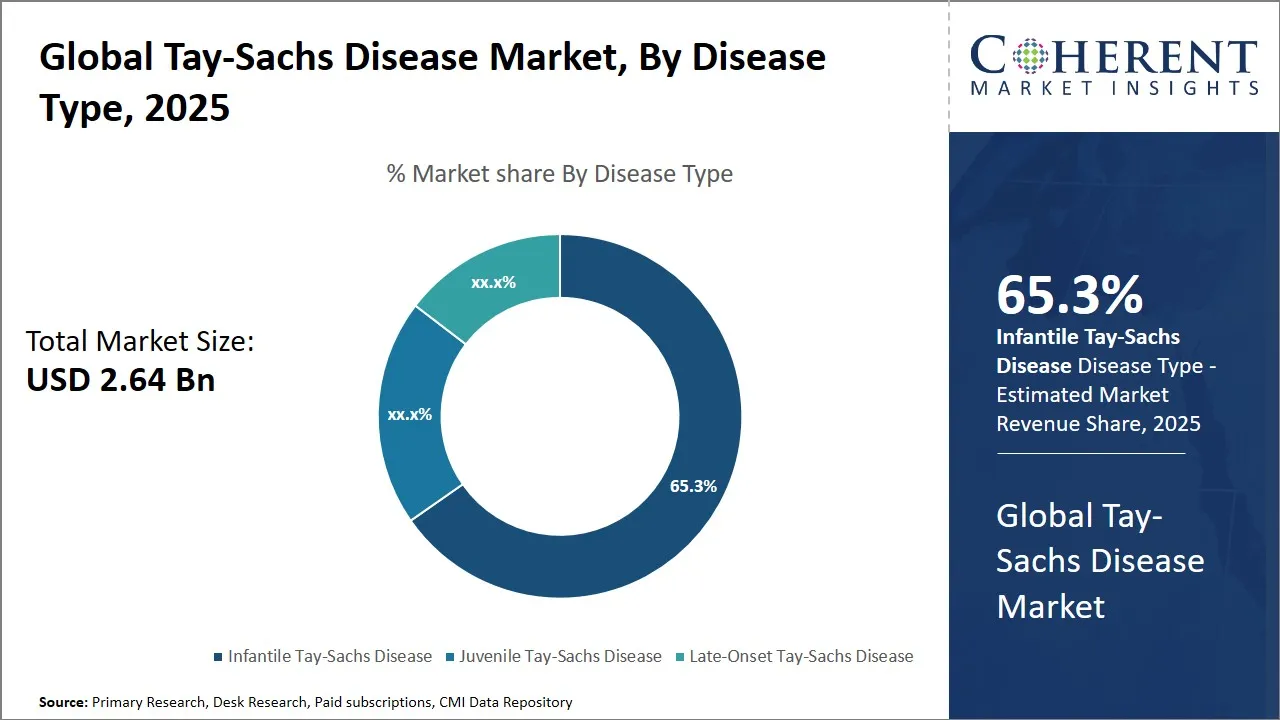
- By disease type, the infantile Tay-Sachs disease segment is projected to account for 66.3 % of the market share in 2026.
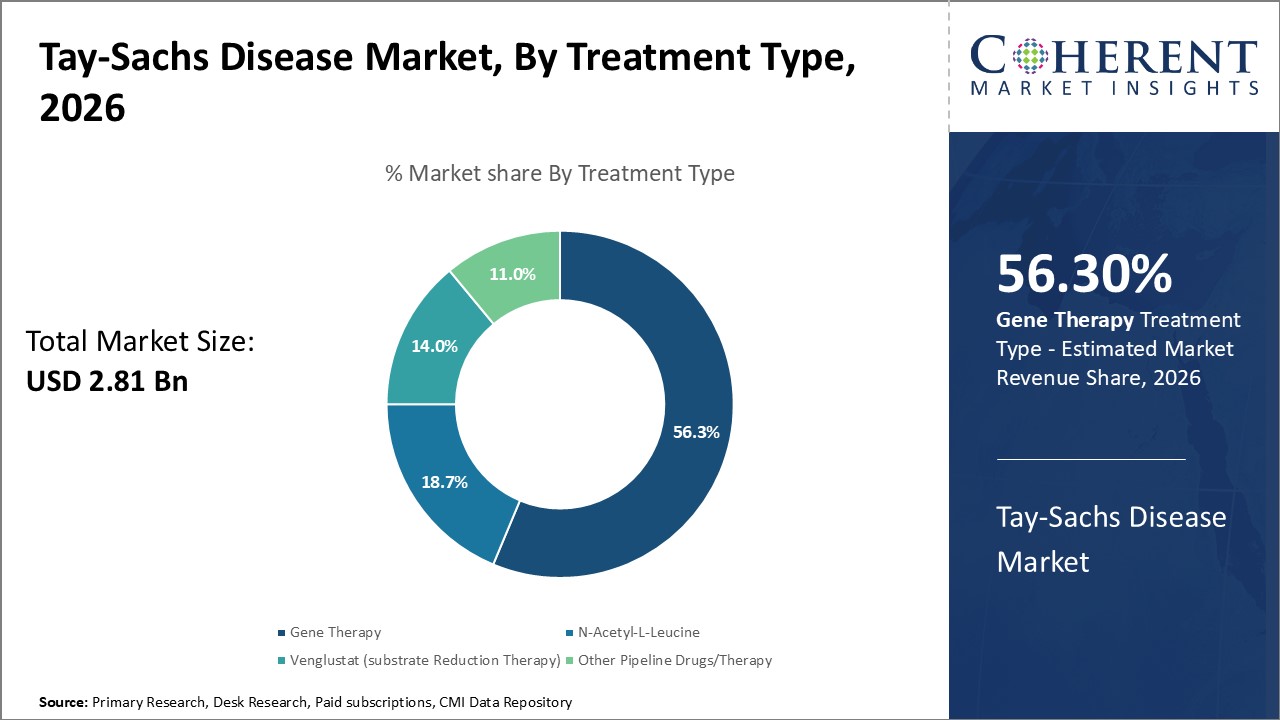
- The gene therapy segment is projected to lead the market with a 56.3 % share in 2026.
- By route of administration, the oral segment is anticipated to hold the highest share at 51.5 % in 2026.
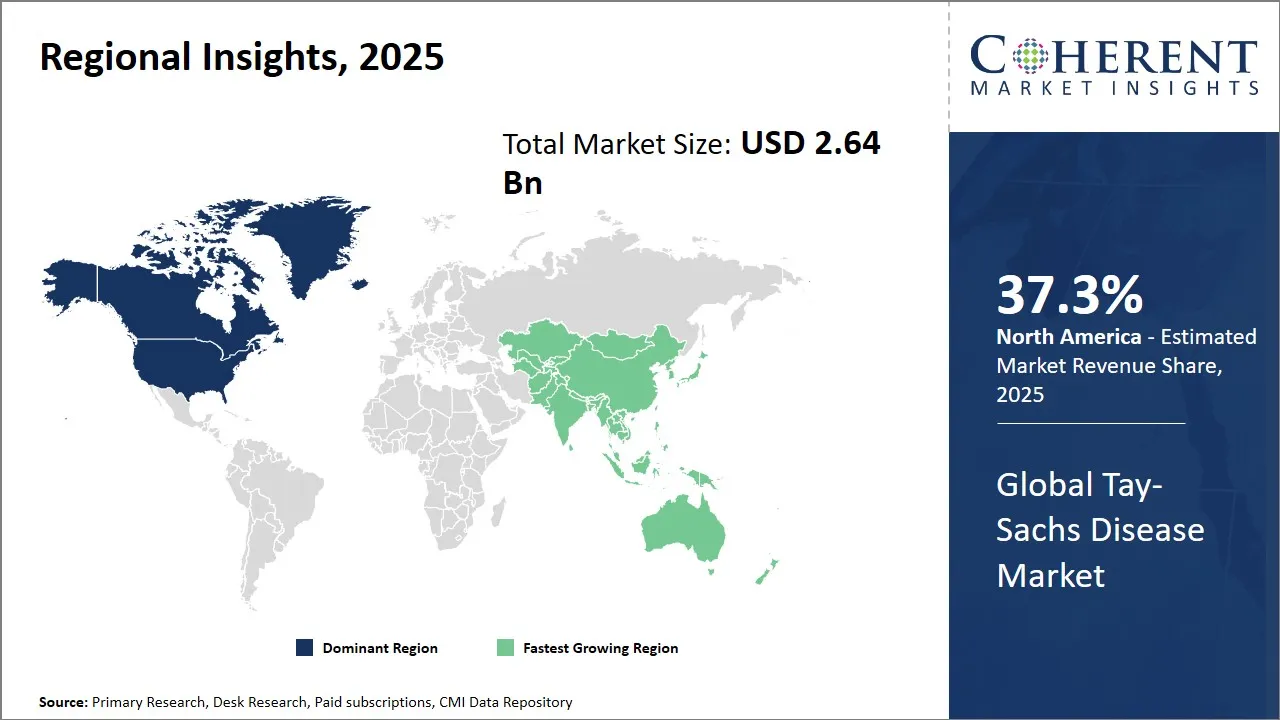
- North America is expected to lead the market, holding a share of 37.3 % in 2026. Asia Pacific is anticipated to be the fastest-growing region, with a market share of 23.4% in 2026.
Market Overview
Market trends indicate a significant shift towards personalized medicine and gene therapy for addressing Tay-Sachs disease. There is a growing focus on early diagnosis with the integration of next-generation sequencing and biomarker identification, which enhances treatment efficacy. Additionally, collaborations between pharmaceutical companies and research institutions are accelerating the development of novel therapeutic options. Increasing patient advocacy and funding for rare diseases are further catalyzing innovation and adoption of advanced treatment modalities in the Tay-Sachs disease market.
Current Events and Its Impact
Current Events | Description and its Impact |
Orphan Drug Designation & Accelerated Approvals |
|
Technological Advances in Diagnostics |
|
Segmental Insights
- Current Industry Events of 2026
- Market Size Estimation
- Regional Breakdown
- Competitive Landscape
- Customer Intelligence
- Segmental Analysis
- Pricing Analysis
- Key Market Drivers, Challenges & Future Trends
- Customized Insights Section
Tay-Sachs Disease Market Insights, by Disease Type – Infantile Tay-Sachs Disease Segment Leads the Market Due to Early Onset Severity and Urgent Treatment Needs
The infantile Tay-Sachs disease segment is expected to capture 66.3% share in 2026, owing to its early onset and exceptionally severe progression. This form of Tay-Sachs manifests within the first six months of life, leading to rapid neurological degeneration that critically impacts infant mortality and morbidity rates. The urgent clinical need to address symptoms in such young patients drives significant demand for therapeutic interventions, stimulating growth within this market segment.
The severity of Infantile Tay-Sachs creates a pressing necessity for early diagnosis and treatment, fueling investments in both gene-based therapies and supportive care options targeted toward halting or slowing disease progression. Furthermore, the emotional and financial burden on families devoted to infants afflicted with this debilitating condition also encourages pharmaceutical companies and healthcare providers to prioritize research and development efforts in this segment. Given that Juvenile and Late-Onset Tay-Sachs typically exhibit less severe, more protracted disease courses, the Infantile segment attracts greater attention from both caregivers and the medical community alike.
Tay-Sachs Disease Market Insights, by Treatment Type – Gene Therapy Segment Leads the Market Owing to Precision and Long-Term Potential
The gene therapy segment is projected to account for 56.3% share in 2026, driven by its potential to address the root genetic cause of the disorder with high specificity. Unlike symptomatic or supportive therapies, gene therapy aims to introduce, remove, or modify genetic material within patient cells, offering the possibility of long-lasting or even curative outcomes for patients suffering from Tay-Sachs disease. This paradigm shift in treatment philosophy has generated tremendous interest from both researchers and pharmaceutical developers.
The precision nature of gene therapy and its ability to potentially halt or reverse neurological degeneration associated with Tay-Sachs is a critical factor propelling this segment’s growth. Extensive research investments in gene editing techniques, viral vector platforms, and delivery mechanisms have contributed to evolving clinical pipelines, creating optimism around accessible gene-based solutions. Moreover, regulatory encouragement of gene therapy trials along with breakthroughs in safety profiles have further reduced historical barriers, enabling this segment to expand rapidly.
Tay-Sachs Disease Market Insights, by Route of Administration – Oral Segment Dominates Due to Patient Convenience and Enhanced Compliance
The oral segment is projected to hold 51.5% share in 2026, because of its convenience and positive influence on patient compliance. Given the chronic and progressive nature of Tay-Sachs disease, especially within pediatric populations, ease of administration is paramount for sustained treatment adherence over extended periods. Oral medications eliminate the discomfort and logistical challenges associated with injections or infusions, making them preferable for both caregivers and patients.
For instance, in December 2022, researchers led by Kyriakos Martakis and colleagues reported positive phase IIb trial results showing that N-acetyl-l-leucine, an oral modified amino acid, improved function and quality of life in children and adults with GM2 gangliosidoses (Tay-Sachs and Sandhoff diseases). The multinational study across 30 patients demonstrated significant gains in motor function and ataxia scores, with the treatment proving safe and well tolerated.
Regional Insights
North America Tay-Sachs Disease Market Analysis and Trends
The North America region is projected to lead the market with a 37.3% in 2026, driven by advanced healthcare infrastructure, significant research investments, and strong government support for rare genetic disorder programs. The region benefits from a well-established ecosystem comprising leading hospitals, specialized genetic testing laboratories, and robust biotech companies focused on genetic therapies. Progressive government policies such as funding for orphan disease treatment development and streamlined regulatory pathways have fostered innovation.
The presence of key industry players like Pfizer, BioMarin Pharmaceutical, and Sanofi Genzyme strengthens North America’s market position through their research pipelines and expanded access programs. Additionally, strategic collaborations between academic research institutions and pharmaceutical companies accelerate advancements in Tay-Sachs diagnostics and therapeutics.
Asia Pacific Tay-Sachs Disease Market Analysis and Trends
The Asia Pacific region is expected to exhibit the fastest growth in the Tay-Sachs disease market with 23.4% share in 2026, propelled by increasing healthcare expenditure, growing awareness about genetic disorders, and expanding diagnostic capabilities. Rising government initiatives aimed at improving rare disease management, including subsidies for genetic testing and incorporation of rare diseases into national health agendas, greatly contribute to market momentum. In November 2023, Trivitron Healthcare has announced the launch of “EkSahiShuruat”, a nationwide initiative aimed at raising awareness about the critical importance of Newborn Screening (NBS) in India. The campaign, unveiled ahead of Children’s Day 2023, emphasizes the need to give every child a healthy and strong start in life by making newborn screening a healthcare priority
An expanding industry presence from both multinational corporations and rising local biotech firms is enhancing accessibility and affordability of diagnostic tools and potential treatment options. Countries like India, China, and Japan are becoming focal points with enhanced genomic research investments and expanding newborn screening programs.
Tay-Sachs Disease Market Outlook for Key Countries
U.S. Tay-Sachs Disease Market Analysis and Trends
The U.S. Tay-Sachs disease market for Tay-Sachs disease is advanced, bolstered by strong collaborations between government bodies like the National Institutes of Health (NIH) and leading biotech companies. The country’s significant investment in gene therapies and orphan drug development provides patients with access to cutting-edge treatments. Leading firms such as Pfizer and Sanofi Genzyme have been instrumental in pushing for innovative therapeutic options, while established genetic screening programs support early diagnosis and management. The regulatory environment encourages expedited approvals, enhancing the feasibility of bringing novel treatments to market.
In February 2022, UMass Chan Medical School a leading U.S. academic center for biomedical research and Auburn University a major public research university in Alabama reported that two infants with Tay-Sachs disease received the first-ever gene therapy after more than 14 years of development using dual viral vectors to deliver DNA instructions that restore production of the missing HexA enzyme offering early hope for a condition that currently has no effective treatment.
Germany Tay-Sachs Disease Market Analysis and Trends
Germany Tay-Sachs disease market is characterized by comprehensive healthcare coverage and a strong emphasis on rare disease research supported by federal funding initiatives. The presence of European biotech hubs and collaborative networks, including companies like BioNTech and Bayer, fosters innovation in genetic therapies and advanced diagnostics. Germany benefits from well-established newborn screening programs and genetic counseling services, which play a critical role in early disease detection. Its robust pharmaceutical manufacturing base ensures accessibility and distribution of treatments across Europe.
In September 2021, Taysha Gene Therapies a pivotal-stage biotech company developing AAV-based therapies for monogenic CNS diseases received orphan drug designation from the European Commission for TSHA-101 its bicistronic AAV9 gene replacement therapy in development for infantile GM2 gangliosidosis including Tay-Sachs and Sandhoff disease with preliminary clinical data from the Queen’s University Phase 1/2 study expected by year-end marking a key step forward in a condition with no approved treatments.
Japan Tay-Sachs Disease Market Analysis and Trends
Japan continues to lead in advanced medical research and implementation of precision medicine strategies focused on genetic disorders, including Tay-Sachs disease. Supported by government-led initiatives to integrate rare disease treatments into the national insurance system, the market is focusing on enhancing patient access to innovative therapies. Companies like Takeda Pharmaceutical and Astellas Pharma are at the forefront, investing heavily in gene therapy research and biopharmaceutical development.
For example, Takeda Pharmaceutical, expanded its rare disease portfolio through collaborations in gene therapy, while Astellas Pharma has invested in its Genetic Regulation and Gene Therapy divisions, including the acquisition of Audentes Therapeutics, a U.S.-based gene therapy developer, to accelerate breakthroughs in Central Nervous System (CNS) and rare genetic diseases.
India Tay-Sachs Disease Market Analysis and Trends
India Tay-Sachs disease market is rapidly evolving, driven by growing awareness of genetic diseases and increasing healthcare investments. Government programs aimed at integrating rare disease diagnostics into primary healthcare and newborn screening efforts strengthen early detection capabilities. Despite challenges related to healthcare infrastructure disparities, India presents significant opportunities due to its large population and increasing focus on personalized medicine.
For instance, Lupin Limited, active in advancing rare disease diagnostics and precision medicine solutions through partnerships with global biotech firms. Similarly, Biocon has established strong capabilities in biologics and is exploring applications in genetic research and targeted therapies, while startups such as MedGenome Labs are pioneering genomic testing and newborn screening programs in India.
End User Feedback on Tay-Sachs Disease Market
- A critical analysis of the global Tay-Sachs disease market reveals that end user feedback, primarily from patient families, clinicians, and diagnostic labs, consistently highlights a profound emotional and logistical dichotomy. On one hand, the availability of carrier screening panels and prenatal diagnostics is frequently praised for providing families with crucial agency over family planning decisions. A specific positive use case often cited involves the integration of Tay-Sachs testing into broader genetic carrier screens, which allows couples to receive comprehensive information from a single sample. This streamlined approach reduces the emotional burden and time pressure, offering a clear pathway for informed decision making that is deeply valued by end users. Conversely, a pervasive and emotionally charged concern revolves around the diagnostic odyssey for Late Onset Tay-Sachs (LOTS). Patients and their families frequently report significant delays in diagnosis, often enduring years of misdiagnosis for psychiatric or other neurological conditions.
- These user experiences directly point to significant unmet needs that, if addressed, could fundamentally reshape the market. The most glaring gap is the absence of effective disease modifying therapies, which remains the ultimate unmet need for all forms of Tay-Sachs. Beyond this, there is a critical lack of integrated care models and accessible, standardized support resources for families post diagnosis, particularly for the complex needs of juvenile and late onset patients. From a technological standpoint, affordability and insurance coverage for both carrier screening and advanced diagnostic tools like genetic sequencing remain inconsistent, creating inequitable access. Furthermore, a notable gap exists in point of care tools and educational resources for general practitioners and neurologists to improve recognition of LOTS symptoms. Addressing these deficiencies presents substantial growth opportunities. Developing and commercializing novel therapeutics would obviously dominate the market, but there is also a vast, underserved market for digital health platforms that offer care coordination, genetic counseling access, and patient community support.
Market Players, Key Developments, and Competitive Intelligence
Key Developments
- On September 02, 2025, MEDIPAL HOLDINGS a major Japanese healthcare group and JCR Pharmaceuticals Co., Ltd., a biopharmaceutical company known for its J-Brain Cargo platform announced a global licensing and Japan co-development agreement for JR-479 a novel investigational therapy for GM2 gangliosidosis including Tay-Sachs and Sandhoff disease giving MEDIPAL worldwide rights outside Japan while both companies will jointly advance development and commercialization in Japan to bring a potential treatment to patients with this ultra-rare condition that currently has no approved therapies.
- In August 2025, the National Institutes of Health NIH the U.S. government’s leading medical research agency reported that its scientists reduced the severity of late-onset Tay-Sachs disease in human cells and mouse models using a novel gene-editing approach that corrected the HEXA gene boosting beta-hexosaminidase A enzyme activity delaying symptoms and extending lifespan with researchers noting this pre-clinical success lays the groundwork for future human trials and could have implications for other lysosomal storage disorders.
- In June 2023, New Hope Research Foundation a nonprofit focused on developing genetic cures for GM2 gangliosidosis and Forge Biologics a U.S. manufacturer of genetic medicines announced a partnership to advance New Hope’s novel gene therapy NHR01 for Tay-Sachs disease with Forge providing cGMP manufacturing and AAV process development at its Columbus facility to help accelerate the therapy into Phase I/II clinical trials.
- In March 2024, Azafaros a Netherlands-based clinical-stage biotech company developing therapies for rare genetic diseases announced the successful completion of its 12-week Phase 2 RAINBOW study in Brazil testing lead candidate nizubaglustat in 13 patients aged 12 and above with Tay-Sachs disease GM2 gangliosidosis and Niemann-Pick disease type C with topline results expected in Q2 2024 as the company prepares for a Phase 3 pivotal trial and continues to share data with the scientific community.
Top Strategies Followed by Global Tay-Sachs Disease Players
- Established companies dominate the forefront by heavily investing in research and development (R&D) to constantly innovate and enhance the performance of their therapeutic products and diagnostic tools. This focus on innovation enables them to maintain technological superiority and address unmet medical needs more effectively. Moreover, these leading players strategically form partnerships and alliances with major industry stakeholders or original equipment manufacturers (OEMs), which allow them to leverage complementary expertise and solidify their foothold across different market segments.
- In March 2022, Recursion a clinical-stage biotechnology company using its AI-driven Recursion Operating System to accelerate drug discovery announced it will delay the start of its Phase 2 trial of REC-3599 for infantile GM2 gangliosidosis (Tay-Sachs disease) by about two years to first complete a dose optimization study in a sheep model while its other programs REC-994 for Cerebral Cavernous Malformation, REC-2282 for Neurofibromatosis Type 2, REC-4881 for Familial Adenomatous Polyposis, and REC-3964 for recurrent C. difficile colitis remain on track to begin enrollment in 2022.
- Mid-level players in the Tay-Sachs disease market generally pursue a balanced strategy by offering cost-effective solutions without sacrificing quality, particularly targeting price-sensitive regions where affordability directly impacts patient access. Their ability to introduce competitively priced therapies or diagnostic options helps them capture market segments often overlooked by premium, high-cost innovators. This approach ensures they remain relevant in developing markets and among patient populations with limited reimbursement options.
- An example of this is Axovant Gene Therapies’ progress with AXO-AAV-GM2. In November 2020, the company announced that the U.S. FDA cleared its Investigational New Drug (IND) application for this first-of-its-kind investigational gene therapy for Tay-Sachs and Sandhoff diseases. The clearance not only highlighted Axovant’s innovation but also reinforced how mid-level firms can accelerate entry into underserved markets through breakthrough therapies. By achieving its second IND clearance within 12 months, Axovant demonstrated the role of partnerships, licensing, and efficient R&D in driving clinical programs forward at a faster pace and lower cost compared to larger incumbents.
- Small-scale players in the Tay-Sachs disease market focus on niche segments by adopting advanced technologies like gene editing and personalized medicine. This aligns with ongoing research breakthroughs at institutions such as the University of Cambridge, where gene therapy and advanced autophagy modulation are being explored as potential treatments for Tay-Sachs disease and related lysosomal storage disorders. This innovative approach by smaller companies complements the cutting-edge academic research, showing synergy between biotech startups and elite research centers.
- In August 2025, the University of Cambridge highlighted an interview with Professor David Rubinsztein in the journal Brain Medicine, where he shared how a personal encounter during medical school with parents who lost a child to Tay-Sachs disease motivated his neurodegenerative disease research career. His pioneering work focuses on the cellular process of autophagy how cells clear toxic proteins as a therapeutic avenue. This story illustrates how personal experiences inspire scientific innovation, driving advances in treatment strategies for Tay-Sachs and other neurodegenerative diseases.
Market Report Scope
Tay-Sachs Disease Market Report Coverage
| Report Coverage | Details | ||
|---|---|---|---|
| Base Year: | 2025 | Market Size in 2026: | USD 2.81 Bn |
| Historical Data for: | 2020 To 2024 | Forecast Period: | 2026 To 2033 |
| Forecast Period 2026 to 2033 CAGR: | 6.6% | 2033 Value Projection: | USD 4.40 Bn |
| Geographies covered: |
| ||
| Segments covered: |
| ||
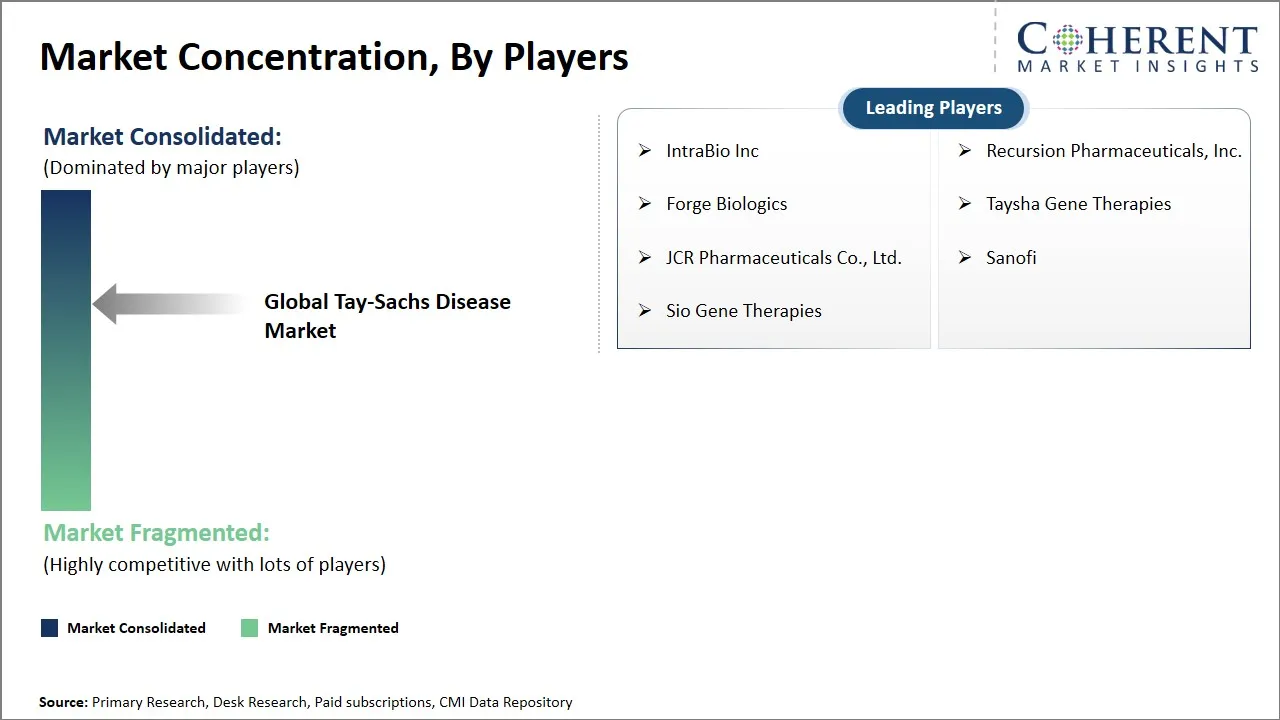
| Companies covered: | IntraBio Inc, Recursion Pharmaceuticals, Inc., Forge Biologics, Taysha Gene Therapies, JCR Pharmaceuticals Co., Ltd., Sanofi, and Sio Gene Therapies | ||
| Growth Drivers: |
| ||
| Restraints & Challenges: |
| ||
Tay-Sachs Disease Market Dynamics
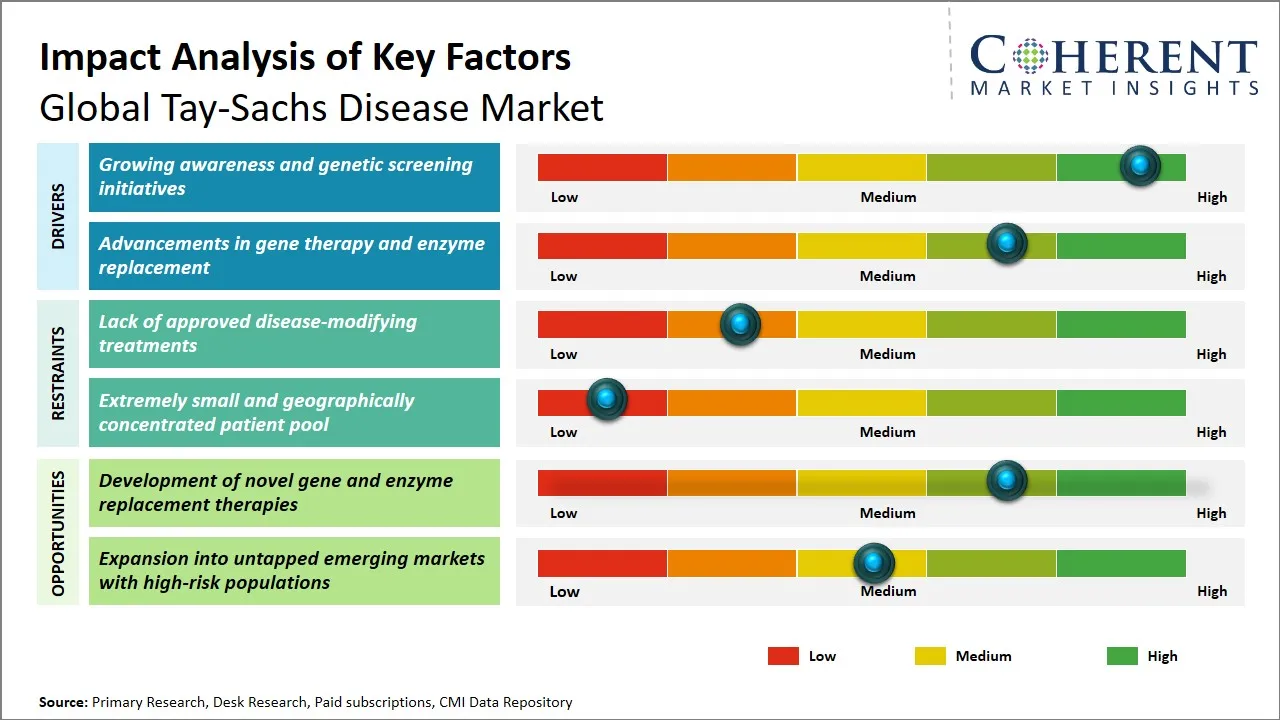
Tay-Sachs Disease Market Driver - Growing Awareness and Genetic Screening Initiatives
The increasing awareness about Tay-Sachs disease, driven by enhanced public health campaigns and advocacy by patient organizations, is a significant factor propelling the demand for early diagnosis and management solutions. As understanding of the genetic nature of Tay-Sachs disease improves among healthcare professionals and at-risk communities, there is a stronger emphasis on preventive measures through genetic counseling and carrier screening programs. These initiatives are gaining traction in regions with higher prevalence rates, encouraging prospective parents to undergo testing before conception or during early pregnancy.
In February 2025, MedGenome a global leader in genomics-driven diagnostics and research services launched its ‘CarefortheRare’ campaign ahead of rare disease day featuring a documentary that highlights the importance of early genomic testing in diagnosing rare conditions and sharing the story of a family impacted by mitochondrial disease to raise awareness about the emotional and financial challenges faced by patients and caregivers while underscoring how genetic testing is transforming rare disease management.
Tay-Sachs Disease Market Opportunity - Development of Novel Gene and Enzyme Replacement Therapies
The global Tay-Sachs disease market presents a significant opportunity driven by advancements in gene and enzyme replacement therapies, which hold promise for altering the disease's progression. Tay-Sachs disease, a rare and fatal genetic disorder caused by a deficiency of the HEXA enzyme, currently has limited therapeutic options, mostly supportive and symptomatic care. However, ongoing research in gene therapy aims to address the root cause by delivering functional copies of the defective HEXA gene into patients’ cells, potentially restoring enzyme activity and preventing neurological deterioration. Concurrently, Enzyme Replacement Therapies (ERT) are being developed to supplement the deficient HEXA enzyme directly, offering a targeted approach to mitigate the accumulation of harmful substrates in the nervous system. Innovations such as viral vector-based gene delivery systems and novel recombinant enzyme formulations are expanding treatment possibilities with improved efficacy and reduced adverse effects.
For example, IntraBio Inc, a biopharmaceutical company focused on developing novel treatments for rare neurodegenerative diseases announced that the U.S. FDA approved its Investigational New Drug application for IB1001-202 a clinical trial of its lead compound IB1001 for Tay-Sachs and Sandhoff disease allowing the study to begin at US sites with plans to expand into the U.K. Germany and Spain marking a key step toward addressing GM2 gangliosidosis which currently has no approved therapies.
Analyst Opinion (Expert Opinion)
- The Tay-Sachs disease market is shaped by ongoing advancements in genetic testing and newborn screening technologies, which are making early detection more accessible and reliable. Supportive regulatory frameworks and growing advocacy from patient groups are also pushing research forward, creating a more favorable environment for innovative therapies, including gene therapy trials. At the same time, challenges such as the high costs of R&D, limited patient populations, and the complexity of conducting clinical trials for rare conditions continue to slow progress. Emerging opportunities lie in collaborations between biotech firms, academic research centers, and governments, which are increasingly pooling resources to address unmet needs. Conferences such as the World Orphan Drug Congress, Rare Disease Day forums, and the International Society for Stem Cell Research (ISSCR) annual meeting have played an important role in recent years, providing platforms where scientists, policymakers, and companies can share findings and explore regulatory pathways for rare genetic disorders like Tay-Sachs.
- Real-world initiatives are also shaping the outlook for this market. For instance, collaborations between MedGenome in India and global research organizations have highlighted the importance of genomics in rare disease detection. In North America, pilot newborn screening programs in states such as Massachusetts and New York are testing the inclusion of Tay-Sachs and other lysosomal storage disorders in standard health protocols. Global efforts, including EU-backed funding for rare disease consortia, are expected to accelerate access to advanced treatments and support development pipelines. These combined initiatives underscore a clear shift toward coordinated, cross-border efforts to address Tay-Sachs disease, signaling cautious optimism for both patients and industry stakeholders.
Speak to the analyst
Want personalized insights?
Take the findings above to one of our principal consultants, or have the report rebuilt around the segments, geographies and competitors you actually track.
Market Segmentation
- Disease Type Insights (Revenue, USD Bn, 2021 - 2033)
- Infantile Tay-Sachs Disease
- Juvenile Tay-Sachs Disease
- Late-Onset Tay-Sachs Disease
- Treatment Type Insights (Revenue, USD Bn, 2021 - 2033)
- Gene Therapy
- N-Acetyl-L-Leucine
- Venglustat (Substrate Reduction Therapy)
- Other Pipeline Drugs/Therapy
- Route of Administration Insights (Revenue, USD Bn, 2021 - 2033)
- Oral
- Parenteral
- Others
- End User Insights (Revenue, USD Bn, 2021 - 2033)
- Hospitals and Specialty Neurology Clinics
- Diagnostic Laboratories and Genetic Centers
- Research and Academic Institutes
- Homecare Settings
- Patient Support Organizations
- Distribution Channel Insights (Revenue, USD Bn, 2021 - 2033)
- Hospital Pharmacies
- Retail Pharmacies
- Online Pharmacies
- Regional Insights (Revenue, USD Bn, 2021 - 2033)
- North America
- U.S.
- Canada
- Latin America
- Brazil
- Argentina
- Mexico
- Rest of Latin America
- Europe
- Germany
- U.K.
- Spain
- France
- Italy
- Russia
- Rest of Europe
- Asia Pacific
- China
- India
- Japan
- Australia
- South Korea
- ASEAN
- Rest of Asia Pacific
- Middle East
- GCC Countries
- Israel
- Rest of Middle East
- Africa
- South Africa
- North Africa
- Central Africa
- North America
- Key Players Insights
- IntraBio Inc
- Recursion Pharmaceuticals, Inc.
- Forge Biologics
- Taysha Gene Therapies
- JCR Pharmaceuticals Co., Ltd.
- Sanofi
- Sio Gene Therapies
Sources
Primary Research Interviews
- Industry Stakeholders List
- Clinical Researchers and Principal Investigators
- Regulatory Affairs Specialists
- Medical Science Liaisons
- Biotechnology R&D Department Heads
- Genetic Counselors Association Representatives
- Hospital Pharmacy and Therapeutics Committee Members
- End Users List
- Patients and Family Advocacy Group Leaders
- Neurologists and Metabolic Specialists
- Genetic Counselors
- Pediatricians
- Medical Geneticists
- Hospital Administrators for Rare Disease Centers
Government and International Databases
- National Institutes of Health (NIH) Genetic and Rare Diseases Information Center
- FDA Center for Drug Evaluation and Research (CDER)
- European Medicines Agency (EMA) Public Assessment Reports
- National Center for Biotechnology Information (NCBI)
- Centers for Disease Control and Prevention (CDC) Genomics and Precision Health
Trade Publications
- STAT News
- Fierce Biotech
- BioWorld
- Pink Sheet
- Endpoints News
- Genetic Engineering & Biotechnology News (GEN)
Academic Journals
- The American Journal of Human Genetics
- Genetics in Medicine
- Journal of Inherited Metabolic Disease
- Molecular Genetics and Metabolism
- Orphanet Journal of Rare Diseases
- The New England Journal of Medicine
Reputable Newspapers
- The New York Times
- The Wall Street Journal
- The Washington Post
- Reuters Health
- Associated Press (AP) Health News
- The Guardian - Science Section
Industry Associations
- National Tay-Sachs and Allied Diseases Association (NTSAD)
- Genetic Alliance
- EveryLife Foundation for Rare Diseases
- Global Genes
- EURODIS - Rare Diseases Europe
- American Society of Gene & Cell Therapy (ASGCT)
Public Domain Resources
- USPTO Patent Database
- SEC EDGAR Database (for public company filings)
- World Health Organization (WHO) International Clinical Trials Registry Platform
- NIH National Library of Medicine
Proprietary Elements
- CMI Data Analytics Tool: Proprietary analytics tool to analyze real-time market trends, consumer behavior, and technology adoption in market
- Proprietary CMI Existing Repository of Information for Last 8 Years
Get access to 250+ pages report
Every segment, forecast, competitor profile and data table behind the analysis above — available for instant download.
- ESOMAR Member
- ISO 9001:2015 Certified
- D-U-N-S Registered
- GDPR & CCPA Compliant
Missing comfort of reading report in your local language? Find your preferred language:
Transform your Strategy with Exclusive Trending Reports
Frequently Asked Questions
The global Tay-Sachs disease market is estimated to be valued at USD 2.81 Bn in 2026 and is expected to reach USD 4.40 Bn by 2033.
The CAGR of the global Tay-Sachs disease market is projected to be 6.6% from 2026 to 2033.
Growing awareness and genetic screening initiatives and advancements in gene therapy and enzyme replacement are the major factors driving the growth of the global Tay-Sachs disease market.
Lack of approved disease-modifying treatments and extremely small and geographically concentrated patient pool are the major factors hampering the growth of the global Tay-Sachs disease market.
In terms of disease type, the infantile Tay-Sachs disease segment is estimated to dominate the market revenue share in 2026.
IntraBio Inc, Recursion Pharmaceuticals, Inc., Forge Biologics, Taysha Gene Therapies, JCR Pharmaceuticals Co., Ltd., Sanofi, and Sio Gene Therapies are the major players.
North America is expected to lead the global Tay-Sachs disease market in 2026.