

Global Tetanus Toxoid Vaccine Market Size and Forecast – 2026 to 2033
The Global Tetanus Toxoid Vaccine Market is estimated to be valued at USD 6.26 Bn in 2026 and is expected to reach USD 9.36 Bn by 2033, exhibiting a compound annual growth rate (CAGR) of 5.9% from 2026 to 2033. This growth is driven by increased awareness about tetanus prevention, expanding vaccination programs, and improvements in healthcare infrastructure across emerging markets. Robust government initiatives and rising investments in vaccine development are also contributing significantly to market expansion.
Key Takeaways of the Global Tetanus Toxoid Vaccine Market
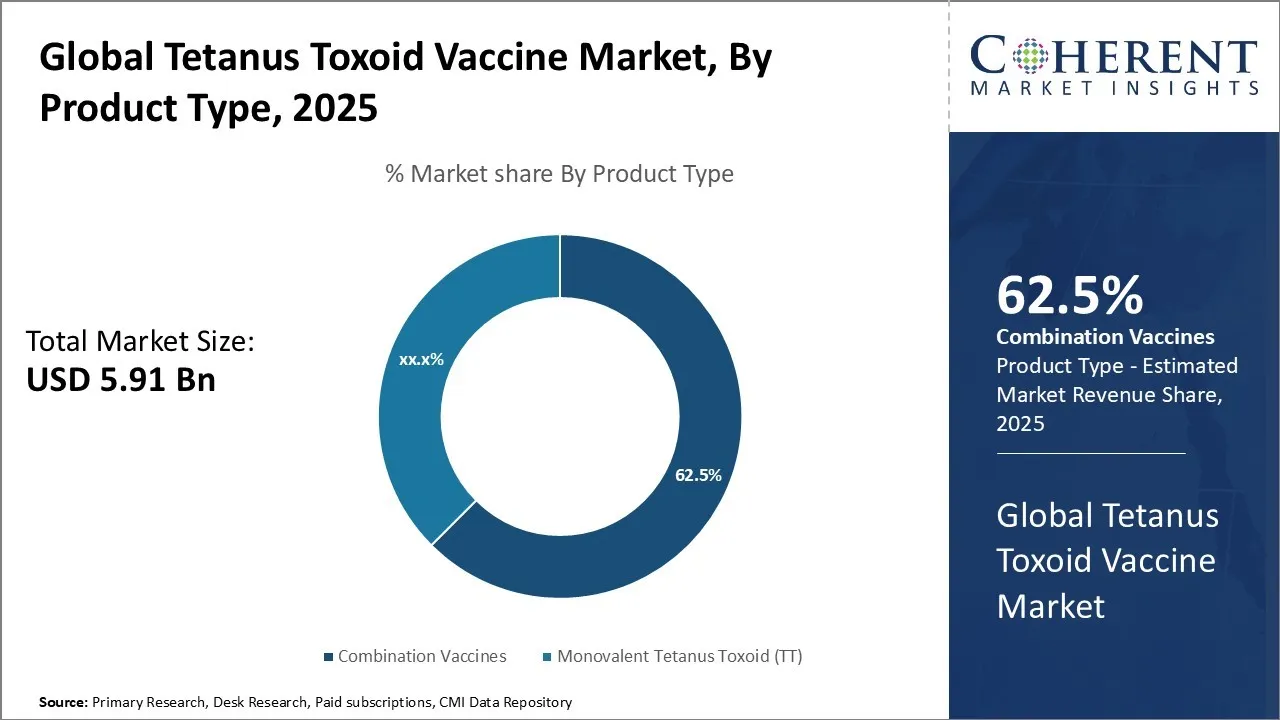
- Combination vaccines are expected to dominate the global tetanus toxoid vaccine market, capturing 63.5% share in 2026. This is primarily due to their ability to provide protection against multiple diseases with a single injection.
- The pediatric segment leads the market, holding an estimated 43.1% share in 2026, as early childhood immunization plays a critical role in disease prevention.
- The male segment is expected to hold a significant share of 56.7% in 2026, driven by occupational risks and targeted vaccination strategies designed specifically for males.
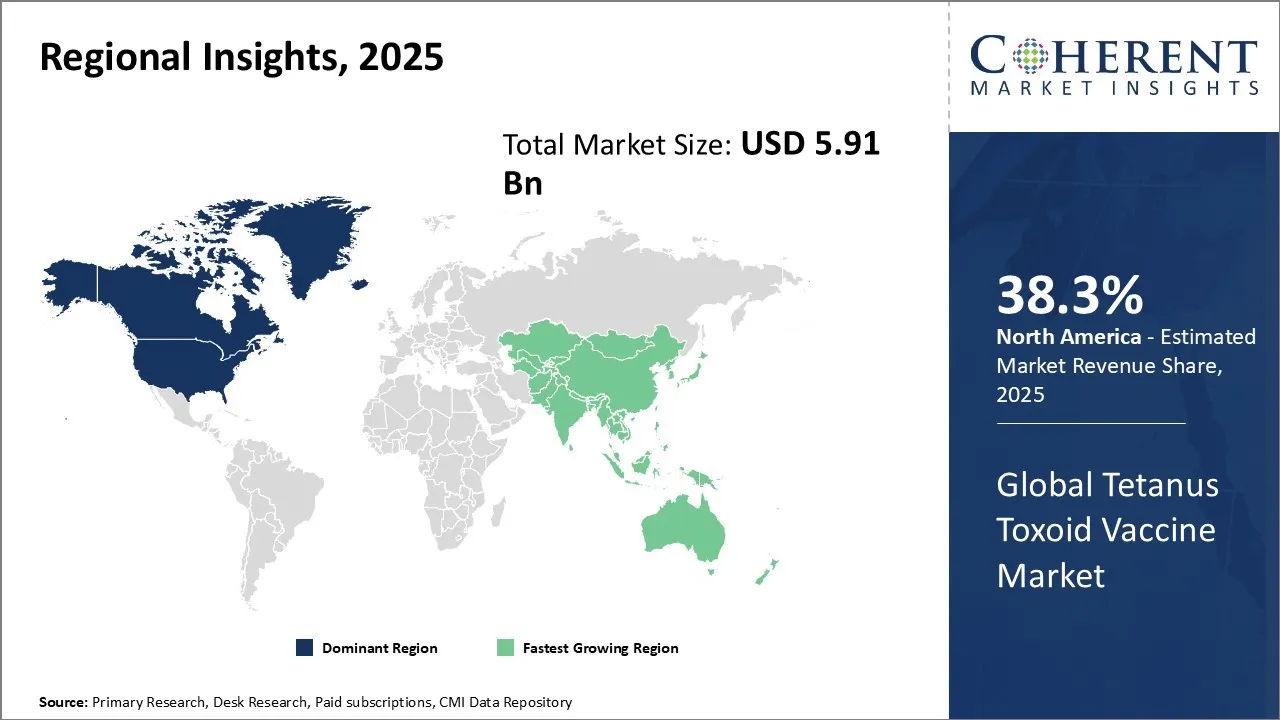
- North America is expected to lead the market, holding a share of 38. 3% in 2026. Asia Pacific is anticipated to be the fastest-growing region, with a market share of 24.5% in 2026.
Market Overview
Current market trends indicate a strong shift towards combination vaccines that include tetanus toxoid, enhancing immunization efficiency and compliance. There is a growing focus on maternal and neonatal immunization campaigns, particularly in regions with high tetanus prevalence. Technological advancements in vaccine formulation, cold chain management, and supply chain logistics are further streamlining distribution. Additionally, increased public-private partnerships and global health initiatives are poised to accelerate adoption, underpinning sustained market growth in the coming years.
Currents Events and their Impact
Current Events | Description and its impact |
First clinical trial of fridge‑free tetanus‑diphtheria vaccine (Stablepharma/SPVX02) |
|
Rising adult booster immunization policies and life‑course strategies |
|
Segmental Insights
- Current Industry Events of 2026
- Market Size Estimation
- Regional Breakdown
- Competitive Landscape
- Customer Intelligence
- Segmental Analysis
- Pricing Analysis
- Key Market Drivers, Challenges & Future Trends
- Customized Insights Section
Tetanus Toxoid Vaccine Market Insights, By Product Type - Combination vaccines contribute the highest share of the market owing to their enhanced immunization efficiency and simplified vaccination schedules
Combination vaccines have emerged as the dominant product type within the global tetanus toxoid vaccine market with an estimated share of 63.5% in 2026, driven primarily by their ability to immunize against multiple diseases with a single shot. This consolidated approach significantly reduces the number of injections required, improving compliance and acceptance, particularly in pediatric and mass immunization programs. Additionally, combination vaccines such as Diphtheria, Tetanus, Pertussis (DTP), Pentavalent (DTP-HepB-Hib), and Hexavalent (DTaP-IPV-Hib-HepB) offer comprehensive protection against several potentially fatal diseases, addressing broader public health goals more efficiently than monovalent tetanus toxoid vaccines alone.
Manufacturing and logistical advantages also drive the prominence of combination vaccines. Reduced storage requirements, fewer distribution challenges, and simplified supply chain management help immunization programs operate more smoothly, particularly in resource-constrained settings. Governments and global health organizations are increasingly promoting combination vaccines through immunization initiatives and funding support, recognizing that these products streamline vaccination schedules and enhance cost-effectiveness in the long run.
In June 2021, Merck & Co., Inc., known as MSD outside the U.S. and Canada, and Sanofi Pasteur, the vaccines division of Sanofi, launched VAXELIS, the first and only hexavalent (six-in-one) combination vaccine in the U.S. Approved for use in children aged 6 weeks to 4 years, VAXELIS helps prevent diphtheria, tetanus, pertussis, poliomyelitis, hepatitis B, and Haemophilus influenzae type b. This vaccine simplifies immunization by reducing the number of shots needed, making it a valuable option for healthcare professionals and parents.
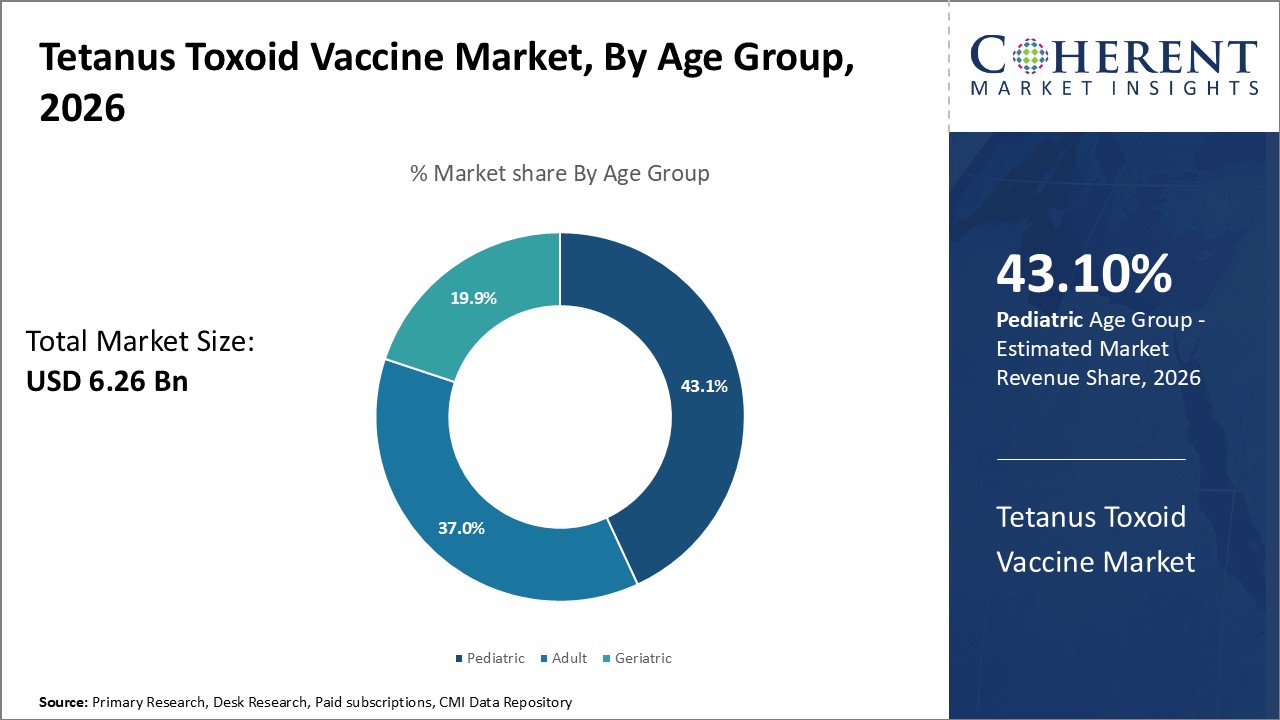
Tetanus Toxoid Vaccine Market Insights, By Age Group - Pediatric segment contributes the highest share of the market driven by critical immunization needs in early childhood and targeted public health policies
The pediatric segment is expected to account for the most significant share of the global tetanus toxoid vaccine market with share of 43.1% in 2026 owing to the critical role of immunization during early childhood. Newborns and young children are particularly vulnerable to tetanus and related infections due to their developing immune systems and higher risk of injuries in everyday environments. Recognizing this, governments and health organizations globally prioritize immunization schedules for children, incorporating tetanus toxoid vaccines as a fundamental component of routine childhood vaccination programs. Immunizing children early not only provides direct protection but also fosters herd immunity, mitigating the community spread of these diseases.
Furthermore, many pediatric vaccines are designed as combination vaccines, directly supporting the prominence of the pediatric segment. Vaccination schedules recommended by organizations such as the WHO and national health agencies emphasize early and repeated doses of tetanus toxoid-containing vaccines to ensure long-term immunity. The focus on childhood vaccination campaigns, especially in low- and middle-income countries where neonatal and maternal tetanus remain significant health concerns, underpins steady demand for pediatric vaccines.
Tetanus Toxoid Vaccine Market Insights, By Gender - Male segment dominates the market influenced by occupational risk factors and targeted vaccination strategies
The male segment is projected to hold the highest share in the global tetanus toxoid vaccine market predominantly due to occupational hazards and targeted immunization strategies aimed at males with a share of 56.7% in 2026. Men are often more exposed to work environments with a higher risk of tetanus infection, such as agriculture, construction, and manual labor sectors where wounds, cuts, and injuries are common and may serve as entry points for Clostridium tetani bacteria. Given this elevated exposure, public health policies frequently recommend or require tetanus booster vaccinations for males engaged in such high-risk occupations.
Additionally, military personnel, primarily male in many countries, receive regular tetanus vaccinations as part of their medical readiness protocols. This institutionalized vaccination creates a consistent demand for tetanus toxoid vaccines within the male demographic. Preventative healthcare campaigns in countries with high incidences of tetanus among adult men also contribute to this trend by promoting booster doses in adult male populations.
Regional Insights
North America Tetanus Toxoid Vaccine Market
North America holds a dominant position in the global tetanus toxoid vaccine market due to its well-established healthcare infrastructure and advanced public health systems with an estimated share of 38.3% in 2026. The region benefits from comprehensive immunization programs supported by both federal and state governments. The U.S., in particular, has a long history of high vaccine coverage and strong adherence to recommended vaccination schedules, including tetanus toxoid vaccines.
Government initiatives, such as routine childhood vaccination and booster shots for adults, play a significant role in maintaining high vaccination rates. In addition, the region is home to some of the largest pharmaceutical companies and vaccine manufacturers, contributing to the availability and accessibility of vaccines. The U.S. and Canada are also equipped with a highly efficient healthcare infrastructure that supports nationwide immunization efforts. This has led to stable and consistent demand for tetanus toxoid vaccines, making North America the largest market in terms of value.
Asia Pacific Tetanus Toxoid Vaccine Market
In contrast, the Asia Pacific region is experiencing the fastest growth in the global tetanus toxoid vaccine market with a share of 24.5% in 2026. This is largely driven by the region's large population base, which includes a significant number of high-risk groups, particularly pregnant women and newborns.
Governments in the Asia Pacific region are strongly committed to expanding immunization coverage, with programs often supported by international organizations such as WHO, UNICEF, and Gavi, the Vaccine Alliance. These partnerships help strengthen vaccination infrastructure and ensure the affordability and availability of vaccines, especially in low- and middle-income countries. The large-scale immunization campaigns in these countries are crucial in preventing the spread of tetanus and are accompanied by public health initiatives aimed at raising awareness of the importance of vaccination.
On July 15, 2026, according to WHO, South Asia achieved its highest-ever immunization coverage in 2024, with 92% of infants receiving the third dose of the DTP vaccine, marking a 2% increase from 2023. This progress reflects strong government leadership, investments, and efforts by frontline health workers. India and Nepal showed significant reductions in the number of zero-dose children, with India reducing its number by 43% and Nepal by 52%. Despite this, Afghanistan continues to face challenges with low coverage.
Global Tetanus Toxoid Vaccine Market Outlook for Key Countries
U.S. Tetanus Toxoid Vaccine Market Trends
In the U.S., the tetanus toxoid vaccine market is experiencing steady growth, driven by increased awareness of immunization and the importance of booster shots for both children and adults. Government health initiatives, such as mandatory vaccination schedules for school entry, have significantly boosted vaccine uptake. Despite the rarity of tetanus cases, sporadic occurrences continue to emphasize the need for ongoing vaccination campaigns and public health education.
In July 2024, the U.S Centers for Disease Control and Prevention enforces mandatory vaccination policies through recommendations from the Advisory Committee on Immunization Practices (ACIP), which guide the use of vaccines like DTaP/Tdap/Td to control preventable diseases. Once approved by the CDC Director, these recommendations become official policy, contributing to high vaccination rates and preventing outbreaks. Such initiatives, including vaccination requirements for school entry, help ensure broad community protection against diseases like diphtheria, tetanus, and pertussis.
U.K. Tetanus Toxoid Vaccine Market Trends
In the U.K., the tetanus toxoid vaccine market is characterized by robust government-supported immunization programs and high public awareness. The National Health Service (NHS) continues to integrate advanced immunization strategies, ensuring broader accessibility through both physical and online platforms. There is a growing preference for combination vaccines, such as Diphtheria, Tetanus, and Pertussis (DTaP) and Tetanus, Diphtheria, and Pertussis (Tdap), particularly in hospitals and specialty clinics. These trends reflect the UK's commitment to maintaining high vaccination coverage and preventing vaccine-preventable diseases.
India Tetanus Toxoid Vaccine Market Trends
India’s tetanus toxoid vaccine market is characterized by large-scale government immunization campaigns under the Universal Immunization Program, targeting vulnerable groups including women of reproductive age and neonates. The presence of Serum Institute of India, one of the world’s largest vaccine producers, significantly influences market supply and pricing. The country’s evolving regulatory environment and increasing healthcare expenditure support sustained vaccination efforts. Collaborations with international health agencies enhance procurement and distribution, positioning India as a critical hub in the global tetanus toxoid vaccine landscape.
In December 2023, Panacea Biotec, a leading Indian pharmaceutical and biotechnology company, launched EasyFourPol in India, a fully liquid pentavalent vaccine (wP-IPV) that protects against diphtheria, tetanus, pertussis, polio, and Haemophilus influenzae type B infections.
China Tetanus Toxoid Vaccine Market Trends
China continues to lead with strong governmental health policies focused on disease prevention and control, supported by substantial investment in vaccine research and manufacturing. Companies like CNBG play a pivotal role in innovative vaccine development and extensive production capacity. China’s integrated public health infrastructure and large population base create continuous demand, while government reforms aimed at improving vaccine accessibility, particularly in rural provinces, further stimulate market growth. Strong export capabilities also enable China to contribute to global vaccination efforts.
In February 2026, CanSino, a Chinese biopharmaceutical company initiated clinical trials for its DTcP-Hib-MCV4 combined vaccine, targeting a wide range of diseases, while its Tdcp vaccine for individuals aged 6 and above reached Phase II/III trials. These advancements reflect CanSino’s ongoing commitment to addressing global vaccine needs through innovative combinations and improved vaccine efficacy.
End User Feedback and Unmet Needs
- In the global tetanus toxoid vaccine market, end-user feedback from public health agencies, immunization program managers, and clinical institutions highlights both operational satisfaction and notable limitations in current vaccine offerings. One positive case has been reported by regional health authorities in Southeast Asia, where the integration of combination vaccines (such as Tdap) into antenatal care programs has led to improved maternal and neonatal coverage rates. Health workers cited the ease of administration, reduced need for multiple injections, and alignment with WHO protocols as key factors supporting uptake. This has been particularly beneficial in rural immunization campaigns, where resource optimization is critical. Additionally, standardized cold-chain-compatible packaging and long-standing safety records have fostered trust and continuity in national immunization strategies.
- However, recurring concerns have been raised around vaccine stability, especially in sub-Saharan Africa and remote Latin American regions. Health ministries and NGO partners have flagged frequent cold-chain disruptions leading to spoilage, delayed campaigns, and increased programmatic costs. Moreover, industrial and occupational health providers—who administer tetanus boosters in high-risk work environments—have highlighted the lack of single-dose adult-format options and limited availability of rapid-response, ready-to-use kits. These limitations point to several unmet needs, including development of thermostable formulations, greater dosing flexibility, and improved last-mile delivery mechanisms. Addressing these gaps not only presents avenues for product innovation and market expansion but also enhances program efficiency, reduces operational risk, and strengthens user confidence—paving the way for stronger public-private collaboration and sustained demand.
Market Players, Key Developments, and Competitive Intelligence
Key Developments
- In March 2025, Trinomab, a biotechnology company specializing in the development of monoclonal antibodies, launched Sintetol, a recombinant anti-tetanus monoclonal antibody that provides protective immunity within just 12 hours for 95.4% of patients. This innovative treatment marks a significant advancement in rapid tetanus protection.
- In August 2024, Pfizer Inc., a global pharmaceutical company known for its innovative medicines and vaccines, reported that its toxoid vaccine candidate (PF-06425090) for Clostridioides difficile did not meet expectations in the Phase III CLOVER trial, showing only 31% efficacy in reducing infections among adults aged 50 and older, without statistical significance.
- In May 2024, ILiAD Biotechnologies, a biotechnology company focused on developing vaccines and immune-based therapies, announced positive Phase 2b trial results for BPZE1, an intranasal pertussis vaccine, in children aged 6 to 17 in the U.K., Australia, and Costa Rica. The study evaluated its immune response and safety, both independently and in combination with the Tdap (Boostrix) vaccine.
- In October 2022, GSK plc (GlaxoSmithKline), a global healthcare company specializing in vaccines, pharmaceuticals, and consumer healthcare products, announced that the U.S. Food and Drug Administration (FDA) approved BOOSTRIX (Tetanus Toxoid, Reduced Diphtheria Toxoid, and Acellular Pertussis Vaccine, Adsorbed; Tdap) for use during the third trimester of pregnancy. BOOSTRIX is the first vaccine approved in the U.S. to protect infants under two months old from pertussis (whooping cough). The Centers for Disease Control and Prevention (CDC) reports that whooping cough affects 15,000 to 48,000 people annually, with infants at high risk of severe complications.
Top Strategies Followed by Global Tetanus Toxoid Vaccine Market Players
- Established market leaders are characterized by their substantial investments in research and development (R&D), which enable them to innovate high-performance vaccines with improved efficacy, safety profiles, and delivery mechanisms. These companies dedicate significant resources to clinical trials and advanced biotechnology to stay at the forefront of vaccine innovation. Additionally, they form strategic partnerships and alliances with major industry players, original equipment manufacturers (OEMs), and government bodies to solidify their dominance and ensure reliable supply chains.
- In March 2021, Cipla, a global pharmaceutical company, launched an affordable tetanus vaccine in South Africa to prevent neonatal and maternal tetanus deaths. Despite South Africa’s successful elimination of maternal and neonatal tetanus in 2002, recent reports show new cases of the disease, highlighting gaps in immunization coverage.
- Mid-level companies in the tetanus toxoid vaccine market adopt strategies tailored to the demands of price-sensitive consumers seeking effective yet affordable vaccination solutions. These companies focus on delivering cost-effective vaccines that strike a balance between quality and accessibility, thereby expanding immunization coverage across broader population segments, especially in low- and middle-income countries. To strengthen their market position, mid-level manufacturers often collaborate with larger pharmaceutical firms, contract manufacturers, or biotech innovators to tap into advanced technologies, scale production, and diversify product portfolios.
- In May 2025, CanSino Biologics, a global biopharmaceutical company focused on vaccine research and development, reported a remarkable 137% revenue growth in 2024, driven by progress in their DTcP (Diphtheria, Tetanus, and Pertussis) program. This surge highlights the success of their advancements in immunization technologies.
- Small-scale players in the global tetanus toxoid vaccine market are increasingly carving a niche by adopting agile strategies and specialized innovations. These companies often focus on developing vaccines with unique delivery formats, novel adjuvants, or thermostable properties that address specific healthcare challenges in resource-limited settings. To stay competitive against large pharmaceutical players, they leverage cutting-edge technologies and streamlined manufacturing to bring novel solutions to market swiftly.
- For example, Biological E. Ltd., an India-based vaccine manufacturer, has carved a niche by producing a wide array of vaccines, including tetanus toxoid, for national immunization programs and global health agencies. Both companies exemplify how smaller firms can compete with larger players by offering unique delivery formats, such as thermostable vaccines or broad access initiatives, to address specific patient needs and regulatory demands.
Market Report Scope
Tetanus Toxoid Vaccine Market Report Coverage
| Report Coverage | Details | ||
|---|---|---|---|
| Base Year: | 2025 | Market Size in 2026: | USD 6.26 Bn |
| Historical Data for: | 2020 To 2024 | Forecast Period: | 2026 To 2033 |
| Forecast Period 2026 to 2033 CAGR: | 5.9% | 2033 Value Projection: | USD 9.36 Bn |
| Geographies covered: |
| ||
| Segments covered: |
| ||
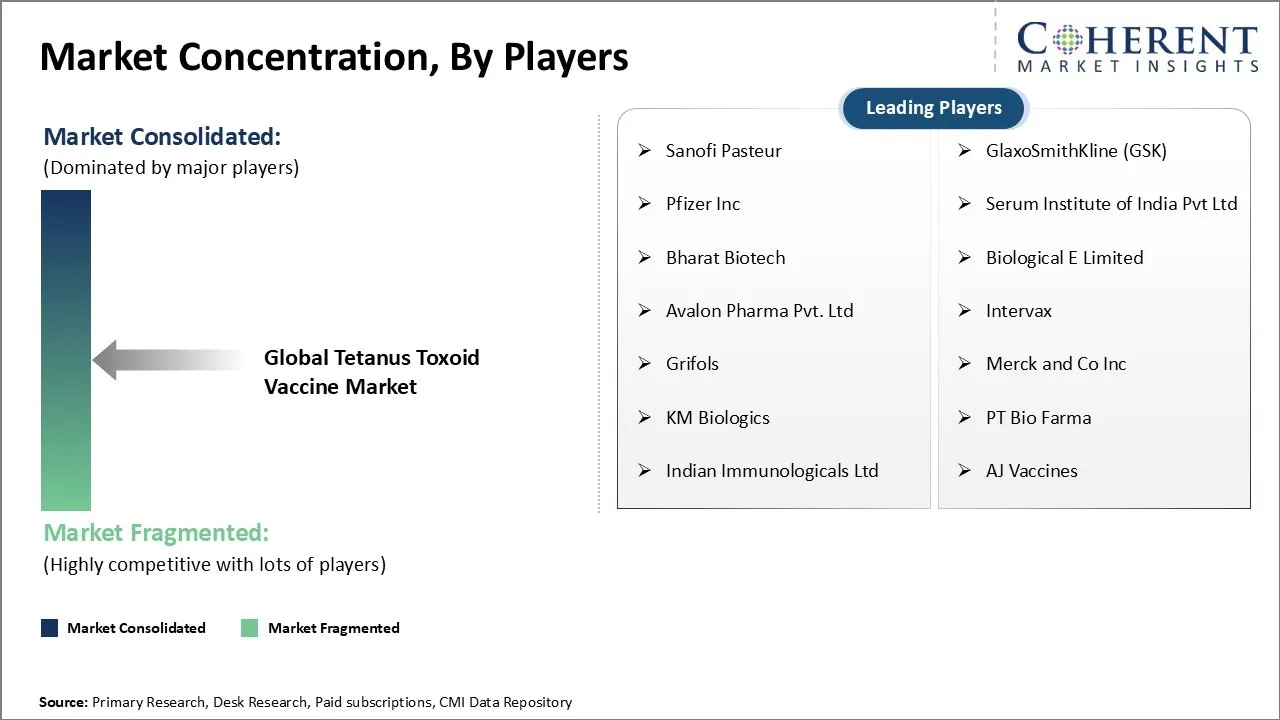
| Companies covered: | Sanofi Pasteur, GlaxoSmithKline (GSK), Pfizer Inc, Serum Institute of India Pvt Ltd, Bharat Biotech, Biological E Limited, Avalon Pharma Pvt. Ltd, Intervax, Grifols, Merck and Co Inc, KM Biologics, PT Bio Farma, Indian Immunologicals Ltd, and AJ Vaccines | ||
| Growth Drivers: |
| ||
| Restraints & Challenges: |
| ||
Tetanus Toxoid Vaccine Market Dynamics
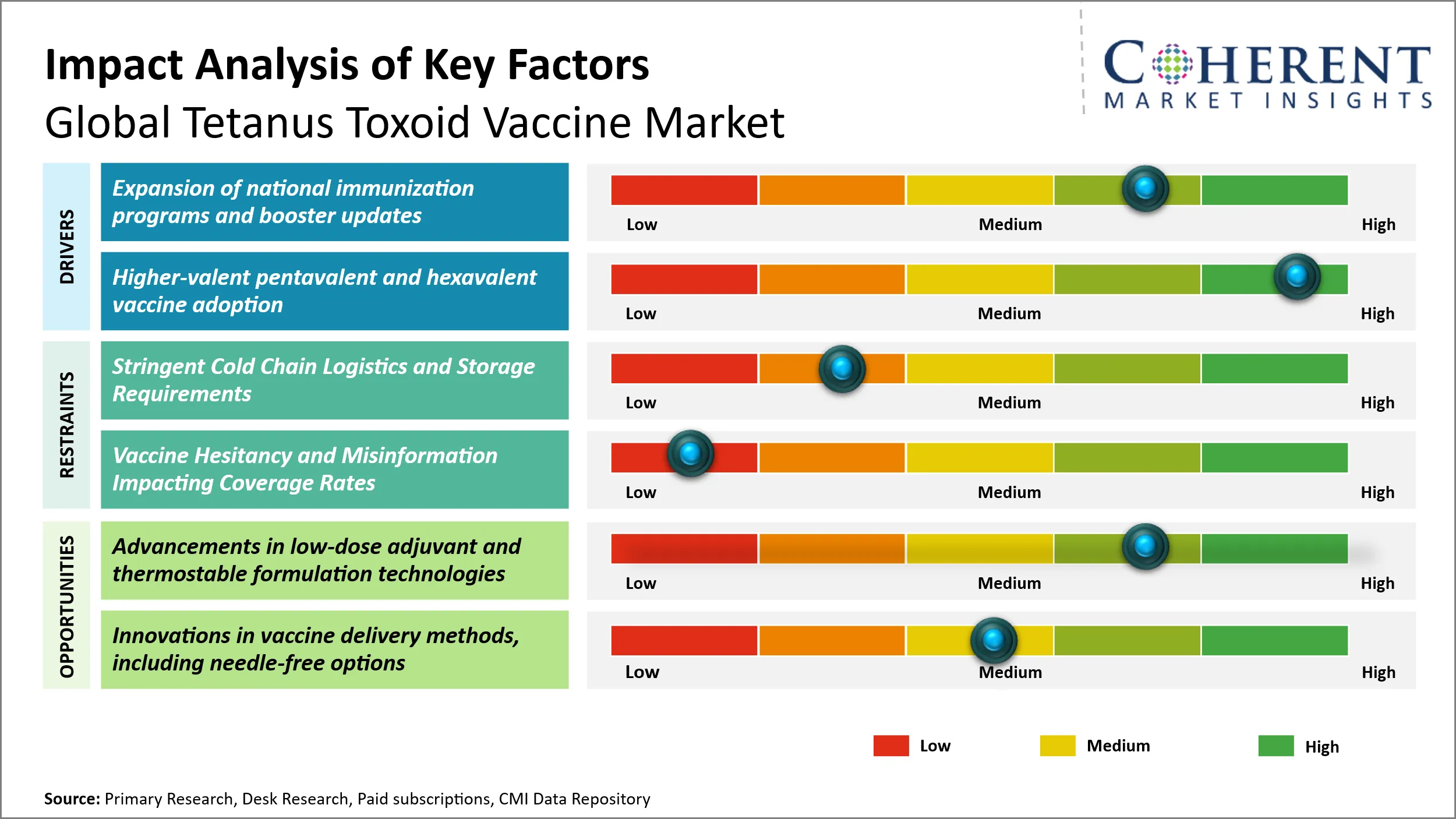
Tetanus Toxoid Vaccine Market Driver - Expansion of National Immunization Programs And Booster Updates
The expansion of national immunization programs across developing and developed countries serves as a critical driver for the global tetanus toxoid vaccine market. Governments are increasingly prioritizing maternal and neonatal health by incorporating tetanus toxoid vaccines into their routine immunization schedules to prevent neonatal tetanus, which remains a significant cause of infant mortality in low-resource settings. Furthermore, the growing awareness regarding the importance of booster doses among healthcare providers and the general population is encouraging regular uptake beyond the initial vaccination series. This shift is fueled by updated immunization guidelines recommending periodic tetanus booster shots throughout adulthood to maintain long-term immunity, especially for vulnerable groups such as pregnant women, healthcare workers, and individuals in high-risk occupations. Additionally, public health campaigns and improved healthcare infrastructure facilitate wider vaccine accessibility and compliance, reinforcing the sustained demand for tetanus toxoid vaccines. These efforts collectively enhance vaccine coverage and protection, thereby driving the market’s expansion globally.
In July 2024, the World Health Organization (WHO) reported that 85% of infants worldwide received three doses of the DTP vaccine, protecting against diphtheria, tetanus, and pertussis. However, 14.3 million children still missed out on any vaccination, highlighting ongoing challenges in immunization coverage. The HPV vaccine coverage for girls increased to 31% in 2024, showing positive growth, although still below the 2030 target. The Malaria Vaccine Implementation Programme saw success in Ghana, Kenya, and Malawi, leading to plans for 30 countries in Africa to introduce malaria vaccines into their national schedules. WHO continues to prioritize the elimination of maternal and neonatal tetanus, with programs rolling out in countries like Afghanistan, Nigeria, and Pakistan to address these persistent health issues. These initiatives are vital for achieving global immunization goals by 2030.
Tetanus Toxoid Vaccine Market Opportunity - Advancements in low-dose adjuvant and thermostable formulation technologies
The tetanus toxoid vaccine market is experiencing significant opportunities due to advancements in low-dose adjuvant and thermostable formulation technologies. These innovations are enhancing vaccine efficacy and accessibility, particularly in resource-limited settings. Low-dose adjuvants help in reducing the required dose of the vaccine while maintaining its effectiveness, thus improving cost-efficiency and making vaccines more widely available.
For example, the development of thermostable formulations allows vaccines to be stored and transported without the need for cold chains, which is crucial for regions with limited refrigeration infrastructure. Companies like Serum Institute of India and Bharat Biotech are at the forefront of these advancements, enabling broader vaccine distribution in low-income areas and improving immunization coverage globally. These technologies align with global health goals, including those of Gavi and WHO, to make vaccines more accessible in developing countries.
Analyst Opinion (Expert Opinion)
- The Tetanus Toxoid Vaccine Market is poised for steady growth, driven by several key factors, including increasing government support for immunization programs, technological advancements in vaccine formulations, and rising demand for combination vaccines. Regulatory bodies such as the WHO, UNICEF, and Gavi continue to play a significant role in facilitating access to vaccines in low-income countries, while collaborations between vaccine manufacturers and governments are ensuring widespread distribution. Additionally, growing awareness about maternal and neonatal tetanus elimination is further driving market growth, particularly in developing regions.
- Emerging opportunities in the market are centered around the development of more advanced vaccines with improved stability and reduced dosage requirements. Notable challenges, however, include vaccine hesitancy, logistical challenges in reaching underserved areas, and regulatory hurdles. Key events such as the Global Vaccine Safety Initiative and World Health Assembly continue to foster discussions on vaccine accessibility and safety, driving policy reforms. Programs like the Maternal and Neonatal Tetanus Elimination Initiative (MNTE) have made significant strides in reducing tetanus cases globally, exemplifying the impact of government and global health collaborations on the market’s future.
Speak to the analyst
Want personalized insights?
Take the findings above to one of our principal consultants, or have the report rebuilt around the segments, geographies and competitors you actually track.
Market Segmentation
- Product Type Insights (Revenue, USD Bn, 2021 - 2033)
- Combination Vaccines
- Diphtheria, Tetanus, Pertussis (DTP/DTwP/DTaP)
- Tetanus, Diphtheria (Td)
- Tetanus, Diphtheria, Pertussis (Tdap)
- Tetanus, Diphtheria, Pertussis, Polio (DTaP-IPV / Tdap-IPV)
- Tetanus, Diphtheria, Pertussis, Haemophilus influenzae type b, Hepatitis B (Pentavalent: DTP-HepB-Hib)
- Tetanus, Diphtheria, Pertussis, Polio, Haemophilus influenzae type b (Hexavalent: DTaP-IPV-Hib-HepB)
- Monovalent Tetanus Toxoid (TT)
- Combination Vaccines
- Age Group Insights (Revenue, USD Bn, 2021 - 2033)
- Pediatric
- Adult
- Geriatric
- Gender Insights (Revenue, USD Bn, 2021 - 2033)
- Male
- Female
- Application Insights (Revenue, USD Bn, 2021 - 2033)
- Routine Immunization (Primary Series and Boosters)
- Wound Management (Post-exposure Prophylaxis)
- Maternal Immunization (Preventing Maternal and Neonatal Tetanus)
- Travel Immunization
- Occupational Health (High-risk professions)
- Others (Rehabilitation Centers, etc.)
- End User Insights (Revenue, USD Bn, 2021 - 2033)
- Hospitals
- Clinics and Vaccination Centers
- Community Health Centers
- Occupational Health Settings
- Others (Academic and Research Institutions)
- Distribution Channel Insights (Revenue, USD Bn, 2021 - 2033)
- Public Sector
- Private Sector
- Regional Insights (Revenue, USD Bn, 2021 - 2033)
- North America
- U.S.
- Canada
- Latin America
- Brazil
- Argentina
- Mexico
- Rest of Latin America
- Europe
- Germany
- U.K.
- Spain
- France
- Italy
- Russia
- Rest of Europe
- Asia Pacific
- China
- India
- Japan
- Australia
- South Korea
- ASEAN
- Rest of Asia Pacific
- Middle East
- GCC Countries
- Israel
- Rest of Middle East
- Africa
- South Africa
- North Africa
- Central Africa
- North America
- Key Players Insights
- Sanofi Pasteur
- GlaxoSmithKline (GSK)
- Pfizer Inc
- Serum Institute of India Pvt Ltd.
- Bharat Biotech
- Biological E Limited
- Avalon Pharma Pvt. Ltd
- Intervax
- Grifols
- Merck and Co Inc.
- KM Biologics
- PT Bio Farma
- Indian Immunologicals Ltd.
- AJ Vaccines
Sources
Primary Research Interviews
Industry Stakeholders List
- Vaccine Manufacturing Plant Managers
- Regulatory Affairs Officers (Pharma)
End Users List
- Immunization Program Officers (Ministry of Health)
- Public Hospital Procurement Heads
Government and International Databases
- World Health Organization (WHO)
- UNICEF Immunization Data
- Centers for Disease Control and Prevention (CDC)
- National Institutes of Health (NIH)
- European Medicines Agency (EMA)
- Ministry of Health and Family Welfare (India)
- Pan American Health Organization (PAHO)
- U.S. Food and Drug Administration (FDA)
Trade Publications
- The Pharma Letter
- FiercePharma
- Pharmaceutical Technology
- Vaccine Nation
- BioPharma Dive
Academic Journals
- The Lancet Infectious Diseases
- Vaccine (Elsevier)
- Journal of Infectious Diseases
- Bulletin of the World Health Organization
- Clinical Infectious Diseases
Reputable Newspapers
- The New York Times – Health Section
- The Guardian – Global Development
- The Times of India – Health
- The Washington Post – Science & Health
- BBC News – Health
Industry Associations
- Developing Countries Vaccine Manufacturers Network (DCVMN)
- International Federation of Pharmaceutical Manufacturers & Associations (IFPMA)
- Biotechnology Innovation Organization (BIO)
- GAVI, The Vaccine Alliance
- International Vaccine Institute (IVI)
Public Domain Resources
- WHO Immunization Coverage Data Portal
- UNICEF Data: Monitoring the Situation of Children and Women
- Global Health Observatory (GHO) Data Repository
- National Health Mission (India) Portal
- Open Government Data (OGD) Platform
Proprietary Elements
- CMI Data Analytics Tool: Proprietary analytics tool to analyze real-time market trends, consumer behavior, and technology adoption in market
- Proprietary CMI Existing Repository of Information for Last 8 Years
Get access to 250+ pages report
Every segment, forecast, competitor profile and data table behind the analysis above — available for instant download.
- ESOMAR Member
- ISO 9001:2015 Certified
- D-U-N-S Registered
- GDPR & CCPA Compliant
Missing comfort of reading report in your local language? Find your preferred language:
Transform your Strategy with Exclusive Trending Reports
Frequently Asked Questions
The global tetanus toxoid vaccine market is estimated to be valued at USD 6.26 Bn in 2026 and is expected to reach USD 9.36 Bn by 2033.
The CAGR of global tetanus toxoid vaccine market is projected to be 5.9% from 2026 to 2033.
Expansion of national immunization programs and booster updates and higher-valent pentavalent and hexavalent vaccine adoption are the major factors driving the growth of the global tetanus toxoid vaccine market.
Stringent cold chain logistics and storage requirements and vaccine hesitancy and misinformation impacting coverage rates are the major factors hampering the growth of the global tetanus toxoid vaccine market.
In terms of product type, combination vaccines are estimated to dominate the market revenue share in 2026.
Sanofi Pasteur, GlaxoSmithKline (GSK), Pfizer Inc, Serum Institute of India Pvt Ltd, Bharat Biotech, Biological E Limited, Avalon Pharma Pvt. Ltd, Intervax, Grifols, Merck and Co Inc, KM Biologics, PT Bio Farma, Indian Immunologicals Ltd, and AJ Vaccines are the major players.
North America is expected to lead the global tetanus toxoid vaccine market in 2026.