

Global Topical Analgesic Market Size and Forecast – 2026 - 2033
The Global Topical Analgesic Market is estimated to be valued at USD 12.89 Bn in 2026 and is expected to reach USD 20.03 Bn by 2033, exhibiting a compound annual growth rate (CAGR) of 6.5% from 2026 to 2033. This growth is driven by increasing prevalence of chronic pain conditions, rising geriatric population, and growing consumer preference for non-invasive pain relief methods. Expanding distribution channels and advancements in topical formulations further contribute to the market’s robust expansion over the forecast period.
Key Takeaways of the Global Topical Analgesic Market
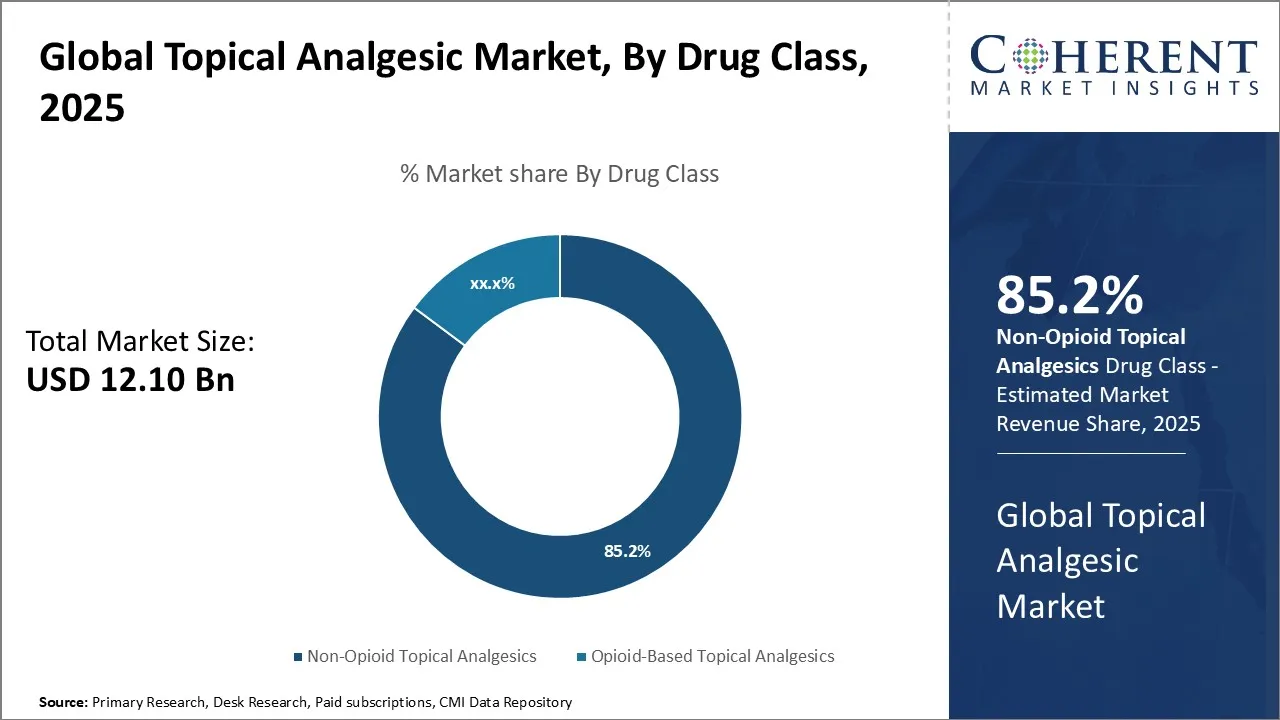
- In terms of drug class, non-opioid topical analgesics account for the largest share of the global topical analgesic market, capturing an estimated 86.2% in 2026. This dominance is primarily attributed to their strong safety profile and broad therapeutic use across diverse pain conditions.
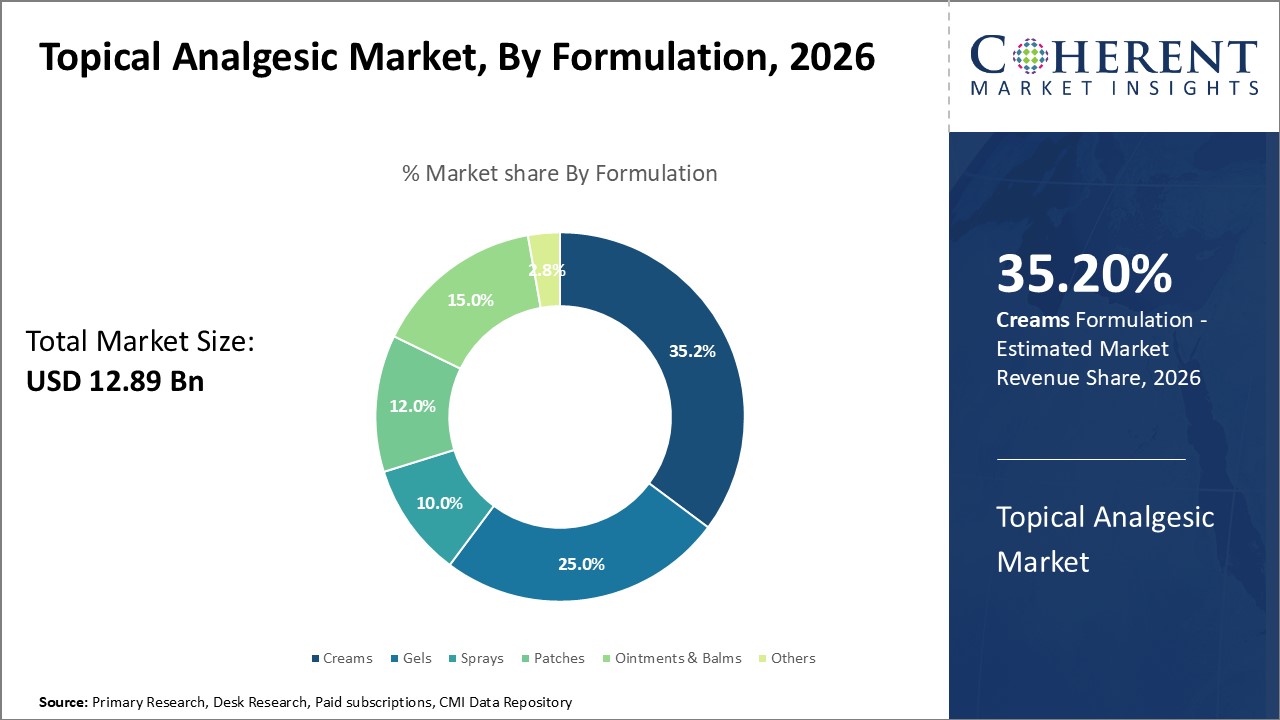
- Among formulation, creams lead the market with an estimated 35.2% share in 2026, favored for their ease of application, patient-friendly characteristics, and compatibility with a wide range of active ingredients.
- Within the therapeutic application segment, back pain is expected to emerge as the leading therapeutic application in the topical analgesic market, representing 24.5 % of the market share in 2026 and holding the largest individual share among all musculoskeletal conditions.
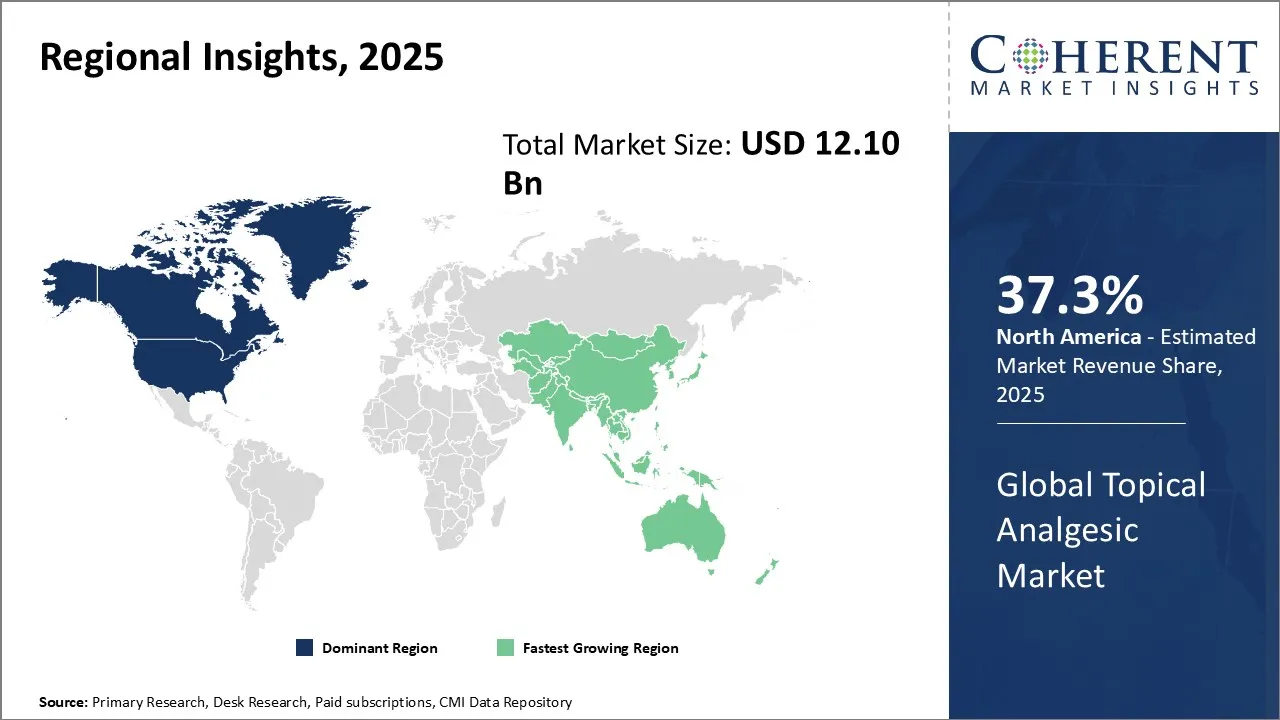
- North America is expected to lead the market, holding a share of 37.3 % in 2025.
- Asia Pacific is anticipated to be the fastest-growing region, with a market share of 28.2 % in 2025.
Market Overview
Key trends shaping the topical analgesic market include a strong shift towards natural and herbal ingredients, reflecting consumer demand for safer and side-effect-free options. Additionally, technological innovations such as transdermal patches and enhanced drug delivery systems are improving product efficacy and user convenience. Furthermore, growing awareness of pain management and increasing healthcare expenditures globally are fueling market penetration in emerging economies. These trends position the topical analgesic market for sustained growth and diversified product development in the coming years.
Current Events and Its Impact
Current Events | Description and its impact |
U.S. FDA Approval of EBGLYSS by Eli Lilly and Company |
|
Heightened Focus on Opioid Crisis & Alternatives |
|
Segmental Insights
- Current Industry Events of 2026
- Market Size Estimation
- Regional Breakdown
- Competitive Landscape
- Customer Intelligence
- Segmental Analysis
- Pricing Analysis
- Key Market Drivers, Challenges & Future Trends
- Customized Insights Section
Topical Analgesic Market Insights, by Drug Class - Non-Opioid Topical Analgesics is Dominant as it Provides Effective Localized Pain Relief Without Addiction Risk or Significant Systemic Side Effects
In terms of drug class, non-opioid topical analgesics hold the largest share in the global topical analgesic market with an estimated 86.2% in 2026, primarily driven by their favorable safety profile and widespread therapeutic applicability. This segment includes a variety of agents such as Non-Steroidal Anti-Inflammatory Drugs (NSAIDs) – including Diclofenac, Ibuprofen, Ketoprofen, and Piroxicam – along with Capsaicin-based analgesics, Methyl Salicylate, Lidocaine, and other local anesthetics. The increasing preference for non-opioid formulations is a fundamental factor propelling growth in this segment, given the global concerns around opioid dependency and associated side effects. Patients and healthcare providers alike are leaning towards non-opioid options that provide effective localized pain relief without the systemic risks linked to opioids.
The array of non-opioid agents caters to a broad spectrum of pain conditions, from musculoskeletal discomfort to neuropathic pain, enhancing their market penetration. NSAIDs, for instance, are renowned for their anti-inflammatory action, especially relevant in conditions like arthritis and sports injuries. Their topical application reduces systemic exposure, minimizing gastrointestinal and cardiovascular side effects, which are commonly observed with oral administration. Similarly, Capsaicin-based products work by desensitizing pain receptors, offering another mechanism of action that appeals to users seeking alternatives to traditional analgesics.
Topical Analgesic Market Insights, By Formulation - Creams Lead Formulation Choices Due to Ease of Use and Therapeutic Versatility
Among the various formulation types in the topical analgesic market, creams secure the largest share with an estimated 35.2% in 2026 due to their convenience, patient-friendly properties, and broad therapeutic compatibility. Creams are semi-solid emulsions that combine water and oil, allowing for effective absorption and hydration of the skin, which aids in delivering active pharmaceutical ingredients efficiently through the dermal layers. This balance of ease in application and comfort on the skin makes creams the preferred choice among consumers and healthcare providers.
One of the principal growth drivers of creams is their versatility in treating varied pain conditions. Unlike ointments that tend to be greasier or gels that can sometimes dry out skin, creams provide a non-greasy texture that is aesthetically more acceptable and easier to spread, improving patient adherence to treatment regimens.
In August 2024 , Advil, one of the flagship pain relief brand under Haleon (formerly part of GSK Consumer Healthcare), debuted its first topical solution with Advil Targeted Relief. This over-the-counter cream combines four potent pain-relieving ingredients to deliver focused relief for up to 8 hours, addressing back pain, muscle soreness, sprains, strains, and arthritis.
Topical Analgesic Market Insights, By Therapeutic Application - Back Pain Dominates the Topical Analgesic Market Due to its Widespread Prevalence Across All Age Groups and Rising Sedentary Lifestyles
Back pain stands out as the dominant therapeutic application within the topical analgesic market with an estimated share of 24.5% in 2026, accounting for the largest individual share among musculoskeletal conditions. This is primarily because back pain is one of the most common health complaints worldwide, affecting individuals across all age groups and occupations. The rise in sedentary workstyles, prolonged screen time, and poor ergonomic practices has significantly increased the incidence of both acute and chronic back pain. Additionally, aging populations experience a higher prevalence of degenerative spine conditions, such as lumbar spondylosis and disc-related disorders, further expanding the pool of patients seeking effective pain relief options.
Topical analgesics have become an essential tool for managing back pain, as they deliver targeted relief directly to the affected area without the systemic exposure of oral medications. Patients prefer these formulations for their ease of use, fast onset of action, and minimal risk of gastrointestinal or cardiovascular side effects. The convenience of applying creams, gels, or patches at home combined with their proven effectiveness in reducing inflammation and discomfort makes topical analgesics the first-line choice for many individuals looking to maintain mobility and quality of life despite recurrent back pain episodes.
Regional Insights
North America Topical Analgesic Market Analysis and Trends
In North America, the dominance in the Global Topical Analgesic Market is driven by a highly developed healthcare infrastructure with an estimated share of 37.3% in 2026, strong presence of multinational pharmaceutical companies, and increased consumer awareness regarding pain management therapies. The region benefits from favorable government policies that facilitate research and development, regulatory approvals, and reimbursement frameworks encouraging the use of topical analgesics. The ecosystem includes prominent players such as Johnson & Johnson, Pfizer, and Johnson & Johnson’s subsidiary Janssen Pharmaceuticals, which have significantly contributed to product innovation and market penetration. Additionally, established distribution channels and widespread adoption of over-the-counter (OTC) topical analgesics contribute to consistent demand.
For Instance, in March 2021, Hisamitsu America, the division of Japan-based Hisamitsu Pharmaceutical Co.,a global leader in transdermal drug delivery and makers of the Salonpas brand—has launched Salonpas Arthritis Pain Relief Gel. The product contains prescription-strength diclofenac, an U.S. FDA-approved Over-the-Counter Nonsteroidal Anti-Inflammatory Drug clinically proven to relieve arthritis pain in major joints. Known for introducing the first U.S. FDA-approved over the counter topical pain reliever in 2008, Salonpas continues to lead the U.S. topical pain relief market with its science-backed approach
Asia Pacific Topical Analgesic Market Analysis and Trends
Meanwhile, the Asia Pacific region is expected to exhibit the fastest growth trajectory, fueled by expanding healthcare access, rising disposable incomes, and growing awareness about pain relief solutions with share of 28.2% in 2026. The increasing prevalence of musculoskeletal disorders and a large aging population underpin the rising demand. The region also benefits from government initiatives aimed at enhancing healthcare infrastructure and encouraging local pharmaceutical manufacturing.
Countries like China, India, Japan, and South Korea represent crucial hubs due to their large patient populations and improving regulatory frameworks. The region’s trade facilitation through free trade agreements and improved logistics infrastructure further accelerates product availability and adoption. For Instance, in February 2026, Wellnex Life, an Australian health and wellness company, secured market authorisation from the Therapeutic Goods Administration (TGA) for its new liquid paracetamol plus caffeine soft gel. This approval supports the company’s global expansion, including its entry into the UK market, and adds to its existing TGA-approved products like liquid paracetamol and liquid mini-ibuprofen.
Global Topical Analgesic Market Outlook for Key Countries
U.S. Topical Analgesic Market Trends
The U.S. remains the cornerstone of the topical analgesic market, driven primarily by high consumer awareness and demand for innovative formulations, including non-opioid alternatives & new product launches. Moreover, regulatory support from the U.S. FDA ensures product safety and efficacy, fostering consumer confidence. The extensive healthcare provider network and retail presence enable wide accessibility, while consumers increasingly prefer non-invasive pain management options, boosting topical analgesic usage.
For instance, in April 2026, Kingsway Pharmaceuticals launched PBZ OTC Pyribenzamine Antihistamine Cream, the first new topical antihistamine in 50 years, available in Target stores nationwide starting in April 2026. Powered by Tripelennamine HCL, PBZ OTC provides fast relief from itching caused by insect bites, poison ivy, sunburn, and more. Safe for use with oral allergy medications, it is family-friendly and suitable for ages 2 and up.
Canada Topical Analgesic Market Trends
The Canada topical analgesic market is experiencing steady growth driven by strong regulatory support for over-the-counter non-opioid formulations, widespread consumer access through pharmacies and online channels, and rising demand for advanced, fast-acting products such as medicated creams and patches. An aging population with high awareness of chronic pain management is fueling consistent use, while healthcare providers increasingly recommend topical NSAIDs as safer alternatives to oral medications. Manufacturers are investing in innovative delivery systems & agreements to improve efficacy and convenience, positioning Canada as an attractive market for both established brands and new entrants.
For instance, in February 2026, Apotex Inc., Canada’s largest pharmaceutical company, has signed a licensing deal with Germany-based Grünenthal, a global leader in pain management, to gain exclusive Canadian rights to Qutenza a topical, non-opioid patch used for treating neuropathic pain.
Germany Topical Analgesic Market Trends
The market in Germany benefits from its advanced healthcare infrastructure and strong insurance coverage that promotes access to topical analgesics. The German demographic, marked by a significant elderly population, sustains consistent demand for pain management products. The country’s stringent regulatory standards ensure high product quality, which in turn reinforces consumer trust and sustains market growth. Germany also benefits from a well-established pharmaceutical manufacturing base that supports both domestic demand and export expansion across Europe.
Reflecting this strong regulatory and manufacturing ecosystem, in October 2024, LEO Pharma A/S—a global leader in medical dermatology—chose Germany as the first market to launch Anzupgo (delgocitinib) cream. This innovative product is the first topical treatment specifically approved for adults with moderate to severe Chronic Hand Eczema (CHE) who cannot be adequately treated with topical corticosteroids. The introduction of Anzupgo underscores how Germany’s advanced regulatory environment and mature healthcare infrastructure create an attractive landscape for pioneering dermatological therapies to enter the market and set new standards of care.
India Topical Analgesic Market Trends
The market in India is emerging rapidly, supported by increasing healthcare awareness, improved rural healthcare access, and rising disposable incomes. The growing prevalence of arthritis and muscular pain conditions fuels demand for topical analgesics. Domestic pharmaceutical companies such as Lupin Limited and Sun Pharmaceutical Industries are actively expanding their product portfolios, blending traditional ingredients with modern formulations to cater to diverse consumer preferences in topical pain relief. Policy measures supporting generic drug production and facilitating easier market entry further strengthen this growth momentum.
For instance, in September 2024, Mankind Pharma—a leading Indian pharmaceutical company known for its extensive range of consumer healthcare products—launched Nimulid Strong, a topical analgesic gel and spray containing 2X diclofenac concentration. Specifically designed to target neck pain, the product rollout was supported by the #GardanHilaateRaho campaign, highlighting the importance of neck mobility in maintaining effective communication. This example reflects how companies are innovating high-potency formulations and leveraging targeted marketing to address specific pain management needs and drive consumer engagement.
Market Players, Key Developments, and Competitive Intelligence
Key Developments
- On July 07, 2025, Composition Health Inc., a U.S.-based innovator in plant-based wellness solutions, has launched Zantha Products, the world’s first xanthohumol-based topical pain relief creams. Derived from hops, xanthohumol is a potent natural flavonoid with anti-inflammatory and antioxidant properties. The new creams deliver fast-absorbing relief for muscle and joint pain without synthetic additives. All sourcing, production, and distribution are handled domestically to ensure high quality. Composition Health develops science-driven, natural health products through proprietary processes.
- In June 2025, Compass Health Brands, a leader in recovery and wellness solutions, launched Picklebalm, the first pain relief cream tailored for the 48 million pickleball players across the U.S. Featuring a proprietary C.A.L.M. formula with Cucumber Seed Extract, Arnica, Lidocaine, and Menthol, Picklebalm delivers fast, targeted relief for strains and soreness common in the sport. With fresh green tea and sage scent and modern packaging, it helps players stay active longer without the typical medicinal smell. Compass Health Brands specializes in innovative health products that enhance active lifestyles.
- In May 2025, Innocan Pharma Corporation Ltd., an Israel- and Canada-based biotech company specialising in cannabinoid-based therapies, has received its first fully granted patent in Mexico for a proprietary cannabis-based topical pain relief formulation. The patent covers a unique blend of cannabidiol and minerals, clinically shown to provide fast, targeted pain relief within 20 minutes—marking a key milestone in Innocan’s expanding intellectual property portfolio.
- In September 2024, Organon, a global healthcare company focused on improving women’s health, has announced its agreement to acquire Dermavant Sciences, a Roivant company specialising in immuno-dermatology. The deal includes VTAMA (tapinarof) cream, 1%, a novel, non-steroidal topical treatment approved for adult plaque psoriasis and currently under U.S. FDA review for atopic dermatitis in patients aged two and older.
Top Strategies Followed by Global Topical Analgesic Market Players
- Established players in the global topical analgesic market are focusing on extensive research and development to innovate high-performance products. These companies invest heavily in research & development to create new formulations, delivery methods, and technologies that improve effectiveness and user experience, helping them maintain a competitive edge and strengthen their market position.
- For Example, in December 2022, Lupin, global pharmaceutical company announced the launch of its generic version of Pennsaid, a treatment for knee pain caused by osteoarthritis, in the U.S. The company's product, Diclofenac Sodium Topical Solution 2%, is the generic equivalent of Horizon Pharma Therapeutics' Pennsaid.
- Mid-level players in the global topical analgesic market are focusing on delivering cost-effective solutions to target price-sensitive consumers. They develop quality products that offer value for money, without compromising on effectiveness. By providing affordable alternatives to premium brands, these companies aim to capture a significant share of the market, particularly in emerging economies where price is a key consideration for consumers.
- For Example, Biofreeze, a mid-level player in the global topical analgesic market, focuses on providing affordable and effective pain relief products, such as Biofreeze Pain Reliever Gel particularly for muscle and joint pain. Biofreeze has gained significant market share by offering cost-effective solutions to price-sensitive consumers, particularly in emerging markets.
- Small-scale players in the global topical analgesic market often focus on niche specialization to differentiate themselves from the competition. They develop unique products with innovative features that cater to specific market segments or customer needs. By targeting niche markets, these companies can establish a loyal customer base and generate significant revenue, despite their smaller size.
- For Example, Boiron, a homeopathic company, offers Arnicare Gel, which is made from Arnica Montana, a plant known for its anti-inflammatory and pain-relieving properties. This product targets consumers seeking natural alternatives for pain relief, particularly for bruising, muscle pain, and sprains.
Market Report Scope
Topical Analgesic Market Report Coverage
| Report Coverage | Details | ||
|---|---|---|---|
| Base Year: | 2025 | Market Size in 2026: | USD 12.89 Bn |
| Historical Data for: | 2020 To 2024 | Forecast Period: | 2026 To 2033 |
| Forecast Period 2026 to 2033 CAGR: | 6.5% | 2033 Value Projection: | USD 20.03 Bn |
| Geographies covered: |
| ||
| Segments covered: |
| ||
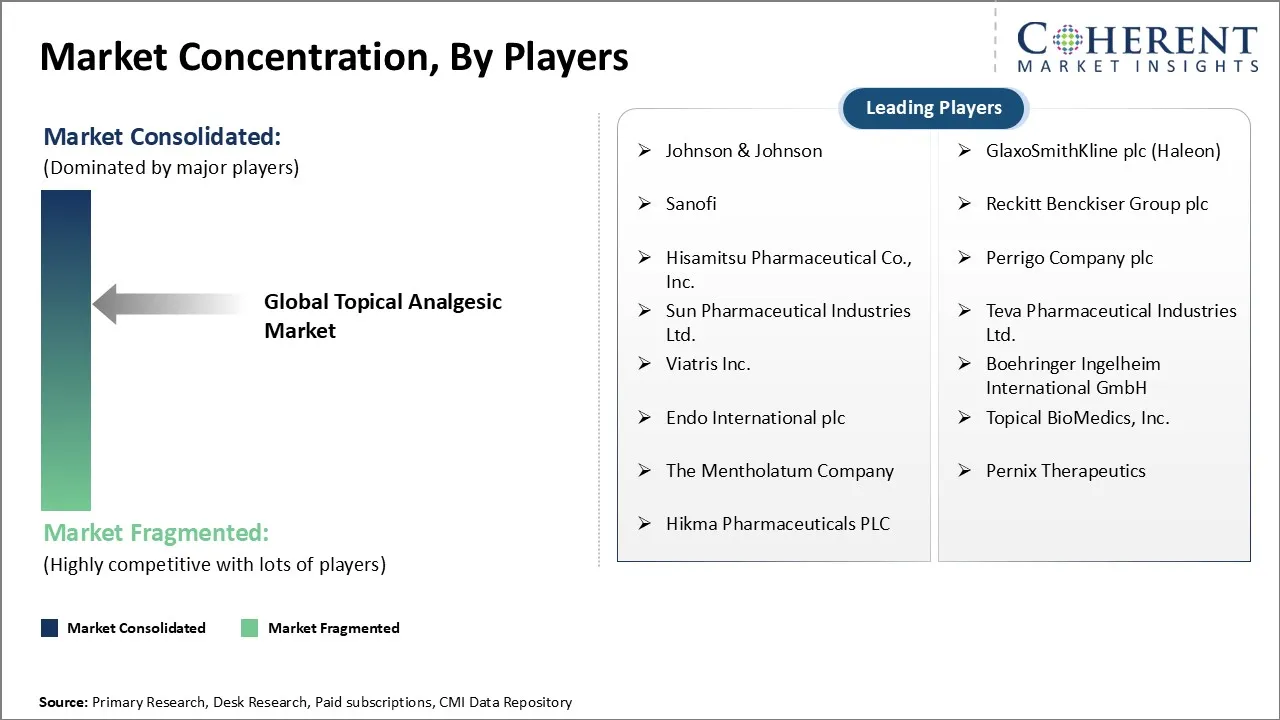
| Companies covered: | Johnson & Johnson, GlaxoSmithKline plc (Haleon), Sanofi, Reckitt Benckiser Group plc, Hisamitsu Pharmaceutical Co., Inc., Perrigo Company plc, Sun Pharmaceutical Industries Ltd., Teva Pharmaceutical Industries Ltd., Viatris Inc., Boehringer Ingelheim International GmbH, Endo International plc, Topical BioMedics, Inc., The Mentholatum Company, Pernix Therapeutics, and Hikma Pharmaceuticals PLC | ||
| Growth Drivers: |
| ||
| Restraints & Challenges: |
| ||
Topical Analgesic Market Dynamics
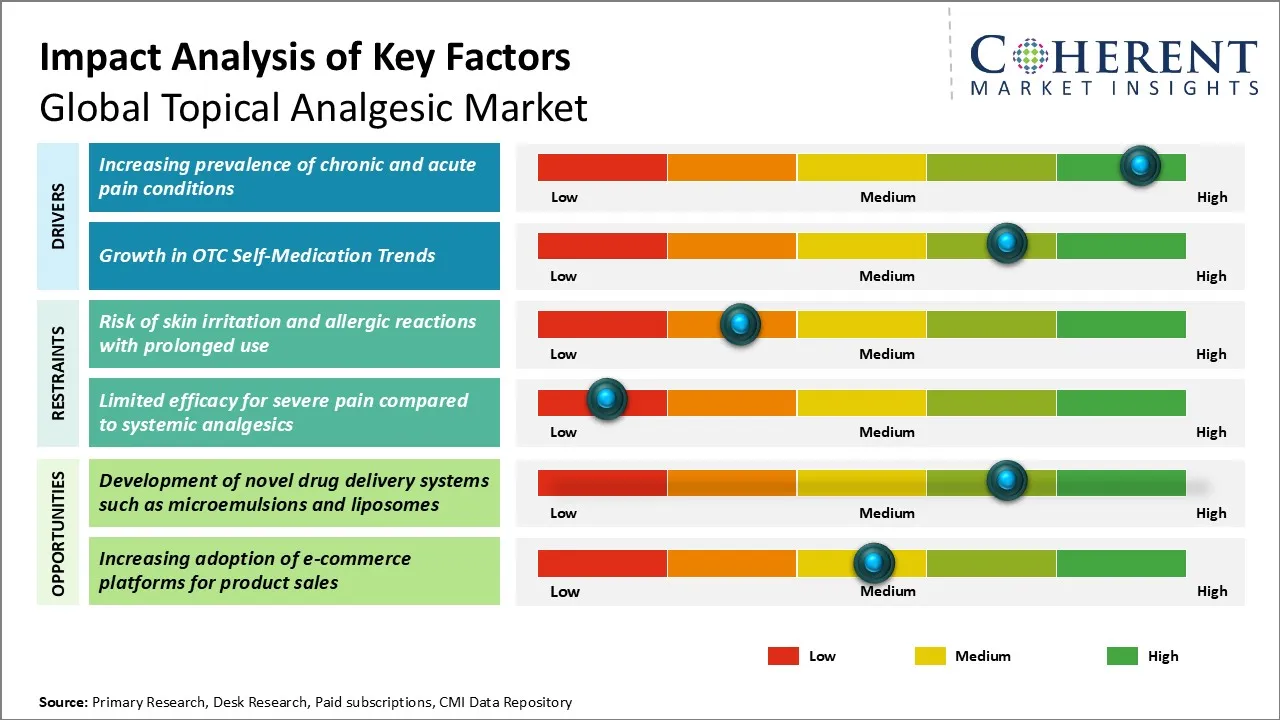
Topical Analgesic Market Driver - Increasing Prevalence Of Chronic And Acute Pain Conditions
The growing prevalence of both chronic and acute pain conditions is a significant factor driving the increased utilization of topical analgesics globally. Conditions such as arthritis, neuropathic pain, musculoskeletal disorders, and sports-related injuries have become more common as populations age and physical activity patterns evolve. Many patients seek effective pain relief options that provide targeted action with minimized systemic side effects, making topical formulations particularly attractive. Unlike oral medications, topical analgesics allow localized treatment, reducing risks associated with gastrointestinal or cardiovascular complications. Additionally, the surge in awareness about managing pain with non-invasive and patient-friendly modalities has further propelled the adoption of these products. The expanding patient base afflicted by persistent pain conditions, alongside growing preferences for convenient and tolerable analgesic solutions, continues to support the upward trajectory of the topical analgesic market.
According to the Centers for Disease Control and Prevention, CDC’s Morbidity and Mortality Weekly Report published in April 2023, an estimated 51.6 million U.S. adults (20.9%) experienced chronic pain in 2021, with 17.1 million suffering from high-impact chronic pain that substantially limits daily activities. The report highlights a persistent and widespread burden of pain conditions across the country, with higher prevalence among older adults, women, people living in poverty, and certain racial and sexual minority groups.
Topical Analgesic Market Opportunity - Development of Novel Drug Delivery Systems in the Global Topical Analgesic Market
The global topical analgesic market stands to benefit significantly from the advancement and integration of novel drug delivery systems such as microemulsions and liposomes. These innovative delivery platforms offer enhanced therapeutic efficacy by improving drug solubility, bioavailability, and targeted delivery to affected tissues, thereby optimizing pain relief outcomes. Microemulsions, characterized by their thermodynamic stability and nanoscale droplet size, facilitate superior permeation of active pharmaceutical ingredients through the skin barrier, enabling faster onset of action and sustained drug release.
Similarly, liposomes, which are phospholipid-based vesicles, provide biocompatible and biodegradable carriers capable of encapsulating both hydrophilic and lipophilic analgesic agents. This encapsulation shields the drug from degradation and allows controlled release, reducing systemic side effects often associated with oral or systemic analgesics. In an increasingly competitive market, pharmaceutical companies investing in these cutting-edge technologies can differentiate their products by delivering enhanced efficacy and patient compliance.
Analyst Opinion (Expert Opinion)
- The topical analgesic market continues to gain momentum, propelled by a convergence of factors including rising incidences of musculoskeletal disorders, growing awareness of non-opioid pain relief alternatives, and advances in formulation technologies that enhance efficacy and patient compliance. Regulatory support for over-the-counter availability of topical analgesics in several countries has further expanded consumer access, while demand from aging populations and athletes sustains steady market growth. However, challenges such as stringent regulations on claims substantiation, potential skin irritation concerns, and the need for clear differentiation in a crowded competitive landscape persist. Emerging opportunities lie in the development of novel delivery systems—such as transdermal patches and nanoemulsion-based formulations—and the rising preference for natural and herbal pain-relief products.
- In recent years, initiatives like the U.S. Food and Drug Administration’s encouragement of safer pain management options have catalyzed product innovation. Industry conferences such as the International Conference on Pain Research & Management and the World Congress on Pain have played a pivotal role in disseminating best practices and showcasing pipeline innovations. For example, collaborations like the partnership between Hisamitsu Pharmaceutical and academic institutions to advance topical lidocaine formulations underscore how research alliances are accelerating market evolution. Similarly, pilot programs promoting non-opioid therapies in community health settings are expected to significantly influence prescribing patterns and boost adoption over the coming years.
Speak to the analyst
Want personalized insights?
Take the findings above to one of our principal consultants, or have the report rebuilt around the segments, geographies and competitors you actually track.
Market Segmentation
- Drug Class Insights (Revenue, USD Bn, 2021 - 2033)
- Non-Opioid Topical Analgesics
- Non-Steroidal Anti-Inflammatory Drugs (NSAIDs)
- Diclofenac
- Ibuprofen
- Ketoprofen
- Piroxicam
- Capsaicin-Based Analgesics
- Methyl Salicylate (Salicylates)
- Lidocaine and Local Anesthetics
- CGRP Inhibitors
- Other Non-Opioid Agents
- Non-Steroidal Anti-Inflammatory Drugs (NSAIDs)
- Opioid-Based Topical Analgesics
- Non-Opioid Topical Analgesics
- Formulation Insights (Revenue, USD Bn, 2021 - 2033)
- Creams
- Gels
- Sprays
- Patches
- Ointments & Balms
- Others (Roll-Ons)
- Therapeutic Application Insights (Revenue, USD Bn, 2021 - 2033)
- Back Pain
- Muscle Pain
- Neck Pain
- Osteoarthritis
- Migraine
- Headache and Cluster Headaches
- Plantar Fasciitis
- Sciatica
- Bursitis
- Chronic Myofascial Pain
- Costochondritis
- Gout, Acute
- Radiculopathy
- Spondylolisthesis
- Temporomandibular Joint Disorder
- Tendonitis
- Toothache
- Diabetic Peripheral Neuropathy
- Rheumatoid Arthritis
- Inflammatory Conditions
- Others (Postoperative Pain, etc.)
- Pain Type Insights (Revenue, USD Bn, 2021 - 2033)
- Acute
- Chronic
- Distribution Insights (Revenue, USD Bn, 2021 - 2033)
- Over-the-Counter (OTC)
- Prescription-Based
- Drug Type Insights (Revenue, USD Bn, 2021 - 2033)
- Brand
- Generic
- Drug Composition Insights (Revenue, USD Bn, 2021 - 2033)
- Single
- Combination
- Male Insights (Revenue, USD Bn, 2021 - 2033)
- Male
- Female
- Age Group Insights (Revenue, USD Bn, 2021 - 2033)
- Adult
- Pediatric
- Geriatric
- Distribution Channel Insights (Revenue, USD Bn, 2021 - 2033)
- Hospitals Pharmacy
- Retail Pharmacies
- Online Pharmacies
- Regional Insights (Revenue, USD Bn, 2021 - 2033)
- North America
- U.S.
- Canada
- Latin America
- Brazil
- Argentina
- Mexico
- Rest of Latin America
- Europe
- Germany
- U.K.
- Spain
- France
- Italy
- Russia
- Rest of Europe
- Asia Pacific
- China
- India
- Japan
- Australia
- South Korea
- ASEAN
- Rest of Asia Pacific
- Middle East
- GCC Countries
- Israel
- Rest of Middle East
- Africa
- South Africa
- North Africa
- Central Africa
- North America
- Key Players Insights
- Johnson & Johnson
- GlaxoSmithKline plc (Haleon)
- Sanofi
- Reckitt Benckiser Group plc
- Hisamitsu Pharmaceutical Co., Inc.
- Perrigo Company plc
- Sun Pharmaceutical Industries Ltd.
- Teva Pharmaceutical Industries Ltd.
- Viatris Inc.
- Boehringer Ingelheim International GmbH
- Endo International plc
- Topical BioMedics, Inc.
- The Mentholatum Company
- Pernix Therapeutics
- Hikma Pharmaceuticals PLC
Sources
Primary Research Interviews
- Senior Product Managers at Pharmaceutical Companies
- Dermatologists and Pain Specialists
- Hospital and Clinic Procurement Heads
- Retail Pharmacy Chains and Buying Groups
- Regulatory Affairs Consultants
Government and International Databases
- U.S. Food and Drug Administration (FDA)
- European Medicines Agency (EMA)
- Medicines and Healthcare products Regulatory Agency (MHRA)
- World Health Organization (WHO)
- National Center for Biotechnology Information (NCBI)
- U.S. National Library of Medicine
- Centers for Medicare & Medicaid Services (CMS)
- Indian Ministry of Health and Family Welfare
- Pharmaceuticals and Medical Devices Agency (PMDA) Japan
- Health Canada Drug Product Database
Trade Publications
- Pharmaceutical Technology
- Drug Store News
- The Pharma Letter
- In-PharmaTechnologist
- BioPharma Dive
- Pharmaceutical Executive
Academic Journals
- The Journal of Pain
- Pain Medicine
- British Journal of Pain
- Journal of Clinical Pharmacy and Therapeutics
- European Journal of Pain
- Journal of Pain Research
Reputable Newspapers
- The Wall Street Journal
- The New York Times Health Section
- Financial Times
- The Guardian Health
- Reuters Health
Industry Associations
- International Association for the Study of Pain (IASP)
- American Pain Society (APS)
- Consumer Healthcare Products Association (CHPA)
- European Pain Federation (EFIC)
- American Pharmacists Association (APhA)
- Association for Accessible Medicines (AAM)
Public Domain Resources
- U.S. Census Bureau
- Eurostat
- OECD Health Statistics
Proprietary Elements
- CMI Data Analytics Tool: Proprietary analytics tool to analyze real-time market trends, consumer behavior, and technology adoption in market
- Proprietary CMI Existing Repository of Information for the Last 8 Years
Get access to 250+ pages report
Every segment, forecast, competitor profile and data table behind the analysis above — available for instant download.
- ESOMAR Member
- ISO 9001:2015 Certified
- D-U-N-S Registered
- GDPR & CCPA Compliant
Missing comfort of reading report in your local language? Find your preferred language:
Transform your Strategy with Exclusive Trending Reports
Frequently Asked Questions
The Global Topical Analgesic Market is estimated to be valued at USD 12.89 Bn in 2026 and is expected to reach USD 20.03 Bn by 2033.
The CAGR of Global Topical Analgesic Market is projected to be 6.5% from 2026 to 2033.
Increasing prevalence of chronic and acute pain conditions and growth in OTC self-medication trends are the major factors driving the growth of Global Topical Analgesic Market.
Risk of skin irritation and allergic reactions with prolonged use and limited efficacy for severe pain compared to systemic analgesics are the major factors hampering the growth of Global Topical Analgesic Market.
In terms of Drug Class, Non-Opioid Topical Analgesics are estimated to dominate the market revenue share in 2026.
Johnson & Johnson, GlaxoSmithKline plc (Haleon), Sanofi, Reckitt Benckiser Group plc, Hisamitsu Pharmaceutical Co., Inc., Perrigo Company plc, Sun Pharmaceutical Industries Ltd., Teva Pharmaceutical Industries Ltd., Viatris Inc., Boehringer Ingelheim International GmbH, Endo International plc, Topical BioMedics, Inc., The Mentholatum Company, Pernix Therapeutics, and Hikma Pharmaceuticals PLC are the major players in the global topical analgesic market.
North America is expected to lead the Global Topical Analgesic Market in 2026.