

Global Vascular Access Devices Market Size and Forecast – 2026 to 2033
The global vascular access devices market is estimated to be valued at USD 9.40 Bn in 2026 and is expected to reach USD 15.49 Bn by 2033, exhibiting a compound annual growth rate (CAGR) of 7.4% from 2026 to 2033. This significant growth is driven by increasing demand for minimally invasive surgery, rising prevalence of chronic diseases requiring vascular access, and technological advancements enhancing device safety and efficacy across healthcare settings worldwide.
Key Takeaways of the Global Vascular Access Devices Market
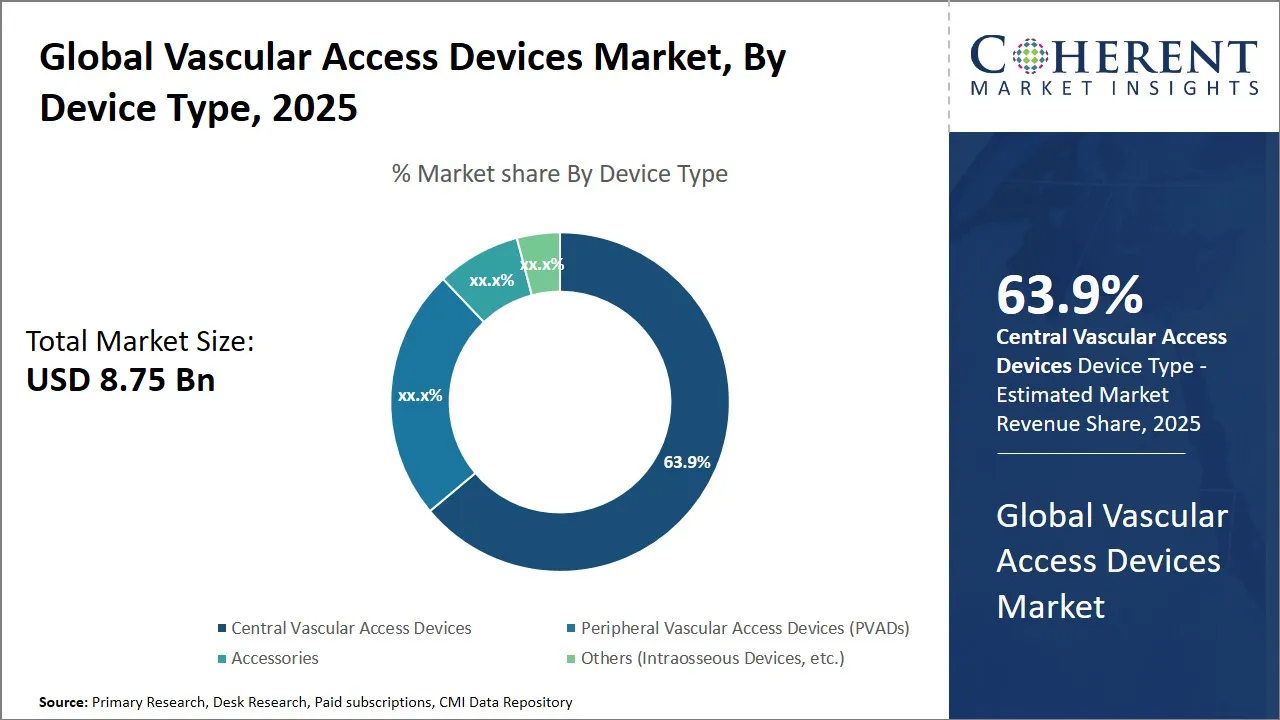
- The central vascular access devices segment is anticipated to hold the largest market share, accounting for 64.9% share in 2026.
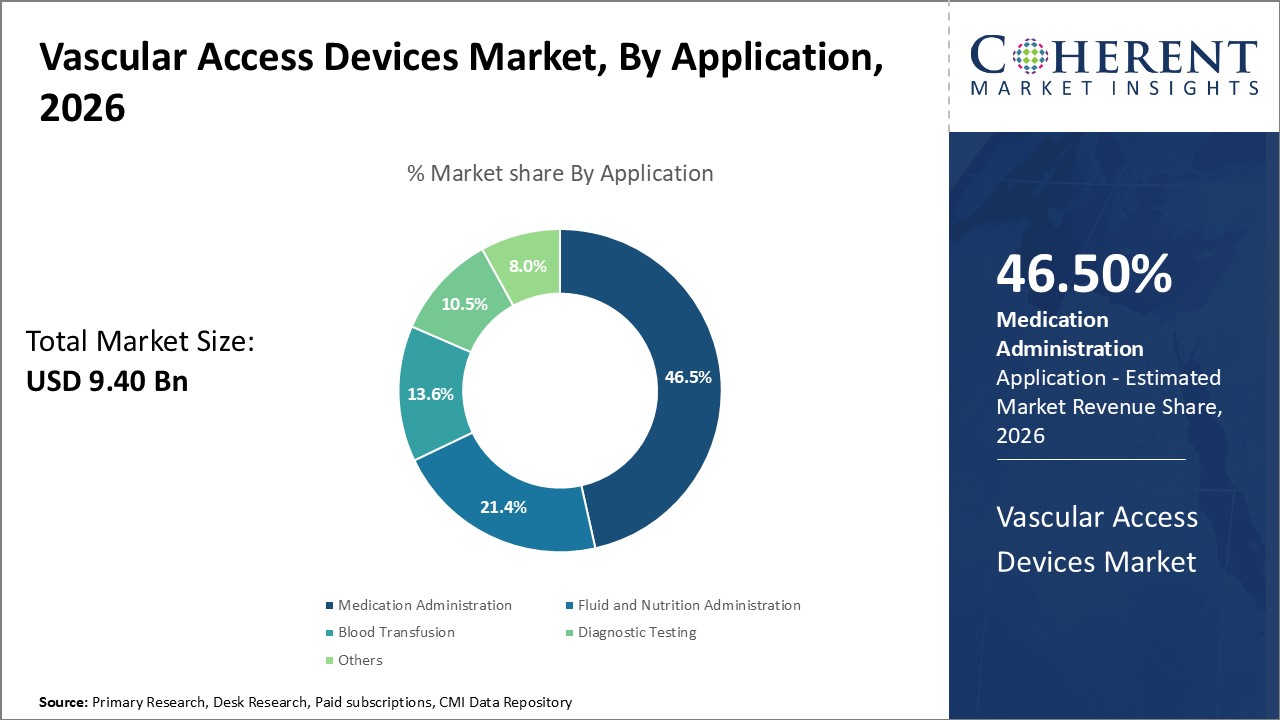
- In terms of application, medication administration segment is expected to lead with a 46.5% share in 2026.
- By end users, hospitals and clinics segment is projected to capture the highest market share at 33.4% in 2026.
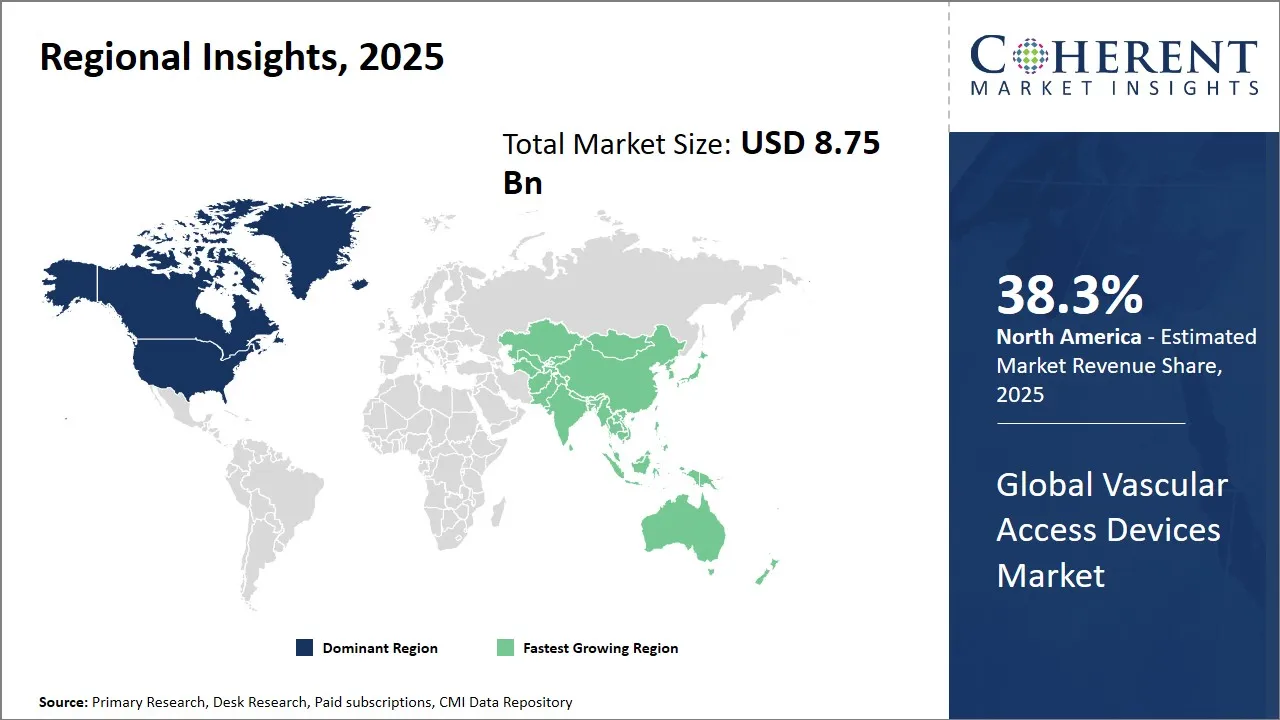
- North America is expected to lead the market, holding a share of 38.3 % in 2026. Asia Pacific is anticipated to be the fastest-growing region, with an estimated market share of 24.3% in 2026.
Market Overview
A prominent trend in the vascular access devices market is the integration of advanced materials and smart technologies to improve device performance and patient outcomes. Innovations such as antimicrobial coatings and ultrasound guided insertion techniques are reducing infection rates and procedural complications. Additionally, the growing adoption of home healthcare services and outpatient procedures is fueling demand for portable and user-friendly vascular access solutions, shaping market dynamics and encouraging continuous product development in the sector.
Currents Events and their Impact
Current Events | Description and its Impact |
U.S. FDA Approval of New Vascular Access Devices |
|
Technological Advancement in Catheter Materials |
|
Segmental Insights
- Current Industry Events of 2026
- Market Size Estimation
- Regional Breakdown
- Competitive Landscape
- Customer Intelligence
- Segmental Analysis
- Pricing Analysis
- Key Market Drivers, Challenges & Future Trends
- Customized Insights Section
Vascular Access Devices Market Insights, by Device Type - Central Vascular Access Devices Dominates due to their Critical Role in Managing Long-Term and Complex Intravenous Therapies
The central vascular access devices segment is projected to account for 64.9% of the market share in 2026, owing to the vitality of its use in controlling long-term and complicated intravenous therapies. Central Vascular Access Devices (CVADs) comprising of Peripherally Inserted Central Catheters (PICCs), Non-tunneled Catheters, Tunneled Catheters and Implantable Ports play a crucial role in critical care and oncology practice where patients need to receive medications, fluids or parenteral nutrition over a prolonged period.
In October 2024, Teleflex (TFX) announced the launch of two new devices in Canada, aimed at improving the PICC (Peripherally Inserted Central Catheters) insertion process and minimizing complications. The next-generation Arrow VPS Rhythm DLX Device and NaviCurve Stylet are designed to work together, offering vascular access professionals a more efficient and predictable method for PICC placement. These innovations were developed with feedback from industry-leading vascular access professionals.
Vascular Access Devices Market Insights, by Application - Medication Administration Dominates due to the Essential Role Intravenous Drug Delivery Plays in Modern Medical Practice
The medication administration segment is expected to capture 46.5% share in 2026, because of the fact that intravenous drug delivery is a prerequisite in current medical application. This segment is the core of the demand because of the high need of administering various types of drugs such as antibiotics and chemotherapy agents, analgesics and fluids in acute care, oncology, critical illness, and chronic disease care. Since intravenous delivery of drugs offers a speedy and regulated delivery of the therapeutic agent, vascular access devices are the basis of ensuring the efficacy of treatment and patient safety.
The emergence of chronic diseases and steadily complicated treatment regimens necessitate consistent and dependable vascular access to administer medication, which has increased the use of device options that are customized to address a specific therapeutic requirement. As an example, drugs with irritating or vesicant effects would require central devices to avoid any tissue damage, and temporary treatment could be supported with peripheral intravenous catheters.
Vascular Access Devices Market Insights, by End User - Hospitals and Clinics Contribute the Highest Share due to their Role as Primary Centers for Acute Care, Complex Treatments, and Emergency Interventions
The hospitals and clinics segment is projected to hold 33.4% share in 2026, due to the role they play in providing acute care, complicated treatments, and emergency procedures. Such healthcare facilities need a number of vascular access points to cater to various patient types, including critically ill patients requiring continuous infusion and monitoring to surgical patients requiring fluid replacement and transfusion.
The accessibility of specialized personnel who have been trained on the use of vascular access devices on insertion, management and maintenance is also beneficial to hospitals and clinics as more people will use more advanced devices like central lines and implantable ports. Also affecting the choice of such facilities is the availability of resources to ultrasound-guidance and tip-placement technologies that can boost the success of the procedure and minimize risks such as infections and thrombosis.
Role of Artificial Intelligence (AI) in the Global Vascular Access Devices Market
- The global vascular access devices market is fast changing with the introduction of Artificial Intelligence (AI) that is fueling major efficiency, cost cut, and performance enhancements. Among the most impressive effects of AI, there is the area of predictive analytics, where AI models process historical patient data and clinical trends to recommend the most ideal placement of catheters to reduce the risk of complications and improve patient outcomes. Another major area is process automation, where the AI can simplify the administrative work, such as inventory management and patient scheduling, so that the healthcare provider could spend more time with patients. More personalized treatment options are also being made through AI-powered systems, which can examine patient-specific data on their age, medical history, and the state of their vein, which will guarantee a more accurate device placement and will minimize the risk of complications.
- The penetration of AI also creates a number of opportunities in the vascular access devices market in terms of innovation. The firms are able to use AI to create more intelligent, more efficient products, like AI-enhanced catheters that are able to adjust themselves or provide real-time responses to medical workers. These innovations place the firms at a competitive edge since the market is becoming more concerned with technological innovation. Additionally, the AI is facilitating the emergence of new business opportunities, including predictive maintenance features of vascular devices, enabling healthcare professionals to save money and prevent idle time during the operation. Nevertheless, even with such considerable advantages, there are possible obstacles, including the high cost of AI implementation at first and data privacy issues.
Regional Insights
North America Vascular Access Devices Market Analysis and Trends
The North America region is projected to lead the market with a 38.3% share in 2026, led by established healthcare ecosystem with high spending on medical infrastructure, high medical spending and large concentration of major medical device manufacturers. Also, North America has strong reimbursement systems that are motivating hospitals and clinics to invest in new vascular access technology. The presence of such industry giants like Becton Dickinson and Company, Medtronic plc and Smiths Medical has a heavy presence here and they are contributing to the scene through constant product innovations and strategic acquisitions.
In November 2024, Xeltis announced that the U.S. FDA granted Breakthrough Device designation for its aXess vascular access conduit, and the first patient was enrolled in the aXess staged pivotal trial in the United States. The aXess device is designed to create a new, permanent, living vessel for hemodialysis vascular access. Xeltis, based in Eindhoven, the Netherlands, stated that the procedure was performed by vascular surgeon Dr. Karl Illig at the Flow Vascular Institute in Texas, U.S.
Asia Pacific Vascular Access Devices Market Analysis and Trends
The vascular access devices market in the Asia Pacific region is projected to account for 24.3% in 2026, driven by the development of healthcare infrastructure, the rising prevalence of chronic illnesses, and increased awareness of minimally invasive procedures. The governments in the region and more so in China and India are on a frenzy in modernizing their health care systems and in opening their markets to foreign and domestic firms by creating a lighter regulatory ride.
In November 2021, Zylox-Tonbridge Medical Technology Co., Ltd. announced a strategic partnership with Guangdong Hicicare Science Co., Ltd. to co-develop and accelerate the commercialization of vascular guidewire products in China. The collaboration aims to introduce the "Zylox-Hicicare Guidewire Family" for peripheral vascular interventions and the Beidou series micro guidewires for neurovascular procedures.
Vascular Access Devices Market Outlook for Key Countries
U.S. Vascular Access Devices Market Analysis and Trends
U.S. vascular access devices market is a worldwide leader in terms of advanced healthcare system and patient awareness. Large corporations like Becton Dickinson and Medtronic are very active in R&D in this area, leading to innovations in catheter design, safety engineered devices, and infection prevention technologies. Favorable regulation by U.S. FDA and a broad-based reimbursement climate encourages rapid product adoption. Vascular access solutions are also in high demand in the U.S., which has a large network of hospitals and outpatient facilities that need them to perform various kinds of medical procedures.
In November 2023, BD (Becton, Dickinson and Company), a leading global medical technology company, launched the SiteRite 9 Ultrasound System, an advanced tool designed to improve clinician efficiency in placing vascular access devices such as PICCs, central venous catheters, and IV lines. The system features a 15.6-inch touch screen with enhanced image quality, providing industry-leading tools for catheter placement
Germany Vascular Access Devices Market Analysis and Trends
Germany remains vascular access devices market leader in Europe with a highly developed infrastructure in hospitals and insistence on the quality of healthcare provision. The nation has many major players in the industry including B. Braun and Fresenius that have been central in producing and exporting vascular access technologies in Europe and other parts of the world. The healthcare policies of Germany focus on patient safety and innovation, and the next-generation vascular devices should be integrated easily. Also, it has strategic central positioning in Europe that facilitates effective logistics and trade in this region and improves market forces.
In February 2026, Cagent Vascular, Inc. launched its Serranator SL-Pro PTA serration balloon catheter for chronic limb-threatening ischemia and pedal disease. The FDA-cleared device uses proprietary serration technology for improved vessel dilation and trackability. Dr. Michael Lichtenberg of the Arnsberg Clinic in Germany highlighted its low complication rate and effectiveness in treating complex diseases, especially in pedal arteries.
China Vascular Access Devices Market Analysis and Trends
The market of the vascular access device in China is growing fast due to the government efforts to enhance healthcare access and infrastructure development particularly in tier 2 and 3 cities. Demand is driven by the rising population of the aging population and surge in numbers of chronic ailments that necessitate vascular procedures. The multinational corporations such as Terumo Corporation and Boston Scientific have developed strong business networks by forming partnerships and manufacturing within the country.
In November 2021, Shanghai Bluevastec MedTech Co., Ltd. (Bluevastec) announced that its Vflower Venous Stent System gained access to China’s ‘Green Path’ for innovative medical devices. The stent features a unique design for better flexibility and support, offering a variable diameter and precise positioning. This approval accelerates its market launch in China, where venous stents are limited. The device’s clinical trial showed a 100% success rate and is praised for its long-term performance.
India Vascular Access Devices Market Analysis and Trends
India vascular access devices market is characterized by tremendous growth potential driven by rising healthcare expenditure, increased urbanization, and growing incidence of lifestyle-related diseases. Government programs aimed at expanding healthcare coverage and affordability have improved healthcare access for large population segments. Major international players including Becton Dickinson collaborate with Indian distributors and hospitals, while domestic manufacturers focus on affordable product lines suited to the cost-sensitive market.
In May 2026, S3V Vascular Technologies received financial support from the Technology Development Board (TDB) to establish India’s first integrated manufacturing plant for mechanical thrombectomy kits. The plant, located in Chennai, will produce neuro-intervention devices locally, reducing reliance on imports and making stroke care more affordable. The project aims to target the $2 billion domestic market and expand globally with CE and U.S. FDA approvals.
Market Players, Key Developments, and Competitive Intelligence
Key Developments
- In May 2025, Portal Access, Inc., a medical device start-up focused on advanced vascular access solutions for oncology, announced the successful closing of a USD 7 million Series A financing round. The round was fully subscribed, with over 80% of funding led by U.S. physician investors, including oncologists, interventional radiologists, cardiologists, and vascular surgeons.
- In May 2025, CÚRAM, the Research Ireland Centre for Medical Devices at the University of Galway, and B. Braun, a global leader in medical technology, launched a collaborative research project to revolutionize vascular access training using cutting-edge simulation technologies.
- In January 2025, Penumbra Inc. launched the Element Vascular Access System, a groundbreaking laser-cut hypotube sheath designed for Venous Thromboembolism (VTE). The Element system is compatible with the Lightning Flash 2.0, an advanced mechanical thrombectomy system for removing venous thrombus and treating Pulmonary Embolism (PE).
- In October 2024, BD (Becton, Dickinson and Company), a global leader in medical technology, launched its new BD Intraosseous Vascular Access System, designed to enable quick vascular access for fluid or medication delivery in critical care situations. This system provides rapid access to the circulatory system for both adults and pediatric patients, especially when intravenous access is difficult.
Top Strategies Followed by Global Vascular Access Devices Market Players
- Established players dominate the market with their robust investment in research and development (R&D), continuously innovating to create high-performance, reliable, and safer vascular access devices. These companies leverage advanced materials and cutting-edge technology to enhance product efficacy, patient comfort, and reduce complication rates. Beyond product innovation, they form strategic partnerships and alliances with major industry players and original equipment manufacturers (OEMs).
- For example, Medtronic is another key established player in the vascular access devices market, with a strong focus on technological innovation. The company's VeniCare System for vein access in difficult patients highlights its commitment to improving patient comfort and reducing complications, also Baxter International, a global leader in healthcare, has made significant strides in the vascular access devices market with innovations like the MaxZero Needle-Free Connector.
- Mid-level players in the global vascular access devices market primarily concentrate on delivering cost-effective solutions that maintain a balance between quality and affordability, aiming to attract price-sensitive segments, including public healthcare systems in developing economies. These companies strive to optimize manufacturing processes and utilize efficient supply chain management to keep costs low without compromising clinical safety and performance.
- For example, AngioDynamics is a small but agile player in the vascular access market. The company focuses on specialized vascular access devices such as PowerPort, an implantable device for chemotherapy patients.moreover, Intrasight, a smaller company in the vascular access devices market, specializes in smart infusion technologies. Also Terumo Corporation, a mid-level player, focuses on offering affordable yet reliable vascular access products such as the SURFLO Winged Infusion Set.
- Small-scale players, often niche-focused startups or regional manufacturers, differentiate themselves by concentrating on specialized features or innovative product variants tailored to specific clinical needs or patient demographics. Their agility allows them to adopt cutting-edge technologies swiftly, such as smart or connected infusion devices, antimicrobial coatings, or minimally invasive insertion techniques, to carve out unique market positions.
- For example, Lumenis, a small yet innovative company in the vascular access devices market, specializing in minimally invasive surgical devices, Lumenis offers specialized vascular access solutions, such as their Lumenis Laser Fibers for vascular access procedures, also AngioDynamics is a small but agile player in the vascular access market. The company focuses on specialized vascular access devices such as PowerPort, an implantable device for chemotherapy patients.
Market Report Scope
Vascular Access Devices Market Report Coverage
| Report Coverage | Details | ||
|---|---|---|---|
| Base Year: | 2025 | Market Size in 2026: | USD 9.40 Bn |
| Historical Data for: | 2020 To 2024 | Forecast Period: | 2026 To 2033 |
| Forecast Period 2026 to 2033 CAGR: | 7.4% | 2033 Value Projection: | USD 15.49 Bn |
| Geographies covered: |
| ||
| Segments covered: |
| ||
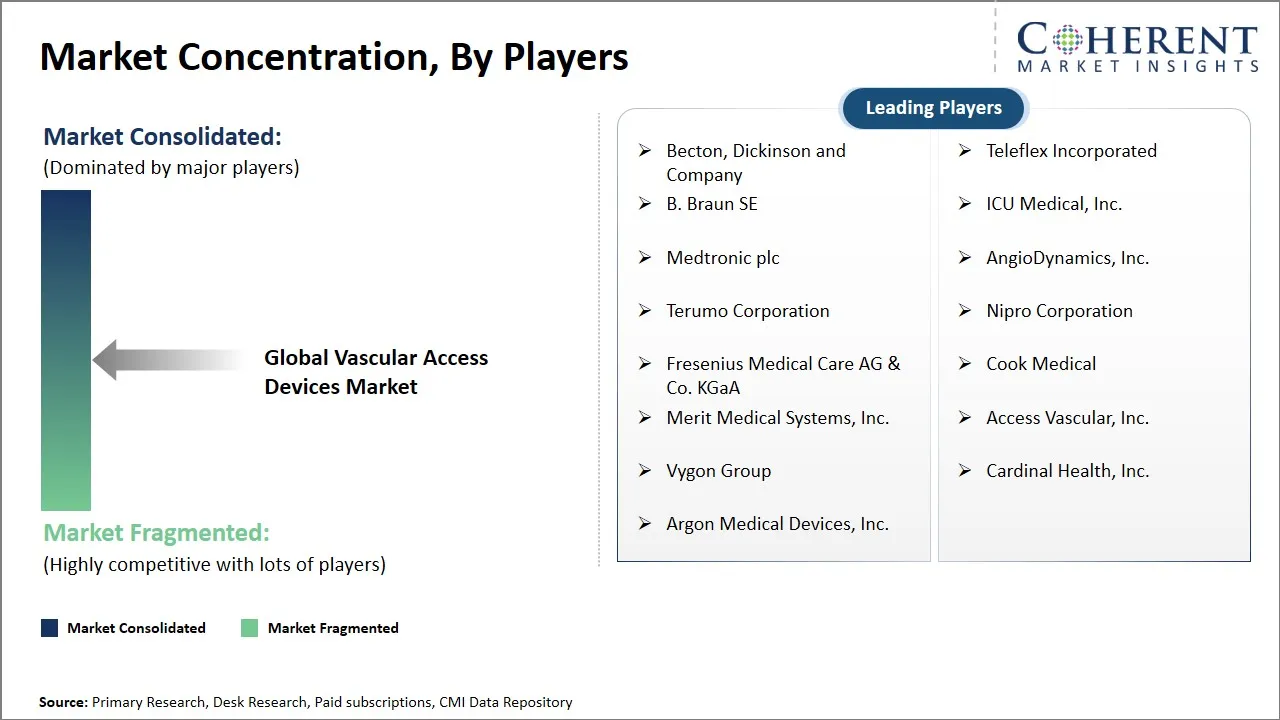
| Companies covered: | Becton, Dickinson and Company, Teleflex Incorporated, B. Braun SE, ICU Medical, Inc., Medtronic plc, AngioDynamics, Inc., Terumo Corporation, Nipro Corporation, Fresenius Medical Care AG & Co. KGaA, Cook Medical, Merit Medical Systems, Inc., Access Vascular, Inc., Vygon Group, Cardinal Health, Inc., and Argon Medical Devices, Inc. | ||
| Growth Drivers: |
| ||
| Restraints & Challenges: |
| ||
Vascular Access Devices Market Dynamics
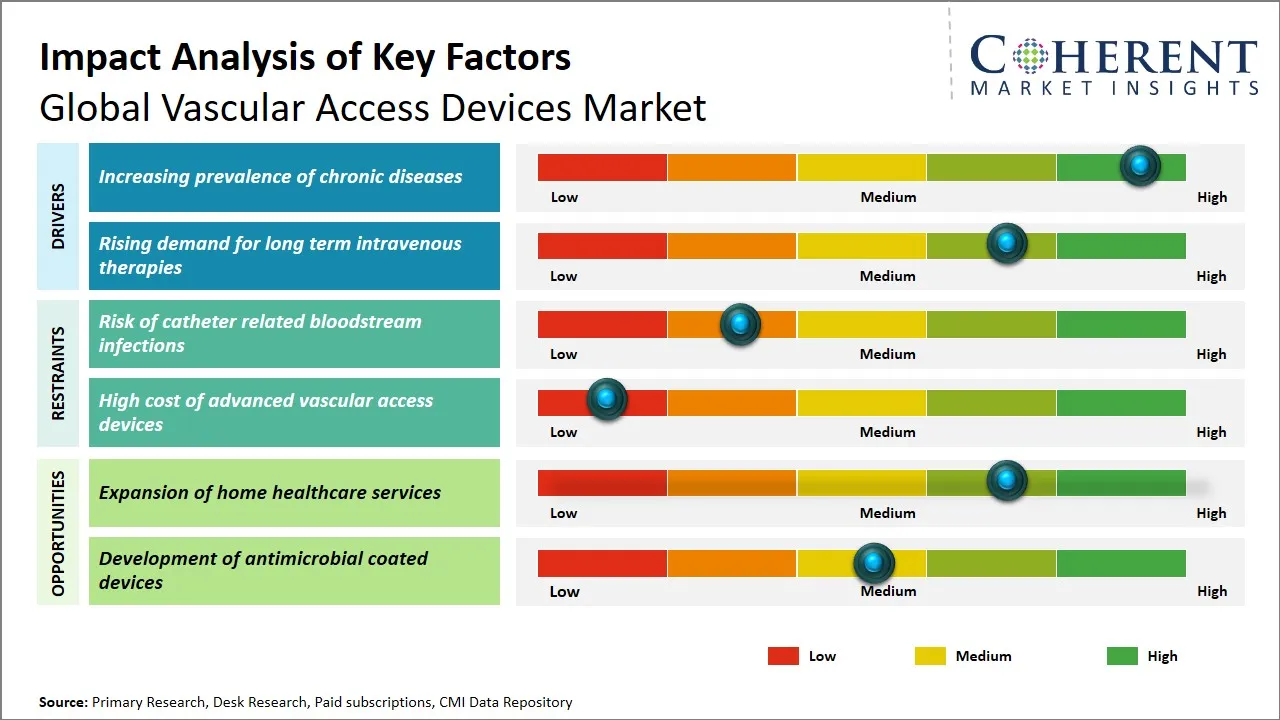
Vascular Access Devices Market Driver - Increasing Prevalence of Chronic Diseases
The increasing prevalence of chronic illnesses like diabetes, cancer, and cardiovascular disorders is really driving the need of vascular access devices in the world. Patients with these disorders often need prolonged intravenous treatments, e.g. chemotherapy, dialysis, parenteral nutrition, and drug delivery, which require stable and safe vascular access. With the chronic illnesses becoming a significant burden to the healthcare systems, the demands of gadgets like central venous catheters, Peripherally Inserted Central Catheters (PICCs), and hemodialysis catheters have shot up. In addition, new medical therapies and prolonged patient survival have complicated and prolonged the treatment procedures further highlighting the significance of maintaining vascular access.
According to WHO, on September 25, 2025, the prevalence of chronic conditions among young people has risen significantly over the past 20 years. Nearly 30% of children and young adults aged 5 to 25 are now living with conditions like ADHD, autism, asthma, prediabetes, and depression. This increase is particularly high among those from lower socioeconomic backgrounds. A recent study based on data from the National Health Interview Survey (1999-2018) shows a steady annual rise in chronic conditions, with an estimated 130,000 additional children and 80,000 young adults affected each year. These conditions are treatable with access to quality healthcare, but disparities in the U.S. health system hinder proper care.
Vascular Access Devices Market Opportunity - Expansion of Home Healthcare Services
The increasing popularity of home healthcare services is an eye opener to the international market of vascular access devices. With the global healthcare system focusing more and more on cost-efficiency and patient-centered care, the transition of the old-fashioned hospitals to the home-based care is gaining momentum. This is especially true in the areas of chronic disease management, oncology and intravenous therapies (over a long period of time) where frequent visits to the hospital are costly to the patient and the medical infrastructure. Vascular access devices, including peripheral intravenous catheters, midline catheters, and Peripherally Inserted Central Catheters (PICCs) are important in providing safe and reliable access to the vascular system to administer medications, nutrition, and other intravenous therapy at home.
In June 2025, Vellum Health, a mobile healthcare platform providing advanced intravenous (IV) services at the bedside, announced the successful close of its Series A funding round, led by FCA Venture Partners with participation from Green Park & Golf Ventures. The company also unveiled its new brand, Vellum Health, which integrates a portfolio of acquired vascular access companies into a unified tech-enabled care delivery platform. Vellum Health offers mobile IV access, infusion therapy, and on-site transfusion services, expanding home healthcare services by bringing high-quality care directly to patients in skilled nursing facilities, long-term acute care centers, and homes.
Analyst Opinion (Expert Opinion)
- The high growth trend in the vascular access devices market can be attributed to factors such as technological advancements, regulatory support, and the increasing demand for minimally invasive procedures. Some of the most important innovations include the creation of smart vascular access devices, and needle-free systems that are contributing to patient safety and better procedural outcomes. The increasing number of elderly people, as well as the increase in the number of chronic diseases that cannot be cured at a specific point but should be managed over time, has increased the demand on vascular access devices. In addition, favorable regulatory systems especially in such markets as North America and Europe have made product development and accelerated market penetration easier. Nevertheless, issues like the expensive nature of advanced technologies and the problem of the standardization of procedures in various healthcare environments are problems.
- This is because emerging opportunities in the market are the introduction of AI-based systems and robotic support to enhance accuracy in placing the devices and preventing human error. Conversely, the challenges that should be overcome include the necessity to implement improved training initiatives among medical workers and the management of the issues associated with the complications of the device infection. The various applicable conferences, such as the 2023 Vascular Access Association Annual Conference, have offered a platform enabling experts to exchange knowledge on the recent trends and innovations and set policies to stimulate the development of the market. Moreover, government projects in developing nations targeting to develop healthcare infrastructures are expected to enhance the demand of the said devices in underserved areas.
Speak to the analyst
Want personalized insights?
Take the findings above to one of our principal consultants, or have the report rebuilt around the segments, geographies and competitors you actually track.
Market Segmentation
- Device Type Insights (Revenue, USD Bn, 2021 - 2033)
- Central Vascular Access Devices
- Peripherally Inserted Central Catheters (PICC)
- Non-tunneled Catheters
- Tunneled Catheters
- Implantable Ports
- Peripheral Vascular Access Devices (PVADs)
- Peripheral Intravenous Catheters
- Midline Catheters
- Winged Steel Needles (Butterfly Needles)
- Accessories
- Catheter Securement Devices
- Ultrasound Guidance Systems
- Vein Visualization Technologies
- Tip-Placement Systems
- Catheter Caps and Antibacterial Patches
- Others (Intraosseous Devices, etc.)
- Central Vascular Access Devices
- Application Insights (Revenue, USD Bn, 2021 - 2033)
- Medication Administration
- Fluid and Nutrition Administration
- Blood Transfusion
- Diagnostic Testing
- Others
- End User Insights (Revenue, USD Bn, 2021 - 2033)
- Hospitals and Clinics
- Ambulatory Surgery Centers (ASCs)
- Diagnostic Centers
- Home Care Settings
- Dialysis Centers
- Other Medical Facilities
- Mode of Insertion Insights (Revenue, USD Bn, 2021 - 2033)
- Intravenous
- Subcutaneous
- Material Insights (Revenue, USD Bn, 2021 - 2033)
- Polyurethane
- Silicone
- Other Materials
- Regional Insights (Revenue, USD Bn, 2021 - 2033)
- North America
- U.S.
- Canada
- Latin America
- Brazil
- Argentina
- Mexico
- Rest of Latin America
- Europe
- Germany
- U.K.
- Spain
- France
- Italy
- Russia
- Rest of Europe
- Asia Pacific
- China
- India
- Japan
- Australia
- South Korea
- ASEAN
- Rest of Asia Pacific
- Middle East
- GCC Countries
- Israel
- Rest of Middle East
- Africa
- South Africa
- North Africa
- Central Africa
- North America
- Key Players Insights
- Becton, Dickinson and Company
- Teleflex Incorporated
- Braun SE
- ICU Medical, Inc.
- Medtronic plc
- AngioDynamics, Inc.
- Terumo Corporation
- Nipro Corporation
- Fresenius Medical Care AG & Co. KGaA
- Cook Medical
- Merit Medical Systems, Inc.
- Access Vascular, Inc.
- Vygon Group
- Cardinal Health, Inc.
- Argon Medical Devices, Inc.
Sources
Primary Research Interviews
- Industry Stakeholders List
- Medical device manufacturers
- Healthcare providers (hospital administrators, medical officers)
- End Users List
- Healthcare professionals (doctors, nurses)
- Patients using vascular access devices
Government and International Databases
- U.S. Food and Drug Administration (FDA)
- European Medicines Agency (EMA)
- World Health Organization (WHO)
- Centers for Medicare & Medicaid Services (CMS)
- National Institutes of Health (NIH)
- U.S. Department of Health and Human Services (HHS)
Trade Publications
- Journal of Vascular Access
- Nursing Times
- MedTech Insight
- The Journal of Infusion Nursing
- Medical Device & Diagnostic Industry (MD+DI)
- Vascular Disease Management
Academic Journals
- The Lancet
- Journal of the American Medical Association (JAMA)
- Journal of Vascular Surgery
- Journal of Clinical Nursing
- British Journal of Nursing
- Journal of Hospital Infection
Reputable Newspapers
- The New York Times
- The Guardian
- The Wall Street Journal
- Financial Times
- The Washington Post
- USA Today
Industry Associations
- Vascular Access Society
- Infusion Nurses Society (INS)
- Society of Vascular Surgery
- American Society for Parenteral and Enteral Nutrition (ASPEN)
- Association for Vascular Access (AVA)
- European Society of Vascular Surgery
Public Domain Resources
- National Library of Medicine
- National Institutes of Health (NIH)
- U.S. National Center for Biotechnology Information (NCBI)
- U.S. National Health Service (NHS) website
- European Commission Health and Food Safety
- Health Canada Official Website
Proprietary Elements
- CMI Data Analytics Tool: Proprietary analytics tool to analyze real-time market trends, consumer behavior, and technology adoption in market
- Proprietary CMI Existing Repository of Information for Last 8 Years
Get access to 250+ pages report
Every segment, forecast, competitor profile and data table behind the analysis above — available for instant download.
- ESOMAR Member
- ISO 9001:2015 Certified
- D-U-N-S Registered
- GDPR & CCPA Compliant
Missing comfort of reading report in your local language? Find your preferred language:
Transform your Strategy with Exclusive Trending Reports
Frequently Asked Questions
The global vascular access devices market is estimated to be valued at USD 9.40 Bn in 2026 and is expected to reach USD 15.49 Bn by 2033.
The CAGR of the global vascular access devices market is projected to be 7.4% from 2026 to 2033.
Increasing prevalence of chronic diseases and rising demand for long term intravenous therapies are the major factors driving the growth of the global vascular access devices market.
Risk of catheter related bloodstream infections and high cost of advanced vascular access devices are the major factors hampering the growth of the global vascular access devices market.
In terms of device type, the central vascular access devices segment is estimated to dominate the market revenue share in 2026.
Becton, Dickinson and Company, Teleflex Incorporated, B. Braun SE, ICU Medical, Inc., Medtronic plc, AngioDynamics, Inc., Terumo Corporation, Nipro Corporation, Fresenius Medical Care AG & Co. KGaA, Cook Medical, Merit Medical Systems, Inc., Access Vascular, Inc., Vygon Group, Cardinal Health, Inc., and Argon Medical Devices, Inc. are the major players.
North America is expected to lead the global vascular access devices market in 2026.