PET-CT Scanner Device Market Analysis & Forecast: 2026-2033

The Global PET-CT Scanner Device Market is estimated to be valued at USD 2.60 Bn in 2026 and is expected to reach USD 3.99 Bn by 2033, exhibiting a compound annual growth rate (CAGR) of 6.3% from 2026 to 2033.
To learn more about this report, Download Free Sample
The global PET-CT Scanner Device Market is experiencing steady growth, driven by rising cancer prevalence, expanding applications in neurology and cardiology, and growing demand for precise diagnostic imaging. Technological advancements in full-ring detector systems and hybrid imaging capabilities are enhancing clinical accuracy and efficiency. Widespread adoption of stationary PET-CT scanners in hospitals and diagnostic centres supports market expansion.
|
Current Event |
Description and its impact |
|
Technological Advancements in Imaging Modalities |
|
|
Rising Global Cancer Burden and Screening Programs |
|
|
AI-Enhanced Image Reconstruction and Noise Reduction |
|
Uncover macros and micros vetted on 75+ parameters: Get instant access to report
The pricing of PET-CT scanner devices varies significantly depending on factors such as scanner type (stationary vs. mobile), detector configuration (full-ring vs. partial-ring), brand reputation, and regional procurement dynamics.
High-end stationary PET-CT scanners with full-ring detectors and AI-powered imaging software can range from $1.5 million to $2.5 million per unit, particularly in high-income countries with advanced healthcare systems. In contrast, mobile and entry-level models may range from $800,000 to $1.2 million, offering affordability with basic diagnostic capabilities.
In regions like North America and Europe, procurement is often centralized through public tenders or bulk purchases by hospital networks, enabling negotiated pricing and service agreements. Meanwhile, emerging markets in Asia Pacific and LAMEA benefit from cost-optimized models, local manufacturing, and public-private financing initiatives.
Maintenance, software upgrades, and scanner downtime also influence the total cost of ownership. As AI integration and software-as-a-service (SaaS) models rise, pricing is increasingly bundled with subscription-based image processing solutions.
Emerging technologies are playing a transformative role in the PET-CT scanner device market, driving improvements in diagnostic accuracy, operational efficiency, and patient outcomes. The integration of artificial intelligence (AI) and machine learning algorithms enables automated image reconstruction, faster scan times, and enhanced detection of anomalies, particularly in oncology and neurology. These advancements reduce radiologist workload and support early, precise diagnoses.
Additionally, next-generation digital detectors and time-of-flight (TOF) technology offer higher spatial resolution and sensitivity, allowing for reduced tracer doses and improved image quality. Cloud-based platforms are further revolutionizing data management by enabling remote access, teleconsultation, and real-time collaboration across healthcare networks.
Hybrid modalities that combine PET-CT with other imaging tools (like MRI) are also gaining traction for multi-dimensional analysis. As these innovations become more accessible, they are expanding PET-CT adoption beyond high-income countries and into emerging markets, thereby democratizing access to advanced diagnostic imaging and driving overall market growth.
To learn more about this report, Download Free Sample
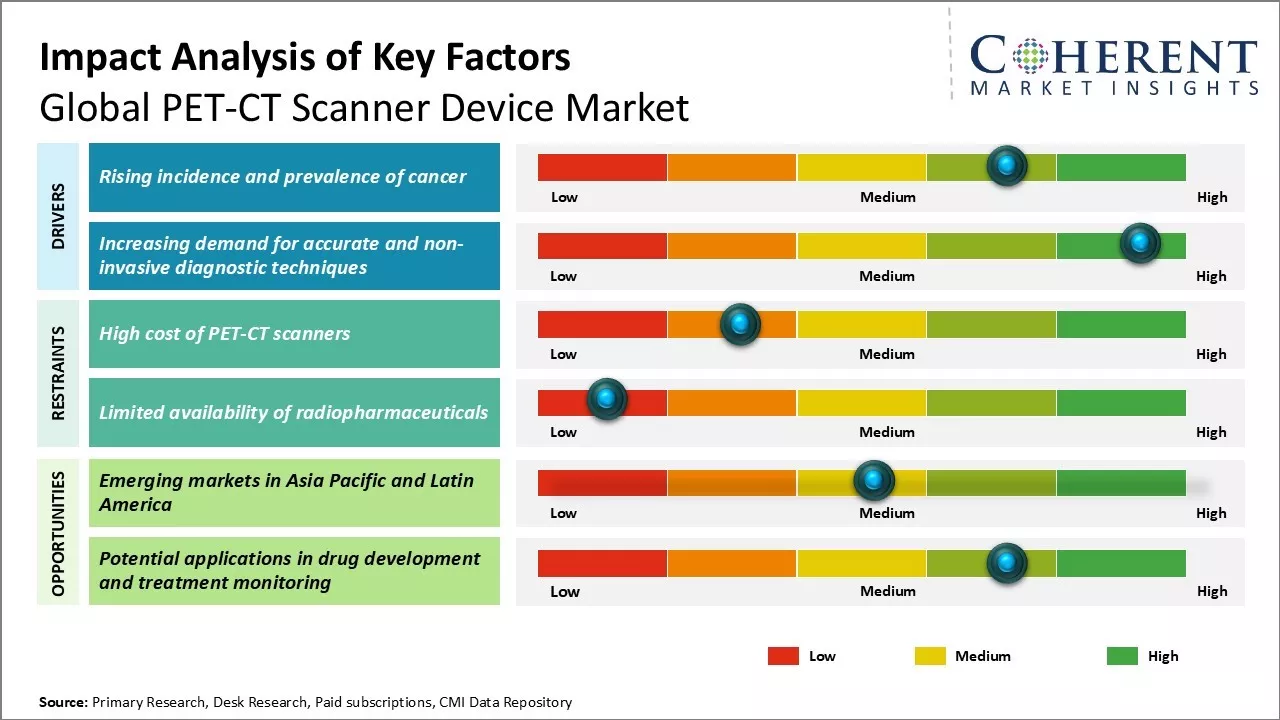
Cancer has been one of the major public health concerns across the world. The incidence and prevalence of various cancer types has seen a consistent rise over the past few decades. As per various global health reports, the number of new cancer cases diagnosed each year is expected to rise from 18.1 million in 2018 to 29.5 million by 2040.
While improvements in cancer screening and diagnostics have contributed to the rise in incidence rates, other factors like changing lifestyle patterns, growing elderly population, and environmental pollutants are also considered to be driving the steady increase in cancer burden globally.
PET-CT scanners have emerged as an important diagnostic tool for detecting, diagnosing, staging and restaging of various cancers. It helps in visualization and characterization of tumours in the body with high sensitivity and specificity. The scanner is able to detect even small cancer lesions and help determine the extent or spread of disease which has significant implications on further treatment strategies.
With rising cancer prevalence, there is greater focus on early and accurate diagnosis to commence appropriate treatment at earliest. PET-CT's ability to detect most cancers including lung cancer, colorectal cancer, lymphoma, and melanomas at microscopic level without invasive procedures make it a preferred choice. It provides valuable whole-body assessment and helps clinician take informed decisions regarding the stage of cancer and treatment approach.
The increasing trend of cancers would continue to drive demand for advanced diagnostic modalities like PET-CT scanners. As more number of individuals are diagnosed with cancer types every year, effective diagnosis and monitoring becomes crucial.
Diagnostic imaging has advanced significantly over the past few decades. Conventional imaging procedures like X-ray, CT, MRI, and ultrasound while useful have certain limitations. There was a need for diagnostic modalities which can better characterize tumours, detect abnormalities at molecular level with high sensitivity, and also be minimally invasive. This increasing demand led to the emergence and rapid adoption of PET-CT technology across healthcare facilities globally.
PET imaging using radioactive tracers overcomes limitations of anatomical imaging alone. It provides invaluable functional and molecular information about abnormal metabolic activity within the body. When combined with CT, it offers precise anatomical localization of functional abnormalities detected. This multi-parametric approach revolutionized disease diagnosis and management. PET-CT is found highly valuable not just for oncology but also for cardiology, neurology, and several other clinical applications.
With growing awareness, patients and healthcare providers increasingly prefer accurate, non-invasive procedures for evaluation and surveillance of diseases. Procedures requiring tissue biopsy are being avoided if comparable or better precision can be obtained non-invasively. PET-CT perfectly fits this need as it does not require the removal of any tissue samples. It captures whole-body functional and metabolic activity related pictures within a single session without any need for surgery. This has made it very attractive for repeat scans essential for treatment monitoring and response assessment.
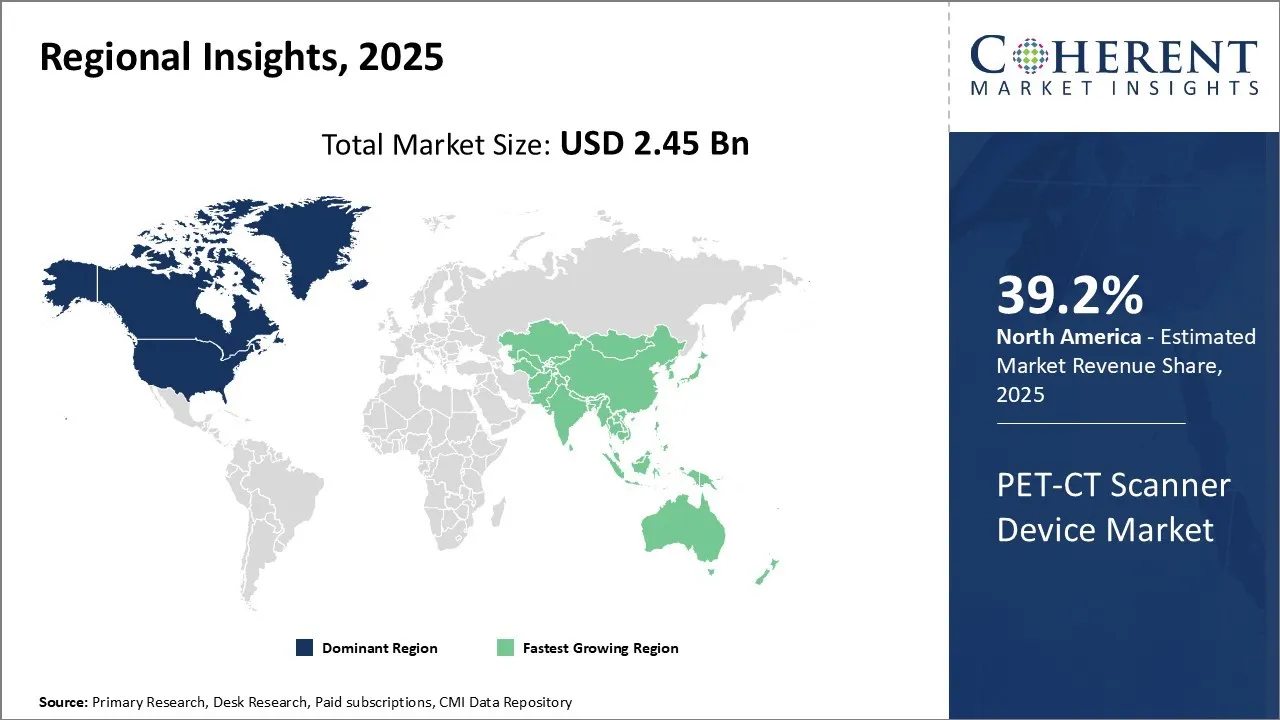
One of the key opportunities for the global PET-CT scanner device market lies in the emerging economies of Asia Pacific and Latin America regions. Both regions have witnessed strong economic growth over the past decade and growing healthcare budgets. The rising healthcare spending has also led to increasing investments towards upgrading medical imaging infrastructure in these developing nations. This presents a lucrative potential market for PET-CT scanner device manufacturers.
Many countries like India, China, Brazil, and Mexico now have growing middle-class populations who can afford advanced treatments. In addition, governments are also providing more support to modernize diagnostic capabilities. If manufacturers effectively target these emerging regions, it can help compensate the market to an extent and drive future revenue streams for sustained growth of the PET-CT scanner device industry worldwide. Proactive entry into such fast developing markets at an early stage can enable companies to gain a stronger foothold.
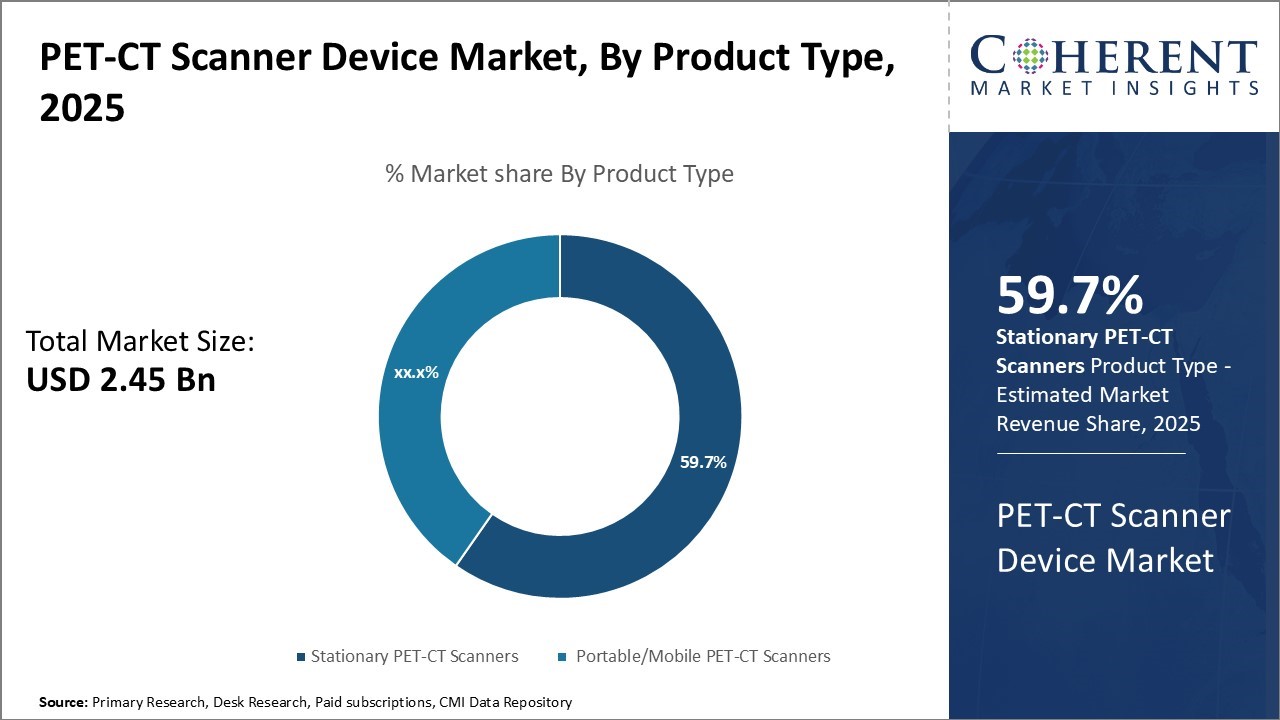
The stationary PET-CT scanners segment is projected to dominate the global PET-CT scanner device market with a 60.7% share in 2026. This dominance is supported by well-established infrastructure in hospitals and diagnostic centres, which prefer stationary units for their high image accuracy, ease of integration, and consistent patient throughput. Their widespread usage in cancer, neurology, and cardiology diagnostics reinforces their stronghold in clinical imaging workflows.
To learn more about this report, Download Free Sample
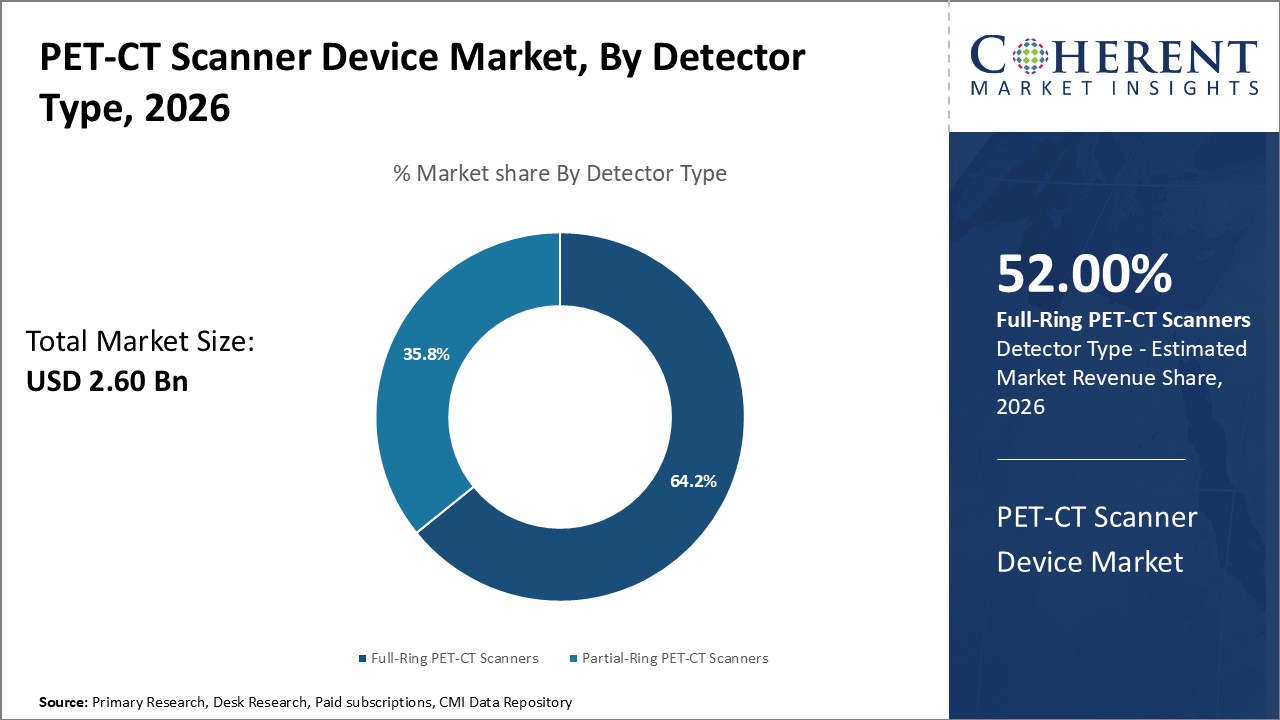
Full-ring PET-CT scanners are expected to account for the largest detector type share in 2026, driven by their superior spatial resolution, faster acquisition times, and enhanced image quality. These advantages make them the preferred choice in high-end diagnostic applications, enabling earlier and more accurate disease detection, especially in oncology and neurology. As precision imaging becomes more critical, full-ring systems are becoming integral to advanced diagnostic settings.
The oncology segment is forecasted to contribute the highest application share in the PET-CT scanner device market by 2026. The growing prevalence of cancer, along with PET-CT’s vital role in staging, treatment planning, and monitoring therapeutic response, underpins this growth. Increasing integration of PET-CT into multidisciplinary cancer care supports higher adoption across regions, with oncologists relying heavily on its detailed metabolic imaging for personalized therapy decisions.
To learn more about this report, Download Free Sample
North America is anticipated to retain its leadership position in the global PET-CT scanner device market with a 39.2% revenue share in 2026. This dominance is attributed to the region’s advanced healthcare infrastructure, growing demand for diagnostic imaging, and well-established reimbursement frameworks.
The presence of major imaging technology providers and consistent clinical innovations especially in oncology and neurology reinforce North America’s stronghold. Ongoing investments in AI-powered diagnostic tools and hybrid imaging further support regional growth.
Europe holds a significant position in the global PET-CT scanner device market, driven by its universal healthcare systems, increasing geriatric population, and proactive screening programs. Countries like Germany, France, and the United Kingdom are prioritizing early cancer detection and neurodegenerative disease diagnosis, fuelling the adoption of PET-CT systems.
Supportive government funding, collaborative research projects, and the emphasis on precision diagnostics continue to drive technology integration and adoption across both public and private healthcare institutions.
The United States remains the dominant force in the PET-CT scanner device market, underpinned by a sophisticated healthcare infrastructure, strong reimbursement ecosystem, and early adoption of advanced diagnostic technologies. With leading manufacturers such as GE Healthcare and Siemens Healthineers operating in the region, innovation and availability of next-generation PET-CT systems are robust. The integration of AI and advanced image processing software continues to enhance oncology and neurology diagnostics, reinforcing the U.S.’s leadership in clinical imaging.
Canada, while smaller in scale, contributes significantly through its publicly funded healthcare system and high per capita imaging utilization. The country’s investment in early cancer detection programs and collaboration with global OEMs ensures steady demand for PET-CT systems, particularly in urban medical centres and research facilities.
| Report Coverage | Details | ||
|---|---|---|---|
| Base Year: | 2025 | Market Size in 2026: | USD 2.60 Bn |
| Historical Data for: | 2020 To 2024 | Forecast Period: | 2026 To 2033 |
| Forecast Period 2026 to 2033 CAGR: | 6.3% | 2033 Value Projection: | USD 3.99 Bn |
| Geographies covered: |
|
||
| Segments covered: |
|
||
| Companies covered: |
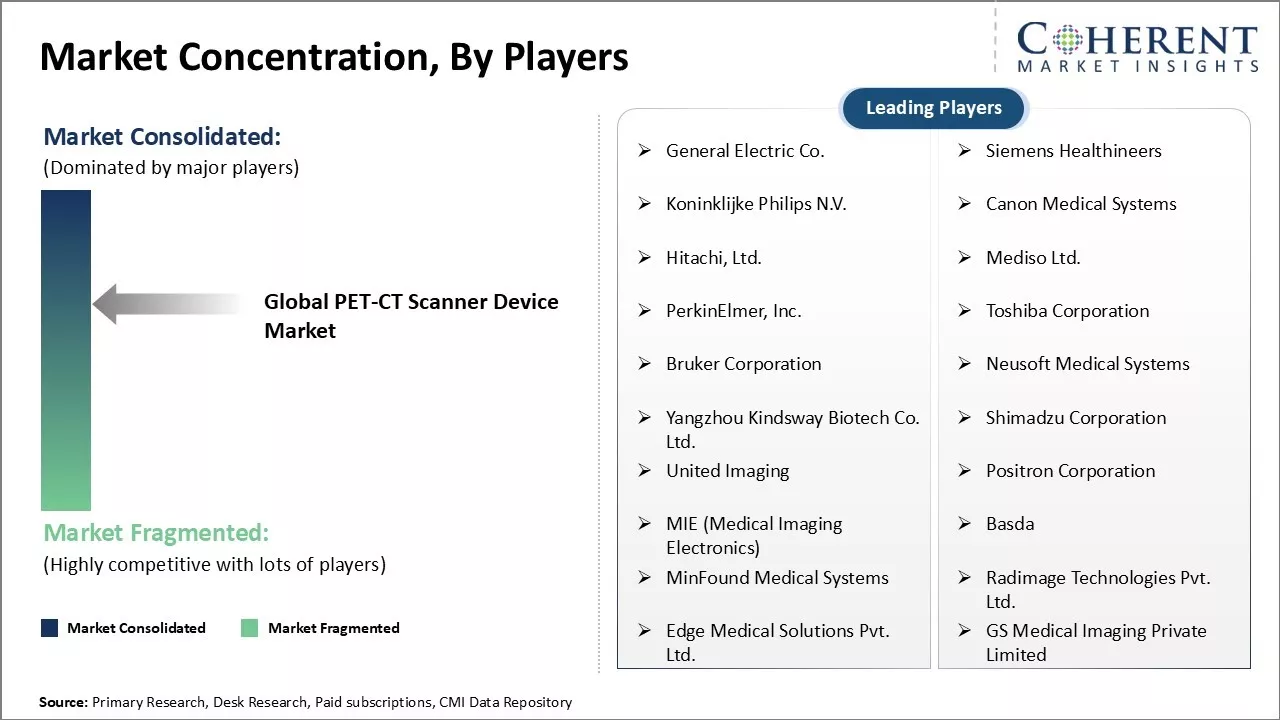
General Electric Co., Siemens Healthineers, Koninklijke Philips N.V., Canon Medical Systems, Hitachi, Ltd., Mediso Ltd., PerkinElmer, Inc., Toshiba Corporation, Bruker Corporation, Neusoft Medical Systems, Yangzhou Kindsway Biotech Co. Ltd., Shimadzu Corporation, United Imaging, Positron Corporation, MIE (Medical Imaging Electronics), Basda, MinFound Medical Systems, Radimage Technologies Pvt. Ltd., Edge Medical Solutions Pvt. Ltd., and GS Medical Imaging Private Limited |
||
| Growth Drivers: |
|
||
| Restraints & Challenges: |
|
||
Uncover macros and micros vetted on 75+ parameters: Get instant access to report
Share
Share
Komal Dighe is a Management Consultant with over 8 years of experience in market research and consulting. She excels in managing and delivering high-quality insights and solutions in Health-tech Consulting reports. Her expertise encompasses conducting both primary and secondary research, effectively addressing client requirements, and excelling in market estimation and forecast. Her comprehensive approach ensures that clients receive thorough and accurate analyses, enabling them to make informed decisions and capitalize on market opportunities.
Joining thousands of companies around the world committed to making the Excellent Business Solutions.
View All Our Clients