Africa Injectable Drugs Market Analysis & Forecast: 2026-2033
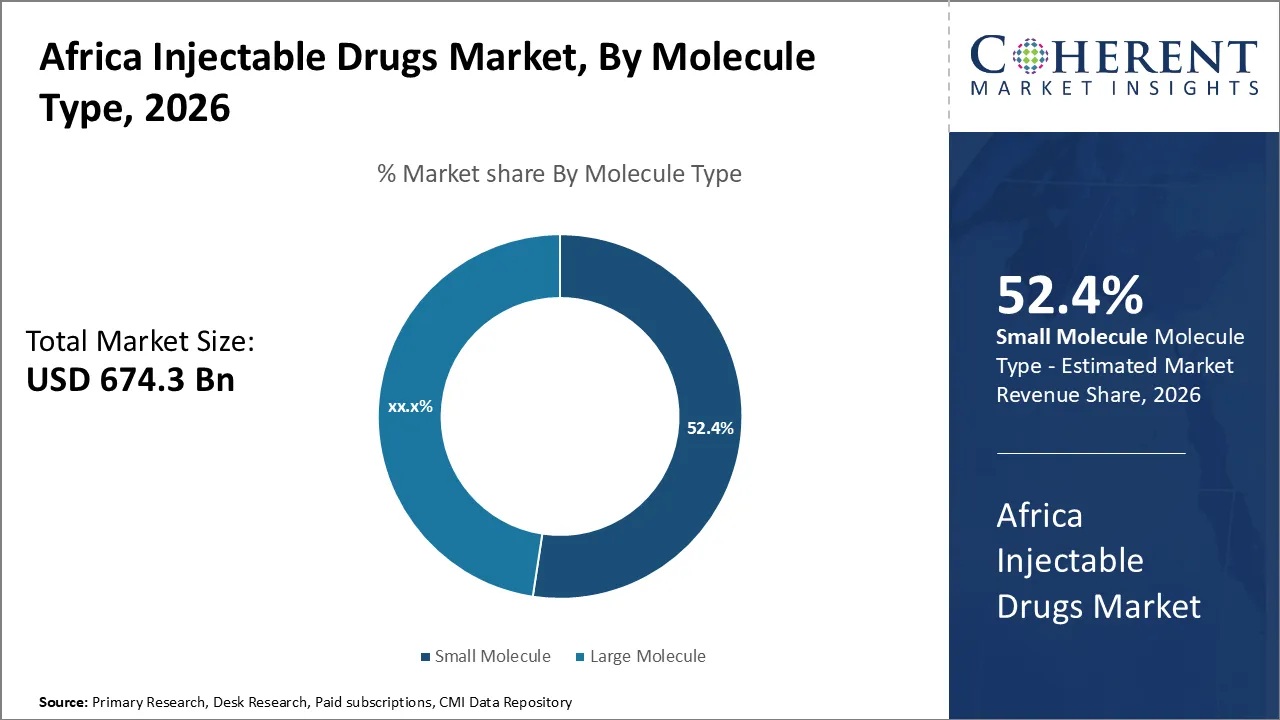
The Africa Injectable Drugs Market is estimated to be valued at USD 674.3 Bn in 2026 and is expected to reach USD 1,176.6 Bn by 2033, exhibiting a compound annual growth rate (CAGR) of 8.3% from 2026 to 2033.
Healthcare systems across Africa are driving steady growth in the injectable drugs market by responding to the rising burden of infectious diseases, the increasing prevalence of chronic conditions, and ongoing expansion of healthcare infrastructure. Hospitals actively use injectable drugs for rapid therapeutic action, especially in emergency care, surgical procedures, and the treatment of severe infections. Governments and international organizations are strengthening demand through healthcare initiatives, vaccination programs, and medical support. At the same time, improvements in hospital capacity, pharmaceutical manufacturing, and access to advanced therapies are further advancing the injectable drugs market across Africa.
|
Current Events |
Description and its impact |
|
Geopolitical Stability and Regulatory Changes in Africa |
|
|
Economic and Healthcare Infrastructure Developments |
|
|
Technological Innovations and Local Manufacturing Initiatives |
|
Uncover macros and micros vetted on 75+ parameters: Get instant access to report
Small Molecule hold the largest market share of 52.4% in 2026. Healthcare providers across Africa are driving the growth of small molecule drugs in the injectable drugs market by widely using them to treat acute and infectious conditions in hospitals and clinical settings. Medical professionals prefer these drugs because they deliver rapid action, allow reliable dosing, and suit emergency and inpatient care. Increasing demand for injectable antibiotics, analgesics, and antimalarial treatments further supports market expansion. Additionally, pharmaceutical companies supply cost-effective small molecule formulations and generic versions, enabling public healthcare systems and government treatment programs to adopt them more broadly.
Intravenous expected to hold largest market share of 41.2% in 2026. Healthcare providers across Africa are expanding the use of intravenous drug delivery to meet the growing need for immediate treatment in critical and hospital-based care. Medical professionals administer medications through intravenous routes to achieve rapid absorption and accurate dosing during emergencies, surgeries, and intensive care procedures. Hospitals are also treating a rising number of patients with severe infections and chronic diseases, which increases demand for IV therapies. Additionally, clinicians widely use IV fluids for hydration, nutritional support, and postoperative recovery, further driving the adoption of intravenous administration in healthcare facilities.
Hospitals acquired the prominent market share of 39.6% in 2026. Hospitals across Africa are driving the injectable drugs market by acting as key centers for administering injectable therapies. Medical staff deliver medications in sterile environments, ensuring safe and precise dosing. Rising hospital admissions for infectious diseases, chronic illnesses, and surgical procedures are increasing demand for injectable drugs. Investments in hospital infrastructure, expansion of critical care units, and a stronger focus on emergency and intensive care services are further reinforcing hospitals’ pivotal role in promoting the widespread use of injectable medications throughout the region.
South Africa dominates the overall market with an estimated share of 41.50% in 2026. Healthcare providers in South Africa are advancing the injectable drugs market by increasingly adopting advanced therapies and hospital-administered treatments. Rising numbers of patients with infectious and chronic diseases are boosting demand for intravenous, intramuscular, and specialty injectables. Hospitals and clinics are expanding critical care services, including ICUs and surgical procedures, to meet growing patient needs. Government health programs, vaccination campaigns, and enhanced pharmaceutical manufacturing are improving accessibility, while the shift toward cost-effective small molecule injectables and broader use of generics is enabling wider patient reach and treatment coverage.
Healthcare providers in Central Africa are driving the injectable drugs market by expanding access to hospital and clinic-based treatments. The high prevalence of infectious diseases is prompting medical professionals to use intravenous and intramuscular therapies for rapid and effective patient care. Investments in healthcare infrastructure, including new hospitals and upgraded emergency and critical care units, are improving the delivery of injectable medications. At the same time, government health programs, vaccination campaigns, and the availability of affordable generics are enabling wider adoption of injectable drugs throughout the region.
Healthcare facilities across Africa are expanding their capacity to deliver injectable therapies, particularly in urban centers and regional hospitals. Rising patient volumes, increasing surgical procedures, and the demand for emergency care are encouraging hospitals to invest in critical care units and specialized injection services. This expansion supports broader access to intravenous, intramuscular, and specialty injectables, enabling timely treatment for infectious and chronic diseases while strengthening hospital-based delivery as a key driver in the injectable drugs market.
Medical professionals increasingly rely on intravenous and other rapid-onset injectable therapies to treat severe infections, trauma cases, and chronic conditions. IV administration ensures precise dosing and faster therapeutic outcomes, particularly in emergency rooms and intensive care units. This trend reflects the clinical preference for injectable drugs that provide immediate patient response, reducing hospital stays and improving survival rates while positioning intravenous therapies as a primary focus of market growth across African healthcare facilities.
Infectious diseases such as HIV, tuberculosis, and malaria remain prevalent across the continent. Governments and international health organizations are investing heavily in treatment programs requiring injectable medications. Manufacturers and distributors can capitalize on this by supplying affordable, high-quality antibiotics, antivirals, and antimalarials. Strengthening partnerships with public health programs and expanding hospital and clinic coverage provides opportunities to meet the consistent and critical demand for injectable therapies across Africa.
| Report Coverage | Details | ||
|---|---|---|---|
| Base Year: | 2025 | Market Size in 2026: | USD 674.3 Bn |
| Historical Data for: | 2020 To 2024 | Forecast Period: | 2026 To 2033 |
| Forecast Period 2026 to 2033 CAGR: | 8.3% | 2033 Value Projection: | USD 1,176.6 Bn |
| Geographies covered: |
|
||
| Segments covered: |
|
||
| Companies covered: |
Apotex Inc., Fresenius Kabi India Pvt. Ltd., Hikma Pharmaceuticals PLC, Pfizer Inc., Bristol-Myers Squibb Company, Gland Pharma Limited, hameln pharma gmbh, Merck & Co., Inc., AbbVie Inc., Sun Pharmaceutical Industries Ltd., Aurobindo Pharma, and PANPHARMA S.A. |
||
| Growth Drivers: |
|
||
| Restraints & Challenges: |
|
||
Uncover macros and micros vetted on 75+ parameters: Get instant access to report
Share
Share
Ghanshyam Shrivastava - With over 20 years of experience in the management consulting and research, Ghanshyam Shrivastava serves as a Principal Consultant, bringing extensive expertise in biologics and biosimilars. His primary expertise lies in areas such as market entry and expansion strategy, competitive intelligence, and strategic transformation across diversified portfolio of various drugs used for different therapeutic category and APIs. He excels at identifying key challenges faced by clients and providing robust solutions to enhance their strategic decision-making capabilities. His comprehensive understanding of the market ensures valuable contributions to research reports and business decisions.
Ghanshyam is a sought-after speaker at industry conferences and contributes to various publications on pharma industry.
Joining thousands of companies around the world committed to making the Excellent Business Solutions.
View All Our Clients