

Global Marine Coatings Market Size and Share Analysis
The marine coatings market is estimated to be valued at USD 4.56 Bn in 2026 and is expected to reach USD 7.08 Bn by 2033, growing at a compound annual growth rate (CAGR) of 6.5% from 2026 to 2033.
Key Takeaways
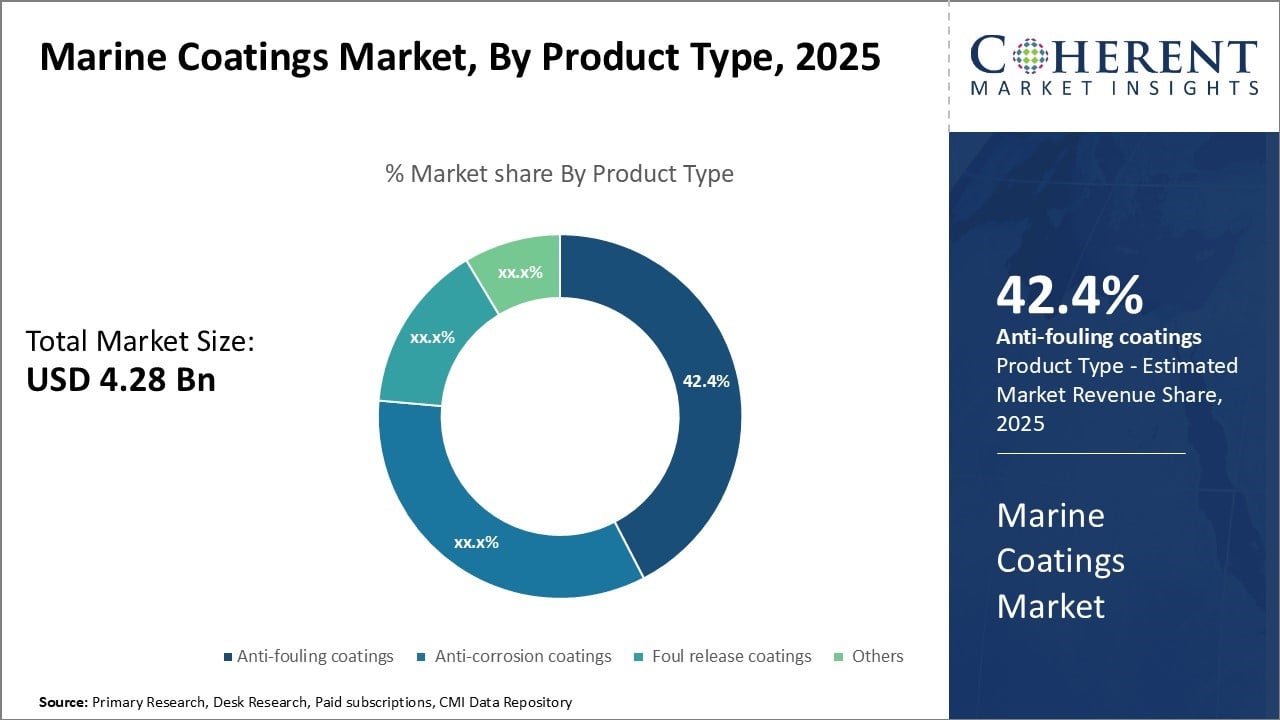
- In terms of product type, Anti-fouling coatings segment contributes 43.4% share of the market in 2026.
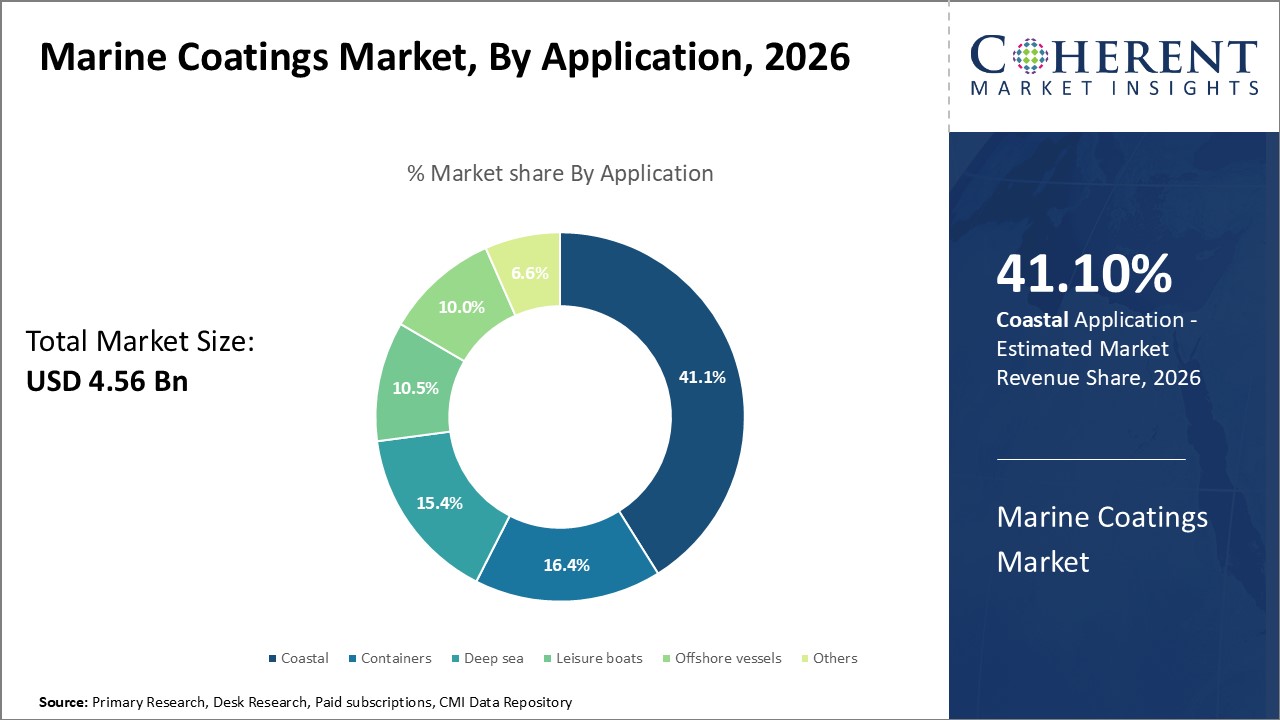
- In terms of Application, Coastal Segment contributes 41.1% share of the marine coatings market during the forecast period.
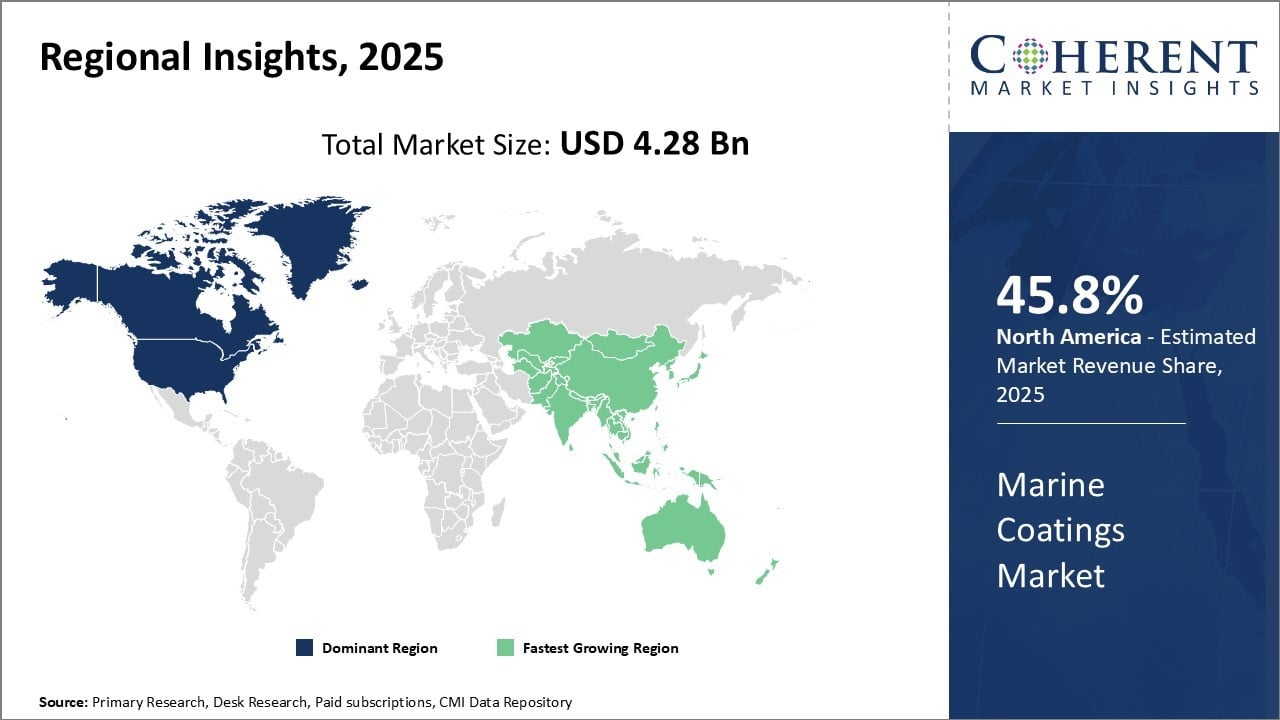
- The North America region is in the lead today as far as the global marine coatings market is concerned with 45.8% in 2026.
Market Overview
The market is driven by the growing shipbuilding and repair industry globally and the need to protect ships from corrosion and fouling. The market is witnessing increased demand for bio-based and advanced coatings solutions. Strict environmental regulations regarding VOC emissions from coating solutions are further driving the demand for eco-friendly coating alternatives. Growth in international seaborne trade and rise in offshore and coastal activities are also expected to drive new ship constructions, contributing to the marine coatings market growth during the forecast period.
Current Events and Its Impact on Marine Coatings Market
Current Events | Description and its impact |
MO & EU Emissions Directives Drive Performance Coatings
|
|
IGL Coatings Introduces Green Detailing Line
|
|
Pricing Analysis
The price analysis of the marine coatings market shows a dynamic market driven by raw material prices, technology developments, environmental regulations, and regional supply-demand imbalances. Marine coating prices are predominantly influenced by the price of major raw materials like resins, pigments, solvents, and additives, most of which are petroleum-based petrochemicals.
Thus, crude oil price volatility has a direct impact on costs of production. Moreover, producers are compelled to create environmentally friendly, low-VOC products due to stringent environmental regulations in North America and Europe. This has resulted in increased research and development costs, which tend to be transferred to the consumers in the form of price hikes.
The industry is divided into anti-corrosion coatings, antifouling coatings, and foul-release coatings, each having their own price strategies. Antifouling coatings generally have premium prices considering their sophisticated formulations and performance-enhancing features. In addition, high-performance coatings for deep-sea or naval ships are more expensive than inland or recreational ships.
Geographically, Asia-Pacific is the biggest market because of its large-scale shipbuilding sector with comparatively competitive prices because of economies of scale and advantages of manufacturing in the local market. Conversely, the cost is higher in Europe and North America because of regulating compliance and increased labor costs.
The competitive environment also affects price strategies, with key competitors like AkzoNobel, PPG Industries, and Hempel implementing value-based price strategies to position their high-end products. Generally, prices in the marine coatings industry remain responsive to market macros as well as to innovations seeking to improve performance and sustainability.
- Current Industry Events of 2026
- Market Size Estimation
- Regional Breakdown
- Competitive Landscape
- Customer Intelligence
- Segmental Analysis
- Pricing Analysis
- Key Market Drivers, Challenges & Future Trends
- Customized Insights Section
Technological Advancement
Technology developments in the marine coatings sector are revolutionizing the business through enhanced performance, sustainability, and efficiency. One of the key areas of development is the production of eco-friendly, biocide-free antifouling coatings. Conventional antifouling coatings, which prevent biofouling on ship hulls, have relied on harmful biocides that harm marine ecosystems. As a result of growing environmental regulations, companies are investing in silicone- and fluoropolymer-based foul-release coatings with a non-sticky surface that repels organisms without discharging poisonous chemicals.
Nanotechnology is also set to revolutionize, allowing for the development of coatings with enhanced durability, corrosion resistance, and self-cleaning capabilities. Nano-coatings provide better adhesion and abrasion resistance, extending the lifespan of marine vessels and cutting down maintenance expenses. Moreover, the use of smart coatings—that are capable of sensing changes in the environment like temperature or pH—is an emerging frontier in marine protection. These coatings are able to indicate early corrosion or damage signs, thus enabling timely maintenance and enhanced safety.
Digitalization and data-driven technologies are also impacting product development. For example, predictive modeling and AI are utilized to optimize coating formulations as well as forecast long-term performance under changing sea conditions. Further, innovations in application methods, including robotic and automated spraying systems, have enhanced coating consistency while minimizing labor costs and human error.
Technological innovation is steering marine coatings toward sustainability, operational effectiveness, and regulatory requirements while providing new opportunities for performance differentiation in a competitive global marketplace.
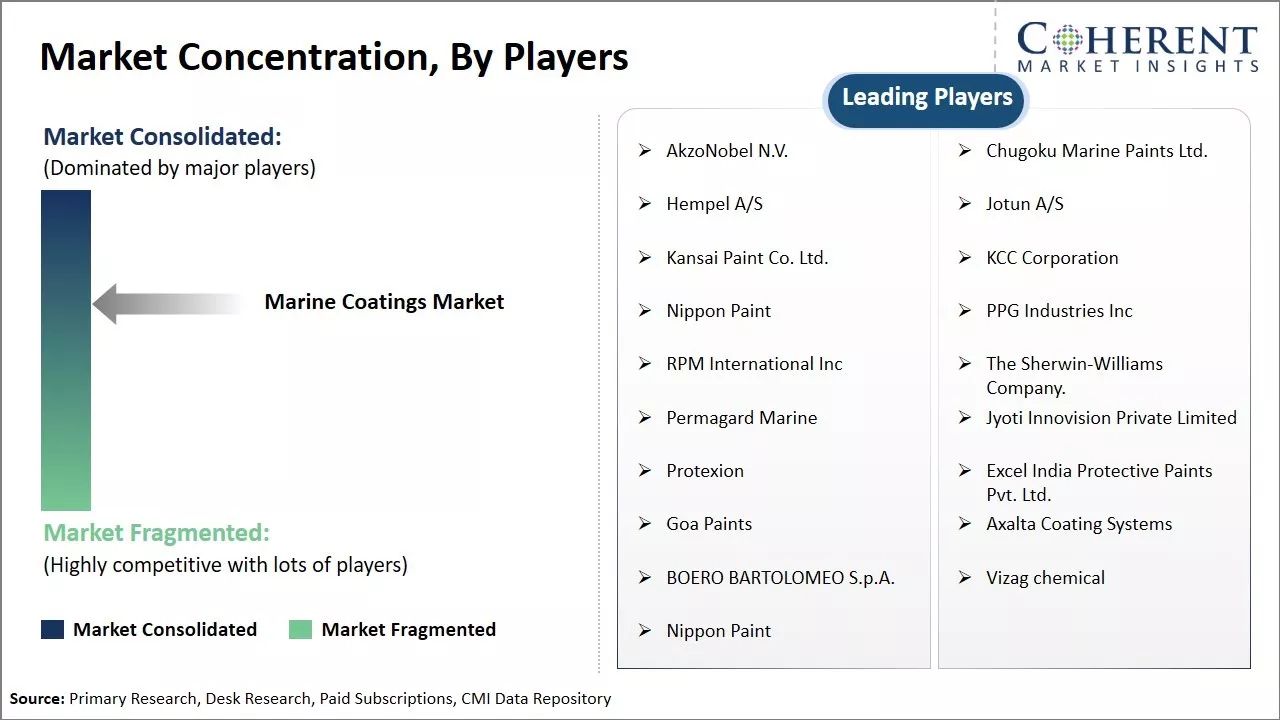
Market Concentration and Competitive Landscape
Market Driver
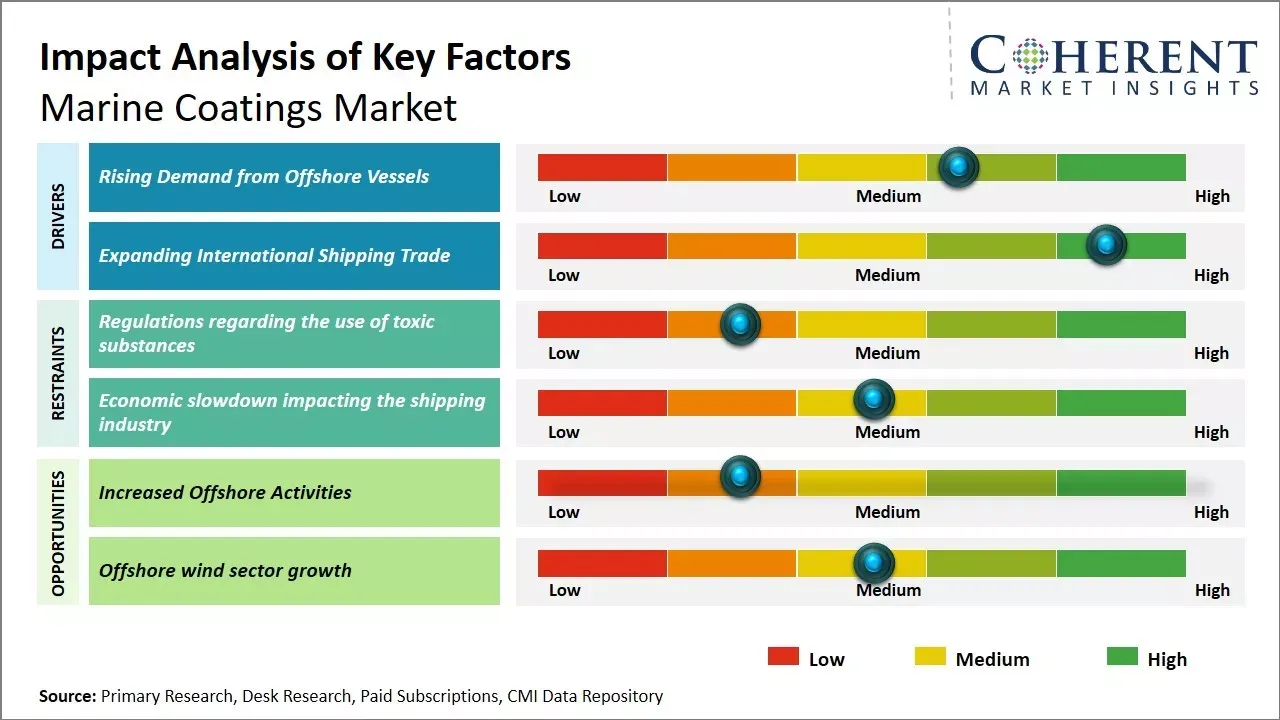
- Rising Demand from Offshore Vessels
The demand for marine coatings is experiencing strong growth due to the rising activities in offshore oil and gas exploration and production. A wide range of offshore vessels such as rigs, floating production storage and offloading (FPSO) vessels, drill ships, pipe laying vessels, and platform supply vessels require protective coatings to prevent corrosion in harsh underwater marine environments.
These coatings play a crucial role in protecting the hull and decks of offshore vessels from seawater, chemicals, and other corrosive elements. They extend the lifespan of offshore vessels and reduce maintenance and repair costs over the years. Countries around the world are actively investing in offshore oil and gas exploration projects to gain energy security and fuel economic growth. Established offshore hubs like Gulf of Mexico and North Sea continue their development of new fields.
Meanwhile, emerging hydrocarbon basins in Asia Pacific and Africa are witnessing significant capital expenditure on exploration infrastructure. Many national oil companies and international super majors have substantial deep-water and ultra-deep-water exploration programs scheduled for the coming decades. All these activities involve deployment of a wide variety of offshore vessels that need to be coated for corrosion protection.
As offshore exploration and production projects proliferate globally in the pursuit of energy, it will drive steady demand for high-performance marine coatings used in coating offshore vessels. In April 2025, Advanced Polymer Coatings (APC) was awarded a contract to apply its high-performance MarineLINE coating on up to six new IMO-class chemical/product tankers built at China’s Chengxi Shipyard for Norway’s Champion Tankers.
- Expanding International Shipping Trade
Rising globalization and burgeoning international trade have prompted significant growth in maritime shipping activities across the world. More goods than ever before are being transported by sea, as maritime shipping remains the most economical mode of bulk transportation for long-haul cargo transfer. According to industry estimates, over 80% of global trade by volume is carried by sea.
Container ships, bulk carriers, crude oil tankers, LNG carriers, general cargo ships, and other commercial vessels constitute the large global merchant fleet that facilitates international shipping trade. As these commercial ships expand in numbers and deadweight tonnage to handle the growing trading volumes, it increases the demand for high-quality marine coatings for vessel hulls and cargo tanks.
Stringent regulations are also pushing ship owners and operators to use advanced marine coatings onboard their vessels. International Marine Organization (IMO) mandates regular maintenance and repair of ship hulls using effective foul-release coatings to improve fuel efficiency. Tank coating systems are specified by classification societies and charterers to prevent corrosion and contamination during bulk liquid cargo transportation.
Market Opportunities: Increased Offshore Activities
The International Maritime Organization's rules demanding low sulfur fuels in 2020 and 2050 nitrogen oxide emissions caps will drive the demand for innovative marine coating solutions. Additionally, the industry can explore the use of renewable resources in formulations to improve sustainability. Recovering shipbuilding industry and increased offshore activities also provide upside potential. Overall, changes in regulations are motivating new product development.
Segmental Insights
Marine Coatings Market Insights, by Product Type
In terms of product type, anti-fouling coatings contribute 43.4% share of the market owing to the critical need to protect steel hulls from corrosion in harsh marine environments. Fouling can seriously compromise the integrity and structural strength of ships if left unprotected. Anti-fouling coatings form a protective barrier on the metal surfaces of vessels, providing long-term defense against corrosion from water, salt, pollutants, and other corrosive elements commonly found in oceans and seas.
These coatings are specially formulated with primers, binders, and additives that adhere strongly to steel and form a durable, inert film. This film shields the substrate from direct contact with fouling agents and electrolytic reactions. Some advanced anti-corrosion coatings also contain migratory chemicals that migrate to damage sites and actively repair any imperfections in the coating layer.
The strong adherence and self-healing properties of these coatings make them highly suitable for applications demanding maximum fouling protection over prolonged immersion in marine environments. As steel remains the predominant material used in shipbuilding due to its strength and cost advantages, effective anti-corrosion solutions continue to be in high demand.
Ship owners prioritize anti-fouling coatings that offer longevity and require minimal maintenance, helping reduce repair and maintenance costs over the lifespan of vessels. This sustains the leading market share of anti-corrosion coatings in the marine coatings industry.
Marine Coatings Market Insights, by Application
In terms of application, coastal contributes 41.1% share of the marine coatings market. Coastal infrastructure such as ports, docks, harbors, bridges, and offshore platforms located along coastlines require robust protection from marine corrosion. Coastal structures face constant exposure to sea water and its dissolved salts, resulting in rapid deterioration if left unprotected. Corrosion can compromise load-bearing capacities, weaken structural integrity and shorten asset lifetimes if not addressed properly.
Galvanic corrosion is a major concern for assets constructed from dissimilar metals and placed in seawater. Installations near coastal regions also endure frequent wetting and drying cycles from tides, inducing osmotic and wetting corrosion. Likewise, pollution and microbial corrosion accelerate material degradation in these environments.
Coastal facilities forming vital economic gateways demand coatings formulated for maximum resistance to the combined effects of immersion, atmospheric, and stray current corrosion. Premium marine coatings safeguard infrastructure by delivering long-lasting barrier protection. Key benefits include enhanced durability versus conventional paints to lower life-cycle costs.
Regional Insights
North America Marine Coating Market Analysis and Trends
North America region currently dominates the global marine coatings market with 45.8%. With countries like the U.S. and Canada having long coastlines and a strong presence of shipbuilding and marine industry, the demand for marine coatings has been consistently high in the region. The region is home to leading ship manufacturers and owners. This helps protect the huge maritime trade that sustains the regional economy.
Extensive saltwater exposure makes marine coating a necessity for ship protection in North America. Stringent environmental regulations regarding the use of toxic paints further stimulates the demand for advanced, environment-friendly marine coatings in North America. Low-VOC, non-toxic coatings addressing both corrosion protection and pollution prevention have seen higher acceptance. Leading global marine coatings manufacturers have established production facilities within the region to serve the reliable local demand.
Asia Pacific Marine Coating Market Analysis and Trends
The Asia Pacific region has emerged as the fastest-growing market for marine coatings globally. Countries like China, Japan, and South Korea have tremendous growth opportunities owing to their expanding shipbuilding industries. Asia Pacific accounts for over 50.5% of global shipbuilding orders, making it the nerve center for new ship construction worldwide. This exponential growth of the regional shipbuilding industry presents enormous untapped potential for marine coating producers.
China alone contributes to over 50.5% of the global shipbuilding capacity. Its status as the factory of the world translates to immense requirement for quality marine coatings. Unlike North America, shipbuilding in Asia Pacific is moving beyond traditional freight transportation and expanding to diverse offerings like cruise, offshore, and naval vessels.
This diversification within regional shipbuilding acts as a catalyst for varied marine coatings demand. Along with shipbuilding, the maritime trading routes through the Indian and Pacific oceans also require extensive marine coating inputs for anticorrosion and antifouling in Asia Pacific.
China Marine Coatings Market Analysis and Trend
China dominates the world marine coatings market, fueled by its enormous shipbuilding industry—the world's largest. China's low-cost manufacturing capacity, large coastline, and increased investments in naval and commercial ships support its leadership. Both domestic players and international manufacturers enjoy good production conditions and high local demand.
South Korea Marine Coatings Market Analysis and Trend
South Korea maintains a leading position in the marine coatings market because it is the world's shipbuilding center. It boasts industry leaders such as Hyundai Heavy Industries and Samsung Heavy Industries, which require high-performance coatings for large ships like tankers, LNG carriers, and container ships. Advanced coatings are necessitated by technological advancement and rigorous quality demands.
Market Report Scope
Marine Coatings Market Report Coverage
| Report Coverage | Details | ||
|---|---|---|---|
| Base Year: | 2025 | Market Size in 2026: | USD 4.56 Bn |
| Historical Data for: | 2020 To 2024 | Forecast Period: | 2026 To 2033 |
| Forecast Period 2026 to 2033 CAGR: | 6.5% | 2033 Value Projection: | USD 7.08 Bn |
| Geographies covered: |
| ||
| Segments covered: |
| ||
| Companies covered: | AkzoNobel N.V., Chugoku Marine Paints Ltd., Hempel A/S, Jotun A/S, Kansai Paint Co. Ltd., KCC Corporation, Nippon Paint, PPG Industries Inc, RPM International Inc, The Sherwin-Williams Company., Permagard Marine, Jyoti Innovision Private Limited, Protexion, Excel India Protective Paints Pvt. Ltd., Goa Paints, Axalta Coating Systems, BOERO BARTOLOMEO S.p.A., Vizag chemical, and Nippon Paint | ||
| Growth Drivers: |
| ||
| Restraints & Challenges: |
| ||
Marine Coatings Industry News
- In February 2025, Overseas Shipholding Group expanded the use of GIT Coatings’ XGIT‑PROP graphene-based propeller coating to seven additional crude oil tankers, following a successful pilot in 2023. Independent trials confirmed significant fuel savings and performance gains on Pacific routes.
- In March 2024, PPG Industries launched PPG NEXEON 810, an ultra-low-friction, copper-free antifouling coating for improving vessel performance. It was independently tested to increase propulsion efficiency up to 10% and overall operating efficiency up to 15%, showing the trend toward sophisticated, bio-based alternatives by the industry amidst strict environmental regulations.
Analyst View
- The marine coatings industry is experiencing a phase of transformation under the influence of regulatory forces and green imperatives. Fragmented regulation is still a major constraint, as shipowners contend with varied global compliance regimes. At the same time, supply chain shocks and macroeconomic uncertainty continue to pose operational stability risks throughout the sector.
- Major drivers are strict IMO decarbonization regulations that fuel demand for energy-efficient hull paints that minimize ship emissions. Formulation innovation, including antifouling biocides-free, silicone and graphene-reinforced coatings, is becoming increasingly popular as environmental pressures mount. Antimicrobial biosecurity coatings offer up-and-coming opportunities, especially in offshore and recreational ship segments.
- Regionally, Asia-Pacific leads with strong shipbuilding activity, and Europe shows strong growth as a result of aggressive environmental regulations and green maritime efforts. The repair/maintenance segment presents strong opportunities with aging fleets, although cost sensitivity within the segment remains.
- There also are opportunities presented by digitalization, in which performance verification of coatings based on data builds customer confidence. Green product development continues to be an important area, with R&D intent on non-toxic, long-lasting products that have a basis in circular economy thinking. Yet the industry has to contend with raw material fluctuation and high R&D expenses related to next-generation formulations.
- Cooperation among the shipbuilders and coating manufacturers will be key to creating synergistic solutions that meet regulatory requirements, operational performance, and environmental sustainability. The growth of the market depends on linking innovation with the decarbonization path of the maritime industry and regional regulatory challenges.
Market Segmentation
- Product type Insights (Revenue, USD Bn & KT, 2021 - 2033)
- Anti-fouling coatings
- Anti-corrosion coatings
- Foul release coatings
- Others
- Application Insights (Revenue, USD Bn & KT, 2021 - 2033)
- Coastal
- Containers
- Deep sea
- Leisure boats
- Offshore vessels
- Others
- Regional Insights (Revenue, USD Bn & KT, 2021 - 2033)
- North America
- U.S.
- Canada
- Latin America
- Brazil
- Argentina
- Mexico
- Rest of Latin America
- Europe
- Germany
- U.K.
- Spain
- France
- Italy
- Russia
- Rest of Europe
- Asia Pacific
- China
- India
- Japan
- Australia
- South Korea
- ASEAN
- Rest of Asia Pacific
- Middle East & Africa
- GCC Countries
- Israel
- Rest of Middle East & Africa
- Key Players Insights
- AkzoNobel N.V.
- Chugoku Marine Paints Ltd.
- Hempel A/S
- Jotun A/S
- Kansai Paint Co. Ltd.
- KCC Corporation
- Nippon Paint
- PPG Industries Inc
- RPM International Inc
- The Sherwin-Williams Company.
- Permagard Marine
- Jyoti Innovision Private Limited
- Protexion
- Excel India Protective Paints Pvt. Ltd.
- Goa Paints
- Axalta Coating Systems
- BOERO BARTOLOMEO S.p.A.
- Vizag chemical
- Nippon Paint
Sources
Primary Research interviews
- Coating manufacturers
- Shipbuilding companies
- Regulatory bodies
- Marine logistics and fleet operators
- Others
Databases
- Bloomberg Terminal
- Thomson Reuters Eikon
- Others
Magazines
- Coatings World
- Marine Log
- Marine Technology Reporter
- Others
Journals
- Progress in Organic Coatings
- Journal of Coatings Technology and Research
- Marine Structures
- Others
Newspapers
- The Maritime Executive
- TradeWinds
- Lloyd's List
- Others
Associations
- International Maritime Organization (IMO)
- National Association of Corrosion Engineers (NACE International)
- Society for Protective Coatings (SSPC)
- Others
Public Domain sources
- World Bank maritime trade statistics
- United Nations Conference on Trade and Development (UNCTAD) reports
- European Maritime Safety Agency (EMSA) databases
- Others
Proprietary Elements
- CMI Data Analytics Tool
- Proprietary CMI Existing Repository of information for last 8 years
*Definition: The marine coatings market consists of companies that manufacture and supply protective coatings and paints that are applied to ships, boats, offshore oil rigs, and other maritime structures and vessels. These coatings help protect the structures from corrosion caused by exposure to saltwater, chemicals, ultraviolet radiation, and other environmental conditions. They shield the surfaces and prolong the life of maritime assets.
Get access to 250+ pages report
Every segment, forecast, competitor profile and data table behind the analysis above — available for instant download.
- ESOMAR Member
- ISO 9001:2015 Certified
- D-U-N-S Registered
- GDPR & CCPA Compliant
Missing comfort of reading report in your local language? Find your preferred language:
Transform your Strategy with Exclusive Trending Reports
Frequently Asked Questions
The Marine Coatings Market size is estimated to be valued at USD 4.56 Bn in 2026, and is expected to reach USD 7.08 Bn by 2033.
The CAGR of the Marine Coatings Industry is projected to be 6.5% from 2026 to 2033.
Rising demand from offshore vessels and expanding international shipping trade are the major factors driving the growth of the global market.
Regulations regarding the use of toxic substances and economic slowdown impacting the shipping industry are the major factors hampering the growth of the global market.
In terms of product type, anti-corrosion coatings are estimated to dominate the market revenue share in 2026.
AkzoNobel N.V., Chugoku Marine Paints Ltd., Hempel A/S, Jotun A/S, Kansai Paint Co. Ltd., KCC Corporation, Nippon Paint, PPG Industries Inc, RPM International Inc, The Sherwin-Williams Company., Permagard Marine, Jyoti Innovision Private Limited, Protexion, Excel India Protective Paints Pvt. Ltd., Goa Paints, Axalta Coating Systems, BOERO BARTOLOMEO S.p.A., Vizag chemical, and Nippon Paint are the major players operating in the market.
North America is expected to lead the global market.