

Peptide Therapeutics In Metabolic Disorders Market Size and Forecast – 2026 to 2033
The Peptide Therapeutics In Metabolic Disorders Market is anticipated to grow at a CAGR of 14.6% with USD 39.3 Bn in 2026 and is expected to reach USD 47.8 Bn in 2033. The Peptide Therapeutics in Metabolic Disorders Market is driven by rising diabetes and obesity rates, growing demand for weight-management treatments, and greater investment in innovative metabolic therapies. Globally, 589 million people have diabetes, including 107 million in the WHO South-East Asia Region. This figure is projected to rise to 185 million by 2050 in the region. (Source: IDF)
Key Takeaways
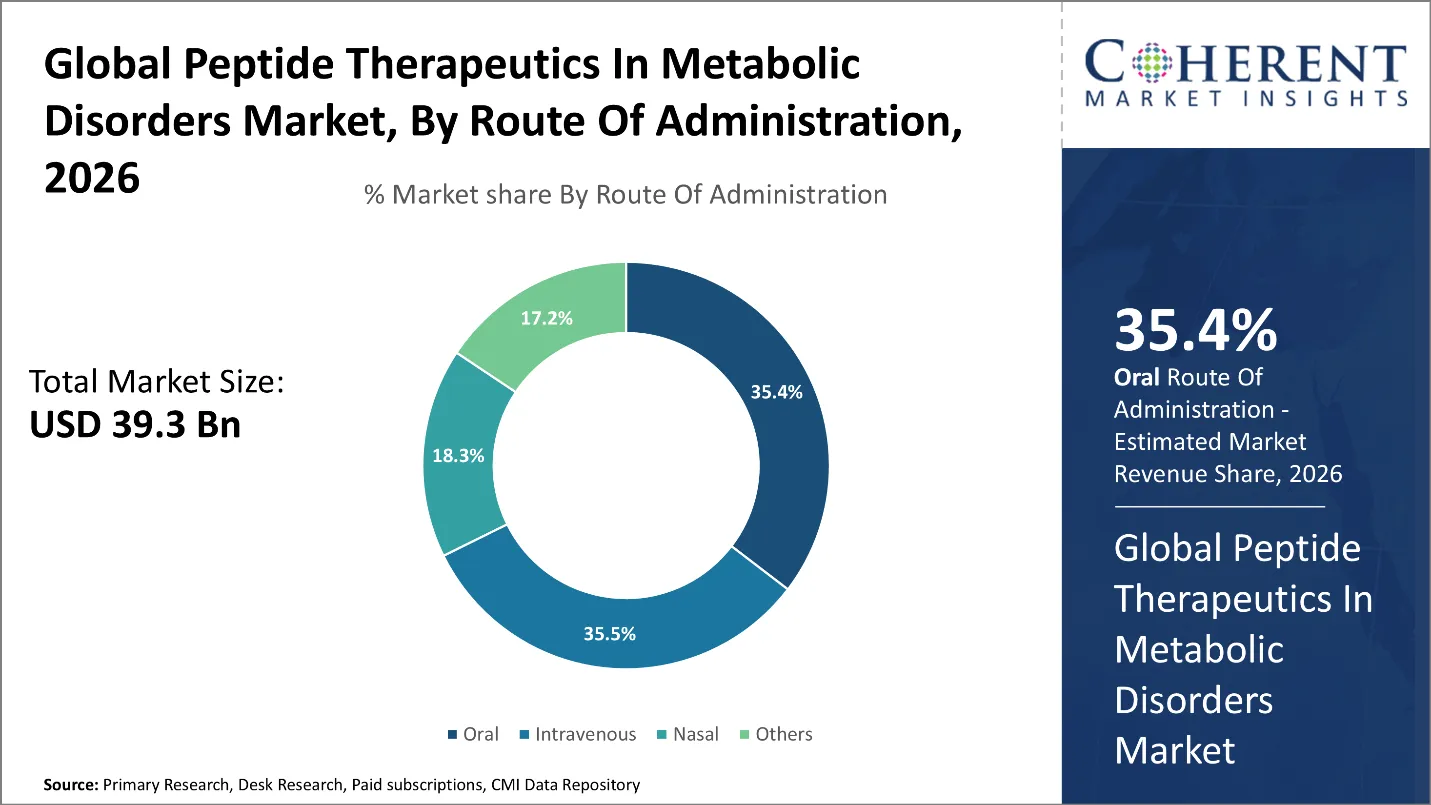
- Oral holds the largest market share of 38.9% in 2026 owing to the strong demand for non-injectable alternatives.
- Solid Phase Peptide Synthesis expected to hold largest market share of 42.4% in 2026 owing to its rapid growth of GLP-1-based therapeutics. GLP-1 prescriptions for obesity increased by 587% between 2019 and 2025.
- Hospitals acquired the largest market share of 37.9% in 2026 owing to the rising burden of obesity and diabetes. The global number of adults living with obesity is projected to more than double, rising from 524 million in 2010 to 1.13 Bn by 2030, an increase of over 115%.
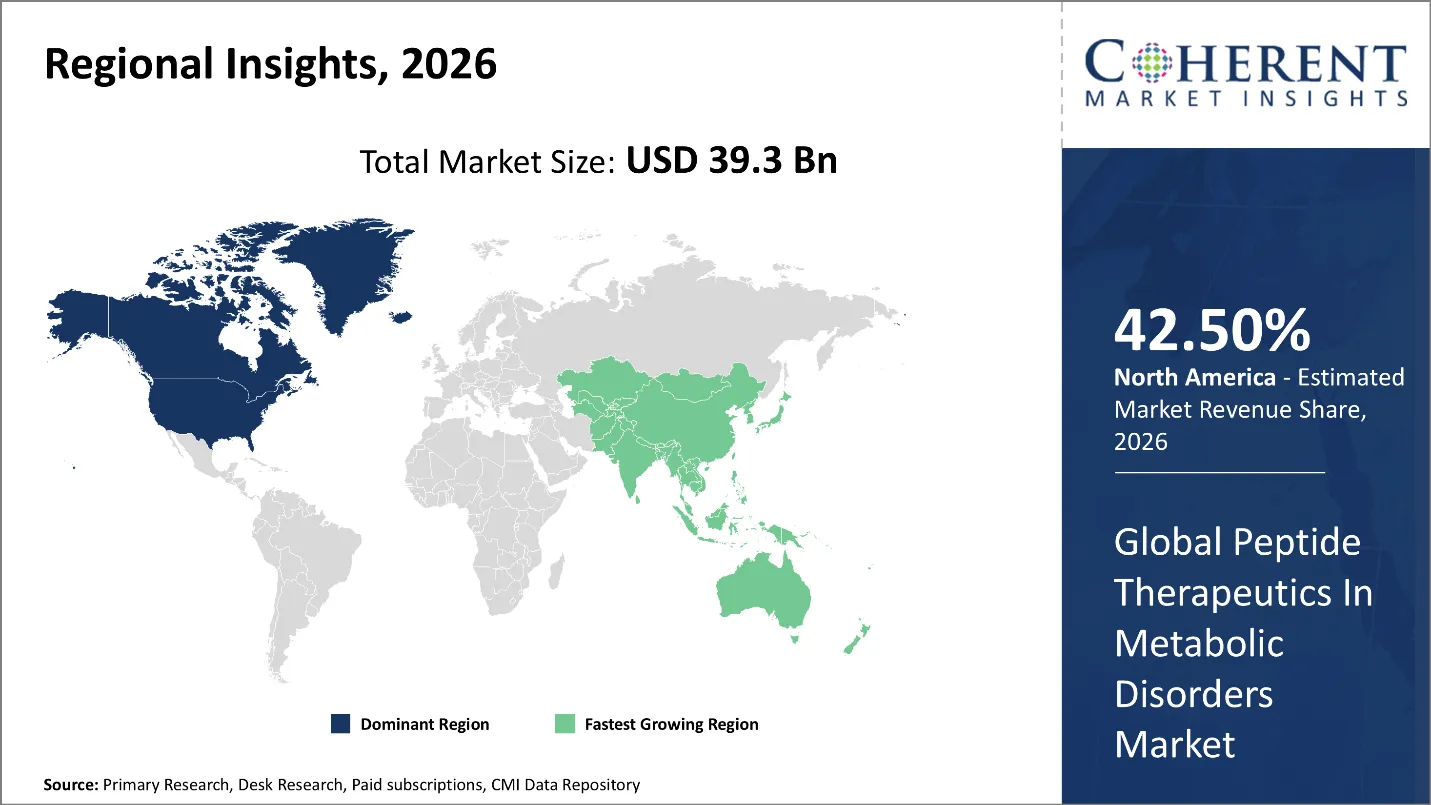
- North America is expected to acquire the dominant share of 42.5% in 2026 owing to the expansion of obesity pharmacotherapy. In 2025, obesity prevalence exceeded 25% in all U.S. states and territories with available data. Regionally, prevalence was highest in the Midwest (35.5%) and South (34.8%), followed by the West (30.7%) and Northeast (29.6%).
Current Events and Their Impact on the Peptide Therapeutics In Metabolic Disorders Market
Current Event | Description and its Impact |
FDA Approval of Higher-Dose Semaglutide (Wegovy HD) |
|
EMA Conditional Authorization of Semaglutide for MASH |
|
Segmental Insights
- Current Industry Events of 2026
- Market Size Estimation
- Regional Breakdown
- Competitive Landscape
- Customer Intelligence
- Segmental Analysis
- Pricing Analysis
- Key Market Drivers, Challenges & Future Trends
- Customized Insights Section
Why is Oral Acquiring the Largest Market Share?
Oral holds the largest market share of 35.4% in 2026. The oral segment of the Peptide Therapeutics in Metabolic Disorders Market is growing as patients increasingly seek convenient, non-invasive treatments for obesity and type 2 diabetes. Pharmaceutical companies are expanding GLP-1 therapies and generating clinical evidence for oral peptide formulations, while advances in absorption-enhancement technologies improve oral delivery. These therapies offer greater convenience and may increase patient acceptance compared with injections. Meanwhile, drug developers continue to invest in innovative oral metabolic therapies and formulation technologies to overcome peptide stability and bioavailability challenges. BioLife announced that the United States Patent and Trademark Office granted U.S. Patent 12,667,605 B2 for its novel effervescent oral peptide delivery technology. The technology aims to support existing and next-generation peptide therapies for obesity, diabetes, and other metabolic disorders.
Solid Phase Peptide Synthesis expected to hold largest market share
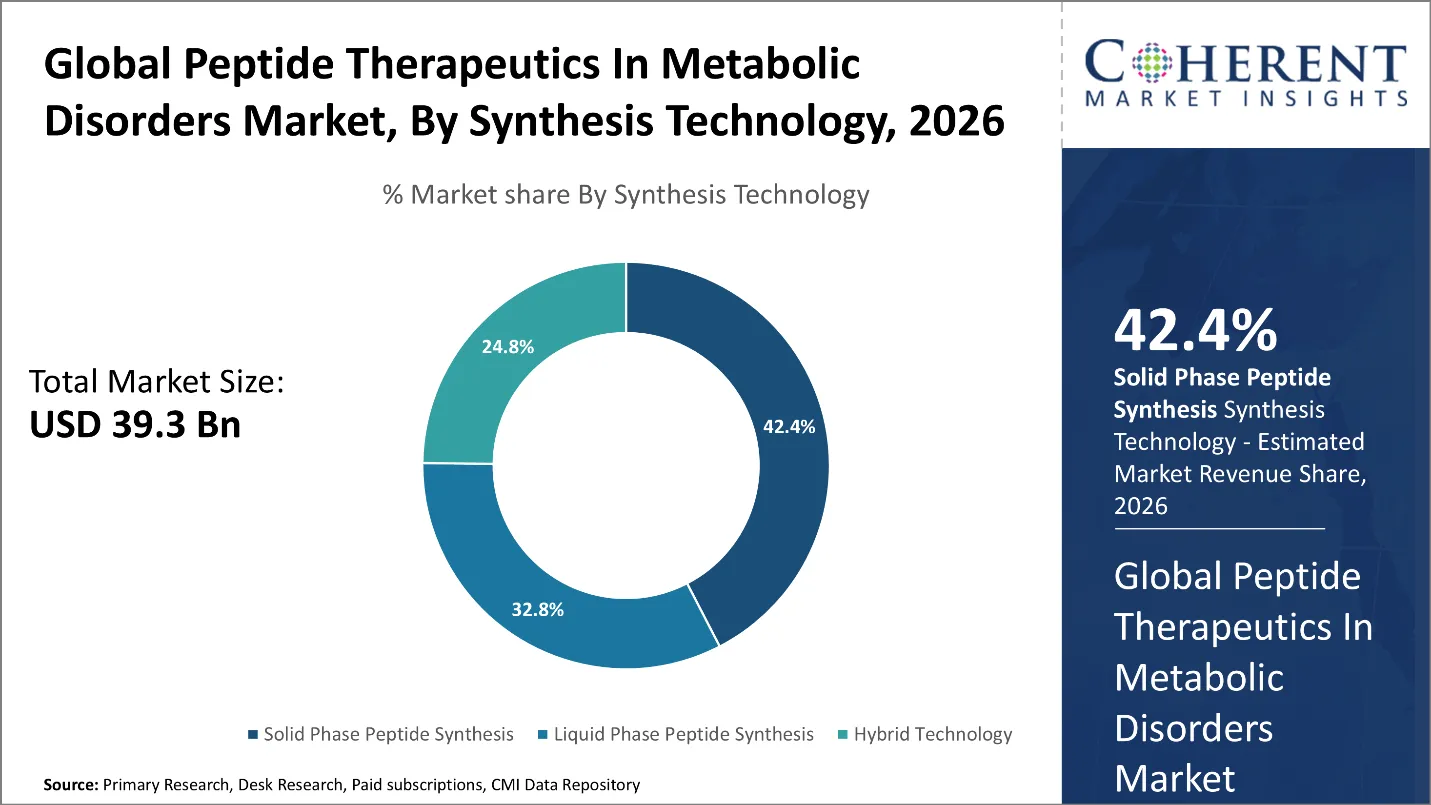
Solid Phase Peptide Synthesis expected to hold largest market share of 42.4% in 2026 owing to its need for high-purity peptide APIs. Demand for GLP-1 and other peptide-based therapies is driving the adoption of solid-phase peptide synthesis (SPPS) in the Peptide Therapeutics in Metabolic Disorders Market. Manufacturers use SPPS to efficiently produce complex peptides and incorporate modified amino acids and lipid conjugates. Rising treatment needs for obesity and diabetes are increasing demand for peptide APIs, prompting pharmaceutical companies and CDMOs to expand manufacturing capacity. Meanwhile, manufacturers are improving automation, process optimization, impurity control, and large-scale synthesis to strengthen SPPS production for metabolic therapeutics. Neuland Laboratories announced its plan to enter commercial-scale peptide manufacturing by opening a new facility at its Bonthapally campus near Hyderabad, adding 6,370 liters of reactor capacity for SPPS and LPPS.
Which Distribution Channel segment dominates the market?
Hospitals acquired the largest market share of 37.9% in 2026. Hospitals support growth in the Peptide Therapeutics in Metabolic Disorders Market as the increasing prevalence of obesity and type 2 diabetes drives demand for specialized care. Healthcare professionals use GLP-1 and other peptide therapies to manage metabolic disorders and related complications. Hospitals also deliver multidisciplinary services, monitor treatment outcomes, and provide ongoing patient follow-up, which encourages therapy adoption. Growing clinical evidence, updated obesity-management guidelines, and broader use of peptide therapies for long-term metabolic care further expand the role of hospitals.
Peptide Therapeutics In Metabolic Disorders Market Trends
- Growing development of dual- and multi-target peptide therapies, including GLP-1/GIP and other incretin-based approaches, is broadening the therapeutic pipeline and addressing multiple metabolic outcomes such as glycemic control and weight management. Tirzepatide is a documented example of this approach: it acts on both GIP and GLP-1 receptors and was evaluated in a Phase 3 trial involving 2,539 adults with obesity or overweight and weight-related complications, excluding diabetes.
- Growing adoption of GLP-1 receptor agonists and other peptide-based therapies for obesity and type 2 diabetes is expanding treatment options and strengthening demand for metabolic peptide therapeutics. The scale of the underlying disease burden supports this trend: the International Diabetes Federation estimates that 589 million adults aged 20–79 were living with diabetes worldwide in 2024, equivalent to approximately 1 in 9 adults, with the number projected to reach 853 million by 2050.
- Evolving regulatory frameworks and healthcare guidelines increasingly recognize pharmacological treatment as an important component of comprehensive obesity and diabetes management, supporting wider integration of peptide therapies into clinical practice. Regulatory evidence illustrates the expanding scope of approved metabolic peptide indications: in March 2024, the U.S. FDA approved Wegovy (semaglutide) to reduce the risk of cardiovascular death, heart attack, and stroke in adults with cardiovascular disease and overweight or obesity. The approval was supported by a multinational trial involving more than 17,600 participants.
Regional Insights
North America dominates owing to advanced healthcare infrastructure
North America is expected to acquire the dominant share of 42.50% in 2026. North America’s Peptide Therapeutics in Metabolic Disorders Market continues to expand as obesity and type 2 diabetes increase demand for effective treatments. Healthcare providers increasingly adopt GLP-1 and related incretin therapies, while pharmaceutical companies invest in innovative metabolic drugs. The region’s advanced healthcare infrastructure and strong pharmaceutical industry support diagnosis, treatment, and peptide development. Broader applications of peptide therapies for weight management and cardiometabolic conditions further drive demand, while FDA initiatives and expanding manufacturing capabilities strengthen the regional market. Cipla USA Inc., a wholly owned subsidiary of Cipla Limited, launched Liraglutide Injection, 18 mg/3 mL (6 mg/mL) prefilled pens as the generic equivalent of Saxenda® (liraglutide injection).
Asia Pacific Peptide Therapeutics In Metabolic Disorders Market Trends
The Asia Pacific peptide therapeutics market for metabolic disorders is growing as diabetes and obesity become more prevalent. Patients increasingly adopt GLP-1 receptor agonists, while governments and healthcare providers expand medical infrastructure and improve disease diagnosis. China, India, Japan, South Korea, and Australia are strengthening demand through healthcare investments and pharmaceutical innovation. Local companies are developing peptide drugs, biosimilars, and oral formulations to improve treatment access. Regulatory approvals, clinical research, and rising healthcare spending continue to accelerate regional market development. MSN Laboratories launched Semabest, its semaglutide brand, in India after CDSCO approval. Priced nearly 50% below the innovator drug, the pre-filled injectable pen aims to improve access to treatment for type 2 diabetes and other metabolic disorders.
United States Peptide Therapeutics In Metabolic Disorders Market Trends
In the United States, rising obesity and type 2 diabetes rates drive demand for peptide therapeutics for metabolic disorders. Patients and healthcare providers increasingly seek effective weight-management treatments, supporting the use of GLP-1 and dual GIP/GLP-1 therapies. FDA approvals of semaglutide and tirzepatide have broadened treatment options for diabetes and chronic weight management. Ongoing clinical research, growing evidence of cardiometabolic benefits, higher healthcare spending, and advances in peptide drug development continue to strengthen market growth. For instance, Viking Therapeutics completed patient enrollment in its exploratory maintenance-dosing study of VK2735, a dual GLP-1/GIP receptor agonist being developed in oral and injectable forms for obesity and other metabolic disorders.
China Peptide Therapeutics In Metabolic Disorders Market Trends
China’s peptide therapeutics market for metabolic disorders is expanding as rising rates of type 2 diabetes and obesity increase demand for effective treatments. Patients and healthcare providers increasingly adopt GLP-1 and multi-target peptide therapies for diabetes and weight management. Domestic biopharmaceutical companies are strengthening R&D capabilities and developing innovative metabolic treatments. Advances in peptide synthesis, drug delivery, and manufacturing further support commercialization, while Healthy China 2030 initiatives, evolving regulatory frameworks, and improved healthcare infrastructure promote innovation, production, and patient access.
Who are the Major Companies in Peptide Therapeutics In Metabolic Disorders Industry
Some of the major key players in Peptide Therapeutics In Metabolic Disorders are AstraZeneca plc, F. Hoffmann-La Roche Ltd, Sanofi S.A., Teva Pharmaceutical Industries Ltd., PolyPeptide Group, Eli Lilly and Company, Bachem Holding AG, Takeda Pharmaceuticals Co. Ltd., Ipsen S.A, Rhythm Pharmaceuticals Inc., and Novo Nordisk A/S.
Key News
- In January 2026, Novo Nordisk launched the first GLP-1 pill for obesity, targeting the large population affected by obesity and needle aversion.
Market Report Scope
Peptide Therapeutics In Metabolic Disorders Market Report Coverage
Report Coverage | Details | ||
Base Year: | 2025 | Market Size in 2026: | USD 39.3 Bn |
Historical Data for: | 2020 to 2024 | Forecast Period: | 2026 to 2033 |
Forecast Period 2026 to 2033 CAGR: | 14.6% | 2033 Value Projection: | USD 47.8 Bn |
Geographies covered: |
| ||
Segments covered: |
| ||
Companies covered: | AstraZeneca plc, F. Hoffmann-La Roche Ltd, Sanofi S.A., Teva Pharmaceutical Industries Ltd., PolyPeptide Group, Eli Lilly and Company, Bachem Holding AG, Takeda Pharmaceuticals Co. Ltd., Ipsen S.A, Rhythm Pharmaceuticals Inc., and Novo Nordisk A/S. | ||
Analyst Opinion
- Peptide therapeutics are moving beyond conventional glucose control and becoming a core treatment platform for obesity and broader metabolic disorders. In our view, the strongest evidence comes from tirzepatide, where the three-year SURMOUNT-1 analysis showed mean weight reductions of 12.3%, 18.7%, and 19.7% across the 5 mg, 10 mg, and 15 mg doses, compared with 1.3% with placebo. More importantly, diabetes incidence was only 1.3% among tirzepatide-treated participants versus 13.3% with placebo, demonstrating that next-generation peptides can influence disease progression rather than simply manage symptoms.
- Multi-target peptide therapies will increasingly outperform single-pathway approaches where substantial and sustained metabolic improvement is required. In a head-to-head trial in type 2 diabetes, tirzepatide produced greater weight reductions than semaglutide at every tested dose, reaching 11.2 kg versus 5.7 kg at 40 weeks at the highest tirzepatide dose. This performance difference reinforces our view that dual- and multi-hormonal mechanisms will remain a major source of therapeutic differentiation as developers compete on efficacy, durability, and metabolic outcomes.
- The next major opportunity lies in extending peptide therapeutics into interconnected metabolic diseases rather than treating obesity and diabetes independently. The 2025 ESSENCE phase 3 trial showed that semaglutide achieved resolution of steatohepatitis without worsening liver fibrosis in 62.9% of treated patients versus 34.3% with placebo, while 36.8% achieved fibrosis reduction without worsening steatohepatitis versus 22.4% with placebo. These results materially strengthen the case for peptides as systemic metabolic therapies and expand their relevance into conditions such as MASH.
- We also expect combination peptides to intensify competition. The phase 3 REDEFINE 2 study reported 13.7% mean weight reduction with once-weekly cagrilintide–semaglutide versus 3.4% with placebo, while 73.5% of combination-treated patients achieved HbA1c levels of 6.5% or lower compared with 15.9% receiving placebo. These results indicate that combining complementary hormonal pathways can deliver clinically meaningful improvements across both weight and glycemic control, making combination peptide development a key competitive battleground.
Speak to the analyst
Want personalized insights?
Take the findings above to one of our principal consultants, or have the report rebuilt around the segments, geographies and competitors you actually track.
Market Segmentation
- By Route Of Administration (Revenue, USD Bn, 2021-2033)
- Intravenous
- Oral
- Nasal
- Others
- By Synthesis Technology (Revenue, USD Bn, 2021-2033)
- Solid Phase Peptide Synthesis
- Liquid Phase Peptide Synthesis
- Hybrid Technology
- By Distribution Channels (Revenue, USD Bn, 2021-2033)
- Hospitals
- Specialty Clinics
- Retail Pharmacy
- Online Pharmacy
- By Region (Revenue, USD Bn, 2021-2033)
- North America
- U.S.
- Canada
- Latin America
- Brazil
- Mexico
- Argentina
- Rest of Latin America
- Europe
- Germany
- U.K.
- France
- Italy
- Spain
- Russia
- Rest of Europe
- Asia Pacific
- China
- India
- Japan
- Australia
- South Korea
- ASEAN
- Rest of Asia Pacific
- Middle East
- GCC
- Israel
- Rest of Middle East
- Africa
- South Africa
- Central Africa
- North Africa
- North America
Sources
Primary Research interviews
- Endocrinologists and diabetologists specializing in obesity and metabolic disorders
- Clinical investigators involved in GLP-1, GIP/GLP-1, and multi-target peptide clinical trials
- Pharmaceutical R&D executives and peptide-drug development specialists
- Peptide API manufacturers and contract development and manufacturing organizations (CDMOs)
- Hospital pharmacists and metabolic-disease treatment specialists
- Regulatory affairs professionals specializing in peptide and metabolic drug approvals
- Formulation scientists working on oral and long-acting peptide delivery
- Healthcare providers involved in obesity and type 2 diabetes management
Databases
- U.S. Food and Drug Administration (FDA) Drugs@FDA Database
- ClinicalTrials.gov
- PubMed/MEDLINE
- National Library of Medicine (NLM)
- World Health Organization (WHO) Global Health Observatory
- Centers for Disease Control and Prevention (CDC) databases
- European Medicines Agency (EMA) medicine database
- U.S. National Institutes of Health (NIH) databases
- World Bank health and demographic databases
- OECD Health Statistics
- China National Medical Products Administration (NMPA) database
Magazines
- Pharmaceutical Executive
- Drug Discovery & Development
- Pharmaceutical Technology
- BioPharm International
- Nature Biotechnology news and industry coverage
- Science industry and biotechnology coverage
- The Lancet news and medical updates
Journals
- Diabetes Care
- The Lancet
- The New England Journal of Medicine
- JAMA
- Nature Medicine
- Diabetes, Obesity and Metabolism
- Obesity
- Journal of Clinical Endocrinology & Metabolism
- Molecular Metabolism
- Journal of Medicinal Chemistry
- Peptide Science
- European Journal of Endocrinology
Newspapers
- Reuters
- The Wall Street Journal
- Financial Times
- The New York Times
- The Guardian
- The Times of India
- China Daily
- South China Morning Post
- Nikkei Asia
Associations
- American Diabetes Association (ADA)
- American Association of Clinical Endocrinology (AACE)
- Obesity Society
- European Association for the Study of Diabetes (EASD)
- European Association for the Study of Obesity (EASO)
- International Diabetes Federation (IDF)
- American Association of Pharmaceutical Scientists (AAPS)
- American Peptide Society
- International Society for Pharmaceutical Engineering (ISPE)
- Pharmaceutical and Healthcare Sciences Society
Public Domain sources
- U.S. Food and Drug Administration (FDA) regulatory announcements, drug labels, approval documents, and safety communications
- European Medicines Agency (EMA) assessment reports and regulatory decisions
- National Institutes of Health (NIH) and ClinicalTrials.gov clinical-trial records
- World Health Organization (WHO) diabetes and obesity statistics
- Centers for Disease Control and Prevention (CDC) diabetes and obesity statistics
- National Institute of Diabetes and Digestive and Kidney Diseases (NIDDK) publications
- China National Medical Products Administration (NMPA) regulatory announcements
- National Health Commission of the People’s Republic of China publications
- China CDC health statistics and disease surveillance reports
- U.S. Centers for Medicare & Medicaid Services (CMS) datasets and policy documents
- European Commission public-health and pharmaceutical policy documents
- National statistical offices and government health databases across covered countries
Proprietary Elements
- CMI Data Analytics Tool
- Proprietary CMI Existing Repository of information for last 10 years
Get access to 250+ pages report
Every segment, forecast, competitor profile and data table behind the analysis above — available for instant download.
- ESOMAR Member
- ISO 9001:2015 Certified
- D-U-N-S Registered
- GDPR & CCPA Compliant
Missing comfort of reading report in your local language? Find your preferred language:
Transform your Strategy with Exclusive Trending Reports
Frequently Asked Questions
The Peptide Therapeutics In Metabolic Disorders Market is anticipated to grow at a CAGR of 14.6% with USD 39.3 Bn in 2026 and is expected to reach USD 47.8 Bn in 2033.
The market is primarily driven by the increasing clinical use of GLP-1 receptor agonists, dual GIP/GLP-1 therapies, and other peptide-based treatments for obesity and type 2 diabetes.
According to the provided market assessment, oral administration holds the leading position.
SPPS plays a central role because manufacturers can use it to produce complex peptide APIs with high purity and incorporate modified amino acids and lipid conjugates.
Hospitals represent the leading distribution channel in the supplied market analysis.
North America is identified as the dominant regional market in the supplied analysis.