

Global Inhaled Nitric Oxide Market Size and Forecast – 2026 To 2033
The global inhaled nitric oxide market is expected to grow from USD 1,667.6 Mn in 2026 to USD 3,021.4 Mn by 2033, registering a compound annual growth rate (CAGR) of 8.9% from 2026 to 2033. The market for inhaled nitric oxide is poised for significant expansion, fueled by growing cases of neonatal respiratory disorders necessitating intensive care treatment.
According to the AIIMS neonatal protocols, respiratory distress occurs in approximately 4–7% of all neonates and accounts for nearly 30–40% of neonatal intensive care unit admissions, highlighting the substantial demand for respiratory support therapies. The high prevalence of neonatal critical care cases has resulted in the application of inhaled nitric oxide to enhance oxygenation and manage pulmonary complications in hospitals.
(Source: AIIMS neonatal)
Key Takeaways of the Global Inhaled Nitric Oxide Market
- Inhaled nitric oxide delivery systems are projected to hold 64.6 % of the global inhaled nitric oxide market share in 2026, making it the dominant product type segment. These systems are highly concentrated in Europe due to high standards of compliance at the device level that ensure controlled delivery and monitoring of medical gases. Consequently, hospitals have resorted to delivery platforms, as opposed to individual gas usage. For instance, Medical Device Regulation, by the European Commission, demands extensive technical documentation and post-market surveillance of such equipment used for respiratory support, thus emphasizing the requirement of sophisticated nitric oxide delivery systems. (Source: European Commission)
- Neonates are projected to hold 64.0 % of the global inhaled nitric oxide market share in 2026, making it the dominant age group segment, with high penetration in Europe owing to centralized respiratory care strategies in the public health sector that employ standardized treatment procedures for newborns in designated units. This ensures consistent therapy usage in early-life critical care. For instance, service specification for neonatal critical care is provided by NHS England which entails advanced respiratory support interventions in dedicated neonatal networks, thereby facilitating the structured use of treatment options like inhaled nitric oxide. (Source: NHS England)
- Neonatal respiratory treatment (persistent pulmonary hypertension of the newborn) is projected to hold 33.9 % of the global inhaled nitric oxide market share in 2026, making it the dominant application segment, with high adoption in the Asia Pacific region owing to the growing use of advanced neonatal respiratory therapies in tertiary hospitals and pediatric clinics. The application is vital for dealing with serious pulmonary conditions among neonates in critical care settings. Moreover, clinical evidence from Japan highlights the use of inhaled nitric oxide within neonatal intensive care frameworks for managing pulmonary hypertension. For instance, according to a study reported on a clinical research platform based in Japan, inhaled nitric oxide is frequently administered in cases of neonatal ailments like persistent pulmonary hypertension and respiratory failure as part of treatment strategies in clinical settings. (Source: 2 Minute Medicine)
- North America maintains its dominance with an expected share of 39.1% in 2026, attributed to the commercialization of nitric oxide therapy and prior approval of these products, which have led to the incorporation of nitric oxide therapy within hospital formularies. The availability of approved nitric oxide therapies, including INOmax, in the U.S. health care systems guarantees consistency in access and usage of the treatment option. For instance, the U.S. Food and Drug Administration provides post-marketing labeling supervision for nitric oxide gas therapy for neonatal hypoxic respiratory failure, emphasizing the need for their continuing usage across hospitals. (Source: Food and Drug Administration)
- Asia Pacific is expected to exhibit the fastest growth with an estimated contribution of 20.1 % share in 2026, driven by the strategic development of neonatal and critical care facilities through health systems strengthening initiatives across key countries like China, India, and Japan. There is a focus on capacity building for intensive care services, allowing greater use of respiratory therapies. For instance, Pradhan Mantri Ayushman Bharat Health Infrastructure Mission in India, efforts are focused on enhancing the infrastructure of critical care hospitals, including intensive care units and oxygen-dependent facilities, thus aiding the adoption of treatments like inhaled nitric oxide. (Source: Ministry of Health & Family Welfare)
- Expansion of inhaled nitric oxide use in cardiac surgery and postoperative care: Inhaled nitric oxide therapy is becoming an emerging area for use within perioperative care of cardiac surgery and thoracic surgery cases, mainly as a method for regulating pulmonary pressure and improving oxygen delivery during and post-surgery. Inhaled nitric oxide's fast acting mechanism and selective pulmonary effect makes it ideal in handling cases of pulmonary complications during surgery.
- Growing adoption in extracorporeal membrane oxygenation (ECMO)-supported patients: The application of inhaled nitric oxide as an adjuvant treatment in cases where extracorporeal membrane oxygenation is applied, since it aids in improving the pulmonary blood flow and ensures efficient gas exchange. The increasing utilization of inhaled nitric oxide in controlling pulmonary vascular resistance through extracorporeal membrane oxygenation is projected to positively impact the market growth.
Segmental Insights
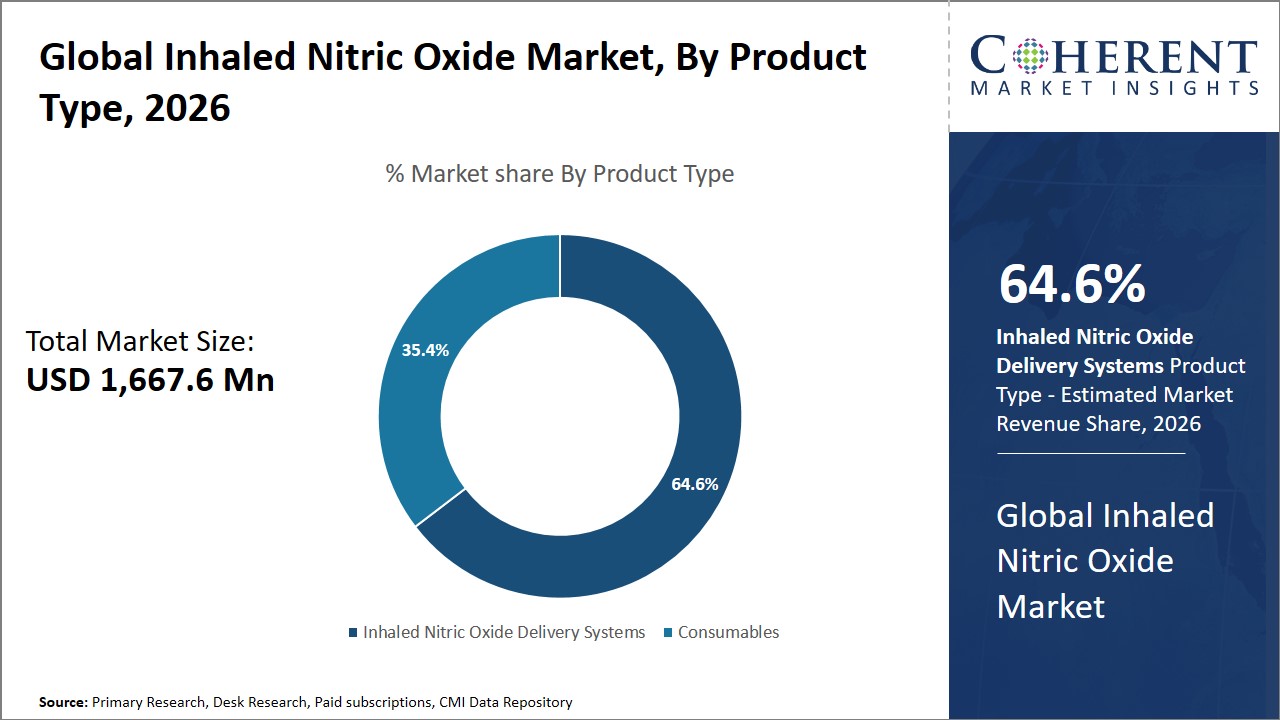
Why Does the Inhaled Nitric Oxide Delivery Systems Segment Dominate the Global Inhaled Nitric Oxide Market?
Inhaled nitric oxide delivery systems are projected to hold a market share of 64.6% in 2026, owing to their crucial role in delivering precise gas dosage, monitoring inhalation continuously, and administering nitric oxide gas in coordination with ventilators. The accuracy and safety thresholds provided by inhaled nitric oxide delivery systems play a crucial role in neonate and intensive care applications. The evidence provided by clinical and regulatory frameworks emphasizes the importance of inhaled nitric oxide delivery systems for delivering nitric oxide at precise concentrations irrespective of ventilator settings.
For instance, guidelines from the European Medicines Agency state that nitric oxide inhalation devices should maintain consistent and precisely regulated gas concentrations regardless of ventilator setup, with ongoing monitoring and alarms to ensure patient safety. (Source: European Medicines Agency) Moreover, the integrated ventilator system from Getinge AB highlights how nitric oxide administration and monitoring can be coordinated with the respiratory assistance systems to achieve better oxygenation results. (Source: Getinge AB) Such factors strengthen the view that delivery systems are crucial in therapy implementation, ensuring their dominance in the market.
- Current Industry Events of 2026
- Market Size Estimation
- Regional Breakdown
- Competitive Landscape
- Customer Intelligence
- Segmental Analysis
- Pricing Analysis
- Key Market Drivers, Challenges & Future Trends
- Customized Insights Section
Why do Neonates Represent the Largest Age Group Segment in the Global Inhaled Nitric Oxide Market?
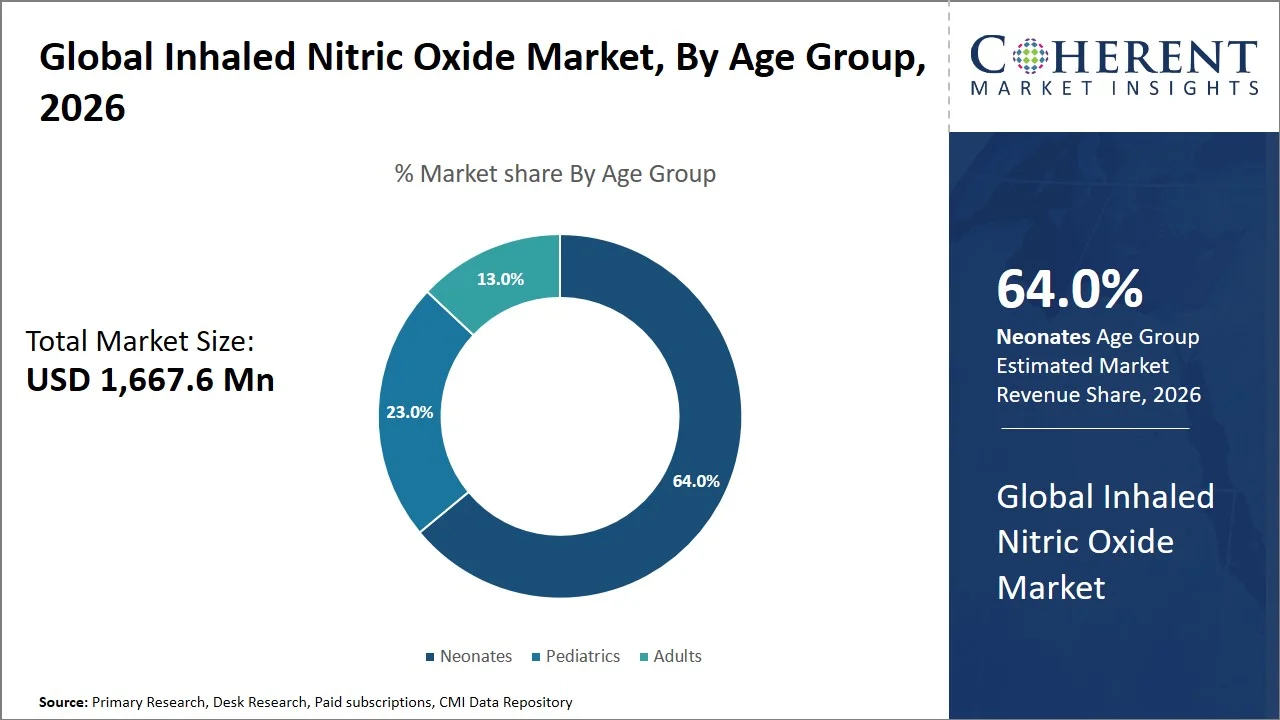
Neonates are projected to hold a market share of 64.0% in 2026, owing to the fact that inhaled nitric oxide is specifically developed and approved for treating neonatal hypoxic respiratory failure due to persistent pulmonary hypertension, and hence, is commonly used within neonatal intensive care units. This implies that there is need for quick and precise pulmonary vasodilation as well as oxygenation within the newborn, and as such, inhaled nitric oxide becomes the common tool in neonates' critical care.
For instance, according to the product authorization criteria by the European Medicines Agency, nitric oxide treatment is authorized for the treatment of hypoxic respiratory failure in term and near-term newborn babies. (Source: European Medicines Agency) Moreover, as per the clinical guidelines of the Canadian Pediatric Society, there is clear clinical indication of use of inhaled nitric oxide within the neonatal intensive care for treating pulmonary hypertension and oxygenation. (Source: Canadian Paediatric Society) The well-established regulatory indications and clinical guidelines ensure the high frequency of use in the neonatal care, driving the dominance of this segment.
Neonatal Respiratory Treatment (Persistent Pulmonary Hypertension of the Newborn) Segment Dominates the Global Inhaled Nitric Oxide Market
The neonatal respiratory treatment (persistent pulmonary hypertension of the newborn) segment is projected to hold a market share of 33.9% in 2026, attributed to the use of inhaled nitric oxide which is considered as a targeted pulmonary vasodilator intended to help maintain the oxygenation in neonates at risk of having impaired pulmonary circulation. The fact that inhaled nitric oxide does not result in systemic hypotension enables its effective use in the fragile physiology of the neonates. For instance, the National Health Service guidelines recommend using the inhaled nitric oxide therapy in special neonatal care pathways for the treatment of serious breathing problems in babies. (Source: National Health Service)
Furthermore, the National Health and Medical Research Council promotes evidence-based neonatal medicine by providing funding and disseminating clinical studies that influence intensive care management techniques, such as respiration care for newborn babies. For instance, National Health and Medical Research Council -funded study supports the development of frameworks for clinical decision-making in which novel forms of respiratory therapy, like nitric oxide inhalation, are utilized to treat problems associated with the lungs. (Source: National Health and Medical Research Council) This reliance on protocol-based, early-stage clinical trials ensures constant and high-volume use, which will strengthen the dominance of the segment in the global inhaled nitric oxide market.
Currents Events and their Impact
Current Events | Description and its Impact |
European Medicines Agency Maintains Centralized Approval and Lifecycle Oversight for Nitric Oxide Therapies (Ongoing, reinforced 2024–2025) |
|
EU Medical Device Regulation (MDR) Enforcement Tightens for Gas Delivery Systems Used in Respiratory Care (2024–2026 Transition Phase) |
|
(Source: European Medicine Agency, European Commission)
Global Inhaled Nitric Oxide Market Dynamics
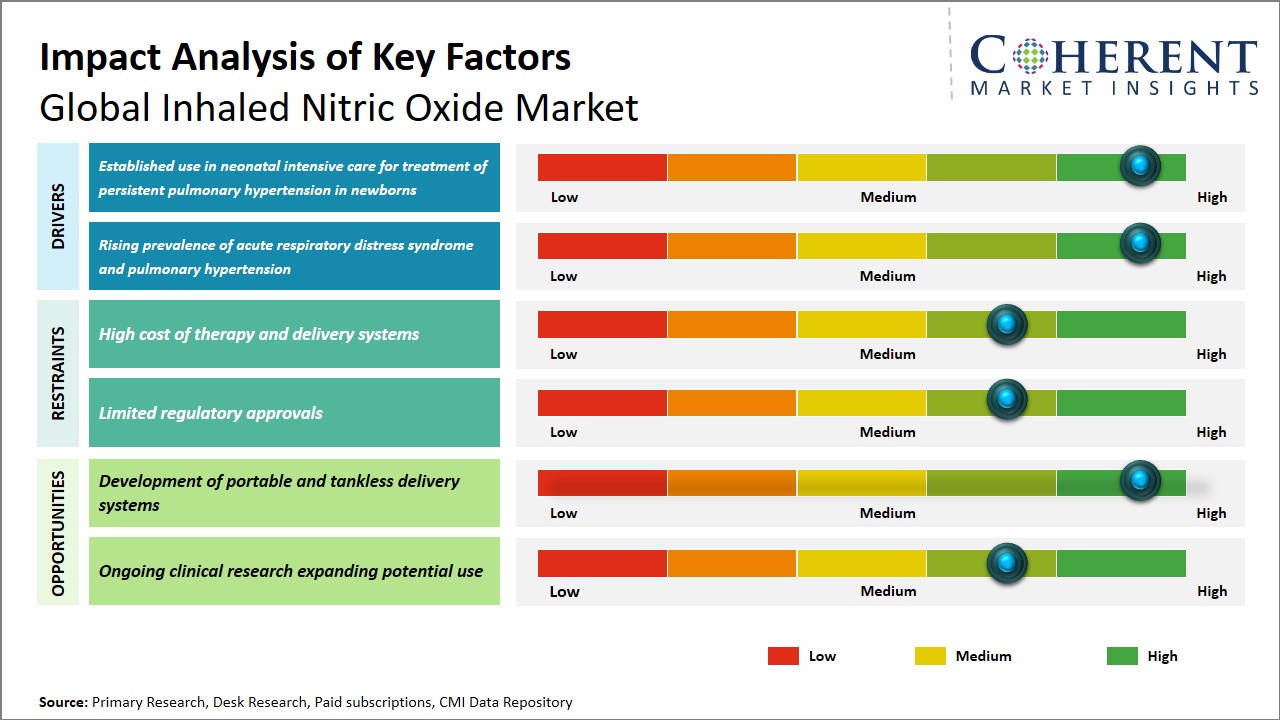
Market Drivers
- Established use in neonatal intensive care for treatment of persistent pulmonary hypertension in newborns: The growth of the inhaled nitric oxide market is owed to the prevalence of this compound in the treatment of persistent pulmonary hypertension among infants in the neonatal intensive care unit, which is now considered an essential part of well-established protocols for the respiratory management of these patients. The drug is consistently administered as a means of oxygenation in neonates with lung problems and is used uniformly in specialized facilities. For instance, the American Heart Association in partnership with the American Thoracic Society incorporates inhaled nitric oxide in recommended therapeutic strategies for treating pulmonary hypertension in infants. (Source: American Heart Association, Inc.) Furthermore, studies in peer-reviewed literature in pediatric research consistent with the research paradigm in Europe regarding neonatal medicine indicate that inhaled nitric oxide therapy is a clinically proven method for the treatment of pulmonary hypertension in neonates. For instance, in March 2024, a study published in National Library of Medicine, on “Inhaled Nitric Oxide in Neonatal Pulmonary Hypertension” emphasizes its significance as an approved pulmonary vasodilator that is utilized in neonatal practice, thus contributing to its incorporation into the treatment of pulmonary vascular disease. (Source: National Library of Medicine) These structured clinical recommendations help to sustain demand for inhaled nitric oxide in neonatal care.
- Rising prevalence of acute respiratory distress syndrome and pulmonary hypertension: These conditions are often complicated, and require advanced management techniques like pulmonary vasodilation and oxygenation management. According to the National Institutes of Health, around 10-15% of patients admitted to the ICU have acute respiratory distress syndrome, whereas in the case of mechanical ventilation, the prevalence rate rises to 23%, indicating a substantial target patient base for treatment. (Source: National Library of Medicine) Moreover, global health statistics show that pulmonary arterial hypertension has led to nearly 192,000 cases globally, showing a considerable disease burden among the global population. Of these, 119,000 were in females (62%) and 73,100 in males (38%). (Source: University of Washington) In addition, there is a direct relationship between these two diseases, whereby pulmonary hypertension commonly occurs in the presence of respiratory failure, provides additional justification for treatments like inhaled nitric oxide in an ICU setting.
Emerging Trends
- Transition toward integrated, on-demand nitric oxide delivery systems: The current trend seems to be shifting from the traditional approach of cylinder supply to a new concept of demand-controlled inhalation that employs generators together with ventilators and monitors. The effect of this change will ensure precision in dosing and eliminate any logistics challenges.
- Expansion through centralized procurement and localized supply models: The adoption is becoming more reliant upon the central procurement system adopted by hospitals as well as efficient channels for the distribution of medical gases. The adoption process is leading to increased adoption of inhalation nitric oxide therapy particularly in major healthcare organizations.
Regional Insights
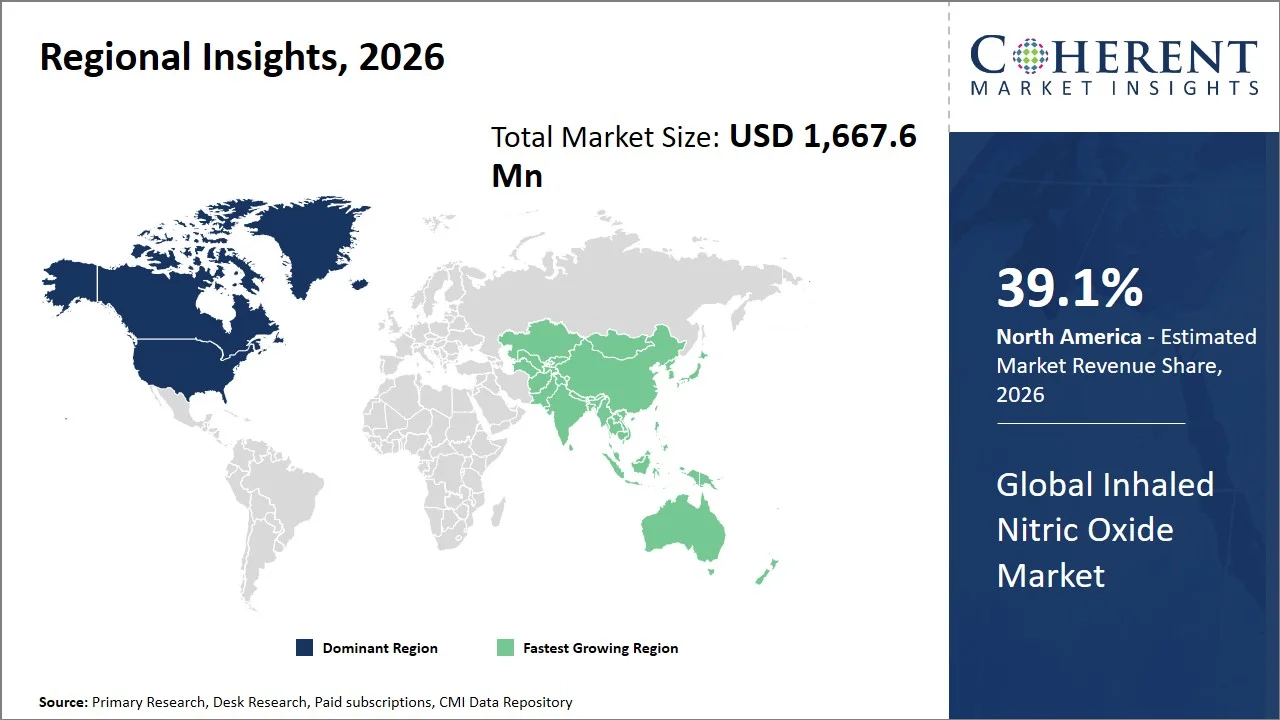
Why is North America a Strong Market for Inhaled Nitric Oxide?
North America leads the global inhaled nitric oxide market, accounting for an estimated 39.1% share in 2026, attributed to the wide utilization of nitric oxide therapy in well-established neonatal and cardiopulmonary care pathway, facilitated by the presence of integrated hospital networks allowing for smooth implementation of high-tech delivery solutions. The region enjoys constant innovations in products alongside localized manufacturing of medical gases, enabling optimal supply chain and logistical performance in critical care units.
For instance, Linde plc provides health-care products that include nitric oxide in its health-care division, supporting hospital-based respiratory care with integrated gas delivery and supply solutions. (Source: Linde plc) In addition, procurement network solutions like HealthTrust support centralization of respiratory treatments and devices, which will help in promoting the widespread adoption of inhaled nitric oxide in the region.
Why Does the Asia Pacific Inhaled Nitric Oxide Market Exhibit High Growth?
The Asia Pacific inhaled nitric oxide market is expected to exhibit the fastest growth with an estimated contribution of 20.1% share to the market in 2026, attributed to the fast development of critical care infrastructure in the hospital setting and the implementation of advanced respiratory treatment options in the large public healthcare systems. Countries in the region are expanding their neonatal and intensive care capacities by implementing healthcare initiatives that allow more adoption of inhaled nitric oxide treatment option, particularly China, India, and Australia.
For instance, as per the recommendations of the National Health Commission, improvements in hospital capacities and critical care facilities have led to advancements in the availability of sophisticated respiratory systems. Guidelines at a national level for improving critical care medical facilities and intensifying ICU capabilities in hospitals have been announced by the National Health Commission in collaboration with several ministries in 2024. (Source: National Medical Products Administration) This development illustrates the extent to which the expansion of the healthcare systems through government initiatives has been contributing to more widespread use of inhaled nitric oxide in the region.
Global Inhaled Nitric Oxide Market Outlook for Key Countries
Why is the U.S. Leading Innovation and Adoption in the Inhaled Nitric Oxide Market?
The U.S. has the potential for leadership in innovation and adoption in the field of inhaled nitric oxide owing to its prior regulatory approvals and well-defined treatment protocols that integrate the usage of nitric oxide treatments in neonatal and intensive care environments. Leading companies like Mallinckrodt Pharmaceuticals and VERO Biotech are based in the U.S., which facilitate the rapid adoption of improved devices and product innovations.
Furthermore, Group Purchasing Organizations (GPOs) (such as Vizient, Premier Inc., and HealthTrust) and centralized hospital purchasing organizations (such as Kaiser Permanente, HCA Healthcare) help to expedite the adoption of a particular device across the entire healthcare systems. Furthermore, the rollout and improvements to products and systems within hospitals strengthen the country’s role as the primary hub for technology-enabled adoption in the industry.
Is the U.K. a Favorable Market for Inhaled Nitric Oxide?
The U.K. is an ideal market for inhaled nitric oxide because of the organized and protocol-based delivery of health care services through the National Health Service that involves the standardized delivery of nitric oxide therapy in the newborn and critical care environment. This is supplemented by the availability of organized referral networks and the specialization of neonatal and cardiothoracic centers (such as Great Ormond Street Hospital and Royal Brompton Hospital) ensuring that inhaled nitric oxide therapy is integrated in the treatment process.
Moreover, due to the existence of centralized procurement models within the National Health Service, there is a consistent use of approved delivery systems in all hospitals. The market is further assisted through the existence of clinical protocols and care pathways, reinforcing sustained utilization in hospital-based respiratory care.
Is China Emerging as a Key Growth Hub for the Inhaled Nitric Oxide Market?
The inhaled nitric oxide market in China is currently experiencing significant development attributed to their hospital-based healthcare system and quick incorporation of modern respiratory drugs. Development of big hospital chains and increased importance of critical care will allow a larger implementation of inhaled nitric oxide in newborn and intensive care units. The regulatory framework provided by the National Medical Products Administration will be helpful in approving localization and delivery system, thus, helping local companies get to the market faster, along with international producers.
Why Does Germany Top the Europe Inhaled Nitric Oxide Market?
Germany dominates the inhaled nitric oxide market in Europe because of the organization of Germany’s healthcare system, which relies heavily on organized hospital care and the integration of respiratory therapy into medical care. The availability of modern neonatal and cardiopulmonary treatment centers (such as Charité – Universitätsmedizin Berlin and University Hospital Heidelberg) guarantees the constant application of inhaled nitric oxide in critical medical processes. The harmonization of the regulatory framework of the Federal Institute for Drugs and Medical Devices guarantees the approval and regulation of all routes of administration. Furthermore, procurement systems facilitate the widespread implementation of inhaled nitric oxide administration systems in hospitals.
Is the Inhaled Nitric Oxide Market Developing in Japan?
The market for inhaled nitric oxide is currently undergoing development in Japan owing to the systematic use of modern techniques of respiratory treatment in specialized hospitals in Japan. The use of the equipment of inhaled nitric oxide in hospitals is systematic owing to the monitoring by the Pharmaceuticals and Medical Devices Agency. As a result, inhaled nitric oxide can be used regularly in all phases of the life cycle of the equipment. Additionally, the presence of specialized hospitals that provide services concerning the treatment of children and cardiopulmonary diseases, such as the National Center for Child Health and Development and University of Tokyo Hospital, encourages the regular use of inhaled nitric oxide in hospitals.
Regulatory Landscape Governing the Global Inhaled Nitric Oxide Market
Region | Key Regulatory Bodies | Approval & Compliance Framework | Impact on Market |
North America | U.S. Food and Drug Administration, Health Canada | Regulated as a drug-device combination; requires NDA approvals and strict compliance with dosing, monitoring (NO₂, methemoglobin), and integrated delivery systems | High regulatory stringency ensures product safety and standardization, but increases entry barriers and costs; supports strong adoption in hospital settings |
Europe | European Medicines Agency | Classified as medicinal gas under centralized EMA approval; mandatory Risk Management Plans and pharmacovigilance | Harmonized regulations enable cross-country market access, though compliance requirements increase operational complexity |
Asia Pacific | Central Drugs Standard Control Organization, Pharmaceuticals and Medical Devices Agency, National Medical Products Administration | Country-specific approvals; generally regulated as drug therapy with evolving device integration; increasing alignment with global standards | Regulatory variability creates entry challenges, but improving frameworks and healthcare investments drive market expansion |
Latin America | National Health Surveillance Agency, Federal Commission for the Protection against Sanitary Risk | Relies on local approvals with reference pathways (FDA/EMA); classified as hospital-administered therapy | Dependence on external approvals leads to slower commercialization, but reduces regulatory burden for established players |
Middle East & Africa | Saudi Food and Drug Authority, South African Health Products Regulatory Authority | Hybrid regulatory model—local approvals supported by reliance on international agencies; restricted to hospital use | Limited regulatory infrastructure in parts leads to import dependency, but reliance models accelerate access to approved therapies |
How is the development of portable and tankless delivery systems creating new growth opportunities in the global inhaled nitric oxide market?
The emergence of portable and tankless inhaled nitric oxide delivery systems has generated new growth areas by eliminating the need for high-pressure gas cylinders, making nitric oxide generation possible onsite, thus enhancing logistical ease and increasing accessibility in more clinical settings. This is especially important in decentralized medical facilities and hospitals lacking extensive infrastructure where limitations in logistics have prevented nitric oxide uptake in the past.
The recent progress in the industry reinforces this pattern, with the latest LungFit platform variants developed by Beyond Air to facilitate cylinder-free nitric oxide production (Source: Beyond Air), and continued innovation in systems by VERO Biotech using their GENOSYL delivery ecosystem, where the emphasis is on the efficient delivery of nitric oxide and operational efficiency in hospital settings. (Source: VERO Biotech) These developments show how the next generation of delivery systems is increasing access, easing operations, and creating new opportunities for the market growth beyond traditional critical care settings.
Market Players, Key Development, and Competitive Intelligence
Key Developments
- On April 1, 2026, Beyond Air made an announcement regarding a purchasing agreement with one of the leading group purchasing organizations in the nation's (U.S.) top three to enhance the commercialization of its LungFit PH device. Such an agreement would promote a larger network of hospitals and healthcare facilities for increased availability of their products. This move is aimed at boosting its presence in the market by ensuring more patients benefit from its innovative solutions of delivering nitric oxide.
- In October 2024, Mallinckrodt Pharmaceuticals made an announcement regarding the expansion of its INOmax EVOLVE DS inhalation delivery system in hospitals located in the U.S. This inhalation delivery system aims at improving the delivery of nitric oxide via better dosing accuracy and built-in monitoring systems for critical care environments. This expansion helps facilitate increased utilization of inhaled nitric oxide treatment, especially in neonatal and ICU environments.
Competitive Landscape
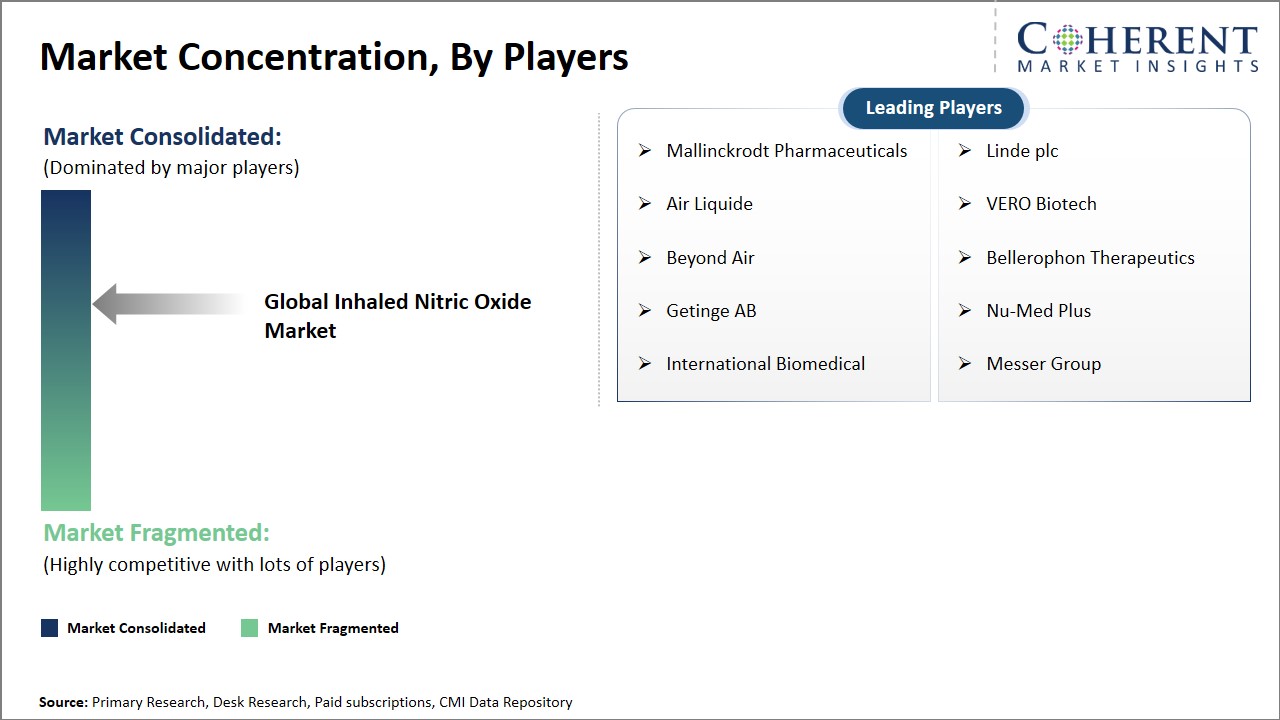
The global inhaled nitric oxide market is moderately competitive with well-established manufacturers that have their own network of hospitals and regulatory approvals, along with newer entrants with a focus on developing advanced technology for delivery of the drug. Competitive dynamics in the market depend largely on the ability to distinguish themselves through innovation in delivery systems, accurate dosage control, and compatibility with ventilators in ICU environments. Market players are becoming more inclined toward developing portable and tankless systems of inhaled nitric oxide delivery to overcome the limitations posed by cylinders. Key focus areas include:
- Development of portable, tankless, and digitally integrated nitric oxide delivery systems
- Enhancing compatibility with ventilators and real-time monitoring in intensive care units
- Expanding presence through hospital procurement contracts and group purchasing organizations
- Strengthening clinical evidence for broader respiratory and cardiovascular applications
- Offering cost-efficient solutions to penetrate price-sensitive healthcare markets
Market Report Scope
Inhaled Nitric Oxide Market Report Coverage
| Report Coverage | Details | ||
|---|---|---|---|
| Base Year: | 2025 | Market Size in 2026: | USD 1,667.6 Mn |
| Historical Data for: | 2020 To 2024 | Forecast Period: | 2026 To 2033 |
| Forecast Period 2026 to 2033 CAGR: | 8.9% | 2033 Value Projection: | USD 3,021.4 Mn |
| Geographies covered: |
| ||
| Segments covered: |
| ||
| Companies covered: | Mallinckrodt Pharmaceuticals, Linde plc, Air Liquide, VERO Biotech, Beyond Air, Bellerophon Therapeutics, Getinge AB, Nu-Med Plus, International Biomedical, and Messer Group | ||
| Growth Drivers: |
| ||
| Restraints & Challenges: |
| ||
Analyst Opinion (Expert Opinion)
- In the coming years, the prospects of the inhaled nitric oxide market will be driven by advancements in technology. There will be a marked evolution towards a trend where portability, tankless, and on-demand devices take precedence over bulky gas cylinders. The focus will increasingly be on precision drug delivery and monitoring of side effects as well as compatibility with ventilator machines, thus setting the stage for competitive innovation in this space. Furthermore, an expansion in clinical studies for new indications could broaden the application scope from neonatology.
- The greatest opportunity exists in the delivery systems sector within North America region, considering its mature reimbursement system, presence of high-end technology in neonatal intensive care units, and high adoption rate of advanced critical care systems. Besides, new growth opportunities can be seen developing in hospital environments across the Asia Pacific region due to the growing need for neonatal care facilities and intensive care services.
- For gaining any competitive advantage in the market, companies need to focus on providing efficient and cost-effective delivery channels and developing good relations with hospital purchasing departments. This partnership between hospitals and clinical success from testing will be essential in ensuring that the execution will be a success. Additionally, the pricing policy and service package will play a vital role in penetrating into price-sensitive markets and securing contracts from large hospital chains.
Speak to the analyst
Want personalized insights?
Take the findings above to one of our principal consultants, or have the report rebuilt around the segments, geographies and competitors you actually track.
Market Segmentation
- Product Type Insights (Revenue, USD Mn, 2021 - 2033)
- Inhaled Nitric Oxide Delivery Systems
- Consumables
- Age Group Insights (Revenue, USD Mn, 2021 - 2033)
- Neonates
- Pediatrics
- Adults
- Application Insights (Revenue, USD Mn, 2021 - 2033)
- Neonatal Respiratory Treatment (Persistent Pulmonary Hypertension of the Newborn)
- Acute Respiratory Distress Syndrome (ARDS)
- Pulmonary Hypertension
- Surgery and Postoperative Management
- Others
- End User Insights (Revenue, USD Mn, 2021 - 2033)
- Hospitals
- Ambulatory Surgical Centers
- Home Care Settings
- Others
- Regional Insights (Revenue, USD Mn, 2021 - 2033)
- North America
- U.S.
- Canada
- Latin America
- Brazil
- Argentina
- Mexico
- Rest of Latin America
- Europe
- Germany
- U.K.
- Spain
- France
- Italy
- Russia
- Rest of Europe
- Asia Pacific
- China
- India
- Japan
- Australia
- South Korea
- ASEAN
- Rest of Asia Pacific
- Middle East
- GCC Countries
- Israel
- Rest of Middle East
- Africa
- South Africa
- North Africa
- Central Africa
- North America
- Key Players Insights
- Mallinckrodt Pharmaceuticals
- Linde plc
- Air Liquide
- VERO Biotech
- Beyond Air
- Bellerophon Therapeutics
- Getinge AB
- Nu-Med Plus
- International Biomedical
- Messer Group
Sources
Primary Research Interviews
- Neonatologists, intensivists, and pulmonologists from hospitals and neonatal intensive care units
- Respiratory therapists and critical care specialists involved in nitric oxide administration
- Medical device manufacturers specializing in inhaled nitric oxide delivery systems and ventilator integration
- Hospital procurement heads and biomedical engineers managing critical care equipment sourcing
- Clinical researchers and investigators involved in respiratory and cardiopulmonary trials
Stakeholders
- Inhaled Nitric Oxide Manufacturers
- End-use Sectors
- Hospitals and Neonatal Intensive Care Units
- Ambulatory Surgical Centers
- Home Healthcare Providers
- Regulatory & Health Bodies: U.S. Food and Drug Administration – approvals and safety guidelines for inhaled nitric oxide therapy and delivery systems, European Medicines Agency – regulatory framework for nitric oxide-based therapies, World Health Organization – neonatal and respiratory disease burden data, Central Drugs Standard Control Organization – medical device and therapeutic regulations, Ministry of Health Singapore – clinical service frameworks and respiratory care programs
Databases
- ClinicalTrials.gov – studies on inhaled nitric oxide and respiratory therapies
- World Health Organization Global Health Observatory – epidemiology of respiratory and neonatal conditions
- PubMed – research on nitric oxide therapy and clinical outcomes
Magazines
- Nature Medicine – research on respiratory therapies and critical care innovations
- Science Magazine – advancements in medical gases and therapeutic technologies
- NIH Research Matters – updates on clinical applications of nitric oxide
Journals
- American Journal of Respiratory and Critical Care Medicine
- The Lancet Respiratory Medicine
- Journal of Perinatology
- Pediatric Critical Care Medicine
Newspapers
- The New York Times (Health Section) – coverage on critical care and neonatal health
- The Guardian (Health & Science) – reporting on respiratory disease burden
- Financial Times – healthcare technology investments and market trends
Associations
- American Thoracic Society
- European Respiratory Society
- American Academy of Pediatrics
- Society of Critical Care Medicine
Public Domain Sources
- National Institutes of Health – research on pulmonary and neonatal disorders
- Centers for Disease Control and Prevention – respiratory disease statistics and healthcare utilization
- World Health Organization – global respiratory and neonatal health data
- National health ministries (e.g., U.S., UK, India, Japan) – healthcare infrastructure and ICU capacity data
Proprietary Elements
- CMI Data Analytics Tool, Proprietary CMI Existing Repository of information for last 10 years.
Get access to 250+ pages report
Every segment, forecast, competitor profile and data table behind the analysis above — available for instant download.
- ESOMAR Member
- ISO 9001:2015 Certified
- D-U-N-S Registered
- GDPR & CCPA Compliant
Missing comfort of reading report in your local language? Find your preferred language:
Transform your Strategy with Exclusive Trending Reports
Frequently Asked Questions
The global inhaled nitric oxide market is estimated to be valued at USD 1,667.6 Mn in 2026 and is expected to reach USD 3,021.4 Mn by 2033.
Inhaled nitric oxide delivery systems dominate due to their critical role in precise dosing, monitoring, and integration with ventilators in intensive care settings.
Inhaled nitric oxide is a selective pulmonary vasodilator gas used to improve oxygenation by relaxing blood vessels in the lungs.
The CAGR of global inhaled nitric oxide market is projected to be 8.9% from 2026 to 2033.
Established use in neonatal intensive care for treatment of persistent pulmonary hypertension in newborns and rising prevalence of acute respiratory distress syndrome and pulmonary hypertension are the major factors driving the growth of the global inhaled nitric oxide market.
High cost of therapy and delivery systems and limited regulatory approvals are the major factors hampering the growth of the global inhaled nitric oxide market.
It is primarily used for treating neonatal hypoxic respiratory failure associated with persistent pulmonary hypertension in newborns.