

Systemic Lupus Erythematosus Treatment Market Size and Share Analysis - 2026 To 2033
The systemic lupus erythematosus treatment market is anticipated to grow at a CAGR of 11.2% with USD 3.68 Bn in 2026 and is expected to reach USD 7.93 Bn in 2033. Rise in incidence of systemic lupus erythematosus (According to five national CDC-funded lupus registries, about 73 out of every 100,000 people have systemic lupus erythematosus (SLE)) is one of major factors driving growth of the systemic lupus erythematosus treatment market. The growth in the historic period can be attributed to growing prevalence of systemic lupus erythematosus, increasing awareness about autoimmune diseases, advancements in immunosuppressive drugs, expansion of hospital and retail pharmacy networks, rise in chronic disease management programs.
Key Takeaways
- Biologics segment is expected to account the largest share of 60.0% in 2026, increasing use of advanced therapies such as B-cell modulators and cytokine inhibitors, rising approvals of newer drugs, and demand for treatments with better effectiveness and fewer side effects are driving growth. Several new B-cell therapies are showing positive progress. Teltacicept reported successful Phase 3 clinical trial results in China for SLE, while Obinutuzumab has advanced into Phase 3 clinical trials.
- Oral segment will dominate with 55.0% in 2026, most SLE medicines, including hydroxychloroquine, corticosteroids, immunosuppressants, and some targeted therapies, are available orally. KFF reported that 66% of U.S. adults currently take at least one prescription medicine, while 31% take four or more prescription medications, reflecting a strong reliance on long-term pharmacological treatments.
- Retail Pharmacy segment will dominate with 65.0% in 2026, most lupus medicines are obtained through traditional pharmacies because patients require regular prescriptions and ongoing disease management. IQVIA reported that only about 35% of prescriptions were filled, while the remaining prescriptions were not completed due to reasons such as insurance rejections and patients choosing not to collect their medicines.
- North America is expected to acquire the dominant share of 40.00% in 2026, due to the high prevalence of lupus, strong healthcare infrastructure, availability of advanced biologic therapies, high healthcare spending, and faster adoption of newly approved treatments. The Lupus Foundation of America estimates that around 1.5 million people in the United States and at least 5 million people worldwide are affected by some form of lupus.
Segmental Insights
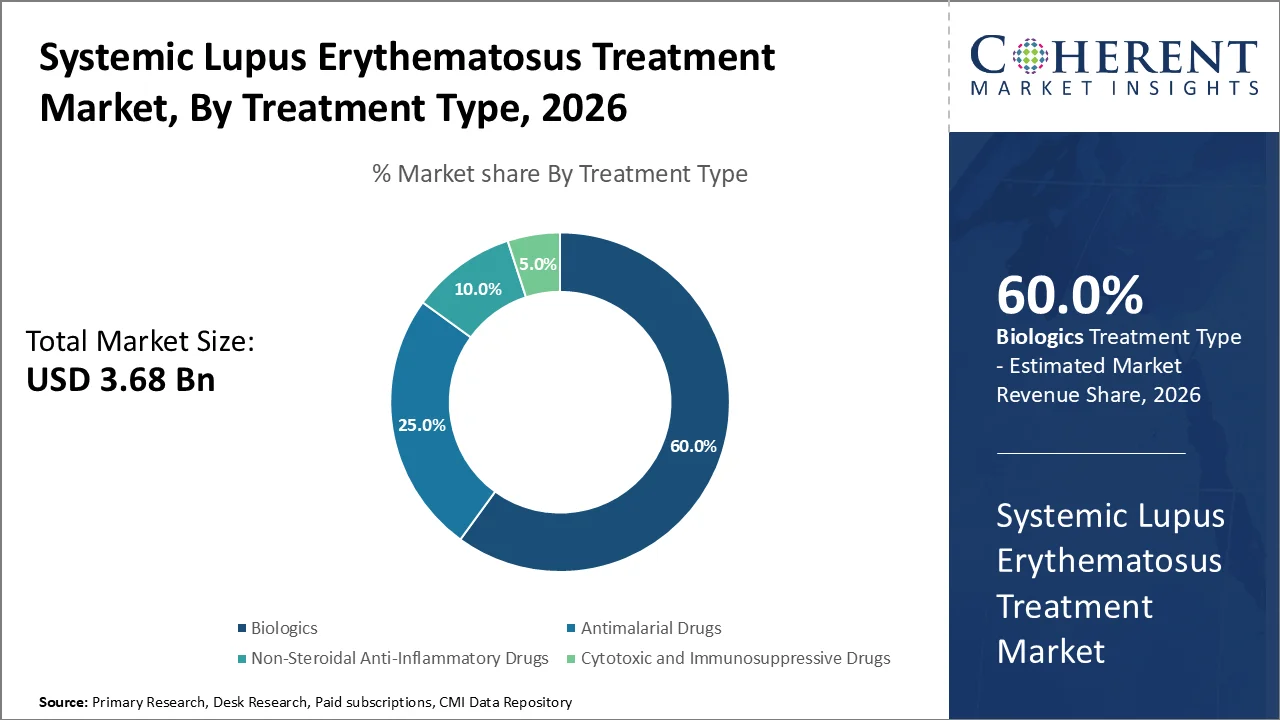
Why is Biologics Segment Acquiring the Largest Market Share?
Biologics segment is projected to account for the largest share of treatment type in 2026, representing approximately 60.0% of the total volume. Their targeted mechanism of action, superior clinical efficacy, as well as increasing regulatory approvals are propelling the market growth.
One of the growth inducing factor for the segment is their ability to address the complex immunopathological mechanisms underlying SLE with precision that conventional therapies have long struggled to achieve. Unlike small-molecule drugs, biologics are made to selectively target specific molecular pathways involved in autoimmune dysregulation, including B-cell activation, interferon signaling, as well as complement system activity. The ALLEGORY study found that nearly 77% of adults with moderate to severe systemic lupus erythematosus (SLE) showed improvement when treated with Gazyva with standard therapy.
This targeted approach translates directly into improved patient outcomes, reduced systemic side effects, as well as a meaningful reduction in disease flares, all of which have made biologics the preferred choice among rheumatologists and immunologists managing moderate-to-severe SLE cases.
- Current Industry Events of 2026
- Market Size Estimation
- Regional Breakdown
- Competitive Landscape
- Customer Intelligence
- Segmental Analysis
- Pricing Analysis
- Key Market Drivers, Challenges & Future Trends
- Customized Insights Section
Oral Segment holds the Largest Market Share
Based on route of administration, oral segments dominates the market, accounting for a significant 55.0% share in 2026. Owing to high patient adherence, as well as the extensive availability of well-established therapeutic drug classes that have been the cornerstone of lupus management for decades.
The oral route of administration has long dominated the SLE treatment landscape, primarily because a major proportion of front-line therapies recommended by international rheumatology bodies are delivered in this form. Around 70% of people with systemic lupus erythematosus (SLE) receive corticosteroids during their treatment. These medicines aid control disease flare-ups and reduce inflammation, making them an important part of lupus treatment.
The American College of Rheumatology (ACR) and the European Alliance of Associations for Rheumatology (EULAR) guidelines both majorly show orally administered agents such as hydroxychloroquine, corticosteroids, as well as immunosuppressants including methotrexate, azathioprine, mycophenolate mofetil, etc., as foundational treatment strategies for SLE patients across varying disease severities.
Hydroxychloroquine, in particular, has been endorsed by the Lupus Foundation of America as a medication that virtually all lupus patients should consider, given its efficacy in lower flares, minimizing organ damage accumulation, and better long-term survival outcomes, and this drug is broadly administered orally, which intrinsically promote the growth of this segment. A 2026 study found that keeping hydroxychloroquine (HCQ) levels in the recommended range lower the risk of active lupus by 83%, showing that regular HCQ monitoring can improve treatment outcomes.
Retail Pharmacy Segment holds the Largest Market Share
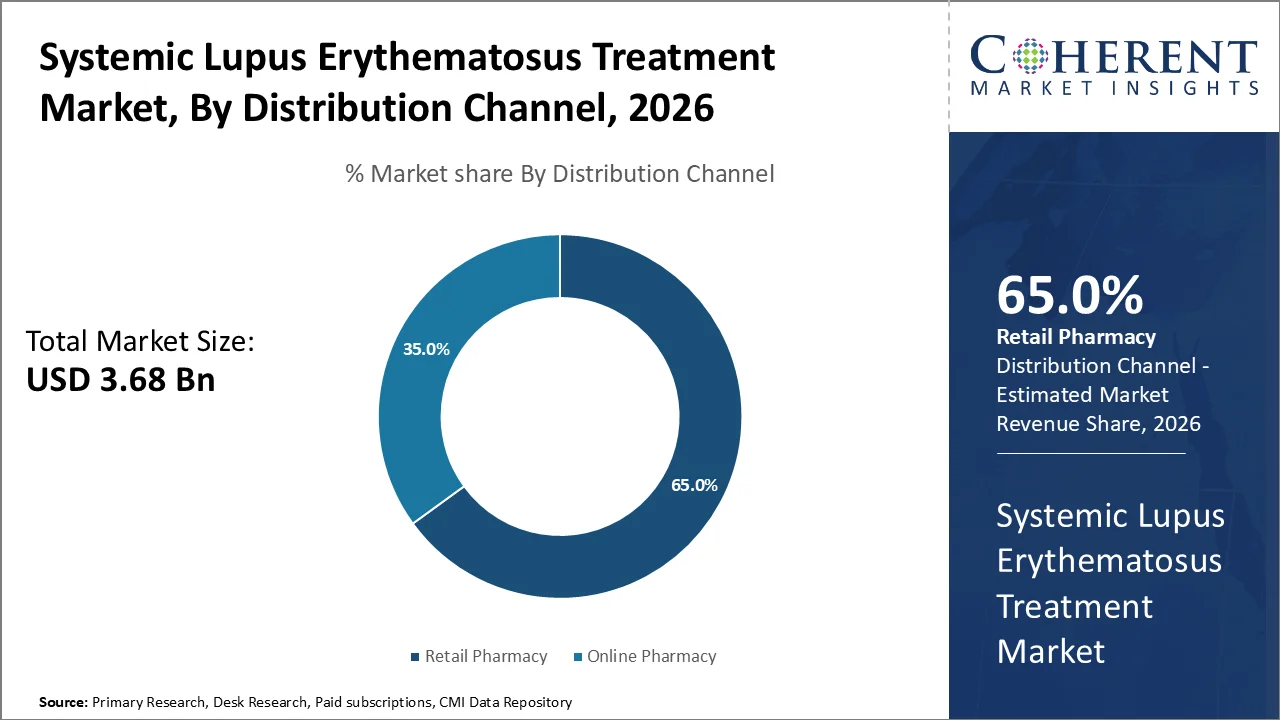
Based on distribution channel, retail pharmacy segments dominates the market, accounting for a significant 65.0% share in 2026. The major role in the healthcare delivery ecosystem, high physical accessibility, as well as the escalating need for patient-pharmacist interaction in handling a complex autoimmune condition like Systemic Lupus Erythematosus (SLE).
SLE is a chronic, multisystem autoimmune disease requiring continuous and usually complex pharmacological regimens including immunosuppressants, antimalarials such as hydroxychloroquine, corticosteroids, and newer biologic agents such as belimumab and anifrolumab.
The management of these medications demands not only consistent availability but also professional counseling, real-time prescription verification, and close monitoring of drug interactions all of which are hallmarks of the retail pharmacy experience.
Monoclonal Antibody (mAb) Technology is transforming the Systemic Lupus Erythematosus Treatment Industry
Monoclonal antibody (mAb) technology is a major advancement in Systemic Lupus Erythematosus (SLE) treatment. These laboratory-made antibodies target specific immune system pathways linked to lupus, including B-lymphocyte stimulator (BLyS/BAFF), type I interferon, as well as complement pathways. Technologies including hybridoma methods, phage display, transgenic mouse platforms, antibody engineering, etc., aid develop more targeted as well as effective therapies with improved safety and longer-lasting effects.
The adoption of mAb-based treatments has changed lupus care by reducing dependence on corticosteroids and improving disease control. GSK’s Benlysta (belimumab) became the first FDA-approved biologic therapy for SLE and has shown a reduction in lupus flare rates of approximately 43% in clinical studies. AstraZeneca’s Saphnelo (anifrolumab) was approved by the FDA in 2021 to block the type I interferon receptor pathway, while Aurinia Pharmaceuticals’ Lupkynis (voclosporin) was approved in 2021 for lupus nephritis. Benlysta generated more than USD1.1 billion in global sales in 2022, showing the commercial potential of advanced biologic therapies in the SLE treatment market.
Bispecific Antibody Technology: Customization and Precision: A major breakthrough in Systemic Lupus Erythematosus Treatment
Bispecific antibody technology is a new type of treatment that can target two different disease-related pathways simultaneously. In Systemic Lupus Erythematosus (SLE), this technology may aid control multiple immune system problems together, making treatment better as well as effective.
Companies are developing bispecific antibody platforms to create better autoimmune treatments. Technologies such as CrossMAb, Knobs-into-Holes (KiH), DVD-Ig, and DART help design these advanced medicines. These treatments may reduce disease activity, lower the need for multiple medicines, and improve patient convenience by reducing treatment frequency. Several candidates, including Janssen’s JNJ-1887 and other early-stage programs, are being studied for future autoimmune applications.
Current Events and Their Impact on the Systemic Lupus Erythematosus Treatment Market
Current Event | Description and its Impact |
FDA Approval of Gazyva (Obinutuzumab) for Lupus Nephritis (October 2025) |
|
European Union Pharmaceutical Legislation Reform (2025–2026) |
|
Systemic Lupus Erythematosus Treatment Market Trends
- The SLE treatment landscape is going through a decisive transition away from broad-spectrum immunosuppressants (corticosteroids, hydroxychloroquine, azathioprine) toward mechanism-specific biologics and next-generation small-molecule drugs. Johnson & Johnson reported positive clinical data for nipocalimab, an investigational FcRn-targeting biologic, showing its potential to reduce disease activity in systemic lupus erythematosus (SLE).
- Pioneering research outcomes, particularly advancing clinical data from academic centers in Germany as well as the United States demonstrating sustained remission in SLE patients following CAR-T cell therapy, have catalyzed intense interest from both established pharmaceutical giants and biotech startups.
- With belimumab as well as several key biologics approaching patent expiration windows, the biosimilar pipeline for SLE is gaining momentum. Biosimilar entrants are anticipated to democratize access in cost-sensitive markets, particularly across Asia-Pacific and Latin America, while simultaneously hiking pricing pressure on originator products in mature markets.
- Regulatory agencies, including the U.S. FDA and EMA, have highly focused patient-reported outcomes (PROs) and health-related quality of life (HRQoL) metrics as key endpoints in SLE clinical trials.
Regional Insights
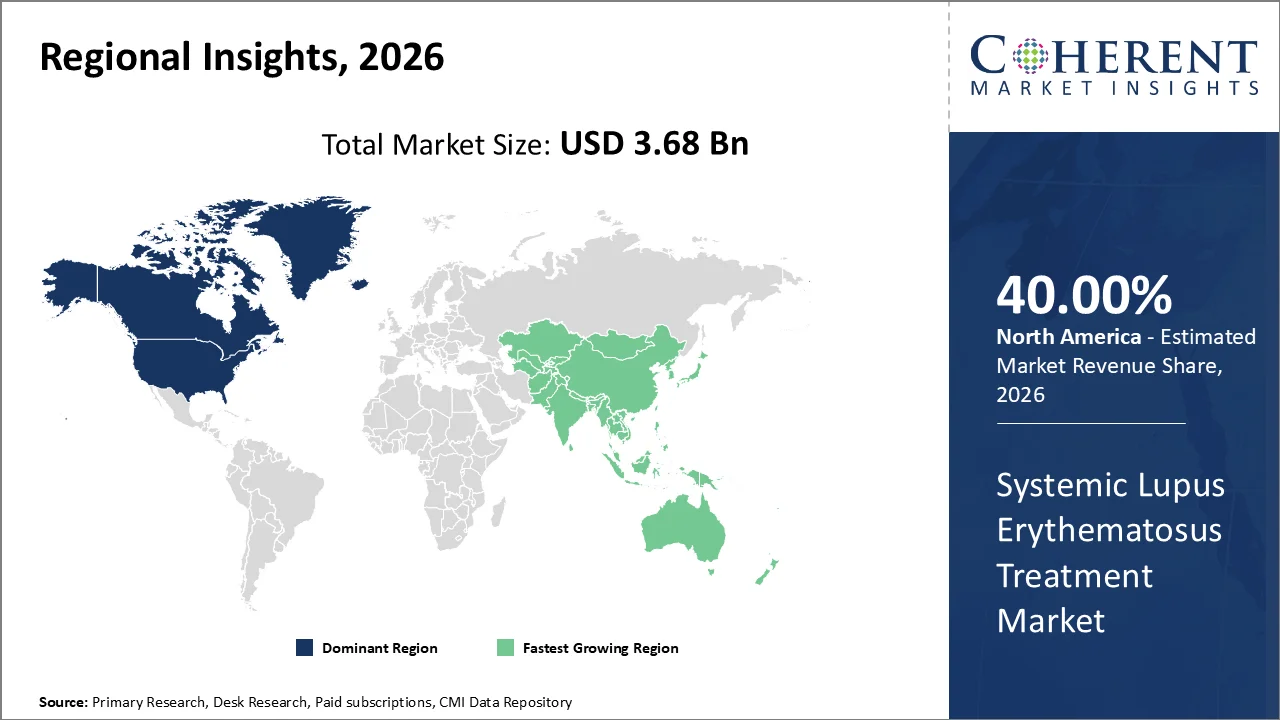
North America dominates owing to a Strong Pipeline of Approved Biologic Therapies
North America account 40.00% market share in 2026, the United States, in particular, serves as the epicenter of SLE research, drug approvals, and patient advocacy activities. A U.S. study reported 52,430 SLE-related deaths between 1999 and 2022. During this period, the age-adjusted mortality rate (AAMR) decreased from 1.0 per 100,000 people in 1999 to 0.78 per 100,000 in 2022.
One of the growth inducing factors is its highly advanced pharmaceutical and biotechnology ecosystem. The U.S. Food and Drug Administration (FDA) has been proactive in approving novel therapies for SLE management, including belimumab, anifrolumab, voclosporin, etc., which are among the most recently approved treatments that have majorly broadened therapeutic choices for clinicians as well as patients.
In March 2026, Johnson & Johnson received FDA Fast Track designation for nipocalimab, a potential treatment for adults with systemic lupus erythematosus (SLE). Lupus affects around 3–5 million people worldwide, and this designation may help fasten the development and availability of this new therapy for patients with unmet treatment needs.
Asia Pacific Systemic Lupus Erythematosus Treatment Market Trends
The Asia Pacific region is poised to be the fastest-growing region through 2026-2033, expanding at a CAGR of approximately 6.8%. Driven by its massive patient burden, rapidly improving healthcare access, as well as increasing governmental prioritization of autoimmune disease management across key economies including China, Japan, India, and Australia. Studies show that SLE prevalence varies across regions, ranging from approximately 15.9 cases per 100,000 people in Southern Asia to around 110.85 cases per 100,000 people in higher-prevalence regions.
The Asia Pacific League of Associations for Rheumatology (APLAR) has consistently highlighted that SLE disproportionately affects Asian women at rates majorly higher than Western populations, with studies published through affiliated rheumatology networks confirming that lupus nephritis a severe SLE complication is more prevalent and more aggressive among East Asian and South Asian patients compared to Caucasian counterparts.
This unique epidemiological reality has prompted regional government authorities to expand nephrology as well as rheumatology departments within public hospital systems. In China, the National Health Commission has incorporated SLE into its national rare and chronic disease management programs, facilitating subsidized access to biologic treatments under the National Reimbursement Drug List, which was updated to include belimumab.
Its Significantly Large Patient Pool is Accelerating the Systemic Lupus Erythematosus Treatment Market Demand in U.S.
The U.S. contributes the highest share in the Systemic Lupus Erythematosus (SLE) treatment market in North America, due to its significantly large patient pool, well-established healthcare infrastructure, as well as robust pharmaceutical pipeline. According to the Lupus Foundation of America, approximately 1.5 million Americans are living with lupus, and nearly 16,000 new cases are reported annually across the country.
This substantial disease burden directly translates into heightened demand for advanced SLE therapeutics, including biologics such as belimumab and anifrolumab.
The U.S. Food and Drug Administration (FDA) has played a major role in accelerating drug approvals for SLE treatments, with AstraZeneca's Saphnelo (anifrolumab) receiving FDA approval in 2021 one of the most significant regulatory milestones in SLE management in recent years.
Furthermore, the United States benefits from an extensive network of academic medical centers, rheumatology specialty clinics, as well as National Institutes of Health (NIH)-funded research programs that consistently advance the understanding as well as management of autoimmune diseases, particularly lupus.
China Systemic Lupus Erythematosus Treatment Market Trends
China contributes the highest share in the Systemic Lupus Erythematosus (SLE) treatment market in Asia Pacific due to its exceptionally large patient burden, rapidly expanding healthcare infrastructure, as well as strong government-driven initiatives aimed at addressing autoimmune diseases.
According to data published by the Chinese Rheumatology Association, China harbors an estimated 1 million SLE patients, representing one of the largest national patient pools globally, with a significant female predominance observed particularly among women aged 15 to 45 years.
The National Health Commission of China has consistently prioritized rheumatic disease management through its successive Five-Year Health Plans, integrating SLE treatment protocols into national clinical guidelines. Furthermore, the National Medical Products Administration (NMPA) of China has accelerated the approval pathway for biologics such as belimumab, anifrolumab, etc., enabling faster patient access to advanced therapeutics previously unavailable domestically.
Who are the Major Companies in Systemic Lupus Erythematosus Treatment Industry
Some of the major key players in systemic lupus erythematosus treatment market include, GlaxoSmithKline Plc (GSK), F. Hoffmann-La Roche Ltd, Anthera Pharmaceuticals Inc., Bristol-Myers Squibb, Eli Lilly, Pfizer Limited, Merck KGaA, Immupharma Plc, Sanofi, Lycera Corporation, Aurinia Pharmaceuticals Inc., Mylan N.V., and Sandoz International GmbH.
Key News
- In April 2026, AstraZeneca’s Saphnelo (anifrolumab) was approved in the U.S. as a once-weekly self-injection treatment for adults with systemic lupus erythematosus (SLE). This new option makes treatment more convenient for patients and may increase the use of biologic therapies for lupus management.
- In June 2026, UCB and Biogen reported positive results from the Phase 3 PHOENYCS GO trial of dapirolizumab pegol (DZP) for patients with moderate-to-severe systemic lupus erythematosus (SLE). The study showed that DZP aid improve lupus disease activity when added to standard treatment, supporting the development of new targeted therapies for SLE.
Market Report Scope
Systemic Lupus Erythematosus Treatment Market Report Coverage
| Report Coverage | Details | ||
|---|---|---|---|
| Base Year: | 2025 | Market Size in 2026: | USD 3.68 Bn |
| Historical Data for: | 2020 To 2024 | Forecast Period: | 2026 To 2033 |
| Forecast Period 2026 to 2033 CAGR: | 11.2% | 2033 Value Projection: | USD 7.93 Bn |
| Geographies covered: |
| ||
| Segments covered: |
| ||
| Companies covered: | GlaxoSmithKline Plc (GSK), F. Hoffmann-La Roche Ltd, Anthera Pharmaceuticals Inc., Bristol-Myers Squibb, Eli Lilly, Pfizer Limited, Merck KGaA, Immupharma Plc, Sanofi, Lycera Corporation, Aurinia Pharmaceuticals Inc., Mylan N.V., and Sandoz International GmbH | ||
| Growth Drivers: |
| ||
| Restraints & Challenges: |
| ||
Analyst Opinion
- The Systemic Lupus Erythematosus (SLE) treatment market is undergoing a significant transformation, driven by advancing biological therapies and a deeper understanding of disease pathophysiology.
- The growing prevalence of autoimmune disorders globally continues to fuel demand for more targeted and effective treatment solutions. One study estimates that autoimmune diseases affect around 5–10% of people in developed countries.
- High investments in research and development by prominent pharmaceutical companies are accelerating the introduction of novel therapeutic agents, particularly biologics as well as small molecule inhibitors.
- One of the most compelling drivers remains the expanding pipeline of next-generation therapies, including JAK inhibitors as well as type I interferon pathway blockers, which are redefining treatment paradigms for lupus patients.
- The risk of adverse events associated with long-term immunosuppressive therapy remains a critical clinical challenge that pharmaceutical innovators must address. Nevertheless, significant opportunities exist in the personalized medicine space, where biomarker-driven treatment strategies are gaining traction, enabling clinicians to tailor therapies to individual patient profiles.
Speak to the analyst
Want personalized insights?
Take the findings above to one of our principal consultants, or have the report rebuilt around the segments, geographies and competitors you actually track.
Market Segmentation
- By Treatment Type (Revenue, USD Bn, 2021-2033)
- Antimalarial Drugs
- Chlorquine
- Hydrochlorquine
- Non-Steroidal Anti-Inflammatory Drugs (NSAIDS)
- Cytotoxic and Immunosuppressive Drugs
- Cyclosporine
- Cyclophosphamide
- Methotrexate
- Mycophenolate Mofetil
- Tacrolimus
- Biologics
- B-Cell modulators
- T-Cell modulators
- Pro-inflammatory and cytokine inhibitors
- Antimalarial Drugs
- By Route of Administration (Revenue, USD Bn, 2021-2033)
- Intravenous
- Sub-cutaneous
- Oral
- Topical
- By Distribution Channel (Revenue, USD Bn, 2021-2033)
- Retail Pharmacy
- Online Pharmacy
- By Region (Revenue, USD Bn, 2021-2033)
- North America
- U.S.
- Canada
- Latin America
- Brazil
- Mexico
- Argentina
- Rest of Latin America
- Europe
- Germany
- U.K.
- France
- Italy
- Spain
- Russia
- Rest of Europe
- Asia Pacific
- China
- India
- Japan
- Australia
- South Korea
- ASEAN
- Rest of Asia Pacific
- Middle East
- GCC
- Israel
- Rest of Middle East
- Africa
- South Africa
- Central Africa
- North Africa
- North America
Sources
Primary Research Interviews
- Rheumatologists & Immunologists
- Pharmaceutical & Biotechnology Company Executives
- Hospital Administrators & Healthcare Professionals
- Patient Advocacy Group Representatives
- Others
Databases
- GlobalData Healthcare
- IQVIA Health Analytics
- Clarivate Analytics (Cortellis)
- PharmaProjects Drug Pipeline Database
- Others
Magazines
- Rheumatology Today
- Pharmaceutical Executive
- BioPharm International
- Drug Discovery & Development Magazine
- Others
Journals
- Arthritis & Rheumatology
- Lupus Science & Medicine
- Journal of Autoimmunity
- Annals of the Rheumatic Diseases
- Others
Newspapers
- The Wall Street Journal (Healthcare Section)
- Financial Times (Pharma & Biotech)
- Reuters Health News
- The BMJ News
- Others
Associations
- Lupus Foundation of America
- American College of Rheumatology (ACR)
- European League Against Rheumatism (EULAR)
- Lupus Research Alliance
- Others
Public Domain Sources
- U.S. Food and Drug Administration (FDA)
- European Medicines Agency (EMA)
- World Health Organization (WHO)
- ClinicalTrials.gov
- Others
Proprietary Elements
- CMI Data Analytics Tool
- Proprietary CMI Existing Repository of information for last 10 years
Get access to 250+ pages report
Every segment, forecast, competitor profile and data table behind the analysis above — available for instant download.
- ESOMAR Member
- ISO 9001:2015 Certified
- D-U-N-S Registered
- GDPR & CCPA Compliant
Missing comfort of reading report in your local language? Find your preferred language:
Transform your Strategy with Exclusive Trending Reports
Frequently Asked Questions
The systemic lupus erythematosus treatment market is expected to reach USD 7.93 Bn in 2033.
Major players operating in the global systemic lupus erythematosus treatment market include GlaxoSmithKline Plc (GSK), F. Hoffmann-La Roche Ltd, Anthera Pharmaceuticals Inc., Bristol-Myers Squibb, Eli Lilly, Pfizer Limited, Merck KGaA, Immupharma Plc, Sanofi, Lycera Corporation, Aurinia Pharmaceuticals Inc., Mylan N.V., and Sandoz International GmbH.
Severe side effects and safety concerns associated with long-term immunosuppressive treatments are the major factors that is expected to hamper growth of the market over the forecast period.
Growing pipeline of FDA-approved biologics and immunosuppressants is driving growth of the global systemic lupus erythematosus treatment market.
The systemic lupus erythematosus treatment market is anticipated to grow at a CAGR of 11.2% between 2026 and 2033.
Among regions, North America is expected to account for a largest market share in the global systemic lupus erythematosus treatment market over the forecast period.
Systemic Lupus Erythematosus (SLE) is chronic autoimmune disorder. It is characterized by excess production of the antibodies that attacks body’s own cells and vital organs. Various symptoms associated with the disease includes joint pain, swelling, rashes over face (butterfly rash) and other body area, severe fatigue, hair loss, anemia, and Raynaud’s phenomenon etc. SLE can also affect vital body organs such as heart, kidney, lungs, and behavioral changes.