

Change is the norm of manufacturing; however, the intensity and complexity of the current marketplace forces responsiveness more than it ever have before and has become a competitive need, not a strategic choice. In all sectors, agile manufacturing is gradually becoming more popular as individual companies face various challenges that conventional production lines fail to effectively manage all at once.
Essential reasons are clear: narrow time-to-market windows, an ever-increasing need for mass customization, insecure supply chain and the increasing maturity of digital tools, making flexible production more practical than 10 years ago. The expectations of the customers have also changed with them demanding more variety in products and quicker delivery both for their consumer and industrial purchases.
What's different from past waves of manufacturing transformation is that these pressures are happening at the same time. Older models are faced with the challenge to provide efficiency in tandem with flexibility, which is increasingly being demanded by companies. An understanding of the reasons for the growth in demand is crucial because adding up the features that manufacturers use to satisfy the demand is not the same as articulating the underlying conditions that have caused the demand.
The Market Pressures Behind the Shift
But what manufacturers are required to be able to do is changing, and that's reflected in product development choices. There are three pressures in particular that have been driving the transition to agile methods.
Customers Want More Choice and Faster Launches
Consumer behavior over the last 10 years has been quite different, and this is impacting manufacturers hard on product development timelines. Buyers now have greater demands for product variety, quick delivery, and products to suit their needs instead of a one-size-fits-all mentality.
This trend in mass-customization, reduces the entire development process. If the demand becomes too specific, the production models which are based on long iterations are too expensive. Time to market is a tough competitive factor and not part of the background considerations.
The outcome is a pressure on manufacturers to create processes that are customer-focused, and where flexibility is considered an integral part of the working processes and NOT an exception.
Supply Disruptions Changed Production Priorities
The upheavals in the manufacturing supply chain of the last few years shed light on the structural weakness of conventional manufacturing—the systems that are designed for efficiency under predictable conditions break down when things change. Peer-reviewed research, has reported downstream impacts of such disruptions over a variety of industries.
Responsiveness became a “must have” to a “must do.” This shift in focus by manufacturers towards supply chain flexibility with the aim of absorbing shocks without committing to an indefinite halt in product development spurred up greater interest in leagile approaches that merged the lean and efficient with the agile and flexible.
Sustainability Rules Now Shape Production Decisions
Designing production processes in line with regulatory requirements has become more influenced by requirements regarding waste, emissions, and material use. There are increased regulatory requirements that shape the way manufacturers design their production processes. Continuous improvement cycles cut down on overproduction and material waste with adaptable systems such as the options available at rapiddirect.com for low volume runs as well as the other flexible systems options.
In product development teams, sustainability is beyond values and is rather a business principle. It is an action constraint affecting process design which influences the choices, such as batch size, material selection, and the level of visibility of the process from the very beginning.
Why Agile Fits Modern Product Development
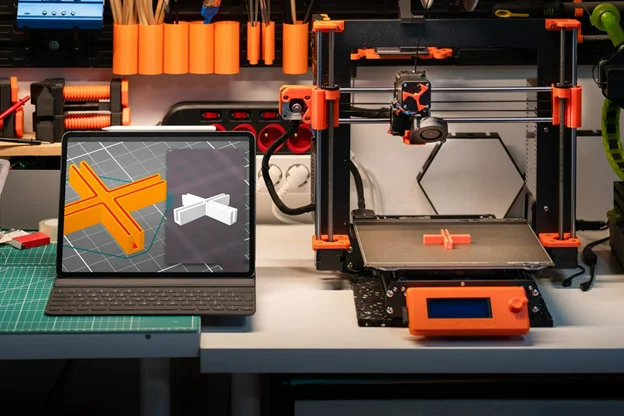
It's important to understand the pressure on the market, but that's not all. The other is to acknowledge how “agile” manufacturing fits into today's product design, test, and refinement process.
It Minimizes the Time from Design to Production
Conventional production processes are likely to specify requirements early, before the development process, after which it may be too late to change these requirements without much cost. Agile manufacturing removes that gap by breaking work down into smaller, more manageable "batches", creating feedback loops that remain throughout design and production.
The cross-functional team is an important part of this. If the design, engineering and sourcing are not done sequentially but simultaneously, the information is easier to move and any mis-alignments are brought to light sooner. This coordination has a direct impact on time-to-market objectives – issues identified during development are much easier to resolve than defects identified after the product has hit the market.
It Helps Teams Adjust Before Costs Escalate
The economic argument for agile product development is related to when change occurs. It is still relatively cheap to make changes to the specifications, materials or configuration in the early stages. Changes occurring after tooling or full-scale production begins involving much higher cost.
However, iterative development (along with other continuous improvement practices) provides teams with a well-documented framework to potentially improve the product before they add up those costs. The process is responsive; it is not added "reactively" to it. When your customers' expectations evolve rapidly, like in a market where they appreciate flexibility – that flexibility is a benefit to your company because you won't be surprised to launch a product that doesn't actually reflect what your customers want.