

Global Agricultural Biotechnology Market Size and Forecast – 2026 to 2033
The Global Agricultural Biotechnology Market is estimated to be valued at USD 172.07 Bn in 2026 and is expected to reach USD 283.61 Bn by 2033, exhibiting a compound annual growth rate (CAGR) of 7.4% from 2026 to 2033. This significant growth trajectory highlights the increasing adoption of biotech solutions in agriculture to improve crop yield, enhance pest resistance, and address global food security challenges. The market expansion is driven by advancements in genetic engineering and supportive government policies worldwide.
Key Takeaways of the Global Agricultural Biotechnology Market
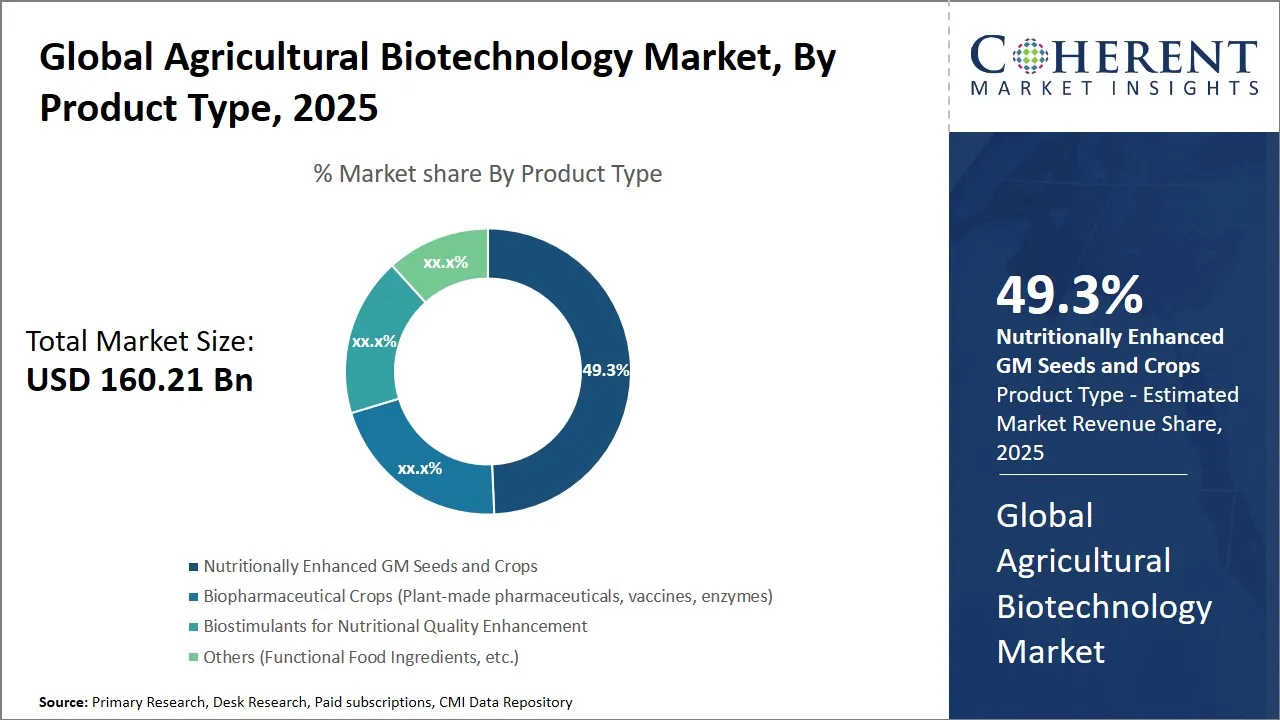
- In 2026, nutritionally enhanced GM seeds and crops are expected to hold the largest share of the global agricultural biotechnology market, accounting for 50.3% by product type.
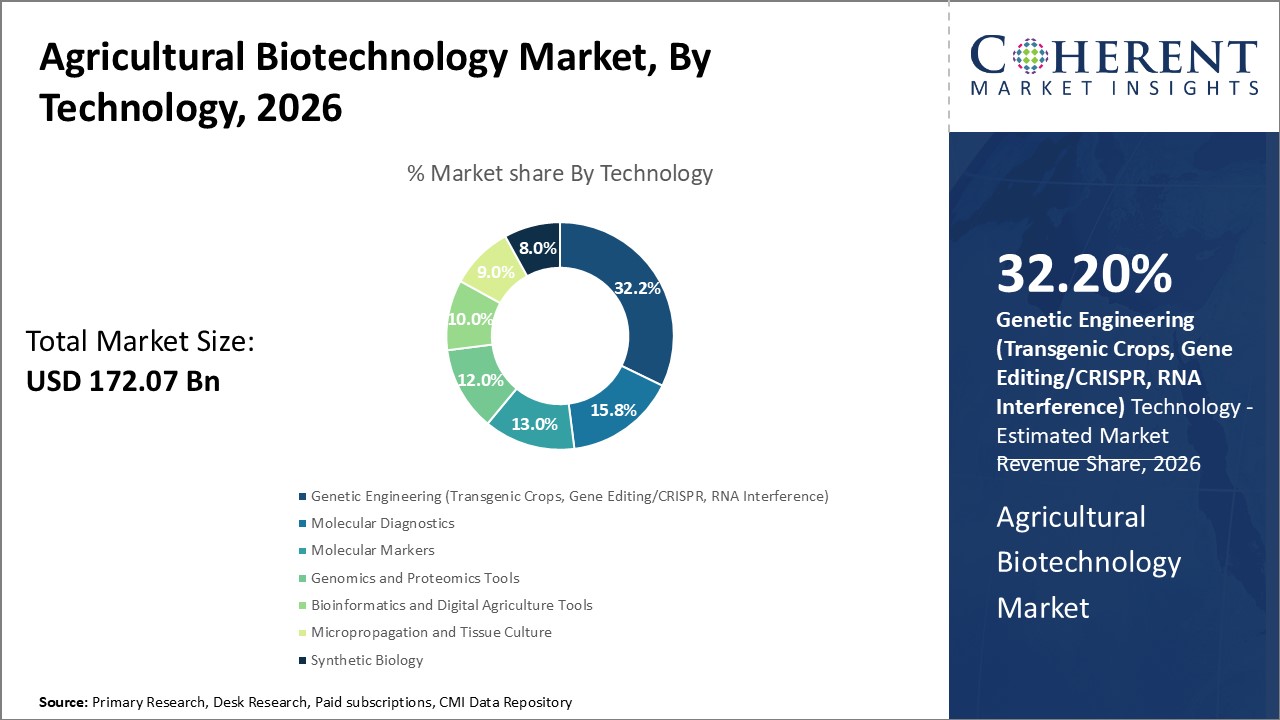
- From a technology perspective, genetic engineering which includes transgenic crops, CRISPR-based gene editing, and RNA interference is projected to lead the market with 32.2% market share in 2026.
- By application, vaccine development, particularly plant-based and recombinant vaccines, is anticipated to represent the highest contribution, making up 25.2% of the market share in 2026.
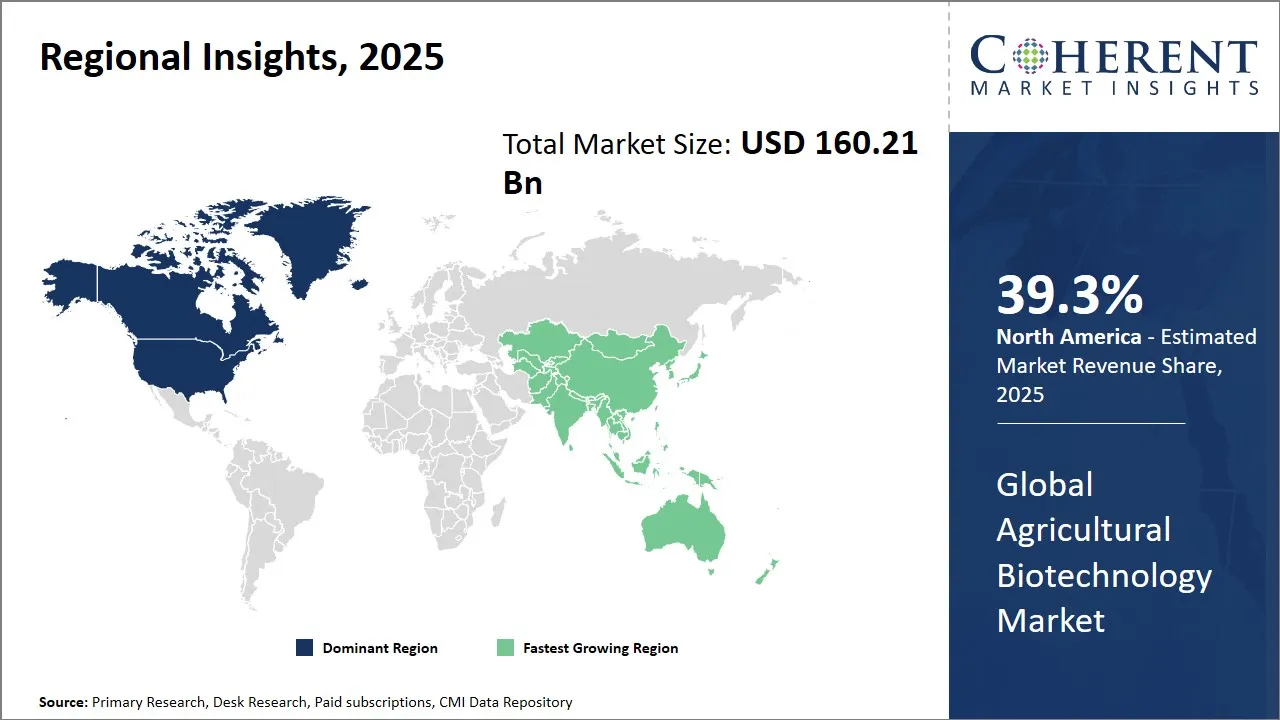
- North America is expected to lead the market, holding a share of 39.3% in 2026. Asia Pacific is anticipated to be the fastest-growing region, with a market share of 23.2% in 2026.
Market Overview
Current market trends indicate a strong shift towards sustainable and precision agriculture facilitated by biotechnology innovations. Increasing demand for genetically modified crops that offer enhanced nutrition and resilience against climate change impacts is propelling market growth. Additionally, the integration of digital technologies with biotech, such as CRISPR gene-editing and bioinformatics, is revolutionizing crop development processes. Growing investments in R&D and the rising emphasis on eco-friendly farming practices are expected to further accelerate the adoption of agricultural biotechnology solutions globally.
Current Events and Its Impact
Current Events | Description and its impact |
Growth of Clustered regularly interspaced short palindromic repeats (CRISPR) and Gene Editing Technologies |
|
Global mRNA Platform Expansion |
|
Segmental Insights
- Current Industry Events of 2026
- Market Size Estimation
- Regional Breakdown
- Competitive Landscape
- Customer Intelligence
- Segmental Analysis
- Pricing Analysis
- Key Market Drivers, Challenges & Future Trends
- Customized Insights Section
Agricultural Biotechnology Market Insights, By Product Type – Nutritionally Enhanced GM Seeds and Crops Drive Sustainable Food Security Initiatives
In terms of product type, nutritionally enhanced GM seeds and crops are expected to contribute the highest share of the global agricultural biotechnology market with 50.3% in 2026 owing to their critical role in addressing global food security and nutritional deficiencies. Growing concerns about malnutrition, especially in developing regions, have catalyzed efforts to create genetically modified seeds that can deliver enhanced nutritional value. These crops are engineered to contain higher levels of essential vitamins, minerals, and proteins, thereby catering directly to populations suffering from nutrient deficiencies such as Vitamin A deficiency (commonly addressed by Golden Rice) and protein-energy malnutrition.
The rising global population, coupled with diminishing arable land and climate change-induced stresses, necessitates crops that can not only yield more but also offer superior nutritional content. Nutritionally enhanced GM crops provide a dual benefit improving yield resilience while tackling hidden hunger, which is often overlooked by conventional agricultural advances. Governments, NGOs, and international organizations are increasingly endorsing biofortification strategies, making these seeds a linchpin in sustainable agriculture policies and funding programs.
Agricultural Biotechnology Market Insights, By Technology – Genetic Engineering Fuels Breakthroughs in Crop Innovation and Precision Agriculture
In terms of technology, genetic engineering, encompassing transgenic crops, gene editing via CRISPR, and RNA interference, is expected to dominate the global agricultural biotechnology market with 32.2% in 2026 due to its transformative impact on crop improvement and agricultural productivity. Genetic engineering technologies empower scientists with precise tools to modify plant genomes, enabling the introduction of traits such as pest resistance, drought tolerance, and herbicide tolerance that are unattainable through traditional breeding methods.
Among these, CRISPR and other gene-editing tools are heralded for their accuracy, cost-effectiveness, and ability to bypass some of the regulatory hurdles associated with earlier transgenic approaches. These advancements accelerate the development of crops tailored to withstand environmental stresses, thereby securing yield stability amid climate variability.
Agricultural Biotechnology Market Insights, By Application – Vaccine Development Revolutionizes Plant-Based Therapeutics and Crop Protection
In terms of application, vaccine development, particularly plant-based and recombinant vaccines, contributes the highest share of the market with an estimated share of 25.2% in 2026, propelled by increasing demand for innovative, cost-effective, and scalable solutions in both human and animal health. Plant-based vaccine production leverages genetically modified plants as biofactories to produce vaccines, offering a faster, safer, and more adaptable alternative to conventional vaccine manufacturing platforms.
In May 2026, the U.S. Department of Health and Human Services (HHS) launched the USD 500M Generation Gold Standard program with the National Institutes of Health (NIH) to develop a universal vaccine. Funded by BARDA, the project shifts focus from COVID-19 to broader pandemic preparedness, with potential spillover benefits for healthcare and agricultural biotechnology through advanced pathogen research.
This approach is particularly influential in combating infectious diseases that affect both humans and livestock, where rapid response times are necessary to prevent outbreaks. Plant-derived vaccines present significant advantages such as reduced risk of contamination with animal pathogens, lower production costs, and ease of scalability, making them attractive for global health initiatives and veterinary applications.
Regional Insights
North America Agricultural Biotechnology Market Analysis and Trends
North America’s dominance in the global agricultural biotechnology market is driven by a well-established ecosystem characterized by advanced research institutions. The region is expected to account for 39.3% of the market share in 2026 driven by strong government support and a mature agricultural industry highly receptive to innovation. The U.S. and Canada have implemented favorable regulatory frameworks that facilitate the development and commercialization of biotech crops, enhancing market penetration.
The presence of major multinational companies such as Monsanto (now part of Bayer), Corteva Agriscience, and Syngenta supports robust product pipelines, extensive R&D, and large-scale adoption of genetically modified seeds, biopesticides, and biofertilizers. Trade dynamics involving extensive export of biotech crops further strengthen this region’s commanding position, as these innovations contribute significantly to global food security and export revenues.
Asia Pacific Agricultural Biotechnology Market Analysis and Trends
The Asia Pacific region is projected to exhibit the fastest growth in the agricultural biotechnology market fueled by rapidly expanding agricultural sectors with a share of 23.2% in 2026. Burgeoning population needs, and government initiatives promoting sustainable agricultural practices are driving the regional market growth. Countries such as China and India are investing heavily in biotech research and regulatory frameworks to enhance crop productivity and resistance to environmental stresses. Significant government subsidies, collaborations between local biotech firms and international corporations, and increasing acceptance among farmers are powering growth.
For instance, in September 2024, the Union Cabinet chaired by Prime Minister Narendra Modi approved the Bio-RIDE scheme to enhance biotechnology research, innovation, and entrepreneurship in India. By merging two Department of Biotechnology (DBT) umbrella programs, the scheme introduces a new thrust on Biomanufacturing and Biofoundry, with three focus areas: Biotechnology R&D, Industrial and Entrepreneurship Development, and Biomanufacturing and Biofoundry. The program is designed to promote sustainability, nurture startups, and strengthen India’s global leadership across biotechnology domains, with particular emphasis on agricultural biotechnology through advancements in bio-agri inputs, climate-resilient crops, and next-generation farming solutions.
Global Agricultural Biotechnology Market Outlook for Key Countries
U.S. Agricultural Biotechnology Market Trends
The U.S. agricultural biotechnology market stands out due to its pioneering role in agricultural biotechnology innovation and adoption. It hosts numerous R&D centers and technology developers dedicated to genetically modified organisms (GMOs), biopesticides, and precision agriculture. Companies like Bayer, Corteva Agriscience, and Dow AgroSciences spearhead advanced biotech traits such as herbicide tolerance and insect resistance that have become industry standards. Regulatory bodies including the USDA and EPA provide structured yet supportive approval processes.
In September 2022, the U.S. launched the National Biotechnology and Biomanufacturing Initiative to boost R&D, strengthen supply chains, and expand domestic production capacity. The initiative emphasizes workforce training through community colleges and minority-serving institutions, advancements in healthcare with personalized medicines and efficient vaccine manufacturing, and supports climate goals with bio-based chemicals and biofuels. Importantly, it also enhances food security and agricultural biotechnology by driving innovations in seeds, fertilizers, and crop disease management to build a more resilient food system.
Brazil Agricultural Biotechnology Market Trends
Brazil's agricultural biotechnology market reflects the country’s position as a leading global agricultural exporter. The Brazilian government’s policies encourage the adoption of biotech crops to optimize yields against challenges such as pests and climate variability. Firms like Embrapa (Brazilian Agricultural Research Corporation) collaborate intensively with multinational corporations such as Syngenta and Bayer to develop localized biotech solutions for soybean, corn, and cotton cultivation. Brazil’s extensive farmland and well-developed export infrastructure further facilitate rapid scale-up and international trade of biotech-enhanced crops, making it a dynamic player in the market.
In May 2026, European agricultural research company, Ideagro, launched its first center outside Europe in Maringá, Brazil, in collaboration with Uningá University Centre and Alltech Crop Science. The new facility features a 230-square-metre lab and a 15-hectare trial area, focusing on soil health, biological control, root development, and fast molecular pathogen detection to deliver biotechnology and agricultural biotechnology solutions tailored to Brazilian farming. With an investment of over USD 1 million in its first year, Ideagro aims to introduce at least five new sustainable solutions within five years while also training local talent and fostering regional innovation.
China Agricultural Biotechnology Market Trends
China continues to lead in Asia Pacific biotech advancement with strong government backing through its “Made in China 2026” and agricultural modernization strategies. The government invests heavily in genetic research and infrastructure to enhance food security and reduce reliance on imports. Major domestic companies like ChemChina and large state-owned firms partner with international players to accelerate development of genetically modified rice, corn, and other staples. Regulatory evolution towards clearer approval pathways for biotech products is bolstering innovation and commercialization. China’s vast arable land and urgent demand for higher yields in face of environmental challenges underscore its market potential.
In February 2026, China announced new guidelines to strengthen biotechnology cultivation with a focus on gene-editing tools and developing improved wheat, corn, soybean, and rapeseed varieties. The 2024–2028 plan prioritizes creating “independent and controllable” seed sources and aims to boost food security by advancing agricultural biotechnology through high-yield, multi-resistant, and nutrient-enhanced crop varieties. This initiative highlights China’s push to secure its agricultural supply chain and reinforce its position in global agri-tech innovation.
India Agricultural Biotechnology Market Trends
India’s agricultural biotechnology market is shaped by strong governmental initiatives aimed at biotechnological innovation in agriculture through institutions such as the Indian Council of Agricultural Research (ICAR). The emphasis lies heavily on biotech solutions addressing pest management, drought resistance, and yield enhancement for crops like cotton, maize, and pulses. Indian agritech firms and startups are increasingly active, often collaborating with global entities for technology transfer and local adaptation. Challenges related to regulatory complexity and farmer awareness persist, but ongoing reforms and awareness drives are expanding market acceptance progressively.
In October 2024, India launched its first Biomanufacturing Institute for Agri-Food Innovation (BRIC-NABI) to boost research in high-yield crops, biofertilizers, and biopesticides. The initiative strengthens Agricultural Biotechnology, supports startups through the BioNest Centre, and aims to drive sustainable farming and commercialization of agri-food innovations.
End User Feedback and Unmet Needs - Agricultural Biotechnology Market
- Across the global agricultural biotechnology market, end users in healthcare-linked applications such as nutraceutical development, bioengineered crops for improved food safety, and pharmaceutical-grade raw material sourcing have expressed a mix of optimism and frustration. Many government bodies and healthcare institutions highlight the value of biotech crops engineered to reduce harmful toxins in food supply chains. For example, hospitals and nutrition programs in developing regions report positive outcomes where genetically modified maize varieties have lowered aflatoxin exposure. This not only strengthens public health systems but also reduces the long-term burden of liver cancer cases, offering a tangible proof point that biotechnology can create meaningful healthcare benefits at scale.
- On the other hand, recurring feedback from healthcare researchers and industrial buyers points to significant barriers. High licensing costs for patented seeds, limited regional customization of biotech solutions, and gaps in regulatory clarity often delay adoption, particularly in public health nutrition programs. Many users cite challenges in accessing crops adapted to local soil and climate conditions, which undermines the full potential of biotech-driven food safety improvements. There is also unmet demand for stronger integration between agricultural biotech providers and healthcare systems such as tailored data on toxin reduction, nutritional enhancement, or antimicrobial resistance mitigation. Addressing these needs through affordable licensing models, localized product development, and stronger cross-sector collaboration could not only accelerate adoption but also unlock new opportunities in preventive healthcare, precision nutrition, and sustainable food systems.
Market Players, Key Developments, and Competitive Intelligence
Key Developments
- On September 01, 2025, India launched new biomanufacturing hubs under the BioE3 Policy to boost health, agriculture, and energy innovation. Big names like Bayer CropScience, Corteva Agriscience, Syngenta, BASF, Novonesis, Biocon, Serum Institute, Dr Reddy’s, Zydus, Panacea Biotec, Bioceres, KWS SAAT, Vilmorin Limagrain, Cibus, and Benson Hill are set to gain as Agricultural Biotechnology helps push India toward a USD 300 billion bioeconomy by 2030.
- In May 2025, the Biotechnology Innovation Organization BIO announced it will shift its full focus to human health and biopharmaceutical innovation while transitioning its agriculture and environment workstreams to other specialized groups from July 1, 2025. The move aims to strengthen BIO’s advocacy on U.S. FDA modernization, IP protection, biomanufacturing, and access to medicines.
- In October 2024, India will inaugurate the BRIC–National Agri-Food Biomanufacturing Institute at Mohali, a merger of NABI the country’s first agri-food biotechnology institute established in 2010 and CIAB, a center focused on applied bioprocessing, under the Department of Biotechnology. The new institute will strengthen agricultural biotechnology by developing high-yield crops, sustainable biomanufacturing technologies, and value-added food products while also launching the BioNEST BRIC-NABI Incubation Centre to support startups, farmers, and entrepreneurs with state-of-the-art facilities and industry linkages, boosting India’s bioeconomy and self-reliance in agri-food innovation.
- In October 2024, the U.S. Department of Agriculture (USDA), Environmental Protection Agency (EPA), and U.S. Food and Drug Administration (FDA) jointly launched a unified web-based tool called the Unified Website for Biotechnology Regulation. This platform is designed to help developers of microbial biotechnology products, including those applied in agricultural biotechnology, better understand regulatory requirements for genetically modified microorganisms.
Top Strategies Followed by Global Agricultural Biotechnology Market Players
- Established companies dominate through substantial investments in research and development (R&D), aiming to innovate and deliver high-performance products that meet evolving agricultural needs. These industry leaders prioritize breakthroughs in genetically modified seeds, bio-pesticides, and sustainable farming solutions to maintain their technological edge. In addition to innovation, they form strategic partnerships and alliances with major industry stakeholders, including original equipment manufacturers (OEMs), agribusiness giants, and academic institutions.
- In January 2023, Bayer, a global leader in crop science and agricultural biotechnology, announced a new collaboration with Oerth Bio a biotech company founded in 2019 by Leaps by Bayer and Arvinas to advance sustainable crop protection using Oerth’s patented PROTAC protein degradation technology. This game-changing platform, originally developed for human disease treatment, is now being applied to agriculture to create safer products with lower application rates, supporting Bayer’s sustainability goals and driving the next generation of innovative crop protection solutions.
- Mid-level companies in the agricultural biotechnology sector adopt a different approach, focusing on delivering cost-effective solutions that balance quality with affordability. Recognizing the price sensitivity of a significant segment of farmers, especially in developing countries, these players develop products that are accessible without compromising essential performance characteristics. This strategy helps them capture a growing share of the market among smallholder and resource-constrained agricultural producers.
- For instance, Amyris (U.S.) and Valent Biosciences (U.S.) focus on biotechnological platforms that generate cost-effective bio-based compounds with applications in both agriculture (crop inputs, biostimulants) and healthcare (nutraceuticals, wellness actives). Likewise, Phytobiotics (Germany) produces plant-derived feed additives that support animal health while remaining accessible to farmers in developing regions.
- Small-scale agricultural biotechnology companies, though limited in resources compared to their larger counterparts, carve out competitive advantages by concentrating on specialized products or features that address niche market needs. These firms often innovate in targeted areas such as organic biostimulants, precision agriculture tools, or region-specific crop solutions, leveraging cutting-edge technologies like CRISPR gene editing and microbiome research to differentiate their offerings.
- In August 2020, RKMVERI launched a new School of Biological Sciences introducing MSc in Medical Biotechnology and PhD programmes in Medical Biotechnology, Microbiology, and Immunology at IRDM campus. The school will work closely with the existing Department of Agricultural Biotechnology to promote interdisciplinary research, with Medical Biotechnology and Immunology as key focus areas in response to the COVID-19 pandemic, aiming to build a strong pool of researchers and scholars in Eastern India.
Market Report Scope
Agricultural Biotechnology Market Report Coverage
| Report Coverage | Details | ||
|---|---|---|---|
| Base Year: | 2025 | Market Size in 2026: | USD 172.07 Bn |
| Historical Data for: | 2020 To 2024 | Forecast Period: | 2026 To 2033 |
| Forecast Period 2026 to 2033 CAGR: | 7.4% | 2033 Value Projection: | USD 283.61 Bn |
| Geographies covered: |
| ||
| Segments covered: |
| ||
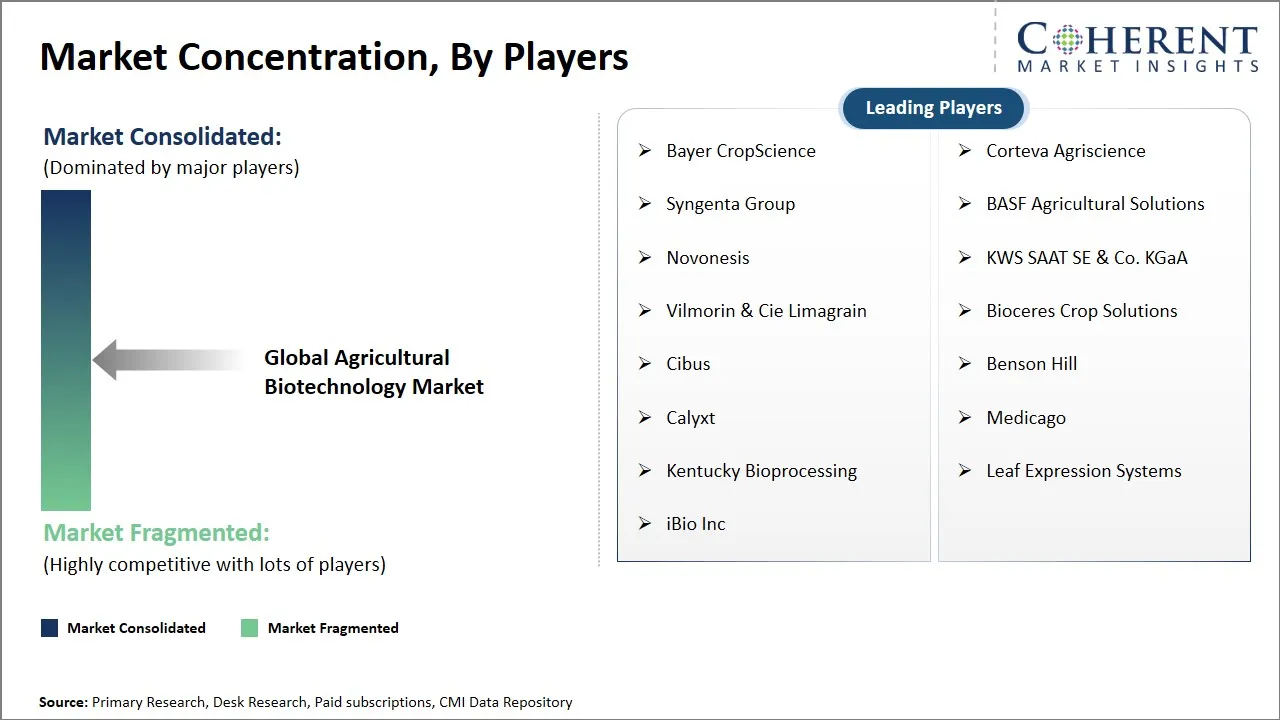
| Companies covered: | Bayer CropScience, Corteva Agriscience, Syngenta Group, BASF Agricultural Solutions, Novonesis, KWS SAAT SE & Co. KGaA, Vilmorin & Cie Limagrain, Bioceres Crop Solutions, Cibus, Benson Hill, Calyxt, Medicago, Kentucky Bioprocessing, Leaf Expression Systems, and iBio Inc | ||
| Growth Drivers: |
| ||
| Restraints & Challenges: |
| ||
Agricultural Biotechnology Market Dynamics
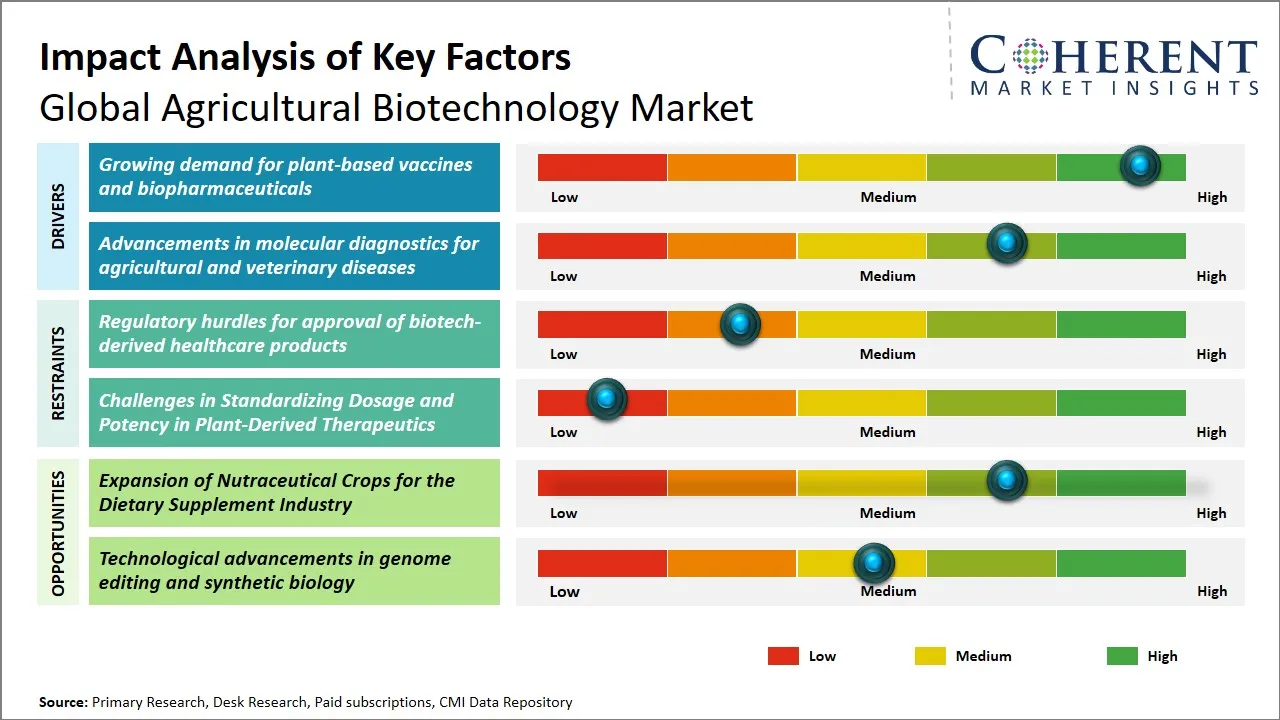
Agricultural Biotechnology Market Driver - Growing Demand for Plant-based Vaccines and Biopharmaceuticals
The increasing focus on sustainable and cost-effective production of vaccines and biopharmaceuticals is driving significant advancements in agricultural biotechnology. Plant-based systems offer an attractive alternative to traditional methods of producing therapeutic proteins and vaccines, primarily due to their scalability, reduced risk of contamination, and lower production costs. With the ongoing need to address emerging infectious diseases and improve global healthcare accessibility, researchers and pharmaceutical companies are leveraging genetically engineered plants to develop vaccines that can be rapidly produced in large quantities. Moreover, plant-derived biopharmaceuticals are gaining traction because of their potential for oral delivery, which simplifies administration and enhances patient compliance.
In November 2024, Sanofi, a global pharmaceutical industry, opened a USD 590 million modular vaccine and biologics plant in Singapore’s Tuas Biomedical Park, marking the country’s first modular facility. The site part of Sanofi’s Evolutive Vaccine Facilities concept can be reconfigured within days during a pandemic and is set to be fully operational by mid-2026 employing 200 specialists in bioprocessing data analysis and AI. The expansion comes amid growing demand for plant-based vaccines and biopharmaceuticals underscoring Singapore’s role as a hub for next-generation healthcare innovation.
Agricultural Biotechnology Market Opportunity - Expansion of Nutraceutical Crops for the Dietary Supplement Industry
The growing consumer inclination towards health and wellness has significantly amplified the demand for dietary supplements, presenting a substantial opportunity for the global agricultural biotechnology market through the expansion of nutraceutical crops. Nutraceutical crops, which are genetically engineered or selectively bred to enhance their nutritional profiles and bioactive compounds, serve as vital raw materials for dietary supplements aimed at improving immunity, mental health, and chronic disease management. Advances in biotechnology enable the development of crops with elevated levels of vitamins, antioxidants, omega-3 fatty acids, and other essential nutrients, thereby addressing nutrient deficiencies more effectively than conventional crops. Additionally, increasing awareness about lifestyle diseases and the preference for natural and plant-based supplements further drive investment in this sector. Biotech innovations facilitate the cultivation of functional foods with enhanced bioavailability, stability, and shelf life, catering to evolving consumer expectations. Regions with rising disposable incomes and expanding middle-class populations, particularly in Asia Pacific and Latin America, are witnessing a surge in dietary supplement consumption, creating lucrative markets for nutraceutical crops.
In August 2025, Expanscience, known for its plant-based cosmetic ingredients, expanded into dietary supplements with a new line of responsible nutraceutical actives. The company introduced Tulsinity Bio, a holy basil extract grown with regenerative agriculture and certified ROC and Fair for Life aimed at reducing stress and improving skin health, marking its commitment to sustainability traceability and efficacy in the growing nutraceutical market.
Analyst Opinion (Expert Opinion)
- The global agricultural biotechnology market is steadily gaining traction as innovation, regulation, and sustainability priorities converge. On one hand, the adoption of genetically modified (GM) crops, advanced gene-editing tools such as CRISPR, and microbial solutions are helping to address food security challenges and climate stress on crops. Governments have been increasingly supportive, with policies that encourage biotech adoption to improve yields, reduce pesticide reliance, and strengthen resilience against climate-induced diseases. Opportunities are also opening up in bio-based fertilizers and pest-resistant seed varieties, particularly in emerging economies where population growth is pushing for more sustainable agriculture. That said, the sector faces hurdles around public perception of GM foods, lengthy regulatory approvals, and uneven adoption across regions—factors that can slow market momentum despite strong scientific progress.
- Recent years have seen important platforms for knowledge sharing and innovation, such as the International Conference on Agricultural Biotechnology and Food Security (2023), the World Agri-Tech Innovation Summit (2022 and 2023 editions), and regional biotech expos in Asia and Europe, which spotlighted advances in plant genomics, microbial applications, and agri-digital tools. These gatherings have not only showcased technology but also shaped regulatory dialogues and public–private partnerships. Real-world initiatives are also reshaping the landscape for example, Bayer’s collaboration with Microsoft to launch cloud-based platforms for sustainable farming, Syngenta’s partnership programs to advance biological crop protection, and government-backed pilots in India and Brazil aimed at scaling biofertilizers and biotech crops. Such efforts highlight the practical, healthcare-like approach biotech is taking toward agriculture—treating crops much as modern medicine treats patients, with targeted interventions, diagnostics, and preventive care that make farming more precise, resilient, and sustainable.
Speak to the analyst
Want personalized insights?
Take the findings above to one of our principal consultants, or have the report rebuilt around the segments, geographies and competitors you actually track.
Market Segmentation
- Product Type Insights (Revenue, USD Bn, 2021 - 2033)
- Nutritionally Enhanced GM Seeds and Crops
- Biopharmaceutical Crops (Plant-made pharmaceuticals, vaccines, enzymes)
- Biostimulants for Nutritional Quality Enhancement
- Others (Functional Food Ingredients, etc.)
- Technology Insights (Revenue, USD Bn, 2021 - 2033)
- Genetic Engineering (Transgenic Crops, Gene Editing/CRISPR, RNA Interference)
- Molecular Diagnostics
- Molecular Markers
- Genomics and Proteomics Tools
- Bioinformatics and Digital Agriculture Tools
- Micropropagation and Tissue Culture
- Synthetic Biology
- Application Insights (Revenue, USD Bn, 2021 - 2033)
- Vaccine development (plant-based and recombinant vaccines)
- Antibiotic and antimicrobial agent production
- Biofortified crop creation for nutrition enhancement
- Rapid diagnostics for crop and livestock diseases
- Transgenic animals for pharmaceutical production
- Others (Microbial therapeutics for animal health)
- Organism Type Insights (Revenue, USD Bn, 2021 - 2033)
- Plants
- Animals
- Microbes
- Regional Insights (Revenue, USD Bn, 2021 - 2033)
- North America
- U.S.
- Canada
- Latin America
- Brazil
- Argentina
- Mexico
- Rest of Latin America
- Europe
- Germany
- U.K.
- Spain
- France
- Italy
- Russia
- Rest of Europe
- Asia Pacific
- China
- India
- Japan
- Australia
- South Korea
- ASEAN
- Rest of Asia Pacific
- Middle East
- GCC Countries
- Israel
- Rest of Middle East
- Africa
- South Africa
- North Africa
- Central Africa
- North America
- Key Players Insights
- Bayer CropScience
- Corteva Agriscience
- Syngenta Group
- BASF Agricultural Solutions
- Novonesis
- KWS SAAT SE & Co. KGaA
- Vilmorin & Cie Limagrain
- Bioceres Crop Solutions
- Cibus
- Benson Hill
- Calyxt
- Medicago
- Kentucky Bioprocessing
- Leaf Expression Systems
- iBio Inc
Sources
Primary Research Interviews
Industry Stakeholders list
- R&D directors at seed & trait developers
- Heads of regulatory affairs at ag-biotech firms
- Principal investigators at CGIAR centers (e.g., IRRI, CIMMYT)
- Technology transfer officers at land-grant universities
- Intellectual property/licensing managers in plant sciences
- Field trial CROs and biosafety consultants
End user list
- Large commercial row-crop farmers (corn/soy/cotton)
- Smallholder farmer cooperatives/FPOs in APAC & Africa
- Seed producers and multipliers
- Horticulture/greenhouse growers
- Bioinput adopters (biostimulant/biocontrol users)
- Ag retailers/seed dealers with agronomy teams
Government and International Databases
- FAOSTAT (FAO)
- USDA Production, Supply & Distribution (PSD) Online
- UN Comtrade Database
- World Bank Data (WDI)
- OECD Statistics
Trade Publications
- Seed World
- Agri-Pulse
- New Ag International
- AgriBusiness Global
- The Scientist
- World Grain
Academic Journals
- Nature Biotechnology
- Plant Biotechnology Journal
- GM Crops & Food
- Proceedings of the National Academy of Sciences (PNAS)
- Journal of Agricultural and Food Chemistry
- Trends in Biotechnology
Reputable Newspapers
- Financial Times
- The Wall Street Journal
- The New York Times
- The Economist
- The Guardian
- Reuters
Industry Associations
- International Seed Federation (ISF)
- Biotechnology Innovation Organization (BIO)
- American Seed Trade Association (ASTA)
- Asia & Pacific Seed Association (APSA)
- International Service for the Acquisition of Agri-biotech Applications (ISAAA)
- Crop Science Society of America (CSSA)
Public Domain Resources
- National Academies Press (open reports)
- EFSA GMO Register
- USDA-APHIS Biotechnology Permitting/Notifications
- U.S. EPA Biopesticides & Pollution Prevention data
- UPOV publications & reports
- WIPO PATENTSCOPE
Proprietary Elements
- CMI Data Analytics Tool: Proprietary analytics tool to analyze real-time market trends, consumer behavior, and technology adoption in market
- Proprietary CMI Existing Repository of Information for Last 8 Years
Get access to 250+ pages report
Every segment, forecast, competitor profile and data table behind the analysis above — available for instant download.
- ESOMAR Member
- ISO 9001:2015 Certified
- D-U-N-S Registered
- GDPR & CCPA Compliant
Missing comfort of reading report in your local language? Find your preferred language:
Transform your Strategy with Exclusive Trending Reports
Frequently Asked Questions
The global agricultural biotechnology market is estimated to be valued at USD 172.07 Bn in 2026 and is expected to reach USD 283.61 Bn by 2033.
The CAGR of global agricultural biotechnology market is projected to be 7.4% from 2026 to 2033.
Growing demand for plant-based vaccines and biopharmaceuticals and advancements in molecular diagnostics for agricultural and veterinary diseases are the major factors driving the growth of the global agricultural biotechnology market.
Regulatory hurdles for approval of biotech-derived healthcare products and challenges in standardizing dosage and potency in plant-derived therapeutics are the major factors hampering the growth of the global agricultural biotechnology market.
In terms of product type, the nutritionally enhanced GM seeds and crops segment is estimated to dominate the market revenue share in 2026.
Bayer CropScience, Corteva Agriscience, Syngenta Group, BASF Agricultural Solutions, Novonesis, KWS SAAT SE & Co. KGaA, Vilmorin & Cie Limagrain, Bioceres Crop Solutions, Cibus, Benson Hill, Calyxt, Medicago, Kentucky Bioprocessing, Leaf Expression Systems, and iBio Inc are the major players.
North America is expected to lead the global agricultural biotechnology market in 2026.