

Global Axial Spondyloarthritis Market Size and Forecast – 2026 to 2033
the global axial spondyloarthritis market is estimated to be valued at USD 4.72 Bn in 2026 and is expected to reach USD 7.61 Bn by 2033, exhibiting a compound annual growth rate (CAGR) of 7.0% from 2026 to 2033. This growth reflects increasing awareness, advancements in diagnostic procedures, and the introduction of novel biologic therapies targeting inflammatory pathways, which collectively are driving market expansion and improving patient outcomes worldwide.
Key Takeaways of the Global Axial Spondyloarthritis Market
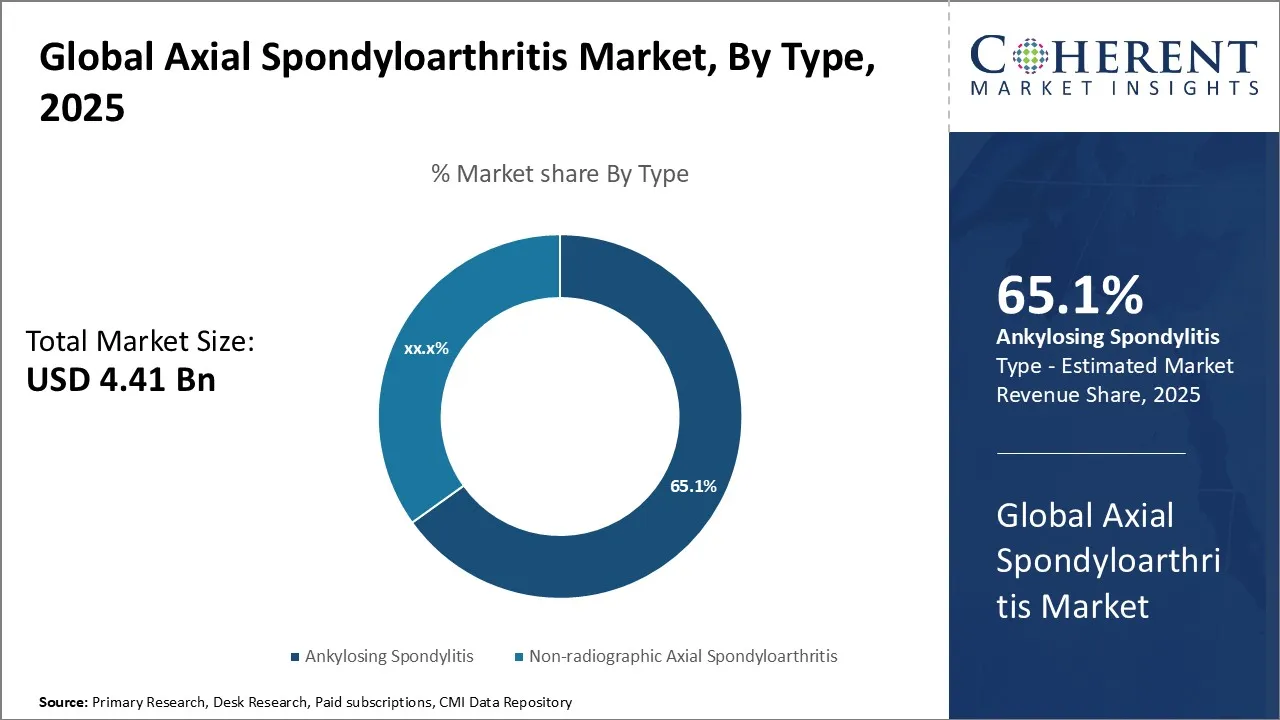
- In 2026, ankylosing spondylitis segment expected to capture the largest share of the axial spondyloarthritis market at 66.1 %.
- Nonsteroidal Anti-Inflammatory Drugs (NSAIDs) segment is expected to hold 41.2 % of the market in 2026.
- Oral segment will be the predominant route, accounting for an estimated 41.3 % of the market share in 2026.
- North America is expected to lead the market, holding a share of 38.3 % in 2026. Asia Pacific is anticipated to be the fastest-growing region, with a market share of 25.2% in 2026.
Market Overview
A significant market trend is the rising adoption of personalized medicine and targeted biologic treatments that offer better efficacy with fewer side effects. Additionally, growing government initiatives to enhance early diagnosis and reimbursement policies are facilitating market penetration. The integration of digital health technologies for monitoring disease progression and patient adherence also supports improved management of axial spondyloarthritis, further propelling the market forward during the forecast period.
Current Events and Its Impact
Current Events | Description and its impact |
Launch of New IL‑17 Inhibitor in EU |
|
Advancements in Digital Health Tools |
|
Segmental Insights
- Current Industry Events of 2026
- Market Size Estimation
- Regional Breakdown
- Competitive Landscape
- Customer Intelligence
- Segmental Analysis
- Pricing Analysis
- Key Market Drivers, Challenges & Future Trends
- Customized Insights Section
Axial Spondyloarthritis Market Insights, By Type - Ankylosing Spondylitis Contributes the Highest Share Owing to its Prevalence and Diagnostic Advancements
Among the two primary types of axial spondyloarthritis, ankylosing spondylitis holds the largest market share, projected to be 66.1% in 2026. This dominance is largely due to the clear clinical visibility and diagnostic clarity of ankylosing spondylitis as it is characterized by radiographic changes in the sacroiliac joints and spine. These changes make it easier for healthcare providers to diagnose early and confidently, enabling timely interventions. In contrast, nr-axSpA, which lacks these clear imaging markers, is often underdiagnosed or misdiagnosed, leading to delayed diagnosis and treatment. This difference contributes to AS patients engaging with healthcare systems earlier and requiring long-term management, thereby driving the demand for targeted therapies.
A notable example of treatment innovation occurred in December 2021 when the U.S. FDA approved Pfizer's XELJANZ (tofacitinib) for treating active ankylosing spondylitis (AS) in adults who have not responded to or are intolerant to TNF blockers. XELJANZ became the first JAK inhibitor approved in the U.S. for five immuno-inflammatory conditions. The approval followed a Phase 3 study in which 56.4% of patients treated with tofacitinib achieved an ASAS20 response (improvement in AS symptoms) at week 16, significantly outperforming the 29.4% response rate observed in the placebo group.
Furthermore, the prevalence of Ankylosing Spondylitis, particularly among males and individuals in certain geographic regions, contributes to its overwhelming share in the market. Greater awareness among rheumatologists and orthopedic specialists regarding digital pathology, coupled with advanced imaging techniques such as MRI and X-rays, enhances case detection rates. This drives both clinical attention and pharmaceutical investment in therapies specific to AS.
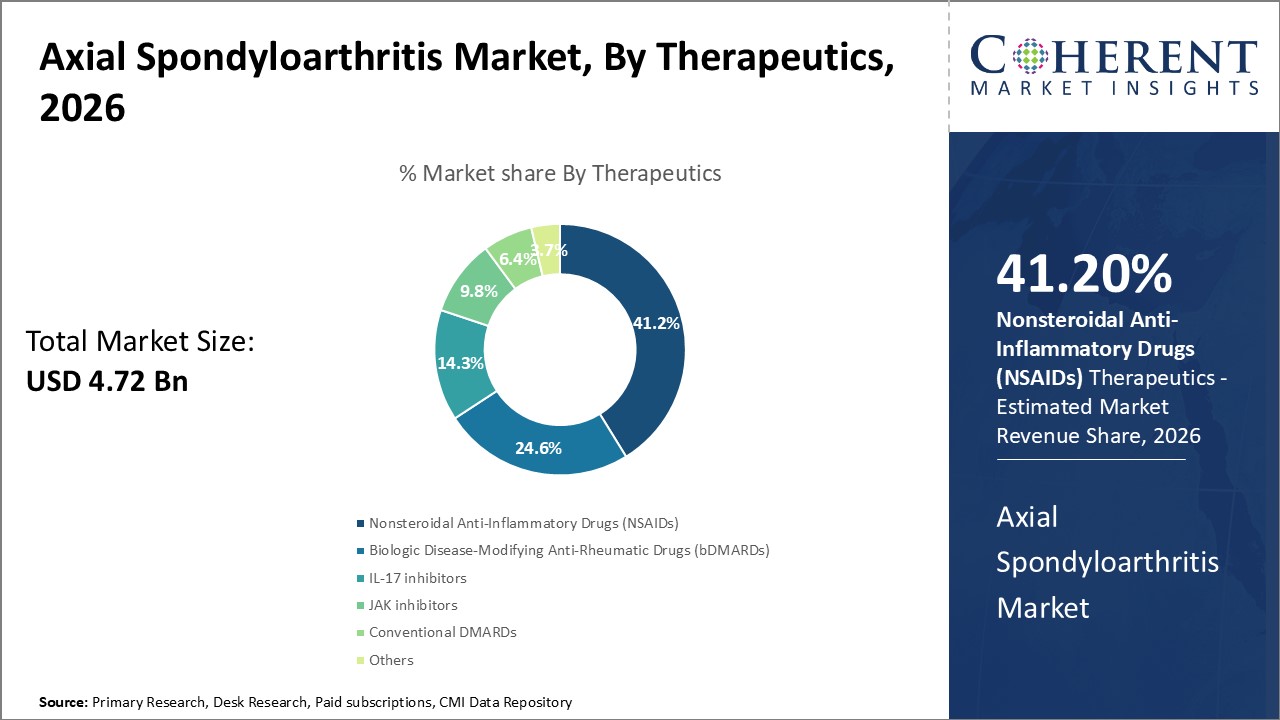
Axial Spondyloarthritis Market Insights, By Therapeutics – Nonsteroidal Anti-Inflammatory Drugs (NSAIDs) Dominate Due to their Efficacy and Accessibility
In the axial spondyloarthritis market, Nonsteroidal Anti-Inflammatory Drugs (NSAIDs) dominate the treatment landscape, holding an estimated 41.2% of the market share in 2026. This dominance is attributed to their well-established efficacy in controlling inflammation and alleviating pain, key symptoms of both Ankylosing Spondylitis (AS) and non-radiographic axial spondyloarthritis (nr-axSpA). NSAIDs like Meloxicam, Naproxen, Celecoxib, and Diclofenac are frontline treatments that significantly reduce pain and improve mobility, making them essential in the early management and long-term maintenance of AxSpA.
For example, a study published in the Journal of Rheumatology in March 2024, highlighted that there is no significant difference in NSAID response between AxSpA patients and patients with chronic back pain (non-SpA). The study found that 30.9% of AxSpA patients and 29.1% of non-SpA patients showed any response to NSAIDs, while 23.5% of AxSpA patients and 16.4% of non-SpA patients showed a good response after 4 weeks. These findings suggest that NSAIDs are similarly effective across both groups, supporting their widespread use as an accessible and reliable treatment option.
One key reason for the dominance of NSAIDs in this segment is their accessibility and cost-effectiveness compared to advanced biologics or disease-modifying agents. Most NSAIDs are available in generic formulations, making them affordable across a wide spectrum of healthcare settings globally. This affordability encourages their widespread use in primary care and rheumatology practices, particularly in regions with limited access to newer biologic therapies.
Axial Spondyloarthritis Market Insights, By Route of Administration – Oral Delivery Leads the Market Attributable to Convenience and Patient Preference
Oral administration is the predominant route of delivering therapeutic agents in the axial spondyloarthritis market with an estimated share of 41.3% in 2026, driven primarily by its convenience, patient acceptance, and cost advantages. Treatments ranging from NSAIDs and conventional DMARDs to newer oral JAK inhibitors like Tofacitinib and Upadacitinib benefit from oral formulations that simplify treatment regimens, enhance adherence, and facilitate chronic disease management outside clinical settings.
The oral route is particularly favored in axial spondyloarthritis due to the chronic nature of the disease requiring long-term treatment. Patients generally prefer oral medications over injections or intravenous infusions because of the reduced discomfort, ease of use, and minimal disruption to daily life. This preference significantly impacts prescribing behaviors and market dynamics, with clinicians prioritizing oral therapies when efficacy and safety profiles are comparable.
Regional Insights
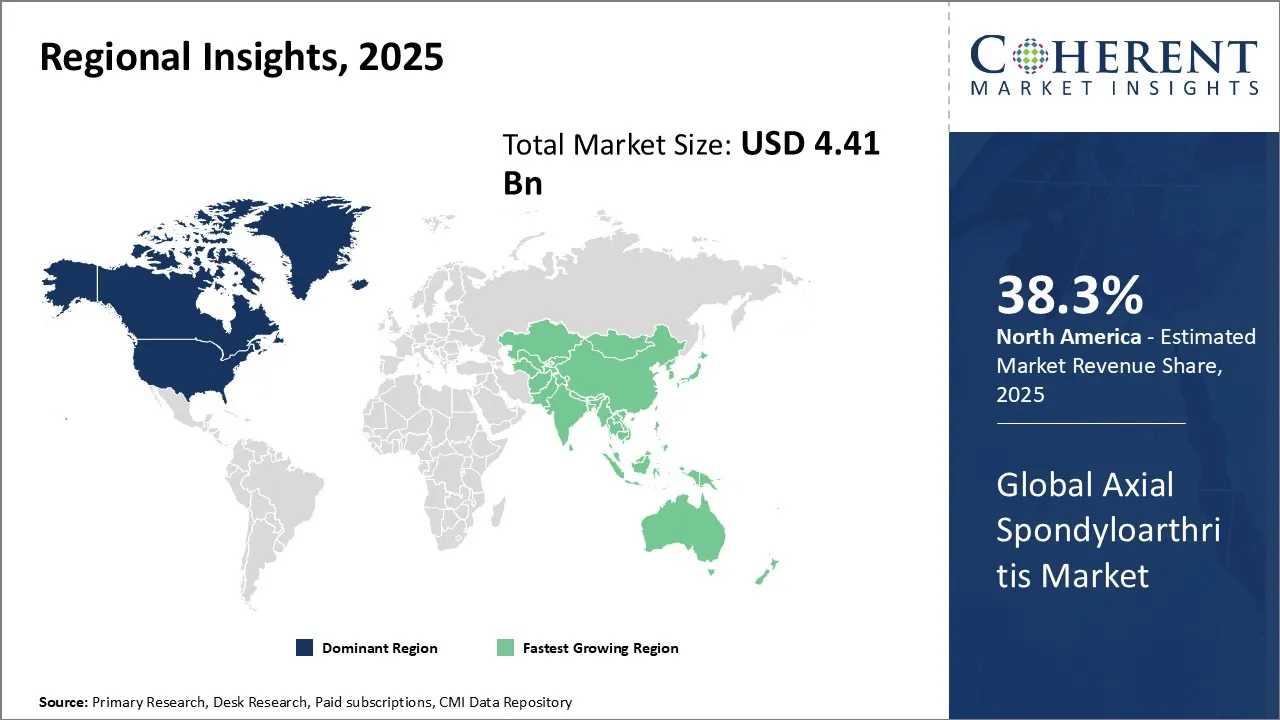
North America Axial Spondyloarthritis Market Analysis and Trends
North America’s dominance in the global axial spondyloarthritis market with an estimated share of 38.3% in 2026 is driven by a well-established healthcare infrastructure, advanced diagnostic and treatment facilities, and robust government support for chronic disease management. The presence of key pharmaceutical companies focusing on innovative biologics and targeted therapies, such as Janssen Pharmaceuticals (a Johnson & Johnson company), Pfizer, and Novartis, reinforces market leadership.
For instance, in June 2026, Johnson & Johnson reported positive Phase 3 APEX study results demonstrating that guselkumab is effective in treating psoriatic arthritis, reinforcing the value of IL-23 inhibition. Johnson & Johnson is a global healthcare company known for its pharmaceutical, medical device, and consumer health products. Government initiatives increasing awareness about autoimmune and inflammatory diseases, along with reimbursement policies under Medicare and private insurers, further enhance patient access to sophisticated therapies.
Asia Pacific Axial Spondyloarthritis Market Analysis and Trends
The Asia Pacific region is expected to exhibit the fastest growth in the axial spondyloarthritis market with a share of 25.2% in 2026 due to expanding healthcare access, rising patient awareness, and improving diagnostic capabilities in emerging economies like China and India. Government policies increasingly prioritize chronic and autoimmune disorders, with greater emphasis on early diagnosis and treatment. Pharmaceutical companies such as AbbVie, Eli Lilly, and Novartis have intensified their market presence through localized production facilities and strategic partnerships with domestic firms to improve availability and affordability.
The expanding middle-class population and increasing healthcare expenditure are driving demand. Furthermore, regulatory reforms that streamline approval processes are facilitating the quicker launch of novel therapies. The growing industry ecosystem, encompassing advanced hospitals and specialty care centers, enhances treatment penetration, making Asia Pacific a vibrant and dynamic market landscape.
Global Axial Spondyloarthritis Market Outlook for Key Countries
U.S. Axial Spondyloarthritis Market Trends
The U.S.' axial spondyloarthritis market is characterized by its strong emphasis on innovative therapies for axSpA, where large pharmaceutical players like AbbVie (with Humira) and Janssen (with Stelara) lead. The market benefits from significant government funding for autoimmune research and favorable reimbursement policies that support access to biologic treatments. Additionally, widespread physician expertise and access to advanced diagnostic tools contribute to early and accurate diagnosis.
In June 2020, Novartis, a global leader in rheumatology and immuno-dermatology, announced that the U.S. FDA approved Cosentyx (secukinumab) to treat active non-radiographic axial spondyloarthritis (nr-axSpA). The approval was based on the Phase III PREVENT trial, which showed significant symptom improvement in patients compared to placebo. nr-axSpA is part of the axial spondyloarthritis disease spectrum, affecting about 2.7 million people in the U.S. and often going underdiagnosed.
Canada Axial Spondyloarthritis Market Trends
The Canada axial spondyloarthritis market is evolving rapidly, driven by a combination of innovative biologics uptake, increasing disease awareness, and improvements in early diagnosis. In Canada, the adoption of innovative diagnostic technologies is reshaping the approach to axial spondyloarthritis (AxSpA) management. New biomarker assays and advanced lab-developed tests are being introduced to help overcome the significant delays that often occur before a definitive diagnosis is made. These tools are designed to detect disease-related proteins and molecular markers earlier than traditional imaging, allowing clinicians to confirm AxSpA in its initial stages when symptoms are often non-specific.
For instance, in November 2024, Augurex Life Sciences, a Canadian biotech company, launched Anti-14-3-3eta Multiplex Analyte Specific Reagents to enable New Day Diagnostics’ first-in-class lab-developed test for diagnosing axial spondyloarthritis (axSpA). The new test, available by physician order, aims to shorten the typical diagnostic delays in axSpA and help clinicians detect the disease earlier to improve patient outcomes. New Day Diagnostics is a U.S.-based company specializing in innovative diagnostic solutions.
Germany Axial Spondyloarthritis Market Trends
Germany continues to lead the European axial spondyloarthritis market due to its comprehensive healthcare system and supportive government policies promoting early intervention and chronic disease management. Major pharmaceutical companies including Novartis, Roche, and Pfizer actively participate in the market through both innovative drug offerings and patient assistance programs. Germany’s well-established clinical research framework and healthcare reimbursement infrastructure allow for prompt adoption of cutting-edge therapies, boosting treatment accessibility.
China Axial Spondyloarthritis Market Trends
China’s axial spondyloarthritis market is rapidly evolving, supported by government initiatives such as the Healthy China 2030 plan, which emphasizes improving rheumatology care and increasing awareness about autoimmune diseases. Local companies like 3SBio and Hisun Pharmaceutical are active in developing biosimilar TNF inhibitors and cost-effective treatment options tailored for the domestic population. At the same time, multinational firms such as Eli Lilly, which markets Taltz (ixekizumab), and Sanofi, known for its immunology pipeline, are expanding their footprint to capture growing demand.
Investment in healthcare infrastructure and the expansion of urban healthcare facilities are enhancing patient screening and diagnosis rates. Additionally, the China National Medical Products Administration (NMPA) reforms, which have streamlined drug approval processes and expanded insurance coverage under China’s National Reimbursement Drug List (NRDL), are accelerating the adoption of biologics and novel therapies for axial spondyloarthritis.
Japan Axial Spondyloarthritis Market Trends
Japan maintains a mature market with strong industry presence from companies like Astellas Pharma, which has an established portfolio in immunology, and Takeda Pharmaceutical, which actively supports research in inflammatory diseases. Its advanced healthcare system, including initiatives such as the National Health Insurance (NHI) system and extensive patient support programs by firms like AbbVie Japan, fosters widespread treatment access.
Japan’s regulatory environment, overseen by the Pharmaceuticals and Medical Devices Agency (PMDA), supports innovation and ensures timely drug approvals illustrated by the rapid authorization of Cosentyx (secukinumab) and Simponi (golimumab) for axial spondyloarthritis. The country also benefits from a high level of clinical research activity through organizations like the Japan College of Rheumatology, which plays a key role in optimizing treatment regimens and developing evidence-based guidelines for autoimmune disorders.
End user Feedback and Unmet Needs
- End users, including rheumatologists, patients, and healthcare providers, have shared valuable feedback on axial spondyloarthritis (axSpA) treatment options. Positive user experiences often revolve around the efficacy and convenience of biologics, such as IL-17 inhibitors, which have significantly improved symptoms and quality of life for patients. For example, patients using a specific IL-17 inhibitor have reported reduced pain levels, increased mobility, and better overall disease control, making it a favored treatment choice among physicians. These positive outcomes contribute to higher patient satisfaction and greater long-term therapy adherence. On the other hand, a frequently cited concern is the high cost of biologic therapies, especially in low-income regions, which limits access to these life-changing treatments. Additionally, the complexity of treatment regimens and the frequent need for hospital visits for intravenous infusions have been noted as operational challenges, hindering patient compliance and accessibility.
- The primary unmet needs within the market are related to affordability, treatment accessibility, and customization of therapy regimens. Many patients, particularly in emerging markets, face financial barriers to accessing advanced biologics, and even those who do have access struggle with the complexities of treatment schedules. There is also a clear demand for more personalized treatment plans, as current therapies are often a one-size-fits-all solution. Addressing these unmet needs could unlock significant growth opportunities, particularly in cost-effective biologics, mobile health technologies for easier monitoring, and improved patient support systems. Manufacturers and policymakers can drive innovation by focusing on reducing treatment costs, improving ease of administration, and providing more tailored therapeutic options, which would not only expand market access but also increase patient retention and satisfaction.
Market Players, Key Developments, and Competitive Intelligence
Key Developments
- In May 2025, researchers from the Assessment of SpondyloArthritis International Society (ASAS) introduced a new consensus definition of difficult-to-manage axial spondyloarthritis to help clinicians better identify and treat patients who don’t respond to existing therapies. The criteria include failure of multiple treatments, poor disease control, and ongoing symptoms despite care. The effort, led by experts including Mr. Denis Poddubnyy of the University of Toronto and Mrs. Sofia Ramiro of Leiden University Medical Center, aims to guide research and improve outcomes for this challenging patient group.
- In January 2025, screening is underway in Germany for the Phase 2 S-OLARIS trial testing sonelokimab, an IL-17A and IL-17F blocking nanobody from Moonlake Immunotherapeutics, in adults with active axial spondyloarthritis, including ankylosing spondylitis. About 25 patients will receive subcutaneous injections to assess reductions in spine and joint inflammation over 12 weeks using combined PET and MRI imaging. Top-line results are expected in early 2026. Moonlake, a Swiss biotech company, is advancing sonelokimab across five inflammatory disease indications.
- In November 2024, UCB, a global biopharmaceutical company, announced new two-year data at ACR Convergence 2024 showing sustained improvements in symptoms and patient-reported outcomes for adults with psoriatic arthritis, non-radiographic axial spondyloarthritis, and ankylosing spondylitis treated with BIMZELX (bimekizumab-bkzx). The results from multiple Phase 3 studies also demonstrated significant reductions in inflammation and structural lesions by MRI and minimal spinal progression over two years. UCB is presenting 19 abstracts, including two oral presentations, covering BIMZELX across psoriatic arthritis, axial spondyloarthritis, ankylosing spondylitis, and plaque psoriasis.
Top Strategies Followed by Global Axial Spondyloarthritis Market Players
- Established companies typically lead the market by heavily investing in research and development (R&D) to innovate high-performance therapies and diagnostic solutions. Their robust R&D pipelines enable these players to develop next-generation biologics and targeted treatments that cater to evolving patient needs and regulatory standards. In addition to driving innovation, industry leaders continue to establish strategic partnerships with key stakeholders, including global pharmaceutical companies and original equipment manufacturers (OEMs), to enhance their product portfolios and broaden their technological capabilities.
- For instance, in November 2024, AbbVie, a global biopharmaceutical company, launched "Rheum for Dialogue," an online platform designed to facilitate more open communication between patients with rheumatoid arthritis, psoriatic arthritis, and axial spondyloarthritis and their healthcare providers. A recent survey revealed that many patients hesitate to discuss their symptoms fully, which can impact treatment outcomes. This new platform offers educational videos and interactive tools aimed at bridging this communication gap, ultimately improving patient engagement and optimizing treatment plans for better outcomes in the axSpA space.
- Mid-level competitors in the axial spondyloarthritis market position themselves by focusing on cost-effective products that strike a balance between quality and affordability. These companies are particularly attuned to the price sensitivities of healthcare providers and patients, especially in developing economies where healthcare budgets are constrained. Such alliances enable them to compete with larger firms by offering therapeutic solutions that maintain clinical efficacy while being economically accessible. In addition, these companies invest in scaling their marketing efforts and building relationships with healthcare professionals to better penetrate regional markets and create a loyal consumer base.
- In September 2024, the U.S. FDA approved UCB’s Bimzelx (bimekizumab-bkzx) for adults with active psoriatic arthritis, ankylosing spondylitis, and non-radiographic axial spondyloarthritis following positive results from four Phase III studies. Already approved for plaque psoriasis, Bimzelx is now the first U.S. FDA-approved treatment targeting both IL-17A and IL-17F across four chronic inflammatory conditions. UCB is a global biopharmaceutical company focused on immunology and neurology therapies.
- Small-scale players in the axial spondyloarthritis market carve out niches by specializing in innovative or highly targeted products that differentiate them from larger competitors. These companies leverage cutting-edge technologies such as digital health platforms, wearable monitoring devices, or precision medicine approaches that add unique value to diagnosis and patient management. By focusing on specialized features, they address unmet needs that larger players may overlook, allowing them to gain traction in specific patient segments. Small-scale firms also seek to enhance their regional presence through strategic acquisitions, partnerships with startups or domestic manufacturers, which help navigate regulatory complexities and build credibility.
- In March 2024, AbbVie, a global biopharmaceutical company, completed its USD 137.5 million acquisition of Landos Biopharma, adding the oral NLRX1 agonist NX-13 to its pipeline of immunology therapies.
Market Report Scope
Axial Spondyloarthritis Market Report Coverage
| Report Coverage | Details | ||
|---|---|---|---|
| Base Year: | 2025 | Market Size in 2026: | USD 4.72 Bn |
| Historical Data for: | 2020 To 2024 | Forecast Period: | 2026 To 2033 |
| Forecast Period 2026 to 2033 CAGR: | 7.0% | 2033 Value Projection: | USD 7.61 Bn |
| Geographies covered: |
| ||
| Segments covered: |
| ||
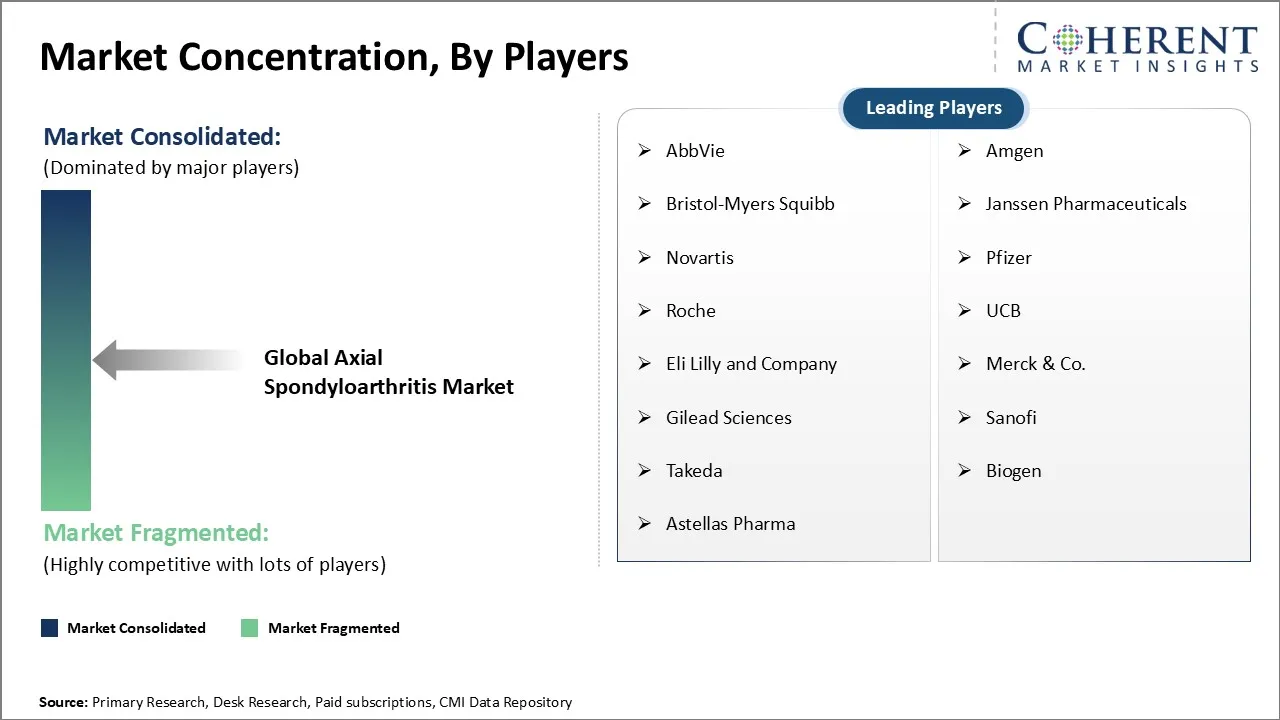
| Companies covered: | AbbVie, Amgen, Bristol-Myers Squibb, Janssen Pharmaceuticals, Novartis, Pfizer, Roche, UCB, Eli Lilly and Company, Merck & Co., Gilead Sciences, Sanofi, Takeda, Biogen, and Astellas Pharma | ||
| Growth Drivers: |
| ||
| Restraints & Challenges: |
| ||
Axial Spondyloarthritis Market Dynamics
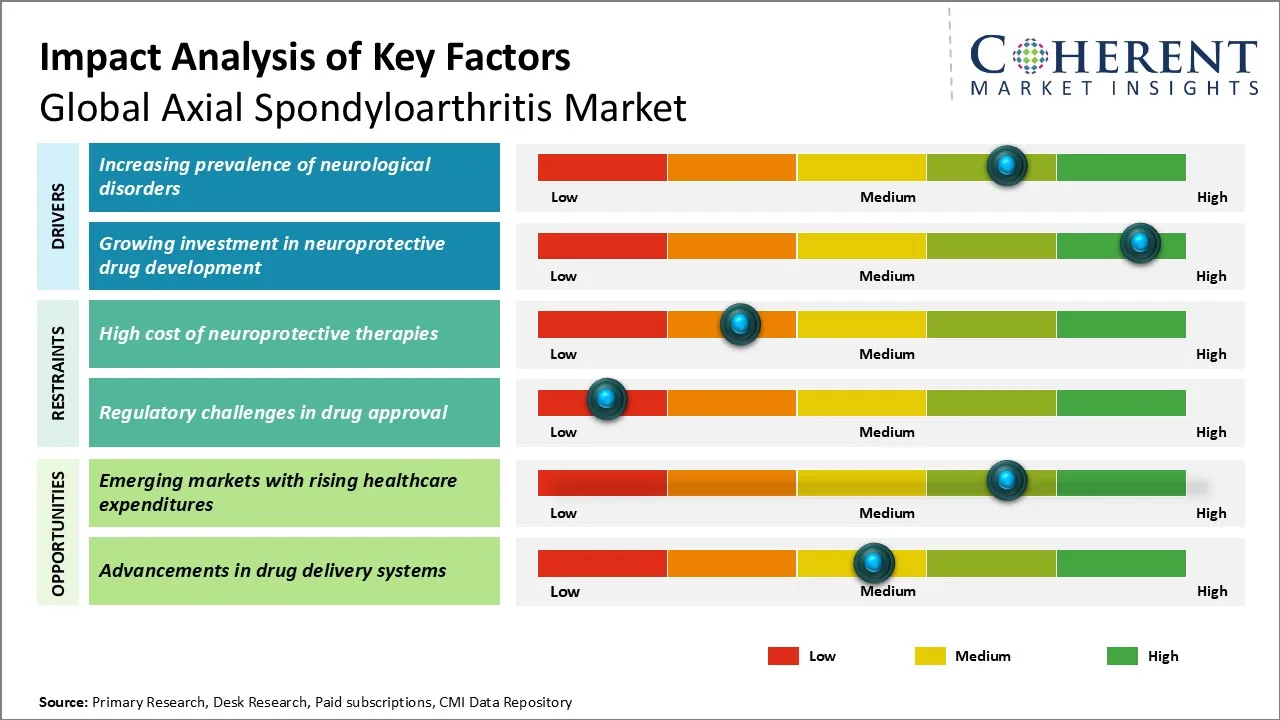
Axial Spondyloarthritis Market Driver - Increasing Prevalence of Neurological Disorders
The rising incidence of neurological disorders, particularly those with inflammatory components, has indirectly heightened the focus on axial spondyloarthritis (axSpA) as a significant comorbidity, thereby driving interest and investment in this therapeutic area. Neurological complications such as neuropathic pain and neuroinflammation often coexist with axSpA, reflecting the complex interplay between the immune system and neurological pathways. This overlap has led to a broader clinical recognition of the disease's systemic impact, prompting healthcare providers to prioritize early diagnosis and comprehensive management strategies. Furthermore, advancements in neuroimaging and diagnostic techniques are enabling more precise identification of patients affected by both neurological disorders and axSpA, increasing the pool of diagnosed cases. As a result, pharmaceutical research is intensifying efforts to develop targeted therapies that address both musculoskeletal and neurological symptoms, which is stimulating pipeline activities and product launches.
In March 2024, a WHO study published by The Lancet Neurology shows that 3 billion people worldwide lived with neurological conditions in 2021, making them the leading cause of illness and disability. 80% of the health loss occurs in low- and middle-income countries. Conditions like stroke, migraine, dementia, and diabetic neuropathy contribute most to disability. The Intersectoral Global Action Plan (IGAP) 2022–2031 aims to improve prevention and care. WHO urges more investments in research and healthcare to address this growing burden.
Axial Spondyloarthritis Market Opportunity - Expansion in Emerging Markets Driven by Rising Healthcare Expenditures
The growing prevalence of chronic inflammatory diseases such as AxSpA in these regions, combined with rising healthcare expenditures and disposable incomes, is driving demand for advanced treatment options. Companies like Spine BioPharma, by developing therapies for conditions like AxSpA, are tapping into this demand. As healthcare systems in emerging markets continue to improve with better diagnostic capabilities and health insurance coverage, the introduction of novel treatments—such as biologics and SB-01 for fibrotic diseases—becomes increasingly vital.
The expansion of specialty clinics and private healthcare facilities in urban and semi-urban areas further drives patient outreach, aligning with Spine BioPharma’s strategy to broaden its geographic footprint and capitalize on the unmet needs in AxSpA management across these emerging regions.
For instance, in July 2024, Spine BioPharma, a company focused on non-surgical treatments for spine and musculoskeletal disorders, signed a USD 155 million deal with Ensol BioSciences to expand its SB-01 therapy into fibrotic diseases, including applications in Axial Spondyloarthritis (AxSpA). This collaboration highlights the rising opportunities in the emerging markets like India, China, Brazil, and Southeast Asia where the healthcare infrastructure is rapidly improving, and government initiatives are enhancing healthcare accessibility.
Analyst Opinion (Expert Opinion)
The global axial spondyloarthritis market is witnessing sustained growth propelled by technological advancements in biologics and biosimilars, increasing disease awareness, and improved diagnostic tools enabling earlier intervention. Regulatory support, such as expedited approvals for innovative therapies and inclusion of axSpA treatments in reimbursement frameworks across major markets, has further accelerated market expansion. At the same time, rising demand for targeted treatments has opened avenues for IL-17 and IL-23 inhibitors, offering significant clinical benefits. However, challenges persist, including underdiagnosis due to limited awareness among primary care providers, high treatment costs limiting access in low- and middle-income countries, and the need for long-term safety data on emerging therapies.
Recent conferences such as the European Congress of Rheumatology (EULAR), American College of Rheumatology (ACR) Annual Meeting, and Asia Pacific League of Associations for Rheumatology Congress have played a critical role in disseminating clinical evidence and fostering collaborations. Initiatives like Novartis securing U.S. FDA approval for Cosentyx in non-radiographic axSpA and Johnson & Johnson’s Phase 3 APEX trial on guselkumab highlight the industry’s focus on expanding therapeutic options. Additionally, patient advocacy programs and pilot registries in Europe and North America are driving real-world data collection, supporting policy development and enabling more personalized care models in the axSpA landscape.
Speak to the analyst
Want personalized insights?
Take the findings above to one of our principal consultants, or have the report rebuilt around the segments, geographies and competitors you actually track.
Market Segmentation
- Type Insights (Revenue, USD Bn, 2021 - 2033)
- Ankylosing Spondylitis
- Non-radiographic Axial Spondyloarthritis
- Therapeutics Insights (Revenue, USD Bn, 2021 - 2033)
- Nonsteroidal Anti-Inflammatory Drugs (NSAIDs)
- Meloxicam
- Naproxen
- Celecoxib
- Diclofenac
- Others (Indomethacin, etc.)
- Biologic Disease-Modifying Anti-Rheumatic Drugs (bDMARDs)
- TNF inhibitors
- Adalimumab
- Infliximab
- Etanercept
- Others (Golimumab, etc.)
- IL-17 inhibitors
- Secukinumab
- Ixekizumab
- Others (Bimekizumab, etc.)
- JAK inhibitors
- Tofacitinib
- Upadacitinib
- Conventional DMARDs
- Sulfasalazine
- Methotrexate
- Others (Corticosteroids, etc.)
- Nonsteroidal Anti-Inflammatory Drugs (NSAIDs)
- Route of Administration Insights (Revenue, USD Bn, 2021 - 2033)
- Oral
- Subcutaneous (SC) Injections
- Intravenous (IV) Infusions
- Product Type Insights (Revenue, USD Bn, 2021 - 2033)
- Branded
- Generic
- Gender Insights (Revenue, USD Bn, 2021 - 2033)
- Female
- Male
- Distribution Channel Insights (Revenue, USD Bn, 2021 - 2033)
- Hospital Pharmacies
- Retail Pharmacies
- Online Pharmacies
- End User Insights (Revenue, USD Bn, 2021 - 2033)
- Hospitals
- Specialty Clinics
- Ambulatory Surgical Centers
- Rehabilitation & physiotherapy centers
- Others (Academic and Research Institutes, etc.)
- Regional Insights (Revenue, USD Bn, 2021 - 2033)
- North America
- U.S.
- Canada
- Latin America
- Brazil
- Argentina
- Mexico
- Rest of Latin America
- Europe
- Germany
- U.K.
- Spain
- France
- Italy
- Russia
- Rest of Europe
- Asia Pacific
- China
- India
- Japan
- Australia
- South Korea
- ASEAN
- Rest of Asia Pacific
- Middle East
- GCC Countries
- Israel
- Rest of Middle East
- Africa
- South Africa
- North Africa
- Central Africa
- North America
- Key Players Insights
- AbbVie
- Amgen
- Bristol-Myers Squibb
- Janssen Pharmaceuticals
- Novartis
- Pfizer
- Roche
- UCB
- Eli Lilly and Company
- Merck & Co.
- Gilead Sciences
- Sanofi
- Takeda
- Biogen
- Astellas Pharma
Sources
Primary Research Interviews
- Experts and clinicians in rheumatology.
- Key opinion leaders specializing in spondyloarthritis.
- Patient advocacy groups and representatives.
Government and International Databases
- National Health and Nutrition Examination Survey (NHANES)
- National Institute of Arthritis and Musculoskeletal and Skin Diseases (NIAMS)
- Centers for Disease Control and Prevention (CDC)
- National Health Service (NHS, UK)
- World Health Organization (WHO)
- European Medicines Agency (EMA)
- U.S. Food and Drug Administration (FDA)
- French National Medico-Administrative Database (SNDS)
- Office of National Statistics (UK)
Trade Publications
- The Rheumatologist
- Rheumatology Network
Academic Journals
- Annals of the Rheumatic Diseases
- Arthritis Care & Research
- The Journal of Rheumatology
- American Journal of Managed Care
- Rheumatology (Oxford)
- RMD Open
- Therapeutic Advances in Musculoskeletal Disease
- BMJ (British Medical Journal)
- Journal of Rheumatology
Reputable Newspapers
- The New York Times (Science/Health Section)
- The Wall Street Journal (Business/Health Section)
- The Guardian (UK, Health Section)
Industry Associations
- American College of Rheumatology (ACR).
- Spondylitis Association of America (SAA).
- Spondyloarthritis Research and Treatment Network (SPARTAN).
- Assessment of Spondyloarthritis International Society (ASAS).
- European Alliance of Associations for Rheumatology (EULAR).
- National Axial Spondyloarthritis Society (NASS, UK).
- Sociedad Española de Reumatología (SER, Spain).
Public Domain Resources
- National Institute for Health and Care Excellence, UK (NICE)
- Health Research Authority, UK (HRA)
Proprietary Elements
- CMI Data Analytics Tool: Proprietary analytics tool to analyze real-time market trends, consumer behavior, and technology adoption in market
- Proprietary CMI Existing Repository of Information for Last 8 Years
Get access to 250+ pages report
Every segment, forecast, competitor profile and data table behind the analysis above — available for instant download.
- ESOMAR Member
- ISO 9001:2015 Certified
- D-U-N-S Registered
- GDPR & CCPA Compliant
Missing comfort of reading report in your local language? Find your preferred language:
Transform your Strategy with Exclusive Trending Reports
Frequently Asked Questions
the global axial spondyloarthritis market is estimated to be valued at USD 4.72 Bn in 2026 and is expected to reach USD 7.61 Bn by 2033.
The CAGR of the global axial spondyloarthritis market is projected to be 7.0% from 2026 to 2033.
Increasing prevalence of neurological disorders and growing investment in neuroprotective drug development are the major factors driving the growth of the global axial spondyloarthritis market.
High cost of neuroprotective therapies and regulatory challenges in drug approval are the major factors hampering the growth of the global axial spondyloarthritis market.
In terms of type, Ankylosing Spondylitis is estimated to dominate the market revenue share in 2026.
AbbVie, Amgen, Bristol-Myers Squibb, Janssen Pharmaceuticals, Novartis, Pfizer, Roche, UCB, Eli Lilly and Company, Merck & Co., Gilead Sciences, Sanofi, Takeda, Biogen, and Astellas Pharma are the major players.
North America is expected to lead the global axial spondyloarthritis market in 2026.