

Global Biomedical Materials Market Size and Forecast – 2026 To 2033
The global biomedical materials market is expected to grow from USD 82.4 Bn in 2026 to USD 137.8 Bn by 2033, registering a compound annual growth rate (CAGR) of 7.6% from 2026 to 2033. The market for biomedical materials is poised for significant expansion, fueled by the rapidly aging global population which has created a surging demand for implants, prosthetics, cardiovascular devices, orthopedic products, and other biomaterial-based medical solutions.
According to the World Health Organization, by 2030, 1 in 6 people around the world will be 60 years old or older, reaching approximately 1.4 billion individuals. By 2050, the number of people 60 years old or older is expected to double to 2.1 billion, and the number of people 80 years old or older is expected to triple to 426 million.
(Source: World Health Organization)
Key Takeaways of the Global Biomedical Materials Market
- Polymeric biomaterials are projected to hold 37.6 % of the global biomedical materials market share in 2026, making it the dominant material type segment across North America due to their wide applicability in cardiovascular devices, drug delivery systems, wound care products, and implantable medical technologies. For instance, Centers for Disease Control and Prevention, reports that an estimated 129 million people in the U.S. have at least one major chronic disease such as heart disease, cancer, diabetes, obesity, and hypertension. (Source: Centers for Disease Control and Prevention) The high disease burden imposed by chronic diseases reinforces the escalating demand for biomaterial-derived medical devices and therapeutic products. This, consequently, promotes the large-scale application of polymer-based biomaterials in the region.
- Orthopedic applications are projected to hold 31.8 % of the global biomedical materials market share in 2026, making it the dominant application segment across Europe due to the region’s aging population and increasing number of people with bone and joint related disorders requiring bone fixation and joint replacement procedures. For instance, according to Eurostat, on January 1, 2025, there were 99 million people aged 65 years old or more, representing 22% of the total EU population. (Source: Eurostat) The rapid increase in the elderly population has led to a rise in osteoarthritis, osteoporosis and degenerative bone diseases, and thus a growing demand for orthopedic implants, bone graft substitutes, and regenerative biomaterials in Europe.
- Hospitals are projected to hold 54.7 % of the global biomedical materials market share in 2026, making it the dominant end user segment across Asia Pacific due to ongoing healthcare infrastructure expansion and surging volumes of surgical and implant procedures. For instance, India performs approximately 30 million (3 crore) surgeries annually, with around 85% of procedures conducted in small and medium-sized hospitals. (Source: CoverYou) The rising number of surgical procedures is driving the growth in the consumption of biomedical materials across orthopedic implants, cardiovascular devices, wound care products, surgical mesh and regenerative medicine.
- North America maintains dominance with an expected share of 36.8 % in 2026, bolstered by strong medical device innovation, significant health spending and a strong implant manufacturing infrastructure. For instance, according to Centers for Medicare & Medicaid Services, national health expenditure (NHE) in the U.S. grew by 7.2% to USD 5.3 trillion in 2024, accounting for 18.0% of GDP, while hospital expenditures increased 8.9% to USD 1.63 trillion. (Source: Centers for Medicare & Medicaid Services) Such massive healthcare expenditure allows for the procurement of the latest devices, implants, tissue engineering products, and other biomaterials-based technologies, reinforcing North America's leadership in the biomedical materials market.
- Asia Pacific is expected to exhibit the fastest growth with an estimated contribution of 23.9 % share in 2026, driven by growing healthcare investments, expanding domestic medical device manufacturing, and supportive government initiatives. For instance, in India, the Production Linked Incentive (PLI) Scheme for Medical Devices is encouraging local production of high-value medical devices such as implants and advanced technologies. (Source: Department of Pharmaceuticals) Establishing a local framework and increasing private investment will support the growth of the local biomaterial-based devices market and innovation in orthopedic, cardiovascular, and regenerative medicine applications, driving rapid market growth in the region.
- Rising Demand for Antimicrobial and Infection-Resistant Biomaterials: Due to the growing prevalence of healthcare-associated infections, the market for antimicrobial biomedical materials for implants, wound dressings, catheters, and surgical devices is expanding rapidly. The application of antibacterial coatings, silver nanoparticles and bio active materials to biomaterials by companies is helping to limit the risk of infection, while enhancing the effectiveness of devices. This growing need for better and more advanced biomaterials has resulted in its rapid incorporation throughout hospitals and surgical facilities.
- Growing Applications of Biomaterials in Regenerative Medicine: Regenerative medicine research is becoming more widespread and lucrative for the biomedical materials manufacturer. The new, highly functional biomaterials can be used for tissue engineering as matrices, scaffolds and substrates for the regeneration and replacement of bones, cartilage, soft tissue and skin. Significant investment into regenerative therapies and cell-based technologies is predicted to result in growing demand for high-performance biocompatible materials.
Segmental Insights
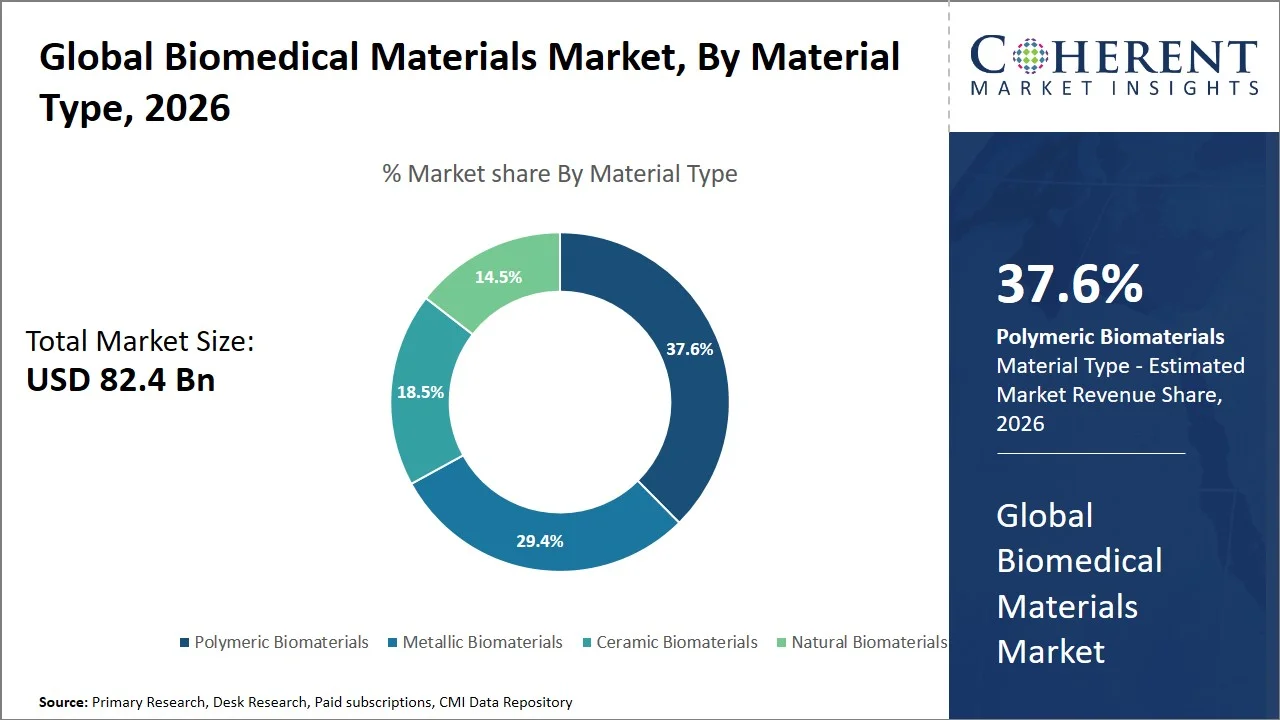
Why Do Polymeric Biomaterials Dominate the Global Biomedical Materials Market?
Polymeric biomaterials are projected to hold a market share of 37.6% in 2026, as they are highly biocompatible, with tunable mechanical properties, and elasticity. These biomaterials are suitable for application in implants, drug delivery vehicles, wound care applications and scaffolds for tissue engineering. They also offer controlled degradability and bio-mimicking properties making them suitable for regenerative medicine and minimal invasion devices. For instance, Corbion's PURASORB portfolio of polylactic acid (PLA)-based biomaterials are extensively used as bioresorbable implants in drug delivery and tissue engineering applications, on account of their proven safety and their well-defined biodegradation. (Source: Corbion) These advances further reinforce the use of polymeric biomaterials across diverse healthcare applications.
- Current Industry Events of 2026
- Market Size Estimation
- Regional Breakdown
- Competitive Landscape
- Customer Intelligence
- Segmental Analysis
- Pricing Analysis
- Key Market Drivers, Challenges & Future Trends
- Customized Insights Section
Why Does Orthopedic Applications Represent the Largest Application Segment in the Biomedical Materials Market?
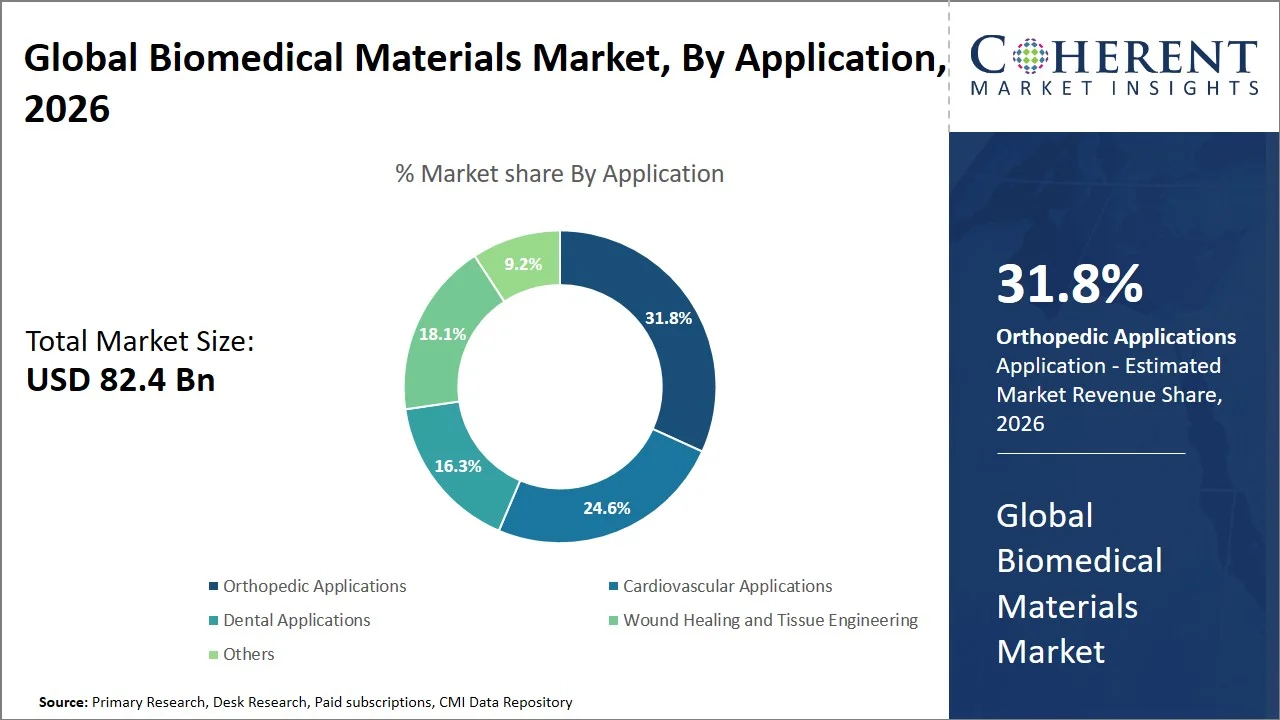
Orthopedic applications are projected to hold a market share of 31.8% in 2026, driven by increasing demand for procedures like joint reconstruction, fracture fixation, spinal implants, and bone regeneration. These applications need materials that will offer a high degree of mechanical strength, wear resistance and can remain within the body for extended periods with a minimal biological response. For instance, BIOLOX delta, the next generation advanced ceramic material from CeramTec, is applied in hip implant systems, leading to improved durability of artificial joints and enhanced mobility of patients through exceptional wear properties and high resistance to fracture. (Source: CeramTec) Ongoing advancements in high-performance orthopedic biomaterials are underpinning growth in the sophisticated musculoskeletal treatment segment across the globe.
Hospitals Segment Dominates the Global Biomedical Materials Market
The hospitals segment is projected to hold a market share of 54.7% in 2026, as they play a central role in performing surgical procedures such as implant surgeries, trauma procedures, cardiovascular interventions, and advanced wound care treatments. These facilities demonstrate highest usage of biomaterial products such as orthopedic implants, surgical mesh, tissue repair matrix and cardiovascular devices. For instance, in November 2024, the American Joint Replacement Registry (AJRR) announced that it had exceeded 4 million hip and knee arthroplasty procedures in its database across more than 1,400 healthcare institutions in the U.S. (Source: American Academy of Orthopaedic Surgeons) The growing number of complex surgeries and implant-based treatments being conducted at hospitals is strengthening their position as a major end-user segment.
Currents Events and their Impact
Current Events | Description and its Impact |
European Commission Proposes Simplification of Medical Device Regulations (December 2025) |
|
Implementation of ISO 10993-1:2025 for Biocompatibility Evaluation of Medical Devices (September 2025) |
|
(Source: European Commission, NAMSA)
Biomedical Materials Market Dynamics
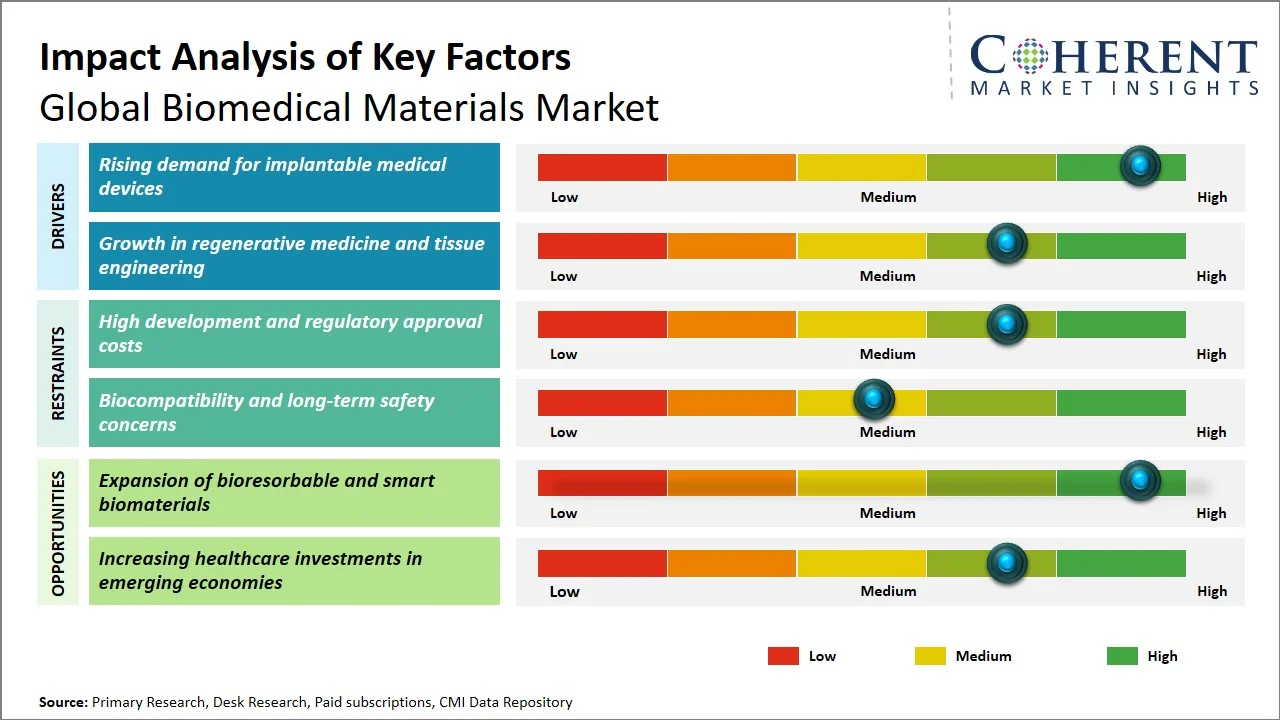
Market Drivers
- Rising demand for implantable medical devices: The expanded application of implantable devices in orthopedic, cardiovascular, dental and spinal operations has stimulated the demand for advanced biomedical materials. These devices require materials that exhibit excellent mechanical strength, durability, and biocompatibility to ensure long-term performance and safe integration with biological tissues. For instance, Evonik has developed VESTAKEEP Fusion an osteoconductive PEEK biomaterial suitable for application as a bone bed for better bone-to-implant integration. These specialized implant biomaterials are advancing implant performance and paving the way for its increased use in more complex surgical procedures. (Source: Evonik)
- Growth in regenerative medicine and tissue engineering: Increasing application of regenerative medicine and tissue engineering is resulting in increased demand for sophisticated biomaterials for tissue repair, regeneration and healing. Biomaterials are increasingly being used as scaffolds, matrices, or structural supports for regeneration of bone, cartilage, skin, and soft tissues. For instance, Novo Nordisk Foundation has invested USD 320 million (DKK 2.2 billion) to set up the reNEW (Stem Cell Medicine) consortium to develop stem cell-based therapies and speed the translation of regenerative medicine research into clinical application. These investments are expected to increases demand for high-performance biomaterials that are used in tissue engineering and regenerative therapy. (Source: Novo Nordisk Foundation)
Emerging Trends
- Increasing Adoption of Smart and Stimuli-Responsive Biomaterials: Smart biomaterials that can alter their properties in response to variations in temperature, pH, pressure or biochemist signals are increasingly finding use in the areas of drug delivery, tissue engineering and medical implants. These provide better treatment outcomes with controlled therapeutic responses and better treatment accuracy that would benefit for developing advanced next generation medical devices and individualized medical services.
- Rising Utilization of Bioactive Materials in Implant Technologies: The use of bioactive biomaterials for orthopedic, dental and spinal implants is gaining popularity for encouraging the tissue integration and enhancing healing. Unlike inert biomaterials, bioactive materials actively interact with tissues of the body, which results in the performance and longevity improvements with a shortened healing period.
Regional Insights
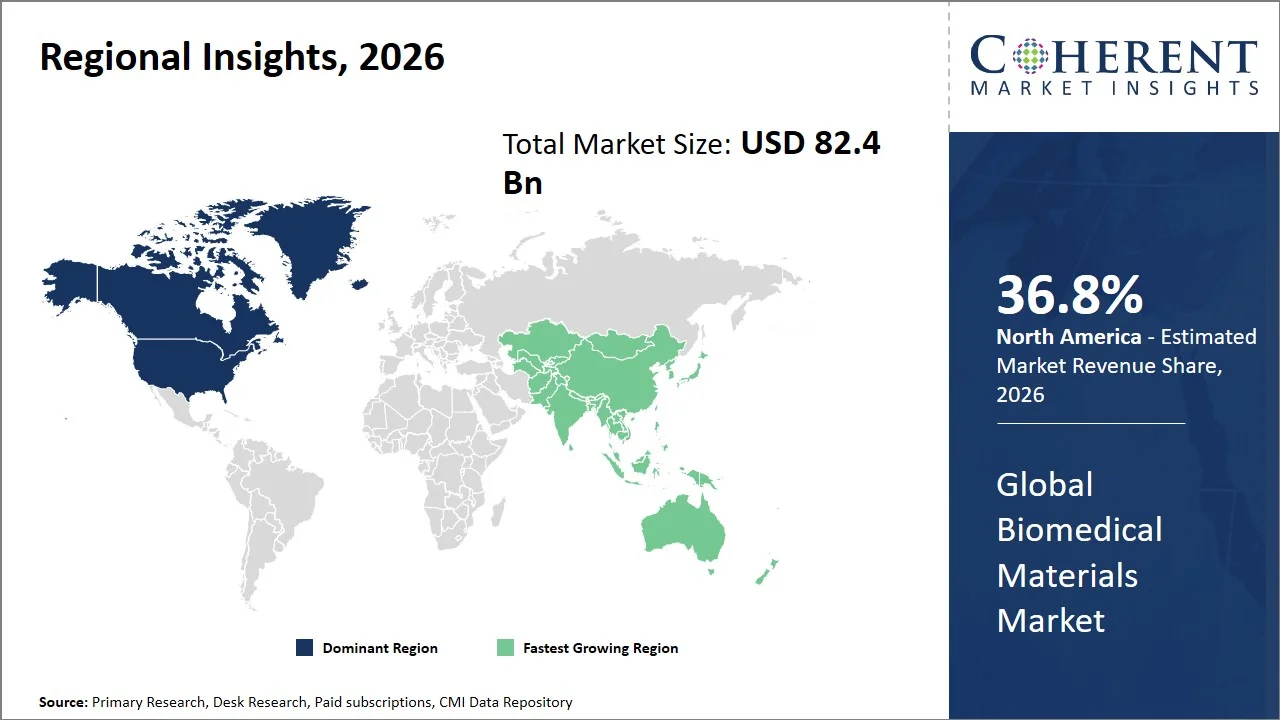
Why is North America a Strong Market for Biomedical Materials?
North America leads the global biomedical materials market, accounting for an estimated 36.8% share in 2026, driven by the robust healthcare infrastructure, advanced R&D facilities, and massive investment from private and public sectors in the country. In the U.S., product development and commercialization can be spurred by government support such as funding from the National Institutes of Health (NIH) and streamlined regulatory approvals from the U.S. FDA. For instance, the NIH National Institute of Biomedical Imaging and Bioengineering (NIBIB) funds research programs in biomaterials, tissue engineering, regenerative medicine and implantable medical devices, accelerating the development of next-generation biomedical materials for clinical applications. (Source: National Institute of Biomedical Imaging and Bioengineering) Moreover, a well-established academic-provider-industry consortium allows the sector to thrive. Consequently, efficient distribution and trading networks in North America have contributed to the establishment of a leading market.
Why Does the Asia Pacific Biomedical Materials Market Exhibit High Growth?
The Asia Pacific biomedical materials market is expected to exhibit the fastest growth with an estimated contribution of 23.9% share to the global market in 2026, driven by spurring health spending, an increasing awareness for better healthcare, and escalating manufacturing capacities. The presence of government policies to boost the life science and biotech sector, along with larger population bases and an expanding geriatric population, reinforces the demand for biomedical materials. For instance, China's 14th Five-Year Plan on Bioeconomy Development identifies biomedicine and high-performance medical materials as strategically developing industries, actively supporting research and development of biomaterials, implanted medical devices, and regenerative medicine technologies. (Source: United Nations Environment Programme) Furthermore, lower costs of operation along with the availability of skilled professionals gives Asia Pacific a competitive advantage.
Global Biomedical Materials Market Outlook for Key Countries
Why is the U.S. Leading Innovation and Adoption in the Biomedical Materials Market?
The U.S. is at the forefront of innovation and adoption in the biomedical materials market due to an advanced ecosystem of biomaterial developers, medical device companies, medical academic research facilities, and targeted health care services providers. The U.S. is the front runner for commercializing sophisticated biomaterials like bioactive ceramics, high performance polymers, antimicrobial coatings, and regenerative medicine platform technologies to the market. A sustained network of collaboration between industries and academics ensures easy commercialization of new findings from research to practical application and early application of the new implants and tissue engineering products stimulate market growth.
Is Japan a Favorable Market for Biomedical Materials Market?
Japan is one of the most promising markets for the biomedical materials market due to high technological strengths in high precision medical device production and growing applications of advanced implant materials. The market in Japan has a mature history in producing special biomaterials such as bioactive ceramics, titanium implants, and advanced polymers for orthopedic, dental and cardiovascular applications. Growing integration of biomaterials into minimally invasive surgery and next-generation therapeutic devices will also provide opportunities for further growth of the market.
Is China Emerging as a Key Growth Hub for the Biomedical Materials Market?
China is positioned as a key growth hub in the global biomedical materials market driven by the growth of the domestic medical device production industry and the widespread use of high-end implantable healthcare technologies. China has developed excellent production technologies in biomaterials such as hip, dental, cardiac, and surgical implant materials and implants; strengthening production of high-end medical devices and the replacement of imported parts have become China's current goals which spur demand of new biomaterials to various healthcare applications.
Why Does Germany Top the European Biomedical Materials Market?
Germany is the leader in the European market for biomedical materials owing to the robust medical manufacturing sector and high levels of innovation and use of high-quality implants in the country. A large number of companies manufacture cardiovascular devices, orthopedic products and dental devices that widely use of high-performance biomaterials like specialty polymers, titanium alloys and ceramics. In Germany the focus is on manufacturing precision products, health care technologies and this trend has led to an increased adoption of innovative biomaterials-based products.
Is the Biomedical Materials Market Developing in India?
India's biomedical materials market shows immense potential supported by growth in the indigenous medical devices manufacturing and high demand for high-tech health care devices. The country is expecting high demand for biomaterials in orthopedic implants, dental products, cardiovascular devices, and wound management. Increasingly strong domestic capability for high value medical devices, and preference for indigenously manufactured implantable medical devices will drive the market growth for biomedical materials in India.
Biomedical Materials Application Landscape and Demand Drivers
Application Area | Common Biomedical Materials Used | Key Clinical Purpose | Market Growth Driver |
Orthopedics | Titanium alloys, PEEK, Hydroxyapatite, Bioceramics | Joint replacement, fracture fixation, bone regeneration | Aging population and rising musculoskeletal disorders |
Cardiovascular | PTFE, Polyurethane, Nitinol, Cobalt-Chromium Alloys | Stents, vascular grafts, heart valve components | Increasing prevalence of cardiovascular diseases |
Dental | Titanium, Zirconia, Bioactive Ceramics | Dental implants and restorative procedures | Growing adoption of cosmetic and restorative dentistry |
Tissue Engineering & Regenerative Medicine | Collagen, Alginate, Chitosan, Biodegradable Polymers | Tissue repair and regeneration | Expansion of regenerative medicine research |
Drug Delivery Systems | PLA, PLGA, PEG-based Polymers | Controlled and targeted drug release | Rising demand for precision medicine |
Wound Care | Hydrogels, Collagen, Antimicrobial Biomaterials | Advanced wound healing and tissue repair | Increasing chronic wound incidence |
Ophthalmology | Silicone, PMMA, Hydrogel Materials | Intraocular lenses and ocular implants | Growing prevalence of age-related eye disorders |
How is the expansion of bioresorbable and smart biomaterials creating new growth opportunities in the biomedical materials market?
The market for biomedical materials is undergoing major expansion opportunities with the increase in bioresorbable and smart biomaterials, as they promote cutting-edge therapies, enhance clinical results and minimize the number of subsequent procedures. The former degrades over time in the body as they serve their purpose, whereas the smart biomaterials are engineered to respond to external physiological stimuli such as temperature, pH and biochemical markers. For instance, in December 2025, Bioretec was granted U.S. FDA Breakthrough Device Designation status for its bioresorbable metal implant for pediatric orthopedic surgery called the RemeOs DrillPin. (Source: OrthoSpineNews) The designation serves to demonstrate the increasing acceptance within the regulatory authorities of novel bioresorbable biomaterials and will also spur further innovation and commercialization in the biomedical materials area.
Market Players, Key Development, and Competitive Intelligence
Key Developments
- In March 2026, DSM-Firmenich illustrated its strategic role in empowering medical device industry partners through science in advanced biomedical materials, complex regulatory knowledge, and joint product design. The company stressed the importance of patient-centric biomaterial innovation, optimization of material performance, and delivery of differentiated value across the medical device value chain.
- In June 2025, Dr Ashleys Limited and Impact BioMedical announced a strategic merger to promote and facilitate the commercialization of innovative biomedical, pharmaceutical technologies. The merger brings together Dr Ashleys as a global commercialization and manufacturing enterprise with Impact BioMedicals IP and product development programmes in health-related technologies.
Competitive Landscape
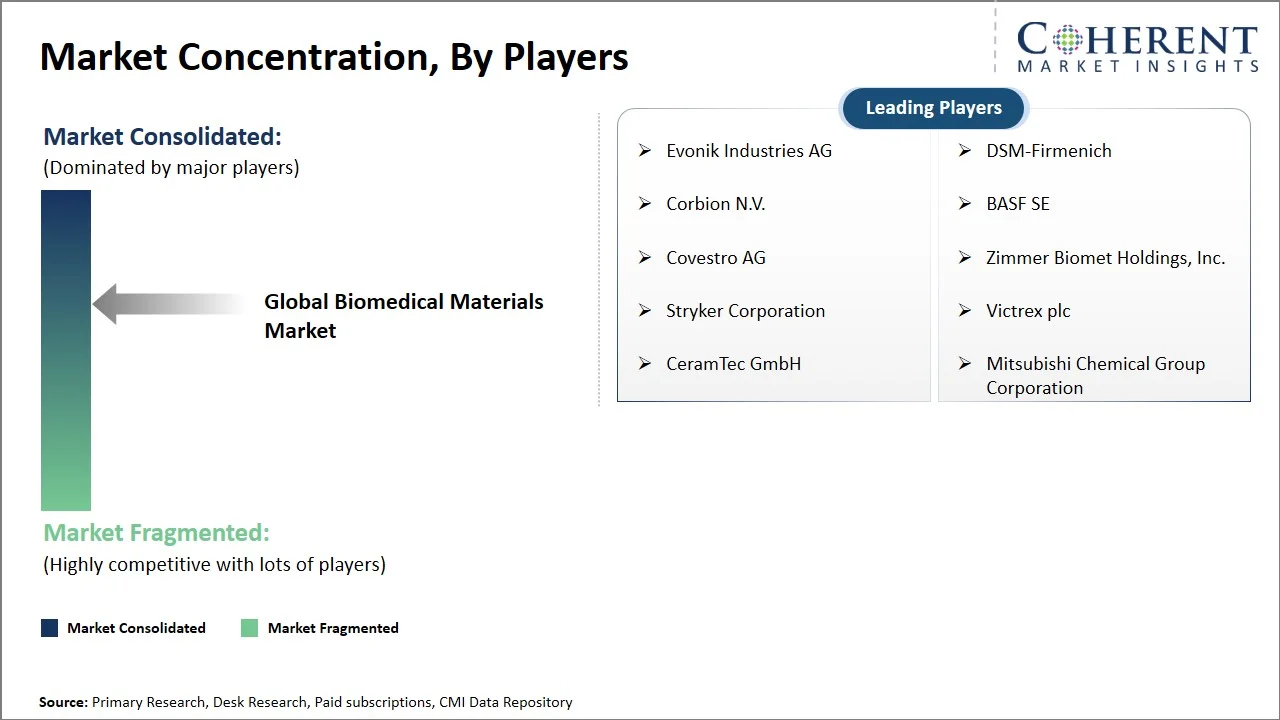
The global biomedical materials market is moderately consolidated, with competition from dominant biomaterial suppliers, medical device manufacturers and specialty chemical providers. Players in this market are looking at advanced biocompatible materials with improved mechanics, bioactivity, and durability for applications in orthopedic, cardiovascular, dental, and tissue engineering segments. Key companies in the biomaterials sector are focusing on surface modifications, biodegradable materials, and tissue engineering and tissue regeneration technologies along with joint ventures, approvals and expansion into new geographies. Key focus areas include:
- Development of bioactive, biodegradable, and multifunctional biomaterials for next-generation medical devices
- Expansion of biomaterial applications in regenerative medicine, tissue engineering, and drug delivery systems
- Strengthening R&D capabilities, clinical validation, and regulatory compliance for advanced biomaterials
- Strategic partnerships, acquisitions, and capacity expansions to enhance global market presence
Market Report Scope
Biomedical Materials Market Report Coverage
| Report Coverage | Details | ||
|---|---|---|---|
| Base Year: | 2025 | Market Size in 2026: | USD 82.4 Bn |
| Historical Data for: | 2020 To 2024 | Forecast Period: | 2026 To 2033 |
| Forecast Period 2026 to 2033 CAGR: | 7.6% | 2033 Value Projection: | USD 137.8 Bn |
| Geographies covered: |
| ||
| Segments covered: |
| ||
| Companies covered: | Evonik Industries AG, DSM-Firmenich, Corbion N.V., BASF SE, Covestro AG, Zimmer Biomet Holdings, Inc., Stryker Corporation, Victrex plc, CeramTec GmbH, and Mitsubishi Chemical Group Corporation | ||
| Growth Drivers: |
| ||
| Restraints & Challenges: |
| ||
Analyst Opinion (Expert Opinion)
- The biomedical materials market is predicted to experience sustained growth over the next few years, with growth rates fueled by the growth in implantable devices, increased demand in regenerative medicine and constant innovation in biomaterial engineering. The market is predicted to move toward bioactive, biodegradable and multi-functional materials which promote higher healing rates, reduced problems and increased bio-compatibility. Increasing healthcare spending will fuel growth in all major healthcare markets and a higher life span of the global population.
- The maximum opportunities will probably exist within orthopedic and regenerative medicine application segments in the U.S., Germany, China, and Japan, where the procedural numbers, aging population, and the well-developed healthcare systems would keep the demand for sophisticated biomaterials. Moreover, tissue engineering and biomaterial-based regenerative treatment offer highly lucrative potential in Asia Pacific where governments are actively investing in bio-technology and futuristic healthcare.
- In order to obtain a competitive advantage, market participants should focus on the development of new biomaterials possessing higher biocompatibility, bioactivity and degradability control. Partnering up with the medical device makers, research institutes, or even hospitals/clinics can help shorten time for product launch or adoption in clinic. Companies also need to ensure regulatory requirements and invest in advanced production methods, and at the same time establish their foothold in emerging fast-growth markets in terms of their new needs.
Speak to the analyst
Want personalized insights?
Take the findings above to one of our principal consultants, or have the report rebuilt around the segments, geographies and competitors you actually track.
Market Segmentation
- Material Type Insights (Revenue, USD Bn, 2021 - 2033)
- Polymeric Biomaterials
- Metallic Biomaterials
- Ceramic Biomaterials
- Natural Biomaterials
- Application Insights (Revenue, USD Bn, 2021 - 2033)
- Orthopedic Applications
- Cardiovascular Applications
- Dental Applications
- Wound Healing and Tissue Engineering
- Others
- End User Insights (Revenue, USD Bn, 2021 - 2033)
- Hospitals
- Specialty Clinics
- Research and Academic Institutes
- Others
- Regional Insights (Revenue, USD Bn, 2021 - 2033)
- North America
- U.S.
- Canada
- Latin America
- Brazil
- Argentina
- Mexico
- Rest of Latin America
- Europe
- Germany
- U.K.
- Spain
- France
- Italy
- Russia
- Rest of Europe
- Asia Pacific
- China
- India
- Japan
- Australia
- South Korea
- ASEAN
- Rest of Asia Pacific
- Middle East
- GCC Countries
- Israel
- Rest of Middle East
- Africa
- South Africa
- North Africa
- Central Africa
- North America
- Key Players Insights
- Evonik Industries AG
- DSM-Firmenich
- Corbion N.V.
- BASF SE
- Covestro AG
- Zimmer Biomet Holdings, Inc.
- Stryker Corporation
- Victrex plc
- CeramTec GmbH
- Mitsubishi Chemical Group Corporation
Sources
Primary Research Interviews
- Biomaterials scientists and biomedical engineering researchers involved in polymeric, metallic, ceramic, and composite biomaterial development
- Orthopedic surgeons, cardiovascular specialists, and dental implant practitioners utilizing biomaterial-based implants and devices
- Hospital procurement managers and healthcare technology assessment professionals responsible for implant and biomaterial sourcing
- Tissue engineering and regenerative medicine experts involved in biomaterial-based therapeutic applications
- Regulatory affairs professionals overseeing biomaterial, medical device, and combination-product approvals
- Representatives from biomaterial manufacturers, specialty chemical companies, and medical device OEMs
Stakeholders
- Biomedical materials manufacturers and biomaterial technology companies
- End-use Sectors
- Hospitals and multispecialty healthcare facilities
- Ambulatory surgical centers (ASCs)
- Orthopedic and dental clinics
- Cardiovascular treatment centers
- Research institutes and regenerative medicine centers
- Medical device manufacturing companies
- Regulatory & Health Bodies
- U.S. Food and Drug Administration (FDA) – medical devices and biomaterials regulation
- European Medicines Agency (EMA) and European Medical Device Regulation (EU MDR) authorities
- Medicines and Healthcare products Regulatory Agency (MHRA), U.K.
- Pharmaceuticals and Medical Devices Agency (PMDA), Japan
- National Medical Products Administration (NMPA), China
- Central Drugs Standard Control Organization (CDSCO), India
- Health Canada – medical devices and implant regulations
Databases
- ClinicalTrials.gov
- OECD Health Statistics
- WHO Global Health Observatory (GHO)
- World Bank Healthcare Infrastructure Database
- FDA Medical Device Databases (510(k), PMA, De Novo)
- EUDAMED (European Database on Medical Devices)
Magazines
- Medical Design & Outsourcing
- MedTech Dive
- Medical Device Network
- Biomaterials Forum
- Medical Product Outsourcing (MPO)
- Orthopedics Today
Journals
- Journal of Biomedical Materials Research
- Biomaterials
- Advanced Healthcare Materials
- Acta Biomaterialia
Newspapers
- Financial Times – healthcare technology and medical device developments
- The Wall Street Journal – medical technology and healthcare industry trends
- The New York Times (Health Section) – biotechnology and healthcare innovation updates
- The Guardian (Health Section) – medical research and healthcare technology coverage
- USA Today (Health Section) – healthcare and medical device industry trends
Associations
- Society For Biomaterials (SFB)
- Biomaterials Network (TERMIS – Tissue Engineering and Regenerative Medicine International Society)
- Advanced Medical Technology Association (AdvaMed)
- Medical Device Manufacturers Association (MDMA)
- American Academy of Orthopaedic Surgeons (AAOS)
- International Society for Biomaterials Science and Engineering
Public Domain Sources
- World Health Organization (WHO) – medical device and healthcare statistics
- National Institutes of Health (NIH) – biomaterials, tissue engineering, and regenerative medicine research
- Centers for Disease Control and Prevention (CDC) – chronic disease and healthcare utilization data
- U.S. Centers for Medicare & Medicaid Services (CMS) – healthcare expenditure and hospital spending data
- European Commission / Eurostat – demographic and healthcare statistics
- National Health Commission of China (NHC) – healthcare infrastructure and utilization statistics
Proprietary Elements
- CMI Data Analytics Tool, Proprietary CMI Existing Repository of information for last 10 years.
Get access to 250+ pages report
Every segment, forecast, competitor profile and data table behind the analysis above — available for instant download.
- ESOMAR Member
- ISO 9001:2015 Certified
- D-U-N-S Registered
- GDPR & CCPA Compliant
Missing comfort of reading report in your local language? Find your preferred language:
Transform your Strategy with Exclusive Trending Reports
Frequently Asked Questions
The global biomedical materials market is estimated to be valued at USD 82.4 Bn in 2026 and is expected to reach USD 137.8 Bn by 2033.
Polymeric biomaterials dominate due to their excellent biocompatibility, flexibility, ease of processing, cost-effectiveness, and extensive use in drug delivery systems, implants, wound care products, and tissue engineering applications.
Biomedical materials are engineered substances designed to interact with biological systems for medical, therapeutic, diagnostic, or regenerative applications.
The CAGR of the global biomedical materials market is projected to be 7.6% from 2026 to 2033.
High development and regulatory approval costs, and biocompatibility and long-term safety concerns are the major factors hampering the growth of the global biomedical materials market.
In terms of end user, hospitals are estimated to dominate the market revenue share in 2026.
Biocompatibility refers to the ability of a material to perform its intended function within the body without causing adverse immune, toxic, or inflammatory responses.