

Global Cell Reprogramming Market Size and Forecast – 2026 - 2033
The Global Cell Reprogramming Market is estimated to be valued at USD 437.1 Mn in 2026 and is expected to reach USD 788.7 Mn by 2033, exhibiting a compound annual growth rate (CAGR) of 8.8% from 2026 to 2033. This substantial growth reflects increasing investments in regenerative medicine and advancements in cellular biology, positioning cell reprogramming as a critical technology in personalized medicine and therapeutic applications.
Key Takeaways of the Global Cell Reprogramming Market
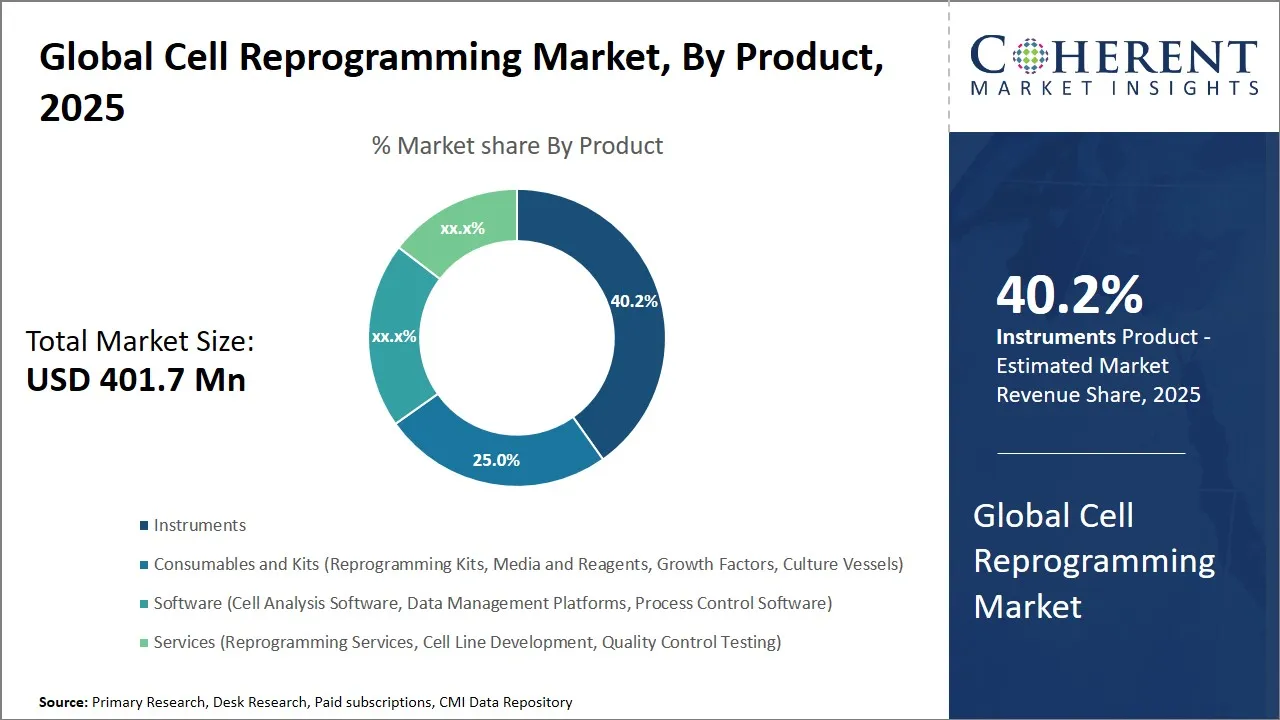
- In terms of product segmentation, instruments are expected to dominate the global cell reprogramming market, accounting for 41.2 % of the market share in 2026, due to their essential role in enabling precise, efficient, and scalable cell manipulation processes.
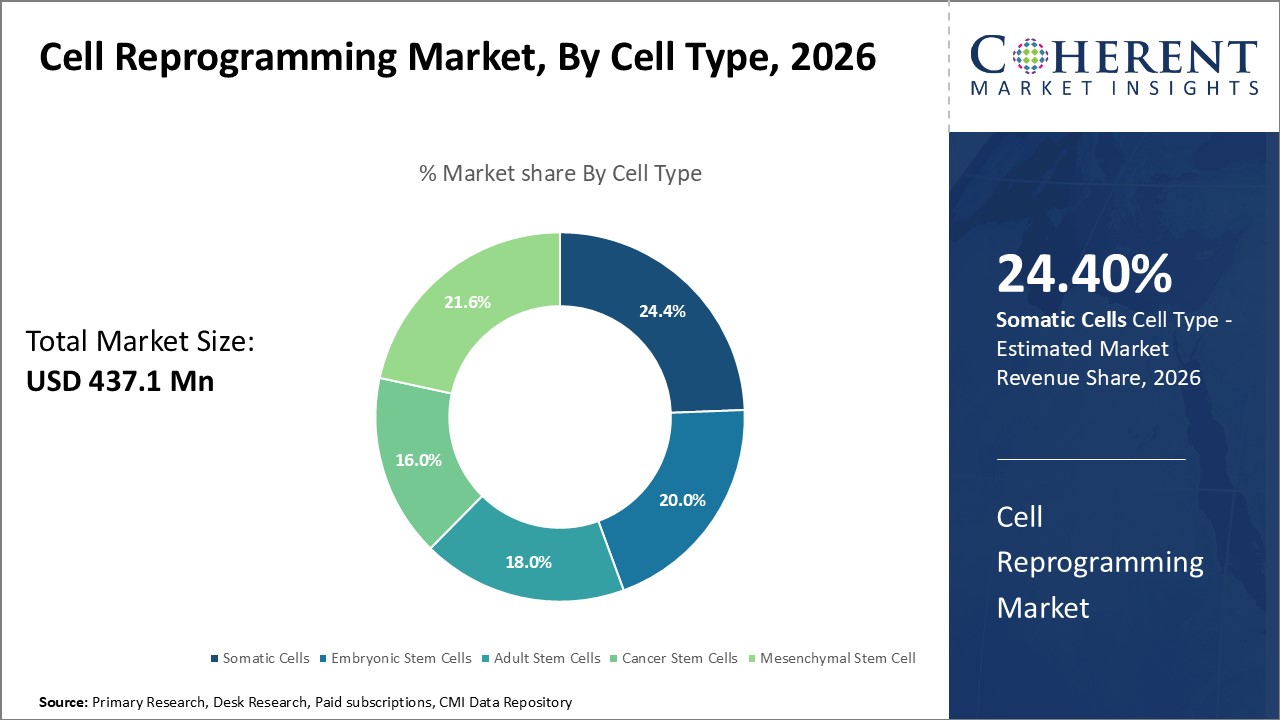
- Somatic cells are also a major segment in the market, projected to hold 24.4 % of the market share in 2026.
- Additionally, the global cell reprogramming market's segmentation by source shows that human cells are the leading category, expected to represent 57.3 % of the market share in 2026.
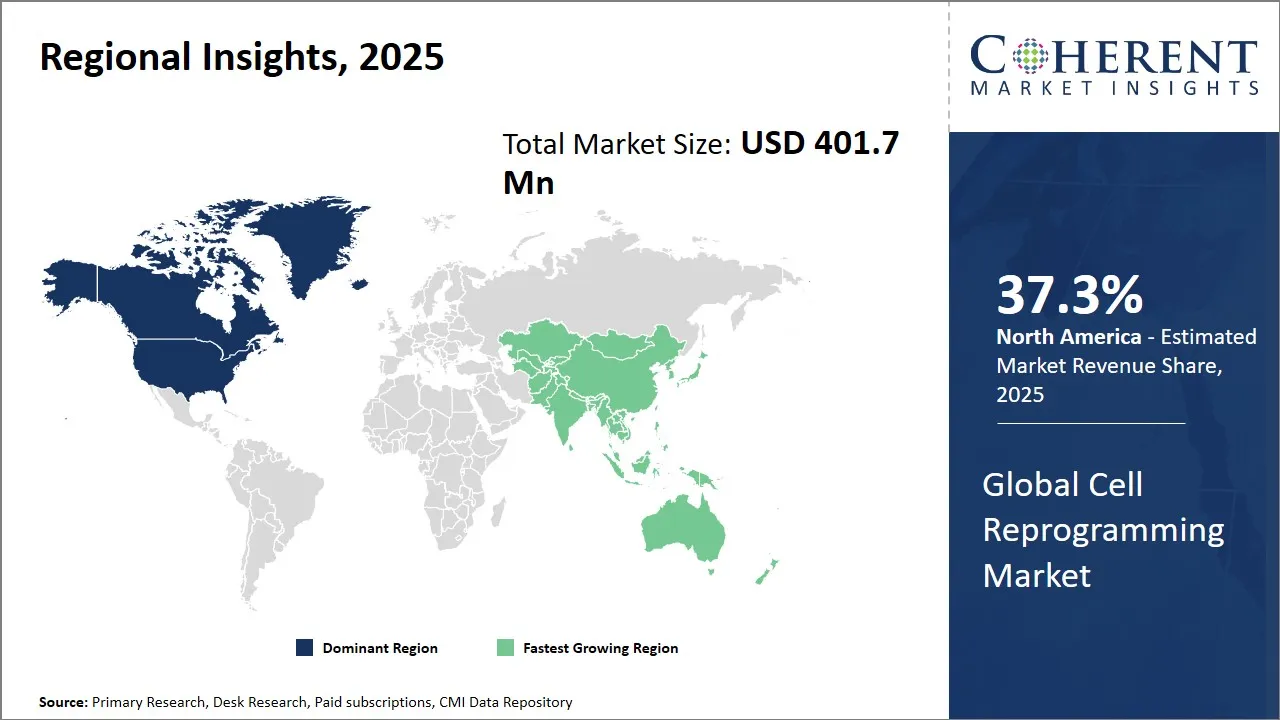
- North America is expected to lead the market, holding a share of 37.3 % in 2026. Asia Pacific is anticipated to be the fastest-growing region, with a market share of 26.3% in 2026.
Market Overview
Current market trends indicate a growing emphasis on the development of induced pluripotent stem cells (iPSCs) and transdifferentiation techniques, driven by their potential to treat chronic diseases and address unmet medical needs. Additionally, advancements in gene editing tools like Clustered Regularly Interspaced Short Palindromic Repeats (CRISPR), a gene-editing technology and increasing collaborations between biotechnology firms and research institutions are accelerating innovation in the cell reprogramming landscape. The integration of AI for optimizing reprogramming protocols further fuels efficiency and scalability, reinforcing the market’s upward trajectory.
Current Events and Its Impact
Current Events | Description and its impact |
Expansion of Cell Therapy through New Technologies |
|
CRISPR-Cas9 Off-Target Effects Breakthrough |
|
Segmental Insights
- Current Industry Events of 2026
- Market Size Estimation
- Regional Breakdown
- Competitive Landscape
- Customer Intelligence
- Segmental Analysis
- Pricing Analysis
- Key Market Drivers, Challenges & Future Trends
- Customized Insights Section
Cell Reprogramming Market Insights, By Product - Instruments Lead the Global Cell Reprogramming Market, driven by Technological Advancements and Versatility
In terms of product segmentation, instruments dominate the global cell reprogramming market with an estimated share of 41.2% in 2026, due to their critical role in enabling precise, efficient, and scalable cell manipulation processes. Instruments encompass a broad range of sophisticated tools including reprogramming workstations, bioreactors, microscopes, cell sorters (such as flow cytometers and magnetic-activated cell sorters), incubators, biostorage units (like CO₂ incubators and cryostorage systems), and centrifuges specialized for cell harvesting and processing. The growth of this segment is largely driven by increasing demand for advanced technologies that enhance the accuracy and yield of cell reprogramming protocols.
For instance, in July 2024, Bioserve India, a leading biotechnology company, launched a new line of advanced stem cell products in India, sourced from REPROCELL. These products aim to support scientific research, drug development, and regenerative medicine, enhancing therapeutic discovery and innovation in the Indian market. One of the key instruments included in this line is the Cell Sorter, a cutting-edge tool designed to isolate specific cell populations.
One key factor contributing to the dominance of instruments is the ongoing innovation in instrumentation that improves automation and reduces manual interventions, thus minimizing human error and contamination risks. Similarly, bioreactors provide controlled environments for large-scale cell culture, which is instrumental in meeting the demand for clinically relevant quantities of reprogrammed cells.
Cell Reprogramming Market Insights, By Cell Type - Dominance of Somatic Cells Due to Therapeutic Potential and Accessibility
Somatic cells dominate the global cell reprogramming market, which is projected to hold 24.4% of the market share in 2026. This is largely due to their accessibility, established protocols, and versatile applications in personalized medicine and regenerative therapies. Somatic cells, which are mature differentiated cells from the body, serve as the foundation for generating induced pluripotent stem cells (iPSCs)—a groundbreaking innovation that allows adult cells to be reprogrammed back to a pluripotent state. These cells offer an ethical advantage over embryonic stem cells, avoiding controversies related to embryo use and simplifying regulatory pathways. Additionally, somatic cells can be obtained through minimally invasive methods like skin biopsies or blood draws, making them highly suitable for autologous therapies, where immune rejection is a key concern.
An example of somatic cell reprogramming's growing importance is the Cell State Conversions conference hosted by Cold Spring Harbor Laboratory (CSHL) in November 2023. The event, initiated by neuroscientist Magdalena Götz, focused on cellular reprogramming, differentiation, repair, and regeneration, showcasing the therapeutic potential of somatic cells. This highlights the increasing interest and innovation in somatic cell reprogramming, especially in applications like converting glial cells into neurons, which are central to regenerative medicine and therapies involving iPSCs. The conference underscored the role of somatic cells in advancing cell-based treatments, driving further market growth.
Cell Reprogramming Market Insights, By Source of Cells - Human Cells Dominate the Source Segmentation Backed by Clinical Applicability and Research Focus
The global cell reprogramming market’s segmentation by source highlights human cells as the prevailing category with an estimated share of 57.3% in 2026, reflecting the increasing focus on translational research and clinical applications involving human biology. Human cells, derived from various tissues and individuals, represent the most valuable source for generating reprogrammed cells with direct applicability to human health and disease scenarios.
A primary driver for the dominance of human cells is the imperative to develop personalized and patient-specific therapies. Human cell-derived iPSCs and other reprogrammed cells enable researchers and clinicians to create disease models that accurately recapitulate human pathology, far surpassing the relevance offered by animal cell models. This capability is crucial for pharmacogenomics, toxicity testing, and developing precision therapeutics targeted to genetic and phenotypic variations across patient populations.
Regional Insights
North America Cell Reprogramming Market Analysis and Trends
In North America, the dominance in the global cell reprogramming market with an estimated share of 37.3% in 2026 is driven by a robust ecosystem comprising advanced research institutions, major biotechnology companies, and significant government funding. The U.S., in particular, has spearheaded innovations in cell reprogramming technologies, propelled by strong collaborations between academia and industry. Supportive regulatory frameworks and substantial investment in stem cell research further solidify this region’s leadership. Industry giants such as Thermo Fisher Scientific, Lonza, and STEMCELL Technologies contribute extensively by offering sophisticated reagents and platforms for cell reprogramming workflows.
Additionally, government-backed initiatives like those from the National Institutes of Health (NIH) foster innovation by providing grants targeting regenerative medicine and personalized therapies, which amplify the commercial and research applications within the market. In November 2024, MD Anderson Cancer Center, part of the University of Texas, U.S. launched the Institute for Cell Therapy Discovery & Innovation to advance impactful cell therapies for cancer, autoimmune diseases, infections, and other conditions. The institute will bring together top scientists and clinicians to drive discovery, research, and the development of transformative treatments in immunology and cell engineering.
Asia Pacific Cell Reprogramming Market Analysis and Trends
Meanwhile, Asia Pacific is expected to exhibit the fastest growth in the cell reprogramming market with 26.3% in 2026, primarily driven by increasing investments in biotechnology, expanding healthcare infrastructure, and governmental encouragement of medical research in countries like China, Japan, and South Korea. The region benefits from a rapidly growing biotech industry ecosystem, a rising number of research collaborations, and increasing focus on precision medicine, which utilizes cell reprogramming techniques. Government policies aimed at supporting stem cell and regenerative medicine research, combined with growing patient pools and improving healthcare access, contribute to this rapid expansion.
For example, in February 2023, Novo Nordisk A/S, a global leader in diabetes care and biopharmaceuticals, made a significant advancement by administering the first dose in their Phase 1/2 clinical study (LAPiS Study) for HS-001, a cell therapy aimed at treating heart failure. Derived from iPSCs, HS-001 uses purified heart muscle cell clusters to potentially restore heart function in patients with advanced heart failure. Such developments highlight the growing focus on regenerative medicine in the Asia Pacific region, driving the market's growth during the forecast period.
Global Cell Reprogramming Market Outlook for Key Countries
U.S. Cell Reprogramming Market Trends
The U.S. stands at the forefront of the cell reprogramming market, supported by a powerful network of research universities, biotech startups, and pharmaceutical companies. Many pioneering therapies and protocols for induced pluripotent stem cells (iPSCs) have originated here. Companies like Thermo Fisher Scientific and Cellular Dynamics International (a Fujifilm company) have propelled advancements by providing reliable cell lines and reprogramming tools crucial for both research and clinical applications.
In July 2023, Pluristyx, Inc., a U.S provider of stem cell-based technologies, partnered with the Advanced Regenerative Manufacturing Institute (ARMI) BioFabUSA, a leader in regenerative manufacturing, to manufacture and distribute clinical-grade induced pluripotent stem cells (iPSCs). This collaboration focuses on cell reprogramming to ensure scalable, consistent, and cost-effective production of stem cell-derived products.
China Cell Reprogramming Market Trends
China’s cell reprogramming market is expanding rapidly due to strong government initiatives such as the “Made in China 2026” plan, which prioritizes biotechnology and regenerative medicine. The country benefits from an increasing number of biopharma companies investing in cell-based therapies and reprogramming technology platforms. Organizations like Cellular Biomedicine Group and Stem Cell Bank of China are pushing the envelope in both research and clinical translation.
Leading institutions like Tsinghua University and companies such as Boya Life are at the forefront of developing iPS cell-based therapies for cardiovascular diseases and neurological disorders. These advancements are bolstered by government funding and policies that encourage collaboration between academia, research institutions, and the private sector. With its large population and expanding healthcare needs, China is a key player in the growth of the cell reprogramming market.
Japan Cell Reprogramming Market Trends
Japan continues to lead in advanced cell therapy development, owing to the nation’s early adoption of regenerative medicine and supportive policies such as the Pharmaceuticals and Medical Devices Act, which expedites approval for regenerative products. Takara Bio and Fujifilm Cellular Dynamics are among the top contributors, providing cutting-edge cell reprogramming reagents and technology platforms. Japan’s expertise in iPSC research, led by institutions like Kyoto University, enhances its market stature. Government funding and industry-academia partnerships further foster an environment conducive to clinical application advancements.
In January 2026, REPROCELL, a leading biotechnology company headoffice in japan, specializing in stem cell research and regenerative medicine, announced the world's first live birth using its StemRNA Clinical Seed iPSCs for oocyte maturation outside the body. This milestone was achieved through a collaboration with Gameto, a biotechnology company focused on advancing women's health. The use of StemRNA iPSCs allowed for the development of ovarian support cells that closely mimic natural ovarian cells, enabling in vitro maturation of oocytes.
Germany Cell Reprogramming Market Trends
Germany’s cell reprogramming market benefits from its strong biopharmaceutical base and emphasis on innovation-driven healthcare solutions. The presence of well-established companies such as Miltenyi Biotec and BioNTech, alongside prominent research institutions, creates a fertile ground for developing cell reprogramming technologies. The country’s stringent regulatory guidelines ensure high-quality standards, which appeal to international collaborations. Support from the European Union’s Horizon programs and German research funding agencies also accelerates advancements, driving growth in both clinical and laboratory applications.
End User Feedback and Unmet Needs in the Global Cell Reprogramming Market
- In the global cell reprogramming market, end-users—ranging from researchers and healthcare providers to biopharmaceutical companies—have consistently provided feedback that highlights both the potential and the challenges of this emerging technology. One of the primary strengths reported by users is the efficiency and speed of newer reprogramming technologies, particularly those that significantly reduce the time required for differentiation. For example, Continuity Biosciences’ platform, which utilizes advanced delivery systems, has received positive feedback for accelerating stem cell differentiation from weeks to just days, greatly enhancing the research and therapeutic development process. Similarly, users in the pharmaceutical sector have noted that using highly efficient reprogramming kits and consumables, such as those provided by FUJIFILM Diosynth Biotechnologies, has led to more precise and consistent results in drug testing and disease modeling.
- However, several recurrent concerns have been raised by end-users. A major issue reported across both biotech companies and research institutions is the cost and accessibility of these advanced technologies, particularly in lower-resource settings. Despite the breakthroughs in efficiency, the high initial cost of equipment such as bioreactors and microscopes, and the ongoing cost of consumables like reprogramming kits and growth factors, remain a significant barrier for widespread adoption. This concern is amplified by the lack of customization in certain cell reprogramming platforms, where off-the-shelf solutions often do not meet the specific needs of specialized research or therapeutic applications. For instance, smaller biotech firms often struggle with the integration of reprogramming technologies into their existing workflows, particularly when scalability is an issue.
Market Players, Key Developments, and Competitive Intelligence
Key Developments
- On July 11, 2025, the U.S. Food and Drug Administration (FDA) issued a Complete Response Letter (CRL) to Capricor Therapeutics regarding its Biologics License Application (BLA) for deramiocel, a cell therapy aimed at treating cardiomyopathy associated with Duchenne muscular dystrophy (DMD). The U.S. FDA cited insufficient evidence of effectiveness and issues with the Chemistry, Manufacturing, and Controls (CMC) section of the application.
- On July 18, 2025, the U.S. Department of Health and Human Services (HHS) has launched the Functional Repair of Neocortical Tissue (FRONT) program, aiming to develop stem cell treatments to repair brain damage caused by stroke, neurodegeneration, and trauma. The program, managed by the Advanced Research Projects Agency for Health, seeks researchers who can produce commercially viable graft tissue and procedures for brain recovery, focusing on the neocortex, the brain’s largest region responsible for higher cognitive functions.
- In June 2025, FUJIFILM Corporation, a Japanese multinational conglomerate announced a comprehensive rebranding of its Life Sciences Group to strengthen its position as a strategic partner in the drug development lifecycle. The rebranding includes renaming FUJIFILM Irvine Scientific to FUJIFILM Biosciences and FUJIFILM Diosynth Biotechnologies to FUJIFILM Biotechnologies. This restructuring reflects FUJIFILM's commitment to providing end-to-end solutions across the drug development lifecycle—from research and discovery to clinical and commercial manufacturing.
- In December 2023, Vertex Pharmaceuticals and CRISPR Therapeutics have announced that the UK Medicines and Healthcare products Regulatory Agency (MHRA) has granted conditional marketing authorization for CASGEVY (exagamglogene autotemcel [exa-cel]), the world’s first CRISPR/Cas9 gene-edited therapy. This breakthrough treatment is approved for sickle cell disease (SCD) and transfusion-dependent beta thalassemia (TDT) in patients aged 12 and older who do not have an available human leukocyte antigen-matched related hematopoietic stem cell donor.
Top Strategies Followed by Global Cell Reprogramming Market Players
- Established companies dominate the cell reprogramming sector by investing heavily in research and development (R&D) to continuously innovate and develop high-performance products. These industry leaders focus on enhancing the accuracy, efficiency, and scalability of their solutions to meet the growing demand from pharmaceutical, biotechnology, and academic research institutions. To strengthen their market position, these top-tier players actively pursue strategic partnerships and collaborations with major industry stakeholders, including original equipment manufacturers (OEMs) and leading biotech firms.
- In January 2024, FUJIFILM Cellular Dynamics, a leader in iPSC-based technology for regenerative medicine, and Opsis Therapeutics, a company focused on developing therapies for retinal diseases, granted BlueRock Therapeutics an exclusive global license to develop and commercialize an iPSC-derived cell therapy for retinal diseases. This partnership highlights the increasing role of reprogrammed cells in regenerative medicine and the growing commercial activity in the iPSC-based therapy market
- Mid-level market participants focus on delivering cost-effective cell reprogramming solutions that strike a balance between quality and affordability. Recognizing the budget constraints of many research institutions and smaller biotech companies, these players target price-sensitive consumers seeking reliable products at competitive prices. Collaborations and partnerships play a key role in their growth strategy, allowing them to enhance production capabilities, gain access to new technologies, and improve their market reach.
- In February 2025, the Chan Zuckerberg Initiative (CZI), a nonprofit organization focused on advancing science and technology, launched the Billion Cells Project in collaboration with 10x Genomics, Ultima Genomics, and leading researchers. This initiative aims to create a dataset of one billion single cells, enabling high-resolution data to map genetic perturbations and train AI models for precision medicine and genomics. CZI will utilize its advanced computing system to analyze the data, making the results open-source to accelerate global research in human health and disease.
- Small-scale players in the cell reprogramming market focus on niche innovations and specialized features that address specific customer needs or emerging scientific challenges. These companies often differentiate themselves through the use of cutting-edge technologies, such as AI-driven cell analysis tools or novel reprogramming vectors. Their agility allows them to adapt quickly to evolving market demands and pioneer novel applications within the life sciences sector.
- In September 2024, GC Therapeutics (GCTx), a company specializing in advanced stem cell technologies, secured USD 65 million in Series A funding. The company’s innovative technology, based on the TFome (total collection of human transcription factors), enables stem cell differentiation in just 4 days with up to 99% efficiency. This breakthrough significantly reduces the time and enhances the efficiency compared to traditional methods, offering the potential to transform stem cell therapies.
Market Report Scope
Cell Reprogramming Market Report Coverage
| Report Coverage | Details | ||
|---|---|---|---|
| Base Year: | 2025 | Market Size in 2026: | USD 437.1 Mn |
| Historical Data for: | 2020 To 2024 | Forecast Period: | 2026 To 2033 |
| Forecast Period 2026 to 2033 CAGR: | 8.8% | 2033 Value Projection: | USD 788.7 Mn |
| Geographies covered: |
| ||
| Segments covered: |
| ||
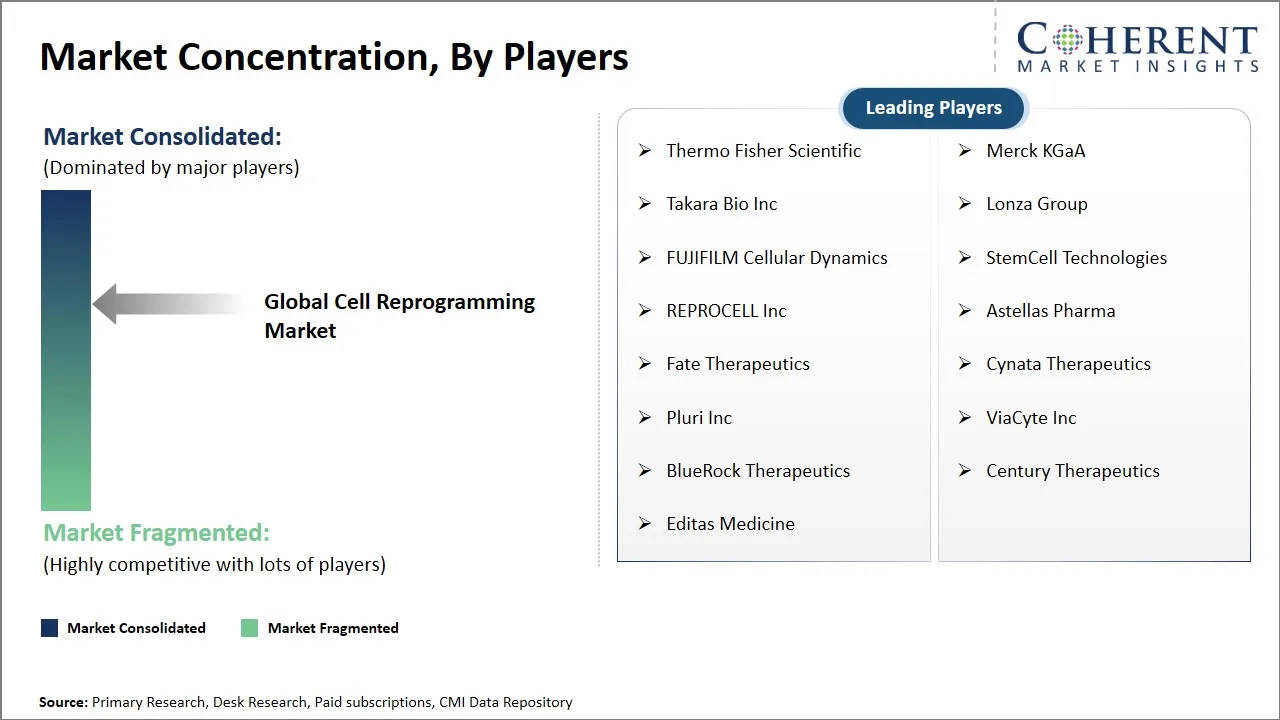
| Companies covered: | Thermo Fisher Scientific, Merck KGaA, Takara Bio Inc, Lonza Group, FUJIFILM Cellular Dynamics, StemCell Technologies, REPROCELL Inc, Astellas Pharma, Fate Therapeutics, Cynata Therapeutics, Pluri Inc, ViaCyte Inc, BlueRock Therapeutics, Century Therapeutics, and Editas Medicine | ||
| Growth Drivers: |
| ||
| Restraints & Challenges: |
| ||
Cell Reprogramming Market Dynamics
Cell Reprogramming Market Driver - Rising Prevalence of Chronic Diseases
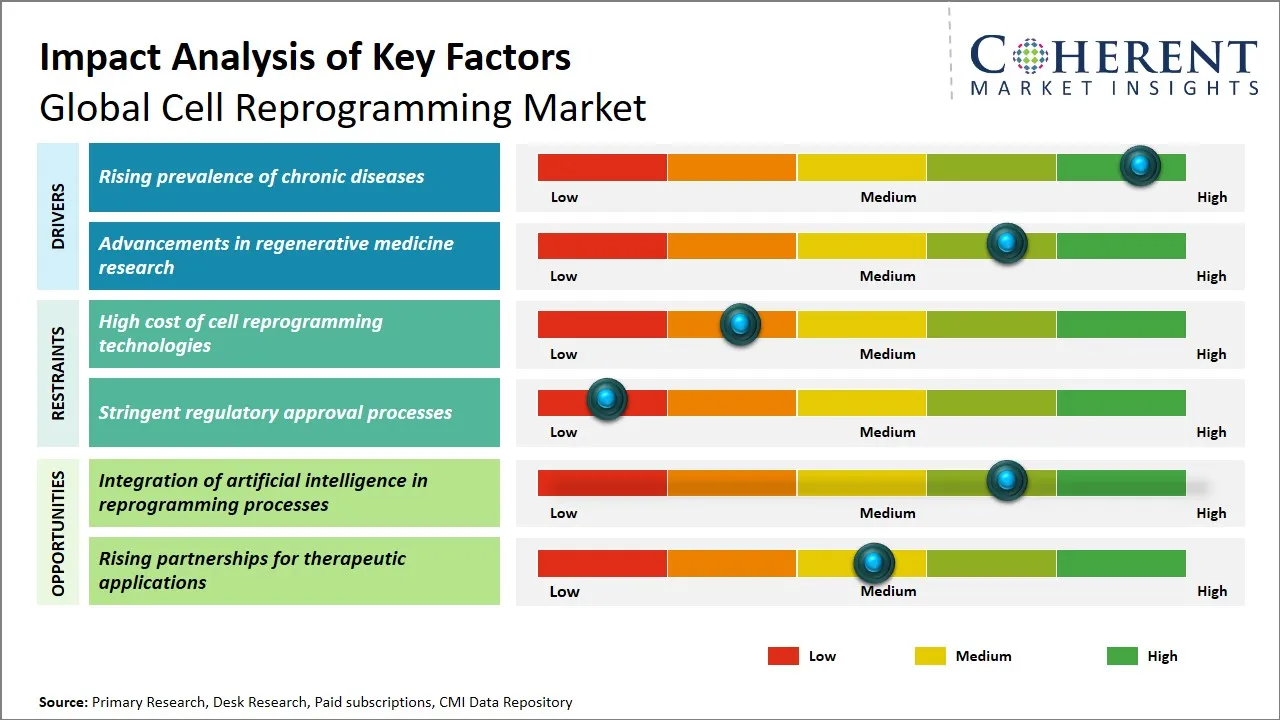
The increasing global burden of chronic diseases such as cancer, diabetes, cardiovascular disorders, and neurodegenerative conditions is significantly propelling the demand for advanced therapeutic solutions, thereby acting as a critical driver for the cell reprogramming market. Chronic diseases often involve complex pathophysiological mechanisms that require personalized and regenerative treatment approaches, which traditional therapies struggle to address effectively. Cell reprogramming technology, by enabling the transformation of somatic cells into pluripotent stem cells or specialized cell types, offers promising avenues for disease modeling, drug discovery, and regenerative medicine. This capability is particularly crucial for developing patient-specific treatments, as it allows for the repair or replacement of damaged tissues and organs, potentially improving clinical.
In June 2024, the World Health Organization highlighted the increasing global concern over the rising prevalence of chronic diseases, including heart disease, diabetes, asthma, and mental health disorders, which are becoming more widespread. the U.S., chronic diseases now account for 7 of the top 10 causes of death, with environmental, social, and lifestyle factors significantly contributing to this trend. Among young people, nearly 1 in 3 are living with chronic conditions, driven by factors such as socioeconomic vulnerability. Similarly, global physical inactivity has reached alarming levels, with 1.8 billion adults at risk of diseases like heart disease, diabetes, and cancer, due to insufficient physical activity. Addressing these issues requires better healthcare access, improved prevention, and long-term management strategies.
Cell Reprogramming Market Opportunity - Integration of Artificial Intelligence in Cell Reprogramming Processes
The integration of artificial intelligence (AI) into cell reprogramming processes presents a significant growth opportunity within the global cell reprogramming market. AI-driven technologies, including machine learning algorithms and deep learning frameworks, have the potential to revolutionize the efficiency and accuracy of cell reprogramming by optimizing experimental design, predicting gene expression patterns, and enhancing the identification of reprogramming factors. This capability addresses key challenges in traditional cell reprogramming, such as variability in cell outcomes and the time-intensive nature of trial-and-error approaches. By leveraging AI, researchers can accelerate the development of induced pluripotent stem cells (iPSCs) and other reprogrammed cell types with higher fidelity and reduced risk of genomic instability. Additionally, AI integration supports the automation and standardization of reprogramming protocols, facilitating scalability for clinical and industrial applications.
On July 18, 2025, 10x Genomics, a leader in single-cell and spatial biology, has partnered with the ASTAR Genome Institute of Singapore (ASTAR GIS) for the TISHUMAP study, aimed at advancing drug target discovery and exploring cell reprogramming through AI-driven spatialomics. This collaboration will analyze up to 2,500 clinical tissue samples, including those from gastric, liver, and colorectal cancers, using 10x Genomics' Xenium platform. Unlike traditional methods, the Xenium platform enables the visualization of gene activity within intact tissues, providing a detailed molecular map. With the help of AI, this innovative approach will accelerate the discovery of biomarkers, drug targets, and insights into cell reprogramming, ultimately paving the way for personalized treatments and new diagnostics for cancer and inflammatory diseases.
Analyst Opinion (Expert Opinion)
- The Global Cell Reprogramming Market is experiencing significant growth, driven by technological advancements in stem cell therapies, regulatory support for regenerative medicine, and an increasing demand for personalized treatments. Key drivers include the efficiency gains provided by new reprogramming technologies that reduce differentiation times and improve scalability, as seen in platforms from companies like Continuity Biosciences. Additionally, advancements in AI and bioinformatics are enabling more accurate modeling of cellular behavior, accelerating drug discovery and disease modeling processes. Emerging opportunities in the market include expanding the use of reprogramming technologies in chronic disease therapies and immune modulation, particularly for cancer and autoimmune disorders. However, challenges such as high costs, accessibility issues, and integration complexities within existing healthcare infrastructures remain prevalent, requiring innovation in cost-effective and adaptable solutions.
- Several conferences and events, such as the Cell Therapy Innovation Summit and the International Stem Cell Congress, have recently provided platforms for knowledge-sharing and technology showcases, driving the adoption of novel reprogramming techniques and influencing regulatory frameworks. For instance, the Billion Cells Project, initiated by the Chan Zuckerberg Initiative, is an ambitious effort to create a dataset of one billion single cells to advance AI in biology, expected to play a pivotal role in improving precision medicine. Notably, Fujifilm’s advancements in stem cell technologies and collaborations with leading research institutions also illustrate how partnerships and strategic investments are shaping the market. As these efforts gain momentum, the combination of regulatory alignment and technological breakthroughs will continue to drive the evolution of the cell reprogramming market.
Speak to the analyst
Want personalized insights?
Take the findings above to one of our principal consultants, or have the report rebuilt around the segments, geographies and competitors you actually track.
Market Segmentation
- Product Insights (Revenue, USD Mn, 2021 - 2033)
- Instruments
- Reprogramming Workstations
- Bioreactors
- Microscopes
- Cell Sorters (Flow cytometers, magnetic-activated cell sorters)
- Incubators and Biostorage (CO₂ incubators, cryostorage units)
- Centrifuges (Cell harvesting, processing, etc.)
- Consumables and Kits (Reprogramming Kits, Media and Reagents, Growth Factors, Culture Vessels, etc.)
- Software (Cell Analysis Software, Data Management Platforms, Process Control Software)
- Services (Reprogramming Services, Cell Line Development, Quality Control Testing)
- Instruments
- Cell Type Insights (Revenue, USD Mn, 2021 - 2033)
- Somatic Cells
- Embryonic Stem Cells
- Adult Stem Cells
- Cancer Stem Cells
- Mesenchymal Stem Cell
- Source of Cells Insights (Revenue, USD Mn, 2021 - 2033)
- Human Cells
- Animal Cells
- Technology Insights (Revenue, USD Mn, 2021 - 2033)
- Sendai Virus-based Reprogramming
- mRNA Reprogramming
- Episomal Reprogramming
- Small Molecule-based Reprogramming
- CRISPR or Cas9-based Reprogramming
- Other Reprogramming Technologies
- Application Insights (Revenue, USD Mn, 2021 - 2033)
- Stem Cell Research
- Disease Modeling
- Toxicology Testing
- Drug Screening
- Regenerative Medicine
- End User Insights (Revenue, USD Mn, 2021 - 2033)
- Pharmaceutical and Biotechnology Companies
- Hospitals and Clinics
- Contract Research Organizations (CROs)
- Government and Non-profit Organizations
- Others (Academic and Research Institutions, etc.)
- Regional Insights (Revenue, USD Mn, 2021 - 2033)
- North America
- U.S.
- Canada
- Latin America
- Brazil
- Argentina
- Mexico
- Rest of Latin America
- Europe
- Germany
- U.K.
- Spain
- France
- Italy
- Russia
- Rest of Europe
- Asia Pacific
- China
- India
- Japan
- Australia
- South Korea
- ASEAN
- Rest of Asia Pacific
- Middle East
- GCC Countries
- Israel
- Rest of Middle East
- Africa
- South Africa
- North Africa
- Central Africa
- North America
- Key Players Insights
- Thermo Fisher Scientific
- Merck KGaA
- Takara Bio Inc
- Lonza Group
- FUJIFILM Cellular Dynamics
- StemCell Technologies
- REPROCELL Inc
- Astellas Pharma
- Fate Therapeutics
- Cynata Therapeutics
- Pluri Inc
- ViaCyte Inc
- BlueRock Therapeutics
- Century Therapeutics
- Editas Medicine
Sources
Primary Research Interviews
- Industry Stakeholders
- Research Scientists – Stem Cell Research Institutes
- Executives – Biotechnology Companies specializing in cell reprogramming technologies
- End Users
- Medical Professionals – Hospitals, Clinics, and Research Centers
- Pharmaceutical Companies – Engaged in cell-based therapies and drug discovery
Government and International Databases
- National Institutes of Health (NIH) Database
- World Health Organization (WHO) Global Health Observatory
- European Medicines Agency (EMA) Database
- U.S. National Library of Medicine (PubMed)
- ClinicalTrials.gov Database
Trade Publications
- Cell Stem Cell Journal
- Regenerative Medicine Journal
- Stem Cells Translational Medicine
- Biotechnology and Bioengineering Journal
Academic Journals
- Journal of Cell Biology
- Stem Cell Reports
- Nature Biotechnology
- Trends in Cell Biology
- Cell Stem Cell
Reputable Newspapers
- The New York Times – Health Section
- The Guardian – Science and Technology Section
- Nature News
- The Washington Post – Science Section
Industry Associations
- International Society for Stem Cell Research (ISSCR)
- Stem Cell Network
- European Society of Human Genetics (ESHG)
- American Society for Cell Biology (ASCB)
Public Domain Resources
- U.S. Food and Drug Administration (FDA) Resources
- National Institutes of Health (NIH) Publications
- National Stem Cell Foundation
Proprietary Elements
- CMI Data Analytics Tool: Proprietary analytics tool to analyze real-time market trends, consumer behavior, and technology adoption in market
- Proprietary CMI Existing Repository of Information for Last 8 Years.
Get access to 250+ pages report
Every segment, forecast, competitor profile and data table behind the analysis above — available for instant download.
- ESOMAR Member
- ISO 9001:2015 Certified
- D-U-N-S Registered
- GDPR & CCPA Compliant
Missing comfort of reading report in your local language? Find your preferred language:
Transform your Strategy with Exclusive Trending Reports
Frequently Asked Questions
The global cell reprogramming market is estimated to be valued at USD 437.1 Mn in 2026 and is expected to reach USD 788.7 Mn by 2033.
The CAGR of the global cell reprogramming market is projected to be 8.8% from 2026 to 2033.
Rising prevalence of chronic diseases and advancements in regenerative medicine research are the major factors driving the growth of the global cell reprogramming market.
High cost of cell reprogramming technologies and stringent regulatory approval processes are the major factors hampering the growth of the global cell reprogramming market.
In terms of product, instruments are estimated to dominate the market revenue share in 2026.
Cell reprogramming is achieved by introducing specific genes or factors that induce somatic cells to revert to a pluripotent state, allowing them to develop into various cell types. This process typically involves the use of Yamanaka factors (Oct4, Sox2, Klf4, and c-Myc) or other reprogramming techniques.
Challenges in cell reprogramming include low efficiency, the risk of genetic mutations, incomplete reprogramming, and the potential for tumorigenicity. Additionally, maintaining the stability and functionality of reprogrammed cells over time remains a significant hurdle.