

Global Coagulation Factor Deficiency Market Size and Forecast
The Global Coagulation Factor Deficiency Market is estimated to be valued at USD 5.43 Bn in 2026 and is expected to reach USD 9.55 Bn by 2033, exhibiting a compound annual growth rate (CAGR) of 8.4% from 2026 to 2033. This growth is driven by advancements in diagnostic technologies, increasing prevalence of bleeding disorders, and rising awareness regarding coagulation factor deficiencies across various regions.
Key Takeaways of the Global Coagulation Factor Deficiency Market
- In the global coagulation factor deficiency market, Hemophilia A (Factor VIII Deficiency) is expected to lead with the largest share of 36.2% in 2026.
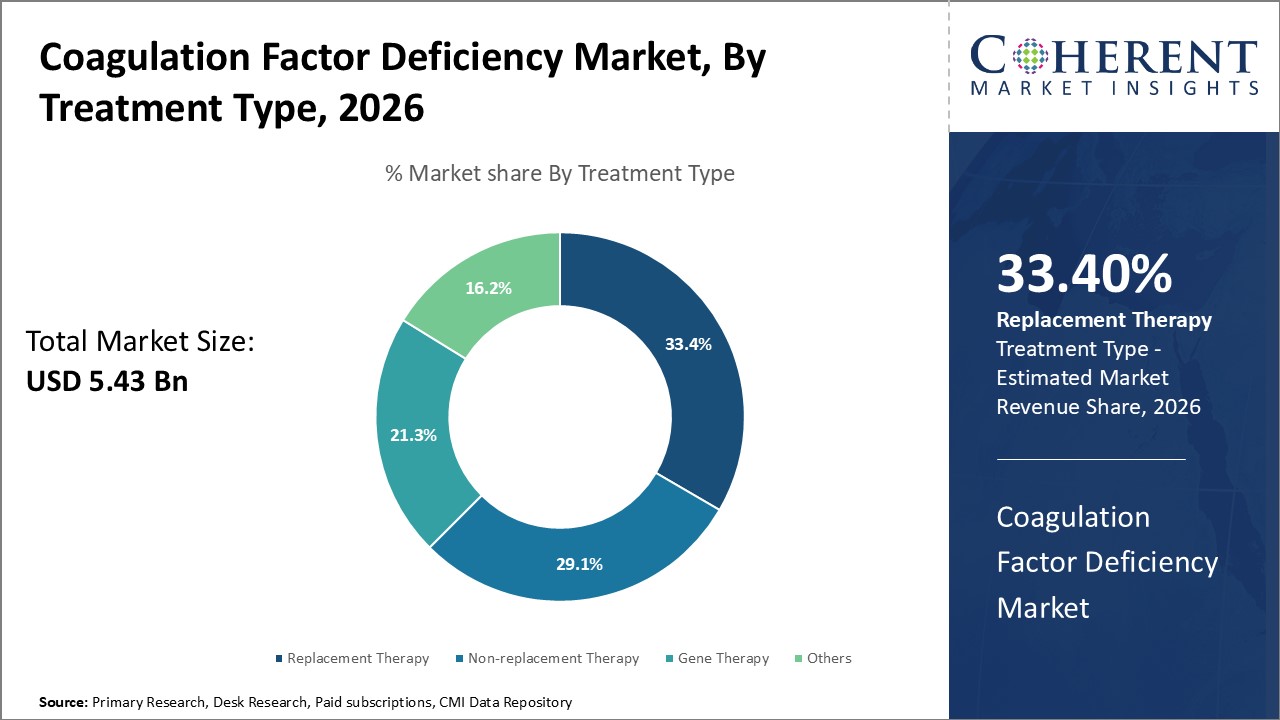
- When examining the market by treatment type, replacement therapy is expected to dominate, contributing the highest share of 33.4% in 2026.
- Based on dosage form, lyophilized powder for reconstitution is expected to hold the largest share at 31.4% in 2026.
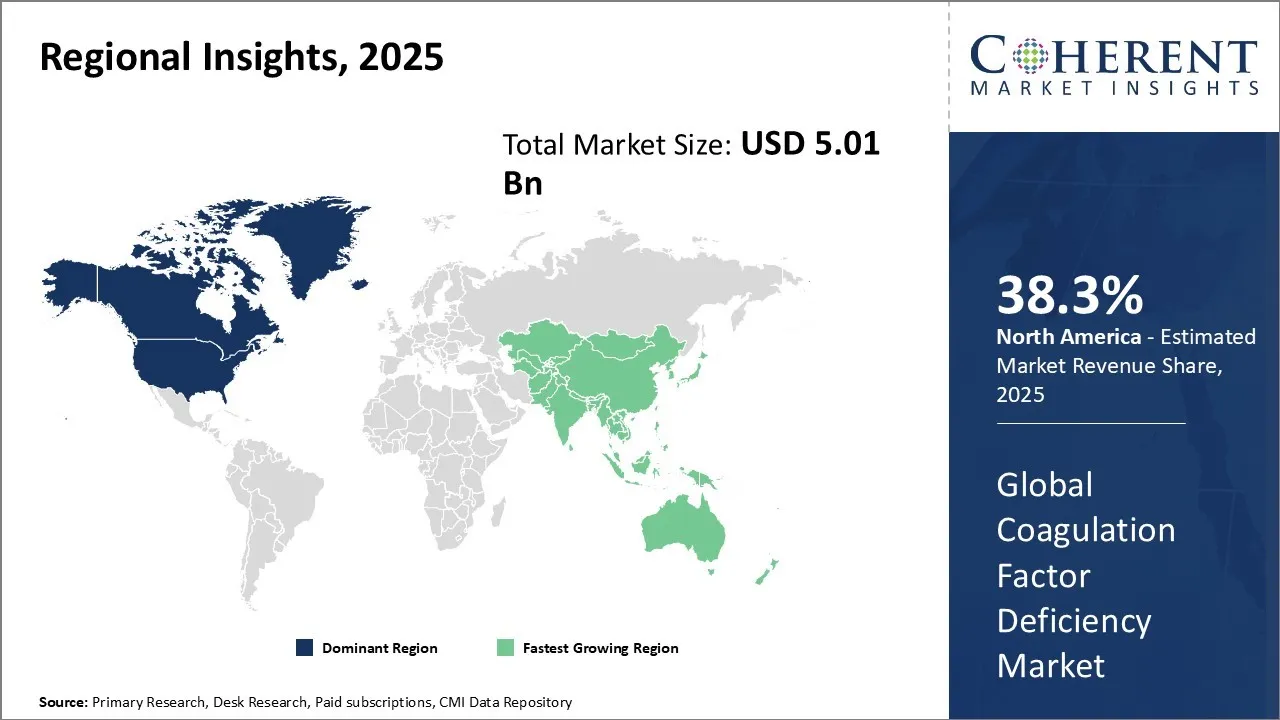
- North America is expected to lead the market, holding a share of 38.3% in 2026.
- Asia Pacific is anticipated to be the fastest-growing region, with a market share of 25.2% in 2026.
Market Overview
Current market trends indicate a significant shift towards the development of novel therapies, including gene therapy and extended half-life coagulation factors, aimed at improving patient outcomes and reducing treatment frequency. Additionally, strategic collaborations between pharmaceutical companies and healthcare providers are fueling innovation and expanding patient access, while growing investments in research and development continue to propel the market forward.
Currents Events and their Impact
Current Events | Description and its impact |
Accelerated Gene Therapy Approvals & Launches |
|
Advancements in Non-Factor Replacement Therapies |
|
Segmental Insights
- Current Industry Events of 2026
- Market Size Estimation
- Regional Breakdown
- Competitive Landscape
- Customer Intelligence
- Segmental Analysis
- Pricing Analysis
- Key Market Drivers, Challenges & Future Trends
- Customized Insights Section
Coagulation Factor Deficiency Market Insights, by Disorder Type - Hemophilia A (Factor VIII Deficiency) Dominates Driven by its Prevalence and Treatment Complexity
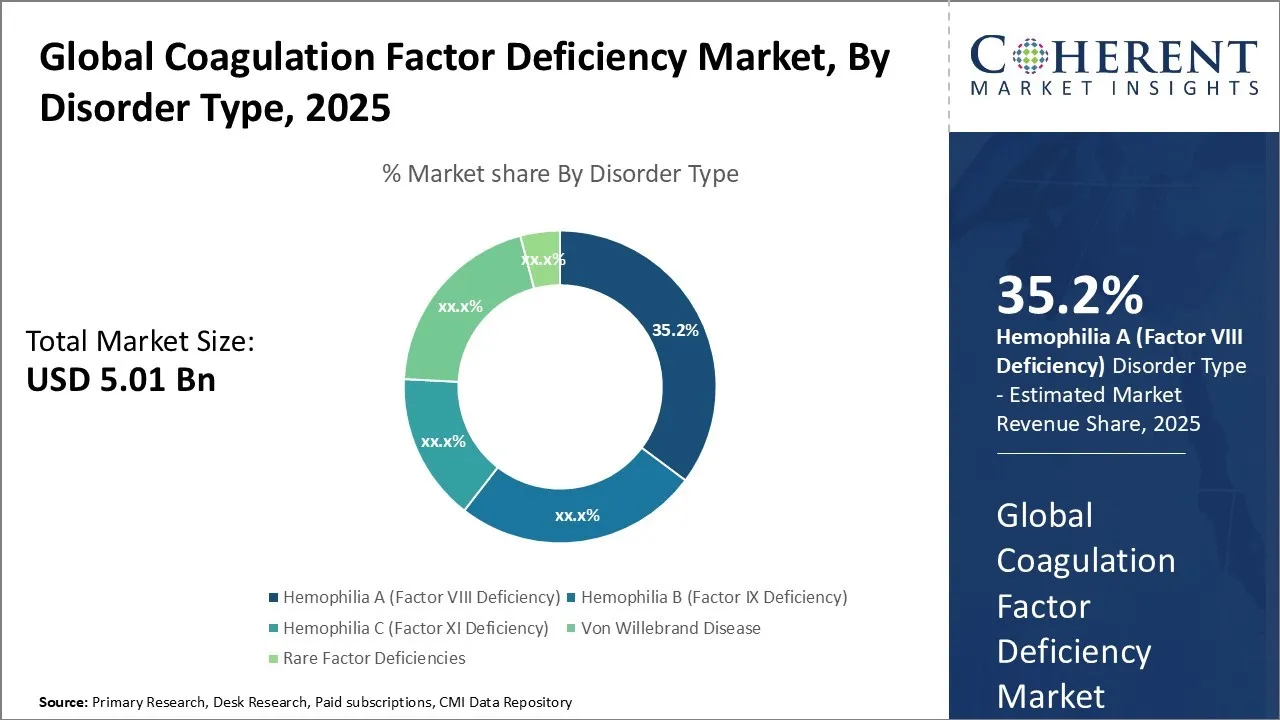
In terms of the global coagulation factor deficiency market by disorder type, Hemophilia A (Factor VIII Deficiency) is expected to command the largest share with 36.2% in 2026 primarily due to its higher prevalence compared to other coagulation disorders. This dominance is driven by its higher prevalence compared to other coagulation disorders. Hemophilia A is a genetic condition marked by a deficiency or dysfunction of Factor VIII, which disrupts the blood coagulation process, making it a significant focus for therapeutic development.
The increasing patient population of Hemophilia A globally is driving significant research and funding, which in turn fuels market growth in the coagulation factor deficiency space. Hemophilia A, characterized by chronic, severe bleeding episodes—especially in joints and muscles—leads to long-term disability and creates an ongoing demand for treatment options. Factor replacement therapies are central to managing these bleeding episodes, but complications arise from the development of inhibitors, where the immune system neutralizes infused Factor VIII, making treatment more complex.
The latest research, such as the study published by the University of Chicago in Blood on January 9, 2025, plays a critical role in advancing this segment. The study identifies a unique blood-clotting mechanism in the saliva of Hemophilia A patients, offering insights into why oropharyngeal bleeding is often self-limiting in these individuals. The discovery of extracellular vesicles in saliva, which expose extrinsic tenase complexes (tissue factor and activated factor VII), sheds light on how coagulation can still occur despite a Factor VIII deficiency.
Coagulation Factor Deficiency Market Insights, by Treatment Type - Replacement Therapy Leads the Market Through Established Efficacy and Accessibility
When analyzing the global coagulation factor deficiency market based on treatment type, replacement therapy is expected to stand out as the segment contributing the highest share with 33.4% in 2026. Replacement therapy, which involves administering plasma-derived or recombinant coagulation factors to compensate for deficient clotting factors, is essential for managing coagulation disorders. The proven clinical efficacy of replacement therapy makes it the gold standard for treating conditions like Hemophilia A, effectively preventing bleeding episodes and enhancing patient quality of life.
This approach aligns with the recent developments in the market, such as PlasmaGen Biosciences' new manufacturing facility in Bengaluru, India. In May 2023, PlasmaGen Biosciences, a biopharmaceutical company specializing in blood plasma-derived products for India and emerging markets, inaugurated a new state-of-the-art manufacturing facility in Kolar, Bengaluru. Spread across 8 acres, the facility is designed to enhance the supply of blood plasma-derived products, such as albumin, immunoglobulins, and coagulation factors, at affordable prices. This facility also houses India’s largest R&D and quality control lab for blood plasma products.
Coagulation Factor Deficiency Market Insights, by Dosage Form - Lyophilized Powder for Reconstitution: Preferred Dosage Form Due to Stability and Flexibility
In the global coagulation factor deficiency market segmented by dosage form, lyophilized powder for reconstitution is expected to hold the highest share with 31.4% in 2026. This preference can be attributed primarily to the formulation’s enhanced stability, longer shelf life, and ease of transportation and storage, which are critical factors in managing coagulation disorders that require timely and consistent treatment delivery.
Lyophilized powders present distinct advantages over liquid formulations, particularly in maintaining protein integrity. Since coagulation factors are sensitive biologics, the freeze-drying process stabilizes them by removing moisture without applying excessive heat, mitigating degradation and preserving potency over extended periods. This ensures that patients and healthcare providers receive effective dosages that maintain their therapeutic value until reconstitution.
Regional Insights
North America Coagulation Factor Deficiency Market Analysis and Trends
North America’s dominance in the global coagulation factor deficiency market is driven by a well-established healthcare infrastructure, advanced diagnostic capabilities, and significant R&D investments. It is estimated to hold a share of 38.3% in 2026. The presence of numerous leading pharmaceutical companies, such as Pfizer, Novartis (through its subsidiary Sobi), and CSL Behring, has fostered a competitive ecosystem focused on innovative therapies and biologics for coagulation disorders like Hemophilia A and B.
The U.S. government’s supportive policies, including favorable regulatory pathways by the U.S. FDA and substantial funding for rare disease research, further strengthen the market. Trade dynamics also favor North America due to streamlined supply chains and strong intellectual property protections, which encourage multinational companies to launch new drugs and gene therapies in this region first.
Asia Pacific Coagulation Factor Deficiency Market Analysis and Trends
The Asia Pacific region is expected to exhibit the fastest growth in the coagulation factor deficiency market with a share of 25.2% in 2026 owing to rising healthcare awareness, increasing diagnosis rates, and growing access to advanced treatment options across emerging economies such as China and India. A burgeoning middle class and expanding healthcare infrastructure have stimulated demand for coagulation therapies, supported by initiatives from governments promoting rare disease identification and improved reimbursement frameworks.
Additionally, the increasing presence of international pharmaceutical companies like Baxalta (now part of Takeda), Shire (acquired by Takeda), and local players such as Shanghai CP Guojian Pharmaceutical are accelerating market penetration. Trade liberalization and manufacturing cost advantages also contribute to the region’s rapid expansion.
Coagulation Factor Deficiency Market Outlook for Key Countries
U.S. Coagulation Factor Deficiency Market Trends
The U.S. coagulation factor deficiency market continues to lead globally with significant contributions from major biopharmaceutical companies such as Pfizer, CSL Behring, and Takeda. The country benefits from early adoption of cutting-edge therapies including extended half-life clotting factors and gene therapies. Government incentives for orphan drugs and strong insurance coverage encourage treatment adherence. The availability of specialized hemophilia treatment centers also contributes to better patient outcomes and fosters clinical trials, reinforcing the U.S. as a leader in both innovation and market growth for hemophilia therapies.
A recent example of this innovation is seen in January 2026, UC San Diego Health, a leading US healthcare system on the West Coast, is now offering a groundbreaking U.S. FDA-approved gene therapy for Hemophilia B, Hemophilia B is an inherited bleeding disorder that occurs when there's a deficiency of factor IX, a protein in the blood that enables effective clotting. This one-time infusion significantly reduces bleeding episodes and elevates clotting factor levels, providing patients with long-term control and eliminating the need for regular infusions.
Germany Coagulation Factor Deficiency Market Trends
Germany stands as a key market within Europe for coagulation factor deficiency treatments, driven by comprehensive healthcare coverage, effective reimbursement mechanisms, and a well-established patient registry system that aids in early diagnosis and management. Leading companies like Bayer and CSL Behring have a strong presence, focusing on tailored therapies and recombinant factor products. The country’s regulatory framework and active collaboration between government bodies, research institutes, and the pharmaceutical industry further contribute to continued market growth and access to innovative treatments.
A notable example of this innovation was seen in October 2024, when Sanofi, one of the global biopharmaceutical leaders, announced the U.S. FDA approval of Qfitlia (fitusiran) for routine prophylaxis in Hemophilia A or Hemophilia B patients aged 12 and older, with or without inhibitors to Factor VIII (FVIII) or Factor IX (FIX). This subcutaneous therapy utilizes small interfering RNA (siRNA) technology to target antithrombin (AT), a clotting protein, thereby improving blood clotting regulation. This approval underscores Germany's role in supporting cutting-edge treatment options, exemplified by Qfitlia, which is set to enhance treatment access and outcomes for hemophilia patients.
China Coagulation Factor Deficiency Market Trends
China coagulation factor deficiency market is rapidly evolving due to government initiatives focused on increasing awareness and diagnosis of coagulation disorders, along with improving healthcare infrastructure in tier 1 and tier 2 cities. Local manufacturers like Shanghai CP Guojian Pharmaceutical and international companies such as Takeda are expanding their product offerings in response to growing demand. Additionally, regulatory reforms facilitating clinical trials and drug approvals have enhanced market confidence, while insurance reforms are making treatments more affordable and accessible to a broader population.
A significant development in this market occurred in April 2026, when Belief BioMed (BBM), in collaboration with Takeda China, announced that BBM-H901 (Dalnacogene Ponparvovec Injection), the first gene therapy for hemophilia B in China, received official approval from the National Medical Products Administration (NMPA). This therapy, aimed at adults with moderate to severe hemophilia B, provides a groundbreaking treatment option for this rare bleeding disorder caused by Factor IX deficiency. The approval reflects China’s progress in supporting innovative therapies and expanding access to novel treatments for hemophilia B patients.
Japan Coagulation Factor Deficiency Market Trends
Japan continues its strong presence in the coagulation factor deficiency market driven by consistent government support for rare diseases and advanced medical technology adoption. Companies such as Chugai Pharmaceutical and Shire (Takeda) offer innovative recombinant and plasma-derived factor concentrates. The country's aging population and established healthcare system provide a stable demand base. Strict regulatory standards ensure high product quality, and ongoing research collaborations contribute to the availability of cutting-edge treatments for patients.
For example, Chugai Pharmaceutical has been a leader in developing therapies for Hemophilia A, providing recombinant factor VIII therapies that cater to the country’s aging population, which has led to a stable demand for coagulation treatments. Takeda, through Shire, offers plasma-derived therapies, such as Advate (recombinant factor VIII) and Feiba (activated prothrombin complex concentrate), which are vital for hemophilia patients requiring frequent treatment.
End User Feedback and Unmet Needs: Global Coagulation Factor Deficiency Market
- In the global coagulation factor deficiency market, end users, including healthcare providers, patients, and pharmaceutical manufacturers, consistently provide valuable feedback on product performance, accessibility, and integration. A key area of satisfaction has been the clinical efficacy of replacement therapies, particularly plasma-derived and recombinant coagulation factors. For instance, healthcare professionals frequently cite the reliability and rapid action of recombinant Factor VIII in preventing bleeding episodes in Hemophilia A patients. A notable example is a healthcare facility in India where the introduction of recombinant therapies resulted in reduced hospitalization rates and improved patient outcomes, especially for pediatric patients with severe Hemophilia A. This positive feedback underscores the effectiveness of such therapies in improving the quality of life and reducing long-term treatment burdens.
- However, a recurring concern from both healthcare providers and patients is the affordability and accessibility of these therapies, especially in emerging markets where plasma-derived treatments are often the most accessible option. A common issue cited by end-users is the high cost of replacement therapies, which can be prohibitive for many patients, leading to delayed or limited access to necessary treatments. Moreover, the risk of blood-borne pathogen transmission in plasma-derived therapies remains a significant concern among patients, despite advancements in manufacturing standards. These concerns create unmet needs in the market, such as the demand for more affordable, customizable, and safer treatment options. Addressing these gaps—whether through technological innovations like safer recombinant products, cost-reducing production methods, or greater customization based on patient profiles—could create significant growth opportunities. Manufacturers and policymakers who address these challenges will not only enhance patient satisfaction and retention but also drive innovation that aligns with the evolving needs of the global coagulation factor deficiency market.
Market Players, Key Developments, and Competitive Intelligence
Key Developments
- On June 26, 2025, Pfizer Inc., a global biopharmaceutical company, announced positive topline results from the Phase 3 BASIS study (NCT03938792), evaluating HYMPAVZI (marstacimab) in adults and adolescents with Hemophilia A or B and inhibitors. The study demonstrated that once-weekly subcutaneous HYMPAVZI significantly reduced the annualized bleeding rate compared to on-demand treatments, with a well-tolerated safety profile.
- In April 2025, Belief BioMed (BBM), in partnership with Takeda China, announced that BBM-H901 (Dalnacogene Ponparvovec Injection), the first approved gene therapy for hemophilia B in China, has received official approval from the National Medical Products Administration (NMPA). The therapy is designed for adults with moderate to severe hemophilia B, a rare inherited bleeding disorder caused by factor IX deficiency.
- In March 2025, the U.S. FDA approved Qfitlia (fitusiran) for routine prophylaxis in adults and pediatric patients (12 years and older) with hemophilia A or B, with or without factor VIII or IX inhibitors. This novel treatment, administered subcutaneously every two months, reduces bleeding frequency by lowering antithrombin levels and increasing thrombin, a key enzyme for clotting.
- In August 2023, Medexus Pharmaceuticals presented data at the NHF Bleeding Disorders Conference 2023, highlighting the efficacy and safety of IXINITY for prophylactic treatment in pediatric patients under 12 with severe or moderately severe hemophilia B. The Phase 3/4 study showed low bleeding rates, effective control of bleeding episodes, and a consistent safety profile. The treatment was well-received, with 33.3% of participants having no bleeds. IXINITY is currently USFDA-approved for older patients and is under review for pediatric use.
Top Strategies Followed by Global Coagulation Factor Deficiency Market Players
- Established companies, often industry veterans with substantial resources, prioritize heavy investments in research and development (R&D). These investments enable them to innovate high-performance coagulation factor products that offer enhanced efficacy, safety, and patient compliance. By continuously advancing their formulations and delivery mechanisms, industry leaders, such as Novo Nordisk, a key player in diabetes and hemophilia treatments, maintain a competitive edge in the crowded hemophilia market.
- A prime example is Novo Nordisk's recent achievement in December 2024, with the U.S. FDA approval of Alhemo (concizumab-mtci), a once-daily prophylactic treatment for Hemophilia A or Hemophilia B patients with inhibitors. Based on data from the Phase 3 EXPLORER7 trial, the approval demonstrated an 86% reduction in bleeding episodes with Alhemo compared to no prophylaxis, underscoring its efficacy. Alongside in-house advancements, companies like Novo Nordisk actively pursue strategic partnerships and alliances with other industry giants, including original equipment manufacturers (OEMs).
- Mid-level companies in the coagulation factor deficiency market adopt distinct approaches centered on balancing quality with affordability to appeal to price-sensitive segments, particularly in developing regions. Such alliances may include technology licensing agreements, joint ventures, or contract manufacturing arrangements that enable them to scale operations efficiently while maintaining cost discipline. By leveraging these cooperative strategies, mid-tier companies expand their market presence and brand recognition, often bridging gaps between large-established corporations and smaller niche innovators. Their value proposition hinges on delivering reliable products at more affordable price points, which is critical to addressing the unmet needs of budget-conscious healthcare providers and patients in emerging economies.
- For example, Grifols, a mid-level company known for its plasma-derived therapies, has focused on providing reliable coagulation factor treatments at lower costs compared to high-end alternatives, catering to emerging markets. By offering products such as Alphanate, a recombinant factor VIII treatment, Grifols has been able to serve markets with price-sensitive needs without compromising the quality of the therapy. To stay competitive, mid-level companies engage in collaborations and partnerships to boost production capabilities and access advanced technologies. For instance, In April 2022, Grifols entered into a technology licensing agreement with Biotest AG, allowing it to enhance production efficiency.
- On the other hand, small-scale players carve out specialized niches by focusing on unique product features or developing innovative therapeutic options that differentiate them from larger competitors. These companies often leverage cutting-edge technologies like recombinant DNA techniques, novel drug delivery systems, or personalized medicine approaches to create highly targeted coagulation factor therapies.
- An example of this is Octapharma, a small-scale player that specializes in recombinant factor IX therapies and has been recognized for offering unique therapies for hemophilia B patients. Its focus on individualized treatment regimens helps meet precise clinical demands in niche segments that larger companies might overlook.
Market Report Scope
Coagulation Factor Deficiency Market Report Coverage
| Report Coverage | Details | ||
|---|---|---|---|
| Base Year: | 2025 | Market Size in 2026: | USD 5.43 Bn |
| Historical Data for: | 2020 To 2024 | Forecast Period: | 2026 To 2033 |
| Forecast Period 2026 to 2033 CAGR: | 8.4% | 2033 Value Projection: | USD 9.55 Bn |
| Geographies covered: |
| ||
| Segments covered: |
| ||
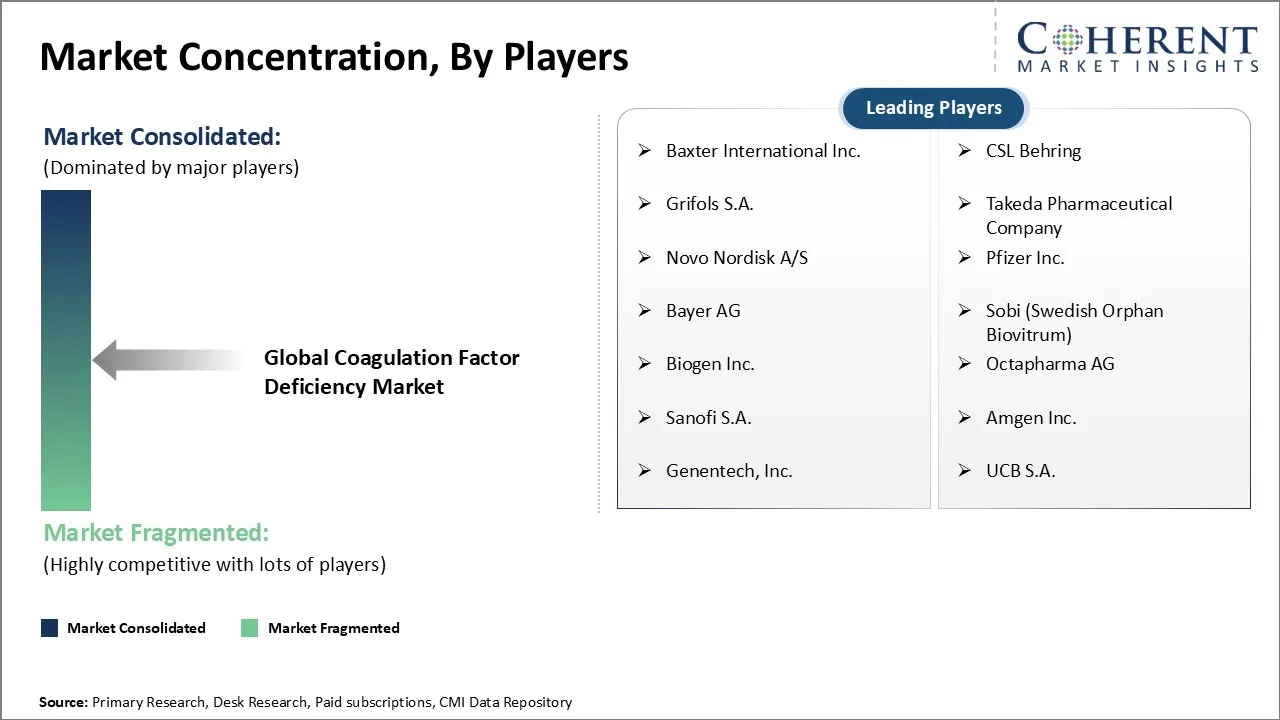
| Companies covered: | Baxter International Inc., CSL Behring, Grifols S.A., Takeda Pharmaceutical Company, Novo Nordisk A/S, Pfizer Inc., Bayer AG, Sobi (Swedish Orphan Biovitrum), Biogen Inc., Octapharma AG, Sanofi S.A., Amgen Inc., Genentech, Inc., and UCB S.A. | ||
| Growth Drivers: |
| ||
| Restraints & Challenges: |
| ||
Coagulation Factor Deficiency Market Dynamics
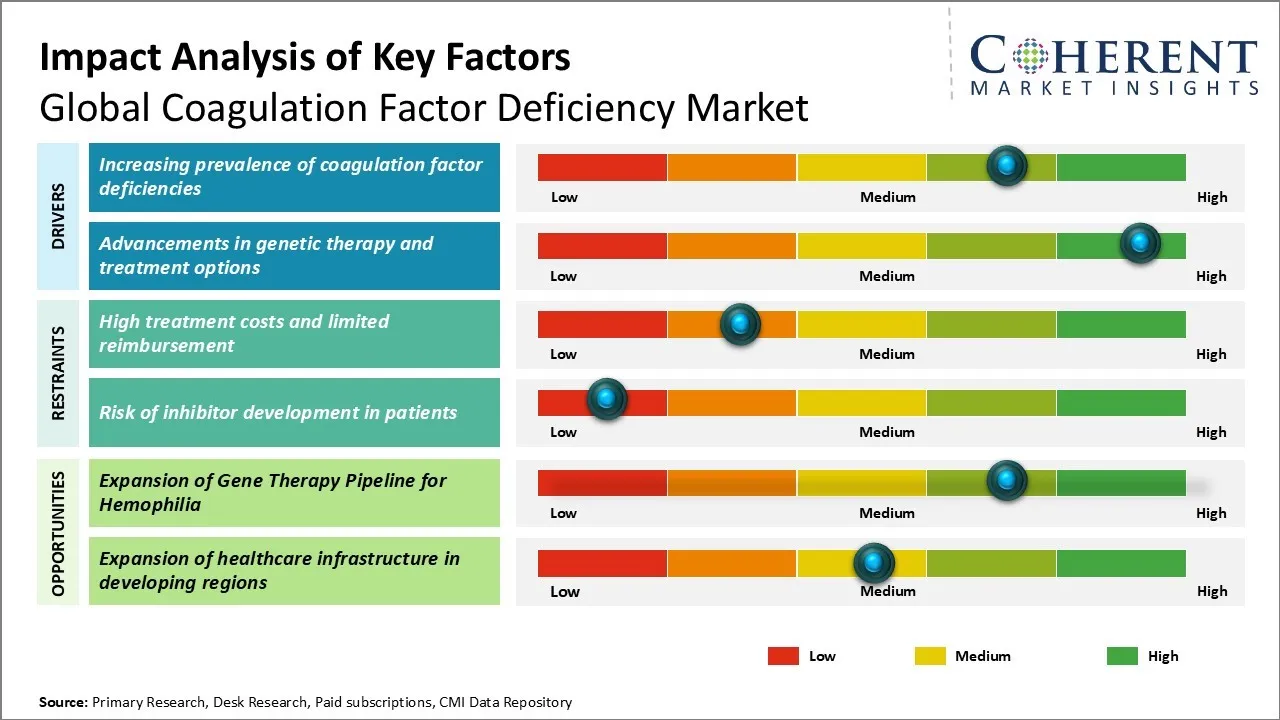
Coagulation Factor Deficiency Market Driver - Increasing Prevalence of Coagulation Factor Deficiencies
The rising incidence of coagulation factor deficiencies, such as Hemophilia A, Hemophilia B, and rare factor deficiencies, serves as a significant driver for the global coagulation factor deficiency market. Genetic mutations and hereditary disorders contribute to the growing patient population worldwide, with these conditions often manifesting early in life and requiring lifelong management. Improved diagnostic capabilities and greater awareness among healthcare professionals have led to earlier identification and treatment initiation, further increasing demand for coagulation factor replacement therapies and advanced treatment options.
Additionally, the increasing survival rates of affected individuals due to enhanced therapeutic approaches have resulted in a larger pool of patients requiring continuous care. The prevalence is also influenced by factors such as population growth and better healthcare infrastructure across emerging economies, where improved access to diagnostic and treatment facilities is ensuring more cases are reported and managed effectively. This trend underscores the critical need for innovative and effective coagulation treatments to address the expanding patient base.
In July 2023, according to the National Library of Medicine, coagulation factor deficiencies, including hemophilia, are inherited disorders that lead to abnormal bleeding. Hemophilia A affects 1 in 5,000 males, with over 400,000 males affected worldwide. In the United States, approximately 33,000 males live with hemophilia. Treatment typically involves clotting factor replacement and other supportive therapies to manage bleeding episodes.
Coagulation Factor Deficiency Market Opportunity - Expansion of Gene Therapy Pipeline for Hemophilia
The global coagulation factor deficiency market is poised to benefit significantly from the expanding gene therapy pipeline for hemophilia, representing a transformative opportunity in disease management and treatment. Advances in gene therapy have introduced novel therapeutic approaches aimed at providing long-term, potentially curative solutions for hemophilia patients by addressing the underlying genetic defects responsible for clotting factor deficiencies.
This expansion is fueled by successful clinical trial outcomes demonstrating sustained expression of clotting factors and reduced bleeding episodes, which significantly improve patient quality of life and reduce healthcare burdens. Regulatory agencies worldwide have shown increasing receptivity to approving gene therapies based on their demonstrated efficacy and safety, encouraging further innovation and faster market access. Moreover, the growing prevalence of hemophilia globally, combined with high unmet medical needs in emerging economies, creates a fertile environment for the adoption of gene-based treatments.
In December 2024 – Centre for Stem Cell Research (CSCR) at CMC Vellore, India supported by the Department of Biotechnology, successfully conducted India’s first human gene therapy for Severe Hemophilia A. The study involved five participants who received lentiviral vector-based therapy to express Factor VIII, resulting in a zero annualized bleeding rate and sustained Factor VIII production, eliminating the need for repeated infusions.
Analyst Opinion (Expert Opinion)
- The coagulation factor deficiency market is experiencing significant growth due to advancements in biotechnology, particularly the development of innovative therapies such as gene therapy and recombinant clotting factors. Increasing regulatory support, such as FDA approvals for new treatment options, coupled with a rising awareness of bleeding disorders, has further fueled demand. The growing adoption of personalized treatment plans and the emergence of advanced diagnostics are enhancing patient outcomes, contributing to market expansion. However, challenges like high treatment costs, limited access in low-income regions, and the complexity of managing inhibitors in some patients remain hurdles for widespread adoption.
- Emerging opportunities in this market include the development of extended half-life products and the exploration of novel delivery mechanisms, which promise to improve patient compliance and reduce treatment frequency. Notable conferences such as the International Society on Thrombosis and Haemostasis (ISTH) Congress and the World Federation of Hemophilia World Congress have played key roles in promoting knowledge-sharing and advancing policy discussions. Recent initiatives, such as the European Hemophilia Consortium’s pilot projects to improve access to care in underserved areas, are expected to drive positive changes and enhance global treatment access. These efforts are instrumental in shaping the future of the market by addressing both technological and accessibility challenges.
Speak to the analyst
Want personalized insights?
Take the findings above to one of our principal consultants, or have the report rebuilt around the segments, geographies and competitors you actually track.
Market Segmentation
- Disorder Type Insights (Revenue, USD Bn, 2021 - 2033)
- Hemophilia A (Factor VIII Deficiency)
- Hemophilia B (Factor IX Deficiency)
- Hemophilia C (Factor XI Deficiency)
- Von Willebrand Disease
- Type 1-Mild deficiency of von Willebrand factor (VWF)
- Type 2-Abnormal function of VWF
- Rare Factor Deficiencies
- Factor I (Fibrinogen) Deficiency
- Factor II (Prothrombin) Deficiency
- Factor V Deficiency
- Factor VII Deficiency
- Factor X Deficiency
- Factor XIII Deficiency
- Treatment Type Insights (Revenue, USD Bn, 2021 - 2033)
- Replacement Therapy
- Plasma-derived Coagulation Factors
- Recombinant Coagulation Factors
- Non-replacement Therapy
- Desmopressin (DDAVP)
- Antifibrinolytics
- Anticoagulants
- Gene Therapy
- Adeno-Associated Virus (AAV) Gene Therapy
- Lentivirus Gene Therapy
- Others (Hormonal Therapy)
- Replacement Therapy
- Dosage Form Insights (Revenue, USD Bn, 2021 - 2033)
- Lyophilized Powder for Reconstitution
- Liquid Solution for Injection/Infusion
- Oral Formulations
- Nasal Spray
- Other Viral Vector Suspension
- Route of Administration Insights (Revenue, USD Bn, 2021 - 2033)
- Intravenous
- Subcutaneous
- Intranasal
- Oral
- Age Group Insights (Revenue, USD Bn, 2021 - 2033)
- Pediatric
- Adult
- End User Insights (Revenue, USD Bn, 2021 - 2033)
- Hospitals
- Specialty Pharmacies
- Hemophilia Treatment Centers
- Homecare Settings
- Specialty Clinics
- Ambulatory Surgical Centers (ASCs)
- Others (Academic & Research Institutions.)
- Regional Insights (Revenue, USD Bn, 2021 - 2033)
- North America
- U.S.
- Canada
- Latin America
- Brazil
- Argentina
- Mexico
- Rest of Latin America
- Europe
- Germany
- U.K.
- Spain
- France
- Italy
- Russia
- Rest of Europe
- Asia Pacific
- China
- India
- Japan
- Australia
- South Korea
- ASEAN
- Rest of Asia Pacific
- Middle East
- GCC Countries
- Israel
- Rest of Middle East
- Africa
- South Africa
- North Africa
- Central Africa
- North America
- Key Players Insights
- Baxter International Inc.
- CSL Behring
- Grifols S.A.
- Takeda Pharmaceutical Company
- Novo Nordisk A/S
- Pfizer Inc.
- Bayer AG
- Sobi (Swedish Orphan Biovitrum)
- Biogen Inc.
- Octapharma AG
- Sanofi S.A.
- Amgen Inc.
- Genentech, Inc.
- UCB S.A.
Sources
Primary Research Interviews
- Hemophilia Treatment Centers
- Healthcare professionals (hematologists, pediatricians)
- Patient advocacy groups
- Pharmaceutical company representatives
- Medical practitioners involved in coagulation factor therapies
Government and International Databases
- World Health Organization (WHO)
- U.S. Food and Drug Administration (FDA)
- European Medicines Agency (EMA)
- Centers for Disease Control and Prevention (CDC)
- National Institutes of Health (NIH)
- United Nations (UN)
- Global Health Data Exchange (GHDx)
Trade Publications
- Blood Transfusion Journal
- Hematology Journal
- Thrombosis and Haemostasis Journal
- Pharmaceutical Technology
- BioPharma Dive
- European Journal of Haematology
Academic Journals
- The Lancet Haematology
- Haematologica
- Journal of Thrombosis and Haemostasis
- Blood
- British Journal of Haematology
- Journal of Clinical Investigation
Reputable Newspapers
- The New York Times
- The Wall Street Journal
- The Guardian
- The Financial Times
- Reuters Health
- BBC News
Industry Associations
- World Federation of Hemophilia (WFH)
- National Hemophilia Foundation (NHF)
- American Society of Hematology (ASH)
- European Haemophilia Consortium (EHC)
- International Society on Thrombosis and Haemostasis (ISTH)
Public Domain Resources
- European Bioinformatics Institute (EBI)
- National Library of Medicine (NLM)
Proprietary Elements
- CMI Data Analytics Tool Proprietary analytics tool to analyze real-time market trends, consumer behavior, and technology adoption in market
- Proprietary CMI Existing Repository of Information for Last 8 Years
Get access to 250+ pages report
Every segment, forecast, competitor profile and data table behind the analysis above — available for instant download.
- ESOMAR Member
- ISO 9001:2015 Certified
- D-U-N-S Registered
- GDPR & CCPA Compliant
Missing comfort of reading report in your local language? Find your preferred language:
Transform your Strategy with Exclusive Trending Reports
Frequently Asked Questions
The global coagulation factor deficiency market is estimated to be valued at USD 5.43 Bn in 2026 and is expected to reach USD 9.55 Bn by 2033.
The CAGR of the global coagulation factor deficiency market is projected to be 8.4% from 2026 to 2033.
Increasing prevalence of coagulation factor deficiencies and advancements in genetic therapy and treatment options are the major factors driving the growth of the global coagulation factor deficiency market.
High treatment costs and limited reimbursement and risk of inhibitor development in patients are the major factors hampering the growth of the global coagulation factor deficiency market.
In terms of disorder type, Hemophilia A (Factor VIII Deficiency) is estimated to dominate the market revenue share in 2026.
Baxter International Inc., CSL Behring, Grifols S.A., Takeda Pharmaceutical Company, Novo Nordisk A/S, Pfizer Inc., Bayer AG, Sobi (Swedish Orphan Biovitrum), Biogen Inc., Octapharma AG, Sanofi S.A., Amgen Inc., Genentech, Inc., and UCB S.A. are the major players in the global coagulation factor deficiency market.
North America is expected to lead the global coagulation factor deficiency market in 2026.