

Global Defensin Market Size and Forecast – 2026-2033
The global defensin market is estimated to be valued at USD 135.2 Mn in 2026 and is expected to reach USD 298.4 Mn by 2033, exhibiting a compound annual growth rate (CAGR) of 12% from 2026 to 2033. This steady growth can be attributed to the increasing investments in antimicrobial peptides. In addition, the market's growth can also be attributed to the increasing application of antimicrobial peptides in the pharmaceutical and agricultural sectors. The growth of the market can also be attributed to the increasing demand for new therapeutic agents that can combat antibiotic resistance and boost the immune system.
Key Takeaways of the Global Defensin Market
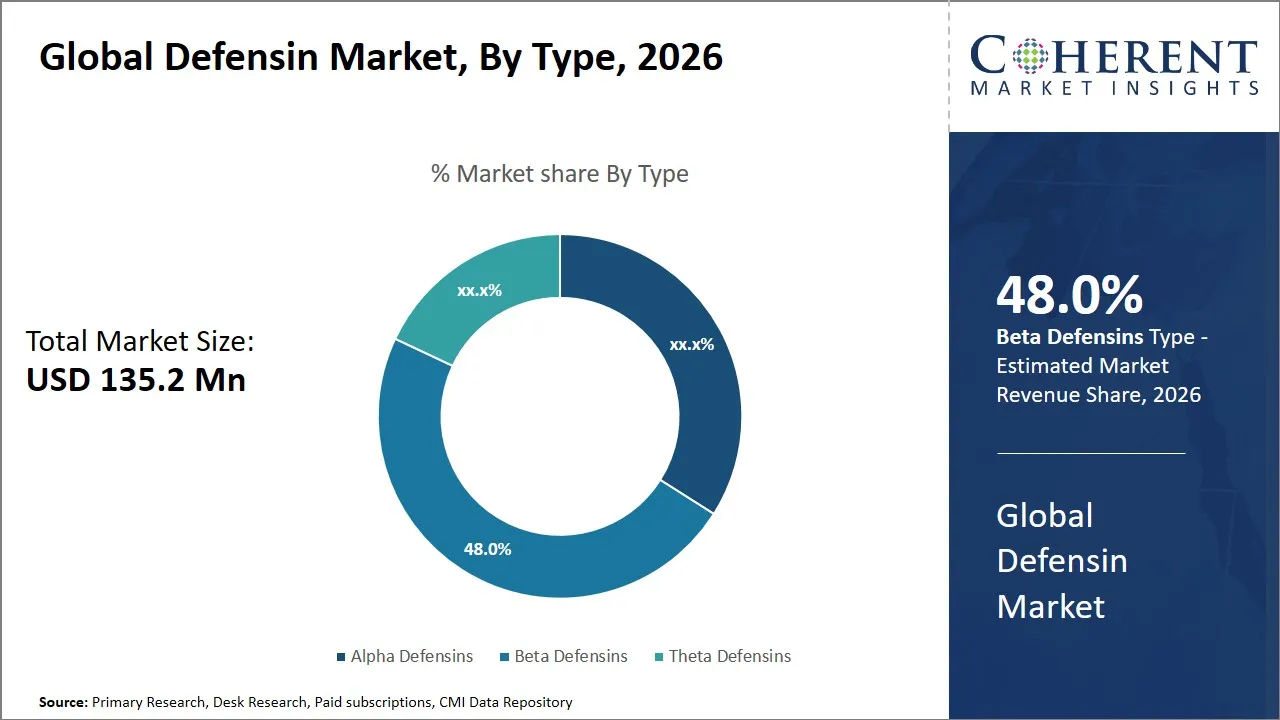
- The beta defensins segment is expected to dominate the global defensin market, accounting for 48.0% of the total market share in 2026.
- The anti infective therapeutics segment is expected to dominate with 39.0% of the market share in 2026.
- The pharma and biotech companies segment is expected to capture 46.0% of the global defensin market share in 2026.
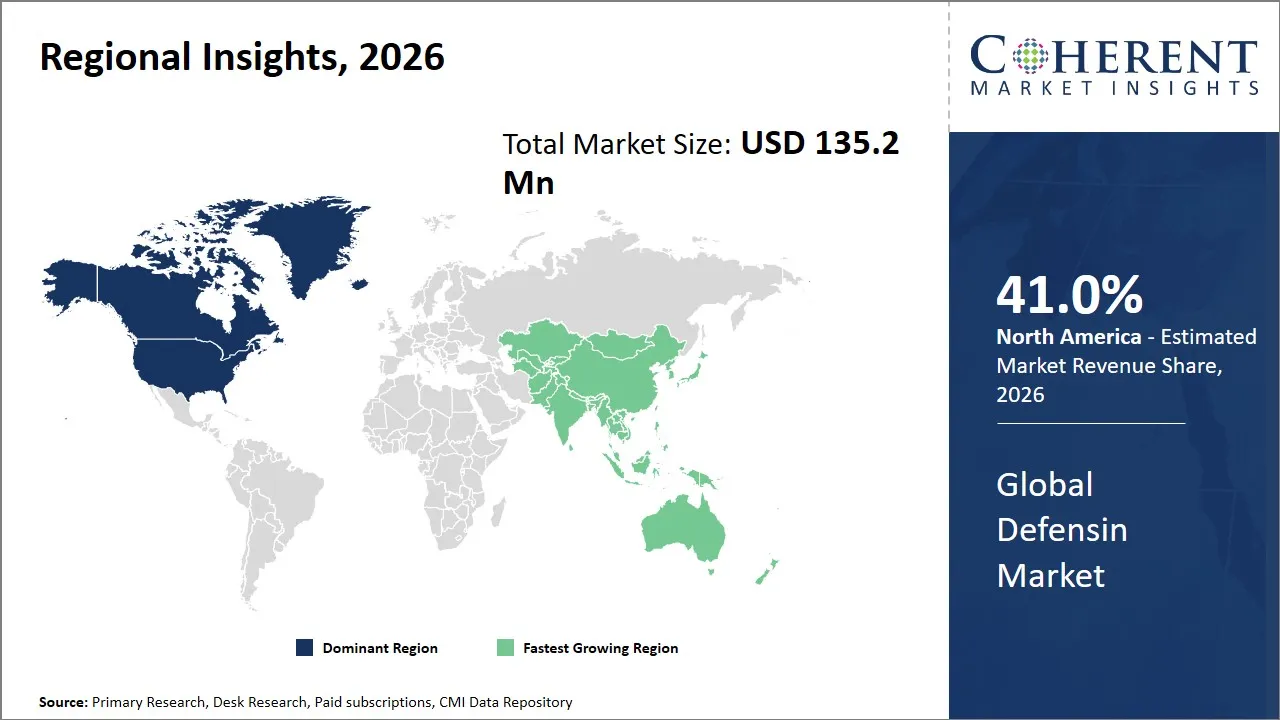
- North America is expected to dominate the defensin market in 2026, accounting for 41.0% share.
- Asia Pacific is anticipated to witness the fastest growth during the forecast period, registering 8.2% share in 2026.
Market Overview
- Defensins are naturally occurring antimicrobial peptides that have significant importance in the innate immune system. They have provided protection to the human body from different types of infectious diseases. Defensins have also proved to be effective in providing protection from different types of bacterial, viral, and fungal infections. Antimicrobial peptides have also provided defensins with potential therapeutic applications.
- Infectious diseases have been rising, and the problem of antimicrobial resistance to antibiotics has also been of concern. Defensins have been proved to have potential therapeutic applications. They have the potential to be used as antimicrobial peptides, which can interfere with the membrane of microbes and also modulate the immune system.
- Biotechnology and drug development have provided potential therapeutic applications for defensins. Potential therapeutic applications of defensins include anti-infective agents, wound healing, and immune-related diseases, which have provided potential opportunities for the market.
Currents Events and their Impact
Current Events | Description and its Impact |
Growing Research on Antimicrobial Peptides |
|
Advancements in Peptide Engineering and Synthetic Biology |
|
Segmental Insights
- Current Industry Events of 2026
- Market Size Estimation
- Regional Breakdown
- Competitive Landscape
- Customer Intelligence
- Segmental Analysis
- Pricing Analysis
- Key Market Drivers, Challenges & Future Trends
- Customized Insights Section
Why Does the Beta Defensins Segment Dominate the Global Defensin Market in 2026?
The beta defensins segment is anticipated to hold a market share of 48% in 2026, owing to the high involvement of beta defensins in the innate immune system of humans and their high antimicrobial properties. Moreover, the high antimicrobial properties of beta defensins, along with their capacity to modulate the immune system, have made them the focal point of research in the development of therapeutic peptides for the treatment of various diseases. In this regard, beta defensins have also been gaining significant attention in various clinical and preclinical studies due to their immense potential in the treatment of various diseases, including antimicrobial therapy, cancer therapy, and others.
For instance, in September 2025, a study on the therapeutic potential of recombinant bovine beta-defensins (BNBD1-4 and TAP) expressed in Lactococcus lactis for sepsis as a therapeutic agent revealed that BNBD4 had significant antimicrobial activity against E. coli, while TAP had significant lipopolysaccharide binding and anti-inflammatory.
(Source: National Library of Medicine)
Why Does the Anti Infective Therapeutics Segment Dominate the Global Defensin Market in 2026?
The anti infective therapeutics segment is expected to hold the highest market share of 39% of the defensin market share in 2026, due to the rise in infectious diseases worldwide and the emergence of resistant pathogens to antibiotics. Defensins have a distinct mode of action against infectious agents, which affects their membrane and immune systems. This mode of action makes defensins effective in treating infectious diseases. In addition, their broad-spectrum activity allows defensins to target Gram-positive and Gram-negative bacteria, as well as fungi and certain viral pathogens. This makes defensins potential therapeutic agents or adjuvants to conventional antibiotics.
Another factor that makes the anti-infective therapeutics segment the market leader in defensins is their immunomodulatory activity. Defensins have been observed to have immunomodulatory activity, which makes them potential therapeutic agents. This activity allows defensins to have additional benefits over conventional antibiotics. In addition, the rise in hospital-acquired and chronic infectious diseases has created interest in therapeutic agents that utilize the antimicrobial and immunomodulatory activity of defensins.
For instance, in December 2024, researchers reported that human defensins are significant in the regulation of the immune response to bacterial pathogens, as they enhance the rate of clearance of the pathogen. The study shows the potential of defensin peptides as the next class of anti-microbial drugs, hence the increased use of these peptides in the development of anti-infective drugs.
(Source: National Library of Medicine)
The Pharma and Biotech Companies Segment Dominates the Global Defensin Market
Pharma and biotech companies form the largest segment of the defensin market, contributing an estimated market share of 46% in 2026, as they play an integral part in taking defensin research forward to make it commercially viable as therapeutics. Pharmaceutical and biotech companies have the infrastructure, financial support, and technical expertise to carry out the complex stages of drug discovery, drug development, and drug approval processes. Pharmaceutical and biotech companies also have strong R&D capabilities, which help them advance defensin therapeutics for the treatment of various diseases, infections, and immune system-related disorders.
The increasing focus of the defensin market on peptide therapeutics and biologics has also increased the involvement of pharmaceutical and biotech companies in defensin research. Biotech companies, which specialize in peptide therapeutics, are also playing an active part in developing defensin analogs with increased stability, targeted delivery, and improved pharmacokinetic properties, which can overcome the limitations of peptide therapeutics and expand the scope of defensin therapeutics.
Pharmaceutical, biotech, and research institutions are also working together to advance defensin therapeutics, which has also increased the involvement of pharmaceutical and biotech companies in defensin research, keeping them at the top of the defensin market.
Global Biopharmaceutical R&D Landscape for Antimicrobial Peptides
Research in the field of biopharmaceuticals related to antimicrobial peptides (AMPs) has seen a significant rise in research due to the increasing concern over antimicrobial resistance in the world. AMPs, including defensins, have been at the core of research in the field of antimicrobial agents due to their wide range of antimicrobial properties. There is an increasing trend of collaboration between pharmaceutical companies, biotech firms, and research institutions that will help in the development of antimicrobial peptides.
Global Biopharmaceutical R&D Indicators for Antimicrobial Peptides
Indicator | Global Status | Key Insights |
Number of antimicrobial peptide research projects | 60+ research and development programs globally | Demonstrates growing scientific focus on peptide-based anti-infective therapies |
Funding allocated to antibiotic discovery and AMP programs | Significant public–private funding through AMR initiatives | Supports innovation and early-stage antimicrobial drug development |
Biotech startups focusing on peptide therapeutics | 150+ startups globally | Reflects expanding biotech interest in peptide engineering and biologic therapeutics |
Regional Insights
North America Defensin Market Analysis and Trends
The North America region is projected to lead the market with a 41% share in 2026, owing to the high level of development in the region’s healthcare system, research and development environment, pharmaceutical industry, and biotech industry. Moreover, the region enjoys the support of the government in terms of policies that promote the development of antimicrobial peptides and immune-modulating agents.
Additionally, the region offers a high number of clinical trials and academia-industry partnerships that facilitate the development and commercialization of products. Although the regulations in the region are stringent, they offer clear guidelines for approval, making it an attractive region for key players like Amgen, Pfizer, and Bristol-Myers Squibb. These players have been instrumental in the development of Defensin-based products and diagnostics, thanks to the high funding and technology available in the region. Established trade relations and the availability of key CMOs have also helped the region to hold the highest market position in the defensin market.
For instance, a study published in Nature Communications in August 2024, spotlighted the creation of sophisticated antimicrobial peptides—think defensin-like peptides—using AI-driven design methods to tackle antibiotic-resistant bacteria. This suggests a favorable research and development environment, not just in North America, but globally.
(Source: Springer Nature Limited)
Asia Pacific Defensin Market Analysis and Trends
The Asia Pacific region is expected to exhibit the fastest growth of 8.2% share in 2026, fueled by rising healthcare expenditures, advancements in pharmaceutical manufacturing, and a significant prevalence of infectious and inflammatory diseases. Governments in nations such as China, India, and South Korea are actively pursuing strategies to stimulate biotech innovations and drug development, which in turn, is propelling market growth.
The rise of new biotech companies focusing on peptide research and the inflow of foreign direct investments also contribute to the high growth rate. In addition, the huge patient base and increasing awareness of new therapies also fuel the demand growth. Some of the major contributors to the market growth in this region include Innovent Biologics from China, Biocon from India, and LG Chem from South Korea, who all focus on research in defensins and peptides. Trade liberalization in the region and international collaborations also play a major role in fueling market growth.
For instance, in April 2024, Biocon enhanced its peptide and biologics capabilities through expanded R&D investments as well as strategic collaborations, which are aimed at developing advanced therapeutic pipelines in the Asia Pacific region.
(Source: Reuters)
Defensin Market Outlook for Key Countries
How is the U.S. Helping in the Growth of the Defensin Market?
The U.S. has a highly innovative and competitive market, given the high levels of federal funding for research, as well as the presence of a collaborative environment comprising academic institutions, biotech companies, and established pharmaceutical companies. Companies such as Amgen and Pfizer are at the forefront in developing defensin-based antimicrobial agents and immune regulators, given the presence of sophisticated clinical testing infrastructure as well as streamlined regulatory systems. The focus on personalized medicine and immunotherapy in the U.S. is another factor that ensures progress in the field of defensins.
How is China Helping in the Growth of the Defensin Market?
The developing biotechnology industry in China, as well as government initiatives to become a leader in the global biopharmaceutical industry, is greatly contributing to the growth of the defensin market. Innovent Biologics and WuXi AppTec are major contributors to the growth of this market due to their high R&D and manufacturing scales. The government has made many regulatory reforms to improve drug approvals as well as intellectual property rights, making this market highly favorable. The domestic market of China, as well as its global partnerships, has also contributed greatly to the growth of defensin research and its commercialization.
Key Drivers for the Growth of the Germany Defensin Market
Germany is at the forefront due to its thriving pharmaceutical industry and well-equipped facilities for scientific research. Bayer and BioNTech, among others, have already secured their positions as frontrunners in peptide-based drug synthesis. This is thanks, in part, to the backing of sophisticated healthcare infrastructure and well-defined reimbursement systems operating within the country. The financial assistance from the government and joint ventures from the European Union have already helped the cause of ongoing research in the field of defensin peptides, with the strategic location of Germany being an added advantage.
India Defensin Market Trends
The market of defensin in India is driven by the growing investment in biotech research, which is further aided by the government's initiatives like the Biotechnology Industry Research Assistance Council (BIRAC) initiatives. Companies like Biocon and the Serum Institute of India are the pioneers in developing peptide molecule drugs, which are now increasingly focusing on defensin-related drugs. India offers the advantage of a cost-effective environment for manufacturing, which is also improving in terms of accessibility.
Global Peptide Synthesis Manufacturing Capacity
Regions such as North America, Europe, and Asia Pacific have the major share in peptide synthesis manufacturing due to their high pharmaceutical and biotechnological infrastructure. These areas have many contract development and manufacturing organizations as well as pharmaceutical companies that have expertise in solid-phase peptide synthesis and peptide production. The increasing need for peptide therapeutics, such as antimicrobial peptides, including defensins, has led companies to increase production capacity and invest in peptide synthesis technology.
Global Peptide Synthesis Manufacturing Capacity by Region
Region | Manufacturing Characteristics | Key Countries | Representative Companies |
North America | Advanced peptide R&D infrastructure, large-scale CDMO facilities, strong biotech investment | U.S., Canada | Bachem, Thermo Fisher Scientific, CordenPharma |
Europe | High regulatory compliance, specialized peptide manufacturing technologies | Switzerland, Germany, Denmark | PolyPeptide Group, Bachem, CordenPharma |
Asia Pacific | Cost-efficient large-scale manufacturing and expanding CDMO capabilities | China, India, Japan | WuXi AppTec, Hybio Pharmaceutical, AmbioPharm |
Latin America and Others | Emerging peptide production with increasing pharmaceutical investments | Brazil | Local biotech manufacturers |
Market Players, Key Developments, and Competitive Intelligence
Key Developments
- In May 2025, Texas A&M AgriLife scientists created spinach-based antimicrobial peptides, also known as defensins, to control citrus greening disease, also known as HLB, as well as potato zebra chip disease. The citrus trees infected with these virus vectors showed yields 50 percent higher than those of non-infected trees, offering a safer solution to chemical pesticides
- In September 2025, researchers from South China Agricultural University examined recombinant bovine beta-defensins (BNBD1-4, TAP) expressed in Lactococcus lactis as potential therapy for sepsis. BNBD4 was found to possess significant antimicrobial activity against E. coli, and TAP was found to possess significant LPS binding/neutralizing activity with anti-inflammatory properties and no excessive production of TNFα. This multi-facet potential of BNBDs makes them promising as therapy for Gram-negative sepsis
- In July 2024, a study published by Frontiers in Immunology found that defensins are involved in controlling cell proliferation and division through the regulation of critical cell cycle genes. It has been found that antimicrobial peptides regulate oncogenic genes as well as immune response genes, thus inhibiting tumor development and allowing cell division to occur normally.
Top Strategies Followed by Global Defensin Market Players
Player Type | Strategic Focus | Examples |
Established Market Leaders | Invest in R&D to develop advanced therapeutics using defensins, develop improved peptide stability and delivery systems, and build global distribution channels through partnerships. | Engineered defensin peptides, and partnerships with research organizations and pharmaceutical companies for anti-infectives and oncology. For instance, collaborations between Novartis and academic institutes are focused on peptide therapeutics, while Pfizer is advancing its antimicrobial peptide research through strategic R&D collaborations. |
Mid-Level Players | Emphasize cost-effective production and peptide production capacity through partnerships with contract manufacturers and technology suppliers. | Partnerships with contract manufacturers and regional distribution companies to increase defensin product availability in emerging markets. For instance, biotech companies are collaborating with Lonza Group to enhance peptide production, while others have regional partnerships with WuXi AppTec to enhance production and distribution. |
Small-Scale Players | Emphasize niche applications through innovative peptide engineering, bioengineering technologies, and collaborations with academia. | Research partnerships with universities and biotech startups to advance defensin-based antimicrobial and immunotherapy technologies. For instance, collaborations with academic institutions such as Massachusetts Institute of Technology and University of Oxford to develop next-generation antimicrobial peptides and bioengineered therapeutics. |
Market Report Scope
Defensin Market Report Coverage
| Report Coverage | Details | ||
|---|---|---|---|
| Base Year: | 2025 | Market Size in 2026: | USD 135.2 Mn |
| Historical Data for: | 2020 To 2024 | Forecast Period: | 2026 To 2033 |
| Forecast Period 2026 to 2033 CAGR: | 12% | 2033 Value Projection: | USD 298.4 Mn |
| Geographies covered: |
| ||
| Segments covered: |
| ||
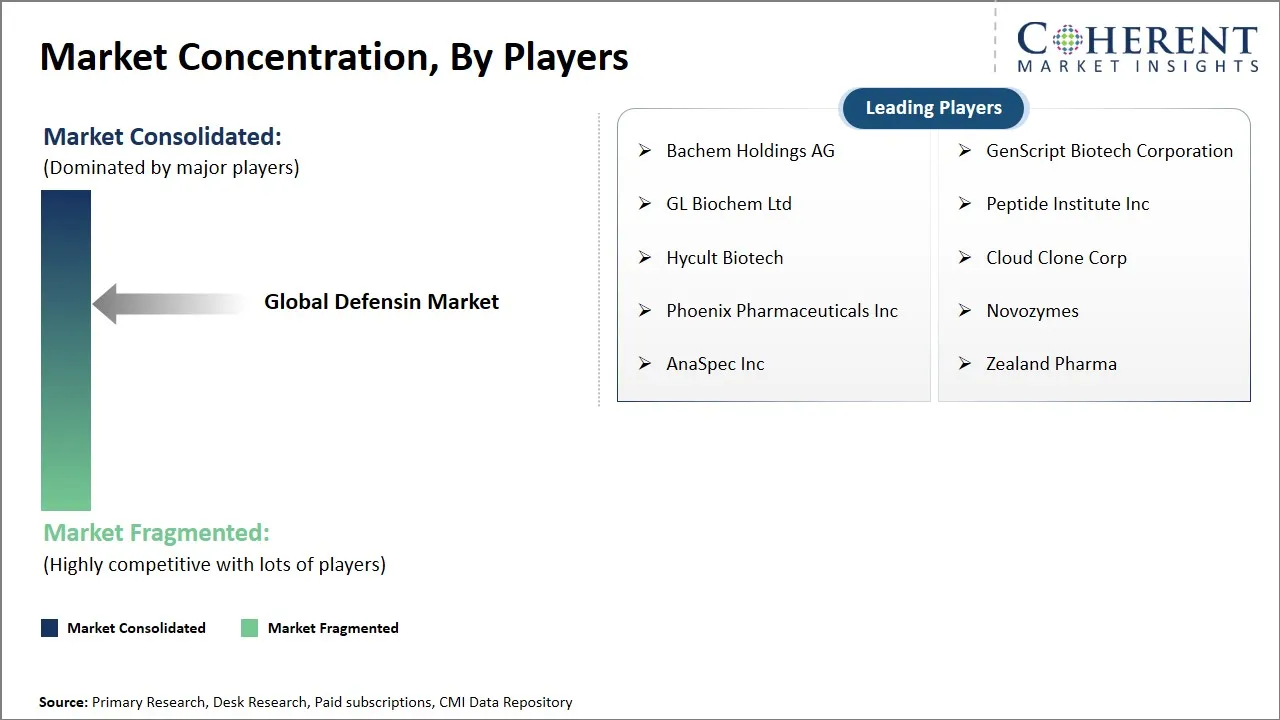
| Companies covered: | Bachem Holdings AG, GenScript Biotech Corporation, GL Biochem Ltd, Peptide Institute Inc, Hycult Biotech, Cloud Clone Corp, Phoenix Pharmaceuticals Inc, Novozymes, AnaSpec Inc, and Zealand Pharma | ||
| Growth Drivers: |
| ||
| Restraints & Challenges: |
| ||
Global Defensin Market Dynamics
Defensin Market Driver - Rising Concern Over Antibiotic Resistance
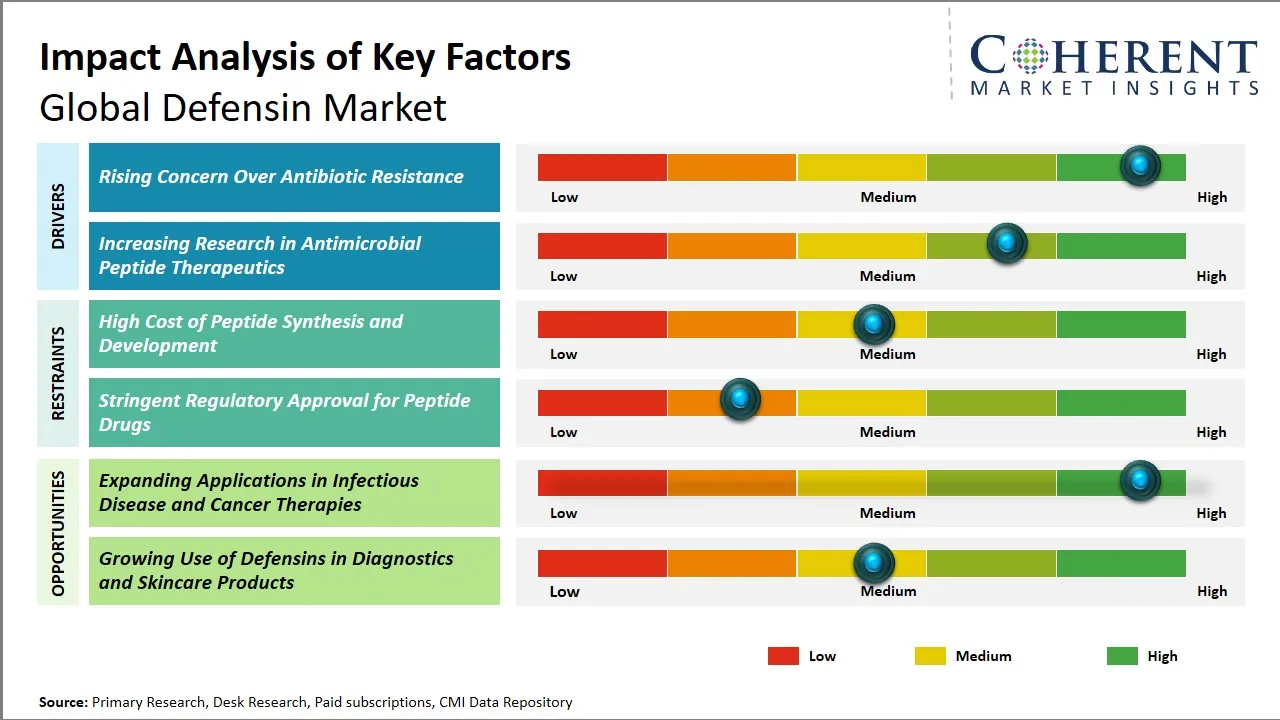
Increasing global concern about antibiotic resistance is another major factor fueling the growth of the market for defensins, especially in the healthcare and pharmaceutical industries. The increasing rate of antibiotic resistance to existing drugs has made it imperative for the development of alternative antimicrobial agents that have the potency to combat infections without promoting resistance. Defensins, which are natural antimicrobial peptides, work by disrupting membranes. This method reduces the chance of microbes developing resistance, which is a problem with traditional antibiotics due to which defensins are very promising for medical use, especially in treating infections caused by bacteria, fungi, and viruses that are resistant to current treatments.
For Instance, a study published in September 2025, investigated using recombinant bovine β-defensins, like BNBD1-4 and TAP, which were produced in Lactococcus lactis, for treating sepsis. BNBD4 has been found to have potent antimicrobial activity against E. coli, while TAP has been found to have excellent binding and neutralization capabilities, which play a crucial role in inflammation response, limiting the response to TNF-alpha. The peptide has dual activity for the treatment of Gram-negative sepsis.
(Source: National Library of Medicine)
Consequently, the increasing awareness among both healthcare providers and patients concerning the limitations of current antibiotics has intensified the focus on and financial support for defensin-based drugs and treatment strategies. The prospect of utilizing defensins as supplementary and alternative treatments has also been perceived as a catalyst for innovation and implementation, thereby augmenting their significance within the evolving medical context.
Defensin Market Opportunity - Expanding Applications in Infectious Disease and Cancer Therapies
The market for defensin has tremendous scope for growth, as the use of defensin peptides in the treatment of infectious diseases and cancer therapy is increasing. Defensin peptides, which are broadly active antimicrobial peptides, have gained considerable importance in addressing the drug-resistant bacteria, viruses, and fungi, which has become a major global health concern due to the increasing resistance to antibiotics. Defensin peptides, which have a distinct mechanism of action against the cell membrane of microbes, are likely to replace or supplement conventional antibiotics.
For instance, in February 2026, it has been demonstrated that engineered defensin-derived antimicrobial peptides have a high potency against drug-resistant pathogens, including methicillin-resistant Staphylococcus aureus, or MRSA, to function as the next generation of anti-infective agents.
(Source: American Chemical Society)
In addition, it has also been reported that pharmaceutical companies are showing greater interest in developing drugs, vaccines, and delivery systems based on defensins. This has further provided potential for the expansion of defensin applications, especially in the field of infectious diseases and oncology. In addition, it has also been reported that the application of advanced bioengineering tools to enhance the stability and bioavailability of defensins has further provided potential to expand the market scope of defensins. This expansion of defensin applications in the field of infectious diseases and oncology is expected to redefine the market in the coming years.
Analyst Opinion (Expert Opinion)
- The defensin market is slowly gaining traction owing to the increasing awareness for the need to develop novel antimicrobial solutions to fight against the problem of resistance to antibiotics. Defensins, which are naturally occurring antimicrobial peptides, can fight a wide range of bacteria, fungi, and viruses.
- Research into immune-modulating peptides is opening new doors for the use of defensins in pharmaceuticals and biotechnology. Studies of immune regulation, wound healing, and inflammation are helping to develop defensin-based treatments and new ways to deliver drugs. Furthermore, defensins are increasingly used in agricultural biotechnology to improve how resistant crops are to diseases.
- Furthermore, defensins are increasingly being used in agricultural biotechnology to improve how resistant crops are to diseases. The natural ability of defensin peptides to protect plants from fungal and bacterial infections is driving research into their use to increase crop yields and reduce the use of pesticides.
- The defensin market is likely to expand in the future, driven by the growing problem of antimicrobial resistance, increased biomedical research, and its wider use in agriculture and biotechnology.
Speak to the analyst
Want personalized insights?
Take the findings above to one of our principal consultants, or have the report rebuilt around the segments, geographies and competitors you actually track.
Market Segmentation
- Type Insights (Revenue, USD Mn, 2021 - 2033)
- Alpha Defensins
- Beta Defensins
- Theta Defensins
- Application Insights (Revenue, USD Mn, 2021 - 2033)
- Anti Infective Therapeutics
- Cancer Research
- Immune Disorders
- Others
- End User Insights (Revenue, USD Mn, 2021 - 2033)
- Pharma and Biotech Companies
- Academic and Research Institutes
- Contract Research Organization
- Regional Insights (Revenue, USD Mn, 2021 - 2033)
- North America
- U.S.
- Canada
- Latin America
- Brazil
- Argentina
- Mexico
- Rest of Latin America
- Europe
- Germany
- U.K.
- Spain
- France
- Italy
- Russia
- Rest of Europe
- Asia Pacific
- China
- India
- Japan
- Australia
- South Korea
- ASEAN
- Rest of Asia Pacific
- Middle East
- GCC Countries
- Israel
- Rest of Middle East
- Africa
- South Africa
- North Africa
- Central Africa
- North America
- Key Players Insights
- Bachem Holdings AG
- GenScript Biotech Corporation
- GL Biochem Ltd
- Peptide Institute Inc
- Hycult Biotech
- Cloud Clone Corp
- Phoenix Pharmaceuticals Inc
- Novozymes
- AnaSpec Inc
- Zealand Pharma
Sources
Primary Research Interviews
Industry Stakeholders
- Immunologists and infectious disease specialists
- Biotechnology R&D directors
- Pharmaceutical peptide drug developers
- Clinical trial investigators (anti-infective therapies)
- Biopharmaceutical company executives
- Regulatory affairs specialists
End Users
- Infectious disease physicians
- Immunologists
- Dermatologists
- Hospital pharmacists
- Clinical microbiologists
- Public health specialists
Government and International Databases
- World Health Organization (WHO) – Global Health Observatory
- U.S. Food and Drug Administration (FDA) – Drug Development Database
- European Medicines Agency (EMA) – Medicines Database
- National Institutes of Health (NIH) – ClinicalTrials.gov
- Centers for Disease Control and Prevention (CDC)
Trade Publications
- Genetic Engineering & Biotechnology News
- BioPharma Dive
- FierceBiotech
- Pharmaceutical Technology
Academic Journals
- Nature Microbiology
- Journal of Antimicrobial Chemotherapy
- Frontiers in Immunology
- Antimicrobial Agents and Chemotherapy
- Journal of Innate Immunity
Reputable Newspapers
- The New York Times – Health Section
- The Guardian – Science & Health
- Financial Times – Healthcare
- The Wall Street Journal – Health & Medicine
Industry Associations
- Infectious Diseases Society of America (IDSA)
- American Society for Microbiology (ASM)
- Biotechnology Innovation Organization (BIO)
Public Domain Resources
- ClinicalTrials.gov
- World Health Organization (WHO) Reports and Fact Sheets
- National Institutes of Health (NIH) Publications
Proprietary Elements
- CMI Data Analytics Tool: Proprietary analytics tool to analyze real-time market trends, consumer behavior, and technology adoption in market
- Proprietary CMI Existing Repository of Information for Last 8 Years
Get access to 250+ pages report
Every segment, forecast, competitor profile and data table behind the analysis above — available for instant download.
- ESOMAR Member
- ISO 9001:2015 Certified
- D-U-N-S Registered
- GDPR & CCPA Compliant
Missing comfort of reading report in your local language? Find your preferred language:
Transform your Strategy with Exclusive Trending Reports
Frequently Asked Questions
The global defensin market is estimated to be valued at USD 135.2 million in 2026 and is expected to reach USD 298.4 million by 2033.
The CAGR of the global defensin market is projected to be 12% from 2026 to 2033.
Rising concern over antibiotic resistance and increasing research in antimicrobial peptide therapeutics are the major factors driving the growth of the global defensin market.
Defensins are mostly researched for their potential use as anti-microbial and immune modulatory compounds, and hence are considered to be of potential use as anti-infective therapeutics, wound healing agents, anti-inflammatory therapeutics, and immune modulators. The anti-microbial potential of defensins to disrupt the membrane of micro-organisms and modulate the immune response has generated much interest for the development of therapeutics using these peptides.
Defensins play a significant role in helping the body fight off disease by attacking disease-causing organisms and by stimulating the immune system to fight disease more effectively. These effects of defensins make this class of antimicrobial peptides a key focus for developing new antimicrobial drugs, especially in fighting antimicrobial resistance.
High cost of peptide synthesis and development and stringent regulatory approval for peptide drugs are the major factors hampering the growth of the global defensin market.
In terms of type, beta defensins are estimated to dominate the market revenue share in 2026.