

Global Dural Patch Market Size and Forecast – 2026 to 2033
The Global Dural Patch Market is estimated to be valued at USD 604.3 Mn in 2026 and is expected to reach USD 1002.5 Mn by 2033, exhibiting a compound annual growth rate (CAGR) of 7.5% from 2026 to 2033. This steady growth reflects increasing demand driven by advancements in neurosurgical procedures and rising prevalence of dural injuries requiring effective repair solutions.
Key Takeaways of the global dural patch market
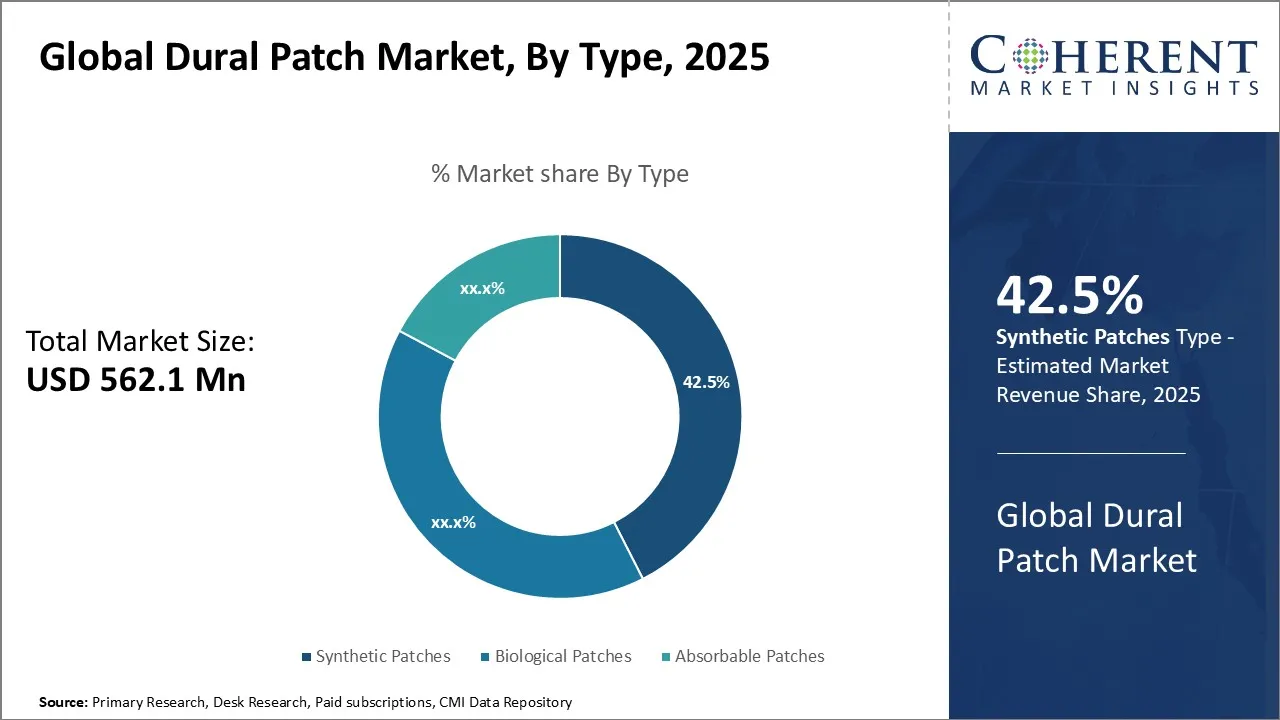
- Synthetic patches are expected to lead the global dural patch market, commanding a 43.5 % share in 2026.
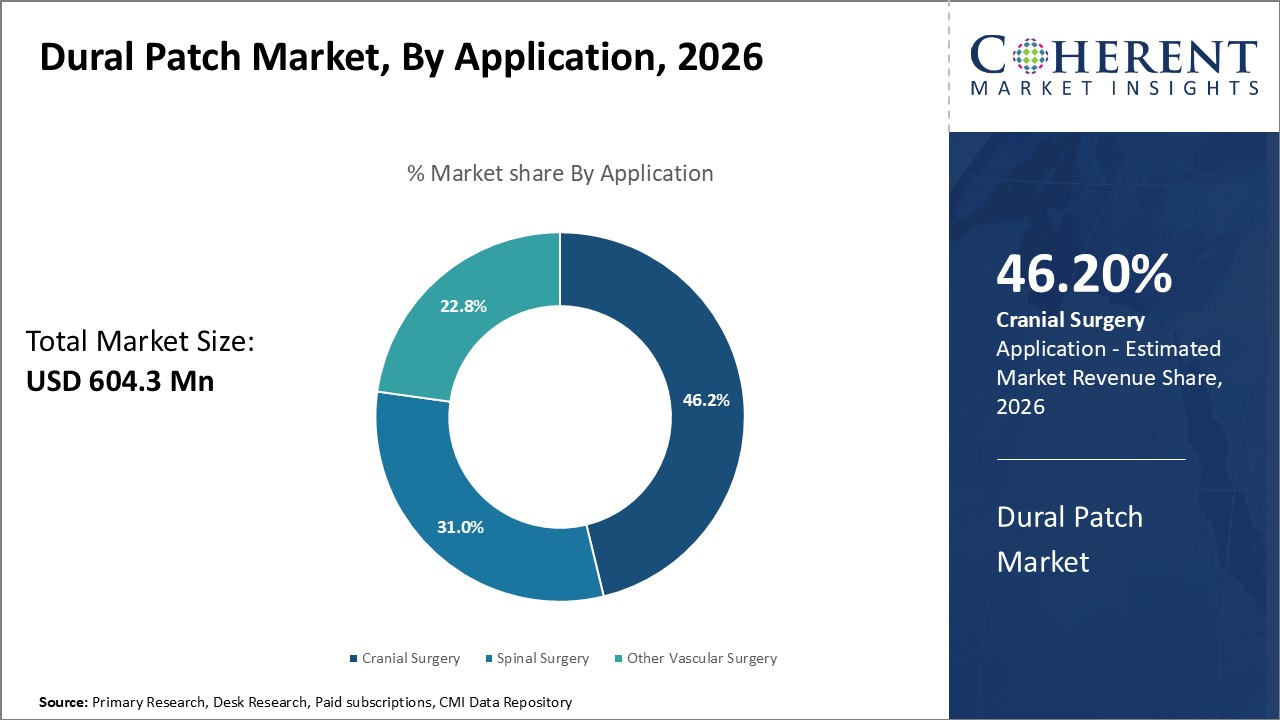
- Cranial surgery is expected to account for 46.2 % of the global dural patch market in 2026.
- Hospitals will remain the primary end users of dural patches, accounting for an estimated 24.2 % of the market share in 2026.
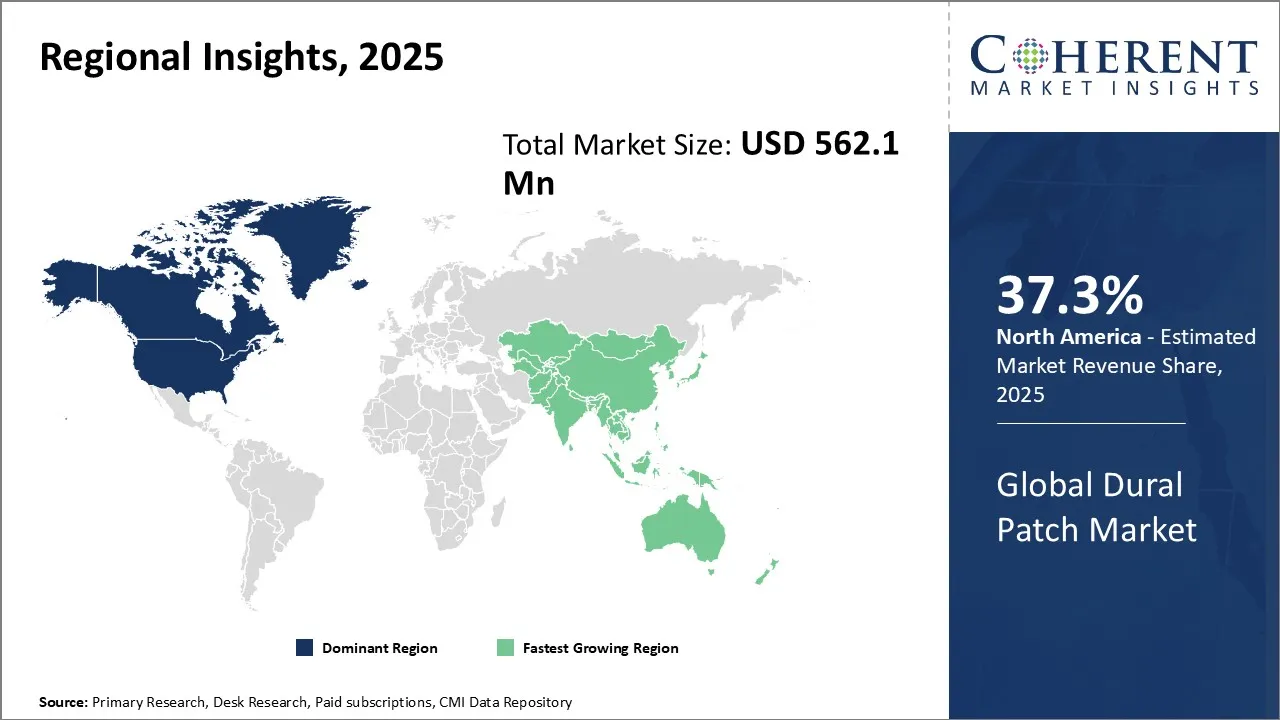
- North America is expected to lead the market, holding a share of 37.3% in 2026. Asia Pacific is anticipated to be the fastest-growing region, with a market share of 24.3% in 2026.
Market Overview
Market trends indicate a significant shift towards biologically derived dural patches due to their improved biocompatibility and reduced complications compared to synthetic alternatives. Innovations in minimally invasive neurosurgical techniques are further propelling the market growth. Additionally, increasing investments in research and development and rising awareness among healthcare professionals about advanced dural repair materials are expected to foster continuous product enhancement and expansion opportunities across emerging markets.
Current Events and Its Impact
Current Events | Description and its impact |
Rise of AI-Integrated Neurosurgical Planning Platforms |
|
Regulatory Challenges for New Product Approvals |
|
Segmental Insights
- Current Industry Events of 2026
- Market Size Estimation
- Regional Breakdown
- Competitive Landscape
- Customer Intelligence
- Segmental Analysis
- Pricing Analysis
- Key Market Drivers, Challenges & Future Trends
- Customized Insights Section
Dural Patch Market Insights, By Type - Synthetic patches contribute the highest share of the market owing to their superior versatility and reliability in clinical applications
Synthetic patches dominate the global dural patch market with an estimated share of 43.5% in 2026 primarily because of their consistent performance in repairing dura mater defects during neurological surgeries. These patches, typically made from materials like polytetrafluoroethylene (PTFE) and polyester, offer exceptional biocompatibility, mechanical strength, and durability compared to other patch types. Their synthetic nature allows manufacturers to engineer patches with controlled porosity and tensile strength, ensuring an optimal balance between flexibility and resistance to cerebrospinal fluid leakage, which is critical in post-surgical recovery.
A key driver behind the preference for synthetic patches is their minimal risk of immunogenic response. Unlike biological patches that are derived from animal tissues and may carry risks of disease transmission or immune rejection, synthetic patches present a reduced likelihood of inflammatory complications. This safety aspect has made them the preferred choice for surgeons aiming for predictable outcomes. Additionally, they are non-absorbable, which means they provide long-term reinforcement, especially important in surgeries where permanent closure of the dural defect is necessary.
Dural Patch Market Insights, By Application - Cranial surgery contributes the highest share of the market driven by the rising demand for effective dural repair in neurosurgical interventions
Cranial surgery, which holds an estimated share of 46.2% in the global dural patch market in 2026, encompasses a variety of procedures requiring precise repair of the dura mater to prevent complications such as cerebrospinal fluid management leaks, infections, and impaired neurological recovery. This high market share reflects the critical necessity for reliable dural substitutes following interventions involving the brain.
The increasing prevalence of neurological disorders and cranial traumas worldwide significantly fuels the demand in this segment. As neurosurgeons encounter complex cases ranging from tumor excisions like meningiomas and gliomas to repairs following traumatic brain injuries the selection of an effective dural patch becomes crucial.
In October 2024, the American College of Surgeons (ACS) released updated best practice guidelines for managing traumatic brain injury (TBI), a leading cause of global disability. With an estimated 50-60 million people affected by TBI annually, resulting in a USD 400 billion economic burden, the revised guidelines emphasize advanced neuromonitoring, the use of blood-based biomarkers for diagnosis, tiered management of intracranial pressure, and early multidisciplinary rehabilitation. Additionally, new evidence supports the use of prophylactic antiseizure medications for high-risk patients.
Dural Patch Market Insights, By End User - Hospitals contribute the highest share of the market facilitated by their multifaceted neurosurgical capabilities and infrastructure
Hospitals remain the predominant end users of dural patches due to their comprehensive range of services with an estimated share of 24.2% in 2026, especially in neurosurgery and trauma product care. The concentration of specialized surgical teams, advanced imaging facilities, and postoperative care units enables hospitals to manage complex cases requiring dural repair, positioning them at the forefront of dural patch utilization.
Hospitals, especially tertiary and quaternary care centers, often handle an extensive volume of cranial and spinal surgeries where dural substitutes are indispensable. Their infrastructure supports diverse application scenarios—from planned tumor resections to emergency interventions for traumatic brain injuries. The accessibility to multidisciplinary teams, such as neurosurgeons, anesthesiologists, and critical care, specialists contributes to effective surgical outcomes, thereby promoting higher usage of quality dural patches.
Regional Insights
North America Dural Patch Market Analysis and Trends
North America’s dominance in the global dural patch market, with an estimated share of 37.3% in 2026, is primarily driven by a mature healthcare ecosystem, robust investment in medical technologies, and a well-established base of neurosurgical centers. The presence of leading medical device manufacturers such as Medtronic, Becton Dickinson (BD), and Integra LifeSciences significantly strengthens the market landscape.
For example, Integra LifeSciences specializes in advanced medical technologies, offering dural repair products, including synthetic and biological dural patches, aimed at enhancing surgical outcomes and patient recovery in neurosurgery. Strong intellectual property protections and favorable regulatory pathways granted by the U.S. FDA facilitate the swift commercialization of advanced dural patch products. Additionally, the high prevalence of neurological disorders and trauma cases necessitating dural repairs propels demand. Government initiatives to improve neurosurgical care and extensive reimbursement frameworks contribute to steady market expansion.
Asia Pacific Dural Patch Market Analysis and Trends
The Asia Pacific region is expected to exhibit the fastest growth in the global dural patch market due to rising healthcare expenditure with a share of 24.3% in 2026, expanding neurosurgical infrastructure, and growing awareness about neurological conditions. Emerging economies like China and India have progressive government policies aimed at enhancing healthcare access and advancing medical device adoption. Favorable import-export regulations and strategic partnerships with Western firms accelerate technology transfer and local production capacities.
Dural Patch Market Outlook for Key Countries
U.S. Dural Patch Market Trends
The U.S.' dural patch market remains a benchmark in the dural patch sector, supported by leading research institutions and a high concentration of neurosurgery specialists. synthetic and biomaterial-based dural patches. The healthcare infrastructure’s sophistication allows for early adoption of innovative products, while reimbursement policies enhance patient access. Collaboration between hospitals and manufacturers fuels product customization to meet complex surgical demands, solidifying the U.S. as a technology leader.
LeMaitre is a U.S.-based company that provides a variety of medical devices, including dural patches used in spinal and cranial surgeries. These patches are specifically designed to protect and seal the dura mater, aiding in the recovery process for patients undergoing neurosurgical procedures.
Germany States Dural Patch Market Trends
Germany's market is characterized by its advanced medical device regulatory framework and a strong emphasis on clinical validation and product safety. Companies such as B. Braun and Aesculap lead the development of biocompatible dural patches preferred by European surgeons. The country's extensive hospital network and supportive government initiatives for medical innovation create a favorable market ecosystem. Germany’s commitment to quality standards and precision medicine contributes to sustained demand and export opportunities within the European Union.
China Dural Patch Market Trends
China continues to lead the Asia Pacific dural patch market growth through expansive neurosurgical facility development and government support for healthcare modernization. Increasing prevalence of neurological disorders and accident-related injuries raises demand for dural repair solutions. Companies like gore medical capitalize on local manufacturing advantages and collaborations with international firms to enhance product offerings.
Gore Medical is a global leader in medical technologies, specializing in the development and manufacturing of advanced surgical products. Its flagship offering, Dural Soft Tissue Patch is a specialized material used in neurosurgery to repair defects in the dura mater, the protective membrane around the brain and spinal cord. These patches can be biological, derived from natural tissues, or synthetic, made from durable, consistent materials.
India Dural Patch Market Trends
India’s dural patch market is rapidly evolving due to growing neurosurgical awareness, widespread surgical infrastructure expansion, and improved healthcare financing. The government’s emphasis on indigenous medical device manufacturing under initiatives like “Make in India” promotes local companies such as Sundaram Medical to innovate cost-effective and accessible dural patches. Increasing investments in tier-2 and tier-3 city hospitals expand market reach, while partnerships with multinational enterprises introduce advanced materials technology. The country’s large patient pool and rising outpatient neurosurgery procedures underscore strong future demand.
End User Feedback and Unmet Needs
- End users in the global dural patch market, particularly within the neurosurgery and spinal surgery sectors, have provided valuable insights into product performance and operational challenges. Positive feedback often highlights the effectiveness of biological and composite dural patches in promoting natural tissue integration and reducing complications such as cerebrospinal fluid (CSF) leaks. For instance, collagen-based patches have received praise for their biocompatibility, with neurosurgeons noting faster healing times and fewer instances of rejection in patients. One notable example is a case in a high-volume hospital setting where a synthetic dural patch helped reduce the incidence of postoperative infections, significantly improving patient recovery rates. Conversely, a recurring concern among end-users is the high cost of dural patch materials, especially biological and composite variants, which limits their accessibility in lower-resource settings. Additionally, some surgeons have pointed out that the lack of customization in patch sizes and shapes can complicate surgeries that involve irregular or complex dural defects, leading to a higher rate of intraoperative adjustments or the need for additional materials.
- The unmet needs within the market predominantly revolve around the affordability of high-quality dural patches and the lack of customization for specific patient conditions. Manufacturers are often challenged to meet the growing demand for cost-effective yet reliable alternatives that maintain high standards of performance. Addressing these needs could unlock significant market growth, particularly in emerging economies where affordability remains a major barrier. The development of bioabsorbable and customizable patches could reduce the complexity of surgical procedures, improve operational efficiency, and enhance patient outcomes, fostering innovation. Moreover, improving customer support and offering training programs for healthcare providers on patch application techniques could further drive customer retention and improve the overall user experience, making the market more inclusive and accessible globally.
Market Players, Key Developments, and Competitive Intelligence
Key Developments
- In September 2024, Polyganics, a leading company in bioresorbable polymer-based medical solutions, announced that its Liqoseal dural sealant patch has received the CE mark and is now available in Europe. Liqoseal, designed to reduce cerebrospinal fluid (CSF) leakage after cranial surgery, is made of a two-layer bioresorbable polymer structure. The adhesive foam layer adheres strongly to the dura mater, enhancing dural closure and reducing complications from CSF leaks, which can lead to extended hospital stays and additional costs.
- In February 2025, a systematic review of studies on dural sealant patches (DSPs), including TachoSil, TissuePatchDural, Liqoseal, and Hemopatch, has shown that DSPs significantly reduce cerebrospinal fluid (CSF) leakage after cranial and spinal surgeries. Conducted by researchers from Hofstra/Northwell’s Zucker School of Medicine and University of Cambridge, the review found that DSPs were more effective than conventional dural closure methods in preventing CSF leaks, with Hemopatch showing the most notable improvement.
- In February 2022, a case study published in the Journal of Medical Case Reports describes a novel approach to healing a craniectomy defect using NeoDura, an absorbable dural repair patch by Medprin. The patient, a 48-year-old woman with a history of brain cancer and multiple surgeries, experienced complications after resection of a parasagittal meningioma. Following failed reconstructive surgeries and wound infection, NeoDura was applied to close the dura mater.
Top Strategies Followed by Global Dural Patch Market Players
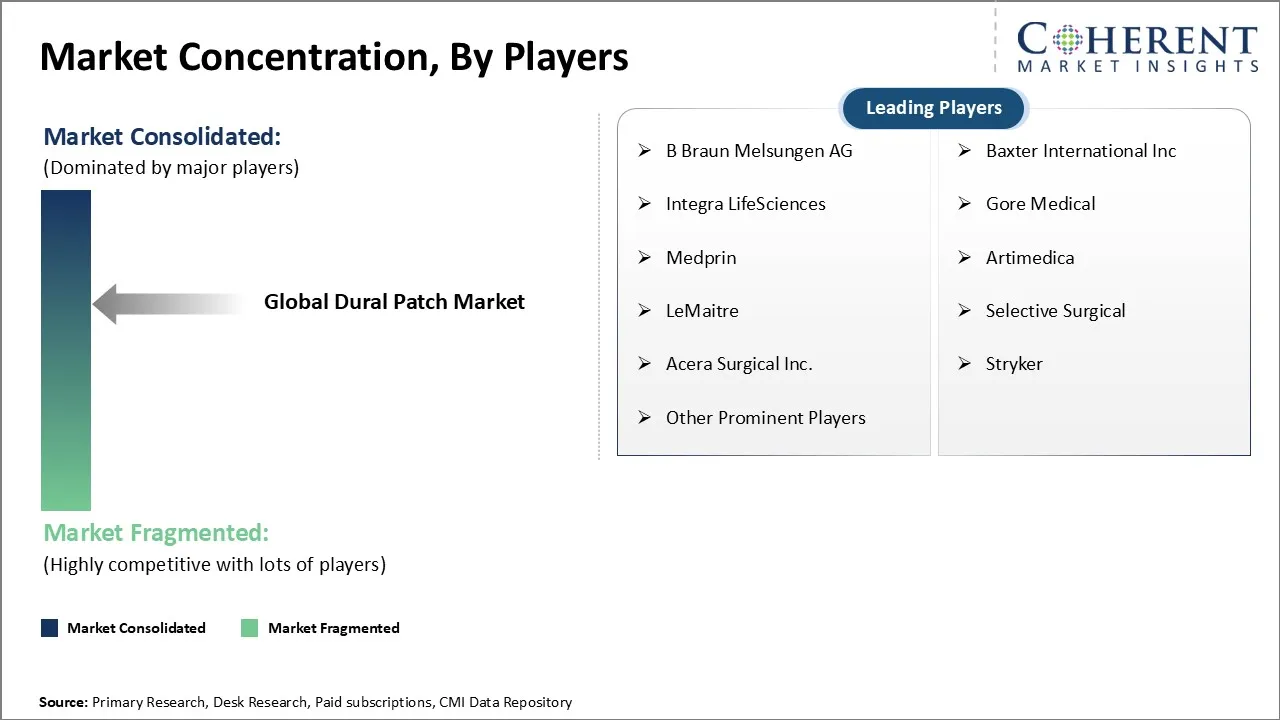
- Established players in the dural patch market, such as B Braun Melsungen AG, heavily invest in research and development (R&D) to create innovative, high-performance dural patch products that meet evolving clinical needs. These companies focus on developing advanced biomaterials and improving product efficacy, safety, and ease of use. To further strengthen their market position, they form strategic partnerships with major industry players, original equipment manufacturers (OEMs), and healthcare institutions.
- B Braun Melsungen AG offers a range of medical products, including dural patch solutions designed for neurosurgical procedures. Its dural patches are known for biocompatibility and providing effective sealing during dural repair surgeries.
- Mid-level players in the dural patch market tend to focus on offering cost-effective solutions that strike a balance between quality and affordability. These companies target price-sensitive customers, such as hospitals and clinics in developing regions, where financial constraints significantly influence purchasing decisions.
- Baxter International Inc. provides various surgical and medical solutions, including dural patch products that focus on sealing and protecting the dura mater in cranial and spinal surgeries, helping to prevent cerebrospinal fluid leaks.
- Small-scale players in the dural patch market often focus on niche segments, carving out competitive advantages by offering specialized products or highly innovative solutions. These companies typically leverage cutting-edge technologies, such as advanced biomaterials and customizable patch designs, to stand out despite having limited resources.
- Acera Surgical Inc. is known for offering innovative dural patch products made from advanced biomaterials, focusing on durability, biocompatibility, and ease of use in neurosurgical applications to ensure better patient outcomes.
Market Report Scope
Dural Patch Market Report Coverage
| Report Coverage | Details | ||
|---|---|---|---|
| Base Year: | 2025 | Market Size in 2026: | USD 604.3 Mn |
| Historical Data for: | 2020 To 2024 | Forecast Period: | 2026 To 2033 |
| Forecast Period 2026 to 2033 CAGR: | 7.5% | 2033 Value Projection: | USD 1002.5 Mn |
| Geographies covered: |
| ||
| Segments covered: |
| ||
| Companies covered: | B Braun Melsungen AG, Baxter International Inc, Integra LifeSciences, Gore Medical, Medprin, Artimedica, LeMaitre, Selective Surgical, Acera Surgical Inc., Stryker, and Other Prominent Players | ||
| Growth Drivers: |
| ||
| Restraints & Challenges: |
| ||
Dural Patch Market Dynamics
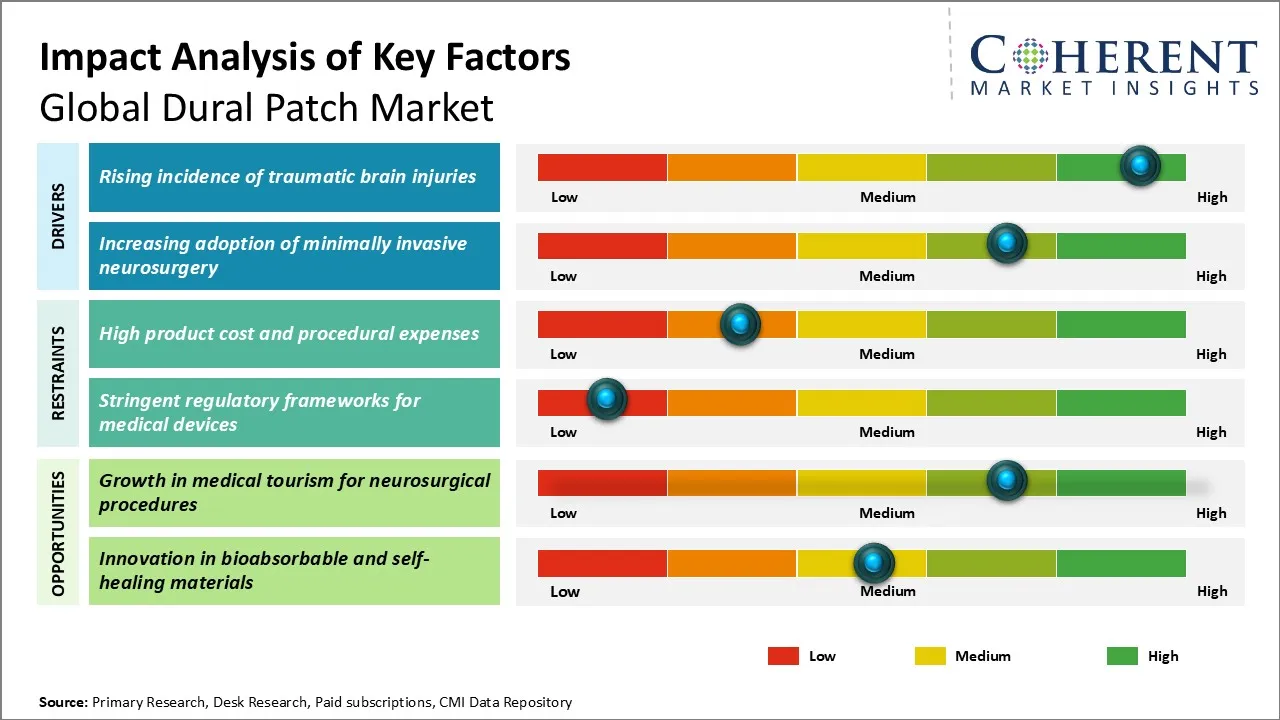
Dural Patch Market Driver - Rising Incidence of Traumatic Brain Injuries
The increasing prevalence of traumatic brain injuries (TBIs) worldwide significantly propels the demand for dural patches, which are critical in neurosurgical procedures for repairing dura mater defects. As road traffic accidents, sports-related injuries, and falls continue to contribute to the surge in TBIs, the necessity for effective surgical interventions to prevent complications such as cerebrospinal fluid leaks and infections intensifies. Dural patches, known for their biocompatibility and ability to promote tissue regeneration, have become essential in ensuring successful dura mater closure, minimizing postoperative complications, and accelerating patient recovery. Additionally, advancements in surgical techniques and growing awareness among healthcare professionals regarding the importance of dural repair further amplify the usage of these patches.
A recent report from Indian Head Injury Foundation highlights the alarming rise in traumatic brain injuries (TBI) worldwide, with the WHO predicting an 80% increase in developing countries and a 147% surge in TBI-related deaths in India by 2020. The global mortality rate due to TBIs stands at 97 per 1,000, with 70% of fatalities occurring in individuals under 45 years of age. In total, over 50 million people are injured every year, leading to 1.2 million deaths, while 3,300 deaths and 6,600 serious injuries are reported daily. These trends reflect the growing public health challenge posed by road traffic accidents, which contribute significantly to the rising incidence of TBI globally. This increasing burden on healthcare systems underscores the urgent need for improved prevention, treatment, and rehabilitation strategies, as emphasized by the WHO's Intersectoral Global Action Plan on Epilepsy and Neurological Disorders 2022-2031.
Dural Patch Market Opportunity - Growth in Medical Tourism for Neurosurgical Procedures
The expanding landscape of medical tourism presents a significant growth opportunity for the global dural patch market. Countries with advanced healthcare infrastructure and cost-effective neurosurgical services are attracting a rising number of international patients seeking treatment for neurological disorders, trauma, and spinal surgeries. As neurosurgical procedures often require dural repair to prevent cerebrospinal fluid leaks and enhance patient outcomes, the increased volume of such surgeries directly fuels demand for high-quality dural patches. Additionally, medical tourists frequently opt for cutting-edge materials such as synthetic and bioengineered dural substitutes available in reputed healthcare centers abroad, further driving market growth.
The preference for minimally invasive and complex neurosurgeries, combined with favorable reimbursement policies in emerging economies, encourages health systems to invest in innovative dural patch technologies to maintain competitive advantage. Moreover, growing awareness among patients about the benefits of advanced dural repair materials contributes to increased adoption rates. With healthcare providers enhancing their capabilities to cater to international patients through accreditation and streamlined services, the medical tourism sector is poised to be a key catalyst in expanding the global dural patch demand.
Analyst Opinion (Expert Opinion)
- The global dural patch market is poised for substantial growth, driven by the convergence of key factors, including advancements in bioabsorbable materials and the increasing demand for neurosurgical and spinal interventions. A noteworthy trend is the rise of bioabsorbable and composite dural patches, which are transforming patient recovery by minimizing complications and promoting faster healing. These innovations are particularly valuable given the aging population and the increasing prevalence of neurological and spinal disorders globally.
- However, while the market presents promising opportunities, there are notable challenges. The high cost of advanced materials, such as bioabsorbable patches, remains a significant barrier for widespread adoption, particularly in emerging economies. The complexity of regulatory processes adds another layer of difficulty, potentially delaying market entry for new products. Additionally, while technological advancements are encouraging, there is a clear need for continuous innovation to balance cost, quality, and effectiveness, which could ultimately drive broader acceptance of these products in both developed and developing markets.
- Emerging opportunities include the growing adoption of minimally invasive surgical procedures and the expansion of healthcare access in regions like Asia Pacific and Latin America. Recent conferences such as the World Neurosurgery Congress and The European Spine Society's Annual Meeting have highlighted innovations in surgical materials, including dural patches, providing a platform for knowledge exchange and technological showcases. Notable industry collaborations, such as partnerships between medical device manufacturers and research institutions, are driving innovation in dural patch technology. For example, bioabsorbable patches developed through joint efforts between academic institutions and healthcare companies are expected to revolutionize the market by addressing patient safety concerns and reducing the need for post-surgical interventions.
Speak to the analyst
Want personalized insights?
Take the findings above to one of our principal consultants, or have the report rebuilt around the segments, geographies and competitors you actually track.
Market Segmentation
- Type Insights (Revenue, USD Mn, 2021 - 2033)
- Synthetic Patches
- Polymers (e.g., PTFE, Polyester)
- Non-Absorbable Materials (e.g., Silicone)
- Biological Patches
- Collagen-Based
- Bovine Pericardium
- Porcine Tissue
- Acellular Dermal Matrix
- Absorbable Patches
- Hydrogel-Based
- Synthetic Absorbable Polymers (PLGA, PGA)
- Synthetic Patches
- Application Insights (Revenue, USD Mn, 2021 - 2033)
- Cranial Surgery
- Tumor Resection (Meningioma, Glioma)
- Traumatic Brain Injury (TBI) Repair
- Craniotomy or Craniectomy Duraplasty
- Treatment of Intracranial Hypertension
- Spinal Surgery
- Herniated Disc Repair
- Spinal Cord Injury Management
- Spinal Tumor Excision
- Treatment of Dural Tears in Spinal Fusion
- Other Vascular Surgery
- Cerebral Aneurysm Repair
- Carotid Endarterectomy etc.
- Cranial Surgery
- End User Insights (Revenue, USD Mn, 2021 - 2033)
- Hospitals
- Specialty Neurosurgery Clinics
- Emergency and Trauma Centers
- Ambulatory Surgical Centers (ASCs)
- Others (Research and Academic Institutes, etc.)
- Regional Insights (Revenue, USD Mn, 2021 - 2033)
- North America
- U.S.
- Canada
- Latin America
- Brazil
- Argentina
- Mexico
- Rest of Latin America
- Europe
- Germany
- U.K.
- Spain
- France
- Italy
- Russia
- Rest of Europe
- Asia Pacific
- China
- India
- Japan
- Australia
- South Korea
- ASEAN
- Rest of Asia Pacific
- Middle East
- GCC Countries
- Israel
- Rest of Middle East
- Africa
- South Africa
- North Africa
- Central Africa
- North America
- Key Players Insights
- B Braun Melsungen AG
- Baxter International Inc
- Integra LifeSciences
- Gore Medical
- Medprin
- Artimedica
- LeMaitre
- Selective Surgical
- Acera Surgical Inc.
- Stryker
- Other Prominent Players
Sources
Primary Research Interviews
- Surgeons and Neurosurgeons
- Hospital Administrators
- Medical Device Manufacturers
- Healthcare Providers
Government and International Databases
- World Health Organization (WHO)
- U.S. Food and Drug Administration (FDA)
- European Medicines Agency (EMA)
- National Institutes of Health (NIH)
- Centers for Disease Control and Prevention (CDC)
- World Bank
Trade Publications
- Journal of Neurosurgery
- Spine Journal
- Medical Device and Diagnostic Industry (MD+DI)
- BioPharm International
Academic Journals
- Journal of Clinical Neuroscience
- Neurosurgery Journal
- The Spine Journal
- Biomaterials Journal
- Journal of Biomedical Materials Research
Reputable Newspapers
- The New York Times
- The Wall Street Journal
- The Financial Times
- The Guardian
- Bloomberg
Industry Associations
- American Association of Neurological Surgeons (AANS)
- European Spine Society (ESS)
- American Medical Association (AMA)
- The Royal College of Surgeons (RCS)
- International Society for Neurosurgery (ISN)
Public Domain Resources
- U.S. National Library of Medicine
- National Center for Biotechnology Information (NCBI)
- European Commission Reports
- World Economic Forum Reports
Proprietary Elements
- CMI Data Analytics Tool: Proprietary analytics tool to analyze real-time market trends, consumer behavior, and technology adoption in market
- Proprietary CMI Existing Repository of Information for Last 8 Years
Get access to 250+ pages report
Every segment, forecast, competitor profile and data table behind the analysis above — available for instant download.
- ESOMAR Member
- ISO 9001:2015 Certified
- D-U-N-S Registered
- GDPR & CCPA Compliant
Missing comfort of reading report in your local language? Find your preferred language:
Transform your Strategy with Exclusive Trending Reports
Frequently Asked Questions
The global dural patch market is estimated to be valued at USD 604.3 Mn in 2026 and is expected to reach USD 1002.5 Mn by 2033.
The CAGR of the global dural patch market is projected to be 7.5% from 2026 to 2033.
Rising incidence of traumatic brain injuries and increasing adoption of minimally invasive neurosurgery are the major factors driving the growth of the global dural patch market.
High product cost and procedural expenses and stringent regulatory frameworks for medical devices are the major factors hampering the growth of the global dural patch market.
In terms of type, the synthetic patches segment is estimated to dominate the market revenue share in 2026
B Braun Melsungen AG, Baxter International Inc, Integra LifeSciences, Gore Medical, Medprin, Artimedica, LeMaitre, Selective Surgical, Acera Surgical Inc., Stryker, and other prominent players are the major players.
North America is expected to lead the global dural patch market in 2026.