

Global Fibroblast Growth Factor Receptor 2 Inhibitor Market Size and Forecast – 2026 To 2033
The global fibroblast growth factor receptor 2 inhibitor market is expected to grow from USD 196.3 Mn in 2026 to USD 554.0 Mn by 2033, registering a compound annual growth rate (CAGR) of 16.0% from 2026 to 2033. The market for fibroblast growth factor receptor 2 inhibitors is poised for significant expansion, fueled by the rising incidence of FGFR2-altered cancers, particularly cholangiocarcinoma, and the increasing adoption of precision oncology.
According to the National Cancer Institute (SEER Program), 42,340 new cases of liver and intrahepatic bile duct cancer are estimated in the U.S. in 2026, accounting for 2.0% of all new cancer cases, underscoring the growing need for targeted therapies and molecularly guided treatment approaches.
(Source: National Cancer Institute)
Key Takeaways of the Global Fibroblast Growth Factor Receptor 2 Inhibitor Market
- Pemigatinib is projected to hold 51.7% of the global fibroblast growth factor receptor 2 inhibitor market share in 2026, making it the dominant drug segment, across North America due to its early regulatory approval and widespread adoption for FGFR2 fusion-positive cholangiocarcinoma. For instance, in April 2020, the U.S. Food and Drug Administration (FDA) granted accelerated approval to PEMAZYRE (pemigatinib) for previously treated, unresectable locally advanced or metastatic cholangiocarcinoma with an FGFR2 fusion or rearrangement, supporting its continued clinical uptake.
- Cholangiocarcinoma is projected to hold 88.0% of the global fibroblast growth factor receptor 2 inhibitor market share in 2026, making it the dominant indication segment across Europe due to expanding regulatory access to FGFR2-targeted therapies. For instance, the European Medicines Agency (EMA) has authorized Pemazyre (pemigatinib) for adults with locally advanced or metastatic cholangiocarcinoma harboring FGFR2 fusions or rearrangements after prior therapy, reinforcing the adoption of biomarker-driven treatment in the region.
- Hospitals are projected to hold 31.4% of the global fibroblast growth factor receptor 2 inhibitor market share in 2026, making it the dominant end user segment, across Asia Pacific due to the concentration of specialized oncology hospitals and expanding access to precision oncology. For instance, Japan's Ministry of Health, Labour and Welfare (MHLW) approved TASFYGO (tasurgratinib succinate) in 2024 for patients with FGFR2 fusion- or rearrangement-positive biliary tract cancer, reinforcing the role of hospitals as the primary settings for molecular diagnosis and administration of FGFR2-targeted therapies.
- North America maintains its dominance with an expected share of 51.0% in 2026, bolstered by the widespread adoption of precision oncology, established reimbursement systems, and routine molecular profiling for cancer patients. For instance, the National Comprehensive Cancer Network (NCCN) recommends FGFR2 fusion testing for patients with unresectable or metastatic cholangiocarcinoma to guide targeted therapy selection, supporting the continued uptake of FGFR2 inhibitors across the region.
- Asia Pacific is expected to exhibit the fastest growth with an estimated contribution of 23.1% share in 2026, driven by expanding access to genomic testing, increasing investments in precision oncology, and improving cancer care infrastructure. For instance, in June 2023, China's National Medical Products Administration (NMPA) approved LYTGOBI (futibatinib) for adults with previously treated, unresectable, locally advanced or metastatic intrahepatic cholangiocarcinoma harboring FGFR2 gene fusions or rearrangements, accelerating regional adoption of FGFR2-targeted therapies.
- Expansion of Companion Diagnostic Ecosystem: The increasing availability of FGFR2 companion diagnostics is improving the identification of patients eligible for targeted therapies, thereby accelerating the clinical adoption of FGFR2 inhibitors. Growing integration of comprehensive genomic profiling into routine oncology practice is enabling earlier detection of FGFR2 alterations and supporting precision treatment decisions across major cancer centers.
- Expansion into Earlier Lines of Therapy: The clinical evaluation of FGFR2 inhibitors in first-line treatment settings presents a significant growth opportunity for market participants. Expanding their use beyond previously treated patients could substantially increase the eligible patient population and improve treatment outcomes. Positive results from ongoing clinical trials are expected to support label expansions and drive broader commercial adoption of FGFR2-targeted therapies.
Segmental Insights
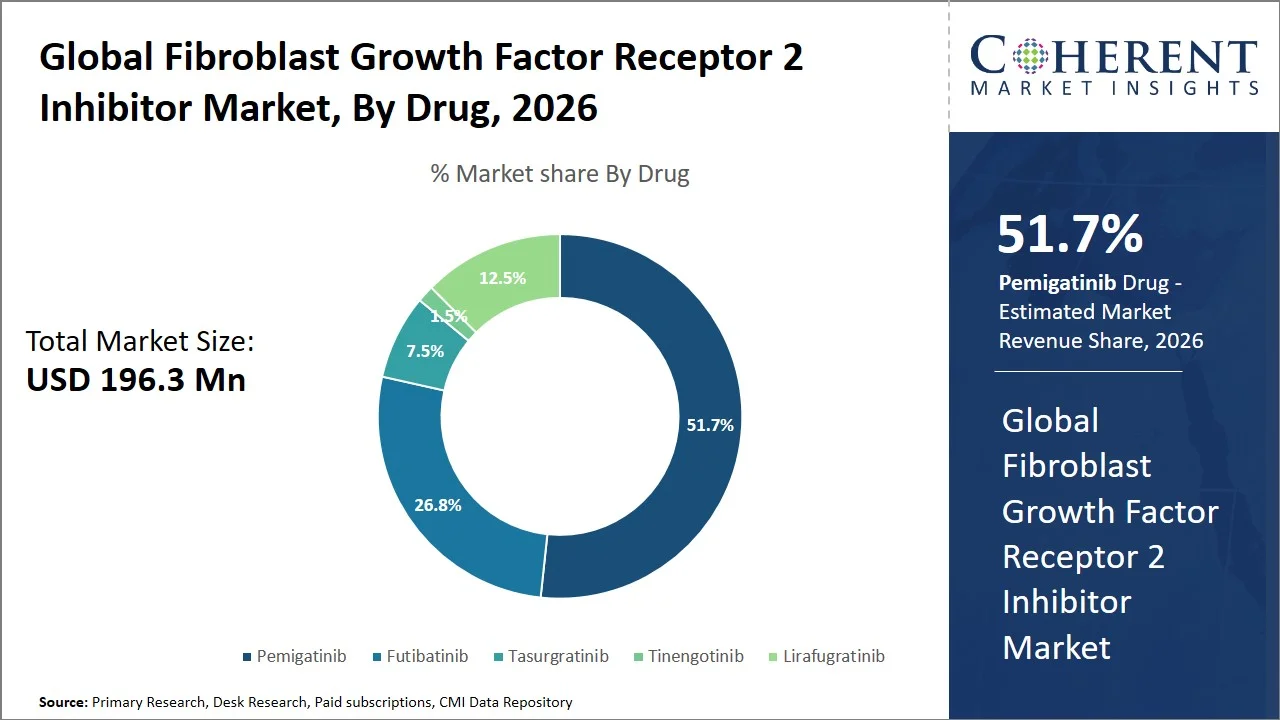
Why Does Pemigatinib Dominate the Global Fibroblast Growth Factor Receptor 2 Inhibitor Market?
Pemigatinib is projected to hold a market share of 51.7% in 2026, because of the existing clinical superiority, widespread regulatory presence, and the deep penetration of Pemigatinib for FGFR2 fusion positive cholangiocarcinoma (CCC). This clinical efficacy and integration into the biomarker-driven algorithms further supports prescriber and commercial uptake by Pemigatinib. For instance, in September 2021, Health Canada has issued conditional approval of PEMAZYRE (pemigatinib) as the first targeted therapy to be approved in adults with previously treated locally advanced or metastatic cholangiocarcinoma harboring FGFR2 fusions or rearrangements, expanding upon its ongoing commercial roll-out in multiple territories worldwide. (Source: CheckOrphan)
- Current Industry Events of 2026
- Market Size Estimation
- Regional Breakdown
- Competitive Landscape
- Customer Intelligence
- Segmental Analysis
- Pricing Analysis
- Key Market Drivers, Challenges & Future Trends
- Customized Insights Section
Why Does Cholangiocarcinoma Represent the Largest Indication Segment in the Fibroblast Growth Factor Receptor 2 Inhibitor Market?
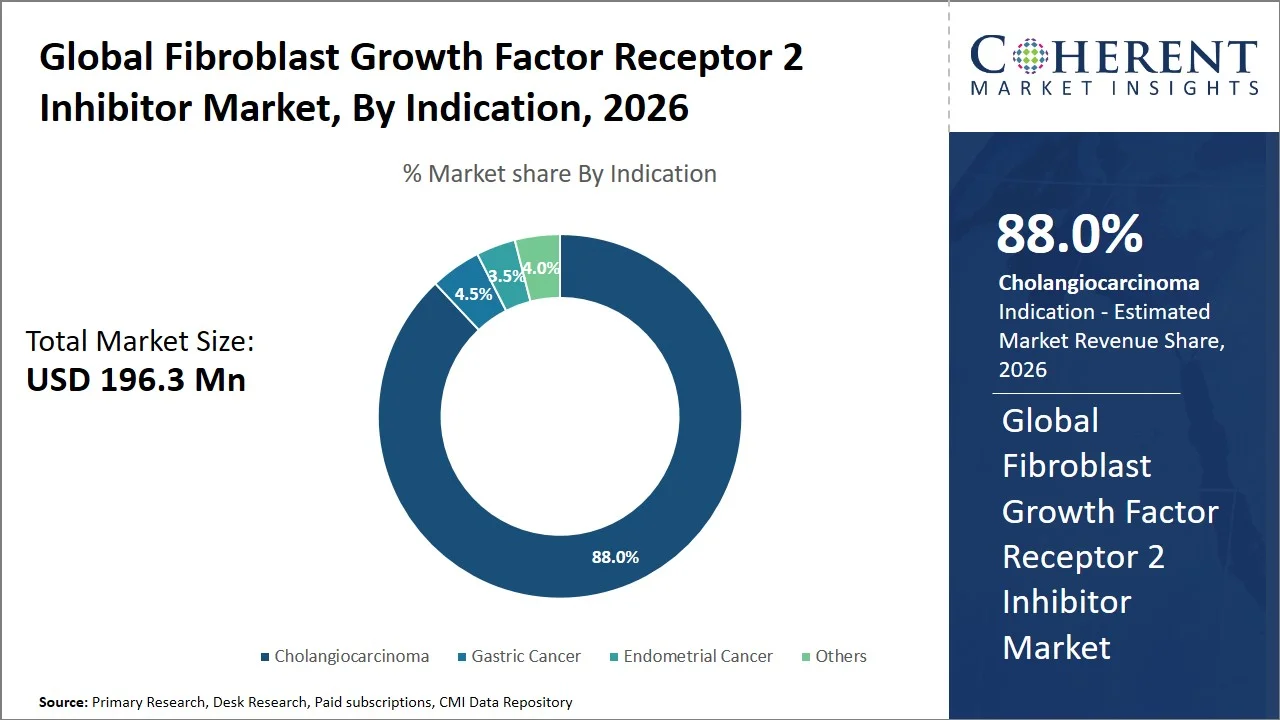
Cholangiocarcinoma is projected to hold a market share of 88.0% in 2026, due to the high proportion of actionable FGFR2 fusions within the population and the limited targeted therapy options in cholangiocarcinoma that represents a relatively poor-prognosis disease. Molecular profiling is becoming a part of standard practice contributing to early identification of eligible patient to the FGFR2 inhibition-based treatment approach. Also, increasing developments in precision oncology guidelines contribute to the increase usage of FGFR2 inhibitors in disease. For instance, in January 2025, ESMO updated and expanded the current Clinical Practice Guideline for Biliary Tract Cancer, providing recommendations on a broad range of issues including the use of detailed molecular profiling, and expanding on the options for first-line treatment options. There are also updated recommendations for second line target therapy in a range of groups, including FGFR2 fusion-positive cholangiocarcinoma. (Source: ESMO Open)
Hospitals Segment Dominates the Global Fibroblast Growth Factor Receptor 2 Inhibitor Market
The hospitals segment is projected to hold a market share of 31.4% in 2026, owing to their capacity of encompassing molecular diagnostics, multidisciplinary cancer care, infusion services, and continuous safety vigilance under one roof. These also work as a central node for delivering targeted therapeutics and recruiting patient to clinical trials of precision oncology. For instance, the U.S. National Cancer Institute's National Clinical Trials Network (NCTN) performs research trials, called precision oncology trials at NCIs network of cancer facilities and research and treatment sites; as well as research with various private hospitals and community clinics to underscore the role of these institutions in studying these targeted agents, such as the FGFR2 inhibitors. (Source: National Cancer Institute)
Currents Events and their Impact
Current Events | Description and its Impact |
U.S. FDA Strengthens Companion Diagnostic–Driven Oncology Approvals (September 2025) |
|
China's New Drug Regulatory Framework Accelerates Innovative Medicine Development (April 2026) |
|
(Source: Frontiers, Precision Medicine Group, LLC)
Fibroblast Growth Factor Receptor 2 Inhibitor Market Dynamics
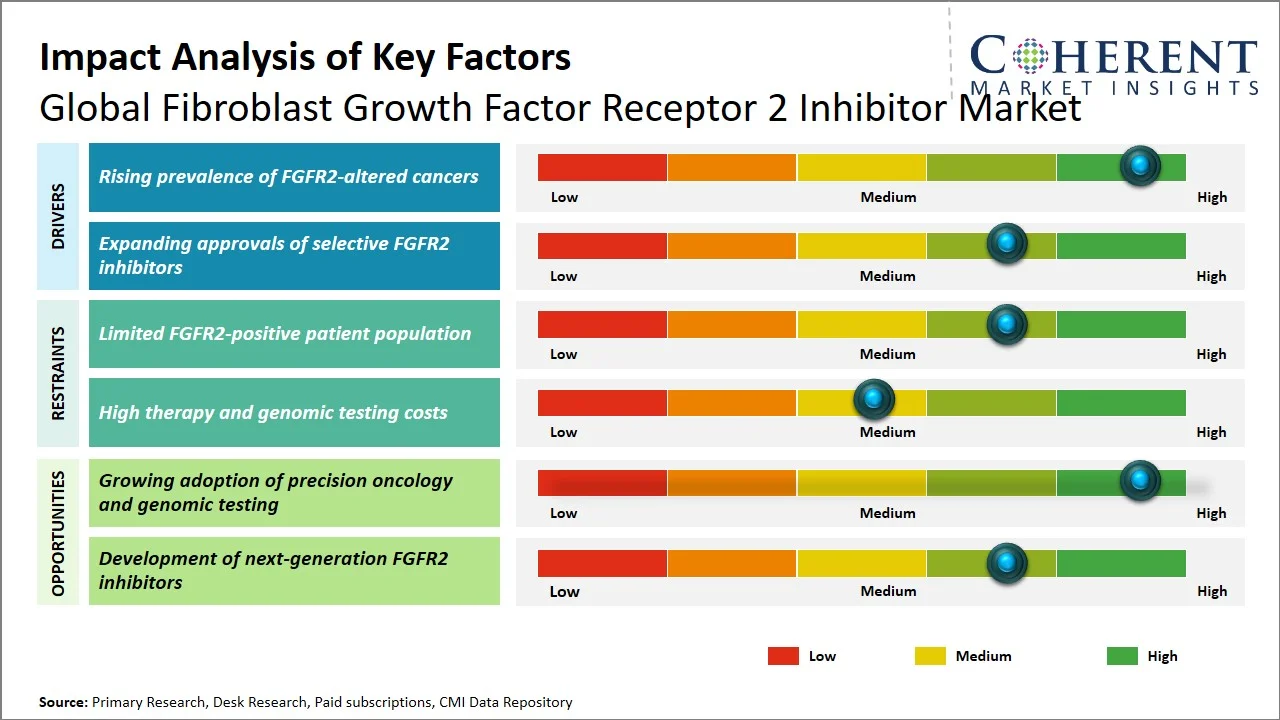
Market Drivers
- Rising prevalence of FGFR2-altered cancers
The increasing prevalence of FGFR2-altered malignancies, particularly intrahepatic cholangiocarcinoma, is expanding the addressable patient population for FGFR2-targeted therapies. Advances in comprehensive genomic profiling are enabling routine identification of FGFR2 gene fusions and rearrangements, facilitating biomarker-driven treatment selection in clinical practice. For instance, in July 2024, a clinical study published in National Library of Medicine, reported that FGFR2 fusions are present in approximately 10–15% of patients with intrahepatic cholangiocarcinoma, reinforcing the clinical importance of FGFR2-targeted therapies and supporting continued demand for selective FGFR2 inhibitors.
- Expanding approvals of selective FGFR2 inhibitors
Regulatory approvals for selective FGFR inhibitors are validating FGFR2 as a clinically actionable target and accelerating the adoption of precision oncology. Expanding label approvals across major markets are improving patient access to biomarker-driven therapies while encouraging continued investment in next-generation FGFR2 inhibitors. For instance, in July 2023, the European Commission granted marketing authorization to LYTGOBI (futibatinib) for adults with previously treated, unresectable or metastatic cholangiocarcinoma harboring FGFR2 gene fusions or rearrangements, expanding treatment availability across the European Union.
Emerging Trends
- Development of Highly Selective Next-Generation FGFR2 Inhibitors
Drug developers are increasingly focusing on highly selective FGFR2 inhibitors designed to minimize off-target FGFR1 and FGFR4 inhibition while overcoming acquired resistance mutations. This trend is expected to improve safety profiles, extend treatment durability, and support expansion into earlier lines of therapy.
- Integration of Comprehensive Genomic Profiling into Treatment Pathways
Comprehensive genomic profiling is becoming a standard component of oncology workflows, enabling routine identification of FGFR2 gene fusions and rearrangements before treatment initiation. This trend is expanding the pool of eligible patients and accelerating the adoption of biomarker-driven FGFR2-targeted therapies across clinical practice.
Regional Insights
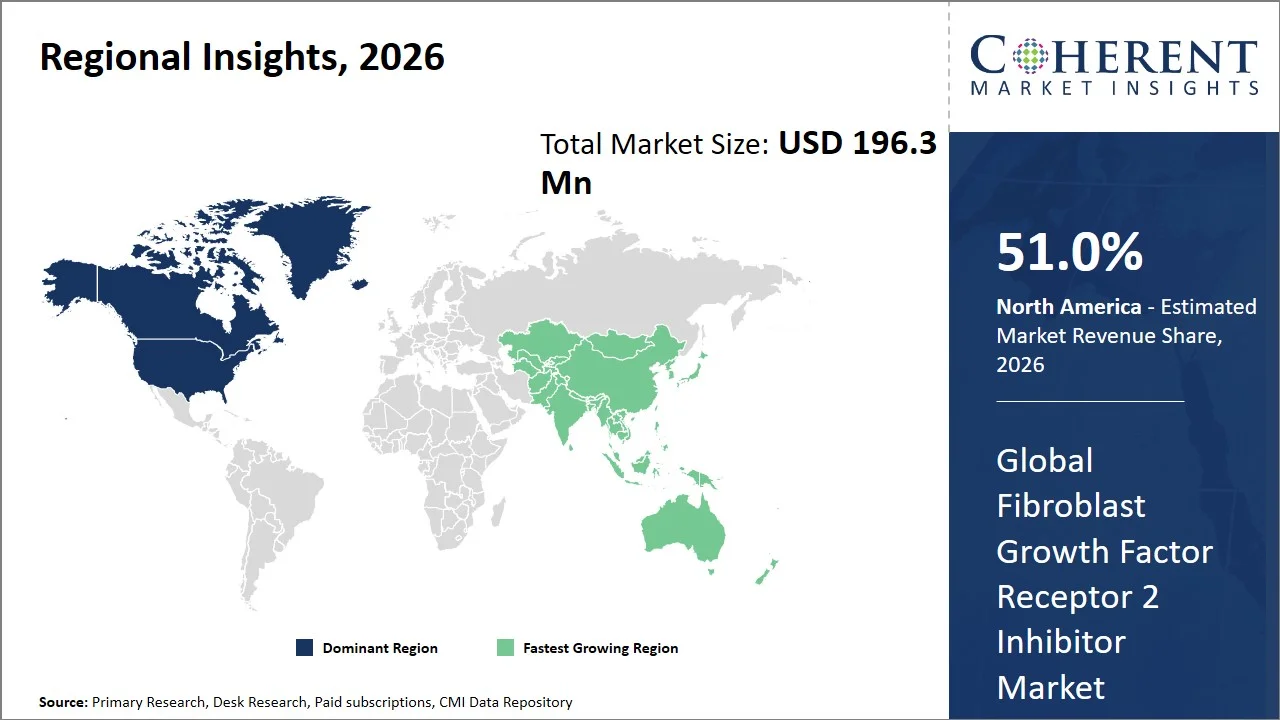
Why is North America a Strong Market for Fibroblast Growth Factor Receptor 2 Inhibitors?
North America leads the global fibroblast growth factor receptor 2 inhibitor market, accounting for an estimated 51.0% share in 2026, owing to its sophisticated precision oncology ecosystem, growing utilization of molecular diagnostics, and substantial oncology clinical trial expertise. Moreover, the favorable government policies & funding programs for oncology R&D, genomic medicine, and personalized cancer therapy drive the implementation of novel diagnostic tests and therapies. For instance, the U.S. Advanced Research Projects Agency for Health (ARPA-H) under the Cancer Moonshot initiative introduced the Advanced Analysis for Precision Cancer Therapy (ADAPT) program in March 2024. The program intends to drive forward precision oncology and promote the use of data-driven adaptive approaches to guide cancer therapy. (Source: ARPA-H) Furthermore, stringent regulatory environment, the increased enrollment of patients in cancer clinical trials, and the broad integration of genomic testing into cancer clinical practice further propel the region to remain dominant in the fibroblast growth factor receptor 2 inhibitor market.
Why Does the Asia Pacific Fibroblast Growth Factor Receptor 2 Inhibitor Market Exhibit High Growth?
The Asia Pacific fibroblast growth factor receptor 2 inhibitor market is expected to exhibit the fastest growth with an estimated contribution of 23.1% share to the global market in 2026, due to enhanced precision oncology infrastructure, an increase in genomic testing and rise in incidence of FGFR2-altered cancers. Furthermore, Asia Pacific benefits from government policies that drive biopharmaceutical innovation, domestic drug development as well as translational cancer research that fast-track targeted therapeutics’ clinical development. For instance, the Ministry of Health, Labour and Welfare (MHLW) in Japan announced the ‘Action Plan for Whole Genome Analysis 2022’, a framework for building a genome cancer treatment system and conducting comprehensive whole genome analysis in clinical settings to enhance the base for biomarker targeted therapies including FGFR2 inhibitors. (Source: Ministry of Health, Labour and Welfare) Moreover, growth in enrolment for oncology clinical trials globally and enhanced accessibility to biomarker-based therapies are also propelling adoption of FGFR2 inhibitors in the region.
Global Fibroblast Growth Factor Receptor 2 Inhibitor Market Outlook for Key Countries
Why is the U.S. Leading Innovation and Adoption in the Fibroblast Growth Factor Receptor 2 Inhibitor Market?
The U.S. dominates the fibroblast growth factor receptor 2 inhibitor market supported by rising investment in biomarker-directed drug discovery approaches and an extensive pipeline of selective FGFR2-targeted molecules. The U.S. is the preferred country for all first-in-human and registrational clinical trials that assess investigational FGFR2 inhibitors, bringing these candidate drugs to market more rapidly. Furthermore, widespread utilization of companion diagnostics in cancer clinics supports patient recruitment as well as enabling early clinical acceptance and market adoption of FGFR2 inhibitors.
Is Japan a Favorable Market for Fibroblast Growth Factor Receptor 2 Inhibitors?
Japan is one of the most promising markets for the fibroblast growth factor receptor 2 inhibitor market, driven by the early adoption and strong emphasis on biomarker-guided cancer therapy as well as rapid regulatory approvals and access expansion of genomic profiling in oncology. Furthermore, domestic innovation in FGFR2 inhibitor candidates and significant involvement in the global development and expansion programs further reinforce Japan's significance as a major commercialization opportunity for future pipeline.
Is China Emerging as a Key Growth Hub for the Fibroblast Growth Factor Receptor 2 Inhibitor Market?
China is positioned as a key growth hub in the global fibroblast growth factor receptor 2 inhibitor market due to growing adoption of next-generation sequencing (NGS) technologies, increasing rate of progression in precision oncology and substantial pipeline of internally discovered targeted drugs. Several biopharmaceutical companies (such as TransThera Biosciences Co., Ltd., Jacobio Pharmaceuticals Group Co., Ltd., and CSPC Pharmaceutical Group Limited) are progressing selective FGFR2 inhibitors into their pipeline for clinical development. China is increasingly participating in the ongoing global oncology clinical trials, resulting in quicker developments. In addition, increase in investment in biomarker driven drug discoveries and introduction of genomic testing in oncology is predicted to amplify China's contribution to the global fibroblast growth factor receptor 2 inhibitor market.
Why Does Germany Top the European Fibroblast Growth Factor Receptor 2 Inhibitor Market?
Germany is the leader in the European market for fibroblast growth factor receptor 2 inhibitors owing to the extensive adoption of comprehensive genomic profiling for the diagnosis and treatment of biomarkers’ based on the specific tumor mutation. The country’s extensive engagement in clinical trials offers great capacity for the successful assessment of new targeted therapies. The nation’s existing expertise and its solid pharmaceutical research network in precision oncology and cancer have helped solidify Germany’s dominant position.
Is Fibroblast Growth Factor Receptor 2 Inhibitor Market Developing in India?
India is a high-potential market for fibroblast growth factor receptor 2 inhibitor supported by the increasing adoption of molecular diagnostics, next-generation sequencing (NGS), particularly in premier oncology treatment hubs. An increasing number of FGFR2 altered cancer patients in India now participate in international clinical trials gaining early access to targeted therapies. Future growth in the region will be bolstered by ongoing investment in precision oncology ecosystem, as well as marker-based approach to cancer.
Product Innovation Landscape in the Global Fibroblast Growth Factor Receptor 2 Inhibitor Market
Drug Candidate | Company | Key Innovation | Development Status (2026) |
Pemigatinib (PEMAZYRE) | Incyte Corporation | First approved targeted FGFR inhibitor for FGFR2 fusion- or rearrangement-positive cholangiocarcinoma | Commercialized |
LYTGOBI (futibatinib) | Taiho Pharmaceutical Co., Ltd. | Irreversible FGFR1–4 inhibitor designed to overcome selected FGFR resistance mutations | Commercialized |
TASFYGO (tasurgratinib succinate) | Eisai Co., Ltd. | Selective FGFR2 inhibitor for FGFR2 fusion- or rearrangement-positive biliary tract cancer | Commercialized (Japan) |
Lirafugratinib (RLY-4008) | Relay Therapeutics, Inc. | Highly selective FGFR2 inhibitor engineered to minimize off-target FGFR1/FGFR4 inhibition | Late-stage Clinical Development |
Tinengotinib (TT-00420) | TransThera Biosciences Co., Ltd. | Next-generation multi-kinase inhibitor with FGFR inhibitory activity for FGFR-altered solid tumors | Clinical Development |
How is the growing adoption of precision oncology and genomic testing creating new growth opportunities in the fibroblast growth factor receptor 2 inhibitor market?
The effective detection of FGFR2 fusions and rearrangements allows for identification of patient populations likely to respond to FGFR2 inhibitors, which represents a significant opportunity for molecular diagnostics to drive market growth. Adoption of routine clinical genomic profiling in oncology broadens the addressed patient population and enables a proactive approach to therapy selection in biomarker-driven cancer types. Furthermore, expanded regulatory and health technology approval pathways for next-generation molecular diagnostics will facilitate rapid adoption of precision oncology and provide for the successful commercial launch of FGFR2-directed inhibitors. For instance, in July 2024, the U.S. Food & Drug Administration approved Guardant Health’s Shield test as the first blood-based primary screening test for colorectal cancer (CRC). The U.S. FDA’s approval is an indicative of the broader acceptance of genomic testing by regulatory bodies, and adds to the accelerating trend toward precision oncology technologies. (Source: Guardant Health, Inc.)
Market Players, Key Development, and Competitive Intelligence
Key Developments
- In December 2024, Relay Therapeutics, Inc. and Elevar Therapeutics announced an exclusive global licensing agreement for lirafugratinib, a highly selective FGFR2 inhibitor, for the treatment of FGFR2-driven cholangiocarcinoma and other solid tumors. The partnership is expected to accelerate the global clinical development and commercialization of lirafugratinib, strengthening the pipeline of targeted therapies for FGFR2-altered cancers.
- In November 2024, Eisai Co., Ltd. launched TASFYGO (tasurgratinib succinate) Tablets 35 mg in Japan for the treatment of unresectable biliary tract cancer with FGFR2 gene fusions or rearrangements following prior chemotherapy. The launch broadens the availability of targeted treatment options for FGFR2-positive cholangiocarcinoma and reinforces the growing commercialization of precision oncology therapies in the FGFR2 inhibitor market.
Competitive Landscape
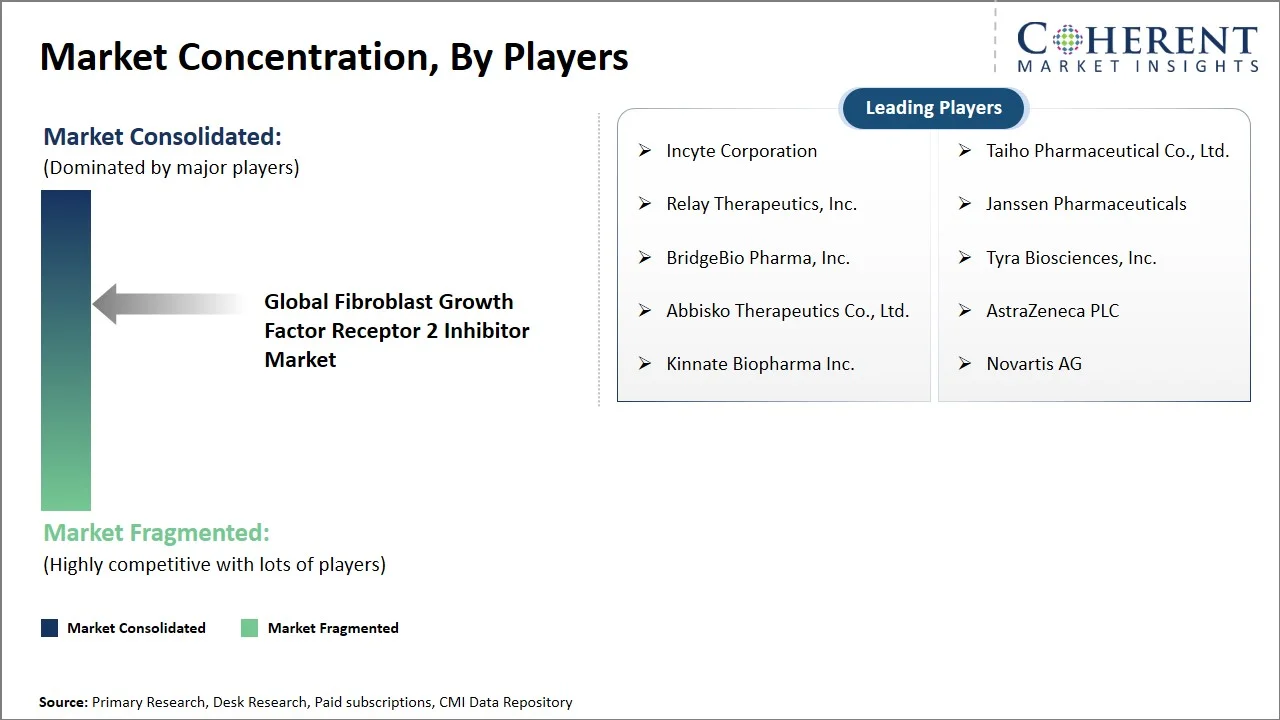
The global fibroblast growth factor receptor 2 inhibitor market is moderately consolidated, and the competition mainly relies on the development of highly selective FGFR2 inhibitors, extension of the approved indication and broadening of the precision oncology pipelines. The market players are increasingly investing in clinical trials, strategic licensing deals and obtaining necessary approvals to extend their presence in the international market. Partnerships with the companion diagnostics organizations is another trend, and these organizations are looking for opportunities to expand companion diagnostics and genomic testing in the world. Key focus areas include:
- Development of next-generation selective FGFR2 inhibitors with improved efficacy and resistance profiles
- Expansion of clinical indications through combination therapies and earlier lines of treatment
- Strategic licensing, partnerships, and regulatory approvals to strengthen global commercialization
- Integration of companion diagnostics and genomic testing to improve patient identification and treatment selection
Market Report Scope
Fibroblast Growth Factor Receptor 2 Inhibitor Market Report Coverage
| Report Coverage | Details | ||
|---|---|---|---|
| Base Year: | 2025 | Market Size in 2026: | USD 196.3 Mn |
| Historical Data for: | 2020 To 2024 | Forecast Period: | 2026 To 2033 |
| Forecast Period 2026 to 2033 CAGR: | 16.0% | 2033 Value Projection: | USD 554.0 Mn |
| Geographies covered: |
| ||
| Segments covered: |
| ||
| Companies covered: | Incyte Corporation, Taiho Pharmaceutical Co., Ltd., Relay Therapeutics, Inc., Janssen Pharmaceuticals, BridgeBio Pharma, Inc., Tyra Biosciences, Inc., Abbisko Therapeutics Co., Ltd., AstraZeneca PLC, Kinnate Biopharma Inc., and Novartis AG | ||
| Growth Drivers: |
| ||
| Restraints & Challenges: |
| ||
Analyst Opinion (Expert Opinion)
- The fibroblast growth factor receptor 2 inhibitor market is expected to transition from a niche oncology segment to a broader precision oncology market as next-generation selective inhibitors, companion diagnostics, and combination therapies gain regulatory approvals. Future growth will be driven by expanding indications beyond cholangiocarcinoma into gastric, endometrial, and other FGFR2-altered solid tumors, supported by increasing adoption of genomic profiling.
- The maximum opportunities will probably exist within cholangiocarcinoma treatment across Asia Pacific, particularly Japan, where the disease burden is relatively high, molecular testing is increasingly adopted, and regulatory support for FGFR2-targeted therapies continues to strengthen. Over the long term, emerging opportunities are also expected in first-line treatment settings and additional FGFR2-driven malignancies.
- In order to obtain a competitive advantage, market participants should prioritize the development of next-generation FGFR2 inhibitors capable of overcoming acquired resistance, expand companion diagnostic collaborations to improve patient identification, and pursue strategic licensing partnerships and geographic expansion in high-growth Asian markets. Investing in label expansions through combination therapy and earlier-line clinical trials will further strengthen long-term market positioning.
Speak to the analyst
Want personalized insights?
Take the findings above to one of our principal consultants, or have the report rebuilt around the segments, geographies and competitors you actually track.
Market Segmentation
- Drug Insights (Revenue, USD Mn, 2021 - 2033)
- Pemigatinib
- Futibatinib
- Tasurgratinib
- Tinengotinib
- Lirafugratinib
- Indication Insights (Revenue, USD Mn, 2021 - 2033)
- Cholangiocarcinoma
- Gastric Cancer
- Endometrial Cancer
- Others
- End User Insights (Revenue, USD Mn, 2021 - 2033)
- Hospitals
- Specialty Clinics
- Cancer Centers
- Others
- Regional Insights (Revenue, USD Mn, 2021 - 2033)
- North America
- U.S.
- Canada
- Latin America
- Brazil
- Argentina
- Mexico
- Rest of Latin America
- Europe
- Germany
- U.K.
- Spain
- France
- Italy
- Russia
- Rest of Europe
- Asia Pacific
- China
- India
- Japan
- Australia
- South Korea
- ASEAN
- Rest of Asia Pacific
- Middle East
- GCC Countries
- Israel
- Rest of Middle East
- Africa
- South Africa
- North Africa
- Central Africa
- North America
- Key Players Insights
- Incyte Corporation
- Taiho Pharmaceutical Co., Ltd.
- Relay Therapeutics, Inc.
- Janssen Pharmaceuticals
- BridgeBio Pharma, Inc.
- Tyra Biosciences, Inc.
- Abbisko Therapeutics Co., Ltd.
- AstraZeneca PLC
- Kinnate Biopharma Inc.
- Novartis AG
Sources
Primary Research Interviews
- Medical oncologists specializing in hepatobiliary cancers and precision oncology
- Gastrointestinal oncology specialists treating cholangiocarcinoma patients
- Molecular pathologists and genomic diagnostics specialists involved in FGFR2 testing
- Hospital pharmacy directors and oncology procurement managers
- Clinical researchers and principal investigators involved in FGFR2 inhibitor clinical trials
- Regulatory and medical affairs professionals from FGFR2 inhibitor manufacturers
- Executives and product managers from oncology pharmaceutical and biotechnology companies
Stakeholders
- Fibroblast Growth Factor Receptor 2 (FGFR2) inhibitor manufacturers
- Companion diagnostic and molecular diagnostics companies
- Contract development and manufacturing organizations (CDMOs)
- Healthcare distributors and specialty pharmaceutical distributors
- End-Use Sectors
- Hospitals
- Specialty oncology clinics
- Comprehensive cancer centers
- Academic and research institutes
- Regulatory & Health Bodies
- U.S. Food and Drug Administration (FDA)
- European Medicines Agency (EMA)
- Pharmaceuticals and Medical Devices Agency (PMDA), Japan
- National Medical Products Administration (NMPA), China
- National Comprehensive Cancer Network (NCCN)
Databases
- FDA Drugs@FDA Database
- European Medicines Agency (EMA) Medicines Database
- ClinicalTrials.gov
- WHO Global Cancer Observatory (GCO)
- National Cancer Institute (NCI) SEER Program
- OECD Health Statistics
- World Bank Health Indicators Database
Magazines
- BioPharma Dive
- Fierce Pharma
- Genetic Engineering & Biotechnology News (GEN)
- Drug Discovery Today
- Pharmaceutical Executive
Journals
- Journal of Clinical Oncology
- The Lancet Oncology
- Nature Reviews Clinical Oncology
- Clinical Cancer Research
- JCO Precision Oncology
Newspapers
- The Wall Street Journal
- Financial Times
- USA Today
- The New York Times
- The Guardian
Associations
- American Society of Clinical Oncology (ASCO)
- European Society for Medical Oncology (ESMO)
- American Association for Cancer Research (AACR)
- European Association for Cancer Research (EACR)
- Cholangiocarcinoma Foundation
- National Comprehensive Cancer Network (NCCN)
Public Domain Sources
- World Health Organization (WHO) – Global Cancer Observatory (GCO)
- National Cancer Institute (NCI) – Surveillance, Epidemiology, and End Results (SEER) Program
- U.S. Food and Drug Administration (FDA) – Drugs@FDA & Oncology Center of Excellence
- European Medicines Agency (EMA) – Human Medicines Database
- Pharmaceuticals and Medical Devices Agency (PMDA), Japan – Drug Approval Database
- ClinicalTrials.gov – U.S. National Library of Medicine
- National Comprehensive Cancer Network (NCCN) – Clinical Practice Guidelines in Oncology
- International Agency for Research on Cancer (IARC) – Global Cancer Statistics
Proprietary Elements
- CMI Data Analytics Tool
- Proprietary CMI Existing Repository of information for last 10 years.
Get access to 250+ pages report
Every segment, forecast, competitor profile and data table behind the analysis above — available for instant download.
- ESOMAR Member
- ISO 9001:2015 Certified
- D-U-N-S Registered
- GDPR & CCPA Compliant
Missing comfort of reading report in your local language? Find your preferred language:
Transform your Strategy with Exclusive Trending Reports
Frequently Asked Questions
The global fibroblast growth factor receptor 2 inhibitor market is estimated to be valued at USD 196.3 Mn in 2026 and is expected to reach USD 554.0 Mn by 2033.
Pemigatinib dominate due to its first-mover advantage, broad regulatory approvals, established clinical efficacy in FGFR2 fusion-positive cholangiocarcinoma, and wider commercial availability across major markets.
FGFR2 inhibitors are targeted anticancer therapies that selectively block aberrant FGFR2 signaling pathways in tumors harboring FGFR2 gene alterations, thereby inhibiting cancer cell growth and progression.
The CAGR of the global fibroblast growth factor receptor 2 inhibitor market is projected to be 16.0% from 2026 to 2033.
The CAGR of the global fibroblast growth factor receptor 2 inhibitor market is projected to be 16.0% from 2026 to 2033.
Limited FGFR2-positive patient population, and high therapy and genomic testing costs are the major factors hampering the growth of the global fibroblast growth factor receptor 2 inhibitor market.
In terms of end user, hospitals are estimated to dominate the market revenue share in 2026.