

Global Ethical Pharmaceuticals Market Size and Forecast — 2026-2033
The ethical pharmaceuticals market is estimated to be valued at USD 5.82 Bn in 2026 and is expected to reach USD 11.86 Bn by 2033, growing at a compound annual growth rate (CAGR) of 10.7% from 2026 to 2033.
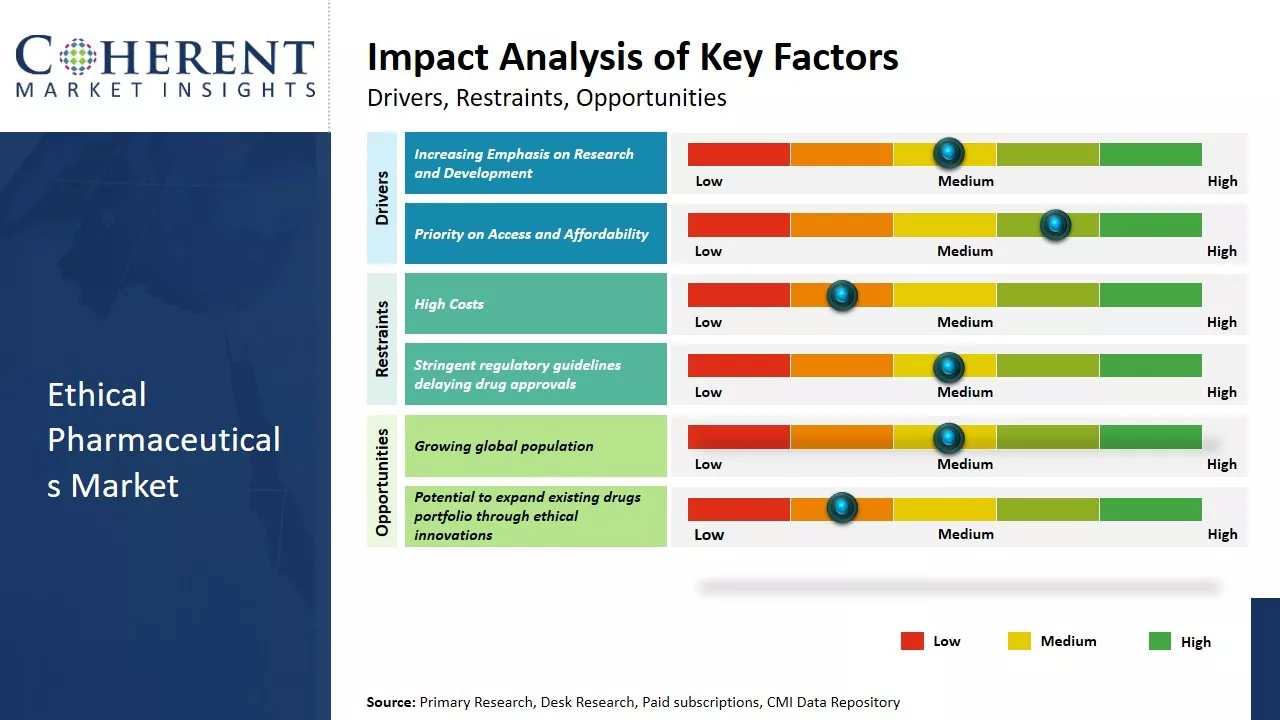
The market has been witnessing steady growth over the past few years, and this growth is expected to continue over the forecast period due to rising healthcare expenditure and increasing demand for generic drugs globally. The market is driven by factors such as the increasing global prevalence of chronic and infectious diseases, rapid growth in the geriatric population, rising healthcare expenditure, and patent cliffs of many blockbuster drugs. However, strict regulations surrounding drug development and pricing pressures in various countries are some of the challenges restraining the growth of this .
Increasing emphasis on research and development
The ethical pharmaceuticals market has been witnessing rising investments in research and development from major players over the past few years. Companies in this market recognize that continued innovations are critical to meeting the evolving needs of patients and caregivers. They are pouring more resources into developing new drug entities and therapies for treating complicated diseases. Significant time and financial capital are invested in conducting rigorous clinical trials to test drug candidates on human volunteers. Extensive research is also undertaken to minimize side effects and ensure the safety of new medications. strive to develop more targeted therapies with improved efficacy. The focus has expanded beyond symptomatic treatment to include disease-modifying and preventive options. Stem cell therapy and gene editing are new areas that hold promise for future breakthroughs.
Insights, By Therapeutic Class
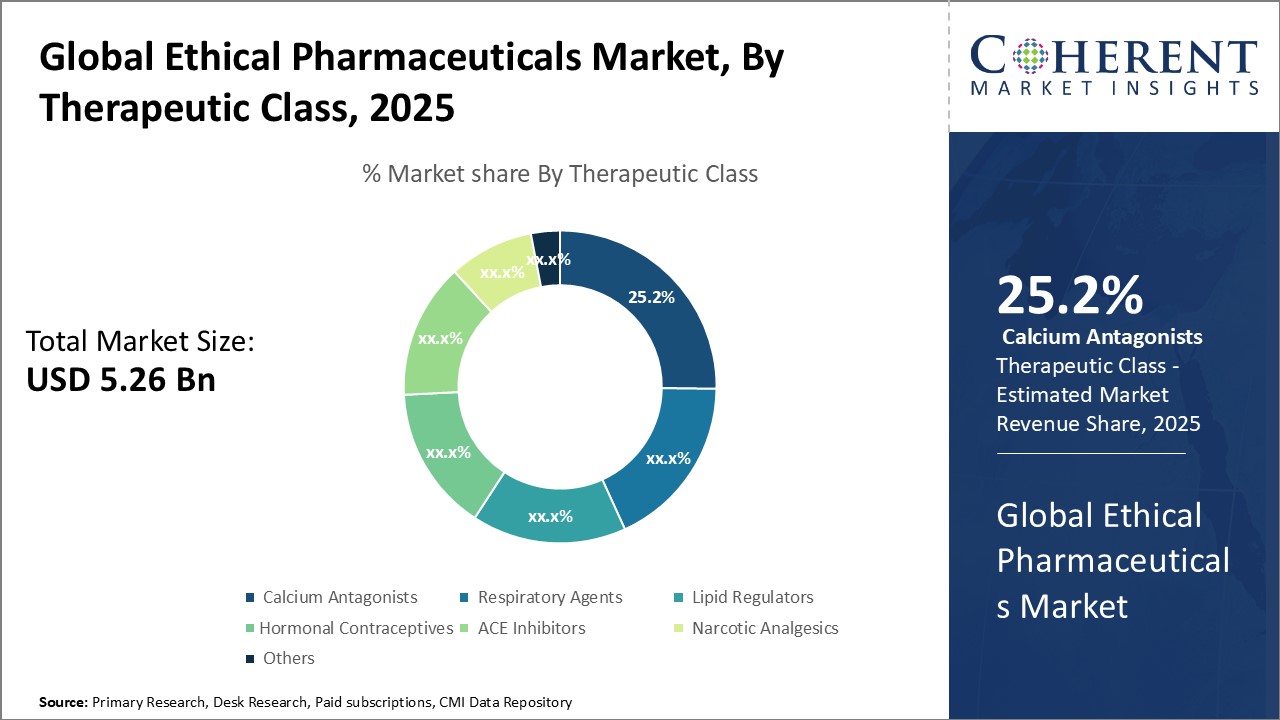
Insights, By Therapeutic Class: Age-related conditions drives calcium antagonists growth
The therapeutic class segment includes hormonal contraceptives, respiratory agents, lipid regulators, calcium antagonists, ACE Inhibitors, narcotic analgesics, and others. antagonists segment is anticipated to have 26.2% of the market share in 2026. As the global population ages, more people are developing cardiovascular issues like high blood pressure and angina that calcium antagonists effectively manage. These drugs work by relaxing the muscles of artery walls, allowing blood to flow more freely throughout the body. They are commonly prescribed as first-line treatment for hypertension since they are generally well-tolerated with few side effects. As people live longer, age-related non-communicable diseases have become more prevalent. Conditions like hypertension often have no cure and require lifelong medication. Calcium antagonists provide reliable control of symptoms for patients struggling with these chronic conditions. They are also versatile drugs that can be used alone or in combination with other therapies depending on a patient's individual case. This flexibility enhances their value for clinicians developing long-term treatment.
Insights, By End User
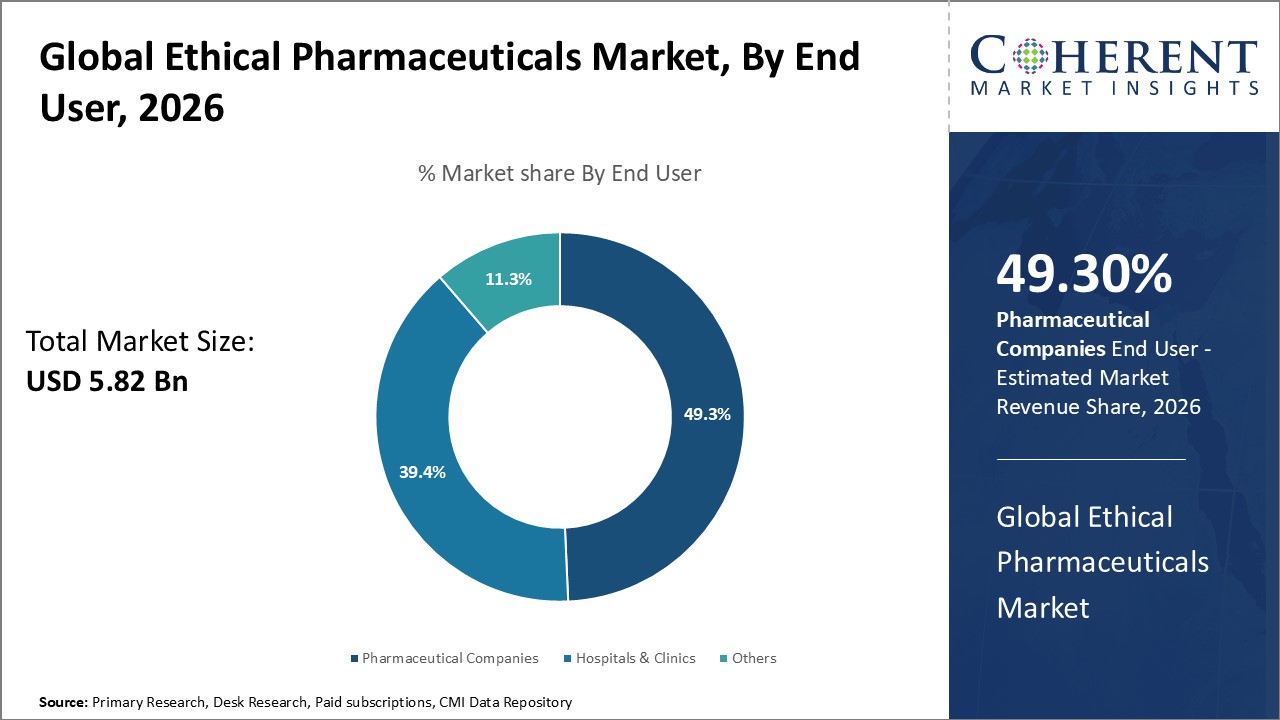
Insights, By End User: Pharmaceutical Companies Drive Demand as the play key role in distribution
The end user segment includes hospitals & clinics, pharmaceutical companies, and others. The pharmaceutical companies segment is expected to have 49.3% of the market share in 2026. These businesses purchase drugs from manufacturers and provide an important link getting products into the hands of consumers. They maintain large inventories of popular medicines and ensure steady supply to downstream customers like hospitals, clinics, and pharmacies. Reliable distribution is critical for pharmaceutical firms to achieve sales goals.
Regional Insights
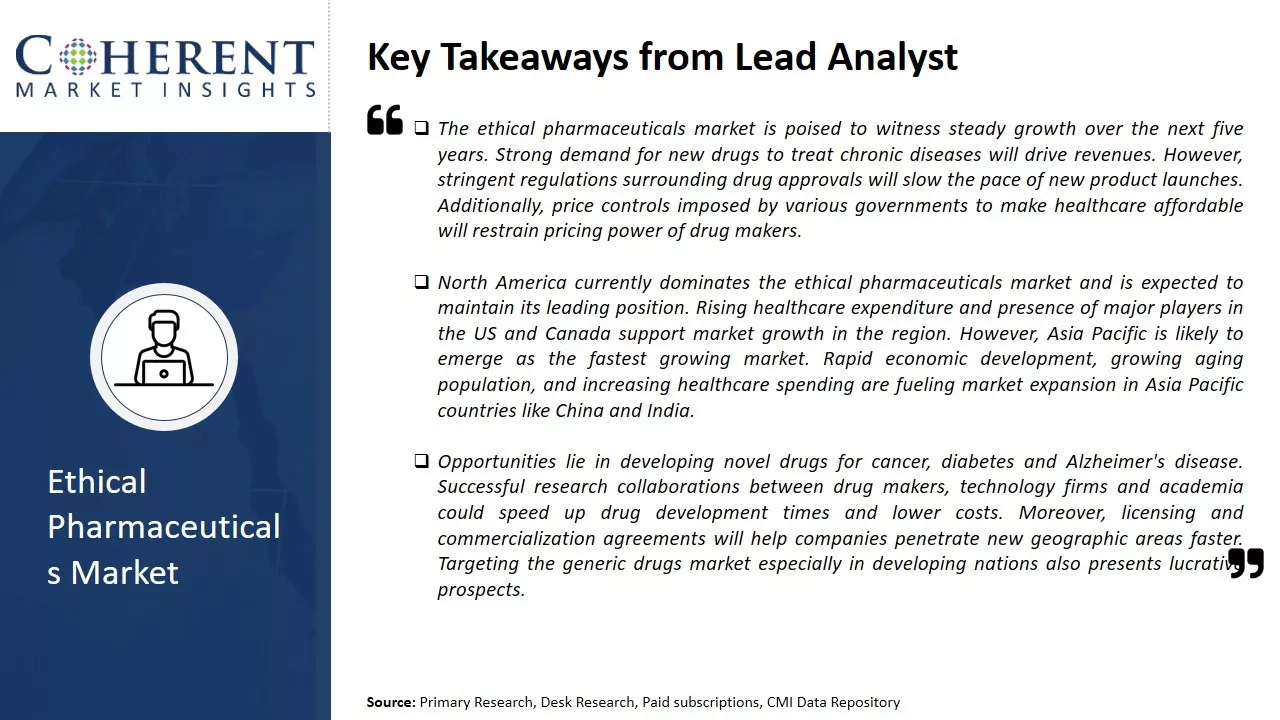
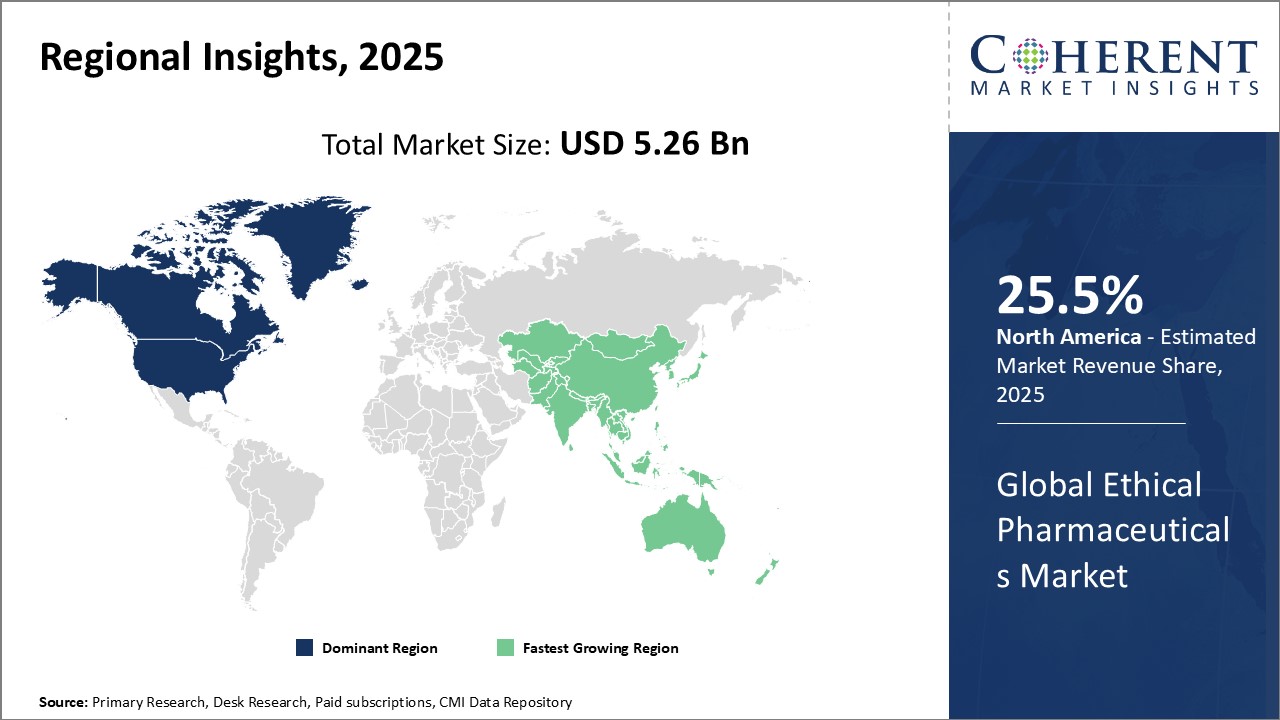 North American region, led by the U.S., continues to dominate the global ethical pharmaceuticals market. With the world's largest healthcare expenditure and the presence of major industry players, accounts for 39.3 of the global market share in 2026. Favorable regulations and intellectual property protections have encouraged extensive investments by pharmaceutical companies in the region. This sustained focus on innovation has ensured a strong pipeline of new drug approvals and treatments, enabling North America to maintain its leading position. However, industry insights indicate pricing pressures due to healthcare reforms may impact future growth rates in the U.S. market.
The Asia Pacific region has emerged as the market for ethical pharmaceuticals globally during the forecasted period. Countries like China, India, Japan, and South Korea contribute significantly to the rapid regional expansion, with China alone representing over 25.5% of. This growth can be attributed to the region's growing healthcare needs of its massive population and improving access to treatments. Rising incomes have also increased the affordability of medications. Additionally, governments across Asia Pacific have implemented supportive policies to develop domestic pharmaceutical production capabilities and reduce import dependence. For instance, India's 'Make in India' program focuses on producing generic drugs and active pharmaceutical ingredients (APIs) to cater to both domestic and international demand. These efforts have made the region an attractive manufacturing and sourcing hub.
Market Players, Key Development, and Competitive Intelligence
Priority on access and affordability
Another driver for the has been the rising priority given to access and affordability of medications. Some companies employ novel strategies to make drugs more affordable and available in poorer regions. This includes producing low-cost generic versions, adapting drug formulations, and simplifying dosing schedules. Differential drug pricing allows lower prices in underdeveloped markets without affecting revenues in wealthier countries which support research costs. Partnerships with governments, multilateral organizations, and local distributors help set up efficient supply chains. Initiatives such as donation programs provide temporary relief in public health emergencies. Compulsory licensing is also used occasionally to permit local generic manufacturing during crises.
Key Developments
- In November 2023, AstraZeneca, a biopharmaceutical company, announced that Truqap (capivasertib) in combination with Faslodex (fulvestrant) is now approved in the U.S. for the treatment of adult patients with hormone receptor (HR)-positive, HER2-negative locally advanced or metastatic breast cancer with one or more biomarker alterations.
- In October 2023, Pfizer Inc., a biopharmaceutical company, announced that the U.S. has approved VELSIPITY (etrasimod), an oral, once-daily, selective sphingosine-1-phosphate (S1P) receptor modulator for people with moderately to severely active ulcerative colitis. The approved recommended dose of VELSIPITY is 2 mg.
- In February 2023, the U.S. FDA approved ALTUVIIIO [Antihemophilic Factor (Recombinant), Fc-VWF-XTEN Fusion Protein-ehtl], formerly known as efanesoctocog alfa, a first-in-class, high-sustained factor VIII replacement therapy. ALTUVIIIO is recommended for routine prophylaxis and on-demand treatment to control bleeding episodes, as well as perioperative care (surgery) in adults and children with hemophilia A.
- In November 2020, com, Inc., an online pharmacy store, launched two new pharmacy options to assist customers in purchasing their prescription prescriptions. Amazon pharmaceutical, a new Amazon store, enables users to conduct their pharmaceutical transactions on their desktop or mobile device via the Amazon App. Customers can use a secure pharmacy profile to input insurance information, manage prescriptions, and select payment methods before checking out.
*Definition:
Ethical pharmaceuticals, also known as prescription or prescription-only medicines, are medications that are regulated and dispensed under the supervision of a licensed healthcare professional, typically a doctor or a pharmacist. These medications are subject to strict regulations and require a prescription from a healthcare provider to obtain them.
- Current Industry Events of 2026
- Market Size Estimation
- Regional Breakdown
- Competitive Landscape
- Customer Intelligence
- Segmental Analysis
- Pricing Analysis
- Key Market Drivers, Challenges & Future Trends
- Customized Insights Section
Market Report Scope
Global Ethical Pharmaceuticals Market Report Coverage
| Report Coverage | Details | ||
|---|---|---|---|
| Base Year: | 2025 | Market Size in 2026: | USD 5.82 Bn |
| Historical Data for: | 2020 To 2024 | Forecast Period: | 2026 To 2033 |
| Forecast Period 2026 to 2033 CAGR: | 10.7% | 2033 Value Projection: | USD 11.86 Bn |
| Geographies covered: |
| ||
| Segments covered: |
| ||
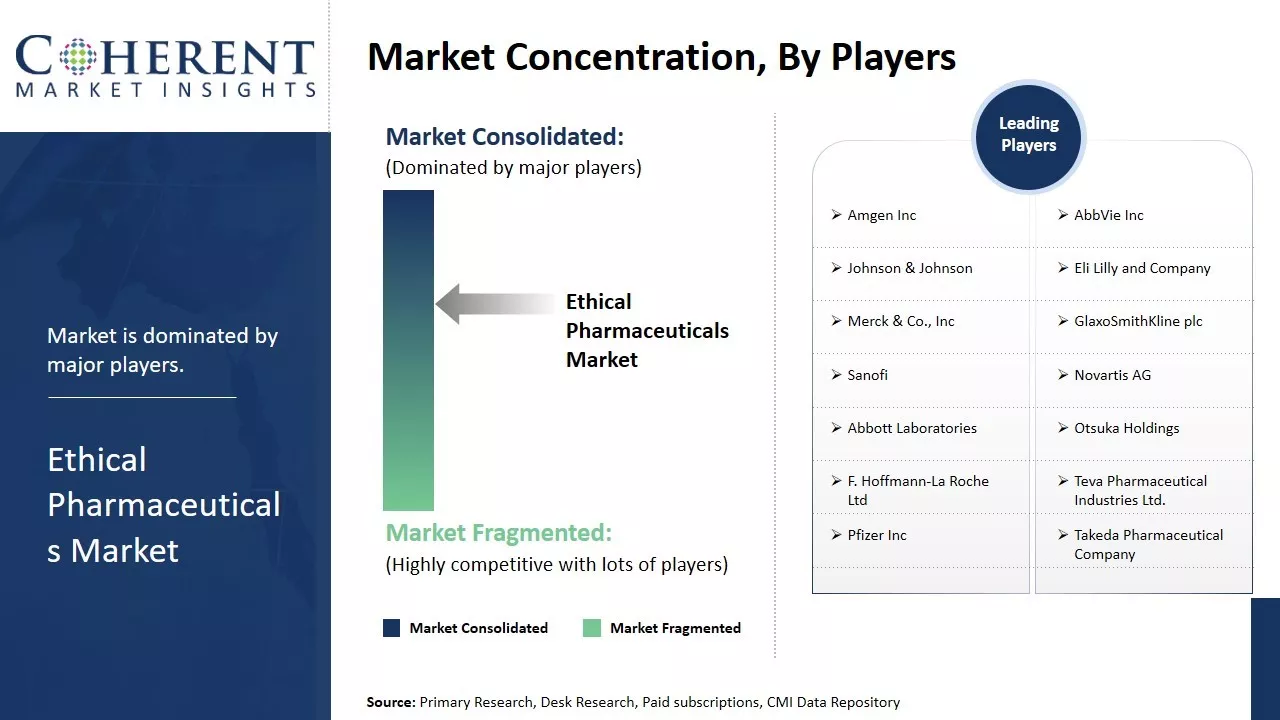
| Companies covered: | Amgen Inc, AbbVie Inc, Johnson & Johnson, Eli Lilly and Company, Merck & Co., Inc, GlaxoSmithKline plc, Sanofi, Novartis AG, Abbott Laboratories, Otsuka Holdings, F. Hoffmann-La Roche Ltd, Teva Pharmaceutical Industries Ltd., Pfizer Inc, Takeda Pharmaceutical Company | ||
| Growth Drivers: |
| ||
| Restraints & Challenges: |
| ||
Analyst Opinion (Expert Opinion)
Market Challenges – High :
One of the major challenges faced by the ethical pharmaceuticals market is pricing pressure. As healthcare costs continue rising globally, governments and insurance companies are looking to curb spending on drugs. This puts downward pressure on prices of ethical medicines. Additionally, the drug development process is long and complex, taking 8-12 years on an average to bring a new drug to the market. This ties up huge capital for pharmaceutical companies. Getting regulatory approvals from various countries adds to the compliance burden on drug makers. Expiring patents of blockbuster drugs also impact revenues, decrease the sales of branded drugs.
Market Opportunities - Growing global population:
At the same time, there are opportunities for growth in this market. A rapidly aging global population drives the need for more healthcare and medical treatments. The rise of non-communicable chronic diseases like cancer, diabetes, and cardiovascular illness increases the scope for ethical drug makers. Developing markets like India and China offer significant growth opportunities for market development over the projected .
Speak to the analyst
Want personalized insights?
Take the findings above to one of our principal consultants, or have the report rebuilt around the segments, geographies and competitors you actually track.
Market Segmentation
- Therapeutic Class Insights (Revenue, USD Bn, 2021 - 2033)
- Hormonal Contraceptives
- Respiratory Agents
- Lipid Regulators
- Calcium Antagonists
- ACE Inhibitors
- Narcotic Analgesics
- Others
- End User Insights (Revenue, USD Bn, 2021 - 2033)
- Hospitals & Clinics
- Pharmaceutical Companies
- Others
- Regional Insights (Revenue, USD Bn, 2021 - 2033)
- North America
- U.S.
- Canada
- Latin America
- Brazil
- Argentina
- Mexico
- Rest of Latin America
- Europe
- Germany
- U.K.
- Spain
- France
- Italy
- Russia
- Rest of Europe
- Asia Pacific
- China
- India
- Japan
- Australia
- South Korea
- ASEAN
- Rest of Asia Pacific
- Middle East
- GCC Countries
- Israel
- Rest of Middle East
- Africa
- South Africa
- North Africa
- Central Africa
- North America
- Key Players Insights
- Amgen Inc
- AbbVie Inc
- Johnson & Johnson
- Eli Lilly and Company
- Merck & Co., Inc
- GlaxoSmithKline plc
- Sanofi
- Novartis AG
- Abbott Laboratories
- Otsuka Holdings
- F. Hoffmann-La Roche Ltd
- Teva Pharmaceutical Industries Ltd.
- Pfizer Inc
- Takeda Pharmaceutical Company
Get access to 250+ pages report
Every segment, forecast, competitor profile and data table behind the analysis above — available for instant download.
- ESOMAR Member
- ISO 9001:2015 Certified
- D-U-N-S Registered
- GDPR & CCPA Compliant
Missing comfort of reading report in your local language? Find your preferred language:
Transform your Strategy with Exclusive Trending Reports
Frequently Asked Questions
The Global Ethical Pharmaceuticals Market is estimated to be valued at USD 5.82 Bn in 2026, and is expected to reach USD 11.86 Bn by 2033.
The CAGR of the Global Ethical Pharmaceuticals Market is projected to be 10.7% from 2026 to 2033.
What are the major factors driving the Ethical Pharmaceuticals Market growth?
High costs and Limited awareness in developing nations are the major factor hampering the growth of Ethical Pharmaceuticals Market.
In terms of Therapeutic Class, Calcium Antagonists, estimated to dominate the market revenue share 2026.
Amgen Inc, AbbVie Inc, Johnson & Johnson, Eli Lilly and Company, Merck & Co., Inc, GlaxoSmithKline plc, Sanofi, Novartis AG, Abbott Laboratories, Otsuka Holdings, F. Hoffmann-La Roche Ltd, Teva Pharmaceutical Industries Ltd., Pfizer Inc, Takeda Pharmaceutical Company are the major players.
North America is expected to lead the Ethical Pharmaceuticals Market.