

Stem Cell Therapy Market Analysis & Forecast: 2026-2033
Global stem cell therapy market is estimated to be valued at USD 22.89 Bn in 2026 and is expected to reach USD 97.50 Bn by 2033, exhibiting a compound annual growth rate (CAGR) of 23.0% from 2026 to 2033.
Key Takeaways
- By Cell Source, the Adult Stem Cells segment is expected to dominate the global stem cell therapy market by 2026, with a projected share of 45.2%.
- By Application, the Musculoskeletal Disorders segment is anticipated to hold the largest market share of 40.7% in 2026.
- By End User, the Hospitals segment is estimated to maintain the leading share with 34.1% of the market in 2026.
- By Region, North America will continue to lead the global stem cell therapy market with an estimated market share of 44.2% in 2026.
Market Overview
The Stem Cell Therapy Market is witnessing remarkable expansion primarily due to the rising prevalence of chronic diseases and greater needs for regenerative medicine. In addition, stem cell treatments are being safely and effectively adopted around the world owing to advancements in biotechnology. For instance, the FDA’s approval of stem cell treatments for specific blood disorders substantially broadens their clinical use, strengthening market optimism. Moreover, the innovations are further fueled by the growing research and development spending by pharmaceutical companies. This is also illustrated by the rising adoption of stem cell therapy for the treatment of leukemia and osteoarthritis, which demonstrates its wider therapeutic use. Collectively, these factors suggest strong opportunities for growth in the stem cell therapy market in the coming years.
Current Events and Its Impact on the Stem Cell Therapy Market
Event | Description and Impact |
FDA and Global Regulatory Framework Evolution |
|
China’s Stem Cell Research and Clinical Trial Acceleration |
|
Breakthrough Technologies in Cell Manufacturing and Delivery |
|
Role of Technologies Like AI on the Market
The impact of artificial intelligence (AI) on stem cell therapy is profound, especially in the areas of research, manufacturing, and clinical outcomes. Machine learning technologies analyze vast datasets to anticipate stem cell activities, refine therapeutic pathways, and expedite the development of therapies.
As an example, the California Institute for Regenerative Medicine partners with AI companies to predict stem cell differentiation to save on costly and time-consuming experiments. In manufacturing, AI platforms enhance the differentiation of stem cells and improve quality control by monitoring cellular morphology and gene expression to identify anomalies that may compromise the treatment's efficacy.
Fate Therapeutics uses AI to engineer induced pluripotent stem cells (iPSCs) for targeted cancer immunotherapies, enabling the iPSC-derived cell therapies to be produced as off-the-shelf products. AI is also embedded in Celularity's placental stem cell platform for the selection of therapeutics and protocol refinement, enabling a 40% acceleration in clinical trial timelines and optimizing patient matching.
AI in stem cell therapy provides enhanced treatment personalization and precision for patients and reliable therapeutic outcomes for practitioners. In summary, AI application in stem cell therapy is transforming the field of regenerative medicine by providing precision at lower costs and increasing the industry-wide scalability and efficacy of the treatments.
- Current Industry Events of 2026
- Market Size Estimation
- Regional Breakdown
- Competitive Landscape
- Customer Intelligence
- Segmental Analysis
- Pricing Analysis
- Key Market Drivers, Challenges & Future Trends
- Customized Insights Section
Pricing Analysis
The global Stem Cell Therapy Market is expanding rapidly, with treatments for conditions such as Autism Spectrum Disorder, COPD, Liver Cirrhosis, Eye Disorders, and Erectile Dysfunction varying widely in cost. Pricing is influenced by therapy complexity, cell source, regulatory status, and treatment setting.
For example, Mesenchymal Stem Cell (MSC) therapies—commonly used for conditions like liver cirrhosis and eye disorders—range from $5,000 to $25,000 per treatment depending on whether the cells are adipose, bone marrow, or umbilical cord-derived. Autologous MSC treatments tend to be less expensive but vary based on processing needs.
The expense of advanced manufacturing and regulatory approvals reflects in the price of more complex therapies like gene-modified CAR-T cell therapies, which can exceed $400,000. Stem cell therapies aimed at patients suffering from COPD and erectile dysfunction are more mid-tier in price, striking a balance between effectiveness and manufacturing costs. There are also price differentials based on geographical location and customer, with prices for services done in a hospital often higher than those done in a clinic.
Although prices are high, there is increasing clinical evidence and a strong demand from patients, which is slowly but surely changing insurance coverage and reimbursement policies aimed to enhance affordability in the burgeoning market for stem cell therapy.
End User Feedback
Insights from important stakeholders in the stem cell therapy ecosystem spanning IVF Clinics, pharmaceutical and biotechnological companies, academic and research institutions, and biobanks illustrate varying opinions regarding the stem cell therapy market.
- IVF Clinics are noticing a surge in the use of stem cells to boost fertility, and are eager to adopt therapies that are simple on the regulatory front. Patients are looking for value-driven, outcome based, personalized therapy. IVF Clinics are looking for simple and clear regulations to adopt therapies.
- Biotechnology and pharmaceutical companies are deeply concerned with regulation, compliances, and the need for clinical data substantiating product safety and efficacy. Many see value in AI powered R&D and production optimization, with abundant clinical data AI powered R&D optimization being a focal point.
- Academic and research institutions are looking to deepen the funding and technology access to innovative STEM, pushing for sponsored collaboration. They solicit the need for standardized characterization of stem cells and reproducibility of multi-laboratory studies.
- Biobanks are looking to improve the automation and standard cell storage, quality control, and logistics, enabling the cells to be traced and kept alive. End users strongly believe in the possibilities stem cell therapy can unlock. However, they highlight the need for regulatory guidance, reduction in cost, and advanced technology to fully realize the potential.
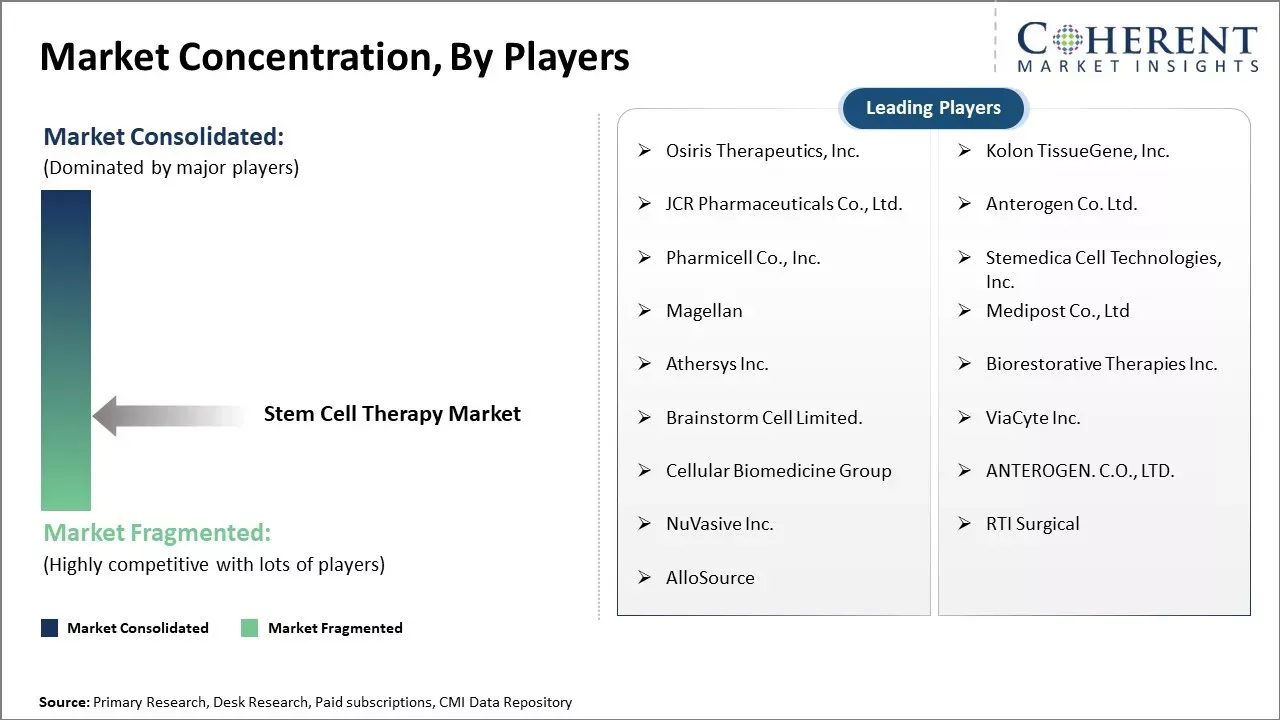
Market Concentration and Competitive Landscape
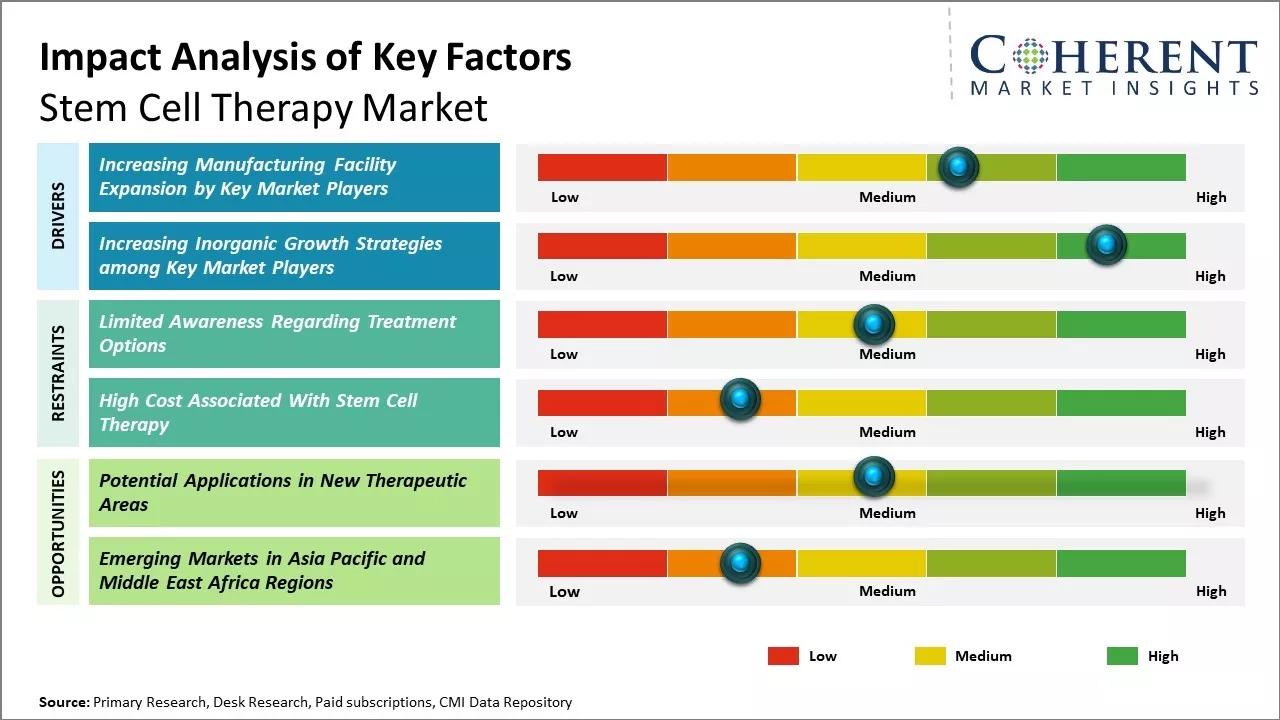
Increasing Inorganic Growth Strategies among Key Market Players
Increasing adoption of inorganic growth strategies such as partnerships by key market players is expected to drive the market growth over the forecast period. For instance, in June 2022, The Melbourne node of the Novo Nordisk Foundation Center for Stem Cell Medicine (reNEW) announced a partnership with Murdoch Children's, the University of Copenhagen, and Leiden University Medical Center in the Netherlands, for stem cell research that will develop new treatments for cancer, diabetes and heart disease has been launched at the Murdoch Children’s Research Centre (MCRI).
Market Challenge – Limited Awareness Regarding Treatment Options
Limited awareness regarding treatment options and the ethical concerns related to embryonic stem cells can hamper the market growth. For instance, according to the data published by the National Center for Biotechnology Information, there is main factor concerning is the fear of the unknown therapy and lack of awareness among the population about the treatment options. Moreover, high cost for these therapies leads to lower adoption, thus, leading to reduced demand for the product worldwide.
Market Opportunity – Potential Applications in New Therapeutic Areas
Potential applications in new therapeutic areas can offer significant opportunities for growth of global stem cell therapy market. Stem cell therapy holds promise for treating various diseases that currently have limited therapeutic options. Researchers worldwide are engaged in developing novel stem cell-based treatments for conditions such as neurodegenerative disorders, cardiovascular diseases and diabetes. According to World Health Organization, stroke is a leading cause of disability and the second leading cause of death worldwide.
Cell therapy using stem cells is being investigated for its potential to treat stroke and regenerate damaged brain tissue. Several clinical studies are underway evaluating the safety and efficacy of stem cells for ischemic stroke. Promising results from early studies suggest stem cells may improve neurological outcomes when administered shortly after a stroke.
Continued research aims to enhance the therapeutic potential for conditions with high unmet needs like stroke. As research expands into new areas, it is expected to drive significant growth of global stem cell therapy market. Continuous technological advancements to enhance the therapeutic potential of stem cells across different disease areas will promote their clinical adoption. This will pave the way for stem cell-based treatments to benefit millions suffering from diseases lacking effective cures.
Segmental Insights
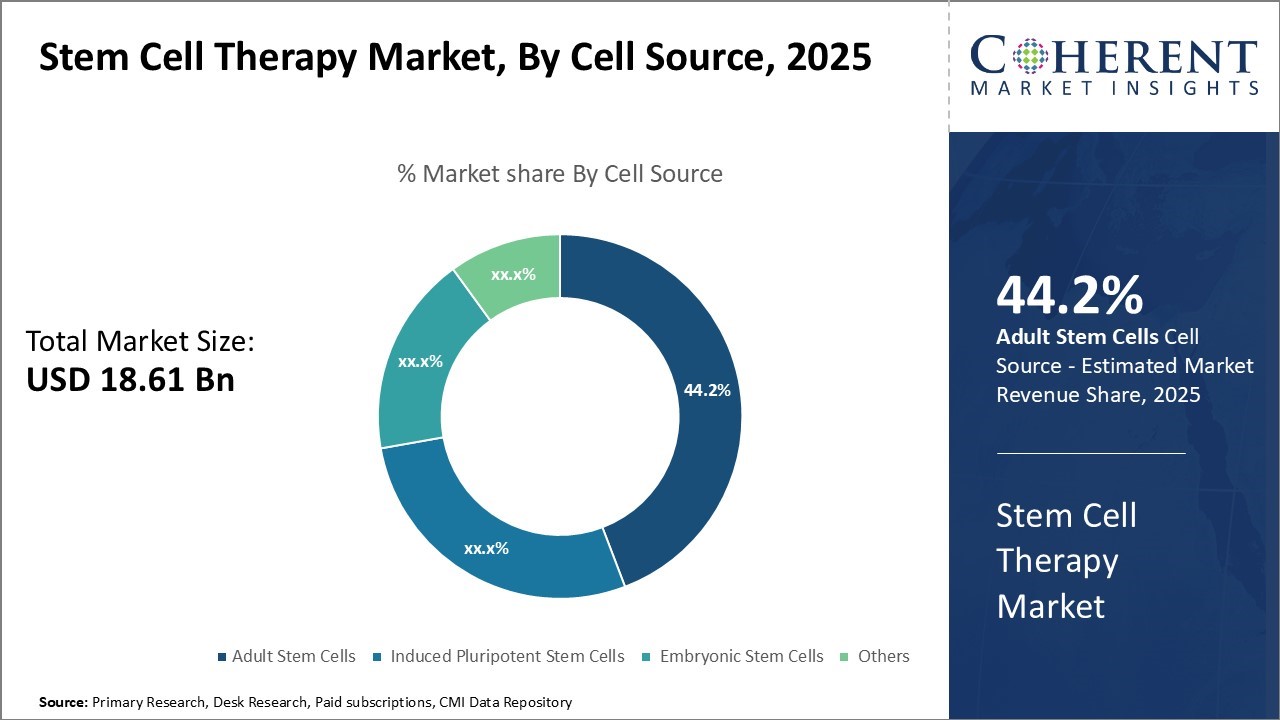
Global Stem Cell Therapy Market Insights, By Cell Source
Cell Source segment is sub-segmented adult stem cells, induced pluripotent stem cells, embryonic stem cells, and others. Adult stem cells segment is estimated to hold 45.2% of the market share in 2026 owing to significant advancements in isolation techniques. Adult stem cells can be extracted from various tissues such as bone marrow, blood, skin and muscles. Unlike embryonic stem cells, their usage does not involve any ethical issues.
Moreover, adult stem cells are more specialized than embryonic stem cells and can differentiate into a smaller number of cell types. Continuous research over the past decade has led to refined isolation protocols for extracting adult stem cells with high purity levels from different sources, and this has augmented their therapeutic applications. Banked adult stem cells can also be utilized for allogeneic transplantations, if matching tissue or cell types are available.
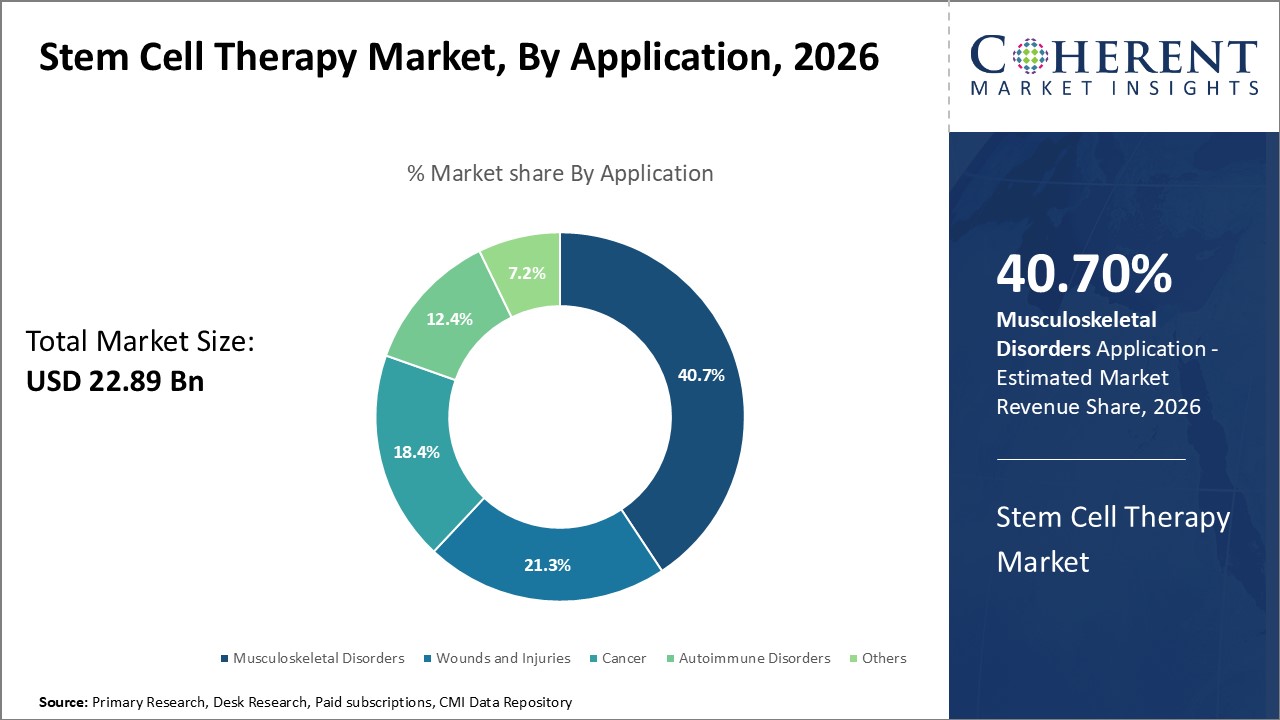
Global Stem Cell Therapy Market Insights, By Application
Application segment is sub-segmented musculoskeletal disorders, wounds and injuries, cancer, autoimmune disorders, and others. Musculoskeletal disorders segment is estimated to hold 40.7% of the market share in 2026, owing to growing prevalence of conditions such as osteoarthritis and bone fractures globally.
Skeletal applications of stem cells including cartilage and bone regeneration are gaining popularity due to advantages such as enhanced recovery time, donor site morbidity reduction and ability of stem cells to augment the healing process. With ageing demographics and rising incidence of osteoporosis in developed nations, there will be increase in demand for stem cell therapies in orthopedics.
Global Stem Cell Therapy Market Insights, By End User
End User segment is sub-segmented into hospitals, cell banks, academic and research institutes. Hospitals segment is estimated to hold 34.1% of the market share in 2026 due to existing reimbursement policies and clinical expertise for stem cell procedures. While cell therapy products are still under regulatory approvals, several medical insurance plans provide partial to full coverage for procedures performed in hospitals. This makes stem cell treatment affordable for a larger patient base.
Moreover, trained paramedics, sterile facilities and emergency care provisions allow hospitals to minimize procedure-related risks. Cell expansion and processing expertise also enables translation of novel stem cell therapies developed in research institutes to clinical settings. Rising popularity of outpatient clinics and day care centers for stem cell administration is anticipated to supplement hospitals’ share in the near future. However, regulatory hurdles continue to limit stem cell applications to third-party commercial settings.
Global Stem Cell Therapy Market - Regional Insights
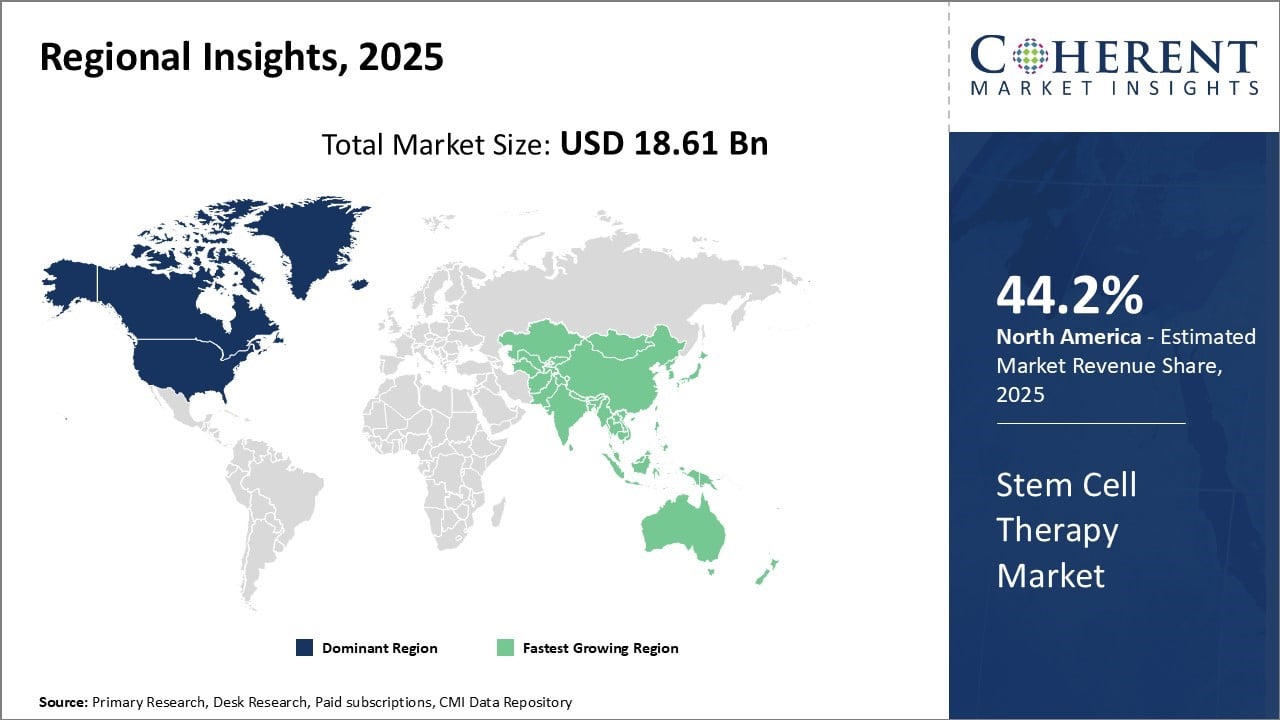
North America Stem Cell Therapy Market Analysis and Trends
North America continues to hold a dominant position in the global stem cell therapy market, with an estimated 44.2% market share in 2026. The region’s stronghold is driven primarily by the U.S. and Canada, where a robust biotechnology and pharmaceutical industry fuels significant investments in stem cell research and development.
A well-established healthcare infrastructure and supportive regulatory environment—highlighted by the U.S. FDA’s approvals of several stem cell therapies—have enabled widespread clinical adoption. Additionally, the availability of private and public insurance coverage for stem cell therapy procedures has further accelerated market growth in this region. These factors collectively position North America as the leading market for advanced stem cell therapies globally.
Asia Pacific Stem Cell Therapy Market Analysis and Trends
Asia Pacific has emerged as the fastest growing market in the global stem cell therapy landscape. Rapid improvements in healthcare infrastructure, a surge in medical tourism, and proactive government policies in countries like China, India, South Korea, and Japan are driving this growth. The region has become a hub for affordable, high-quality stem cell therapies, supported by state-of-the-art stem cell banks and therapy centers offering cost-effective treatment options compared to Western markets.
Medical tourism plays a key role, attracting international patients seeking therapies not available or approved in their home countries. Governments actively support the sector through incentives to boost private investments and enhance domestic production.
South Korea’s leadership in umbilical cord blood banking, combined with stringent quality regulations and international accreditation of clinics, underscores the region’s potential. This unique convergence of advanced research capabilities and affordable treatment delivery makes Asia Pacific a critical growth engine in the global stem cell therapy market.
Market Report Scope
Stem Cell Therapy Market Report Coverage
| Report Coverage | Details | ||
|---|---|---|---|
| Base Year: | 2025 | Market Size in 2026: | USD 22.89 Bn |
| Historical Data for: | 2020 To 2024 | Forecast Period: | 2026 To 2033 |
| Forecast Period 2026 to 2033 CAGR: | 23.0% | 2033 Value Projection: | USD 97.50 Bn |
| Geographies covered: |
| ||
| Segments covered: |
| ||
| Companies covered: | Osiris Therapeutics, Inc., Kolon TissueGene, Inc., JCR Pharmaceuticals Co., Ltd., Anterogen Co. Ltd., Pharmicell Co., Inc., Stemedica Cell Technologies, Inc., Magellan, Medipost Co., Ltd, Athersys Inc., Biorestorative Therapies Inc., Brainstorm Cell Limited., ViaCyte Inc., Cellular Biomedicine Group, ANTEROGEN. C.O., LTD., NuVasive Inc., RTI Surgical, AlloSource | ||
| Growth Drivers: |
| ||
| Restraints & Challenges: |
| ||
Stem Cell Therapy Market Key Developments
- In August 2023, Aspen Neuroscience, a pharmaceutical company, announced that it had received an approval from U.S. Food and Drug Administration to launch a clinical trial of ANPD001, an experimental stem cell therapy designed to replace the nerve cells that are lost in Parkinson’s disease
- In October 2022, Cedars-Sinai Medical Center, announced that it had been awarded a five-year, USD 8 million grant from California’s stem cell agency to launch an innovative new clinic that will expand patients’ access to stem cell and gene therapies, increase research and training in regenerative medicine, foster greater collaboration with eight similar clinics across the state and help educate the public about stem cell and related therapies
- In January 2022, Century Therapeutics, a biotechnology company, and Bristol Myers Squibb Company, a healthcare company, announced a research collaboration and license agreement to develop and commercialize up to four induced pluripotent stem cells (iPSC) derived, engineered natural killer cell (iNK) and / or T cell (iT) programs for hematologic malignancies and solid tumors
Analyst Viewpoints
- Global stem cell therapy market growth is driven by rising prevalence of chronic diseases and growing awareness, demand for stem cell treatments. Advanced cell therapy technologies and falling treatment costs will further propel market expansion. However, stringent regulations can hamper clinical research slightly. Ethical concerns surrounding embryonic stem cells may impede market growth to an extent.
- North America currently dominates the stem cell therapy landscape and is expected to remain the largest market during the forecast period. Presence of advanced healthcare infrastructure, high clinical research budgets, and supportive regulatory environment make the region highly favorable for stem cell treatment.
- Asia Pacific is likely to witness the fastest growth and emerge as a key market in the near future. Rising geriatric population, growing healthcare expenditure, and improving regulatory approval process in Asia Pacific countries are driving the market growth.
- While stem cell therapies for musculoskeletal disorders form a mature segment, therapies targeting cardiac disorders indicate strongest potential.
- Increasing R&D focus on developing stem cell therapies for cancer, diabetes, and neurodegenerative diseases will open up new avenues for market players. Autologous stem cell therapies are expected to remain the preferred treatment method compared to allogeneic alternatives.
Market Segmentation
- Cell Source Insights (Revenue, USD Bn, 2021 - 2033)
- Adult Stem Cells
- Induced Pluripotent Stem Cells
- Embryonic Stem Cells
- Others
- Application Insights (Revenue, USD Bn, 2021 - 2033)
- Musculoskeletal Disorders
- Wounds and Injuries
- Cancer
- Autoimmune Disorders
- Others
- End User Insights (Revenue, USD Bn, 2021 - 2033)
- Hospitals
- Cell Banks
- Academic and Research Institutes
- Regional Insights (Revenue, USD Bn, 2021 - 2033)
- North America
- U.S.
- Canada
- Latin America
- Brazil
- Argentina
- Mexico
- Rest of Latin America
- Europe
- Germany
- U.K.
- Spain
- France
- Italy
- Russia
- Rest of Europe
- Asia Pacific
- China
- India
- Japan
- Australia
- South Korea
- ASEAN
- Rest of Asia Pacific
- Middle East
- GCC
- Israel
- Rest of Middle East
- Africa
- South Africa
- North Africa
- Central Africa
- Key Players Insights
- Osiris Therapeutics, Inc.
- Kolon TissueGene, Inc.
- JCR Pharmaceuticals Co., Ltd.
- Anterogen Co. Ltd.
- Pharmicell Co., Inc.
- Stemedica Cell Technologies, Inc.
- Magellan
- Medipost Co., Ltd.
- Athersys Inc.
- Biorestorative Therapies Inc.
- Brainstorm Cell Limited.
- ViaCyte Inc.
- Cellular Biomedicine Group
- ANTEROGEN. C.O., LTD.
- NuVasive Inc.
- RTI Surgical
- AlloSource
Sources
Primary Research Interviews
- Stem cell therapy clinic directors and medical practitioners
- Biotechnology and pharmaceutical company executives
- Regulatory affairs specialists and compliance officers
- Healthcare investors and venture capitalists
- Others
Databases
- ClinicalTrials.gov
- FDA Drug Approval Database
- Thomson Reuters Cortellis
- Others
Magazines
- BioWorld Intelligence
- Nature Biotechnology Magazine
- Genetic Engineering & Biotechnology News (GEN)
- BioPharma Dive
- Others
Journals
- Stem Cell Research & Therapy
- Cell Stem Cell
- Stem Cells Translational Medicine
- Others
Newspapers
- The Wall Street Journal (Healthcare Section)
- Financial Times (Pharmaceuticals & Biotechnology)
- Reuters Health News
- Bloomberg Healthcare
- Others
Associations
- International Society for Stem Cell Research (ISSCR)
- Alliance for Regenerative Medicine (ARM)
- American Society of Gene & Cell Therapy (ASGCT)
- Regenerative Medicine International (RMI)
- Others
Public Domain Sources
- U.S. Food and Drug Administration (FDA) publications
- National Institutes of Health (NIH) reports
- World Health Organization (WHO) guidelines
- European Medicines Agency (EMA) documentation
- Others
Proprietary Elements
- CMI Data Analytics Tool
- Proprietary CMI Existing Repository of information for last 8 years
*Definition: Stem cell therapy, also known as regenerative medicine, promotes the repair response of diseased, dysfunctional or injured tissue using stem cells or their derivatives. It is the next chapter in organ transplantation and uses cells instead of donor organs, which are limited in supply. Stem cells are cells with the potential to develop into many different types of cells in the body. These serve as a repair system for the body. There are two main types of stem cells embryonic stem cells and adult stem cells. Stem cells are divided into two major classes; pluripotent and multipotent. Pluripotent stem cells are replicating cells, which are derived from the embryo or fetal tissues. The pluripotent stem cells facilitate the development of cells and tissues in three primary germ layers such as mesoderm, ectoderm, and endoderm.
Get access to 250+ pages report
Every segment, forecast, competitor profile and data table behind the analysis above — available for instant download.
- ESOMAR Member
- ISO 9001:2015 Certified
- D-U-N-S Registered
- GDPR & CCPA Compliant
Missing comfort of reading report in your local language? Find your preferred language:
Transform your Strategy with Exclusive Trending Reports
Frequently Asked Questions
The Stem Cell Therapy Market size is estimated to be valued at USD 22.89 Bn in 2026, and is expected to reach USD 97.50 Bn by 2033.
The CAGR of the global Market is projected to be 23.0% from 2026 to 2033.
Increasing manufacturing facility expansion by key market players and increasing inorganic growth strategies among key market players are the major factors driving the growth of global stem cell therapy industry.
Limited awareness regarding treatment options and high cost associated with stem cell therapy are the major factors hampering the growth of global market.
In terms of cell source, adult stem cells segment estimated to dominate the market in 2026.
Osiris Therapeutics, Inc., Kolon TissueGene, Inc., JCR Pharmaceuticals Co., Ltd., Anterogen Co. Ltd., Pharmicell Co., Inc., Stemedica Cell Technologies, Inc., Magellan, Medipost Co., Ltd, Athersys Inc., Biorestorative Therapies Inc., Brainstorm Cell Limited., ViaCyte Inc., Cellular Biomedicine Group, ANTEROGEN. C.O., LTD., NuVasive Inc., RTI Surgical, AlloSource are the major players.
North America is expected to lead the global stem cell therapy industry.