

Global Humanized Mouse Model Market Size and Forecast – 2026 to 2033
The Global Humanized Mouse Model Market is estimated to be valued at USD 147.0 Mn in 2026 and is expected to reach USD 222.4 Mn by 2033, exhibiting a compound annual growth rate (CAGR) of 6.1% from 2026 to 2033. This steady growth reflects increasing adoption of advanced humanized mouse models in biomedical research, drug development, and immunotherapy studies, driven by the need for accurate human disease models to accelerate therapeutic innovations.
Key Takeaways of the Global Humanized Mouse Model Market
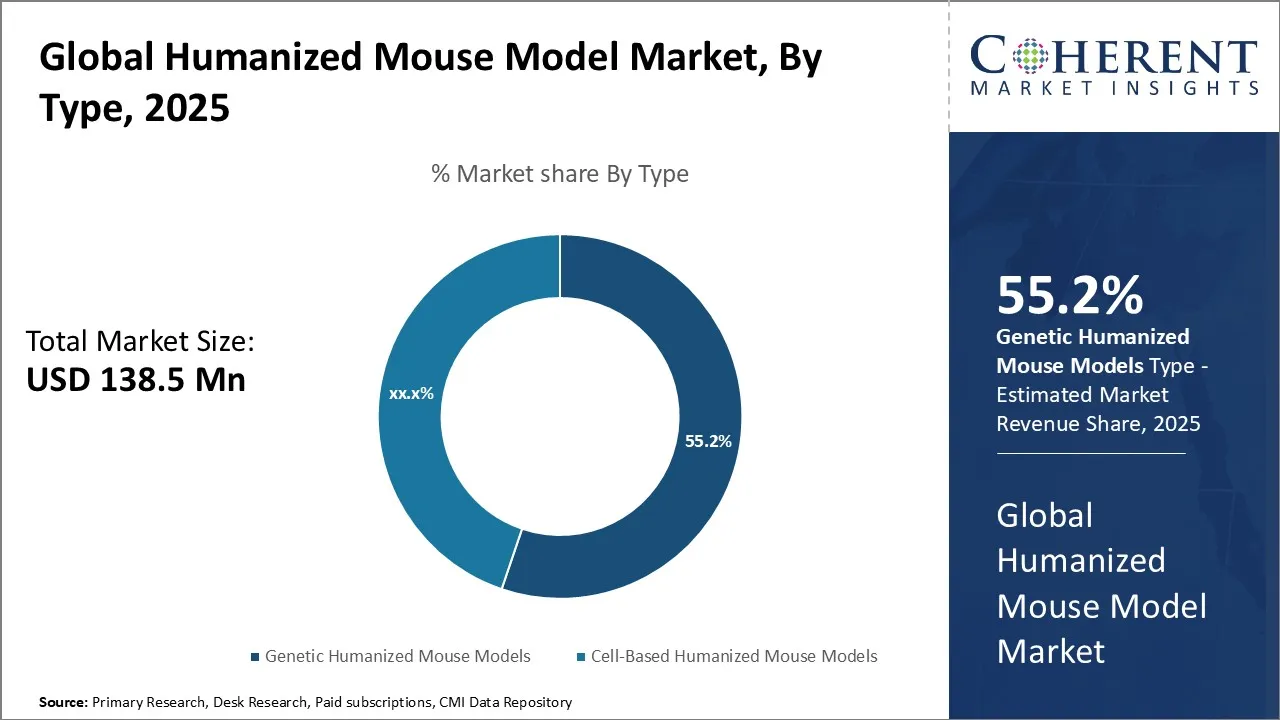
- In 2026, the genetic humanized mouse models segment leads the market by type with an estimated 56.2% share, owing to their precision and wide research applicability.
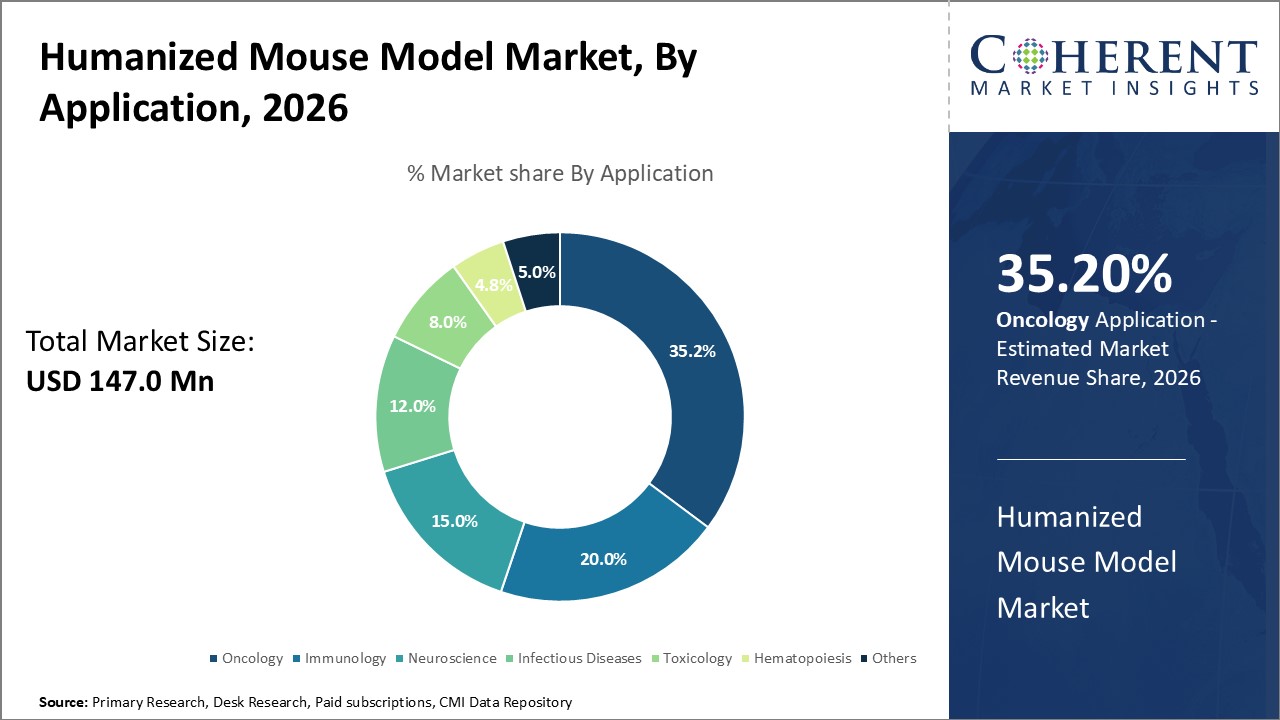
- Oncology dominates by application with an estimated 35.2% share in 2026, driven by the growing need to study tumor biology and cancer treatments.
- By technology, CRISPR or Cas9 gene editing holds the top spot with an estimated 39.3% share in 2026 due to its unmatched efficiency and accuracy in genetic engineering.
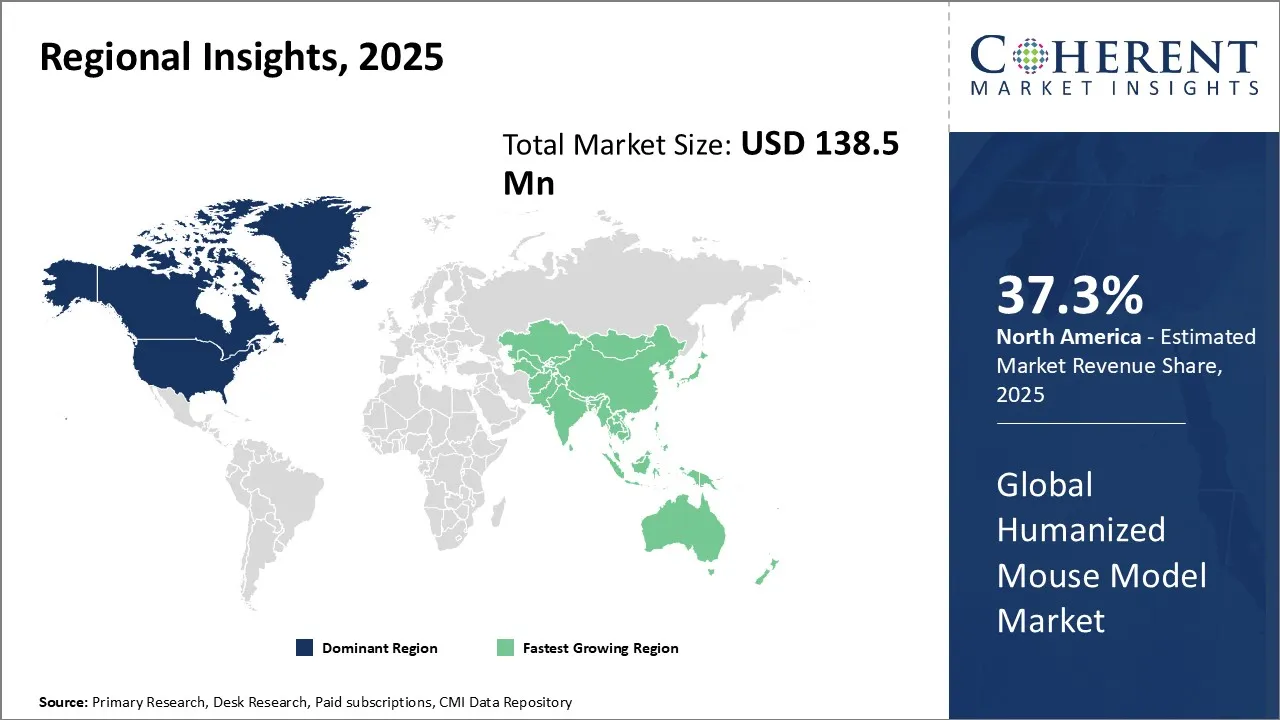
- North America is expected to lead the market, holding a share of 37.3 % in 2026. Asia Pacific is anticipated to be the fastest-growing region, with a market share of 24.4% in 2026.
Market Overview
A prominent trend in the humanized mouse model market is the rising integration of genetic engineering technologies such as CRISPR and next-generation sequencing, enhancing the precision and relevance of humanized models. Additionally, growing investments by pharmaceutical and biotechnology companies in personalized medicine and immuno-oncology research are propelling demand. The shift toward more sophisticated and predictive preclinical testing platforms continues to fuel market expansion, supported by increasing collaborations between academia and industry to address complex human diseases.
Current Events and Its Impact
Current Events | Description and its impact |
Development of Humanized Telomere (HuT) Mice |
|
Rise of AI-Driven Drug Discovery |
|
Segmental Insights
- Current Industry Events of 2026
- Market Size Estimation
- Regional Breakdown
- Competitive Landscape
- Customer Intelligence
- Segmental Analysis
- Pricing Analysis
- Key Market Drivers, Challenges & Future Trends
- Customized Insights Section
Humanized Mouse Model Market Insights, By Type - Genetic Humanized Mouse Models Lead Growth due to Precision and Versatility
In terms of type, genetic humanized mouse models contribute the highest share of the global humanized mouse model market with an estimated 56.2% in 2026 due to their unmatched precision and broad utility across biomedical research fields. These models are engineered by introducing human genes into mouse genomes, providing a genetically relevant platform that mimics human physiological processes more accurately than traditional models. The ability to replicate human-specific gene expression and function enables researchers to study genetic diseases, drug responses, and immune system behavior in a controlled yet highly representative environment.
One of the primary growth drivers for this segment is the increasing demand for personalized medicine and targeted therapies. Genetic humanized models facilitate the exploration of gene function and interaction at a molecular level, which is critical in understanding complex diseases like cancer, autoimmune disorders, and genetic syndromes. They offer a significant advantage in preclinical testing by allowing evaluation of human-specific drug responses, reducing the translational gap between animal studies and clinical outcomes.
Humanized Mouse Model Market Insights, By Application - Oncology Applications Drive Market Dominance owing to Demand for Targeted Therapeutics
Among the applications, oncology is expected to hold the dominant share of the humanized mouse model market with a share of 35.2% in 2026, driven by the escalating need to understand tumor biology and develop effective cancer therapeutics. Humanized mouse models have become indispensable tools in oncology research because they provide a human-like immune environment essential for studying tumor-immune interactions, tumor microenvironment dynamics, and the efficacy of cancer immunotherapies.
The rapid evolution of cancer treatments, particularly immune checkpoint inhibitors and CAR-T cell therapies, requires robust preclinical models that can closely mimic human immune responses. Humanized mouse models allow researchers to evaluate how tumors evade immune surveillance and to test novel agents targeting these mechanisms in a physiologically relevant context.
In January 2021, The Wistar Institute, a leading U.S. biomedical research center, developed an advanced humanized mouse model to study resistance to immune checkpoint therapies in melanoma, the study reveals that mast cells contribute to anti-PD-1 therapy resistance. Combining PD-1 inhibitors with mast cell-depleting drugs led to complete tumor regression, offering a promising new approach for improving immunotherapy outcomes.
Humanized Mouse Model Market Insights, By Technology - CRISPR/Cas9 Gene Editing Revolutionizes Humanized Mouse Model Development
By technology, CRISPR or Cas9 gene editing commands the highest share of the humanized mouse model market with an estimated share of 39.3% in 2026, primarily because of its revolutionary impact on genetic manipulation efficiency, accuracy, and versatility. This technology allows precise editing of the mouse genome to insert, delete, or modify human genes, enabling the development of highly customized models in significantly less time and at reduced costs compared to traditional methods.
The widespread adoption of CRISPR/Cas9 is driven by its capacity to generate complex humanized models that express multiple human genes or gene variants, essential for modeling polygenic diseases and multifactorial conditions. Its ease of design and implementation accelerates research timelines, enhances reproducibility, and expands the scope of disease modeling, which is particularly valuable for both academic research and pharmaceutical development.
In April 2025, a new National Library of Medicine backed study showcased how CRISPR-Cas9 technology is transforming mouse genome editing by enabling faster and more precise creation of knockout and knockin models. Unlike older methods like ZFNs and TALENs, CRISPR uses a guide RNA and Cas9 enzyme to target genes directly in mouse zygotes cutting development time from 10 months to just three. Companies like The Jackson Laboratory and Taconic Biosciences are applying these advances to accelerate disease research and drug development.
Regional Insights
North America Humanized Mouse Model Market Analysis and Trends
In North America, the dominance in the global humanized mouse model market is driven by several pivotal factors with an estimated share of 37.3% in 2026. The region boasts a mature and well-established biotechnology and pharmaceutical ecosystem, with a high number of research institutions, CROs, and biopharma companies investing heavily in preclinical research.
Additionally, the presence of leading biotechnology hubs in the U.S., coupled with a robust intellectual property framework, encourages commercialization activities. Trade dynamics favor collaborations and partnerships with global entities, further solidifying North America’s market leadership.
In January 2022, La Jolla Institute for Immunology (LJI), a leading biomedical research institute, in partnership with Charles River, launched a study using the new hACE2-NCG humanized mouse model to examine early immune responses to SARS-CoV-2. Engineered to express human ACE2 on a triple-immunodeficient background, this first-of-its-kind model helps researchers analyze viral load, lung pathology, and immune cell behavior during early COVID-19 infection—offering valuable insights for future therapeutic development.
Asia Pacific Humanized Mouse Model Market Analysis and Trends
Meanwhile, the Asia Pacific region is expected to exhibit the fastest growth in the global humanized mouse model market with a share of 24.4% in 2026. This surge is attributable to burgeoning investment in biomedical research and pharmaceutical development, particularly in countries like China, Japan, South Korea, and India. Government initiatives aimed at strengthening healthcare infrastructure and research capabilities—like China’s “Made in China 2026” strategy and India’s Science & Technology policies—have triggered significant expansion in local biotech industries.
These initiatives are complemented by increasing collaborations with multinational corporations, enhancing technical know-how and technology transfers. Furthermore, the growing prevalence of chronic diseases and emphasis on precision medicine accelerate demand for humanized models to support drug discovery and safety assessments. Leading regional companies, such as Beijing Biocytogen Co., Ltd, Japan’s CLEA Japan, and PharmaCenter, contribute through model innovation and scalable production. Increasing contract research outsourcing from Western companies seeking cost advantages further drives market expansion.
Humanized Mouse Model Market Outlook for Key Countries
U.S. Humanized Mouse Model Market Trends
The U.S. humanized mouse model market stands as a global epicenter for humanized mouse models, supported by numerous biotech clusters and substantial R&D funding. Major players like The Jackson Laboratory and Taconic Biosciences dominate the landscape by providing extensive model libraries and advanced genetic engineering solutions. The presence of leading pharmaceutical companies utilizing these models for oncology and immunology research further boosts market growth. Cutting-edge research initiatives and regulatory support facilitate the continuous enhancement of model quality and translational relevance, cementing the U.S. as an innovation leader.
For example, Alloy Therapeutics is a U.S.-based biotechnology company specializing in accessible biologics discovery platforms. In the Humanized Mouse Model Market, Alloy is renowned for its ATX-Gx suite—a portfolio of advanced fully humanized transgenic mice designed for in vivo antibody discovery. These models, including ATX-GK, ATX-GL, and ATX-GKH, offer broad epitopic diversity, robust immune responses, and clinic-ready antibody profiles. Backed by over 170 partnerships and multiple antibodies in clinical development, Alloy’s platform empowers biopharma companies to develop high-affinity monoclonal and bispecific antibodies with speed, precision, and scalability.
China Humanized Mouse Model Market Trends
China's humanized mouse model market growth is propelled by rising government investments and rapid expansion in biotechnology capabilities. Companies such as Biocytogen and GemPharming are actively developing novel humanized mouse strains tailored for immuno-oncology and infectious disease research. With increasing domestic pharmaceutical R&D and growing medical research institutions, China is transforming into a major hub for both model production and application. Strategic partnerships with international biotech firms and focus on personalized medicine expand market opportunities, fostering a robust ecosystem conducive to innovation.
Japan Humanized Mouse Model Market Trends
Japan continues to lead in specialized humanized mouse model development, supported by strong governmental research programs and a well-established pharmaceutical industry. Companies like CLEA Japan and Oriental BioService offer a wide array of humanized models, focusing on immunological diseases and metabolic disorders prevalent in the region. Japan’s emphasis on regenerative medicine and precision therapeutics creates continual demand for high-quality preclinical models, complemented by collaborations with academic institutions to enhance translational research outputs.
In December 2023, Kobe University, a leading Japanese research institution, developed a novel humanized mouse model focused on macrophages to improve preclinical testing of cancer immunotherapies. Led by immuno-oncologist Dr. Saito Yasuyuki, the team successfully tested a new treatment that disables immune cells’ self-recognition (via CD47/SIRPα), prompting them to attack tumors. Published in Frontiers in Immunology, the study shows that this approach not only reduces tumor size but also reprograms tumor-associated macrophages, offering a promising direction in immuno-oncology drug development.
Germany Humanized Mouse Model Market Trends
Germany’s humanized mouse model market is characterized by high technological sophistication and integration of humanized models within pharmaceutical and academic research frameworks. The presence of major contract research organizations and biotech firms such as Taconic Biosciences’ European operations and Charles River’s facilities underpins the availability of diverse model offerings. Strong regulatory support for drug development and close ties between research institutions and industry facilitate rapid adoption of advanced humanized models, especially in cancer and autoimmune disease studies, thereby strengthening market positioning.
End User Feedback and Unmet Needs
- End users across pharmaceutical companies, contract research organizations (CROs), and academic institutions—key stakeholders in the global humanized mouse model market—have provided a mix of commendations and critical feedback regarding the utility and performance of these models. A recurring point of satisfaction is the enhanced translational accuracy of humanized mouse models, particularly in immuno-oncology and CAR-T cell therapy research. For example, a leading U.S.-based biotech firm reported substantial improvement in preclinical predictability using the ATX-Gx transgenic model series by Alloy Therapeutics, citing reduced variability in immune response data and faster progression to early-phase clinical trials. The company noted that the robust human-like immune system functionality significantly increased confidence in go/no-go decisions for pipeline therapies, highlighting the models’ value in reducing development risks and timelines.
- Conversely, many end users, especially smaller biotech startups and academic labs in emerging markets, have voiced concerns over limited accessibility and high acquisition costs, which restrict broader adoption. A European university research group, involved in infectious disease modeling, cited difficulties in sourcing customized humanized models for rare pathogen studies due to long lead times, lack of regional suppliers, and high import expenses. Additionally, users have pointed out challenges in model reproducibility and the need for better integration with emerging technologies such as AI-based data analytics and organ-on-chip platforms.
- These concerns signal unmet needs around affordability, modular customization, technical support, and interoperability. Addressing these gaps could unlock new market segments, increase adoption among cost-sensitive institutions, and drive innovation in scalable, next-generation humanized platforms—positioning manufacturers and policymakers to foster more inclusive and advanced preclinical research ecosystems globally.
Market Players, Key Developments, and Competitive Intelligence
Key Developments
- In September 2024, Janvier Labs, a leading European provider of research models, and Shanghai Model Organisms Center (SMOC), a prominent Chinese developer of genetically engineered mouse models, announced an exclusive distribution agreement. This partnership grants researchers in Europe and India access to SMOC’s advanced GEM models, supporting studies in oncology, neurology, and immunology. The collaboration aims to accelerate preclinical research and advance life-saving therapeutic developments across both regions.
- In July 2024, the University of Texas Health Science Center at San Antonio, a leading academic health institution, developed a groundbreaking humanized mouse model featuring a complete human immune system and human-like gut microbiome. Led by Dr. Paolo Casali, the model overcomes limitations of previous in vivo systems and accurately mimics human immune responses. Published in Nature Immunology this advancement is set to enhance immunotherapy research and disease modeling.
- In January 2022, Taconic Biosciences, a global leader in genetically engineered mouse models, provides a comprehensive portfolio of humanized immune system (HIS) mice tailored for immuno-oncology and cell therapy research. These models, including the well-known CIEA NOG and exclusive FcResolv huNOG, are engrafted with human CD34+ HSCs or PBMCs to replicate key human immune functions. Taconic’s huSelect services further enhance study consistency by minimizing donor variability helping researchers advance complex biologic therapeutics in translational preclinical studies.
Top Strategies Followed by Global Humanized Mouse Model Market Players
- Established players in the humanized mouse model market prioritize the development of advanced, high-fidelity models that offer reliable engraftment of human cells and tissues. These companies focus on supporting complex research in immuno-oncology, infectious diseases, and regenerative medicine by investing heavily in R&D. Their models are validated across multiple therapeutic areas, scalable for global demand, and backed by robust infrastructure and consistent quality standards. These players cater primarily to top pharmaceutical companies, large CROs, and elite research institutions.
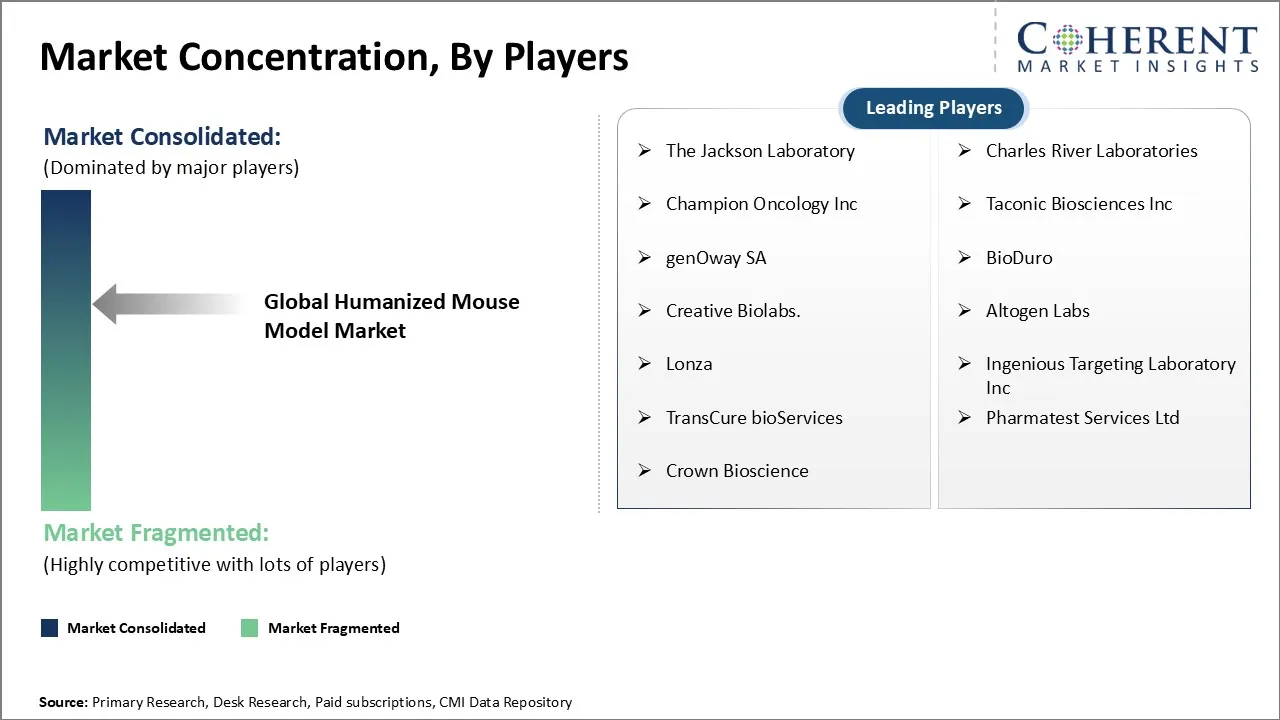
- The Jackson Laboratory, a non-profit biomedical research institution, is known for its NSG and NSG-SGM3 mouse models, widely used in human immune system research for oncology and HIV. Charles River Laboratories offers a comprehensive suite of humanized immune system mice, including patient-derived xenograft (PDX) models used for preclinical oncology testing. Taconic Biosciences Inc provides huNOG and huNOG-EXL models, well-regarded for their ability to support long-term engraftment and mimic complex human immune responses.
- Mid-sized players focus on offering reliable and functional humanized mouse models at competitive prices, making them accessible to smaller research institutions and biotech firms. These companies balance affordability with performance, ensuring their models meet the core needs of preclinical testing while remaining budget-friendly. They often provide customizable genetic models and support various research applications, including immunology, oncology, and vaccine development.
- genOway SA provides custom-engineered immunodeficient mouse models designed for immune response and oncology research, allowing clients to tailor models based on their specific study requirements. Creative Biolabs offers readily available off-the-shelf humanized models, commonly used in CAR-T therapy, antibody validation, and infectious disease testing.
- Small-scale companies in the market often concentrate on niche research areas by developing highly specialized or custom models that address specific, underserved scientific needs. These firms leverage novel technologies and remain agile in model innovation, often producing humanized mice tailored to rare diseases, specific genetic pathways, or localized immune responses. Their offerings are particularly valuable to startups, universities, and highly targeted research programs.
- TransCure bioServices focuses on models for HIV, metabolic disease, and CNS-related research, offering full human immune system reconstitution capabilities for detailed pathophysiology studies. Pharmatest Services Ltd specializes in bone metastasis and inflammation models, supporting oncology researchers exploring tumor microenvironments.
Market Report Scope
Humanized Mouse Model Market Report Coverage
| Report Coverage | Details | ||
|---|---|---|---|
| Base Year: | 2025 | Market Size in 2026: | USD 147.0 Mn |
| Historical Data for: | 2020 To 2024 | Forecast Period: | 2026 To 2033 |
| Forecast Period 2026 to 2033 CAGR: | 6.1% | 2033 Value Projection: | USD 222.4 Mn |
| Geographies covered: |
| ||
| Segments covered: |
| ||
| Companies covered: | The Jackson Laboratory, Charles River Laboratories, Champion Oncology Inc, Taconic Biosciences Inc, genOway SA, BioDuro, Creative Biolabs., Altogen Labs, Lonza, Ingenious Targeting Laboratory Inc, TransCure bioServices, Pharmatest Services Ltd, and Crown Bioscience | ||
| Growth Drivers: |
| ||
| Restraints & Challenges: |
| ||
Humanized Mouse Model Market Dynamics
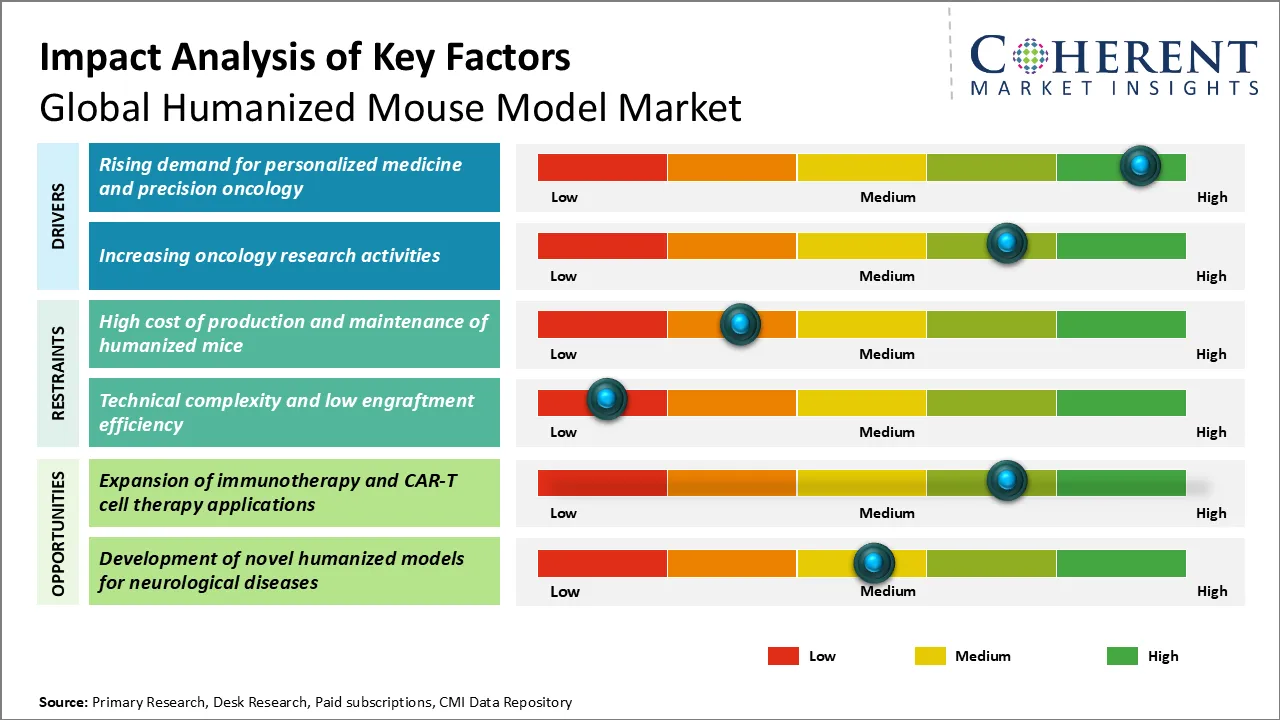
Humanized Mouse Model Market Driver - Rising Demand for Personalized Medicine and Precision Oncology
The escalating focus on personalized medicine and precision oncology is a significant driver propelling the adoption of humanized mouse models globally. These models provide an invaluable platform for studying human immune responses, tumor biology, and therapeutic efficacy in a more clinically relevant environment. As the medical community shifts away from one-size-fits-all treatments to tailored therapies based on individual genetic, environmental, and lifestyle factors, the need for accurate preclinical models becomes paramount. Humanized mouse models enable researchers to evaluate the safety and effectiveness of novel immunotherapies and targeted cancer treatments with higher predictive power. This increased demand is further fueled by advancements in genomic profiling and biomarker identification, which necessitate robust in vivo systems to validate personalized interventions.
For instance, in December 2024, Aster DM Healthcare, a leading integrated healthcare provider in India and the Gulf, launched Precision Oncology Clinics, Aster Cancer Grid, and Onco Collect at the Aster Cancer Conclave 2024. Responding to the rising demand for personalized medicine, these initiatives aim to deliver data-driven, genomic-based cancer treatments. The clinics will offer tailored therapies based on individual tumor profiles, while Aster Cancer Grid will centralize data to support clinical trials and standardized care. Onco Collect will enhance treatment precision through AI-powered, real-time patient outcome tracking.
Humanized Mouse Model Market Opportunity - Expansion of Immunotherapy and CAR-T Cell Therapy Applications
The rapid rise of immunotherapy and CAR-T cell therapies is creating significant growth opportunities for the global humanized mouse model market. These models, engineered with human-like immune systems, are vital for accurately simulating human immune responses in preclinical research. As CAR-T therapies require precise evaluation of efficacy and safety, humanized mice offer a reliable platform to assess immune interactions and reduce clinical trial risks. With immunotherapy expanding into autoimmune and infectious diseases, pharmaceutical and biotech firms are increasingly adopting these models to accelerate drug development and meet regulatory standards.
For example, in February 2024, BioNTech SE, a leading immunotherapy innovator, and Autolus Therapeutics, a clinical-stage biotech specializing in advanced T cell therapies, entered a strategic collaboration to accelerate the development and commercialization of autologous CAR-T cell therapies. With BioNTech investing USD 200 million and gaining access to Autolus’ manufacturing capabilities and cell programming technologies, the partnership aims to fast-track candidates like BNT211 and obe-cel toward pivotal trials.
Analyst Opinion (Expert Opinion)
- The humanized mouse model market is witnessing robust growth, driven by the rising demand for preclinical models that closely mimic human physiology, especially in oncology, immunology, and infectious diseases. Technological advancements such as CRISPR gene-editing, improved engraftment techniques, and next-generation sequencing are accelerating model development and adoption. Regulatory agencies like the U.S. FDA and EMA are increasingly supporting the use of humanized mice in drug discovery, particularly for evaluating immunotherapies. While these models offer immense promise, challenges such as high development costs, ethical concerns, and limited scalability persist. Nevertheless, emerging opportunities in personalized medicine and gene therapy trials are expected to reshape the market landscape.
- Recent global events such as the AACR Annual Meeting, SLAS International Conference & Exhibition, and BIO International Convention (2022–2024) have served as key platforms for showcasing advancements in humanized models and enabling cross-sector collaboration. Additionally, initiatives like the NIH-supported Humanized Mouse Program, and Taconic Biosciences' expanded CD34+ humanized models have significantly contributed to the market. For instance, the Allergy and Asthma Network’s collaboration with universities to study immune response in humanized models illustrates the growing institutional investment in refining translational research, further bolstering the market’s long-term trajectory.
Speak to the analyst
Want personalized insights?
Take the findings above to one of our principal consultants, or have the report rebuilt around the segments, geographies and competitors you actually track.
Market Segmentation
- Type Insights (Revenue, USD Mn, 2021 - 2033)
- Genetic Humanized Mouse Models
- Cell-Based Humanized Mouse Models
- Application Insights (Revenue, USD Mn, 2021 - 2033)
- Oncology
- Immunology
- Neuroscience
- Infectious Diseases
- Toxicology
- Hematopoiesis
- Others (Autoimmune Diseases)
- Technology Insights (Revenue, USD Mn, 2021 - 2033)
- CRISPR or Cas9 Gene Editing
- RNA Interference (RNAi)
- Transgenic Technology
- Embryonic Stem Cell-Based Models
- Others (Lentiviral Vector-Mediated Gene Transfer)
- End User Insights (Revenue, USD Mn, 2021 - 2033)
- Pharmaceutical and Biotechnology Companies
- Contract Research Organizations
- Academic and Research Institutions
- Others (Government and Non-Profit Organizations)
- Regional Insights (Revenue, USD Mn, 2021 - 2033)
- North America
- U.S.
- Canada
- Latin America
- Brazil
- Argentina
- Mexico
- Rest of Latin America
- Europe
- Germany
- U.K.
- Spain
- France
- Italy
- Russia
- Rest of Europe
- Asia Pacific
- China
- India
- Japan
- Australia
- South Korea
- ASEAN
- Rest of Asia Pacific
- Middle East
- GCC Countries
- Israel
- Rest of Middle East
- Africa
- South Africa
- North Africa
- Central Africa
- North America
- Key Players Insights
- The Jackson Laboratory
- Charles River Laboratories
- Champion Oncology Inc
- Taconic Biosciences Inc
- genOway SA
- BioDuro
- Creative Biolabs.
- Altogen Labs
- Lonza
- Ingenious Targeting Laboratory Inc
- TransCure bioServices
- Pharmatest Services Ltd
- Crown Bioscience
Sources
Primary Research Interviews
- Leading scientists in the field of genetics and biotechnology
- Research professionals from academic and pharmaceutical institutions
- Senior executives from biotech companies specializing in animal models
- Clinical researchers using humanized mouse models for disease research
Government and International Databases
- U.S. National Institutes of Health (NIH)
- European Medicines Agency (EMA)
- U.S. Food and Drug Administration (FDA)
- National Center for Biotechnology Information (NCBI)
- World Health Organization (WHO)
- National Institute of Health Research (NIHR)
- Organization for Economic Co-operation and Development (OECD)
Trade Publications
- Nature Biotechnology
- Scientific American
- BioTechniques
- Journal of Laboratory Automation
- Genetic Engineering & Biotechnology News (GEN)
- The Scientist
Academic Journals
- Journal of Immunology
- Nature Reviews Molecular Cell Biology
- Cell Stem Cell
- Journal of Clinical Investigation
- Trends in Biotechnology
- PLOS Biology
- Bioinformatics
Reputable Newspapers
- The New York Times
- The Guardian
- The Wall Street Journal
- Reuters Health
- The Financial Times
Industry Associations
- American Association for Cancer Research (AACR)
- International Society for Stem Cell Research (ISSCR)
- European Society of Human Genetics (ESHG)
- Society for Laboratory Automation and Screening (SLAS)
- International Society of Biotechnology (ISB)
Public Domain Resources
- National Center for Biotechnology Information (NCBI) database
- U.S. National Library of Medicine
Proprietary Elements
- CMI Data Analytics Tool: Proprietary analytics tool to analyze real-time market trends, consumer behavior, and technology adoption in market
- Proprietary CMI Existing Repository of Information for Last 8 Years
Get access to 250+ pages report
Every segment, forecast, competitor profile and data table behind the analysis above — available for instant download.
- ESOMAR Member
- ISO 9001:2015 Certified
- D-U-N-S Registered
- GDPR & CCPA Compliant
Missing comfort of reading report in your local language? Find your preferred language:
Transform your Strategy with Exclusive Trending Reports
Frequently Asked Questions
The global humanized mouse model market is estimated to be valued at USD 147.0 Mn in 2026 and is expected to reach USD 222.4 Mn by 2033.
The CAGR of the global humanized mouse model market is projected to be 6.1% from 2026 to 2033.
Rising demand for personalized medicine and precision oncology and increasing oncology research activities are the major factors driving the growth of the global humanized mouse model market.
High cost of production and maintenance of humanized mice and technical complexity and low engraftment efficiency are the major factors hampering the growth of the global humanized mouse model market.
In terms of type, genetic humanized mouse models are estimated to dominate the market revenue share in 2026.
Humanized mice are used to study human diseases and test drug responses by mimicking human immune or physiological systems. They help improve the accuracy of preclinical research and therapeutic development.
Humanized mouse models are typically produced by introducing human genes, cells, or tissues into genetically modified mice, allowing them to mimic human biological systems.