

Global Medical Dosimetry Equipment Market Size and Forecast – 2026 to 2033
The Global Medical Dosimetry Equipment Market is estimated to be valued at USD 1.78 Bn in 2026 and is expected to reach USD 3.13 Bn by 2033, exhibiting a compound annual growth rate (CAGR) of 8.4% from 2026 to 2033. This growth is driven by the increasing demand for precise radiation therapy planning and the rising incidence of cancer worldwide. The market expansion is also supported by ongoing technological advancements and the growing adoption of automated dosimetry systems in healthcare facilities.
Key Takeaways of the Global Medical Dosimetry Equipment Market
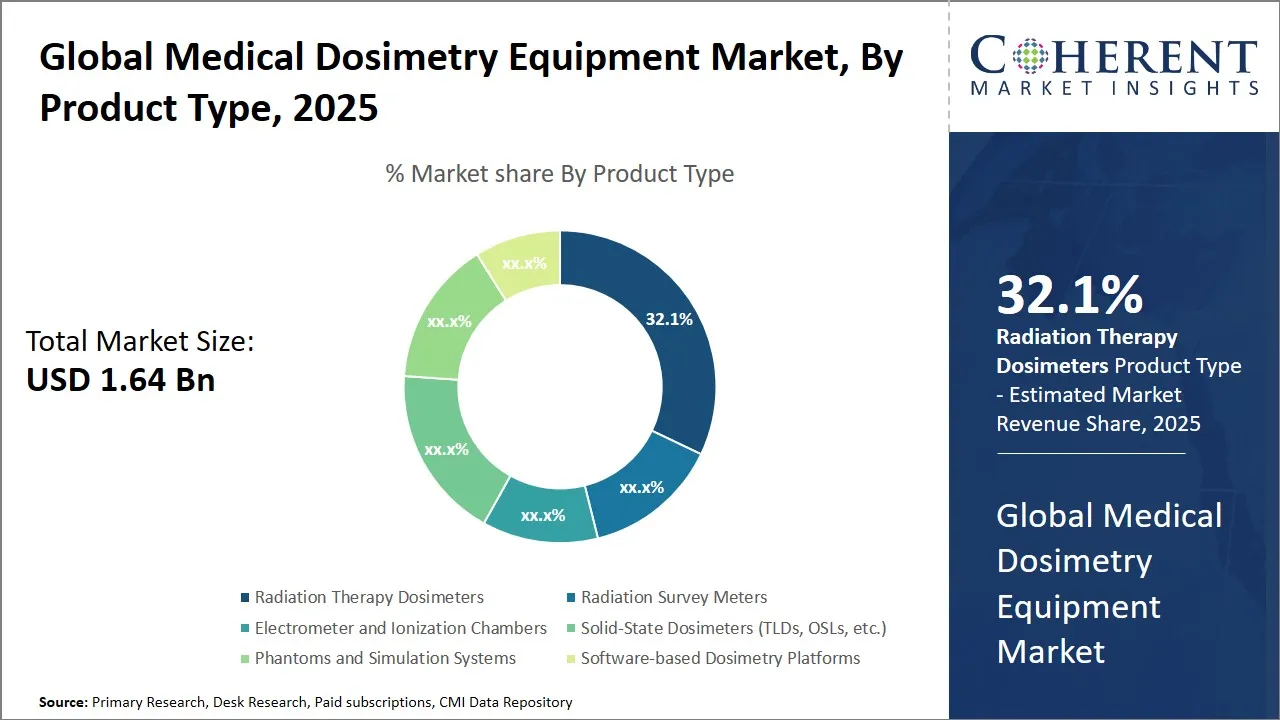
- In the global medical dosimetry equipment market, radiation therapy dosimeters are expected to account for the largest share by product type at 33.1 % in 2026.
- From a technology perspective, passive dosimetry is projected to lead the medical dosimetry equipment market with a 66.3% share in 2026.
- On the application front, the External Beam Radiotherapy (EBRT) dosimetry segment is projected to hold 41.1 % share in 2026, making it the dominant category within the medical dosimetry equipment market .
- North America is expected to lead the market, holding a share of 37.3 % in 2026. Asia Pacific is anticipated to be the fastest-growing region, with an estimated market share of 23.4% in 2026.
Market Overview
Current market trends highlight a significant shift towards integrating artificial intelligence and machine learning technologies to enhance treatment accuracy and workflow efficiency in medical dosimetry. Additionally, there is an increasing focus on developing portable and user-friendly devices that facilitate remote patient monitoring and real-time dose adjustments. Furthermore, collaborations between equipment manufacturers and healthcare providers are intensifying to drive innovation and improve patient outcomes, thereby fueling sustained market momentum.
Current Events and Its Impact
Current Events | Description and its Impact |
Rising Adoption of Hypofractionated and Flash Radiotherapy |
|
DOSIsoft PLANET Onco Dose v3.2 receives U.S. FDA 510(k) clearance |
|
Segmental Insights
- Current Industry Events of 2026
- Market Size Estimation
- Regional Breakdown
- Competitive Landscape
- Customer Intelligence
- Segmental Analysis
- Pricing Analysis
- Key Market Drivers, Challenges & Future Trends
- Customized Insights Section
Medical Dosimetry Equipment Market Insights, By Product Type - Dominance of Radiation Therapy Dosimeters by Product Type is Driven by Precision and Safety Needs
The radiation therapy dosimeters segment accounts for the largest proportion based on product type in the medical dosimetry equipment market, holding an estimated share of 33.1% in 2026. This can be largely attributed to the increasing need to determine the dose of patients and their safety in cancer therapies.
Radiation therapy dosimeters are an essential tool for assuring the accuracy and consistency of the therapeutic dose of radiation delivered to cancer patients. Such accuracy is essential as any deviations in dosage may drastically affect the efficacy of the treatment and the results of the patient, either by underdose of tumors or overdose of normal tissues.
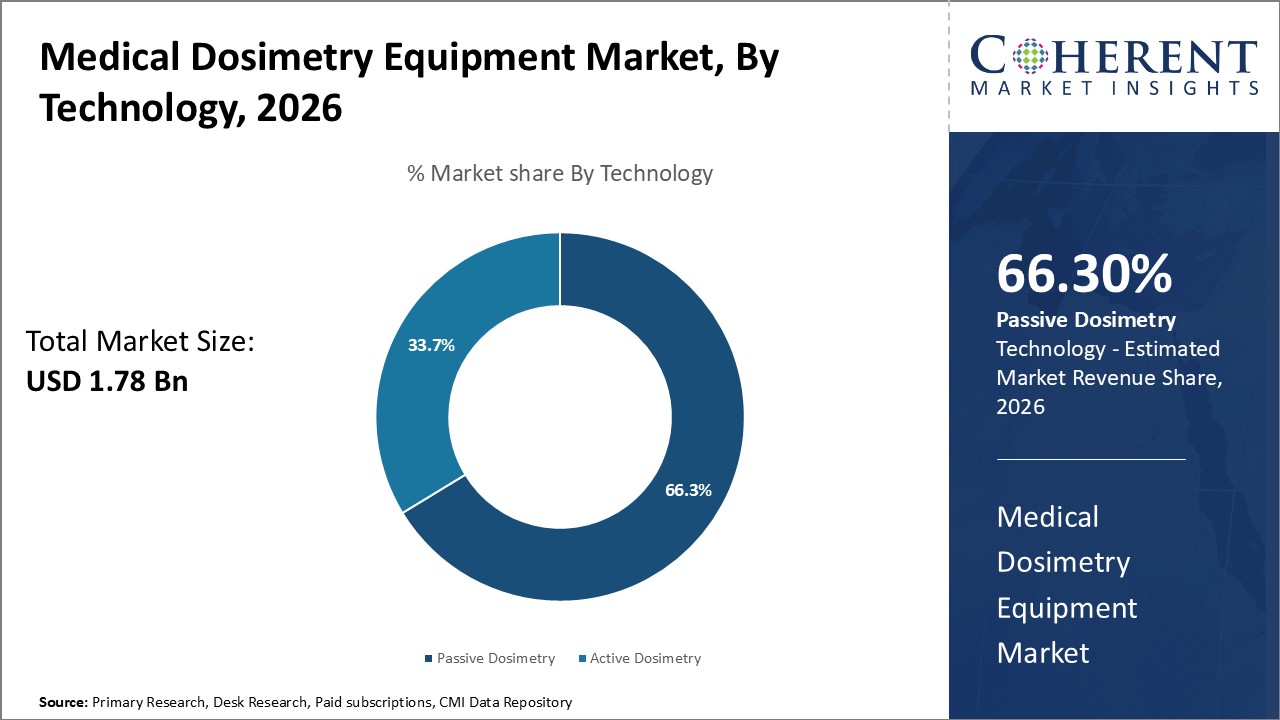
Medical Dosimetry Equipment Market Insights, By Technology – Passive Dosimetry’s Market Leadership is Fueled by Reliability and Cost Effectiveness
Analyzing the market within the context of the type of technology, passive dosimetry is projected to become the dominant force in the medical dosimetry equipment market with 66.3% in 2026. Passive dosimeters, including thermo luminescence dosimeters (TLDs) and optically stimulated luminescence dosimeters (OSLs), are dosimeters that detect cumulative radiation exposure, in the absence of active electronic components when the doses are measured.
As an example, Dosilab, a Swiss company involved in the provision of radiation monitoring solutions, deals with personal dosimetry used to provide occupational safety, in accordance with the Radiation Protection Act and Ordinance of the country. The company specializes in passive dosimetry technologies, including thermoluminescence (TL) and optically stimulated luminescence (OSL), and provides maintenance-free dollar dosemeters such as dosiBADGE, dosiRING, dosiEYE, and dosiBOARD to meet the requirements of the profession.
Medical Dosimetry Equipment Market Insights, By Application – External Beam Radiotherapy (EBRT) Dosimetry Leads Applications on Account of Treatment Volume and Complexity
External Beam Radiotherapy (EBRT) dosimetry is expected to hold the largest share of the global medical dosimetry equipment application market, accounting for 41.1% in 2026, driven by the widespread use of EBRT techniques in treating various types of cancer worldwide. EBRT entails the use of external radiation beam of high energy to the target tumor, which requires accurate dosimetric checks to guarantee that the radiation is localized in the tumor margins and does not reach the neighboring healthy tissues.
EBRT treatments are complex and involve a lot of volume, which justifies the leading market share of the segment. The EBRT protocols are demanding of quality assurance measures such as measuring doses of patients and calibration of equipment to counter possible sources of radiation overdose.
Role of Artificial Intelligence (AI) on the global medical dosimetry equipment market
- Artificial Intelligence (AI) is playing a transformative role in the global medical dosimetry equipment market by reshaping how radiation therapy planning, monitoring, and quality assurance are performed. AI-powered predictive analytics enables clinicians to model patient-specific dose distributions with higher accuracy, minimizing radiation exposure to healthy tissues while improving therapeutic outcomes. Process automation supported by AI significantly reduces manual workload in tasks such as treatment planning, dosimeter calibration, and error detection, thereby improving operational efficiency and reducing costs. Companies like Varian (a Siemens Healthineers company) and Elekta have already embedded AI in their platforms for adaptive radiotherapy, enabling real-time adjustments in dosimetry based on patient response and imaging feedback. Additionally, personalization powered by AI allows clinicians to tailor dose delivery protocols to individual patient characteristics, which enhances patient safety and treatment precision. These advancements are improving customer experiences by ensuring faster, more accurate, and patient-centric radiation therapy delivery.
- Beyond immediate efficiency gains, AI is opening new business models and opportunities in this market, such as cloud-based dosimetry solutions, AI-driven quality management systems, and collaborative platforms for data sharing among hospitals and cancer centers. Startups are leveraging machine learning to innovate in error detection and predictive maintenance of dosimetry equipment, creating competitive advantages for early adopters. However, the integration of AI is not without challenges concerns about algorithmic bias, data security, regulatory approval timelines, and high upfront costs remain potential drawbacks. For companies in this market, actionable steps include investing in AI partnerships, building scalable data infrastructure, and training personnel in AI-assisted workflows. By strategically adopting AI, companies can enhance scalability, drive innovation in product offerings, and secure long-term success, making AI both a powerful enabler and a disruptive force in the future of medical dosimetry.
Regional Insights
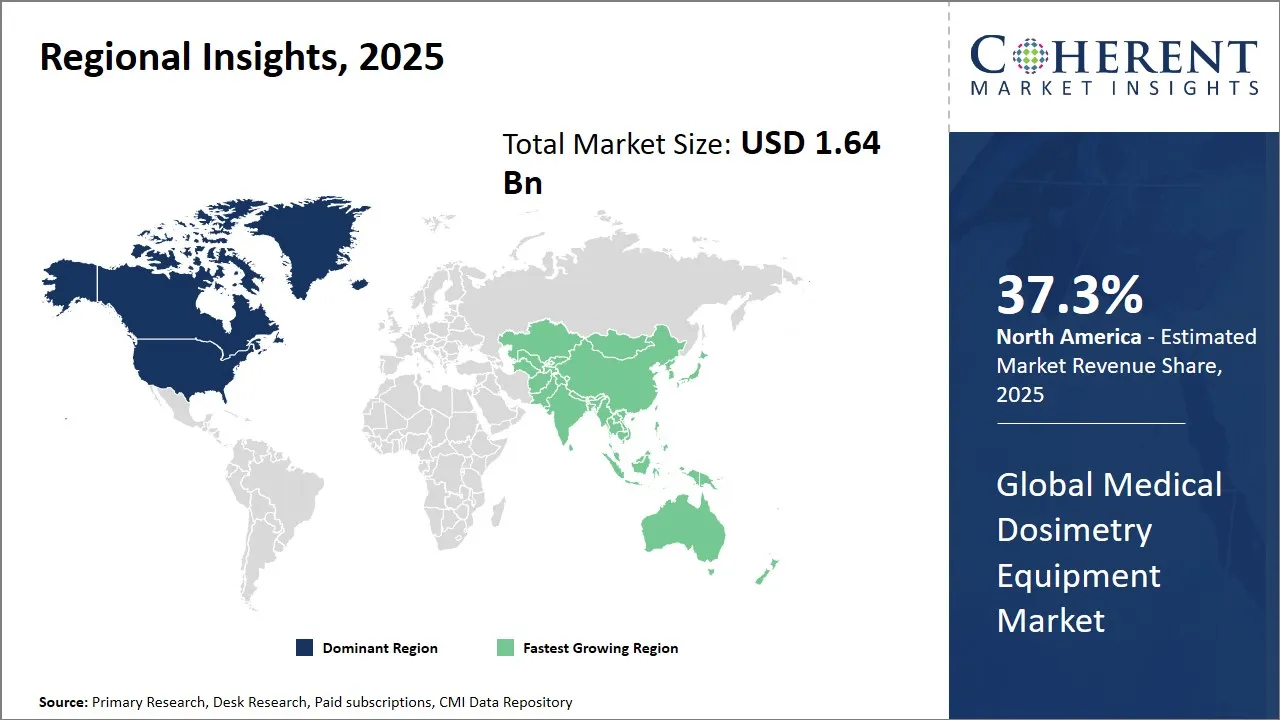
North America Medical Dosimetry Equipment Analysis and Trends
Domination of the global medical dosimetry equipment market in North America is based on the presence of well-established healthcare system with an estimated share of 37.3% in 2026, a high rate of adoption of modern medical technologies, and significant investment on cancer treatment and research centers. The area also enjoys conducive government policies, including the good reimbursement systems and the regulatory licenses that help facilitate the implementation of novel dosimetry solutions. The fact that the industry has many major players including Varian Medical Systems, Elekta, and Sun Nuclear Corporation only increases the strength of the market as they constantly present innovative equipment and software in the medical field of dosimetry.
Asia Pacific Medical Dosimetry Equipment Analysis and Trends
In the meantime, Asia Pacific is characterized by the quickest market growth in the medical dosimetry equipment market with an estimated 23.4% share in 2026 due to a compounding of escalating cancer rates, rising healthcare spending, and growing healthcare facilities. Countries like China, India, Japan and South Korea are extensively investing in the modernization of medical facilities and promoting the production of high-sophistication medical equipment within their nations which increases the level of market growth. In addition to that, increased awareness about the issue of early cancer being detected, coupled with preferential regulatory changes to aid medical device approvals, promotes market growth.
Chiyoda Technol Corporation, a Japan-based dosimetry solutions manufacturer, showcased its products such as the DoseAce Clinical Dosimetry System and the RPLD Radio photoluminescence Dosimeter, which was developed in collaboration with the IRSN Institute of Radiological Protection and Nuclear Safety in France. The company also highlighted its neutron dosimetry solutions, including the WNP Wide-range NeuPit System and the TechnoTrak 2 Solid-state Track Detector, to strengthen its position in the global radiation monitoring business.
Global Medical Dosimetry Equipment Market Outlook for Key Countries
U.S. Medical Dosimetry Equipment Market Trends
The U.S. still has a well-developed medical dosimetry equipment industry that is supported by the high standards of cancer care centers, high-technological research centers, and high level of regulation which is controlled by the FDA. The key players in the development of the dosimetry technology are leading companies like Varian medical systems (Siemens Healthineers) and Sun nuclear corporation. Their range of products consists of a wide range of dosimeters, phantoms, and software solutions that provide more accuracy on radiation therapy.
RaySafe, a radiation safety solutions provider based in the U.S. under Fluke Biomedical, reported about the availability of its latest portfolio such as the RaySafe 452 Radiation Survey Meter and the RaySafe i3 real-time dosimetry system.
China Medical Dosimetry Equipment Market Trends
Emerging healthcare industry in China demonstrates a great momentum in medical dosimetry due to healthcare reforms to improve access to healthcare infrastructure development in providing cancer treatment in urban and rural regions. With policy support and funding, the Chinese government is very active promoting innovation, both local and foreign medical devices companies have been drawn. Other companies like Elekta and IBA Dosimetry have expanded by collaborating with local distributors and hospitals. Also, the increasing levels of patient awareness and governmental focus on harmonizing radiation therapy protocols are other factors that have led to a high rate of technology uptake, which makes China an important market in the Asia Pacific region.
In April 2026, ThreeRays Beijing Technology Co Ltd, a Chinese company that provides radiation measurement solutions, and Aerial, a company in the field of dosimetry technologies, signed a partnership agreement during the ICARST 2026 conference to provide more people in Asia with access to advanced dosimetry systems. In the partnership, ThreeRays will be the authorized local partner of Aerial to market high-precision products based on dosimetry and alanine solutions and collaborate in promoting training and quality standardization in radiation processing industries.
Germany Medical Dosimetry Equipment Market Trends
The European segment of the medical dosimetry equipment market is vital in Germany since it has a good base of manufacturing and effective healthcare system. Germany-based companies like PTW-Freiburg are known as global leaders in technology medical research and development, as well as manufacture of high-precision dosimetry equipment. High adoption of advanced dosimetry solutions in radiation oncology facilities is guaranteed by the strong regulatory system, focus on quality and safety standards in the country. Germany can also control the surrounding markets and cross-border cooperations in the European Union due to its strategic market location in Europe.
The International Atomic Energy Agency (IAEA) signed an agreement with Elekta, a major provider of radiation therapy systems, and GE HealthCare, a global medical technologies provider in November 2024, under its Rays of Hope Cancer Care for All program to enhance access to cancer care in the global community. Elekta will supply brachytherapy applicators and GE HealthCare a mammography machine to the IAEA Dosimetry Laboratory in Seibersdorf Austria, further training and research opportunities to countries with interest in increasing their access to advanced cancer diagnostics and treatment.
India Medical Dosimetry Equipment Market Trends
The current market in medical dosimetry equipment is growing in India because of its large medical dosimetry market that is fast growing due to its developing healthcare infrastructure and growing cancer burden. The market will grow due to a combination of government programs such as better health insurance coverage and investment in oncology centers. Elekta and Varian Medical Systems are the international companies that have enhanced their presence in collaboration with local distributors and providers of health services.
The International Atomic Energy Agency (IAEA) organized a global Brachytherapy Dosimetry Audit in June 2026 in an effort to improve the accuracy and safety of high-dose rate brachytherapy to treat cancerous tumors such as cervical prostate and breast. The program was created through collaboration with almost 50 cancer centers and top institutes in India as well as Brazil China Iran and South Africa to introduce a portable phantom device to confirm proper delivery of doses and source positioning to enable hospitals worldwide to enhance patient safety and treatment outcomes.
Market Players, Key Developments, and Competitive Intelligence
Key Developments
- In June 2025, the International Atomic Energy Agency (IAEA) partnered with MedAccess, a U.K.-based social enterprise, to expand access to affordable radiation medicine under the Rays of Hope Cancer Care for All initiative. The collaboration focuses on innovative financing solutions to help low- and middle-income countries invest in radiotherapy equipment and services, aiming to accelerate access to life-saving cancer care worldwide.
- In May 2025, IBA Worldwide Ion Beam Applications, a global leader in particle accelerator technology and dosimetry solutions, introduced its myQA Blue Phantom³ at the ESTRO annual congress in Vienna. The new system offers the fastest automatic levelling in the market with seamless integration across linear accelerators, giving medical physicists real-time precision and reproducibility in radiation therapy quality assurance and commissioning while reinforcing IBA’s long-standing focus on advancing safety and efficiency in cancer treatment.
- In February 2025, Stanford Medicine, a leading U.S.-based academic medical center, became the first to trial a novel biology-guided radiation therapy machine that uses PET tracers to track and target tumors in real time. The technology known as SCINTIX was developed by RefleXion Medical, a California-based radiation therapy innovator, and combines radiotherapy with PET imaging to precisely treat moving or multiple tumors. Recently cleared by the U.S. FDA for certain lung and bone cancers, the system is now being tested at Stanford to evaluate its impact on patient outcomes and quality of life.
- In April 2024, Mirion Dosimetry Services, a division of Mirion Medical, launched its new InstadoseVUE wireless radiation dosimeter, a next-generation wearable badge designed to improve occupational radiation safety with faster data transmission, longer battery life, and on-screen dose visibility. The device allows real-time monitoring and remote reporting without the need for traditional badge return cycles, reflecting Mirion’s commitment to advancing radiation safety and compliance for healthcare workers and other professionals exposed to radiation.
Top Strategies Followed by Global Medical Dosimetry Equipment Market Players
- The existing market players have maintained leading positions in the market by heavily investing in research and development (R&D) in their quest to innovate and present high-performance, reliable, and technologically advanced dosimetry solutions. The R&D activities help them satisfy the changing needs of the healthcare providers in order to achieve accuracy and safety in administration of radiation therapy.
- In June 2024, Thermo Fisher Scientific, a worldwide producer of scientific instruments and laboratory solutions, introduced the Thermo Scientific NetDose Pro digital dosimeter, a smaller wearable device which measures real-time radiation exposure. The system links through Bluetooth to either a mobile application or web interface allowing the real-time monitoring, reporting, and secure handling of dosimetry information in a healthcare facility or industry to facilitate regulatory compliance and workplace safety.
- Mid-level participants of the medical dosimetry equipment market follow a different strategy, considering cost-effectiveness and quality of product to be the main priorities. Their most important tactic is the provision of low-cost solutions that will attract low-cost health care providers in that is, in areas where health care is cost-limited yet demand effective dosimetry instruments to increase. These enterprises are partnering effectively with the technology companies, the suppliers of the components, or the manufacturing partners to boost the efficiency of production and advancement in terms of technology without escalating the costs.
- Radcal Corporation and RTI Group can be considered an example of mid-level players. Radcal is reputed to have radiation measurement systems which find wide application in diagnostic radiology and offer inexpensive, reliable remedies to healthcare providers who have limited financial capability. Equally, RTI Group provides X-ray and radiation safety quality assurance tools that are convenient to use and affordable yet reliable to the performance of hospitals and clinics in economically constrained areas.
- Small-scale players qualify as they cut their niche in this competitive environment through specialization and innovation. Such companies have a habit of creating dosimetry equipment with unique or advanced features based on the individual clinical needs, thus contrasting them with the mainstream equipment. Adopting the latest technologies, including artificial intelligence, machine learning, or miniaturized sensors, can assist these smaller companies to be relevant and attractive until the market is dominated by bigger players.
- An example of small-scale players can be found in Modus QA and RTsafe. Modus QA specializes in advanced phantoms and QA equipment, with products tailored for high-precision imaging and radiation therapy applications that go beyond mainstream solutions. RTsafe takes a more innovative approach by using 3D printing to create patient-specific phantoms, enabling personalized dosimetry and treatment planning.
Market Report Scope
Medical Dosimetry Equipment Market Report Coverage
| Report Coverage | Details | ||
|---|---|---|---|
| Base Year: | 2025 | Market Size in 2026: | USD 1.78 Bn |
| Historical Data for: | 2020 To 2024 | Forecast Period: | 2026 To 2033 |
| Forecast Period 2026 to 2033 CAGR: | 8.4% | 2033 Value Projection: | USD 3.13 Bn |
| Geographies covered: |
| ||
| Segments covered: |
| ||
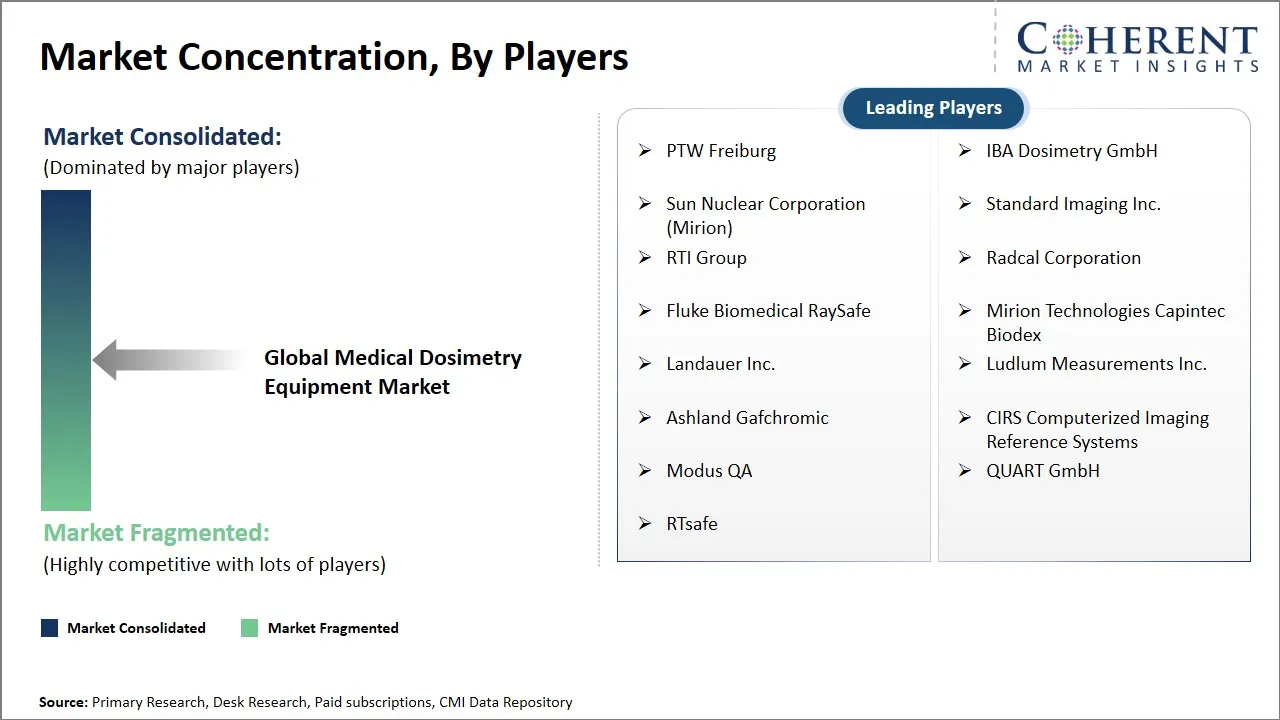
| Companies covered: | PTW Freiburg, IBA Dosimetry GmbH, Sun Nuclear Corporation (Mirion), Standard Imaging Inc., RTI Group, Radcal Corporation, Fluke Biomedical RaySafe, Mirion Technologies Capintec Biodex, Landauer Inc., Ludlum Measurements Inc., Ashland Gafchromic, CIRS Computerized Imaging Reference Systems, Modus QA, QUART GmbH, and RTsafe | ||
| Growth Drivers: |
| ||
| Restraints & Challenges: |
| ||
Medical Dosimetry Equipment Market Dynamics
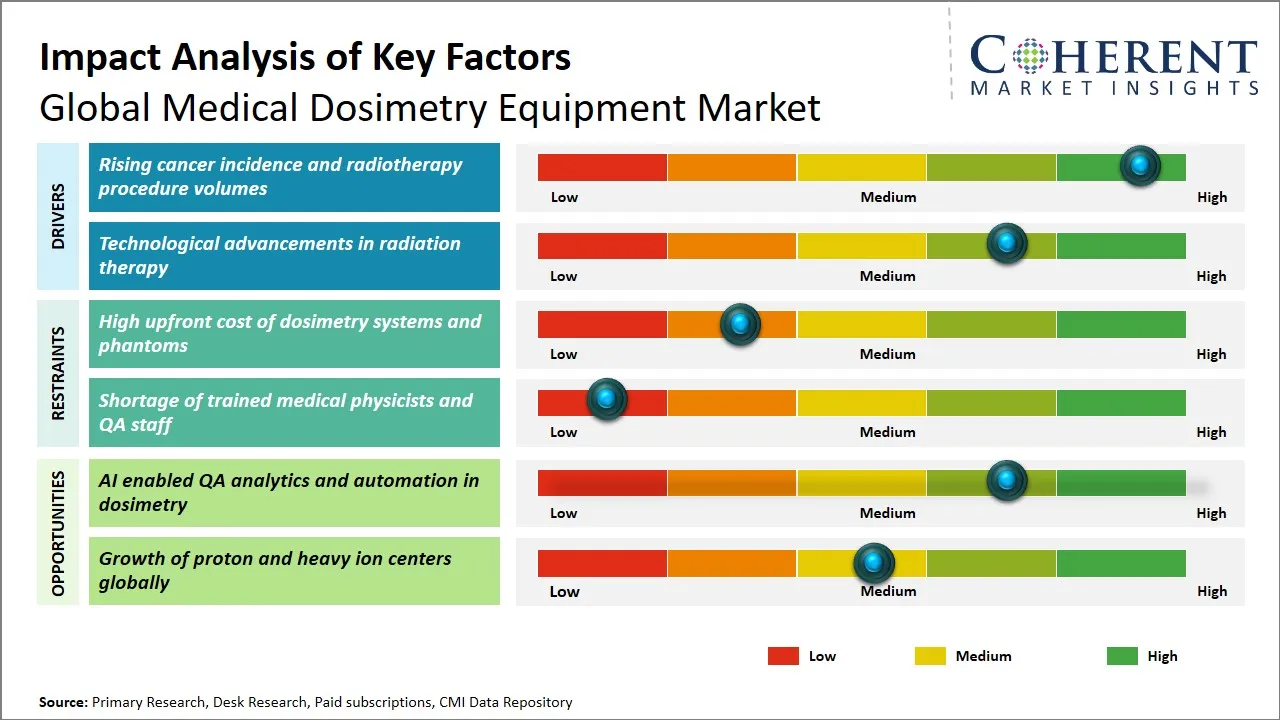
Medical Dosimetry Equipment Market Driver - Rising Cancer Incidence and Radiotherapy Procedure Volumes
The growing trends of cancer globally lead to the increased demand of medical dosimetry equipment because radiotherapy is an important aspect of the treatment regimes on cancer. As evidenced by the growing number of cancer-related diagnoses every year as a result of the growing age populations, lifestyle modifications, and advancements in diagnostic techniques, healthcare providers have turned to the use of radiotherapy as a method of narrowing down on the location of the malignant tumor. This increase in the number of patients is directly associated with the growth in the demands of precise dose calculations in order to provide the safety and effectiveness of radiation therapies. Medical dosimetry equipment has been important in the development of the most optimized radiation schemes depending on the situation of the individual patients to minimize effects onto normal tissues and maximize the chances of tumors being cured.
For example, in February 2024, the World Health Organization (WHO) and the International Agency to Research on Cancer (IARC) documented 20 million new cancer cases and 9.7 million deaths in 2022 with lung breast and colorectal cancers being the most prevalent, illustrating the necessity of improved access to care and expanded use of PET Imaging System to plan early diagnosis and treatment. Additionally, a study in Centers for Disease Control and Prevention in February 2024 identified chronic diseases as the most common in Southeastern U.S. where there is low-income poor education and limited healthcare access which confirms the necessity of policies that can help eliminate inequality and enhance access to care.
Medical Dosimetry Equipment Market Opportunity - AI-Enabled QA Analytics and Automation in Dosimetry
A major opportunity to grow QA analytics and automation is the implementation of AI in the global dosimetry equipment market through integration of artificial intelligence (AI) in quality assurance (QA). Due to the growing need to achieve high accuracy and precision in radiation therapy, AI-enabled dosimetry systems provide more opportunities of real-time dose determination, error detection, and optimization of treatment plans. These new systems apply machine learning algorithms to analyze large volumes of patient data and radiation settings in a short period of time to minimize human error and maximize treatment effectiveness. The QA processes also are automated and, therefore, simplify the process of workflow, as medical physicists can operate the complicated calculations more efficiently and consistently.
GE HealthCare, a global medical technology and digital solutions company based in the U.S., announced an agreement to purchase MIM Software MIM Software, a U.S.-based imaging and workflow solution provider, utilizing AI in oncology urology neurology and cardiology in January 2025. The acquisition is expected to help GE HealthCare reinforce its precision care strategy with imaging analytics and digital workflow features of MIM Software to its advanced visualization solutions in support of AI-based segmentation, contouring, and dosimetry analysis to improve efficiency and accuracy in hospitals and treatment centers globally.
Analyst Opinion (Expert Opinion)
- The medical dosimetry equipment market is gaining momentum, driven by the rising demand for cancer treatment. Experts highlight that rapid advancements and the adoption of technologies such as IMRT, VMAT, and proton therapy are prompting hospitals and cancer centers to invest heavily in advanced dose-determination equipment. Considerable regulatory structures that prioritize the safety of patients and the quality of patient care further contribute to this pressure. Meanwhile, the shortage of trained physicists and the expensive price of equipment are some of the issues the industry has to deal with. Nevertheless, these challenges are clearing the way to innovation, especially in AI-powered QA systems, cloud-based dose administration, and new market expansion of cancer centers, all of which are indicative of a market that is set to grow over the long-term.
- There has also been a solid propensity towards collaboration and the exchange of knowledge in the past few years through the ASTRO Annual Meeting, ESTRO Congress, and RSNA, which have continued to feature the improvements in radiotherapy quality assurance and dosimetry practices. Real-life examples such as the acquisition of Sun Nuclear by Mirion, collaboration in proton therapy facilities by IBA, and schemes funded by governments in Asia and Middle East to treat cancer depict how the market is being redefined by both the state and the business world. The combination of these initiatives and pilot projects on AI-enabled workflow management as well as regional cancer screening policy are defining not only the rate of technology adoption but also future investments in medical dosimetry equipment.
Speak to the analyst
Want personalized insights?
Take the findings above to one of our principal consultants, or have the report rebuilt around the segments, geographies and competitors you actually track.
Market Segmentation
- Product Type Insights (Revenue, USD Bn, 2021 - 2033)
- Radiation Therapy Dosimeters
- Radiation Survey Meters
- Electrometer and Ionization Chambers
- Solid-State Dosimeters (TLDs, OSLs, etc.)
- Phantoms and Simulation Systems
- Software-based Dosimetry Platforms
- Technology Insights (Revenue, USD Bn, 2021 - 2033)
- Passive Dosimetry
- Active Dosimetry
- Application Insights (Revenue, USD Bn, 2021 - 2033)
- External Beam Radiotherapy (EBRT) Dosimetry
- Brachytherapy Dosimetry
- Diagnostic Imaging
- Nuclear Medicine
- Others (Radiology and Interventional Procedures)
- End User Insights (Revenue, USD Bn, 2021 - 2033)
- Hospitals and Cancer Treatment Centers
- Diagnostic Imaging Centers
- Academic and Research Institutions
- Industrial and Nuclear Facilities
- Others (Government and Regulatory Bodies)
- Regional Insights (Revenue, USD Bn, 2021 - 2033)
- North America
- U.S.
- Canada
- Latin America
- Brazil
- Argentina
- Mexico
- Rest of Latin America
- Europe
- Germany
- U.K.
- Spain
- France
- Italy
- Russia
- Rest of Europe
- Asia Pacific
- China
- India
- Japan
- Australia
- South Korea
- ASEAN
- Rest of Asia Pacific
- Middle East
- GCC Countries
- Israel
- Rest of Middle East
- Africa
- South Africa
- North Africa
- Central Africa
- North America
- Key Players Insights
- PTW Freiburg
- IBA Dosimetry GmbH
- Sun Nuclear Corporation (Mirion)
- Standard Imaging Inc.
- RTI Group
- Radcal Corporation
- Fluke Biomedical RaySafe
- Mirion Technologies Capintec Biodex
- Landauer Inc.
- Ludlum Measurements Inc.
- Ashland Gafchromic
- CIRS Computerized Imaging Reference Systems
- Modus QA
- QUART GmbH
- RTsafe
Sources
Primary Research Interviews
Industry Stakeholders list
- Radiation oncology equipment manufacturers
- Medical physicist associations
End users list
- Hospital oncology departments
- Diagnostic imaging centers
Government and International Databases
- World Health Organization (WHO)
- International Atomic Energy Agency (IAEA)
- U.S. Food and Drug Administration (FDA)
- European Medicines Agency (EMA)
- Centers for Disease Control and Prevention (CDC)
- National Cancer Institute (NCI)
Trade Publications
- Applied Radiology
- Physics World
- DOTmed HealthCare Business News
- Diagnostic Imaging
- AuntMinnie
- Radiology Today
Academic Journals
- Radiotherapy and Oncology
- Medical Physics Journal (AAPM)
- International Journal of Radiation Oncology Biology Physics
- Journal of Applied Clinical Medical Physics
- British Journal of Radiology
- Journal of Radiation Research
Reputable Newspapers
- The New York Times – Health Section
- The Guardian – Health & Science
- The Washington Post – Health
- The Wall Street Journal – Health Industry
- Financial Times – Healthcare & Pharmaceuticals
- BBC News – Health
Industry Associations
- American Association of Physicists in Medicine (AAPM)
- European Society for Radiotherapy & Oncology (ESTRO)
- International Organization for Medical Physics (IOMP)
- Radiological Society of North America (RSNA)
- American Society for Radiation Oncology (ASTRO)
- Society of Nuclear Medicine and Molecular Imaging (SNMMI)
Public Domain Resources
- ScienceDirect Open Access
- National Center for Biotechnology Information (NCBI)
- ResearchGate Open Access Papers
- arXiv Preprints
Proprietary Elements
- CMI Data Analytics Tool: Proprietary analytics tool to analyze real-time market trends, consumer behavior, and technology adoption in market
- Proprietary CMI Existing Repository of Information for Last 8 Years
Get access to 250+ pages report
Every segment, forecast, competitor profile and data table behind the analysis above — available for instant download.
- ESOMAR Member
- ISO 9001:2015 Certified
- D-U-N-S Registered
- GDPR & CCPA Compliant
Missing comfort of reading report in your local language? Find your preferred language:
Transform your Strategy with Exclusive Trending Reports
Frequently Asked Questions
The global medical dosimetry equipment market is estimated to be valued at USD 1.78 Bn in 2026 and is expected to reach USD 3.13 Bn by 2033.
The CAGR of global medical dosimetry equipment market is projected to be 8.4% from 2026 to 2033.
Rising cancer incidence and radiotherapy procedure volumes and technological advancements in radiation therapy are the major factors driving the growth of the global medical dosimetry equipment market.
High upfront cost of dosimetry systems and phantoms and shortage of trained medical physicists and QA staff are the major factors hampering the growth of the global medical dosimetry equipment market.
In terms of product type, the radiation therapy dosimeters segment is estimated to dominate the market revenue share in 2026.
PTW Freiburg, IBA Dosimetry GmbH, Sun Nuclear Corporation (Mirion), Standard Imaging Inc., RTI Group, Radcal Corporation, Fluke Biomedical RaySafe, Mirion Technologies Capintec Biodex, Landauer Inc., Ludlum Measurements Inc., Ashland Gafchromic, CIRS Computerized Imaging Reference Systems, Modus QA, QUART GmbH, and RTsafe are the major players.
North America is expected to lead the global medical dosimetry equipment market in 2026.