

Global Neulasta Market Size and Forecast – 2026 to 2033
The Global Neulasta Market is estimated to be valued at USD 210.3 million in 2026 and is expected to reach USD 95.3 million by 2033, exhibiting a compound annual growth rate (CAGR) of -10.5% from 2026 to 2033. This decline reflects significant shifts in market dynamics, influenced by various external and internal factors impacting demand and supply within the pharmaceutical industry for Neulasta.
Key Takeaways of the Global Neulasta Market:
- Chemotherapy-induced febrile neutropenia (CIFN) continues to pose a major clinical concern for oncology patients, fueling strong demand and accounting for 53.2% of the market in 2026.
- The pediatric segment is set to capture 71.2% of the Neulasta market in 2026, reflecting greater focus on easing chemotherapy side effects in children.
- Based on Dosage Form, Prefilled syringes will hold a 71.1% share in 2026.
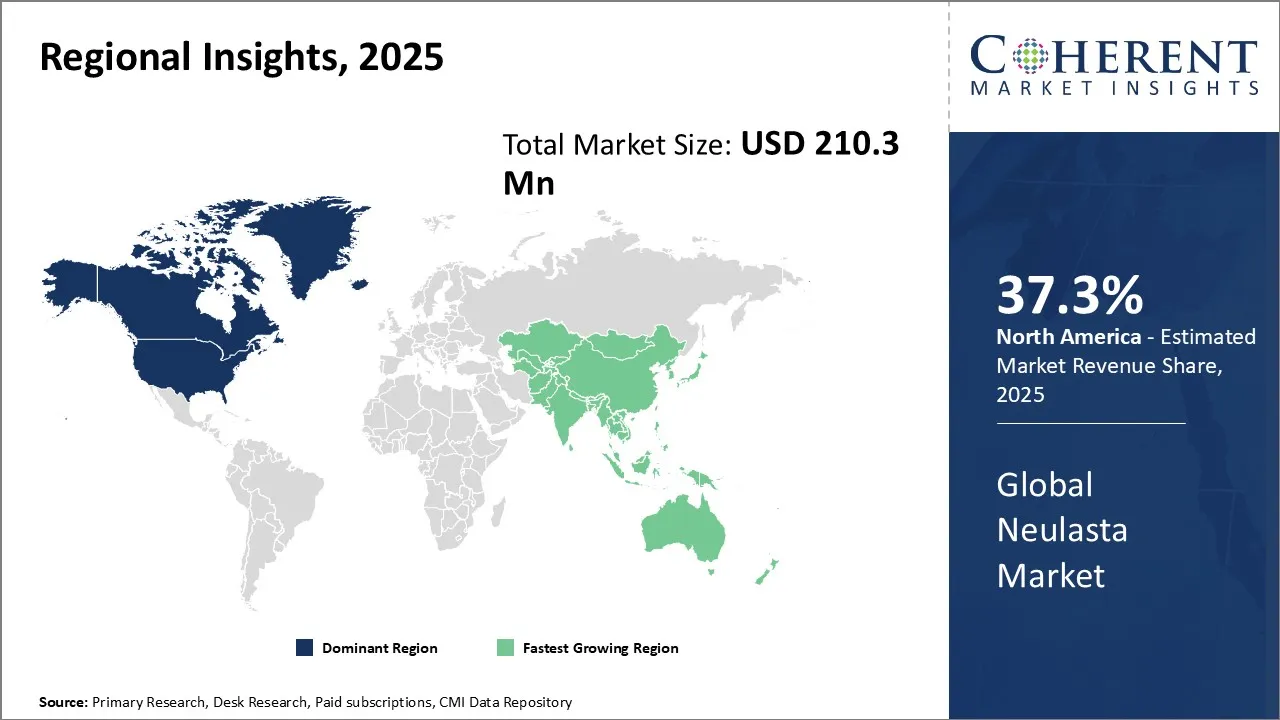
- North America is expected to lead the market, holding a share of 37. 3% in 2026. Asia Pacific is anticipated to be the fastest-growing region, with a market share of 23.2% in 2026.
Market Overview:
The market trend for Neulasta is characterized by a decreasing demand owing to the rising adoption of alternative therapies and biosimilars that offer cost-effective options. Additionally, patent expirations and increased competition from generics are accelerating the market contraction. Furthermore, advancements in cancer therapy protocols and changes in healthcare policies contribute to the diminishing preference for Neulasta, driving the negative CAGR observed during the forecast period.
Currents Events and Its Impact
Current Events | Description and its impact |
USFDA Approval of New Neulasta Biosimilars |
|
Global Health Initiatives |
|
Segmental Analysis
- Current Industry Events of 2026
- Market Size Estimation
- Regional Breakdown
- Competitive Landscape
- Customer Intelligence
- Segmental Analysis
- Pricing Analysis
- Key Market Drivers, Challenges & Future Trends
- Customized Insights Section
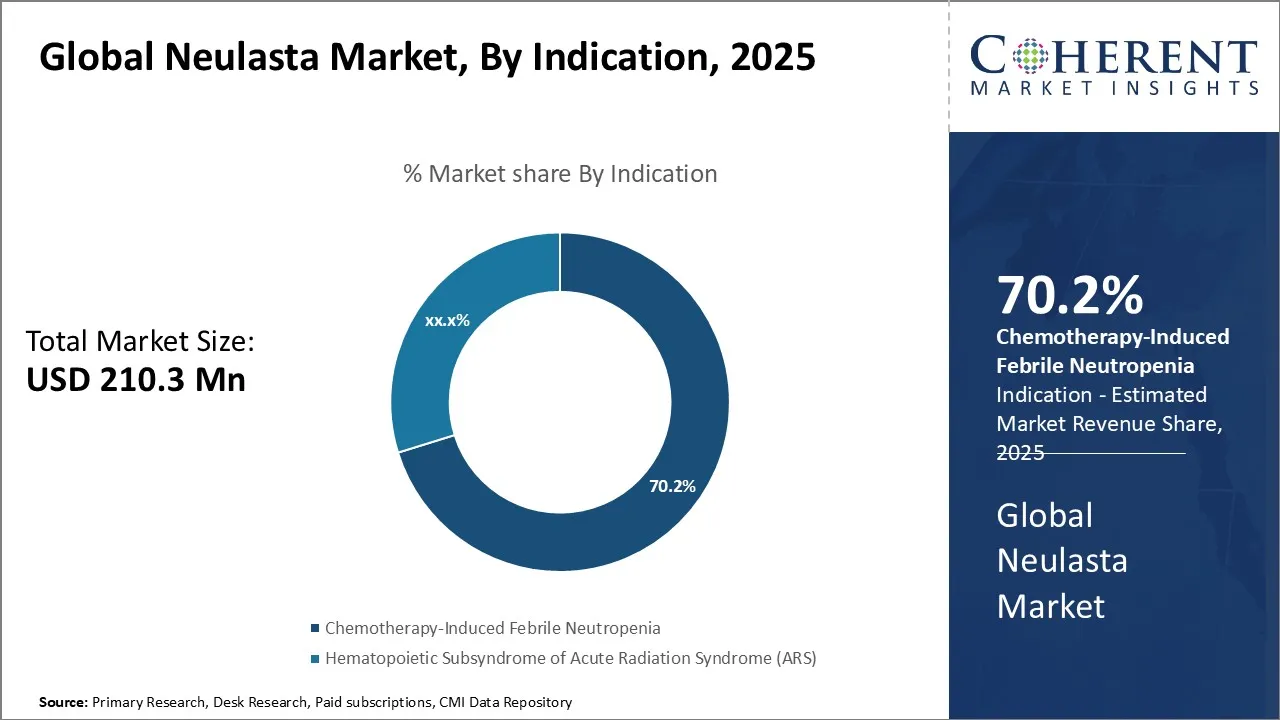
Neulasta Market Insights, By Indication - Chemotherapy-Induced Febrile Neutropenia Leads Owing to the Critical Need for Infection Prevention During Cancer Treatment
Chemotherapy-induced febrile neutropenia (CIFN) represents a significant clinical challenge for oncology patients, driving robust demand within the global Neulasta market with an estimated share of 71.1% in 2026. This indication’s dominance is primarily fueled by the widespread administration of chemotherapy regimens that suppress bone marrow function, leading to neutropenia a dangerous drop in neutrophil counts, which compromises the immune system. The resulting febrile episodes demand urgent intervention as they can escalate to life-threatening infections.
The intrinsic role of Neulasta (pegfilgrastim) in accelerating neutrophil recovery makes it indispensable in the supportive care of cancer patients, particularly as the global burden of cancers such as breast, lung, and hematological malignancies continues to rise. By effectively reducing the risk of febrile neutropenia, Neulasta not only decreases hospitalizations and antibiotic use but also helps maintain uninterrupted chemotherapy schedules, which is critically important for optimizing patient outcomes. This clinical value aligns with the broader body of evidence supporting granulocyte colony-stimulating factor (G-CSF) therapies as a cornerstone in neutropenia management. For instance, a study published in the journal Biology in October 2021 demonstrated that filgrastim and its biosimilars significantly prevent febrile neutropenia in cancer patients. Such research reinforces the efficacy of G-CSF agents and is expected to drive their adoption further, ultimately fueling growth across the segment as the need for effective supportive care intensifies worldwide.
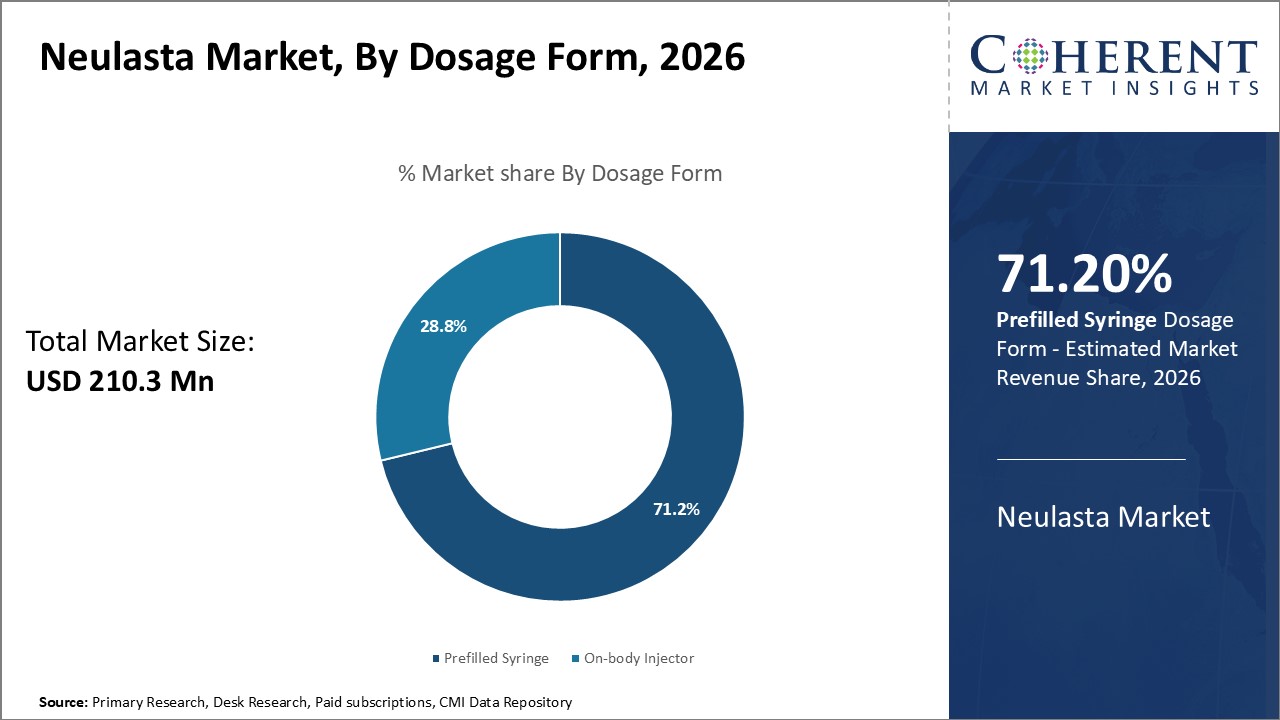
Neulasta Market Insights, By Dosage Form - Prefilled Syringe Dominates Driven by Convenience, Accuracy, and Healthcare Provider Familiarity
The prefilled syringe dosage form is expected to hold the largest share in the Neulasta market in 71.2% in 2026 primarily because it offers a practical and efficient means of administration that meets both clinical and patient needs. Prefilled syringes simplify the delivery of pegfilgrastim by minimizing preparation time and reducing dosing errors, which is critically important in oncology settings where precision is paramount.
Healthcare professionals favor prefilled syringes due to their ease of use during in-clinic administrations, enabling quick and safe delivery while maintaining sterility and dosage accuracy. This convenience supports the streamlined workflow in busy oncology centers and clinics, contributing to a preference for this dosage form. From a patient perspective, prefilled syringes can also be self-administered in certain cases, encouraging compliance and allowing more flexible treatment schedules. This ease of use is particularly beneficial for patients who may live far from treatment centers or require timely dosing support that is not constrained by clinic hours.
Neulasta Market Insights, By Age Group - Pediatric Segment Leads Due to Increasing Pediatric Oncology Cases and Tailored Supportive Care Needs
The pediatric segment’s prominence in the global Neulasta market with an estimated share of 53.1% in 2026 reflects the rising focus on managing chemotherapy side effects in children afflicted with cancer. Pediatric oncology patients are especially vulnerable to the adverse effects of neutropenia, given their developing immune systems and the intensity of chemotherapy protocols tailored to pediatric malignancies.
Neulasta’s use in pediatrics addresses the urgent need for effective prophylaxis against febrile neutropenia, which can have more severe implications in younger patients, including heightened risk of infections, treatment delays, and interruptions that significantly affect long-term outcomes. Supportive care strategies in pediatric oncology increasingly emphasize optimizing safety and treatment continuity, positioning Neulasta as a crucial therapeutic agent.
Pricing Analysis of Neulasta
- The price of Neulasta varies dramatically across countries due to factors such as biosimilar competition, production complexity, and national pricing policies. In 2024, the U.S. maintained the highest average price at approximately USD 6,418 per single-dose vial, driven by limited pricing regulation and strong clinical demand. In contrast, European markets like Austria (USD 413) and Belgium (USD 576) reflected tighter price controls and reference pricing systems. Emerging economies and smaller markets reported intermediate prices, such as Mexico (USD 1,777) and Chile (USD 621). These disparities illustrate the influence of local reimbursement structures, regulatory frameworks, and healthcare infrastructure on biologic drug pricing.
- Looking ahead to 2032, Neulasta is expected to see a significant price decline of up to 50% in many regions as biosimilar adoption accelerates and new supportive care options become available. Estimates indicate the U.S., Japan, the U.K., and Mexico may experience price reductions of 25–30%, while Western Europe could see slightly smaller decreases due to existing cost-containment measures. Factors like patent expiries, increased biosimilar supply, evolving insurance coverage, and government policy reforms will continue reshaping the global pricing landscape, making Neulasta more affordable but intensifying competitive pressures on manufacturers.
Regional Insights:
North America Neulasta Market Analysis and Trends
In North America, the market’s historical dominance is gradually declining, with share expected to fall to 37.3% in 2026 amid intensifying biosimilar competition and price pressures. Although the region maintains a sophisticated healthcare infrastructure and strong pharmaceutical presence, the widespread availability of cost-effective biosimilars is eroding growth potential. The U.S. remains a key hub for R&D and regulatory leadership, but increasing payer restrictions, biosimilar substitution policies, and pricing reforms are dampening revenue prospects. While established oncology treatment centers and insurance coverage continue to support baseline demand for Neulasta in chemotherapy-induced neutropenia, the overall market is contracting as providers adopt lower-cost alternatives and treatment protocols evolve. Major companies, including Amgen and biosimilar developers like Sandoz and Viatris, are shifting strategies toward defending residual market share rather than expanding volume.
Asia Pacific Neulasta Market Analysis and Trends
The Asia Pacific region, despite earlier rapid growth, is showing signs of slowing momentum, with market share stabilizing at around 23.2% in 2026. Widespread biosimilar adoption, government price controls, and the introduction of competing supportive care products are constraining growth opportunities. While countries like China and India continue to invest in cancer treatment infrastructure and biologic manufacturing, the emphasis on affordability has accelerated Neulasta’s price erosion and limited profitability. Regulatory agencies have streamlined approval pathways for biosimilars, leading to saturation of cost-competitive options. Even as healthcare spending rises and multinational companies expand their presence, the market’s negative CAGR reflects a shift from premium branded products to economical alternatives, reducing Neulasta’s sales volumes in the region.
Neulasta Market Outlook for Key Countries
U.S. Neulasta Market Trends
The U.S. market, once the most lucrative globally, is experiencing sustained decline due to aggressive biosimilar penetration and evolving reimbursement models. While Amgen’s legacy position as the originator persists, competitive pricing pressures, expanded substitution policies, and value-based care initiatives are compressing margins. Insurance coverage remains widespread, but payers increasingly favor lower-cost biosimilars, resulting in shrinking Neulasta volumes. Ongoing research into novel oncology supportive therapies and new G-CSF delivery mechanisms is further challenging demand. As a result, the U.S. market is transitioning from growth to a mature, contracting phase characterized by intensifying competition and price deflation.
Germany Neulasta Market Trends
Germany’s Neulasta market is entering a phase of steady decline, driven by robust biosimilar uptake and policy measures favoring cost containment. Clear reimbursement regulations and mandatory biosimilar substitution policies have significantly curtailed the originator’s market share. While the pharmaceutical manufacturing base remains strong, and clinical expertise sustains usage to an extent, persistent pricing pressures are reducing overall revenues. Market volume is further constrained by hospital formulary restrictions and increased scrutiny on cost-effectiveness in oncology supportive care, resulting in a slow but consistent contraction of the market.
China Neulasta Market Trends
China’s Neulasta market, previously marked by rapid expansion, is now facing deceleration as biosimilar competition intensifies and government efforts to control costs take hold. Local biopharmaceutical firms have scaled up the production of domestic alternatives, sharply reducing the uptake of higher-priced branded products. While rising cancer incidence and expanded coverage continue to drive demand for G-CSF therapies, the proliferation of biosimilars has eroded pricing power and profitability. With regulatory incentives favoring local manufacturers and procurement policies emphasizing affordability, the market’s trajectory is shifting toward slower growth and eventual decline in Neulasta’s share.
India Neulasta Market Trends
India’s Neulasta market is showing signs of negative growth amid aggressive biosimilar introduction and sustained pressure to reduce cancer treatment costs. Although the patient base remains large and government cancer control programs are expanding, the combination of limited insurance coverage and rapid biosimilar adoption is significantly undermining branded Neulasta sales. Local players like Biocon have established dominant positions with cost-competitive products, while multinational manufacturers are facing diminishing returns. The evolving regulatory landscape, with faster approvals and volume-based procurement policies, is accelerating market decline and intensifying competition.
Japan Neulasta Market Trends
Japan’s Neulasta market is transitioning from moderate growth to contraction as biosimilar penetration increases and cost-containment measures take priority. The Ministry of Health, Labour and Welfare’s policies encouraging biosimilar use are successfully shifting demand away from premium branded products. Despite advanced oncology centers and broad insurance coverage, the negative CAGR reflects declining sales volumes and intensifying price competition. Companies like Chugai and Kyowa Kirin are reorienting strategies toward sustaining share in a shrinking market, while the adoption of innovative treatment options further constrains Neulasta’s long-term outlook.
Market Players, Key Developments, and Competitive Intelligence:
Company Insights:
- Amgen, Inc. is a biotechnology company focused on developing innovative therapies to support patients facing serious illnesses. One of their key products is Neulasta (pegfilgrastim), a man-made form of granulocyte colony-stimulating factor (G-CSF). This medicine helps stimulate the growth of neutrophils—white blood cells essential for fighting infections—particularly in patients undergoing chemotherapy.
- Neulasta is available as a single-dose prefilled syringe and is administered as a subcutaneous injection. It is used to reduce the risk of infection due to low white blood cell counts. While highly effective, Neulasta may cause serious side effects, including spleen rupture, severe allergic reactions, kidney injury, and lung complications. Patients are advised to follow storage and handling instructions carefully and report any concerning symptoms to their healthcare providers immediately.
Market Report Scope
Neulasta Market Report Coverage
| Report Coverage | Details | ||
|---|---|---|---|
| Base Year: | 2025 | Market Size in 2026: | USD 210.3 Mn |
| Historical Data for: | 2020 To 2024 | Forecast Period: | 2026 To 2033 |
| Forecast Period 2026 to 2033 CAGR: | -10.5% | 2033 Value Projection: | USD 95.3 Mn |
| Geographies covered: |
| ||
| Segments covered: |
| ||
| Companies covered: | Amgen Inc. | ||
| Growth Drivers: |
| ||
| Restraints & Challenges: |
| ||
Neulasta Market Dynamics
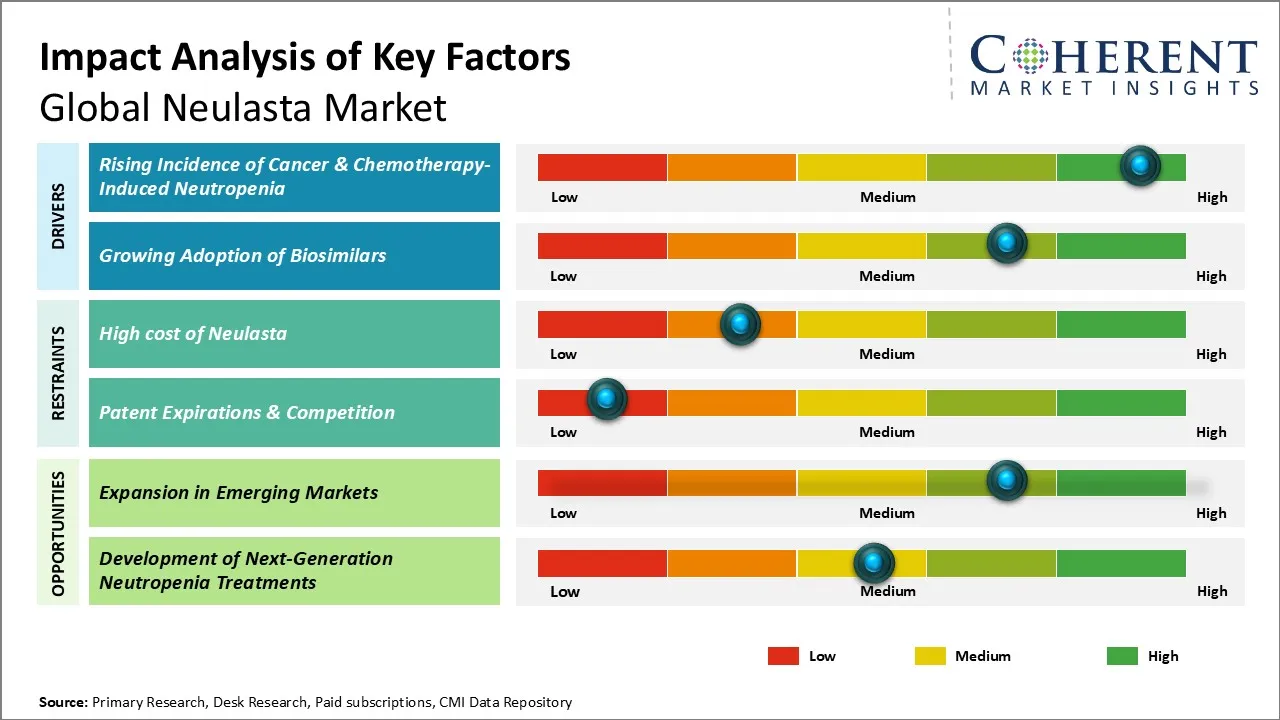
Neulasta Market Driver – Rising Incidence of Cancer & Chemotherapy-Induced Neutropenia
While the global incidence of cancer continues to rise due to aging populations, lifestyle changes, and environmental factors, the impact on Neulasta demand is increasingly moderated by the widespread adoption of biosimilars and evolving treatment approaches. Although chemotherapy-induced neutropenia remains a critical complication requiring supportive care, the proliferation of cost-effective biosimilar alternatives has significantly eroded the market share and revenue potential of branded Neulasta. Moreover, the growing emphasis on targeted therapies and immuno-oncology treatments, which may carry different neutropenia risk profiles, is gradually reshaping supportive care protocols. As a result, while rising cancer prevalence sustains a baseline need for granulocyte colony-stimulating factors, it is no longer translating into robust growth for Neulasta specifically, limiting this driver’s ability to offset overall market contraction.
In February 2024, the World Health Organization (WHO) and the International Agency for Research on Cancer (IARC) reported that 2022 saw 20 million new cancer cases and 9.7 million cancer-related deaths globally, with lung, breast, and colorectal cancers being the most prevalent. Moreover, according to the National Library of Medicine, as of May 2022, neutropenia and febrile neutropenia (FN) remained frequent and serious chemotherapy-related complications in the United States, resulting in high rates of infection, hospitalization, and mortality. Hospital stays typically last 6 to 10 days, with treatment costs reaching up to USD 40,000 per adult hospitalization. In-hospital death rates vary by cancer type, ranging from 2.6% to over 7%.
Neulasta Market Opportunity – Expansion in Emerging Markets
Although emerging markets in Asia Pacific, Latin America, and parts of Africa present expanding patient populations and improving healthcare infrastructure, the opportunity for Neulasta in these regions is constrained by intensifying biosimilar competition and strong pricing pressures. While regulatory agencies are streamlining approval processes and governments are investing in cancer care programs, these same trends are accelerating the entry of low-cost biosimilar products that quickly gain traction due to affordability requirements. Additionally, despite rising disposable incomes, out-of-pocket costs for originator biologics remain prohibitive for many patients, limiting uptake. As healthcare systems increasingly adopt volume-based procurement and price negotiations to control costs, Neulasta faces diminishing potential for meaningful growth in these geographies. While manufacturers can pursue localized patient support initiatives, the overall market opportunity in emerging regions is tempered by persistent downward pricing dynamics and rapidly saturating competition, contributing to the negative growth outlook globally.
Analyst Opinion (Expert Opinion)
- The Global Neulasta Market has been experiencing slow growth and a negative CAGR in recent years. Despite the growing demand for cancer treatments, factors such as generic competition, price pressure, and regulatory challenges have hampered market expansion. While technological advancements in the field of biosimilars and the regulatory support for more affordable treatment options have opened some avenues for cost-effective therapies, these developments have intensified market competition, reducing Neulasta’s market share. Additionally, shifting healthcare budgets and an increased focus on cost containment in regions like North America and Europe are further impacting growth prospects.
- Emerging opportunities include the increasing adoption of biosimilar options for Neulasta, which is expected to maintain a steady presence in oncology treatments. However, significant challenges remain, such as maintaining the brand’s premium positioning and overcoming market saturation. Conferences like the American Society of Clinical Oncology (ASCO) and the European Society for Medical Oncology (ESMO) have been crucial in discussing the role of biosimilars and new oncology drugs, but the overall market dynamics indicate a slow phase in Neulasta’s growth. Collaborative efforts, such as partnerships between biosimilar manufacturers and oncology treatment centers, could potentially mitigate some of these challenges by increasing access to Neulasta alternatives. However, these strategies are not expected to dramatically alter the market outlook in the short term.
Speak to the analyst
Want personalized insights?
Take the findings above to one of our principal consultants, or have the report rebuilt around the segments, geographies and competitors you actually track.
Market Segmentation
- Indication Insights (Revenue, USD Mn, 2021 - 2033)
- Chemotherapy-Induced Febrile Neutropenia
- Hematopoietic Subsyndrome of Acute Radiation Syndrome (ARS)
- Dosage Form Insights (Revenue, USD Mn, 2021 - 2033)
- Prefilled Syringe
- On-body Injector
- Age Group Insights (Revenue, USD Mn, 2021 - 2033)
- Pediatric
- Adult
- End User Insights (Revenue, USD Mn, 2021 - 2033)
- Hospitals
- Specialty Pharmacies
- Cancer Treatment Centers
- Oncology Clinics & Infusion Centers
- Others (Research and Academic Institutes, etc.)
- Regional Insights (Revenue, USD Mn, 2021 - 2033)
- North America
- U.S.
- Canada
- Latin America
- Brazil
- Argentina
- Mexico
- Rest of Latin America
- Europe
- Germany
- U.K.
- Spain
- France
- Italy
- Russia
- Rest of Europe
- Asia Pacific
- China
- India
- Japan
- Australia
- South Korea
- ASEAN
- Rest of Asia Pacific
- Middle East
- GCC Countries
- Israel
- Rest of Middle East
- Africa
- South Africa
- North Africa
- Central Africa
- North America
- Key Players Insights
- Amgen Inc.
Sources
Primary Research Interviews
- Oncologists and Hematologists
- Hospital Pharmacy Directors
- Procurement Managers at Cancer Centers
- Regulatory Affairs Professionals
- Biosimilar Manufacturing Experts
Government and International Databases
- U.S. Food and Drug Administration (FDA)
- European Medicines Agency (EMA)
- Medicines and Healthcare Products Regulatory Agency (MHRA)
- Pharmaceuticals and Medical Devices Agency (PMDA Japan)
- Health Canada Drug Product Database
- World Health Organization (WHO)
- Centers for Medicare & Medicaid Services (CMS)
- European Commission Community Register of Medicinal Products
Trade Publications
- BioCentury
- The Pink Sheet
- FiercePharma
- Pharmaceutical Executive
- Center for Biosimilars
- Drug Delivery Business News
- Regulatory Focus (RAPS)
Academic Journals
- The Lancet Oncology
- Journal of Clinical Oncology
- Blood
- New England Journal of Medicine
- Nature Reviews Drug Discovery
- JAMA Oncology
- Annals of Oncology
Reputable Newspapers
- The Wall Street Journal
- The New York Times
- Financial Times
- The Guardian
- Reuters Health
- Bloomberg News
Industry Associations
- American Society of Clinical Oncology (ASCO)
- European Society for Medical Oncology (ESMO)
- American Society of Hematology (ASH)
- International Generic and Biosimilar Medicines Association (IGBA)
- International Society of Oncology Pharmacy Practitioners (ISOPP)
Public Domain Resources
- ClinicalTrials.gov
- PubMed
- Drugs@FDA
- European Public Assessment Reports (EPAR)
- U.S. National Library of Medicine DailyMed
- World Bank Open Data
Get access to 250+ pages report
Every segment, forecast, competitor profile and data table behind the analysis above — available for instant download.
- ESOMAR Member
- ISO 9001:2015 Certified
- D-U-N-S Registered
- GDPR & CCPA Compliant
Missing comfort of reading report in your local language? Find your preferred language:
Transform your Strategy with Exclusive Trending Reports
Frequently Asked Questions
The global Neulasta market is estimated to be valued at USD 210.3 Mn in 2026 and is expected to reach USD 95.3 Mn by 2033.
The CAGR of global Neulasta market is projected to be -10.5% from 2026 to 2033.
Rising incidence of cancer & chemotherapy-induced neutropenia and growing adoption of biosimilars are the major factors driving the growth of the global Neulasta market.
High cost of Neulasta and patent expirations & competition are the major factors hampering the growth of global Neulasta market.
In terms of Indication, Chemotherapy-Induced Febrile Neutropenia segment is estimated to dominate the market revenue share in 2026.
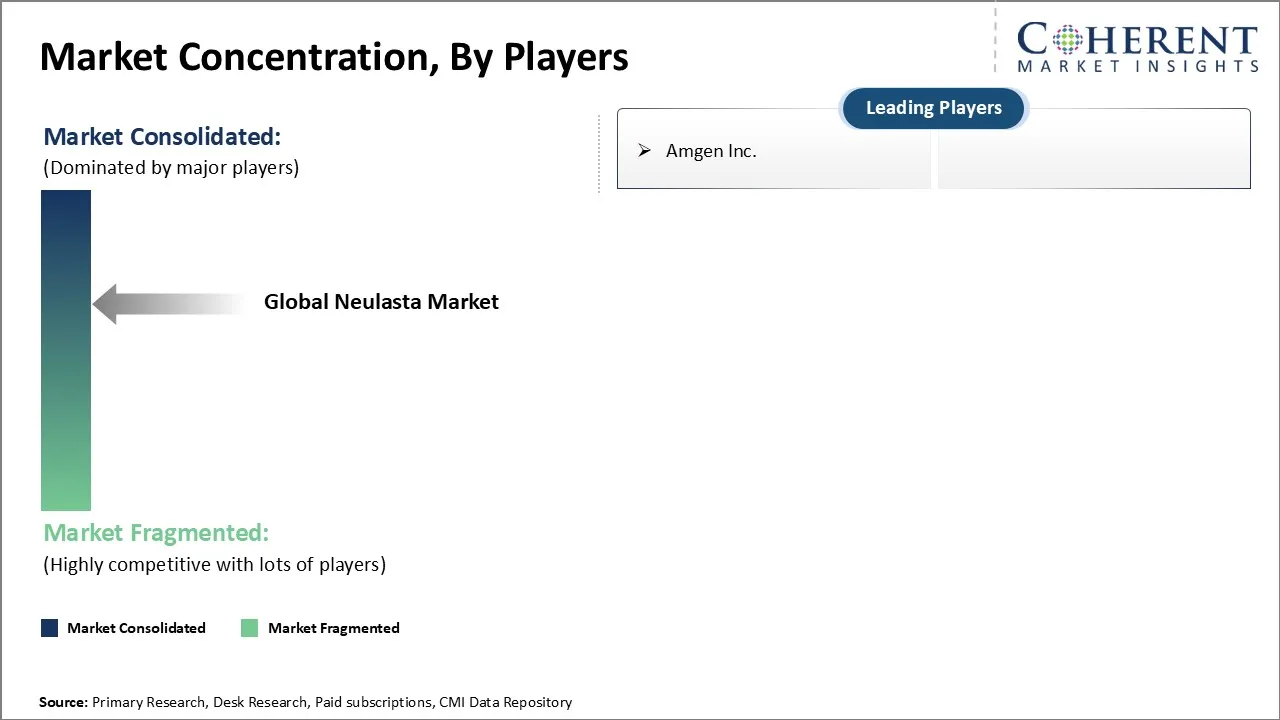
Amgen Inc. is the only major player.
North America is expected to lead the global Neulasta market in 2026.