

Global Pediatric Telehealth Market Size and Forecast – 2026-2033
The Global Pediatric Telehealth Market is estimated to be valued at USD 41.54 Bn in 2026 and is expected to reach USD 155.05 Bn by 2033, exhibiting a compound annual growth rate (CAGR) of 20.7% from 2026 to 2033. This rapid expansion is driven by the increasing adoption of digital health technologies, rising pediatric chronic disease prevalence, and growing demand for remote healthcare services that enhance accessibility and convenience for young patients and their caregivers worldwide.
Key Takeaways of the global pediatric telehealth market
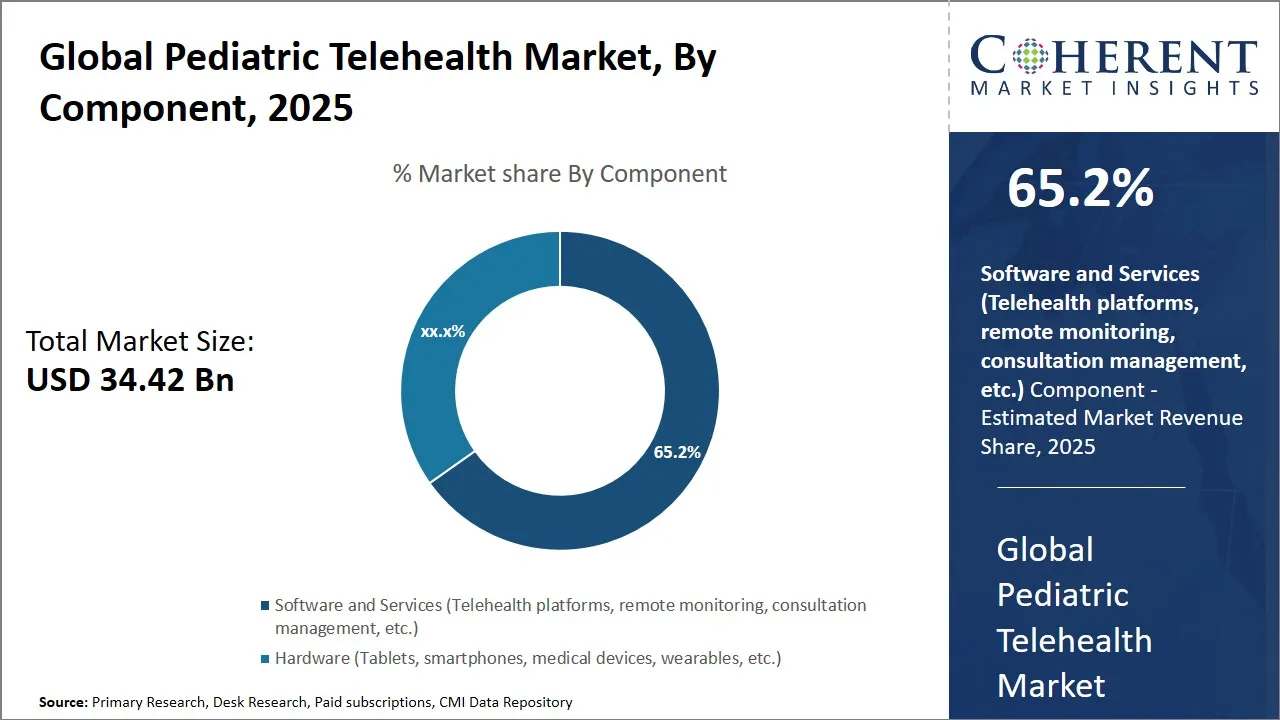
- By component, the software and services (telehealth platforms, remote monitoring, consultation management, etc.) segment is expected to dominate with 66.2 % in 2026, driven by the growing adoption of integrated digital solutions that improve accessibility and efficiency in pediatric healthcare.
- By delivery mode, the real-time telehealth (synchronous) segment is expected to lead with 24.2 % in 2026, due to its ability to replicate face-to-face consultations and enable real-time decision-making.
- By application, the general pediatrics and primary care segment is expected to hold the largest share at 25.2 % in 2026, as they play a foundational role in maintaining child health and addressing a broad range of medical concerns.
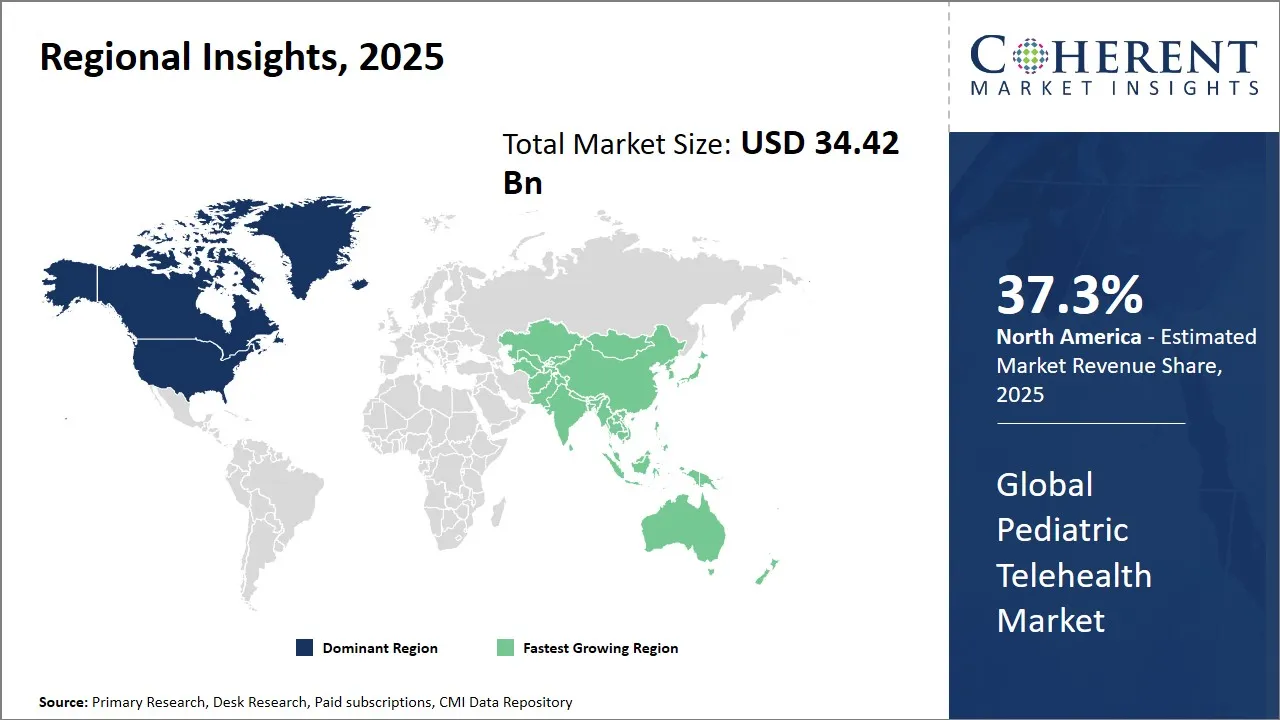
- North America is expected to lead the market, holding a share of 37.3 % in 2026. Asia Pacific is anticipated to be the fastest-growing region, with a market share of 25.2% in 2025.
Market Overview
A prominent trend shaping the pediatric telehealth market is the integration of advanced technologies such as artificial intelligence, wearable devices, and mobile health apps, which are improving diagnostic accuracy and personalized care delivery. Additionally, the expansion of broadband infrastructure and supportive government policies are facilitating wider telehealth adoption in emerging regions. Furthermore, healthcare providers are increasingly leveraging telehealth to minimize hospital visits, reduce costs, and address healthcare disparities, thereby positioning telehealth as a pivotal component of modern pediatric care.
Current Events and Its Impact
Current Events | Description and its impact |
Emmaus Life Sciences Launches Telehealth Solution for Pediatric Sickle Cell Treatment |
|
UPMC Expands Telehealth Network to Provide Pediatric Specialist Access |
|
Segmental Insights
- Current Industry Events of 2026
- Market Size Estimation
- Regional Breakdown
- Competitive Landscape
- Customer Intelligence
- Segmental Analysis
- Pricing Analysis
- Key Market Drivers, Challenges & Future Trends
- Customized Insights Section
Pediatric Telehealth Market Insights, By Component - Software and Services Segment is Dominant Due to the Increasing Adoption of Integrated Digital Solutions
In terms of component, the software and services (telehealth platforms, remote monitoring, consultation management, etc.) segment is expected to contribute the highest share of the market with 66.2% in 2026 owing to the increasing adoption of integrated digital solutions that enhance accessibility and efficiency of pediatric healthcare delivery. Software and service offerings form the backbone of pediatric telehealth, enabling healthcare providers to manage consultations, monitor patients remotely, and process healthcare data in real time. The rising demand for user-friendly telehealth platforms tailored specifically for pediatric patients and their caregivers drives growth in this segment.
In September 2020, Alzein Pediatrics launched Chadis, a tool that helps parents easily track their child's health. Two weeks before wellness appointments, parents receive notifications to update developmental milestones via smartphone, tablet, or computer. Integrated with the patient portal app, Chadis automatically updates medical records, giving healthcare providers instant access to the latest information.
Additionally, remote monitoring services empower continuous tracking of vital signs and health parameters in pediatric patients with chronic illnesses such as asthma or diabetes, allowing timely interventions without the need for frequent hospital visits. Advanced consultation management software also offers pediatricians and specialists the ability to prioritize cases, handle follow-ups, and ensure treatment adherence, significantly enhancing patient outcomes.
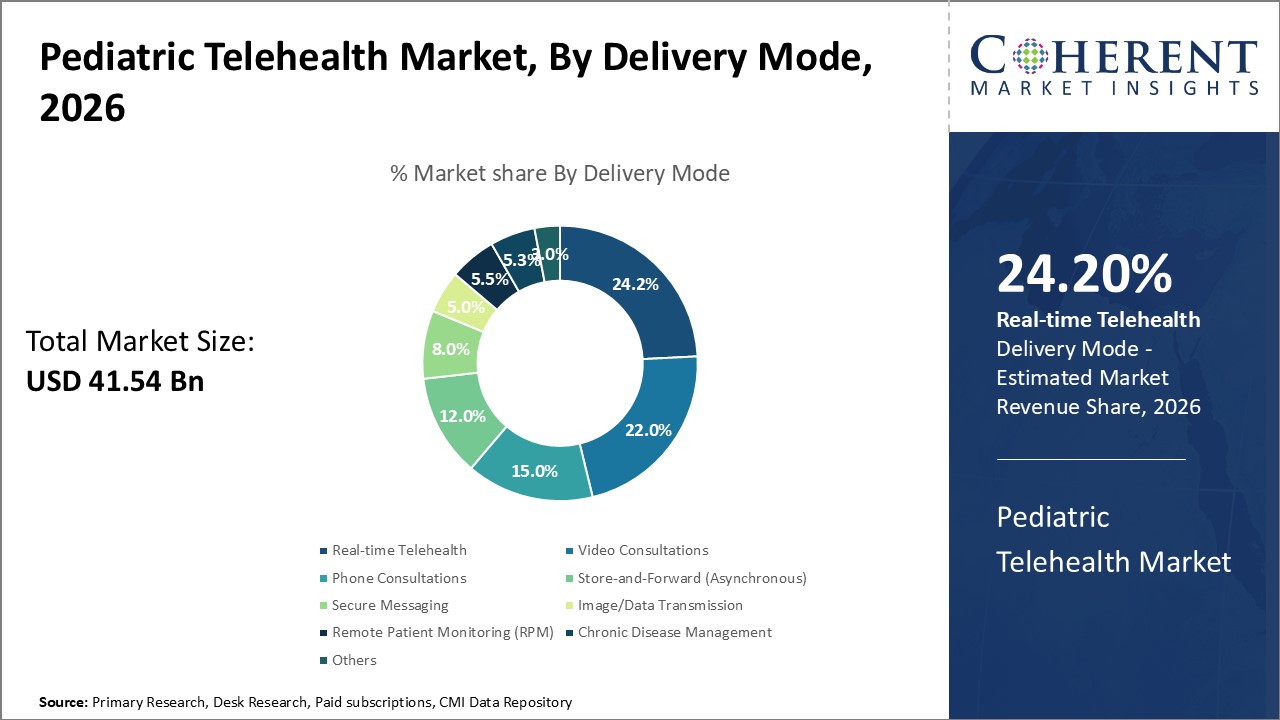
Pediatric Telehealth Market Insights, By Delivery Mode - Real-time Telehealth (Synchronous) is Dominant Due to its Ability to Replicate Face-to-Face Consultations
In terms of delivery mode, the real-time telehealth (synchronous) segment is projected to contribute the highest share of the market with 24.2% in 2026 due to its ability to replicate face-to-face pediatric consultations effectively, offering immediate interaction and real-time decision-making. Real-time telehealth enables direct communication between pediatricians and patients via video or phone consultations, which is particularly beneficial in pediatric care to observe symptoms, assess growth, and engage children in a manner that static data transmission cannot achieve. The synchronous format supports dynamic dialogue, real-time feedback, and allows healthcare providers to adapt treatments promptly based on observed clinical signs.
The preference for real-time interactions is strongly driven by parents’ desire for immediate reassurance and expert consultation for their children’s health concerns, especially in acute or urgent situations. Technologies supporting this delivery mode have become increasingly sophisticated, offering high-resolution video, low latency, and secure connections suitable for pediatric environments where clarity and accuracy are vital. Moreover, pediatric specialists find real-time telehealth indispensable for complex cases requiring nuanced observation, such as behavioral assessments or developmental evaluations.
Pediatric Telehealth Market Insights, By Application - General Pediatrics and Primary Care Segment is Dominant Due to its Foundational Role in Child Health
In terms of application, general pediatrics and primary care is expected to contribute the highest share of the market with 25.2% in 2026 owing to its foundational role in maintaining overall child health and addressing a wide spectrum of medical concerns that begin in infancy and extend through adolescence. This segment includes routine health assessments, immunizations, developmental screenings, and acute illness management, forming the cornerstone of pediatric care. The broad applicability and frequent need for primary pediatric services generate substantial demand for telehealth solutions that connect young patients with healthcare providers with ease and convenience.
In May 2022, Intermountain Healthcare, based in Idaho, U.S. launched a new pediatric telehealth program to expand access to pediatric specialist care. The initiative aims to provide more convenient and accessible healthcare for families by offering virtual consultations with pediatric specialists, improving care delivery in the region.
The ease of access to primary care through telehealth platforms reduces barriers such as travel time, geographic obstacles, and exposure risks, which are particularly important for families with young children or multiple dependents. Parents increasingly prefer virtual consultations for common pediatric issues like colds, rashes, and minor injuries, as these can be efficiently managed in a virtual setting without compromising care quality.
Regional Insights
North America Pediatric Telehealth Market Analysis and Trends
In North America, the dominance in the global pediatric telehealth market stems largely from its advanced healthcare infrastructure with an estimated share of 37.3% in 2026, widespread adoption of digital health technologies, and supportive government policies promoting remote care. The region benefits from a robust ecosystem consisting of numerous telehealth service providers, healthcare payers, and technology innovators. The U.S. government, through initiatives such as the expansion of telehealth coverage under Medicare and Medicaid, has accelerated the integration of pediatric telehealth services. Additionally, well-established regulatory frameworks ensure data privacy and security compliance, boosting confidence among healthcare providers and patients alike.
In September 2024, the American Telemedicine Association (ATA) launched two new Special Interest Groups (SIGs) to drive innovation and research in telehealth. The Pediatric Telehealth SIG focuses on expanding telehealth services to ensure equitable access to care for children, addressing barriers in practice, technology, legislation, and structure. Co-chaired by Mr. Heather Meyers, Senior Director at Boston Children’s Hospital, and Mr. Stephanie Reed, Chief Clinical Information Officer at Children’s of Alabama, the first meeting will take place on October 3 at 2pm ET.
Asia Pacific Pediatric Telehealth Market Analysis and Trends
Meanwhile, the Asia Pacific region is expected to exhibit the fastest growth in the pediatric telehealth market due to rapidly increasing internet penetration, growing healthcare awareness with a share of 25.2% in 2026, and government initiatives promoting digital health, especially in emerging economies such as India, China, and Southeast Asian countries. The continent’s diverse and populous demographics face significant challenges in pediatric healthcare accessibility, which telehealth solutions help mitigate.
Several governments have launched supportive policies and frameworks to encourage telemedicine adoption, including regulatory approvals for digital platforms and efforts to integrate telehealth within public health programs. The Asia Pacific market also witnesses active involvement from both global players like Teladoc and region-specific companies such as Practo (India) and WeDoctor (China), which tailor their platforms to local needs by incorporating multilingual capabilities and culturally relevant healthcare services. The presence of a growing start-up ecosystem further propels innovation in telehealth care delivery.
Global Pediatric Telehealth Market Outlook for Key Countries
U.S. Pediatric Telehealth Market Trends
The U.S. pediatric telehealth market is a leader, driven by a mature telehealth ecosystem and extensive healthcare provider networks. Key players such as Teladoc Health and Amwell dominate by offering advanced pediatric telehealth platforms integrated with electronic health records (EHR) systems. Strong reimbursement policies, especially post-pandemic, have expanded the scope of telehealth consultations for pediatric care. Additionally, partnerships between telehealth companies and pediatric hospitals have enhanced service offerings, focusing on specialist consultations in chronic conditions and mental health support for children.
In April 2026, Texas Children’s has launched the Virtual Care At-Home Care Kit, a "sick-day utility belt" designed to help parents manage common childhood illnesses at home. The kit includes essential tools such as a digital thermometer, pulse oximeter, an otoscope for checking ear infections via smartphone, a medication dosing chart, and access to a virtual care app. The kit aims to provide high-quality care without requiring a visit to the pediatrician’s office.
Canada Pediatric Telehealth Market Trends
Canada’s pediatric telehealth market benefits from government-led initiatives aimed at improving healthcare access in rural and northern regions. Maple and Babylon Health are notable players providing virtual pediatric consultations and remote health monitoring services. The market thrives on the digital literacy of the population and a healthcare system that encourages telehealth as a means to reduce the strain on traditional in-person visits. Provincial health authorities continue to expand funding and infrastructure support for telehealth adoption.
In April 2022, Ontario Health, part of the Ontario government, launched Health Connect Ontario, a 24/7 telehealth service that allows Ontarians to connect with registered nurses for pediatric health advice, referrals, and information via phone, chat, or online. Replacing Telehealth Ontario, it helps reduce unnecessary emergency visits and provides access to pediatric care, mental health services, primary care, and other health services.
China Pediatric Telehealth Market Trends
China’s pediatric telehealth market is shaped by significant investments in AI-powered healthcare technologies and a large patient population seeking convenient care. WeDoctor and Ping An Good Doctor are influential companies offering integrated platforms for pediatric consultations, diagnostics, and ongoing health management. The government’s push toward “Healthy China 2030” and telehealth policy reforms facilitate digital healthcare delivery, making telemedicine a mainstream option especially in tier 2 and tier 3 cities.
In June 2026, Shanghai Xinhua Hospital partnered with SenseTime, a Chinese AI startup, to launch a virtual AI pediatrician. Developed using SenseTime’s medical large language model, the AI pediatrician provides diagnostic advice and enhances pediatric care in grassroots hospitals.
U.K. Pediatric Telehealth Market Trends
The U.K. pediatric telehealth market features widespread telehealth adoption supported by the National Health Service (NHS), which has incorporated pediatric telemedicine into its digital health transformation agenda. Key companies like Babylon Health have partnered with National Health Service trusts to provide virtual pediatric appointments, focusing on improving access and reducing wait times. Regulatory clarity and public funding enable providers to innovate with remote monitoring and virtual clinics, addressing both acute illnesses and chronic pediatric conditions efficiently.
In August 2022, Alder Hey Children’s NHS Foundation Trust, one of Europe’s largest pediatric hospitals, launched an innovative Telehealth 2nd Opinion Service. In partnership with Teladoc Health, this service allows clinicians worldwide to consult with Alder Hey’s world-leading specialists for second opinions. The service offers real-time, two-way communication between families and clinicians, providing access to expert advice, medical records, and an interpreter service in 65 languages, including sign language.
Role of Artificial Intelligence (AI) in the global pediatric telehealth market
- Artificial Intelligence (AI) is significantly transforming the global pediatric telehealth market by enhancing efficiency, reducing costs, and improving patient outcomes. AI is playing a pivotal role in predictive analytics, allowing healthcare providers to anticipate medical conditions and offer preemptive care. This capability enables better management of pediatric conditions, especially in remote areas where access to specialists is limited. AI-powered tools help personalize care by analyzing vast amounts of patient data to tailor treatment plans. Process automation, including automated appointment scheduling, triaging patient concerns, and clinical decision support systems, streamlines operations, reducing the administrative burden on healthcare providers. Enhanced customer experiences through AI chatbots and virtual assistants also contribute to improved patient satisfaction and engagement.
- Emerging opportunities for AI in pediatric telehealth include the development of new business models, such as AI-driven virtual pediatric clinics, and innovations in products and services, including AI-powered diagnostic tools and health monitoring wearables. AI offers a competitive advantage by enabling telehealth providers to scale rapidly while improving accuracy in diagnoses and reducing operational costs. However, despite its advantages, AI also presents challenges, including concerns over data privacy, the potential for algorithmic bias, and the need for proper training and oversight. Companies in the pediatric telehealth space can leverage AI to drive growth by integrating it into their services, creating innovative solutions, and enhancing operational efficiency, while ensuring ethical standards and transparency in AI usage.
Market Players, Key Developments, and Competitive Intelligence
Key Developments
- In March 2025, Mount Sinai Health System launched the Center for Artificial Intelligence in Children’s Health to advance AI-driven diagnostics, personalized treatments, and preventive care for children. The center will focus on integrating AI into pediatric healthcare, using tools like computer-augmented imaging, multi-omics research, and pharmacogenomics. Led by Mr. Benjamin Glicksberg, the center aims to address the unique challenges of pediatric medicine, including privacy concerns and limited data infrastructure. The initiative will also implement clinical trials at Kravis Children’s Hospital to improve AI-based care delivery and outcomes for young patients.
- In January 2025, Children’s Mercy Kansas City launched PedsMrkt, an ecommerce platform designed to accelerate pediatric healthcare innovation. Addressing the funding gap in pediatric care, where children represent 23% of the population but only receive 10% of healthcare funding, PedsMrkt connects buyers, sellers, and partners in the pediatric sector to promote product awareness, intellectual property, and resource sharing. The platform helps smaller hospitals and pediatric startups overcome barriers like limited resources and high development costs, offering a space to showcase innovative solutions.
- In February 2024, Oracle and Children’s National Hospital announced the winners of the Bear Institute Pediatric Accelerator Challenge for Kids, a competition aimed at fostering innovation in digital health for children. The awarded companies, Bend Health Inc., RareCareNow, Thynk Inc., and Kismet Health, were recognized for their innovative contributions, including the adoption of telemedicine in pediatric care.
- In August 2023, Cincinnati Children's Hospital, based in Ohio, U.S. partnered with Parkview Health to launch telehealth clinics aimed at enhancing pediatric specialty care. This collaboration will allow clinicians in Indiana to virtually connect with pediatric specialists in Ohio, expanding access to high-quality care for patients in the region. The initiative underscores both organizations’ commitment to improving healthcare delivery through innovative digital solutions.
Top Strategies Followed by Global Pediatric Telehealth Market Players
- Established market leaders typically invest heavily in research and development (R&D) to innovate and bring high-performance telehealth products and services specifically tailored for pediatric care. These investments enable them to integrate advanced technologies such as AI-driven diagnostics, remote monitoring tools, and user-friendly interfaces that enhance patient and provider experience. Alongside innovation, these companies often form strategic partnerships with key industry players, including original equipment manufacturers (OEMs), healthcare providers, and technology firms, to reinforce their market presence. These alliances facilitate access to cutting-edge components and expertise, accelerating product development and improving service delivery.
- In May 2023, Summer Health, a digital health startup, is revolutionizing pediatric care with its 24/7 text-based consultations with accredited pediatricians. For a monthly fee of USD 20, parents can receive quick answers to their child's health concerns within 15 minutes, covering conditions such as fever, vomiting, minor injuries, and more for children aged 0-2. Recently, Summer Health expanded its services to include specialty care, offering consultations in areas like nutrition, sleep, and lactation, further enhancing its value for families.
- Mid-level companies within the pediatric telehealth market typically adopt strategies that focus on offering cost-effective yet reliable solutions, targeting healthcare providers and families that are price-sensitive but still seek quality care options for children. These players strive to balance affordability with acceptable levels of technology and service features, often simplifying their offerings to meet the essential demands of pediatric telehealth without the premium costs associated with larger brands. To enhance their competitiveness and operational efficiency, mid-level players frequently engage in collaborations with technology providers, manufacturers, or even other healthcare startups to boost their production capabilities and technological expertise. Such partnerships help them reduce costs, expand their product portfolios, and increase market visibility.
- In May 2023, Hong Kong’s Hospital Authority unveiled its plans to enhance pediatric care through digital advancements, with a focus on adopting telemedicine. This initiative aims to improve the accessibility and efficiency of pediatric healthcare services by leveraging digital solutions, including telehealth, to reach more patients and streamline care delivery.
- Small-scale players in the pediatric telehealth market carve out unique positions by concentrating on niche segments or specialized product features that address specific pediatric healthcare challenges. Their agility allows them to adopt cutting-edge technologies such as mobile health apps, wearable devices, or teleconsultation platforms that cater to targeted patient needs or conditions, setting them apart from larger competitors. To gain market entry and enhance their visibility, small companies often establish local alliances with startups, community health organizations, or local manufacturers, leveraging regional expertise and networks. This localized approach helps them build trust with healthcare providers and patients in specific geographies.
- In April 2024, Children’s Hospital Los Angeles (CHLA) introduced a new telehealth urgent care service, offering remote treatment for non-emergency conditions such as minor eye issues, respiratory infections, fever, allergies, and other minor injuries. This service aims to provide convenient, accessible care for families, allowing pediatric patients to receive immediate consultation without needing to visit the hospital in person.
Market Report Scope
Pediatric Telehealth Market Report Coverage
| Report Coverage | Details | ||
|---|---|---|---|
| Base Year: | 2025 | Market Size in 2026: | USD 41.54 Bn |
| Historical Data for: | 2020 To 2024 | Forecast Period: | 2026 To 2033 |
| Forecast Period 2026 to 2033 CAGR: | 20.7% | 2033 Value Projection: | USD 155.05 Bn |
| Geographies covered: |
| ||
| Segments covered: |
| ||
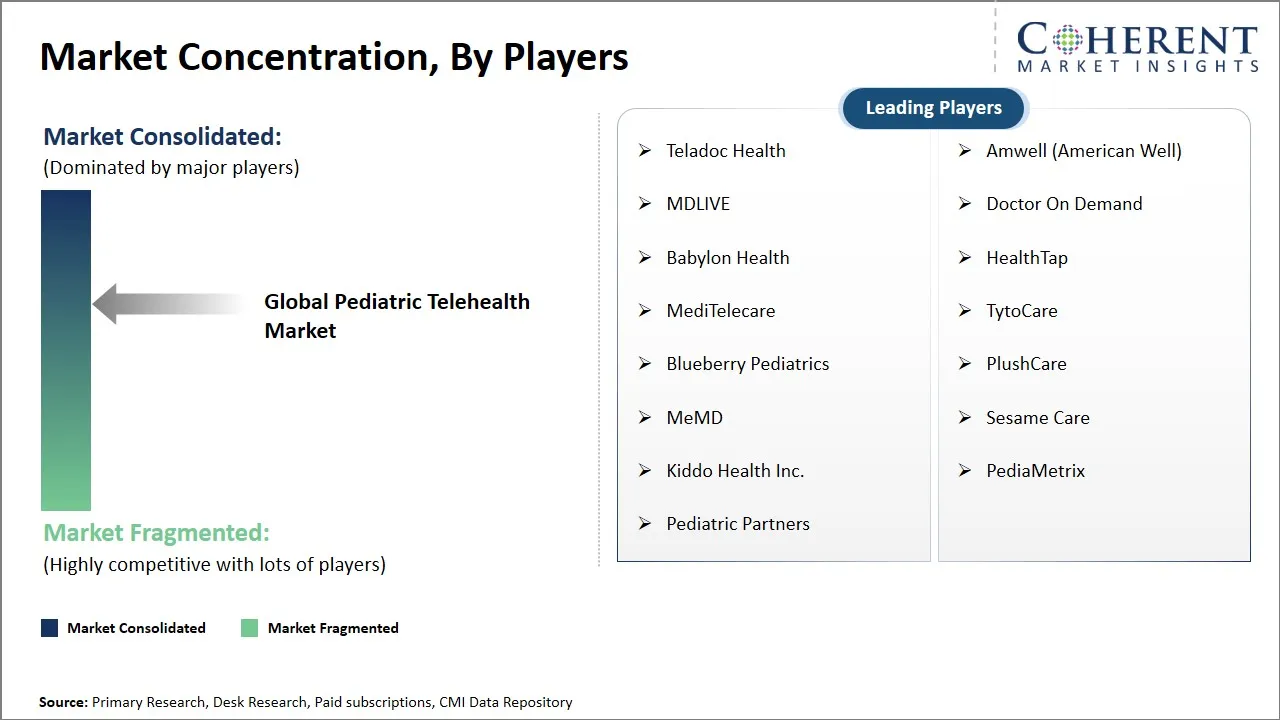
| Companies covered: | Teladoc Health, Amwell (American Well), MDLIVE, Doctor On Demand, Babylon Health, HealthTap, MediTelecare, TytoCare, Blueberry Pediatrics, PlushCare, MeMD, Sesame Care, Kiddo Health Inc., PediaMetrix, and Pediatric Partners | ||
| Growth Drivers: |
| ||
| Restraints & Challenges: |
| ||
Pediatric Telehealth Market Dynamics
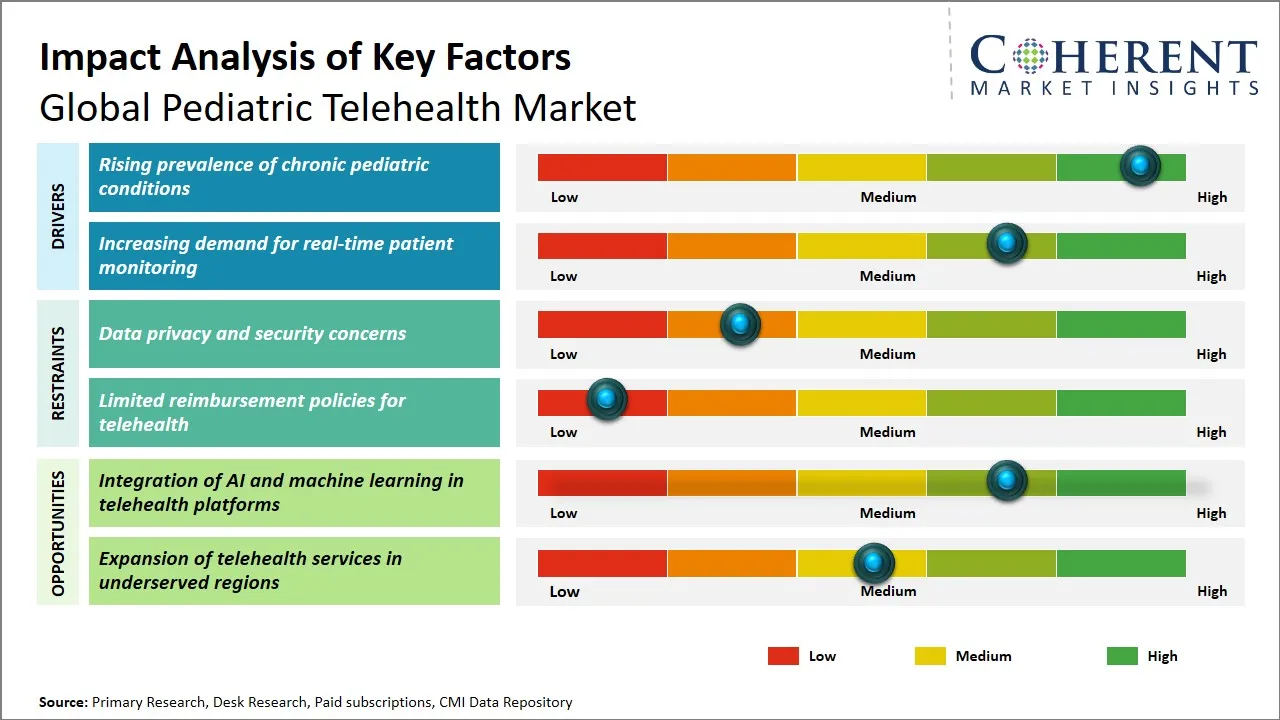
Pediatric Telehealth Market Driver - Rising Prevalence of Chronic Pediatric Conditions
The increasing occurrence of chronic pediatric conditions such as asthma, diabetes, epilepsy, and congenital heart diseases is significantly driving the adoption of pediatric telehealth services worldwide. These long-term illnesses necessitate continuous monitoring, frequent consultations, and timely interventions, which can be challenging for families requiring regular hospital visits. Telehealth platforms offer an effective solution by enabling remote management of these conditions, reducing the burden on healthcare facilities while ensuring consistent care for young patients.
Additionally, telehealth facilitates better communication between pediatricians, specialists, caregivers, and patients, allowing for real-time adjustments in treatment plans and more personalized care. Consequently, the rising prevalence of such conditions underscores the need for accessible, efficient, and patient-centric healthcare delivery models, making telehealth an increasingly preferred choice among healthcare providers and families alike.
In March 2025, according to UCLA Health, an advanced health care system, the prevalence of chronic pediatric conditions in the U.S. has risen to 30% in the past 20 years, affecting about 25 million young people. Conditions like Attention-Deficit/Hyperactivity Disorder autism, asthma, prediabetes, and depression/anxiety are driving this increase. Socioeconomic factors, such as lower income and education, contribute to higher rates. Despite treatment availability, the U.S. healthcare system struggles to transition youth from pediatric to adult care, increasing the risk of disengagement and worsened health outcomes. Experts emphasize the need for improved long-term healthcare engagement.
Pediatric Telehealth Market Opportunity - Integration of AI and Machine Learning in Pediatric Telehealth Platforms
The integration of artificial intelligence (AI) and machine learning (ML) into pediatric telehealth platforms presents a significant growth opportunity within the global pediatric telehealth market. AI-driven algorithms can enhance diagnostic accuracy and enable early detection of pediatric conditions by analyzing vast datasets, including patient history, symptoms, and real-time health metrics. Machine learning models can personalize treatment plans for young patients by continuously learning from individual responses to therapies, thus improving clinical outcomes and patient satisfaction.
Additionally, AI-powered chatbots and virtual health assistants streamline patient engagement by providing 24/7 support, scheduling, medication reminders, and answering common health queries, which is particularly beneficial for busy families managing multiple appointments. The ability of AI to analyze unstructured data such as medical imaging and natural language processing of clinician notes also supports better clinical decision-making.
In February 2025, Office Practicum, a leader in pediatric technology solutions, partnered with Social Cascade to launch SocialSavvy, an AI-powered platform designed to simplify social media management for pediatric practices. The tool automates the posting of credible health content, allowing practices to stay connected with families while saving time on content creation. SocialSavvy helps pediatricians maintain consistent engagement through customizable schedules and easy sharing of their own content.
Analyst Opinion (Expert Opinion)
- The global pediatric telehealth market is experiencing significant growth driven by key factors such as technological advancements, regulatory support, and the increased demand for accessible healthcare services. The rise in digital health tools, including telemedicine platforms, mobile health apps, and wearable devices, is revolutionizing pediatric care by providing virtual consultations and remote monitoring. Regulatory support from governments, particularly the expansion of telehealth reimbursement policies and initiatives such as the U.S. Telehealth Expansion during the pandemic, has made telehealth more viable for both healthcare providers and patients. Furthermore, the growing need for healthcare accessibility in underserved regions, coupled with rising awareness of pediatric healthcare needs, is propelling the market forward.
- Emerging opportunities within the market include innovations in AI-powered pediatric telehealth solutions, which are being implemented to improve diagnosis, treatment personalization, and patient engagement. However, challenges such as data privacy concerns, lack of infrastructure in rural areas, and variability in regulatory policies persist. Key global events such as the American Telemedicine Association (ATA) Annual Conference and the International Society for Telemedicine and eHealth (ISfTeH) World Summit have played pivotal roles in fostering knowledge-sharing and policy formulation. Notable initiatives, such as the UPMC's Pediatric Telehealth Network and Alder Hey’s Telehealth 2nd Opinion Service, demonstrate how telemedicine is expanding access to specialized pediatric care, setting the stage for further growth in the sector.
Speak to the analyst
Want personalized insights?
Take the findings above to one of our principal consultants, or have the report rebuilt around the segments, geographies and competitors you actually track.
Market Segmentation
- Component Insights (Revenue, USD Bn, 2021 - 2033)
- Software and Services (Telehealth platforms, remote monitoring, consultation management, etc.)
- Hardware (Tablets, smartphones, medical devices, wearables, etc.)
- Delivery Mode Insights (Revenue, USD Bn, 2021 - 2033)
- Real-time Telehealth (Synchronous)
- Video consultations
- Phone consultations
- Store-and-Forward (Asynchronous)
- Secure messaging
- Image or data transmission
- Remote Patient Monitoring (RPM)
- Chronic disease management
- Others (post-operative monitoring)
- Application Insights (Revenue, USD Bn, 2021 - 2033)
- General Pediatrics and Primary Care
- Chronic Disease Management (Diabetes, Asthma, etc.)
- Specialty Care (Cardiology, Neurology, Dermatology, etc.)
- Mental Health and Behavioral Therapy
- Neonatal and Infant Care
- Emergency and Urgent Care Consultations
- Age Group Insights (Revenue, USD Bn, 2021 - 2033)
- Neonates (0-1 month)
- Infants (1-12 months)
- Toddlers (1-5 years)
- Children (6-12 years)
- Adolescents (13-18 years)
- End User Insights (Revenue, USD Bn, 2021 - 2033)
- Healthcare Providers
- Hospitals
- Pediatric Departments
- Neonatal Intensive Care Units (NICU)
- Pediatric Clinics
- Specialized Pediatric Care
- General Pediatrics
- Private Practice
- Payers
- Insurance Companies
- Private Insurers
- Public Health Insurance Providers (Medicare/Medicaid)
- Government Organizations
- Public Health Departments Funding Telehealth
- National Health Services (NHS)
- Others Institutional Settings (Daycare Centers)
- Healthcare Providers
- Regional Insights (Revenue, USD Bn, 2021 - 2033)
- North America
- U.S.
- Canada
- Latin America
- Brazil
- Argentina
- Mexico
- Rest of Latin America
- Europe
- Germany
- U.K.
- Spain
- France
- Italy
- Russia
- Rest of Europe
- Asia Pacific
- China
- India
- Japan
- Australia
- South Korea
- ASEAN
- Rest of Asia Pacific
- Middle East
- GCC Countries
- Israel
- Rest of Middle East
- Africa
- South Africa
- North Africa
- Central Africa
- North America
- Key Players Insights
- Teladoc Health
- Amwell (American Well)
- MDLIVE
- Doctor On Demand
- Babylon Health
- HealthTap
- MediTelecare
- TytoCare
- Blueberry Pediatrics
- PlushCare
- MeMD
- Sesame Care
- Kiddo Health Inc.
- PediaMetrix
- Pediatric Partners
Sources
Primary Research Interviews
- Industry Stakeholders
- Hospital Administrators
- Pediatricians
- Telehealth Providers
- Healthcare Consultants
- End Users
- Pediatric Patients and Families
- Primary Care Providers
- Health Systems Management
Government and International Databases
- World Health Organization (WHO)
- U.S. Department of Health & Human Services (HHS)
- Centers for Disease Control and Prevention (CDC)
- Health Canada
- European Centre for Disease Prevention and Control (ECDC)
Trade Publications
- Healthcare IT News
- Telemedicine and eHealth Journal
- mHealth Intelligence
- Health Affairs
- Journal of Telemedicine and Telecare
Academic Journals
- Journal of Pediatrics
- International Journal of Medical Informatics
- Telemedicine and e-Health
- Journal of Telemedicine and Telecare
Reputable Newspapers
- The New York Times
- The Guardian
- The Washington Post
- Financial Times
- Reuters
Industry Associations
- American Telemedicine Association (ATA)
- Telehealth Alliance of Oregon (TAO)
- International Society for Telemedicine and eHealth (ISfTeH)
- European Society for Paediatric Dermatology (ESPD)
- National Association for Telehealth and Telemedicine (NAT)
Public Domain Resources
- National Institutes of Health (NIH) Database
- European Union Digital Health Initiative
- U.S. National Library of Medicine
Proprietary Elements
- CMI Data Analytics Tool: Proprietary analytics tool to analyze real-time market trends, consumer behavior, and technology adoption in market
- Proprietary CMI Existing Repository of Information for Last 8 Years
Get access to 250+ pages report
Every segment, forecast, competitor profile and data table behind the analysis above — available for instant download.
- ESOMAR Member
- ISO 9001:2015 Certified
- D-U-N-S Registered
- GDPR & CCPA Compliant
Missing comfort of reading report in your local language? Find your preferred language:
Transform your Strategy with Exclusive Trending Reports
Frequently Asked Questions
The global pediatric telehealth market is estimated to be valued at USD 41.54 Bn in 2026 and is expected to reach USD 155.05 Bn by 2033.
The CAGR of the global pediatric telehealth market is projected to be 20.7% from 2026 to 2033.
Rising prevalence of chronic pediatric conditions and increasing demand for real-time patient monitoring are the major factors driving the growth of the global pediatric telehealth market.
Data privacy and security concerns and limited reimbursement policies for telehealth are the major factors hampering the growth of the global pediatric telehealth market.
In terms of component, software and services (telehealth platforms, remote monitoring, consultation management, etc.) is estimated to dominate the market revenue share in 2026.
Teladoc Health, Amwell (American Well), MDLIVE, Doctor On Demand, Babylon Health, HealthTap, MediTelecare, TytoCare, Blueberry Pediatrics, PlushCare, MeMD, Sesame Care, Kiddo Health Inc., PediaMetrix, and Pediatric Partners are the major players.
North America is expected to lead the global pediatric telehealth market in 2026.