

Global Phage Therapy Market Size and Forecast – 2026 to 2033
The global phage therapy market is estimated to be valued at USD 1.42 Bn in 2026 and is expected to reach USD 2.18 Bn by 2033, exhibiting a compound annual growth rate (CAGR) of 6.3% from 2026 to 2033. This steady growth trajectory underscores increasing investments, advancements in bacteriophage technology, and expanding applications across healthcare sectors, driven by the rising need for alternative treatments amid antibiotic resistance challenges.
Key Takeaways of the Global Phage Therapy Market
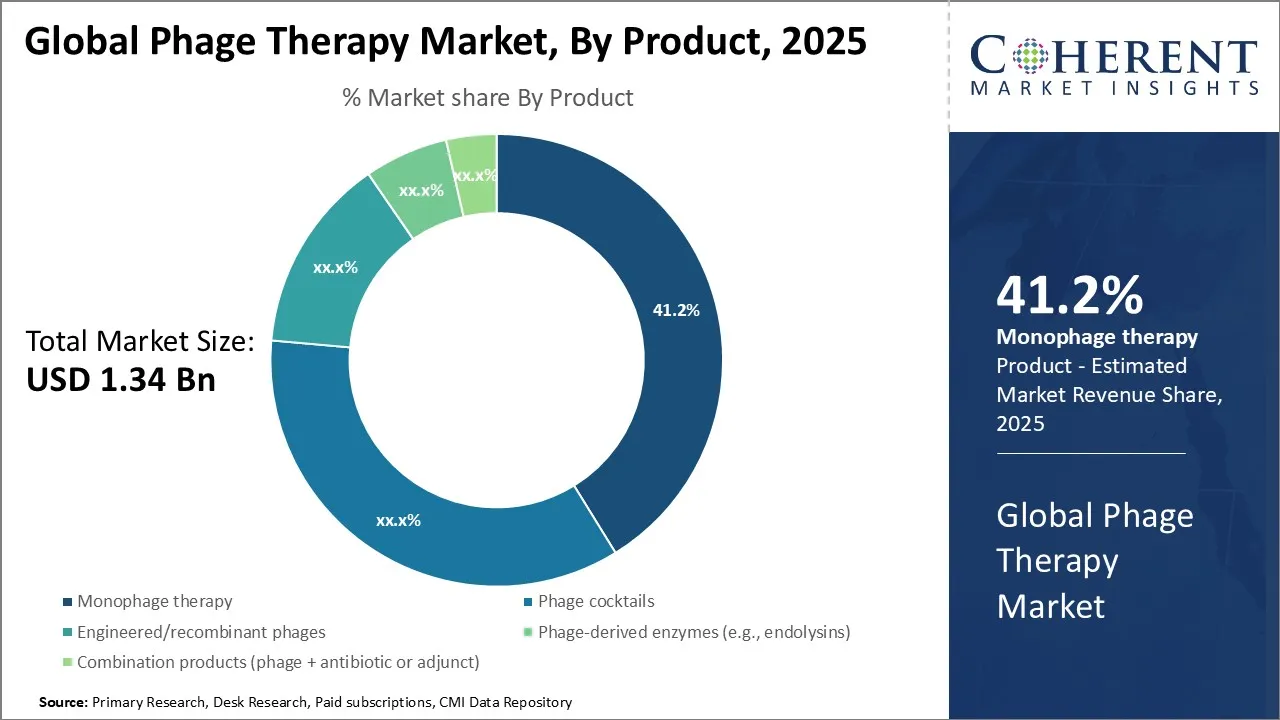
- In the global phage therapy market, the monophage therapy segment is expected to lead with a 42.2% share in 2026.
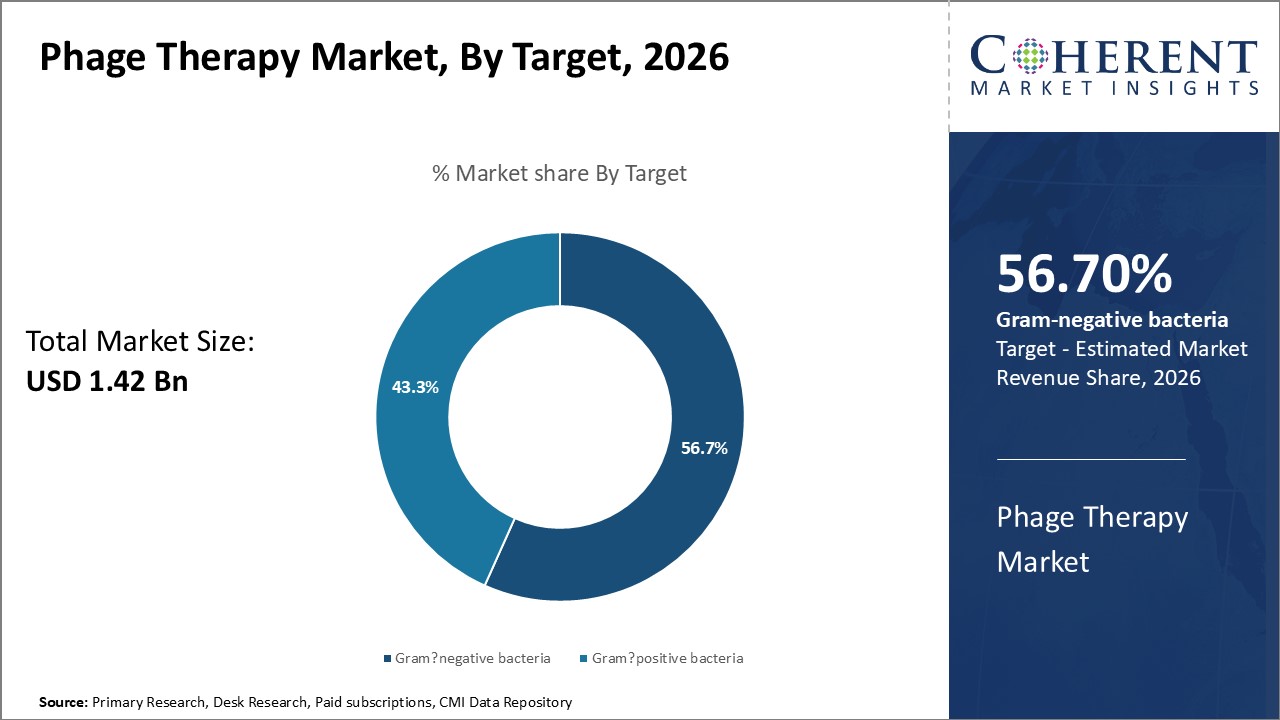
- Gram-negative bacteria segment is estimated to account for 56.7% of the market share in 2026.
- Urinary tract infections (UTIs) segment is projected to represent the largest segment, capturing 33.4% of the market share in 2026.
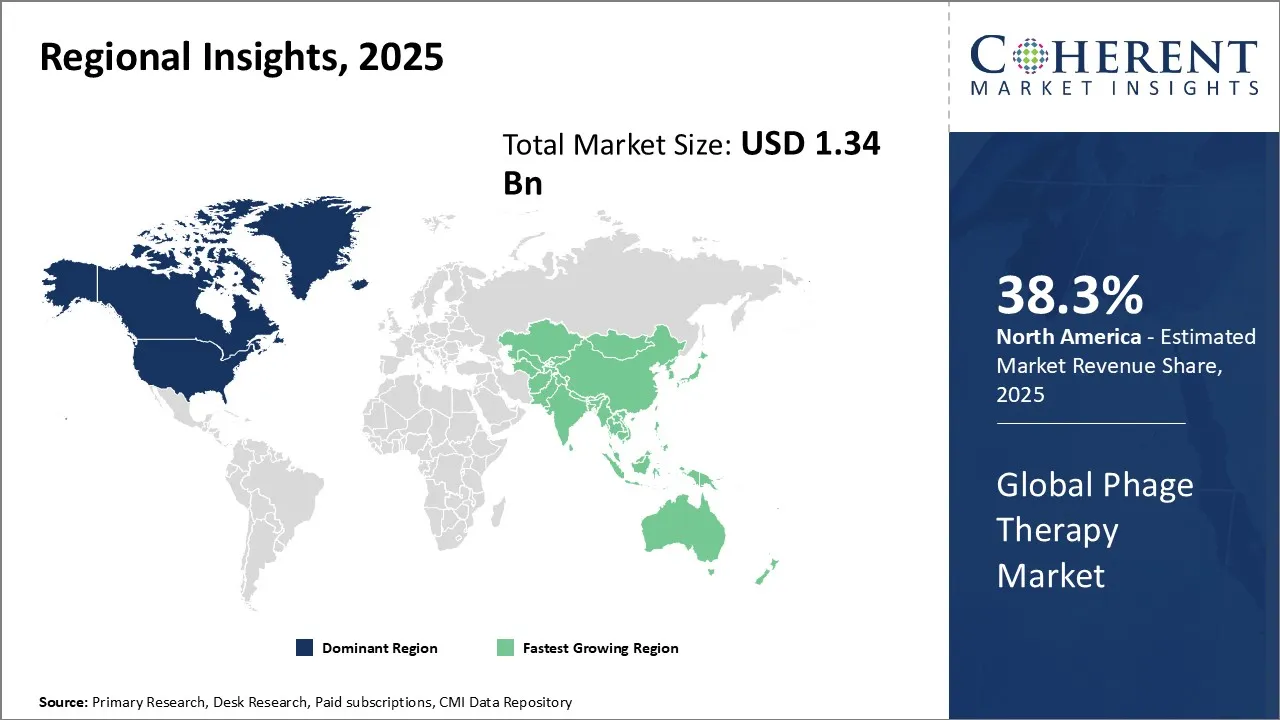
- North America is expected to lead the market, holding a share of 38.3% in 2026. Asia Pacific is anticipated to be the fastest-growing region, with a market share of 23.5% in 2026.
Market Overview
Market trends indicate a rising preference for personalized and targeted therapies, with phage therapy gaining traction due to its specificity and reduced side effects compared to traditional antibiotics. Innovation in phage delivery methods, regulatory approvals, and growing awareness of antimicrobial resistance globally fueling adoption. Additionally, collaborations between biotech firms and academic institutions are accelerating research, positioning phage therapy as a promising market segment poised for significant expansion in the near future.
Currents Events and their Impact
Current Events | Description and its Impact |
The Global Health Priority of Antimicrobial Resistance (AMR) |
|
FDA's Breakthrough Therapy Designation for Phage Candidates |
|
Segmental Insights
- Current Industry Events of 2026
- Market Size Estimation
- Regional Breakdown
- Competitive Landscape
- Customer Intelligence
- Segmental Analysis
- Pricing Analysis
- Key Market Drivers, Challenges & Future Trends
- Customized Insights Section
Phage Therapy Market Insights, By Product - Monophage Therapy Dominates Driven by Precision and Safety in Phage Applications
Monophage therapy is expected to account for the largest market share of 42.2% in 2026, as the targeted approach and safety profile are considered to be favorable. The monophage therapy is used where only one, well characterized bacteriophage is introduced which specifically infects and kills pathogenic bacteria.
The specificity of individual phages to their bacterial hosts is one attribute of monophage therapy that makes this treatment approach highly popular and widely used in the therapeutic and research fields. For example, PhageTech and Intralytix are key players, developing monophage therapies for antibiotic-resistant infections, leveraging the specificity and safety of monophage treatment in both research and clinical applications.
Phage Therapy Market Insights, By Target Pathogen - Gram-Negative Bacteria Leads Driven by Urgent Clinical Needs and Complex Pathogen Profiles
The gram-negative bacteria segment is projected to account for 56.7% share in 2026. They are hard to treat because of their complicated outer membranes that give resistance to a number of antibiotics.
The emergence of multidrug-resistant isolates in the form of Escherichia coli, Pseudomonas aeruginosa, and Klebsiella pneumoniae is fueling the need to use phage therapies. These bacteria are major causes of healthcare associated infections usually resistant to traditional treatment.
Phage Therapy Market Insights, By Disease Indication - Urinary Tract Infections (UTIs) Segment Growth Fueled by High Prevalence and Need for Alternative Treatments
In the global market for phage therapy, Urinary Tract Infections (UTIs) segment is projected to hold 33.4% share in 2026. This can be attributed to the high prevalence of the UTIs and the growing resistance of the uropathogens to antibiotics.
The main cause of UTI is Escherichia coli, a gram-negative bacterium, which stimulates the demand of phage therapy. Due to the emergence of antibiotic-resistant strains of the E. coli bacteria, which resistance strategies have focused on, phage therapy presents a viable option in the case of chronic infection.
Prevalence and Impact of Antibiotic-Resistant Infections: Implications for Phage Therapy
- Antibiotic-resistant infections, including Methicillin-resistant Staphylococcus aureus (MRSA), Carbapenem-resistant Enterobacterales (CRE), Extended-spectrum β-lactamase-producing Enterobacterales (ESBL), Pseudomonas aeruginosa, and Acinetobacter baumannii, are becoming a global health crisis, with an estimated 569,000 hospital cases in the U.S. alone. These pathogens contribute to higher mortality rates and increasing healthcare costs, particularly in low- and middle-income countries. The resistance to key antibiotics is rising, making treatment options limited and less effective.
- The burden of these infections, with a significant rise in resistant strains, highlights the urgent need for alternative therapies like phage therapy. With escalating healthcare expenses and limited options, phage therapy presents a promising solution to combat multidrug-resistant infections, offering hope for more effective treatments in the future.
Regional Insights
North America Phage Therapy Market Analysis and Trends
North America is expected to lead the global market, holding 38.3% share in 2026, owing to an established healthcare ecosystem, substantial government financing to biotech innovation, and extensive presence of major pharmaceutical and biotech corporations. Huge research infrastructures and funding supported by such agencies as the NIH have made phage therapy solutions to develop and be clinically adopted faster.
In addition, the U.S. FDA regulations are aware of the changing circumstances and now tend to become more flexible to provide phage-based therapy, which allows more opportunities to be commercialized. The most successful of these, AmpliPhi Biosciences (since acquired by Armata Pharmaceuticals) and Adaptive Phage Therapeutics, have played significant roles in being the first to trial phage therapy and have gone on to build up product pipelines, which adds to the leadership of the region.
Asia Pacific Phage Therapy Market Analysis and Trends
Asia Pacific phage therapy market is expected to witness the highest growth, with 23.5% share in 2026, considering the increasing cases of antibiotic resistance and the government initiatives in the countries, such as India, China, and South Korea. The biotech startups and the increases in pharmaceutical manufacturing base in the region lead to quick innovation and product development.
There are notable companies including Intralytix (that is actively growing collaborations), MicroGen and BLPhage in China, and AmpliTech in South Korea that are currently undertaking R&D and market penetration. The market traction is also increasing with the help of strategic trade partnerships and regional alliances that increase technology transfer and distributing capabilities.
Global Phage Therapy Market Outlook for Key Countries
U.S. Phage Therapy Market Trends
The phage therapy market in the U.S. is typical of robust research and clinical trial portfolios with substantial public and private investments. Firms such as Armata Pharmaceuticals and Adaptive Phage Therapeutics are currently undertaking advanced clinical trials against multidrug-resistant infections, taking the envelope of phage therapeutic use. Moreover, regulatory guidance and accelerated innovative treatment provided by FDA are an enabling factor in the commercialization of phage therapy.
As an example, Adaptive Phage Therapeutics (APT) is a U.S. company that is the first to develop personalized phage libraries and modified therapies against multidrug resistant bacterial infections.
U.K. Phage Therapy Market Trends
The phage therapy market in the U.K. is characterized by a rise in interest due to the rising levels of antibiotic resistance and the need to find some other treatment. Scientists are working on phage-based therapies to treat hard to treat infections, e.g. Burkholderia cepacia in cystic fibrosis patients. Although phage therapy is yet to be significantly implemented in clinical practice, its application is also becoming recognized, especially in the treatment of adaptive infections that are resistant to antibiotics. The issue is still there because of the obstacles in the regulatory field, yet the research and innovation have the market as the driving force.
In April 2024, researchers from the University of Warwick, U.K., discovered a jumbo phage that targets Burkholderia cenocepacia, a bacteria responsible for severe lung infections in cystic fibrosis patients. The phage, isolated from wastewater, has a genome twice the size of typical phages, with over 400 genes of unknown function. This discovery opens the door to potentially more effective phage therapies.
Germany Phage Therapy Market Trends
The phage therapy market in Germany has the advantage of having the well-established pharmaceutical and biotech industry that has well-established technology development initiatives. With a healthcare system of high quality and fast acceptance of new treatment methods, the phage therapy clinical trials and applications are supported by the country, particularly in treating hospital-acquired infections. Other companies such as PhageGuard and InnoPhage also do development and early adoption, and both companies take advantage of partnerships with research institutions.
For example, the German Center for Infection Research (DZIF) launched the EVREA-Phage project, targeting vancomycin-resistant Enterococcus faecium (VRE) in immunocompromised patients. The project focuses on developing phage therapy to reduce intestinal VRE, particularly in oncology patients.
China Phage Therapy Market Trends
The market in China is changing very fast as the government is paying more attention to the fight against the antimicrobial resistance as well as to the innovations of biotechnology. The Chinese government provides financial incentives, facilitated regulation channels and significant funding of phage-based research projects. There are local firms developing clinical programs and manufacturing capabilities like MicroGen and BLPhage. The demand is fueled by the increasing cases of antibiotic resistance in the high patient population in China.
In October 2026, Armata Pharmaceuticals, a clinical-stage biotech company focused on bacteriophage therapeutics, announced it will present late-breaking Phase 2a clinical data on its Staphylococcus aureus bacteriophage cocktail, AP-SA02, at IDWeek 2026.
India Phage Therapy Market Trends
The India phage therapy market has high potential due to its vast problems of antibiotic resistance and the increasing popularity of alternative treatments. The government effort to improve research in the field of biotechnology and develop indigenous pharmaceuticals creates a good atmosphere. Phage product development companies such as Enzene Biosciences and Biogenic industries specialize in the development of phage products to suit local infectious disease problems.
In June 2023, at the Targeting Phage Therapy Congress, Pranav Johri, Founder of Vitalis Phage Therapy in India, will present "From Patient to Advocate introducing Phage Therapy to India". Vitalis Phage Therapy, co-founded by Mr.Pranav and Mrs. Apurva Virmani Johri, aims to make phage therapy accessible for patients suffering from antibiotic-resistant infections in India.
Regulatory & Reimbursement Evolution
- IND Regulation: Investigational biologics, including phage therapies, fall under IND regulation from first human use.
- Sponsor- regulator Meetings: Pre-IND, end-Phase 2, and pre-BLA meetings are essential for clinical trial progression.
- CMC Standards: Strong focus on consistent manufacturing, validated assays, genomic analysis, and lot release specifications.
- Expanded Access/Emergency Use: Available when no alternatives remain but does not replace clinical trials for marketing approval.
- Regulation of Novel Modalities: Phage therapies and other biologics are regulated under similar frameworks as traditional biologics but with tailored guidance.
- Safety Focus: Safety is prioritized throughout the development process, with increasing scrutiny on effectiveness and consistency as trials progress.
- Regulatory Science Response: The USFDA is adapting to public health needs (e.g., antimicrobial resistance) by enabling new therapeutic modalities.
- Reimbursement Implications: The use of accelerated approval and expanded access signals a move toward faster market access, influencing reimbursement strategies.
Market Players, Key Developments, and Competitive Intelligence
Key Developments
- In October 2025, MICROBIOTIX CO., LTD, a South Korean company focused on bacteriophage therapeutics, received IND approval for MP101. This makes MicrobiotiX the first company in Korea to launch a first-in-human clinical trial for a bacteriophage-based therapy. The Phase 1 trial will target patients with acute pneumonia caused by Pseudomonas aeruginosa. MP101 is a phage cocktail designed to treat P. aeruginosa infections, showing promising results in non-clinical studies.
- In April 2025, BiomX, a biopharmaceutical company specializing in phage therapy, announced positive Phase 2 topline results for BX211 in treating diabetic foot osteomyelitis. The results confirmed both the safety and clinical benefits of the treatment, positioning the company for future advancements in this area.
- In April 2025, PHAXIAM Therapeutics and Technophage announced a collaboration to expand GMP phage therapies. By 2025, they aim to have 25 GMP phages targeting key pathogens like S. aureus, E. coli, and P. aeruginosa. The partnership will also focus on developing Phages-Susceptibility-Testing (PST) capabilities and advancing individualized phage therapies (IPT). Both companies will continue their clinical phage therapy development independently.
- In March 2024, BiomX strengthened its Phase 2 pipeline by acquiring Adaptive Phage Therapeutics for USD 50 million. This acquisition was aimed at enhancing BiomX's ability to develop phage-based therapies, particularly in the treatment of antibiotic-resistant infections.
Top Strategies Followed by Global Phage Therapy Market Players
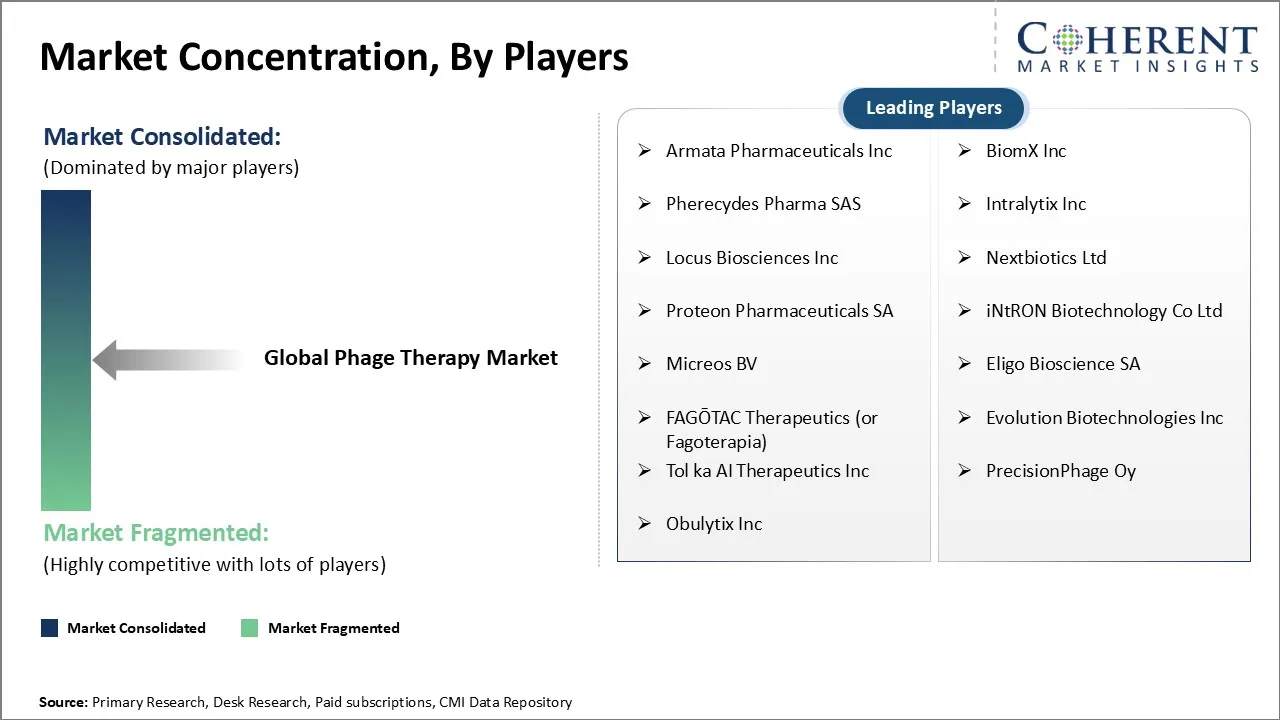
- The industry is dominated by established players who have made huge investments in research and development (R&D), in order to be innovative and provide high performance phage therapy products that manage such a wide range of bacterial infections. These organizations are working on the building of good phage libraries, the enhancement of delivery mechanisms, and the financing of clinical trials to enhance efficacy and safety. They also engage in strategic collusions with top pharma, OEMs and biotech companies to enhance their market base.
- In January 2024, Locus Biosciences, a company leveraging CRISPR technology to develop phage therapies, secured USD 23.9 million in funding from BARDA. The funding will be used to advance LBP-EC01, a CRISPR-engineered phage therapy designed to target drug-resistant E. coli infections, specifically urinary tract infections.
- Mid-level phage therapy market players are more cost-conscious but strategic when taking their positions. They are oriented at providing low-priced and high-quality phage therapy services which provide a sound balance between low price and quality and aimed at price-sensitive consumer groups in established and developing economies.
- Mid-level players in the phage therapy market, such as Innovative BioTherapies, focus on providing cost-effective phage solutions to address a broad range of bacterial infections. By offering affordable treatments, they cater to both developed and emerging markets where cost-efficiency is a key consideration for healthcare providers.
- Small participants in the worldwide market for phage therapy usually find their niche by focusing on specific features or novel innovative products. These companies usually put emphasis on designing custom phage cocktails against infrequent or hard-to-treat bacterial strains, thus satisfying unmet medical demands in certain patient groups.
- Small-scale players, like PhagePro, specialize in developing custom phage cocktails for specific, hard-to-treat infections, including rare pathogens. Their approach targets diseases that have limited treatment options, such as infections caused by Clostridium difficile, offering innovative solutions to meet the needs of patients who require specialized care.
Market Report Scope
Global Phage Therapy Market Report Coverage
| Report Coverage | Details | ||
|---|---|---|---|
| Base Year: | 2025 | Market Size in 2026: | USD 1.42 Bn |
| Historical Data for: | 2020 To 2024 | Forecast Period: | 2026 To 2033 |
| Forecast Period 2026 to 2033 CAGR: | 6.3% | 2033 Value Projection: | USD 2.18 Bn |
| Geographies covered: |
| ||
| Segments covered: |
| ||
| Companies covered: | Armata Pharmaceuticals Inc, BiomX Inc, Pherecydes Pharma SAS, Intralytix Inc, Locus Biosciences Inc, Nextbiotics Ltd, Proteon Pharmaceuticals SA, iNtRON Biotechnology Co Ltd, Micreos BV, Eligo Bioscience SA, FAGŌTAC Therapeutics (or Fagoterapia), Evolution Biotechnologies Inc, Tol ka AI Therapeutics Inc, PrecisionPhage Oy, and Obulytix Inc | ||
| Growth Drivers: |
| ||
| Restraints & Challenges: |
| ||
Market Dynamics
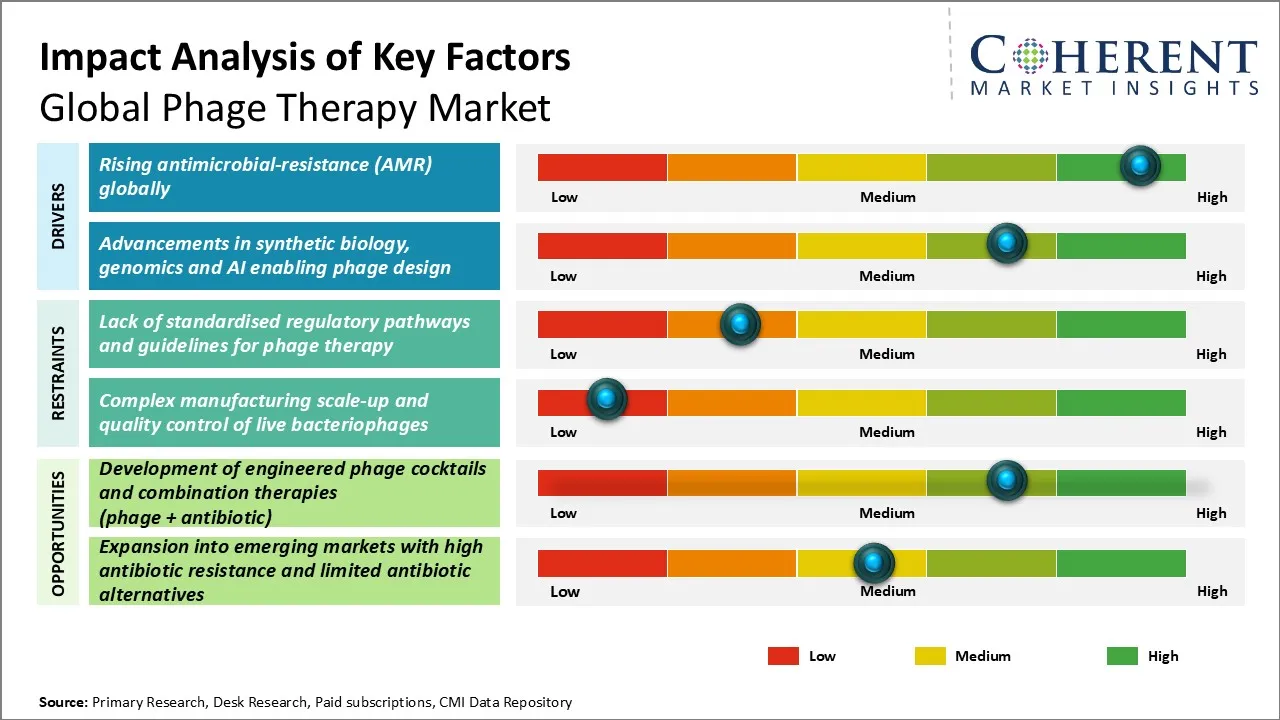
Phage Therapy Market Driver - Rising Antimicrobial ‑ Resistance (AMR) Globally
The growing rates of antimicrobial resistance (AMR) in the contemporary world have emerged as a major challenge to modern medicine to a large extent, threatening the efficacy of traditional antibiotics. With this constantly growing resistance of pathogens in their efforts to overcome the existing drug treatment, there is increasing interest in finding novel therapeutic interventions that would allow addressing the problem of resistant bacterial infections. Phage therapy that uses bacteriophages to kill bacterial cells specifically is gaining grounds as an alternative with promise because it is precise and can overcome resistance barriers. In comparison to the broad-spectrum antibiotics, phages have a high level of specific action without disrupting the health-promoting microbiota, minimizing the risk of secondary infections.
In November 2023, according to WHO, antimicrobial resistance (AMR) was identified as a top global health threat, causing 1.27 million deaths in 2019. The overuse and misuse of antimicrobials in humans, animals, and plants are key drivers of resistance. AMR affects all countries, particularly low- and middle-income nations, and risks undermining modern medical advances. With an inadequate antibiotics pipeline, the World Bank estimates AMR could lead to USD 1 trillion in additional healthcare costs by 2050.
Phage Therapy Market Opportunity - Development of Engineered Phage Cocktails and Combination Therapies
The global phage therapy market is a great opportunity due to the development of engineered phage cocktails and combination therapy with phages and antibiotics. Phage cocktails designed to combat multiple bacteria strains at once are engineered, overcoming the problem of bacterial resistance, and are more effective than single-phage treatments. These cocktails can surmount limitations to phage treatment that are manifested in naturally occurring systems by genetically altering bacteriophages to be more specific, stable and bactericidal. Moreover, phage therapy used in conjunction with conventional antibiotics provides a therapeutic synergistic effect capable of enhancing the effect of antibiotics and lowering the use of antibiotics and the development of multi-drug -resistant pathogens.
An example is Intralytix Inc. a U.S.-based company that deals with bacteriophage-based products with human therapeutic uses. Another company, PhagoMed Biopharma GmbH, an Austrian company is also developing therapeutic phage therapy against human infections, against hard-to-treat bacterial strains. These organizations are moving the phage therapies and combination therapy towards innovation to multidrug-resistant infections.
Analyst Opinion (Expert Opinion)
- The phage therapy market is expanding at a very high rate due to the development of phage engineering and the increasing concern on antibiotic resistance. This has been supported by regulatory assistance especially in Europe and North America in order to speed up the trials and approvals of clinical drugs. The engineering of phage cocktails and combination therapies have potential opportunities yet there are still challenges such as regulatory obstacles and scalability challenges.
- New international meetings such as the International Phage Therapy Symposium have led to collaboration and sharing of knowledge. Phage therapy is an accelerating commercialization that is driven by government programs like the Orphan Drug Designation of the U.S. FDA and the funding provided by the EU under Horizon 2020. Such initiatives will also determine the future of the market as a result of clinical validation and regulatory support.
Speak to the analyst
Want personalized insights?
Take the findings above to one of our principal consultants, or have the report rebuilt around the segments, geographies and competitors you actually track.
Market Segmentation
- Product Insights (Revenue, USD Bn, 2021 - 2033)
- Monophage therapy
- Phage cocktails
- Engineered/recombinant phages
- Phage‑derived enzymes (e.g., endolysins)
- Combination products (phage + antibiotic or adjunct)
- Target Pathogen Insights (Revenue, USD Bn, 2021 - 2033)
- Gram‑negative bacteria
- Escherichia coli
- Pseudomonas aeruginosa
- Salmonella spp.
- Klebsiella pneumoniae
- Other Gram‐negative bacteria
- Gram‑positive bacteria
- Staphylococcus aureus
- Streptococcus spp.
- Other Gram‐positive bacteria
- Mixed/other pathogens
- Gram‑negative bacteria
- Disease Indication Insights (Revenue, USD Bn, 2021 - 2033)
- Urinary tract infections (UTIs)
- Skin and wound infections
- Bone and joint/implant‑associated infections
- Respiratory tract infections (including cystic fibrosis)
- Gastrointestinal infections
- Bloodstream/sepsis infections
- Biofilm‑related chronic infections
- Other indications
- Route of Administration Insights (Revenue, USD Bn, 2021 - 2033)
- Oral
- Topical/dermal
- Injectable/intravenous (IV/IM)
- Inhalation/nebulized
- Local instillation (e.g., bladder, wound cavity)
- Other routes
- End User Insights (Revenue, USD Bn, 2021 - 2033)
- Hospitals and specialty clinics
- Research institutes and academic centers
- Ambulatory care/outpatient clinics
- Others (Veterinary clinics)
- Regional Insights (Revenue, USD Bn, 2021 - 2033)
- North America
- U.S.
- Canada
- Latin America
- Brazil
- Argentina
- Mexico
- Rest of Latin America
- Europe
- Germany
- U.K.
- Spain
- France
- Italy
- Russia
- Rest of Europe
- Asia Pacific
- China
- India
- Japan
- Australia
- South Korea
- ASEAN
- Rest of Asia Pacific
- Middle East
- GCC Countries
- Israel
- Rest of Middle East
- Africa
- South Africa
- North Africa
- Central Africa
- North America
- Key Players Insights
- Armata Pharmaceuticals Inc
- BiomX Inc
- Pherecydes Pharma SAS
- Intralytix Inc
- Locus Biosciences Inc
- Nextbiotics Ltd
- Proteon Pharmaceuticals SA
- iNtRON Biotechnology Co Ltd
- Micreos BV
- Eligo Bioscience SA
- FAGŌTAC Therapeutics (or Fagoterapia)
- Evolution Biotechnologies Inc
- Tol ka AI Therapeutics Inc
- PrecisionPhage Oy
- Obulytix Inc
Sources
Primary Research Interviews
Industry Stakeholders
- Phage therapy manufacturers
- Regulatory affairs leaders in phage biotech
End users
- Infectious disease physicians
- Veterinary clinics using phage treatments
- Food safety/agriculture procurement managers
- Clinical trial coordinators
Government and International Databases
- WHO database on antimicrobial resistance
- European Medicines Agency guidelines on phage therapy
- Indian Council of Medical Research reports
- FAO data on phages in agriculture
- US FDA approval documents
- Government reports on phage therapy regulation
Trade Publications
- Biotechnology industry magazines
- Food safety trade journals
- Veterinary therapy journals
- Agricultural tech publications
- Biopharma supply chain newsletters
- Medical device trade publications
Academic Journals
- Antibiotics journal on phage therapy
- Microbial Pathogenesis review on AMR
- Journal of Intensive Care on phage therapy
- Cell Press phage therapy research
- ASM Journals on post-antibiotic era phages
- Phage journal for bacteriophage research
Reputable Newspapers / Media Outlets
- U.K. national coverage on phage therapy
- U.S. newspaper articles on phage investments
- Indian articles on regional phage regulations
- Canadian/European coverage on phage use
- Asia Pacific news on phage in agriculture
- Global business dailies on phage market trends
Industry Associations
- ISAC phage therapy interest group
- ESCMID phage therapy working group
- GARDP on alternative therapies
- One Health network on AMR
- Veterinary associations on phage use
- National phage therapy groups
Public Domain Resources
- ClinicalTrials.gov for phage therapy trials
- Government legislative documents on phages
- Open access patents on phage formulations
- Open datasets on AMR and phages
- Parliamentary reports on phage therapy
- Academic preprints on phage research
Proprietary Elements
- CMI Data Analytics Tool: Proprietary analytics tool to analyze real-time market trends, consumer behavior, and technology adoption in market
- Proprietary CMI Existing Repository of Information for Last 8 Years
Get access to 250+ pages report
Every segment, forecast, competitor profile and data table behind the analysis above — available for instant download.
- ESOMAR Member
- ISO 9001:2015 Certified
- D-U-N-S Registered
- GDPR & CCPA Compliant
Missing comfort of reading report in your local language? Find your preferred language:
Transform your Strategy with Exclusive Trending Reports
Frequently Asked Questions
The global phage therapy market is estimated to be valued at USD 1.42 Bn in 2026 and is expected to reach USD 2.18 Bn by 2033.
The CAGR of the global phage therapy market is projected to be 6.3% from 2026 to 2033.
Rising antimicrobial‑resistance (AMR) globally and advancements in synthetic biology, genomics and AI enabling phage design are the major factors driving the growth of the global phage therapy market.
Lack of standardized regulatory pathways and guidelines for phage therapy and complex manufacturing scale‑up and quality control of live bacteriophages are the major factors hampering the growth of the global phage therapy market.
In terms of product, the monophage therapy is estimated to dominate the market revenue share in 2026.
Armata Pharmaceuticals Inc, BiomX Inc, Pherecydes Pharma SAS, Intralytix Inc, Locus Biosciences Inc, Nextbiotics Ltd, Proteon Pharmaceuticals SA, iNtRON Biotechnology Co Ltd, Micreos BV, Eligo Bioscience SA, FAGŌTAC Therapeutics (or Fagoterapia), Evolution Biotechnologies Inc, Tol ka AI Therapeutics Inc, PrecisionPhage Oy, and Obulytix Inc are the major players.
North America is expected to lead the global phage therapy market in 2026.