

Global Rifaximin Market Size and Forecast – 2026 to 2033
The global rifaximin market is estimated to be valued at USD 2.15 Bn in 2026 and is expected to reach USD 4.47 Bn by 2033, exhibiting a compound annual growth rate (CAGR) of 11.0% from 2026 to 2033. This robust growth can be attributed to the increasing prevalence of gastrointestinal disorders, rising adoption of rifaximin for treating conditions like irritable bowel syndrome and hepatic encephalopathy, and expanding awareness among healthcare providers about its efficacy and safety profile.
Key Takeaways of the Global Rifaximin Market
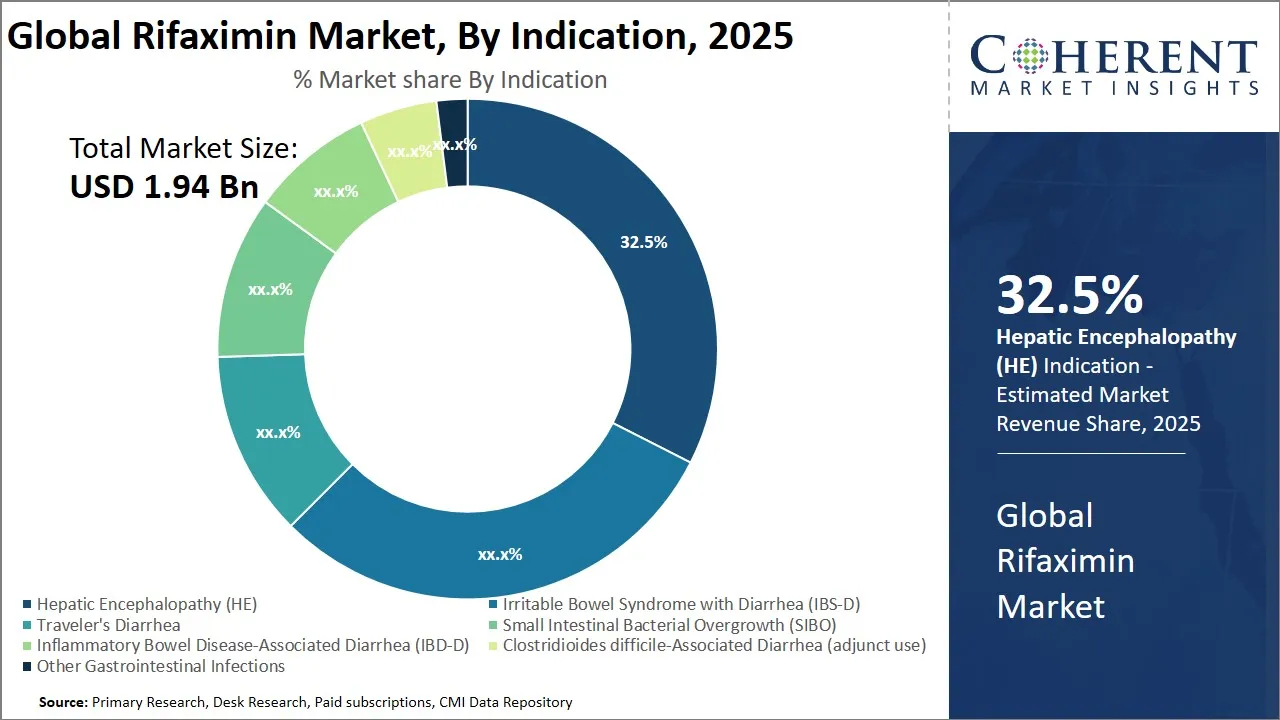
- Hepatic encephalopathy (HE) is expected to lead the global rifaximin market with a 33.5% share in 2026.
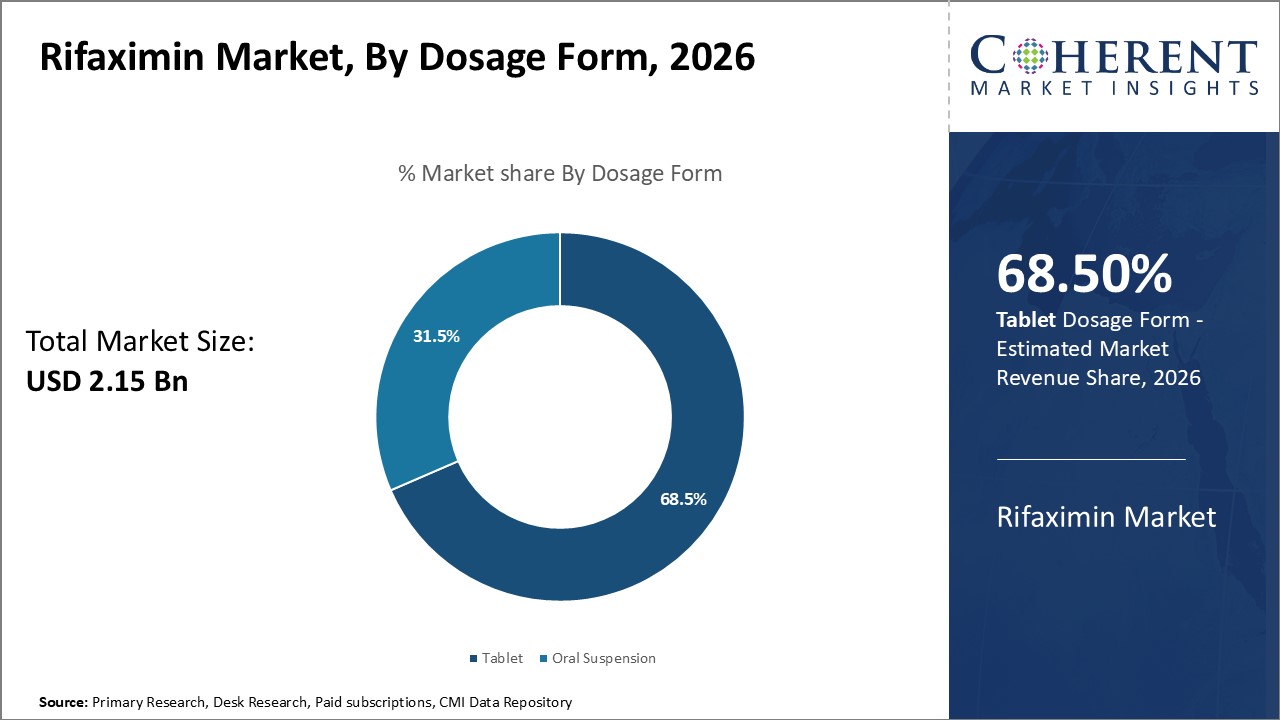
- Tablet segment is projected to account for 68.5% of the market share in 2026.
- The 200 mg segment is expected to hold the largest share, reaching 51.3% share in 2026.
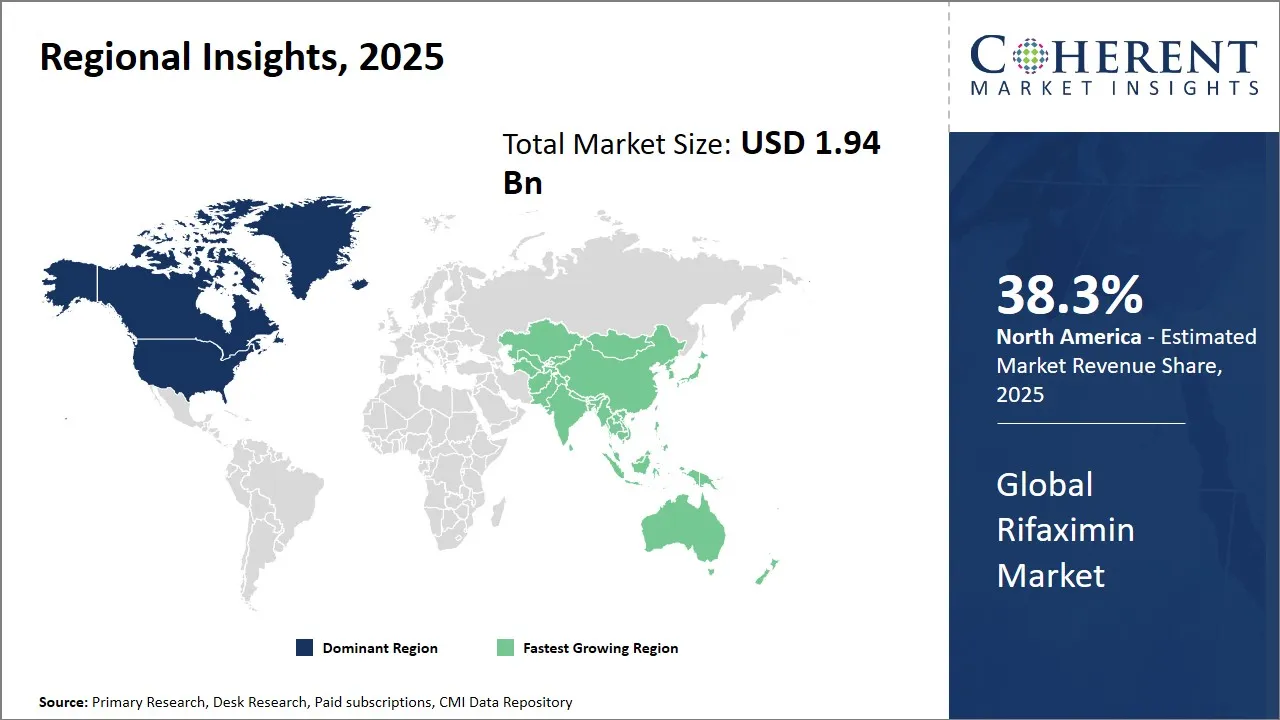
- North America is expected to lead the market, holding a share of 38.3% in 2026. Asia Pacific is anticipated to be the fastest-growing region, with a market share of 24.5% in 2026.
Market Overview
Key market trends driving the global rifaximin market include growing investments in pharmaceutical research and development focusing on novel formulations and delivery methods, increasing penetration in emerging markets, and a shift towards personalized medicine. Additionally, rising healthcare expenditure and favorable regulatory frameworks are encouraging drug approvals and market expansion. The trend towards combining rifaximin with other therapeutic agents to improve patient outcomes is also gaining momentum, further propelling market growth throughout the forecast period.
Currents Events and Its Impact
Current Events | Description and its Impact |
Patent Expirations and Generic Entry |
|
Growing Focus on Gut-Brain Axis Research |
|
Segmental Insights
- Current Industry Events of 2026
- Market Size Estimation
- Regional Breakdown
- Competitive Landscape
- Customer Intelligence
- Segmental Analysis
- Pricing Analysis
- Key Market Drivers, Challenges & Future Trends
- Customized Insights Section
Rifaximin Market Insights, By Indication - Hepatic Encephalopathy (HE) Contributes the Highest Market Share Owing to Rising Prevalence and Critical Therapeutic Need
Hepatic Encephalopathy (HE) is estimated to capture 33.5% of the rifaximin market in 2026 owing to the rising prevalence of chronic liver diseases globally. HE is a neuropsychiatric syndrome and is complicated with liver dysfunction and portal-systemic shunt, resulting in impaired brain functions.
The increasing requirement of liver cirrhosis and other liver related diseases has increased the need to identify viable methods of treatment making rifaximin a choice of treatment since it has a specific antibacterial effect in the intestines with no serious systemic absorption.
Rifaximin Market Insights, By Dosage Form - Tablet Leads the Market Owing to Convenience and Established Prescribing Patterns
Tablet remains the most dominant dosage form segment in the worldwide market for rifaximin with an estimated 68.5% share in 2026, thus showing their high levels of acceptability and convenience in administration. The reason why tablets are preferred to oral suspensions is the ease of use, compliance by the patient, and established manufacturing processes. Tablets have a convenient dosing and suit well in the outpatient and long treatments treatment setting, particularly in the case of chronic indications, such as hepatic encephalopathy.
In October 2025, Biocon Pharma Limited, a subsidiary of Biocon Limited, and Carnegie Pharmaceuticals LLC received FDA tentative approval for Rifaximin Tablets, 550 mg. These tablets, a rifamycin antibacterial, are indicated for reducing the risk of overt hepatic encephalopathy recurrence and treating irritable bowel syndrome with diarrhea in adults.
Rifaximin Market Insights, By Strength - 200 mg Leads the Market Owing to Broad Therapeutic Applicability and Dosing Flexibility
The 200mg is set to account for the highest market share of 51.3% in 2026, as it is used in numerous indications with various dosing schedules. The 200 mg strength is a flexible starting point, which can be used in monotherapy or be used in conjunction with other doses, to increase clinical flexibility.
The 200 mg tablet is widely used in the management of hepatic encephalopathy, traveler diarrhea and other gastrointestinal infection, and is thus very flexible in its usage among patients. Its reduced milligram concentration enables it to be taken in several doses every day that can be changed depending on the needs of the patient to achieve maximum effect and reduce the side effects.
Epidemiology and Disease Burden Analysis
- The global epidemiology landscape shows a sharp rise in gastrointestinal disorders that directly expands the eligible patient base for rifaximin, with IBS-D affecting an estimated 4–10% of the population and hepatic encephalopathy impacting 30–45% of patients with cirrhosis. Traveler’s diarrhea continues to affect up to 20–60% of international travelers, while small intestinal bacterial overgrowth is now identified in 15–20% of individuals with chronic GI symptoms. Aging populations in North America, Europe, Japan, and China further increase case volumes, strengthening long-term therapeutic demand.
- Disease burden trends confirm the need for sustained, recurrence-focused therapy, as chronic liver disease cases worldwide have crossed 1.5 billion, with rising alcohol-associated liver injury and metabolic dysfunction-associated steatotic liver disease driving growth. Hospitalizations linked to HE have increased by over 25% in the past decade, while IBS-related healthcare utilization has risen by 15–18% across major markets. These epidemiological pressures anchor rifaximin as a critical intervention in GI care, ensuring continued expansion across both developed and emerging regions.
Regional Insights
North America Rifaximin Market Analysis and Trends
North America is projected to take 38.3% of the global market in 2026 due to a strong health care system and presence of pharmaceutical industry and favorable government policies, which promote innovations and availability of drugs. The regulatory system of the U.S. Food and Drug Administration enables the penetration of more sophisticated preparations of rifaximin onto the market, especially in gastrointestinal and hepatic indications.
It has a good reputation of clinical research and collaboration between biotech companies and universities. The market is also important due to such prominent industry players as Salix Pharmaceuticals (a Bausch Health subsidiary), the pioneer in raising the use of rifaximin to treat hepatic encephalopathy and irritable bowel syndrome.
Asia Pacific Rifaximin Market Analysis and Trends
Asia Pacific is the fastest-growing market with a projected share of 24.5% in 2026 due to the growing rate of prevalence of gastrointestinal diseases, growing healthcare infrastructure, and an increase in government expenditure on healthcare access. In other countries like India and China, there is an increase in manufacturing capacities and better regulatory ecosystems to support new drug approvals.
The increasing middle class and increasing coverage by the healthcare insurance also increase the demand of the powerful therapeutic treatment facilities such as rifaximin. Cipla and Sun Pharma are increasing access by increasing generic and branded rifaximin.
Global Rifaximin Market Outlook for Key Countries
U.S. Rifaximin Market Trends
The U.S. rifaximin market is a leader with strong recommendation by the healthcare providers and extensive insurance cover to support the prescriptions of rifaximin in the treatment of hepatic encephalopathy and traveler diarrhea. Salix Pharmaceuticals has a dominant presence which continues to innovate in order to increase indications and formulations. Clinical trial environment in the country is also vast in nature that allows introduction of new therapeutic applications that have kept the U.S market at the forefront of Rifaximin usage in the world.
For Example, Salix Pharmaceuticals drives the U.S. market with its flagship rifaximin brand Xifaxan and continuous lifecycle management efforts, including new indication trials. Amneal Pharmaceuticals is expanding its footprint with tentative approval for generic rifaximin 550 mg, intensifying competition pending litigation outcomes. Companies such as AbbVie also support the gastrointestinal therapeutics landscape, reinforcing the market’s growth momentum.
Germany Rifaximin Market Trends
The strong pharmaceutical production base and strict quality control in Germany make the market a good place to sell rifaximin because the country maintains high drug safety standards. Presence of other companies such as Bayer and Stada Arzneimittel increases reliability and availability of the products in the market. Also, the universal healthcare model in Germany encourages earlier diagnostics and treatment of gastrointestinal conditions, which is why it is possible to access rifaximin-based treatment more broadly, both in the outpatient environment and during hospitalization.
For Example, Stada Arzneimittel strengthens domestic supply through high-quality generic rifaximin offerings aligned with Germany’s strict regulatory standards. Bayer contributes through its broader gastrointestinal treatment portfolio, enhancing therapeutic adoption. In parallel, local contract manufacturers support stable availability across retail and hospital channels.
India Rifaximin Market Trends
India is unique because it has one of the highest populations with gastrointestinal diseases and a swiftly growing health care system. As the key domestic firms, Cipla, Sun Pharma, and Lupin are currently looking at the production of generic rifaximine, more accessibility and competitive prices are observed in the market. Rural healthcare and drug access efforts of the government are another boon to the demand, making India a vital growth market.
For Example, Cipla, Sun Pharmaceutical Industries, and Lupin anchor India’s rifaximin ecosystem with cost-efficient generics manufactured at scale. These firms use large API production bases and strong domestic distribution networks to expand rifaximin accessibility nationwide. Alkem Laboratories and Dr. Reddy’s Laboratories also contribute to rising supply, especially for government-linked procurement and rural penetration.
China Rifaximin Market Trends
The growing and flourishing healthcare system in China and rising government expenditure on contemporary treatment options are all market drivers of rifaximin. Pharmaceutical innovation and expansion of production capacity Local manufacturers, such as Jiangsu Hengrui Medicine, are engaged in the areas of innovation and expansion. Also, regulatory changes aimed at simplification of drug approvals promote both generic and new rifaximin formulations, which makes the domestic market more competitive.
For Example, Jiangsu Hengrui Medicine leads with active R&D programs and expanding production capacity for rifaximin and related gastrointestinal drugs. Zhejiang NHU and Shanghai Pharmaceuticals enhance market depth through local manufacturing and strong provincial distribution networks. Additionally, regulatory shifts allow more domestic companies to launch compliant generics, accelerating competitive intensity in the Chinese market.
Pricing, Reimbursement and Market Access
- Rifaximin, marketed as Xifaxan, holds a premium price across major markets due to its non-systemic profile, strong efficacy in HE and IBS-D, and limited generic competition, with the U.S. showing the highest retail costs despite Europe’s tighter price controls. Emerging markets see gradual cost reductions through tiered pricing and local manufacturing, though affordability remains inconsistent. Xifaxan reinforces its high-value positioning with robust clinical outcomes and a Savings Card program that allows eligible commercially insured U.S. patients to pay as little as USD 0, improving access while maintaining premium pricing.
- Reimbursement access is broad, with 98% of commercially insured and 100% of Medicare Part D patients receiving coverage when criteria are met. EU markets reimburse Xifaxan under structured prescribing pathways, while emerging markets see gradual access expansion through tiered pricing and local manufacturing. Payers continue to support coverage due to Xifaxan’s proven cost savings from reduced HE-related hospitalizations, strengthening its market access despite premium pricing
Market Players, Key Developments, and Competitive Intelligence
Key Developments
- In June 2025, Zydus Lifesciences, a large Indian pharmaceutical manufacturer, received tentative U.S. FDA approval for its Rifaximin 550 mg tablets used for IBS-D in adults. The company said the product will be made at its Ahmedabad SEZ facility and highlighted strong U.S. demand, with Rifaximin sales reaching USD 2,672.9 million in March 2025. Zydus noted that this approval adds to its expanding U.S. portfolio, which now includes 427 approvals and nearly 500 ANDA filings.
- In June 2025, Maiwald GMbH, a German IP law firm, said the European Patent Office revoked Salix Pharmaceuticals’ patent on Rifaximin for hepatic encephalopathy after Salix withdrew all remaining claims during appeal. Salix, a major GI drug maker under Bausch Health, lost the patent following challenges from eight opponents, and the EPO confirmed the revocation under decision T 0162/22.
- In January 2025, the U.S. FDA granted tentative approval for Amneal Pharmaceuticals, a U.S. generics manufacturer, to launch a generic version of Rifaximin 550 mg for IBS-D, but the product remains on hold due to litigation from Bausch Health, a global specialty pharma company that markets Xifaxan. Amneal also expanded its portfolio with new memantine-donepezil and everolimus approvals as it pushes deeper into complex generics.
- In January 2025, Bausch Health, a global diversified pharma company, said that CMS selected its Rifaximin product Xifaxan 550 mg for the next Medicare price negotiation cycle under the Inflation Reduction Act, with new pricing set for 2027. The company and its GI unit Salix Pharmaceuticals, a major gastroenterology drug developer, said they will work with CMS to demonstrate the clinical value of Xifaxan, which holds strong guideline support from leading liver disease associations.
Top Strategies Followed by Global Rifaximin Market Players
- Well established market leaders have focused on major investments in research and development (R&D) to help them in innovating high performance of rifaximin formulations. These key players are determined to deliver products of an increasing efficacy, safety, and delivery mechanism that meets the changing regulatory standards and patient needs. Besides, these incumbents can use strategic partnerships with large pharmaceutical firms and original equipment manufacturers (OEMs) to consolidate their market shares and use their complementary advantages.
- Takeda strengthens the high-end segment through advanced gastrointestinal R&D. Pfizer supports improved formulations via broad clinical research capacity. Novartis contributes with drug-delivery technologies that align well with rifaximin innovation needs.
- The ways of mid-level competitors in the lifetime of the rifaximin market are the opposite but similar strategies, which focus on cost leadership and synergetic development. These firms focus on the provision of low priced but quality Rifaximin products that are responsive to the price sensitive patient groups particularly in developing economies where cost is a key inhibitor to accessing treatment.
- Reddy’s Laboratories provides cost-efficient, compliant generics across semi-regulated markets. Aurobindo Pharma leverages strong API capabilities to supply affordable formulations. Zydus Lifesciences targets price-sensitive regions with reliable GI products.
- The traditional feature of small companies operating in the global market of rifaximin is its specialization and niche orientation through innovation. These players have limited resources relative to the larger competitors, and concentrate on creating differentiating formulations with some specialized characteristics like targeted delivery systems, enhanced patient compliance, or the use of rifaximin with adjunct therapy agents.
- Jiangsu Allyrise Pharmaceutical focuses on targeted rifaximin upgrades for local demand. Riemser Pharma develops niche GI formulations with compliance-friendly designs. Eris Lifesciences works on differentiated delivery systems and selective adjunct combinations
Market Report Scope
Global Rifaximin Market Report Coverage
| Report Coverage | Details | ||
|---|---|---|---|
| Base Year: | 2025 | Market Size in 2026: | USD 2.15 Bn |
| Historical Data for: | 2020 To 2024 | Forecast Period: | 2026 To 2033 |
| Forecast Period 2026 to 2033 CAGR: | 11.0% | 2033 Value Projection: | USD 4.47 Bn |
| Geographies covered: |
| ||
| Segments covered: |
| ||
| Companies covered: | Salix Pharmaceuticals, Bausch Health Companies Inc, Alfasigma SpA, Lupin Limited, Sun Pharmaceutical Industries Ltd, Aurobindo Pharma Limited, Cipla Limited, Teva Pharmaceutical Industries Ltd, Cosmo Pharmaceuticals NV, Zambon Company SpA, Granules India Limited, Alembic Pharmaceuticals Limited, Macleods Pharmaceuticals Limited, MSN Laboratories Pvt Ltd, and Hetero Drugs | ||
| Growth Drivers: |
| ||
| Restraints & Challenges: |
| ||
Rifaximin Market Dynamics
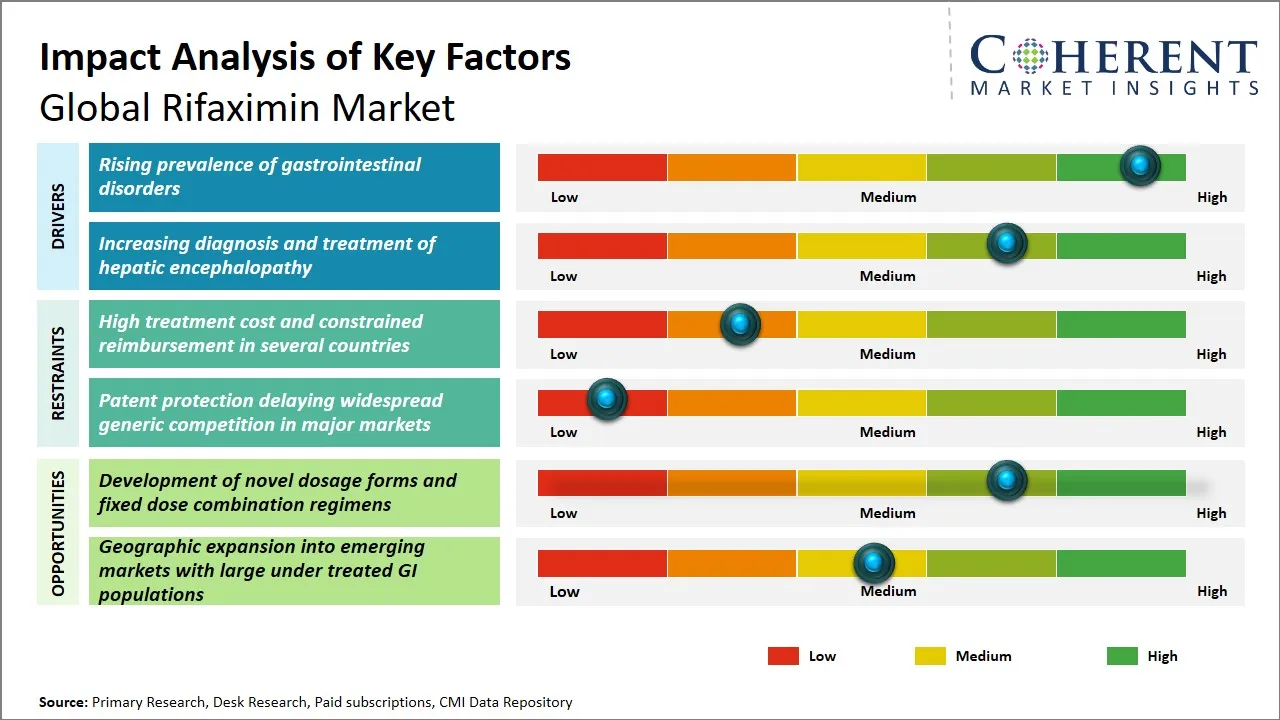
Rifaximin Market Driver - Rising Prevalence of Gastrointestinal Disorders
The increasing incidence of gastrointestinal disorders worldwide is a significant driver propelling the demand for rifaximin, a widely prescribed antibiotic known for its efficacy in treating conditions such as irritable bowel syndrome with diarrhea (IBS-D), hepatic encephalopathy, and travelers’ diarrhea. Lifestyle changes, urbanization, and shifts in dietary habits have contributed to the surge in chronic digestive ailments, leading to a higher patient population requiring targeted therapeutic solutions. Moreover, growing awareness about gut health and the importance of microbial balance in managing gastrointestinal symptoms has encouraged both clinicians and patients to adopt rifaximin due to its favorable safety profile and localized action within the gastrointestinal tract.
In November 2024, Viatris reported sharp growth in India’s gastrointestinal disease burden, reinforcing rising clinical use of Rifaximin for key gut disorders. GERD affects 7.6% to 30% of the population, constipation affects 22% of adults, and 1.4 million people live with IBD. Liver disease remains widespread, with 1 million cirrhosis cases diagnosed each year and 9% to 53% of people having NAFLD, while 40 million individuals carry HBV. Pancreatitis affects 114 to 200 per million, reflecting a growing need for reliable gastrointestinal therapies.
Rifaximin Market Opportunity - Development of Novel Dosage Forms and Fixed Dose Combination Regimens
The world rifaximin market is also a great opportunity due to the emergence of new dosage forms and fixed dose combination (FDC) regimens, which are intended to increase patient adherence and treatment outcomes. Rifaximin is an antibiotic with low absorption and is mainly used in the treatment of gastrointestinal infections and hepatic encephalopathy and is now restricted on the basis of the traditional oral-taken tablets that are not always effective to treat all the patients. New delivery systems like extended-release formulations, orally disintegrating tablets, or liquid suspension may be introduced to enhance the dosing convenience, particularly among the pediatric and geriatric patients.
Other companies that have engaged in the same type of innovation include Bausch Health, Amneal Pharmaceuticals, Cipla, Sun Pharma, Dr. Reddy’s, and Lupin, which are in the development of advanced oral formulations and combinations in the gastrointestinal and antimicrobial arena.
Analyst Opinion (Expert Opinion)
- The market of rifaximin is evolving rapidly with the changing competitive landscape due to the changing patent outcomes, increased clinical need, and widening real-life evidence. It remains used strongly in cases of hepatic encephalopathy and IBS-D, whereas in the U.S and other regions of Europe, legal changes are driving the demand to bring generic products sooner. Clinical experience presented during Digestive Disease Week, World Congress of Gastroenterology, and International Liver Congress will be used to lead physicians into safer gut-targeted therapy and support the clinical importance of rifaximin.
- The U.K. programmes to manage chronic liver diseases, the competitive multisource market in India and the antimicrobial stewardship are all recent activities, which are driving adoption through lower prices. Such efforts, coupled with joint research on HE relapse reduction, are an indication of a market that is becoming more accessible, more extensively evidence-based, and increasingly price-sensitive.
Speak to the analyst
Want personalized insights?
Take the findings above to one of our principal consultants, or have the report rebuilt around the segments, geographies and competitors you actually track.
Market Segmentation
- Indication Insights (Revenue, USD Bn, 2021 - 2033)
- Hepatic Encephalopathy (HE)
- Irritable Bowel Syndrome with Diarrhea (IBS-D)
- Traveler’s Diarrhea
- Small Intestinal Bacterial Overgrowth (SIBO)
- Inflammatory Bowel Disease–Associated Diarrhea (IBD-D)
- Clostridioides difficile–Associated Diarrhea (adjunct use)
- Other Gastrointestinal Infections
- Dosage Form Insights (Revenue, USD Bn, 2021 - 2033)
- Tablet
- Oral Suspension
- Strength Insights (Revenue, USD Bn, 2021 - 2033)
- 200 mg
- 400 mg
- 550 mg
- Patient Group Insights (Revenue, USD Bn, 2021 - 2033)
- Adult
- Geriatric
- Pediatric
- End User Insights (Revenue, USD Bn, 2021 - 2033)
- Hospitals
- Gastroenterology Clinics
- Ambulatory Surgical Centers
- Academic and Research Institutes
- Home Healthcare Providers
- Manufacturer Category Insights (Revenue, USD Bn, 2021 - 2033)
- Branded
- Generic
- Distribution Channel Insights (Revenue, USD Bn, 2021 - 2033)
- Hospital Pharmacies
- Retail Pharmacies
- Online Pharmacies
- Regional Insights (Revenue, USD Bn, 2021 - 2033)
- North America
- U.S.
- Canada
- Latin America
- Brazil
- Argentina
- Mexico
- Rest of Latin America
- Europe
- Germany
- U.K.
- Spain
- France
- Italy
- Russia
- Rest of Europe
- Asia Pacific
- China
- India
- Japan
- Australia
- South Korea
- ASEAN
- Rest of Asia Pacific
- Middle East
- GCC Countries
- Israel
- Rest of Middle East
- Africa
- South Africa
- North Africa
- Central Africa
- North America
- Key Players Insights
- Salix Pharmaceuticals
- Bausch Health Companies Inc
- Alfasigma SpA
- Lupin Limited
- Sun Pharmaceutical Industries Ltd
- Aurobindo Pharma Limited
- Cipla Limited
- Teva Pharmaceutical Industries Ltd
- Cosmo Pharmaceuticals NV
- Zambon Company SpA
- Granules India Limited
- Alembic Pharmaceuticals Limited
- Macleods Pharmaceuticals Limited
- MSN Laboratories Pvt Ltd
- Hetero Drugs
Sources
Primary Research Interviews
Industry Stakeholders
- Hospital pharmacy procurement heads
- Gastroenterologists / Hepatologists
End Users
- Patients using Rifaximin for IBS-D, hepatic encephalopathy
- Focus groups in regions with high gastrointestinal disease
Government and International Databases
- Clinical Trials Registry-India (CTRI)
- Uppsala Monitoring Centre (VigiBase)
- U.S. FDA Drug Approvals
- National drug regulatory repositories
- Global pharmaceutical statistics from IFPMA
Trade Publications
- Scrip World Pharmaceutical News
- Pharma industry newsletters on antibiotics
- Regulatory-compliance bulletins
- Industry white papers on antibiotic resistance
- Trade-level raw material supply newsletters
- Public drug procurement agency reports
Academic Journals
- Peer-reviewed studies on Rifaximin safety/efficacy
- Reviews on antibiotic usage and antimicrobial resistance
- Publications on over-the-counter antibiotic sales
- Regulatory-science papers on antibiotic approval
- Meta-analyses from Embase
- Systematic reviews from Cochrane Library
Reputable Newspapers
- Health policy coverage in major newspapers
- Investigative reports on antibiotic misuse
- Coverage of regulatory decisions on antibiotics
- Reports on antibiotic supply-chain disruptions
- Public health media on antibiotic affordability
- Media focusing on access to antibiotics in developing countries
Industry Associations
- International Federation of Pharmaceutical Manufacturers & Associations (IFPMA)
- WHO antibiotic stewardship initiatives
- National public health agencies' reports
- U.S. Centers for Disease Control and Prevention (CDC)
- European Medicines Agency (EMA)
- National health policy think tanks
Public Domain Resources
- Clinical Trials Registry-India (CTRI)
- DrugBank
- WHO global health statistics on antibiotics
- Public adverse-event databases (e.g., WHO)
- Public health reports on antimicrobial resistance
Proprietary Elements
- CMI Data Analytics Tool: Proprietary analytics tool to analyze real-time market trends, consumer behavior, and technology adoption in market
- Proprietary CMI Existing Repository of Information for Last 8 Years
Get access to 250+ pages report
Every segment, forecast, competitor profile and data table behind the analysis above — available for instant download.
- ESOMAR Member
- ISO 9001:2015 Certified
- D-U-N-S Registered
- GDPR & CCPA Compliant
Missing comfort of reading report in your local language? Find your preferred language:
Transform your Strategy with Exclusive Trending Reports
Frequently Asked Questions
The global rifaximin market is estimated to be valued at USD 2.15 Bn in 2026 and is expected to reach USD 4.47 Bn by 2033.
The CAGR of the global rifaximin market is projected to be 11.0% from 2026 to 2033.
Rising prevalence of gastrointestinal disorders and increasing diagnosis and treatment of hepatic encephalopathy are the major factors driving the growth of the global rifaximin market.
High treatment cost and constrained reimbursement in several countries and patent protection delaying widespread generic competition in major markets are the major factors hampering the growth of the global rifaximin market.
In terms of indication, the Hepatic Encephalopathy (HE) is estimated to dominate the market revenue share in 2026.
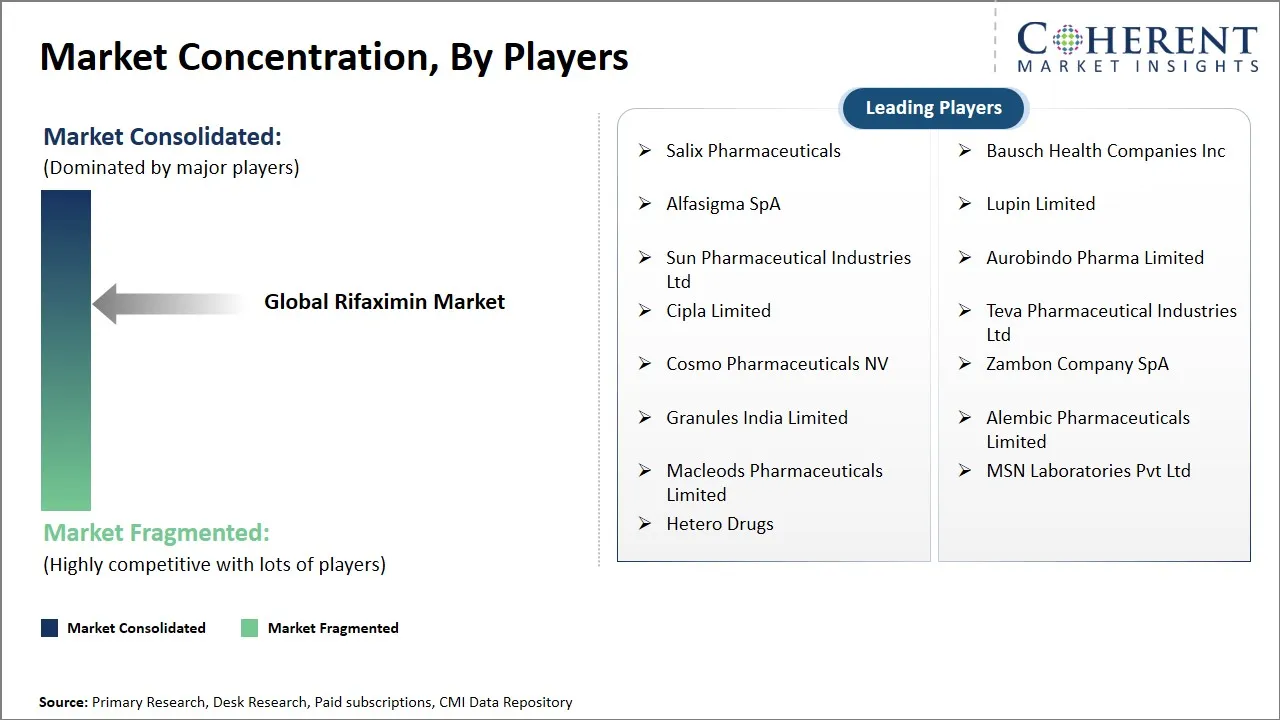
Salix Pharmaceuticals, Bausch Health Companies Inc, Alfasigma SpA, Lupin Limited, Sun Pharmaceutical Industries Ltd, Aurobindo Pharma Limited, Cipla Limited, Teva Pharmaceutical Industries Ltd, Cosmo Pharmaceuticals NV, Zambon Company SpA, Granules India Limited, Alembic Pharmaceuticals Limited, Macleods Pharmaceuticals Limited, MSN Laboratories Pvt Ltd, and Hetero Drugs are the major players.
North America is expected to lead the global rifaximin market in 2026.