

Global Peripheral Neuropathy Treatment Market Size and Forecast – 2026 To 2033
The global peripheral neuropathy treatment market is expected to grow from USD 2,071.9 Mn in 2026 to USD 2,564.7 Mn by 2033, registering a compound annual growth rate (CAGR) of 3.1%. The global peripheral neuropathy treatment market is poised for significant expansion, fueled by the rising prevalence of diabetes.
The International Diabetes Federation's 2025 Atlas estimates that roughly 589 million adults had diabetes in 2024. This number is expected to climb to approximately 853 million by 2050, which translates to one in eight adults – a 46% increase. This surge will considerably broaden the population vulnerable to diabetic peripheral neuropathy, thereby escalating the need for treatment.
(Source: International Diabetes Federation)
Key Takeaways of the Global Peripheral Neuropathy Treatment Market
- Diabetic peripheral neuropathy is projected to hold 45.2 % of the global peripheral neuropathy treatment market share in 2026, making it the dominant indication segment, particularly prominent in the Asia Pacific and North America regions because of the rising number of cases of diabetes. For instance, according to the Centers for Disease Control and Prevention, in 2021, there were an estimated 38.4 million people living with diabetes in the U.S., with many being at risk of suffering from peripheral neuropathy and other complications. (Source: U.S. Department of Health and Human Services)
- Pharmacological therapies are projected to 68.6 % of the global peripheral neuropathy treatment market share in 2026, making it the dominant treatment segment, with substantial usage in North America and Europe due to well-defined clinical protocols, effective reimbursement policies (Medicare, Medicaid, private insurers in the U.S.; statutory health insurance (SHI) and national health systems across Europe), and the wide distribution of prescription drugs for neuropathic pain therapy.
- Hospitals segment is projected to hold 56.1% of the global peripheral neuropathy treatment market share in 2026, making it the dominant end user segment, particularly in North America and Europe, because of developed healthcare facilities, availability of sophisticated diagnostic equipment, and greater inclination towards hospital care among patients. For instance, as per the Centers for Disease Control and Prevention, ~7.9% of the U.S. population requires an overnight stay at hospitals each year, emphasizing the dependency of people on hospitals for treating health issues. (Source: Centers for Disease Control and Prevention)
- North America market maintains dominance with an expected share of 41. 1% in 2026, due to the high incidence of diabetic and neuropathic diseases, as well as the availability of modern healthcare facilities and well-established reimbursement systems. In addition, the use of new treatment methods and presence of pharmaceutical firms and med-tech companies also contribute to regional dominance.
- Asia Pacific is expected to exhibit the fastest growth with an estimated contribution of 18. 8% share in 2026, on account of rapid increase in the incidence of diabetes, improving healthcare access, and increasing health care expenditures by the governments in developing nations like China and India (China’s healthcare spending exceeded ~USD 1.1 trillion, while India’s government health expenditure rose to ~2.1% of GDP in FY23).
- Increasing Focus on Chemotherapy-Induced Peripheral Neuropathy (CIPN): An increase in the number of patients suffering from cancer and undergoing chemotherapy results in an increased prevalence of chemotherapy-induced peripheral neuropathy, which is an area of unmet medical need with few options for treatment.
Segmental Insights
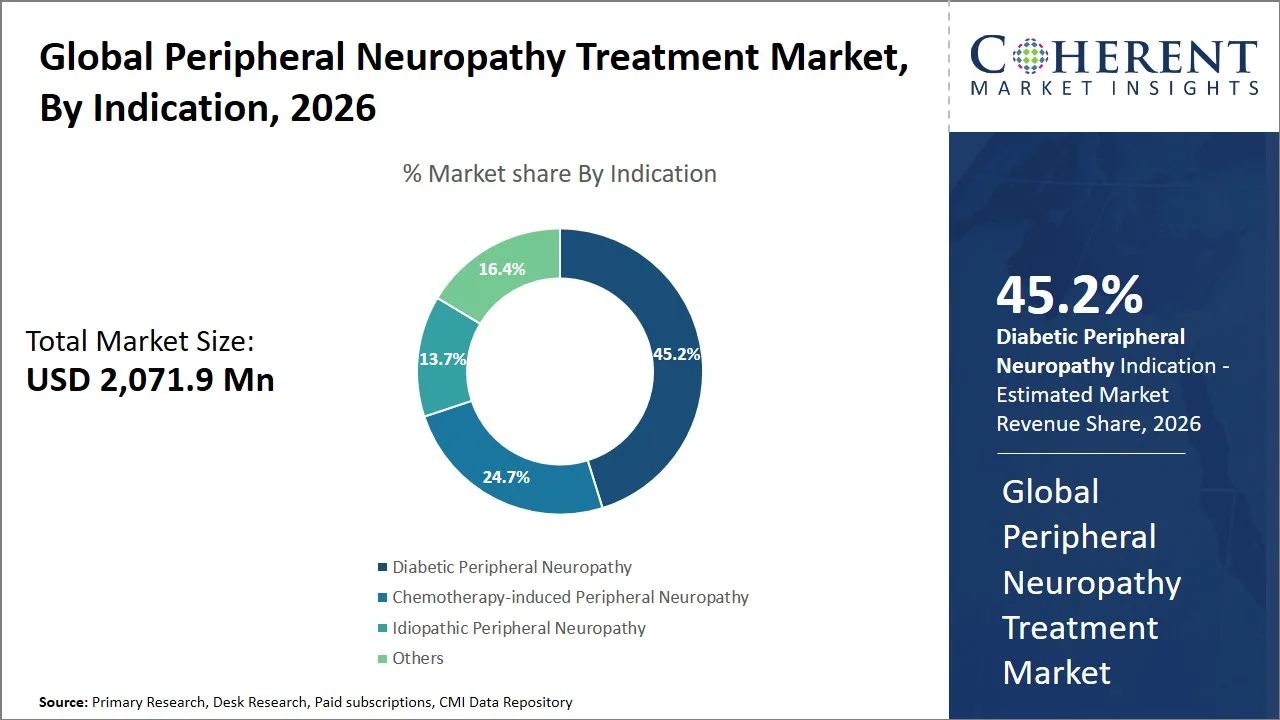
Why Do Diabetic Peripheral Neuropathy Dominate the Global Peripheral Neuropathy Treatment Market?
Diabetic peripheral neuropathy is projected to hold the market share of 45.2% in 2026, owing to high prevalence and strong causal link with diabetes. According to data from the Centers for Disease Control and Prevention and Clinical Studies, about half of all people with diabetes develop some form of nerve damage, with peripheral neuropathy being the most common type (Source: U.S. Centers for Disease Control and Prevention).
Additionally, the research published by National Library of Medicine, suggests that Diabetic Peripheral Neuropathy (DPN) accounts for nearly 75–90% of neuropathy cases among diabetic patients, and affects 10%–30% of individuals with prediabetes making it the leading indication for treatment. (Source: National Library of Medicine) The combination of this high disease burden, chronic nature, and need for symptom management results in continuous demand for drug-based and device-based treatments, thus ensuring that the treatment segment continues to dominate the market.
- Current Industry Events of 2026
- Market Size Estimation
- Regional Breakdown
- Competitive Landscape
- Customer Intelligence
- Segmental Analysis
- Pricing Analysis
- Key Market Drivers, Challenges & Future Trends
- Customized Insights Section
Why are Pharmacological Therapies the Most Preferred Treatment in Global Peripheral Neuropathy Treatment Market?
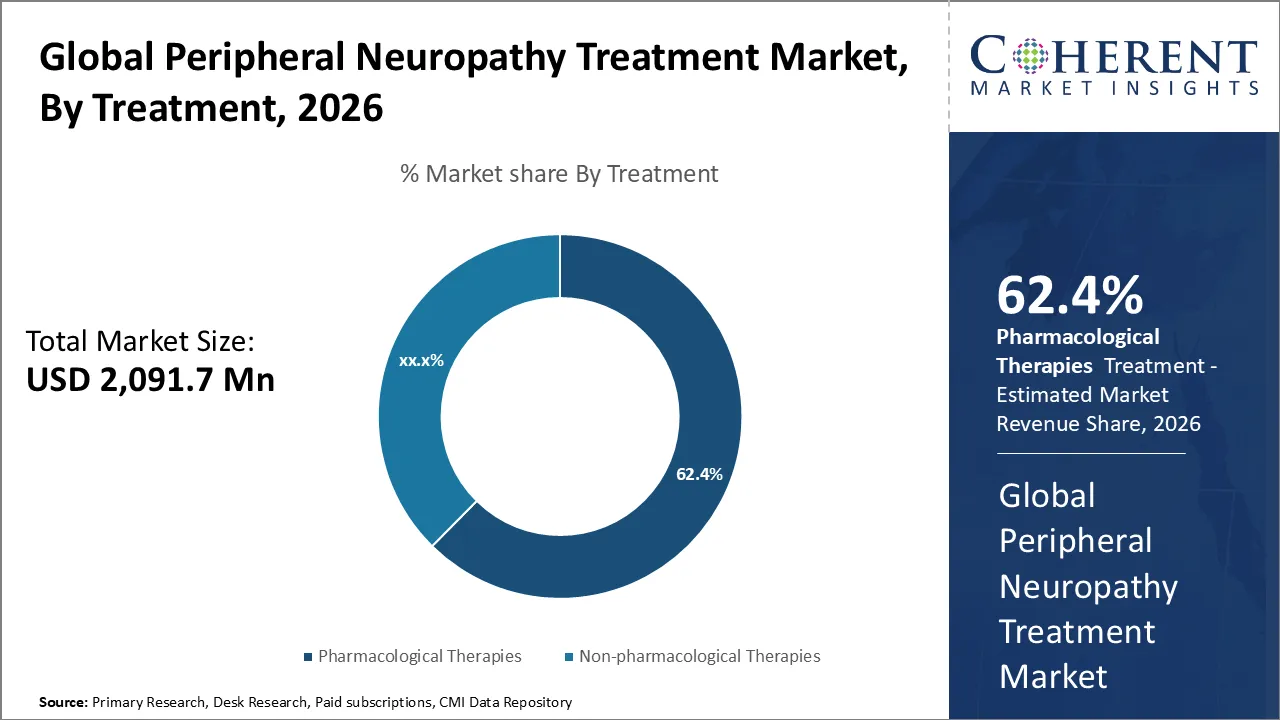
Pharmacological therapies are projected to hold a market share of 68.6% in 2026, due to the existence of evidence-based guidelines (e.g., American Academy of Neurology, National Institute for Health and Care Excellence, World Health Organization), evidence-based recommendation, and high availability. Pharmacologically based clinical studies supported by governments, like the National Institutes of Health (NIH), have found that the first approach to treat neuropathic pain involves the use of medications, specifically antidepressants and anticonvulsants.
A study published by National Library of Medicine in September 2024, showed that antidepressants and anticonvulsants still work effectively as the first approach for neuropathic pain treatment, in addition to evidence proving the effectiveness of gabapentin in managing diabetic neuropathy (Source: National Library of Medicine). Whereas additional evidence from clinical practice demonstrates the effectiveness of gabapentinoids like gabapentin in treating diabetic neuropathy, highlighting the continued reliance on pharmacological therapies globally. (Source: National Library of Medicine)
Hospitals Segment Dominates the Global Peripheral Neuropathy Treatment Market
The hospitals segment is projected to hold a market share of 56.1% in 2026, owing to its capacity to deliver proper diagnosis, treatment, and holistic care for complicated cases of neuropathy. Hospitals are equipped with advanced medical technologies that aid in diagnosing patients through nerve conduction studies (motor nerve conduction velocity (MNCV), electromyography (EMG)) and other means). Moreover, hospitals offer services like neurology, pain clinic therapy, and other advanced forms of treatment. In addition, a high flow of patients for chronic conditions such as diabetes boosts hospital shares in the market.
Currents Events and their Impact
Current Events | Description and its Impact |
Increasing Burden of Chronic Diseases & Aging Population (Macro Shift – 2024–2025) |
|
Shift Toward Non-Opioid Therapies (Regulatory + Industry Shift – 2024–2025) |
|
(Source: World Health Organization, U.S. Food and Drug Administration)
Global Peripheral Neuropathy Treatment Market Dynamics
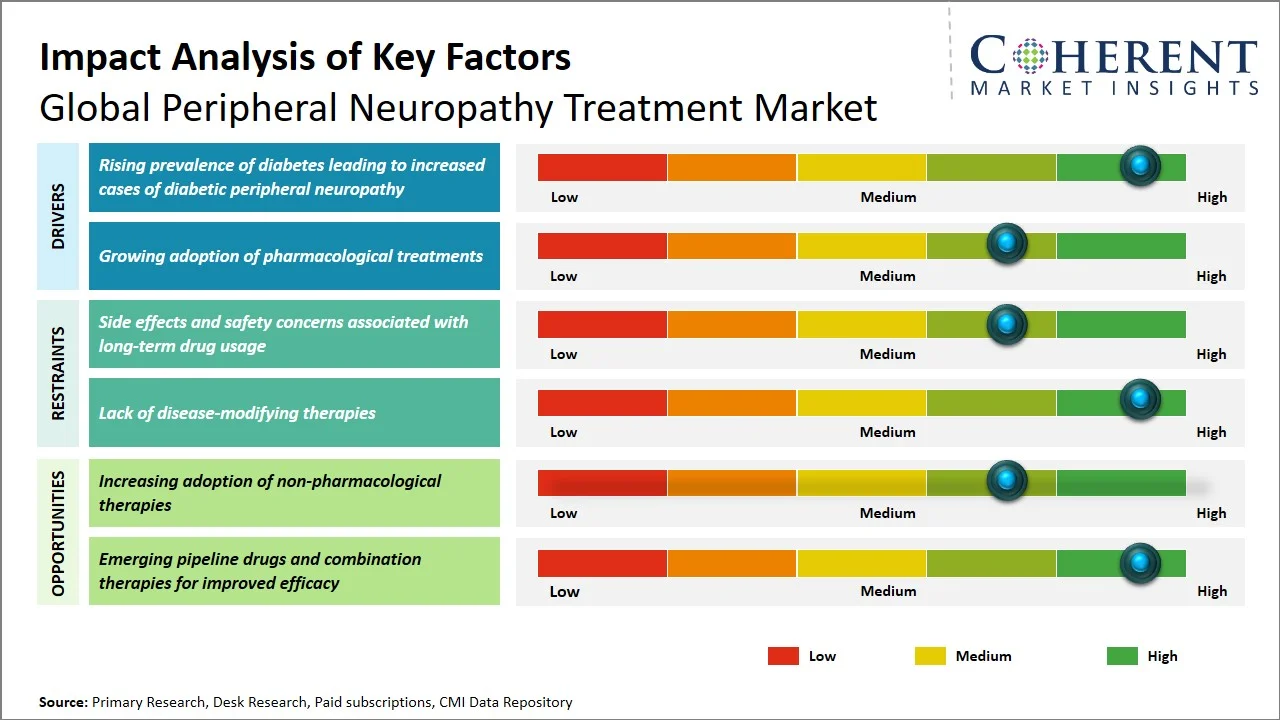
Market Drivers
- Rising prevalence of diabetes leading to increased cases of diabetic peripheral neuropathy: The increase in cases of Diabetes Mellitus around the globe is one of the major factors responsible for the demand for peripheral neuropathy treatment since it is the major cause of nerve problems. The World Health Organization estimates that around 830 million people globally have diabetes, and the figures have been rising for years (Source: World Health Organization). Further, International Diabetes Federation's data reveals that approximately 1 in 2 people living with diabetes experience neuropathy. (Source: International Diabetes Federation)
- Growing adoption of pharmacological treatments: Government-supported clinical data indicates that pharmacological interventions constitute the principal strategy for managing neuropathic pain, with antidepressants, anticonvulsants, and analgesics frequently employed as initial or standard treatments. Clinical investigations, as documented by the National Institutes of Health (NIH), demonstrate that antidepressants, such as tricyclic antidepressants (TCAs) and serotonin-norepinephrine reuptake inhibitors (SNRIs), along with anticonvulsants like gabapentin and pregabalin, are commonly utilized as first-line therapies; conversely, analgesics are often implemented as adjunctive or second-line options. (Source: National Library of Medicine).
Emerging Trends
- Shift Toward Non-Opioid and Targeted Therapies: Non-opioids such as anticonvulsants, antidepressants, and topicals have emerged as preferred choices for reducing dependency. Recent breakthroughs in the development of drugs that work through a specific pathway have contributed significantly towards effective pain management.
- Increasing Adoption of Combination Therapies: Combination therapy is being adopted by healthcare practitioners to provide increased analgesic effect and act on different pathogenic mechanisms in neuropathy. This helps in improving efficacy in complicated conditions such as diabetic peripheral neuropathy, where monotherapy might not be enough.
Regional Insights
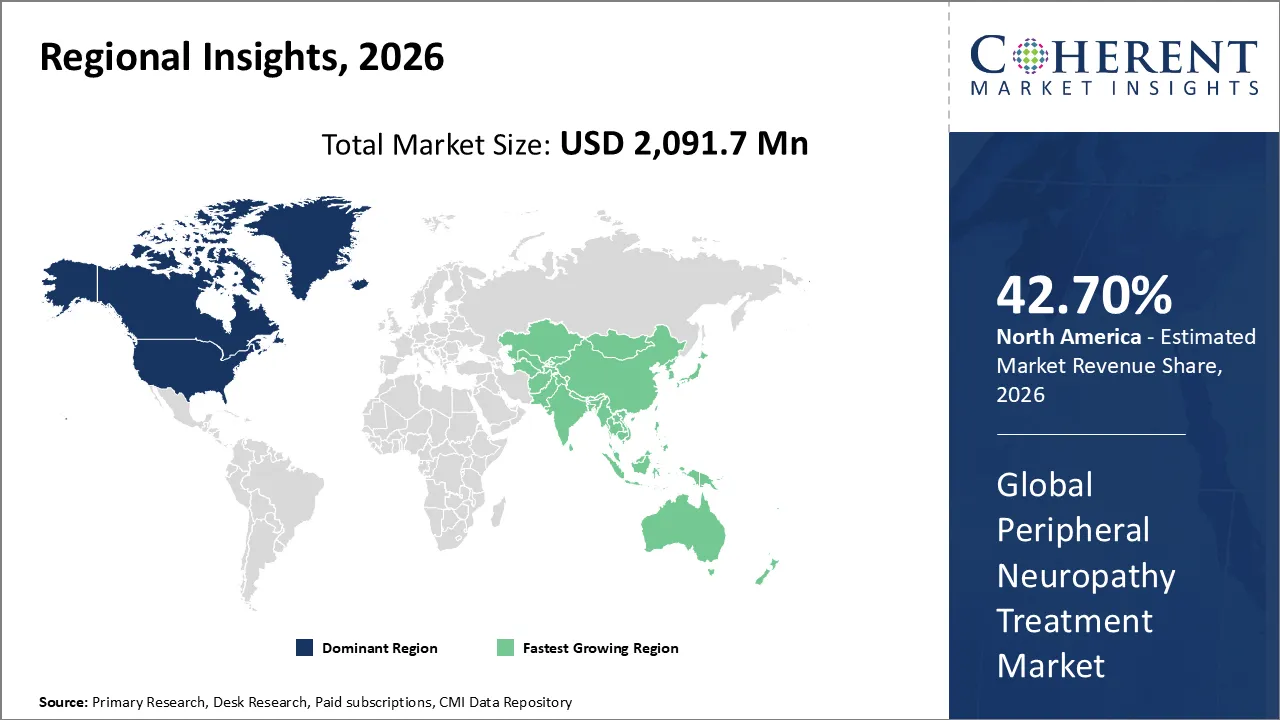
Why is North America a Strong Market for Peripheral Neuropathy Treatment?
North America leads the global peripheral neuropathy treatment market, accounting for an estimated 41.1% share in 2026, due to the high disease burden and well-developed healthcare system. The Centers for Disease Control and Prevention estimates that more than 40 million individuals in the U.S. are living with diabetes (≈12% of the population), and about half develop nerve damage, with peripheral neuropathy being the most common form. (Source: Centers for Disease Control and Prevention)
Additionally, a study published by National Library of Medicine indicates that around 28% of adults with diabetes in the U.S. already have peripheral neuropathy, reflecting a substantial treatment population (Source: National Library of Medicine). The region's leading position in the peripheral neuropathy treatment market is significantly driven by the high prevalence of the condition, along with easy access to advanced diagnostic tools, reimbursement systems (Medicare, Medicaid, private insurers), and the quick adoption of new treatments.
Why Does Asia Pacific Peripheral Neuropathy Treatment Market Exhibit High Growth?
The Asia Pacific peripheral neuropathy treatment market is expected to exhibit the fastest growth with an estimated contribution of 18.8% share to the global market in 2026, owing to the increasing prevalence of diabetes and related complications, as well as enhanced healthcare facilities in developing nations. The Asia Pacific region constitutes a major portion of the world’s diabetic population, and the number of people suffering from diabetes in the region stands in the hundreds of millions, leading to a vast patient pool susceptible to neuropathy.
The International Diabetes Federation reports that the number of adults with diabetes in South-East Asia grew from 34.9 million in 2000 to 106.9 million in 2024. By 2050, the number is projected to hit 184.5 million, significantly raising the number of individuals vulnerable to diabetic peripheral neuropathy (Source: International Diabetes Federation). Given that a substantial proportion of those with diabetes develop neuropathy, this swift uptick in the disease's incidence, coupled with improved healthcare access and the broader adoption of treatments, is driving robust demand for pharmaceutical interventions across the Asia Pacific region.
Global Peripheral Neuropathy Treatment Market Outlook for Key Countries
Why are the U.S. Leading Innovation and Adoption in the Peripheral Neuropathy Treatment Market?
The U.S. is at the forefront of developing new innovations and adopting new peripheral neuropathy treatment approaches owing to its rich clinical research environment, quick regulatory approval process, and higher uptake of cutting-edge technologies. The existence of a broad number of drug and device companies in addition to investment in research for neurology (NIH budget reached ~USD 47.4 billion in 2024, with billions allocated toward neuroscience and neurological disorder research, including ~USD 2.8 billion for neurological disorders programs) and clinical trials leads to rapid development of new devices and drugs such as neuromodulation devices and non-opioid pain drugs. Further, the involvement of the U.S. FDA in speeding innovations through fast-track designation ensures that innovations reach the market rapidly, and awareness facilitates quicker uptake. (Source: Springer Nature Limited)
Is U.K. a Favorable Market for Peripheral Neuropathy Treatment Market?
The peripheral neuropathy treatment market is expected to witness positive growth in the U.K. owing to robust healthcare system, high prevalence of the disease, and effective clinical management structures. Based on data provided by the National Health Service of the U.K., about 1 in 10 people aged 55 or over are affected by peripheral neuropathy. (Source: National Health Service)
Furthermore, diabetes is considered as the primary contributor to neuropathy, exhibits a high prevalence; research indicates that approximately 25% of diabetic individuals in the U.K. suffer from painful diabetic peripheral neuropathy, thereby underscoring a significant need for therapeutic interventions (Source: National Library of Medicine). The establishment of structured treatment protocols, elevated diagnostic rates, and broad availability of pharmacological treatments collectively reinforce the U.K.'s status as a well-established and developed market for peripheral neuropathy treatment.
Is China Emerging as a Key Growth Hub for the Peripheral Neuropathy Treatment Market?
China represents a major growth center for the market for peripheral neuropathy treatment owing to rapid growth in the diabetic patient base in the country coupled with an improved healthcare infrastructure and robust governmental support. Research published in January 2026, by ScienceDirect stated that the prevalence of diabetes in Chinese adults surged from just 2.5% in 1994 to 13.0% in 2021, affecting over 140 million adults and projected to reach 174 million by 2045, thus increasing the risk factor for developing diabetic peripheral neuropathy (Source: ScienceDirect). The government's "Healthy China 2030" plan, coupled with the increasing inclusion of sophisticated therapies in national reimbursement programs (National Reimbursement Drug List (NRDL), Urban Employee Basic Medical Insurance (UEBMI), Urban-Rural Resident Basic Medical Insurance (URRBMI)) is driving further growth.
Why Does Germany Top the European Peripheral Neuropathy Treatment Market?
Germany emerges as the dominant player within the European peripheral neuropathy treatment market owing to the high prevalence of patients, superior health care facilities, and huge spending on health care services (health expenditure reached ~12.7% of GDP, among the highest in Europe, with per capita spending exceeding USD 7,000), in the region. Being the most populated nation in Europe, Germany suffers from a considerable number of cases of Diabetes Mellitus, which is one of the main causative agents of neuropathy, resulting in a steady demand for treatment.
According to the national health research institutes and epidemiology, it is estimated that about 8.5 million individuals in Germany suffer from diabetes, while about 2 million people live with undiagnosed diabetes (Source: Deutsche Zentren der Gesundheitsforschung). Moreover, Germany is well-positioned as far as its reimbursement system and wide acceptance of guideline-based treatments are concerned (backed by the Federal Joint Committee and Robert Koch Institute). Together with the presence of established pharmaceutical firms operating within its territory and efficient distribution channels, Germany emerges as the dominant European market.
Is Peripheral Neuropathy Treatment Market Developing in India?
The peripheral neuropathy treatment market is experiencing growth in India owing to the fast-growing incidence of diabetes in India and the increasing healthcare services in the country. As per estimates by the World Health Organization, there are 77 million individuals in India suffering from diabetes, out of which 25 million are pre-diabetic, highlighting a significant population of people at risk of developing neuropathy in the country (Source: World Health Organization).
Government-sponsored research suggests that the prevalence of diabetic peripheral neuropathy in India varies tremendously, ranging between 9.6% and 78% of all cases of the disease (Source: Indian Journal of Medical Research). Additionally, with the help of national initiatives like NPCDCS (National Programme for Prevention and Control of Cancer, Diabetes, Cardiovascular Diseases and Stroke), India has been identified as one of the potential growth markets for peripheral neuropathy therapies.
Regulatory Landscape Governing the Global Peripheral Neuropathy Treatment Market
Region | Key Regulations | Regulatory Overview | Impact on Market |
North America | U.S. Food and Drug Administration (FDA) – NDA/ANDA pathways, Controlled Substances Act (for certain pain drugs), HIPAA | Highly structured regulatory framework with stringent clinical trial, safety, efficacy, and labeling requirements; strong oversight on opioid and CNS-active drugs | Ensures high drug safety and efficacy standards, supporting innovation; however, strict approval timelines and compliance requirements increase development costs |
Europe | European Medicines Agency (EMA), EU Clinical Trials Regulation (CTR), Pharmacovigilance Directive, GDPR | Centralized and decentralized approval pathways across EU; strong emphasis on drug safety monitoring, real-world evidence, and data protection | Facilitates access to multiple markets via centralized approvals; however, varying reimbursement policies and compliance complexity can impact commercialization |
Asia Pacific | CDSCO (India), NMPA (China), PMDA (Japan), TGA (Australia) | Diverse and evolving regulatory landscape with increasing harmonization toward global standards; growing focus on generics and biosimilars | High growth potential due to faster generic approvals and large patient pool; regulatory variability and evolving policies may create entry challenges |
Latin America | ANVISA (Brazil), COFEPRIS (Mexico), INVIMA (Colombia) | Developing regulatory systems with improving clinical and manufacturing standards; increasing alignment with international guidelines | Supports gradual market expansion and generics penetration; however, approval delays and inconsistent regulatory timelines may hinder rapid entry |
Middle East & Africa | Saudi FDA (SFDA), South African Health Products Regulatory Authority (SAHPRA), UAE MOHAP | Emerging regulatory frameworks with growing focus on quality standards, import regulations, and localization policies | Creates opportunities for market entry and expansion; however, fragmented regulations and longer approval timelines may pose operational challenges |
How is the emerging pipeline drugs and combination therapies for improved efficacy creating new growth opportunities in the peripheral neuropathy treatment market?
The peripheral neuropathy treatment market is poised for considerable expansion, fueled by the emergence of new pipeline medicines and drug combinations that increase efficacy and meet unmet needs in the clinical space. The National Institutes of Health reports that the agency spends more than USD 48 billion every year on medical research, with a significant amount being devoted to neurodegenerative conditions and pain science to discover new treatments. (Source: National Institutes of Health)
Moreover, the U.S. FDA continues to promote the research and development of innovative non-opioid therapies through its regulatory initiatives (Non-Addictive Pain Treatment Development Program, Breakthrough Therapy Designation, Fast Track Designation). This favorable funding scenario and increasing pipeline have led to a fast-tracked development of therapies, opening up numerous growth prospects in the peripheral neuropathy drugs market.
Market Players, Key Development, and Competitive Intelligence
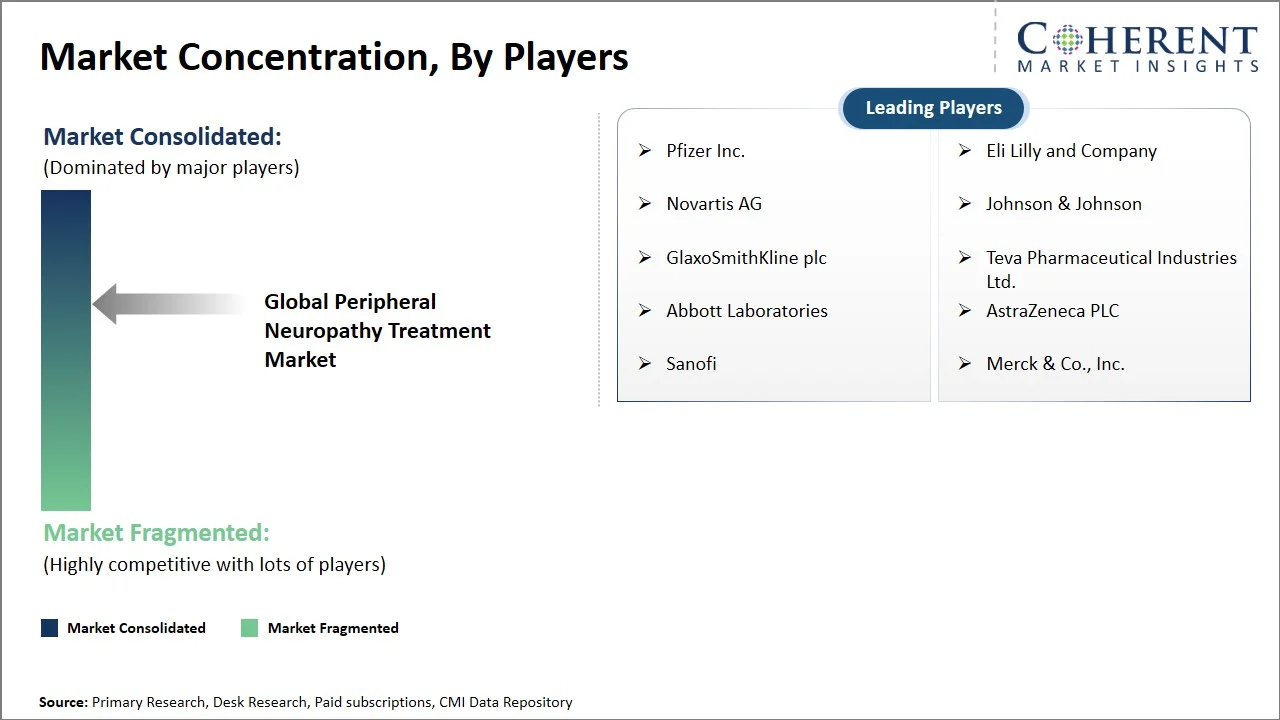
Key Developments
- In November 2025, Toray Industries, Inc. entered into an out-licensing agreement with Sanodyne Therapeutics, Inc. The deal involved a promising new drug candidate designed to treat peripheral neuropathy, offering a fresh approach to the condition. This collaboration is anticipated to speed up both clinical development and the eventual release of the drug. It also underscores the increasing emphasis within the industry on developing innovative therapies that can alter the course of diseases.
- In September 2025, Vertex Pharmaceuticals entered into a partnership with the Foundation for Peripheral Neuropathy as a 2025 Premier Impact Partner. This partnership demonstrates that the pharmaceutical industry is now becoming more involved in improving our knowledge about peripheral neuropathy and finding effective treatments for this condition.
Competitive Landscape
The peripheral neuropathy treatment market is characterized by intense competition, largely fueled by the presence of generic medications. This has led to considerable price competition worldwide. As numerous therapies are no longer under patent, businesses are vying for an edge through cost-effectiveness, the ability to manufacture at scale, and robust distribution systems. Simultaneously, they are working to broaden their product offerings and make treatments more readily available. Key focus areas include:
- Expansion of generic drug portfolios to strengthen market presence
- Cost leadership through large-scale manufacturing and supply chain optimization
- Strategic collaborations and licensing to enhance product reach
- Development of improved formulations (e.g., extended-release, combination therapies) for better patient compliance
Market Report Scope
Peripheral Neuropathy Treatment Market Report Coverage
| Report Coverage | Details | ||
|---|---|---|---|
| Base Year: | 2025 | Market Size in 2026: | USD 2,071.9 Mn |
| Historical Data for: | 2020 To 2024 | Forecast Period: | 2026 To 2033 |
| Forecast Period 2026 to 2033 CAGR: | 3.1% | 2033 Value Projection: | USD 2,564.7 Mn |
| Geographies covered: |
| ||
| Segments covered: |
| ||
| Companies covered: | Pfizer Inc., Eli Lilly and Company, Novartis AG, Johnson & Johnson, GlaxoSmithKline plc, Teva Pharmaceutical Industries Ltd., Abbott Laboratories, AstraZeneca PLC, Sanofi, and Merck & Co., Inc. | ||
| Growth Drivers: |
| ||
| Restraints & Challenges: |
| ||
Analyst Opinion (Expert Opinion)
- The market for peripheral neuropathy treatment is expected to exhibit consistent and sustainable growth, mainly due to the growing prevalence of diabetes, which accounts for the highest number of cases of peripheral neuropathy. Awareness and early diagnosis along with the shift away from the use of opioids and towards target therapies may lead to shifts in existing therapeutic approaches. In addition, the development of neuromodulator and regenerative therapies is expected to shift the market focus from symptomatic treatment to disease modification.
- Opportunities for maximum growth will be found in diabetic peripheral neuropathy (DPN), especially concerning oral pharmacologic therapy and neuromodulation therapy in the U.S., China, and India. These countries have a significant diabetic population and are equipped with improved healthcare infrastructure, thus providing easy access to care. In addition, developing countries offer an unexploited opportunity because of underdiagnosis and increased spending on healthcare.
- To have an edge over their competition, market participants need to concentrate on developing distinctive treatments that are not addictive and feature higher safety and efficacy than current options. Combining drugs, as well as using long-acting products, are other important strategies to consider in order to improve adherence rates among patients. Digital technologies and generic products will play significant roles in future market success.
Speak to the analyst
Want personalized insights?
Take the findings above to one of our principal consultants, or have the report rebuilt around the segments, geographies and competitors you actually track.
Market Segmentation
- Indication Insights (Revenue, USD Mn, 2021 - 2033)
- Diabetic Peripheral Neuropathy
- Chemotherapy-induced Peripheral Neuropathy
- Idiopathic Peripheral Neuropathy
- Others
- Treatment Insights (Revenue, USD Mn, 2021 - 2033)
- Pharmacological Therapies
- Non-pharmacological Therapies
- End User Insights (Revenue, USD Mn, 2021 - 2033)
- Hospitals
- Ambulatory Centers
- Others
- Regional Insights (Revenue, USD Mn, 2021 - 2033)
- North America
- U.S.
- Canada
- Latin America
- Brazil
- Argentina
- Mexico
- Rest of Latin America
- Europe
- Germany
- U.K.
- Spain
- France
- Italy
- Russia
- Rest of Europe
- Asia Pacific
- China
- India
- Japan
- Australia
- South Korea
- ASEAN
- Rest of Asia Pacific
- Middle East
- GCC Countries
- Israel
- Rest of Middle East
- Africa
- South Africa
- North Africa
- Central Africa
- North America
- Key Players Insights
- Pfizer Inc.
- Eli Lilly and Company
- Novartis AG
- Johnson & Johnson
- GlaxoSmithKline plc
- Teva Pharmaceutical Industries Ltd.
- Abbott Laboratories
- AstraZeneca PLC
- Sanofi
- Merck & Co., Inc.
Sources
Primary Research Interviews
- Peripheral neuropathy treatment manufacturers and generic drug producers
- Pharmaceutical distributors and hospital pharmacy managers involved in CNS drug supply
- Neurologists and pain specialists prescribing neuropathic pain therapies
- Clinical researchers specializing in neuropathic pain and neurodegenerative disorders
Stakeholders
- U.S. Food and Drug Administration (FDA) – Drug development and approvals
- European Medicines Agency (EMA) – CNS and neuropathic drug regulation
- Central Drugs Standard Control Organization (CDSCO) – India drug approvals
- World Health Organization (WHO) – Essential medicines and treatment guidelines
- End-use Sectors
- Hospitals (neurology and pain management departments)
- Specialty Clinics (neurology, diabetology, pain clinics)
- Retail Pharmacies
- Online Pharmacies
- Regulatory & Health Bodies: U.S. Food and Drug Administration (FDA), European Medicines Agency, Central Drugs Standard Control Organization (CDSCO), World Health Organization (WHO)
Databases
- FDA Orange Book – Approved drug products database
- WHO Global Health Observatory (GHO)
- OECD Health Statistics – Pharmaceutical consumption
- National Institutes of Health (NIH) – Clinical trials & research database
Magazines
- Pharmaceutical Technology – CNS and pain management drug trends
- BioPharma Dive – Neurology drug market developments
- Drug Discovery & Development – Advances in neuropathic pain therapies
- Healthcare Business Today – Pain management and CNS market trends
Journals
- The Lancet Neurology – Neuropathic pain and treatment studies
- Journal of Clinical Neurology – Peripheral neuropathy treatment outcomes
- CNS Drugs – Pharmacological profiles of neuropathic pain therapies
- BMJ (British Medical Journal) – Neurology and pain management research
Newspapers
- The Wall Street Journal – Pharmaceutical and generics market trends
- Financial Times – Global pharma and patent landscape
- Business Standard – India pharmaceutical and CNS drug insights
- The Economic Times – Healthcare and pharma sector developments
Associations
- American Academy of Neurology (AAN)
- National Institute of Neurological Disorders and Stroke (NINDS)
- World Federation of Neurology (WFN)
- European Academy of Neurology (EAN)
Public Domain Sources
- World Health Organization (WHO) – Neurological disorder statistics
- National Institutes of Health (NIH) – Neuropathy research and treatment data
- U.S. FDA – Drug safety and labeling for neuropathic pain drugs
- European Medicines Agency (EMA) – Drug approvals and pharmacovigilance
Proprietary Elements
- CMI Data Analytics Tool, Proprietary CMI Existing Repository of information for last 10 years.
Get access to 250+ pages report
Every segment, forecast, competitor profile and data table behind the analysis above — available for instant download.
- ESOMAR Member
- ISO 9001:2015 Certified
- D-U-N-S Registered
- GDPR & CCPA Compliant
Missing comfort of reading report in your local language? Find your preferred language:
Transform your Strategy with Exclusive Trending Reports
Frequently Asked Questions
The global peripheral neuropathy treatment market is estimated to be valued at USD 2,071.9 Mn in 2026 and is expected to reach USD 2,564.7 Mn by 2033.
Diabetic peripheral neuropathy dominates due to the high global prevalence of Diabetes Mellitus, leading to a large patient pool requiring long-term neuropathic pain management.
Peripheral Neuropathy Treatment refers to the use of medications, therapies, and interventions to manage nerve damage symptoms (e.g., pain, numbness) and address underlying causes such as diabetes.
The CAGR of global peripheral neuropathy treatment market is projected to be 3.1% from 2026 to 2033.
Rising prevalence of diabetes leading to increased cases of diabetic peripheral neuropathy and growing adoption of pharmacological treatments are the major factors driving the growth of the global peripheral neuropathy treatment market.
Side effects and safety concerns associated with long-term drug usage and lack of disease-modifying therapies are the major factors hampering the growth of the global peripheral neuropathy treatment market.
Anticonvulsants (e.g., pregabalin), antidepressants (SNRIs, TCAs), opioids, and topical agents like capsaicin are widely prescribed for neuropathic pain management.